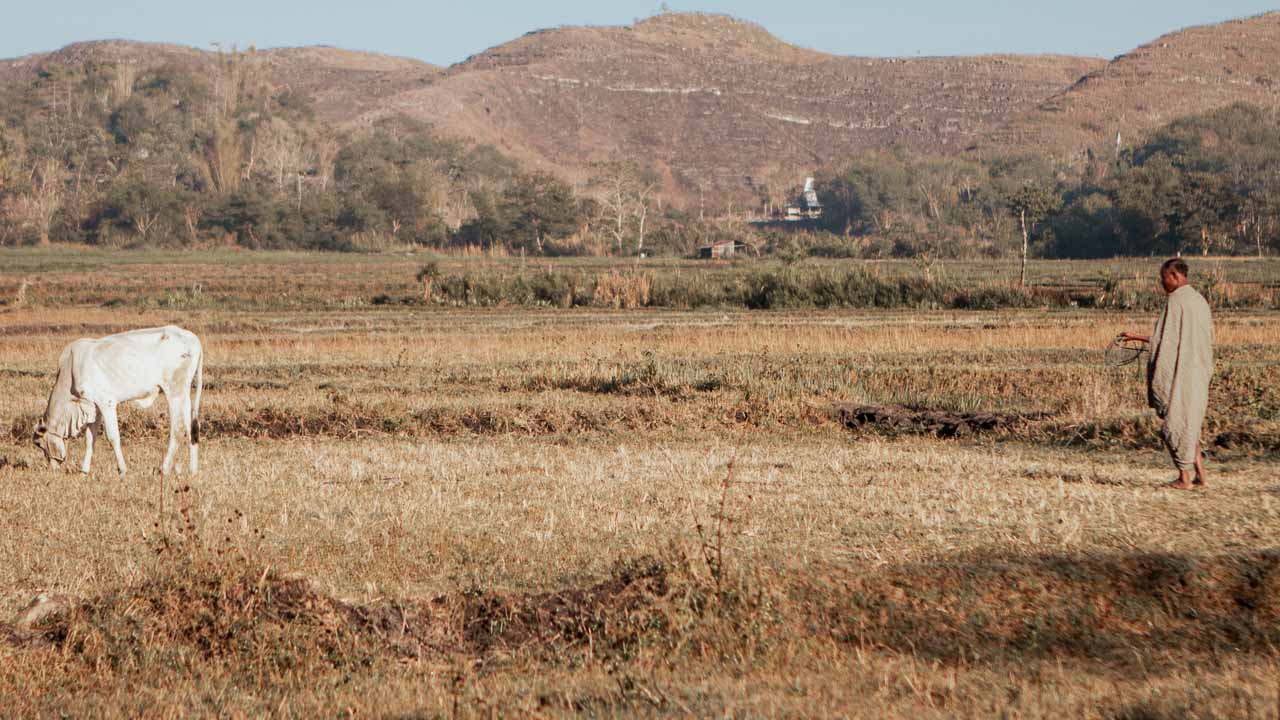


In the scattered hills of East Sumba, 5,300-litre ferrocement tanks collect each drop of rain. Families help build and maintain them. Children drink safely, and women no longer have to carry 20-kilo jerrycans for hours. Water near the house is a primary source of health care.
Climate Change and Health in Rural Indonesia
Since 2006, Fair Future has been on a mission to create lasting change in the most vulnerable and remote regions of Southeast Asia. Through collective action, we’ve built hospitals, provided clean water, and delivered essential medical services, turning seismic challenges into transformative opportunities for thousands.
Climate Change and Human Health Worldwide
How a changing climate harms daily health
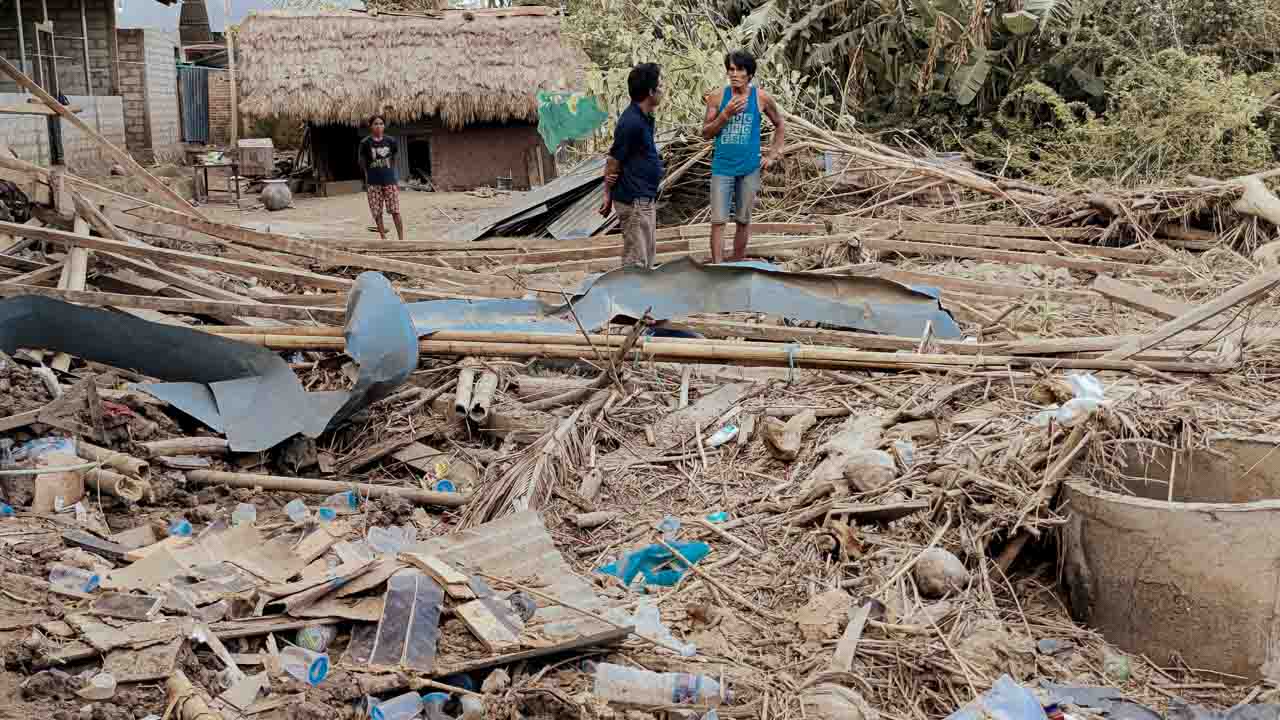
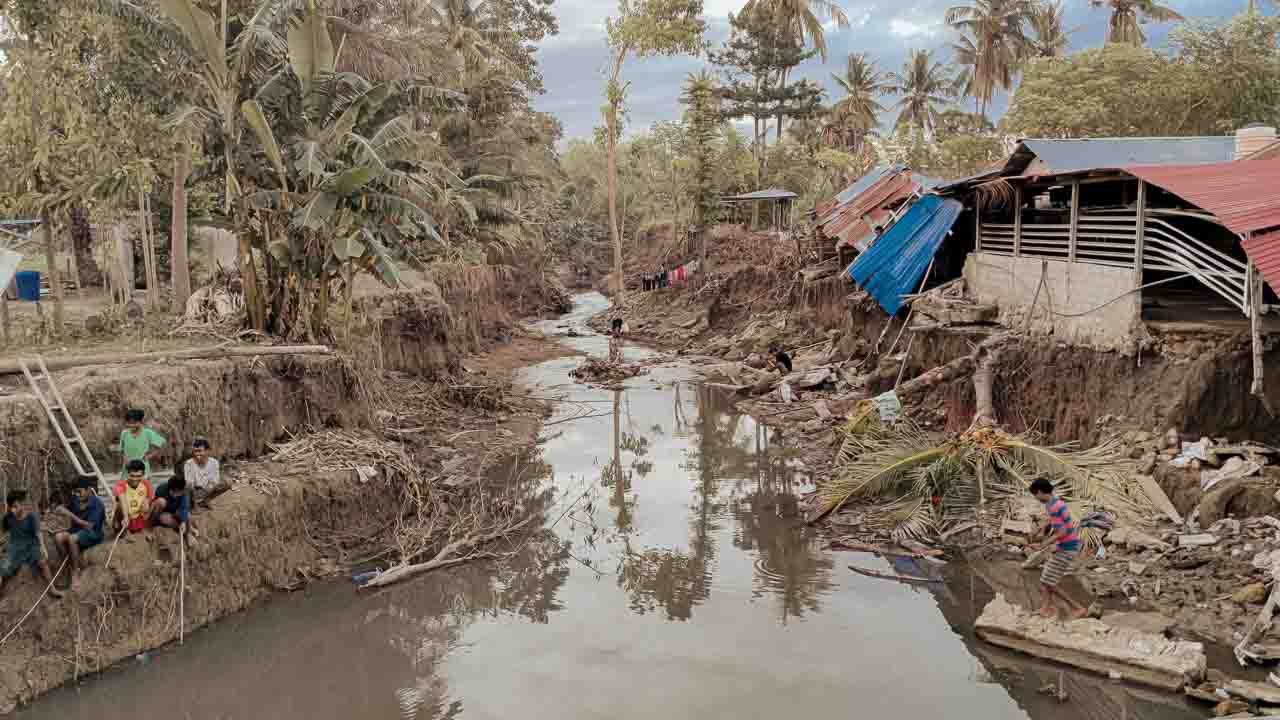
Flood damage increases injuries and disease, revealing the links between climate change and health risks.
Climate Change and Health in Rural Indonesia
Climate change is closely linked to health issues, as seen in Eastern Indonesia, where extreme weather worsens health challenges.
Prolonged heat causes droughts, shrinking water sources, and agricultural failures, leading to malnutrition and waterborne illnesses. Studies indicate that climate disruptions increase the risk of infectious diseases and mental health problems.
Flooding also hampers access to healthcare, isolating communities in need. Addressing these issues requires efforts by Fair Future and Kawan Baik Indonesia, whose programs, such as Primary Medical Care and Kawan Sehat, aim to mitigate their impacts. The WHO states that climate change could result in an additional 250,000 deaths annually from malnutrition, malaria, diarrhoea, and heat stress.
Indonesian experiences highlight the urgent need for integrated healthcare solutions to adapt to environmental changes.
Fair Future Foundation, the 25th of November 2025/aw
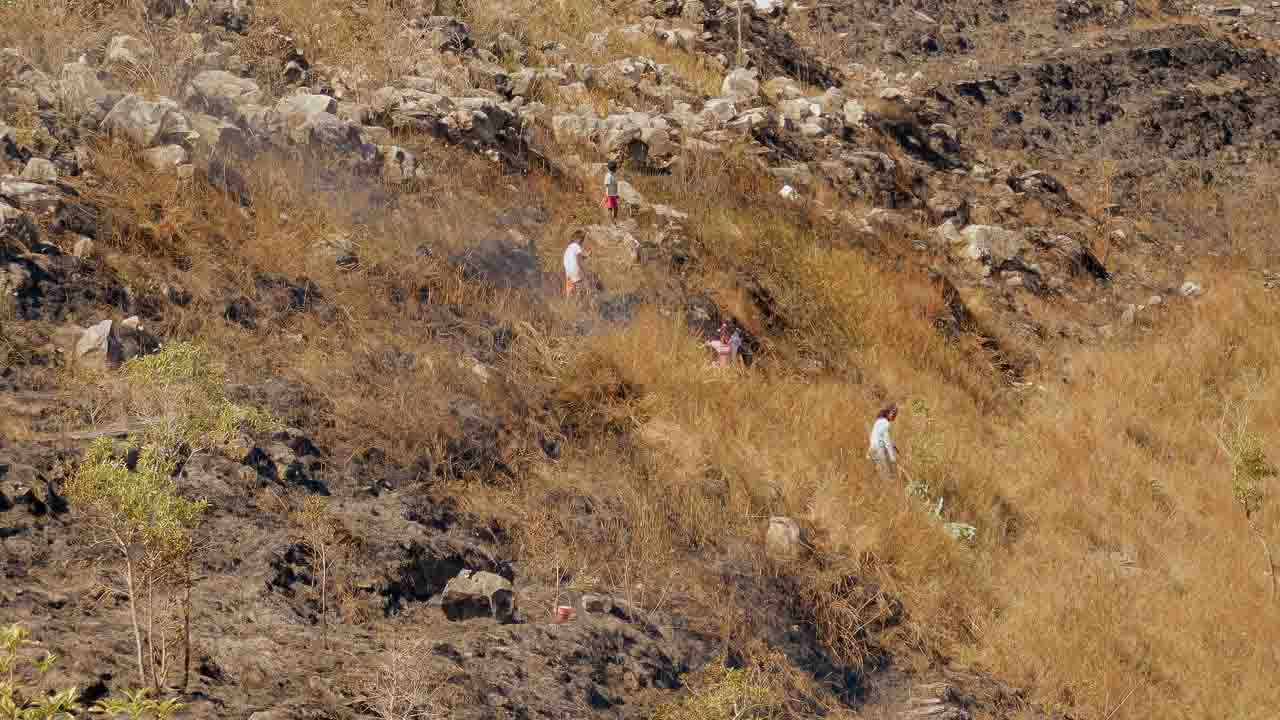
For Fair Future, climate change and health are one single reality. In Eastern Indonesia, the climate crisis begins when the ground cracks, wells dry up, and families have to walk further for every litre of water. What appears as a weather anomaly on a global map becomes, here, a series of fevers, infections, and exhausted parents.
Previously predictable rains now come late or arrive in short, violent storms. Fields of corn, rice, and cassava burn under weeks of heat, then are washed away by sudden downpours. This unstable pattern encourages locusts, erodes soil, and silts up shallow wells. Families are compelled to compete for the last clean litres, often turning to unsafe surface water.
At the same time, torrential rains damage roads and bridges, isolating valleys from clinics and hospitals. When transport fails, a simple infection, a complicated pregnancy, or a child with severe diarrhoea can no longer reach timely care. In these conditions, climate change is not a distant scenario but the constant backdrop of our medical work, shaping every consultation and every decision in the field.
The impact of climate change on health is evident in every medical round. Long dry spells reduce access to safe drinking water, leading to dehydration, kidney pain, chronic headaches, and diarrhoeal disease. Undernutrition increases when crops fail, leading to stunted growth, frequent infections, and low weight-for-age.
When the rains finally arrive, they bring additional hazards. Floods and landslides obstruct routes to health centres, delay treatment, and contaminate wells with faecal matter. Stagnant water around homes becomes a breeding ground for Anopheles and Aedes mosquitoes, spreading malaria and dengue to new areas and prolonging transmission seasons. Overcrowded shelters following storms increase the risk of respiratory and skin infections.
These physical threats impose a heavy psychological burden. Families live in constant uncertainty, afraid of the next drought or flood, selling livestock or land to pay for healthcare. Mental health declines, even if it is rarely acknowledged. In this context, climate change does not create new diseases; it amplifies existing vulnerabilities and makes every illness more perilous for those who are already most at risk.
Our response to climate-related health issues is centred on Primary Medical Care. With Kawan Sehat health agents, supported by Fair Future and Kawan Baik Indonesia, we deliver care and knowledge directly to villages, even when roads are damaged or flooded. Health agents find alternative routes, crossing dry riverbeds or muddy tracks to reach isolated families.
During droughts, we focus on safe water use, early signs of dehydration, and practical advice on when to seek help. In periods of heavy rain, we protect food supplies, reduce mosquito breeding around homes, and manage fevers, wounds, and respiratory infections that follow floods. Our Water Connections projects provide reservoirs and networks that secure clean water, reducing diarrhoeal diseases and kidney complications.
In our clinics and mobile missions, we treat undernutrition, monitor high-risk patients, and connect medical care with hygiene, nutrition, and mental wellbeing. Training sessions in simple language explain how climate, water, insects, and disease interact. Our aim is to treat today’s illnesses while strengthening each community’s capacity to face the next climatic shock with more knowledge, more tools, and less fear.
Global evidence supports our field observations. The World Health Organisation predicts that climate change could result in approximately 250,000 additional deaths annually between 2030 and 2050 due to malnutrition, malaria, diarrhoeal diseases, and heat stress. These are not isolated incidents but rather predictable consequences of the interaction between changing weather patterns and health systems.
Climate change poses a significant threat to the essential factors that determine health. Increasing temperatures and extreme weather events endanger clean air, safe drinking water, stable food supplies, and shelter. In addition, air pollution and polluted water currently result in millions of deaths annually, even without future climate developments taken into account. Emissions from burning fossil fuels contribute both to greenhouse gases driving the climate crisis and produce fine particles detrimental to respiratory and cardiovascular health.
The burden is unequally distributed. Populations in low and middle-income countries, which typically have fragile health infrastructures, possess the fewest resources for adaptation. Women, children, the elderly, migrants, and those with chronic illnesses are particularly vulnerable to climate-sensitive health risks. In regions such as rural Indonesia—where healthcare facilities are remote and water supplies limited—the impact of climate change on health becomes apparent well before it emerges in global statistics.
When climate change becomes a medical emergency
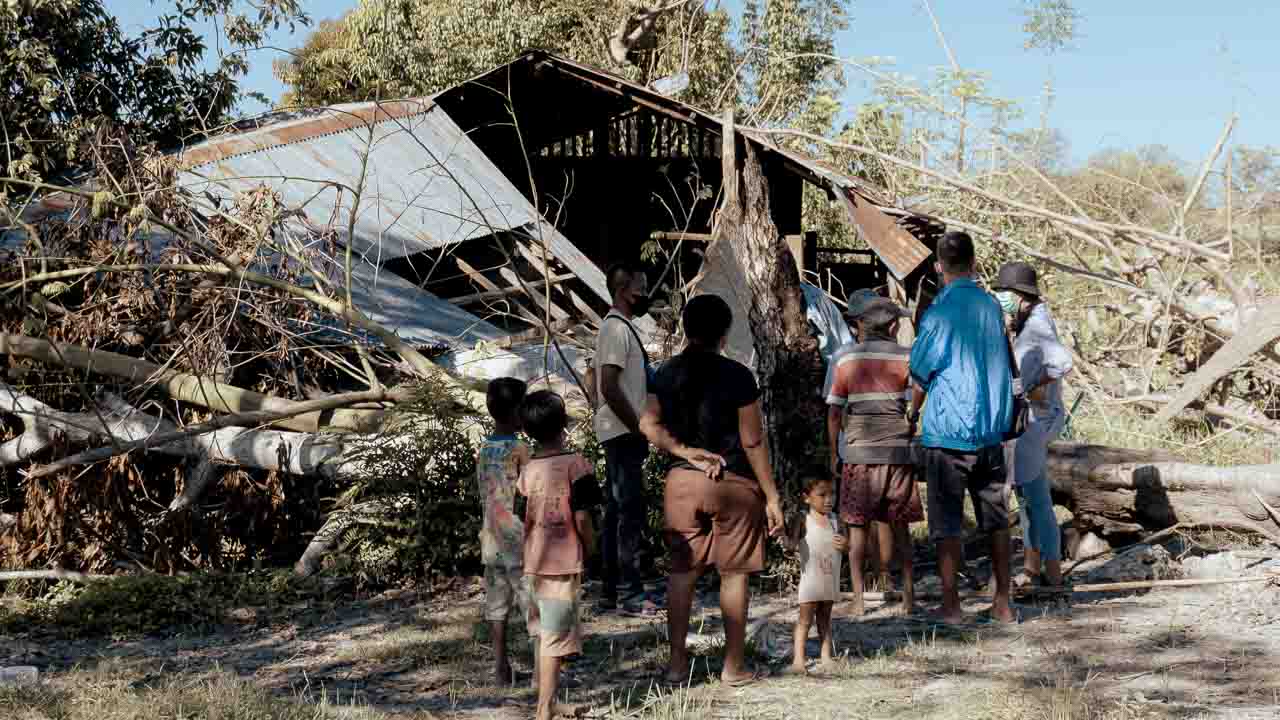
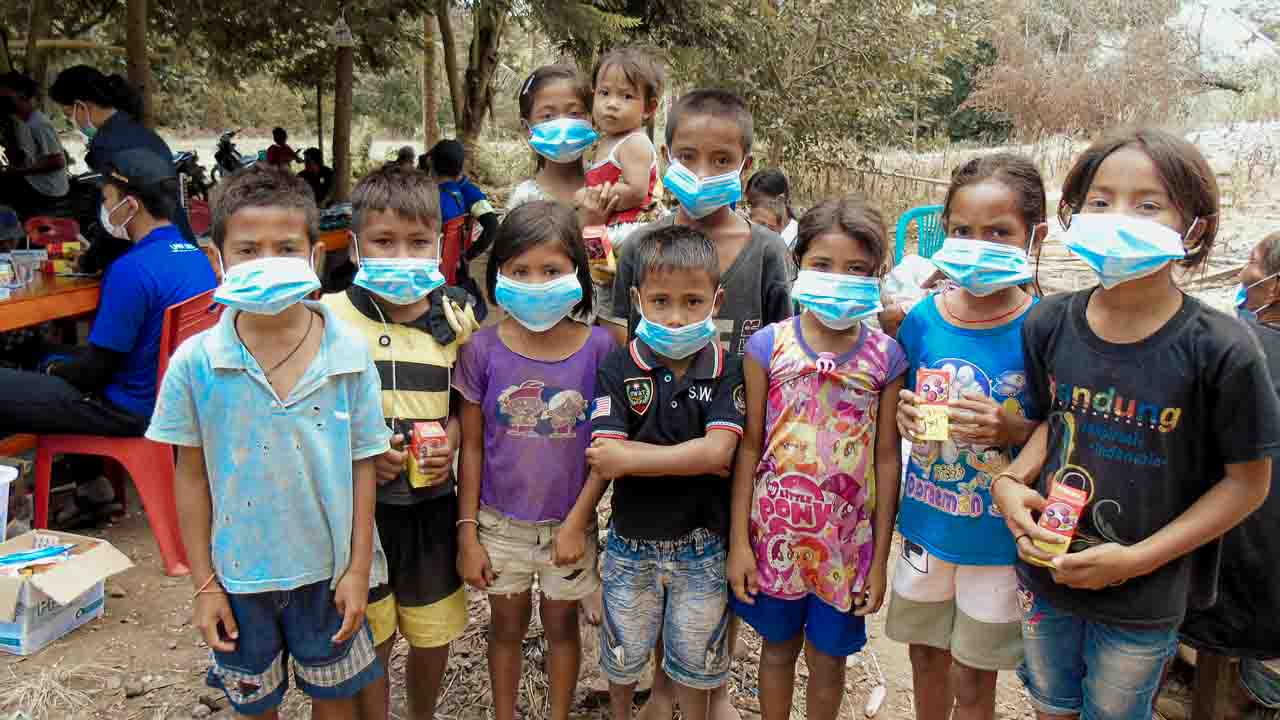
Key facts on climate and health
- Climate change could cause 250,000 extra deaths per year between 2030 and 2050 through malnutrition, malaria, diarrhoea and heat stress.
- Air pollution and dirty water already kill millions of people each year, long before any “future” climate scenario.
- Communities with weak health systems are the first to suffer. These are exactly the places where our teams work every day.

Primary Medical Care
Kawan Sehat health agents walk hours to treat fever, malaria, injuries and dehydration in villages without clinics, where climate shocks hit first.
Water Connections
Ferro cement reservoirs and village water networks secure clean litres during longer droughts and after floods, cutting diarrhoea and kidney problems.
Kawan Against Malaria
Prevention, early diagnosis and treatment of malaria in areas where changing rains and temperatures create new mosquito patterns and higher risks.
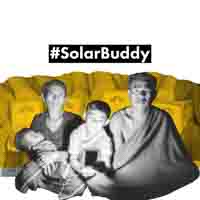
Solar lights for families
Solar lamps for homes and schools reduce injuries at night, improve study conditions and cut toxic fumes when electricity is absent or unreliable.