|
When everything happens at once
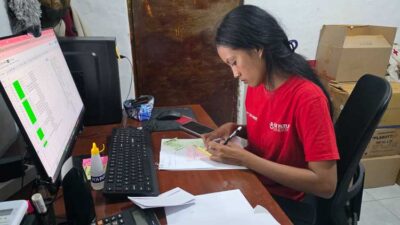 👋 Hello, it's Alex. How are you?
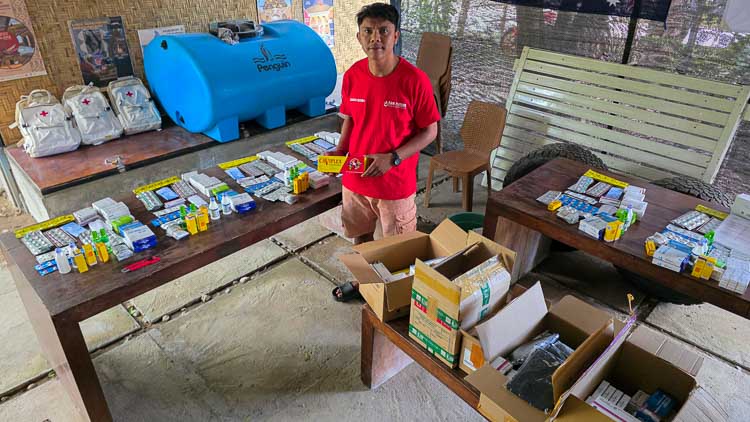
I am writing to you from Rumah Kambera 1.0, our current base in East Sumba. There are boxes everywhere around us. Medicines, medical equipment, Kawan Sehat bags, Sika for the reservoirs, tools, cables, generators, computers, lists to check. The Truck n'Load has returned from Surabaya heavier than ever, carrying more than 3 tons of supplies and equipment.
When we open these boxes, we do not just see materials. We already see the patients who will need them. A kid with fever for three days. A foot wound that became dirty because there was no clean water to wash it. An infected burn. Diarrhoea exhausting a baby. A cough lasting far too long. A skin infection that should have remained simple can become serious here because the road, the money, the time, and the fear delay everything.
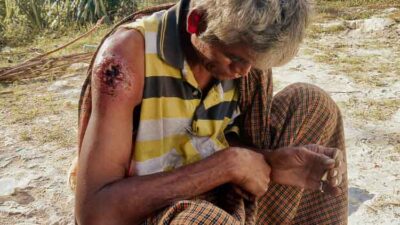 This is what we are seeing more and more: diseases from another time, linked to poverty, unsafe water, waste, delayed care, lack of transport and, sometimes, simply the fact that nobody was there at the right moment.
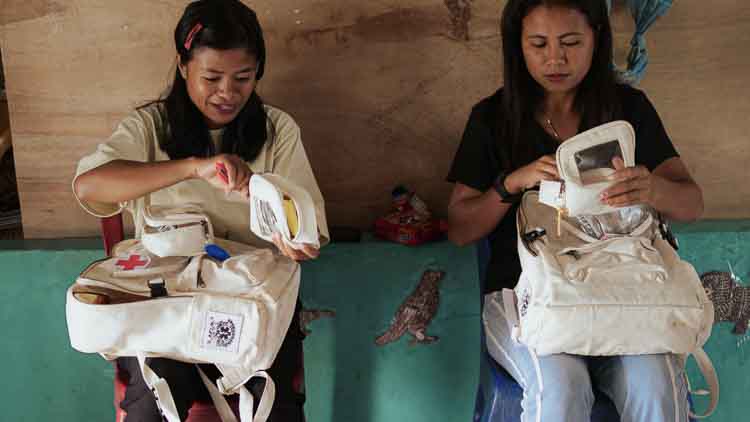
From 15 to July 17, we will train eight new people as part of the Kawan Sehat programme, including a second man. We are deeply grateful to Rotary for helping fund part of this training. With these new health agents, we will certainly reach 1,200-1,500 patients per month.
This is good news, but it is also a huge responsibility: more patients mean more medicines, more follow-up, more medical checks, more coordination, and a greater presence in the villages.
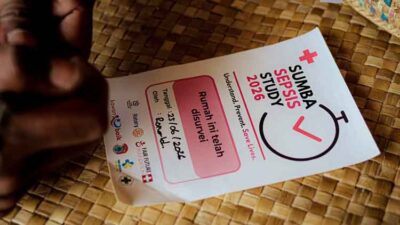 The sepsis study is also moving forward.
We have now passed 600 interviews. The teams go from house to house, sometimes very far away, to understand why a simple infection still kills here. Why do people wait? Why do they not recognise the warning signs? Why does hospital care come too late?
We want to complete this phase by the end of July. This is not a study for filing purposes. It is a study designed to prevent avoidable deaths.
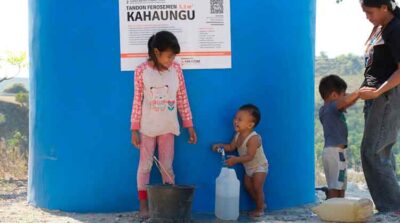 At the same time, water is moving forward too.
Two new 5,300-litre reservoirs have been put into service. We want to build twelve more this year.
Four are already funded. This means we still need funding for eight reservoirs. Eight reservoirs mean nearly 300 to 400 people can drink, wash wounds, cook, bathe, keep children in school, and fall ill less often.
One reservoir costs CHF 2,245, including the filtration system and local work. Here, it is not concrete. It is public health.
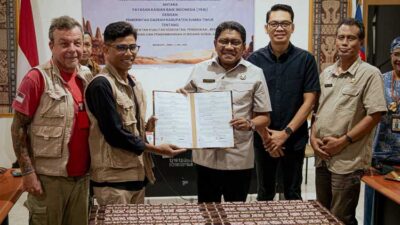 Last week, together with Kawan Baik Indonesia and the authorities of East Sumba, we also renewed our partnership agreement for the next five years. Health, water, electricity, infrastructure: we will continue working together.
This matters. It shows that our work is recognised, expected and needed. But an agreement does not fill a pharmacy. It does not build a reservoir. It does not train health agents. After that, the work still has to be done, day after day.
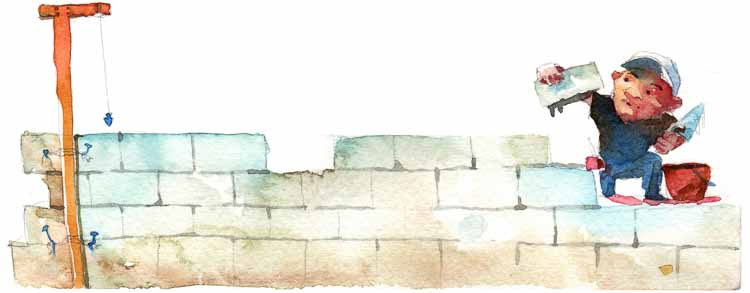
And in the middle of all this, there is Rumah Kambera 2.0. At the end of the year, we must leave the base we have occupied for almost six years. The land is there. The water is there. The plans are there. But the construction work has not yet started, because we still do not have enough funds.
And that puts us under real pressure. Because without a solid base, everything becomes more fragile: medicines, training sessions, trucks, departures to the villages, emergencies, stocks, teams.
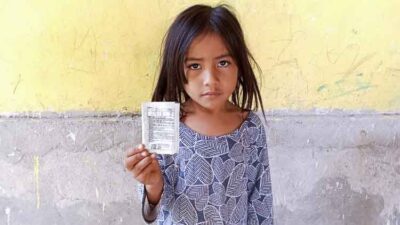 A dear friend recently reminded me of a beautiful line by Elie Wiesel: "All rivers run to the sea, yet the sea is never full."
It speaks of what continues, what returns, what never stops. The needs come like that too. But unlike the sea, we cannot stay full on our own. We hold on because people help us hold on.
Thank you for being here. Your support becomes something very concrete here: a medicine given at the right time, a reservoir filling with water, a trained health agent, a truck leaving again, a base that may, with your help, stand by the end of the year.
Alex, for Fair Future, from East Sumba
Friday, July 10, 2026 |