|
Learn, Walk, Care, Build
👋 Hello, it’s Alex. How are you?
These past two weeks have been intense, as they often are here. We have trained, treated, walked, counted, designed questionnaires, moved medicines and, finally, decided to begin the first work on Rumah Kambera 2.0.
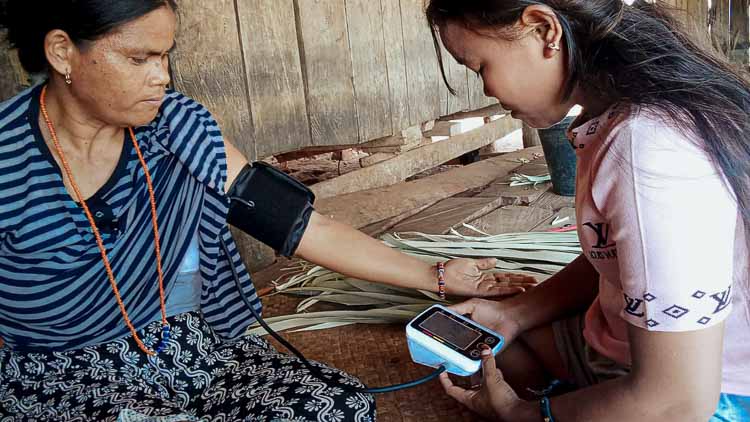
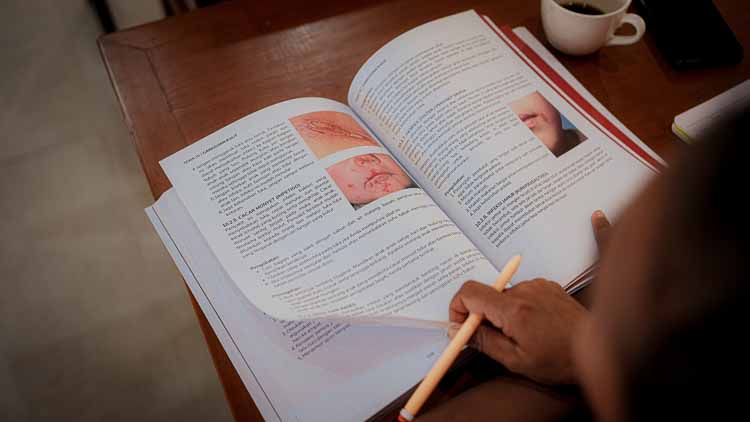
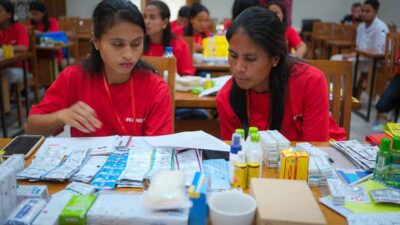 From 15 to 17 July, eight new Kawan Sehat community health workers completed three days of intensive training. We then brought the entire team together, 28 people in total, for a full refresher day. We reviewed the 14 modules of our handbook, care protocols, patient assessment, danger signs, medicines, communication with families, wounds, infections, prevention posters and the criteria for referring a patient to a health facility.
There was theory, a great deal of practice, assessments, questions, occasional hesitation, and then safer, more confident actions. We also redistributed a very large stock of medicines and provided new equipment, a new fabric poster about HIV, and new blood pressure monitors. Every participant received a certificate. This was our fourth major training session, in addition to the individual follow-up we carry out in the villages, usually every three months.
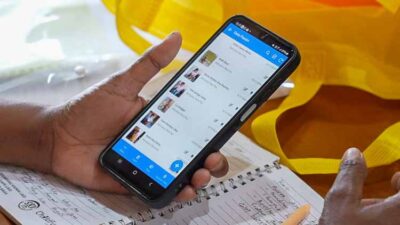 At the same time, we are completely rebuilding the Kawan Sehat 2026 application. The new consultation pathway now begins with danger signs. Only then does it move on to general information, symptoms, linked clinical modules and the final decision: routine care, prompt medical advice, urgent action or immediate evacuation. The new structure removes repetition from the database without removing any clinical checks. The application will be clearer and faster to use, while remaining just as rigorous. It currently records close to 1,000 patients every month, and that number will increase with the arrival of the new health workers.
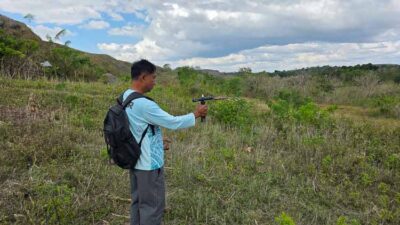 For Water Connections, the situation is more frustrating. We had hoped to build nearly fifteen new reservoirs this year. Because of a lack of funding, only four are currently planned. So we are moving forward in another way.
We are preparing a detailed map of clean water and sanitation needs across East Sumba. We will not ask families whether they want a borehole or a reservoir. We will ask what they actually experience: how far they must travel for water, how much time is lost, the quality and cost of the water, periods of shortage, related illnesses and the absence of toilets. The solutions will come afterwards, based on real and measurable problems. The authorities support this approach. We now need to find a strong partner able to continue this work with us.
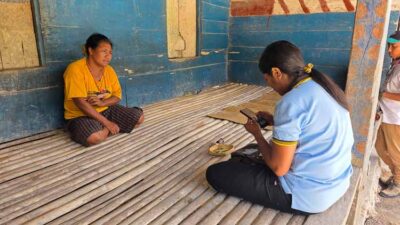 Our sepsis study is progressing, slowly but steadily. Nearly 750 households have already been visited, after the target was increased from 600 to 1,000. An Indonesian meta-analysis published this year, based on 47 hospital studies, estimates 28-day mortality at 55.9%, in-hospital mortality at 67.4%, and mortality from septic shock at 77.5%. These figures must be interpreted cautiously because the studies are highly diverse and come mainly from large hospitals. But they remain terrible.
Our work raises another question: what happens before the hospital, among the families who never make it there?
Two days ago, during a visit, I met a 35-year-old man who wanted to talk about a burn on his leg. The burn was real, but limited. What worried me was his general condition: his skin colour, his breathing, his exhaustion. I feared something far more serious, perhaps involving his liver, lungs or heart.
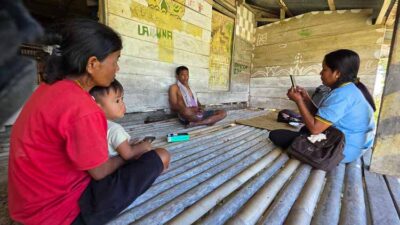 We tried to convince him to seek medical examination.
As of today, he still has not gone. The health centre is too far away, the road is too difficult, money is lacking, and illness has gradually become a kind of normality. When people have never had genuine access to healthcare, they no longer always know which warning sign from their own body should frighten them.
Finally, we have decided to begin something on the site of Rumah Kambera 2.0. So far, 33,000 Swiss francs have been raised. It is not enough to build the centre, but it is enough to begin taking action.
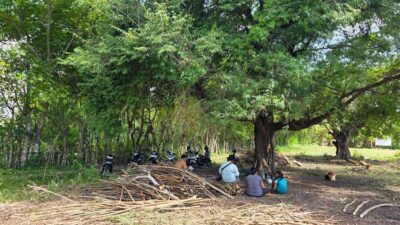 We will mark the boundaries of the land with a simple wall made from local mountain stone, built on proper foundations. We will prepare rainwater drainage, level the lower areas with soil and limestone, and then begin a first structure without compromising the overall project. Here, before building walls, we must first make sure the water will not wash them away.
We still need help to build this future medical and social centre. But this week, for the first time, we decided to place real stones on this land. It is modest. It is concrete. And this is how we move forward.
Thank you for being here, for reading, for understanding and for continuing to stand beside us.
Alex, for Fair Future, from East Sumba
Today, 22 July 2026 |