|
A place to heal, learn, and build
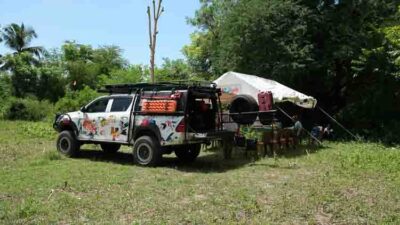 👋 Hello, it’s Alex. How are you? 👋 Hello, it’s Alex. How are you?
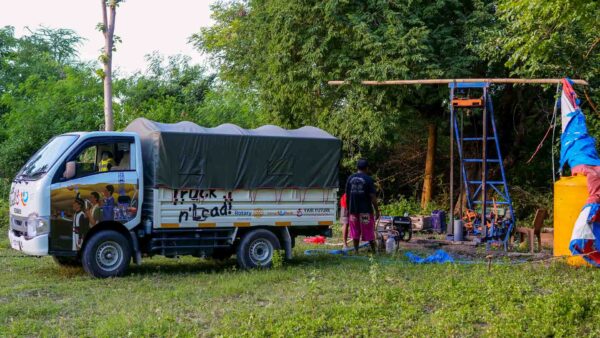
I am writing to you from Waingapu, from this 4,200 m² piece of land where we are going to build Rumah Kambera 2.0. The drilling is finished. The water is there, beneath our feet, at a shallow depth. Today, we ordered a large York submersible pump and the equipment needed to start pumping this water. It is not yet a building. It is not even a wall. But here, it is already an important step.
Because before building a treatment room, a pharmacy, a small laboratory, or a place for training, we need water. We need to be able to wash, clean, mix cement, prepare the land, and work without depending on water trucks or fragile solutions. Next week, we will begin clearing the land. Then the wall will come, a very simple wall made of cemented mountain stones, built with what we can find here. It will mark the boundaries of the site, protect it, and give a concrete shape to this future socio-medical centre. This work will take about a month. These are ordinary gestures, but they matter. Every stone laid will say that this place is beginning to exist.
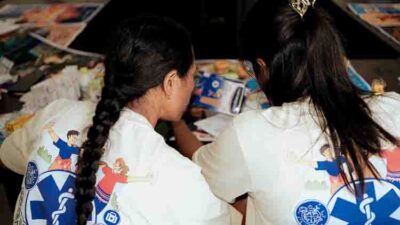 At the same time, the medical work is moving forward strongly. The sepsis study is taking shape, not in an air-conditioned office, but with doctors, caregivers, local teams, interviewers, and people who know the villages. At the end of the month, we will train the people who will conduct the interviews in ultra-rural areas. At the same time, the medical work is moving forward strongly. The sepsis study is taking shape, not in an air-conditioned office, but with doctors, caregivers, local teams, interviewers, and people who know the villages. At the end of the month, we will train the people who will conduct the interviews in ultra-rural areas.
Two days of training, several doctors present, a printed module of around twenty pages, precise explanations, questions to ask with respect, and answers to listen to without judgment. A study like this is not made to fill boxes. It is made to understand why a wound, a fever, diarrhoea, an infection after childbirth, or an infection after surgery can become a fatal emergency, simply because everything comes too late.
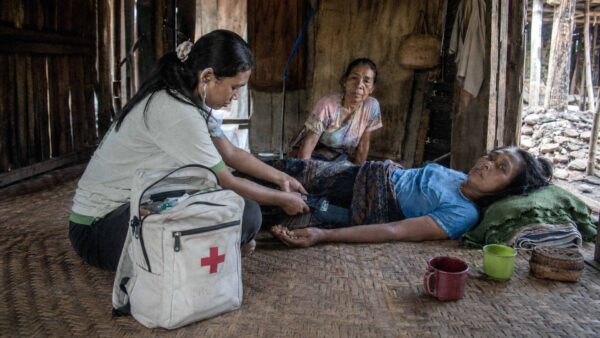
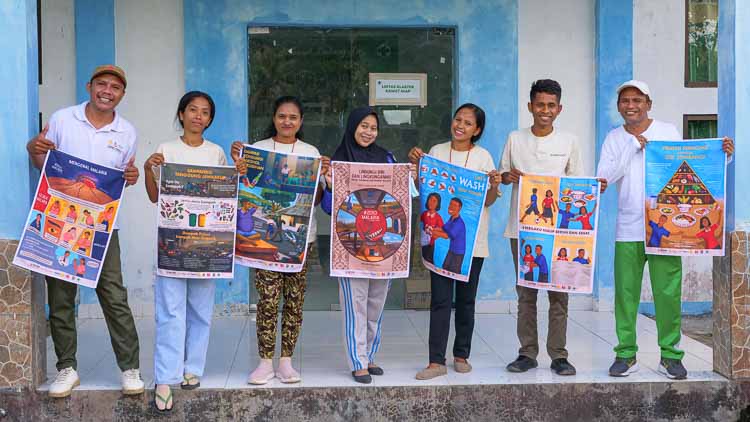
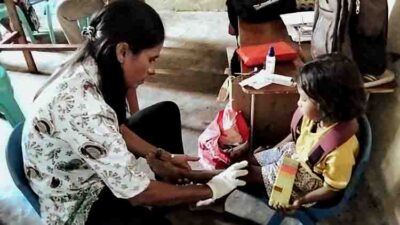 This is also what we see every day through the Primary Medical Care programme. The Kawan Sehat health agents continue to treat many patients, sometimes a very large number. They care for wounds, infections, fevers, pain, children, elderly people, and entire families. They also explain. They show how to clean a wound, when to refer a patient, why clean water improves health, and why an infection must not be left untreated. But there is a simple and hard truth: we are running out of medicines. A lot of them. Public health centres are also lacking medicines. There is not always enough to treat people properly or even to vaccinate children as they should be. I will give you a very personal example: we had to return to Denpasar to vaccinate our own son, Sorai. So imagine the families who have no plane ticket, no car, no money, and no phone signal to ask for help. This is also what we see every day through the Primary Medical Care programme. The Kawan Sehat health agents continue to treat many patients, sometimes a very large number. They care for wounds, infections, fevers, pain, children, elderly people, and entire families. They also explain. They show how to clean a wound, when to refer a patient, why clean water improves health, and why an infection must not be left untreated. But there is a simple and hard truth: we are running out of medicines. A lot of them. Public health centres are also lacking medicines. There is not always enough to treat people properly or even to vaccinate children as they should be. I will give you a very personal example: we had to return to Denpasar to vaccinate our own son, Sorai. So imagine the families who have no plane ticket, no car, no money, and no phone signal to ask for help.
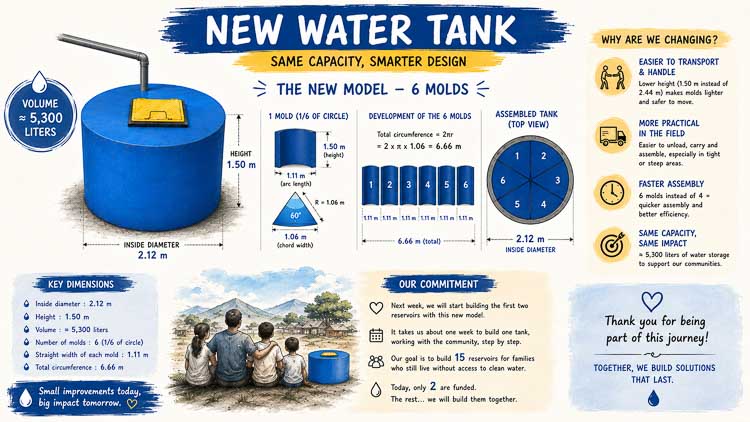
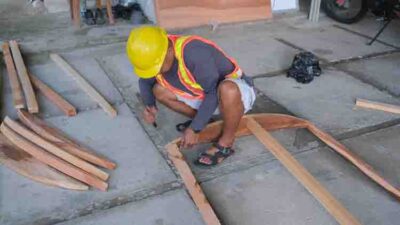 And through all of this, Water Connections continues, more slowly than we would like. We have started the construction of the first two reservoirs of this year. Only two, while we would like to build twelve, maybe fifteen. And through all of this, Water Connections continues, more slowly than we would like. We have started the construction of the first two reservoirs of this year. Only two, while we would like to build twelve, maybe fifteen.
The funding is not following. It is difficult, truly. But two reservoirs here are nothing. It means stored, filtered, and protected water. It means fewer cases of diarrhoea, fewer dirty wounds, less time spent walking, and less exhaustion for children and mothers. A reservoir is not a concrete object. It is a small piece of public health infrastructure.
I want to thank, from the bottom of my heart, those who have already made these first steps possible: the drilling, the pump, the land clearing, the wall, the first reservoirs, the training sessions, and the medicines when we can buy them. All of this is very concrete. Nothing disappears into speeches or promises. A pump pumps water. A wall protects a place. A medicine treats a patient. A training module prepares someone to listen better to a family. A reservoir stores clean water for several households.
We continue like this, with what we have, without pretending that any of it is easy. Thank you for being here, for reading these letters, and for understanding that great things often begin with very simple gestures.
Alex, for Fair Future - Friday, May 15, 2026 |

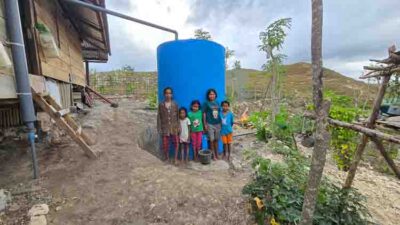 After building nearly one hundred ferro-cement reservoirs, often taller than they were wide, we have decided to improve our model.