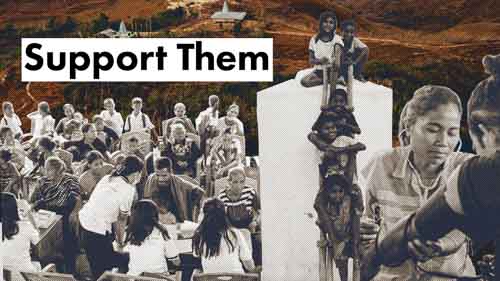



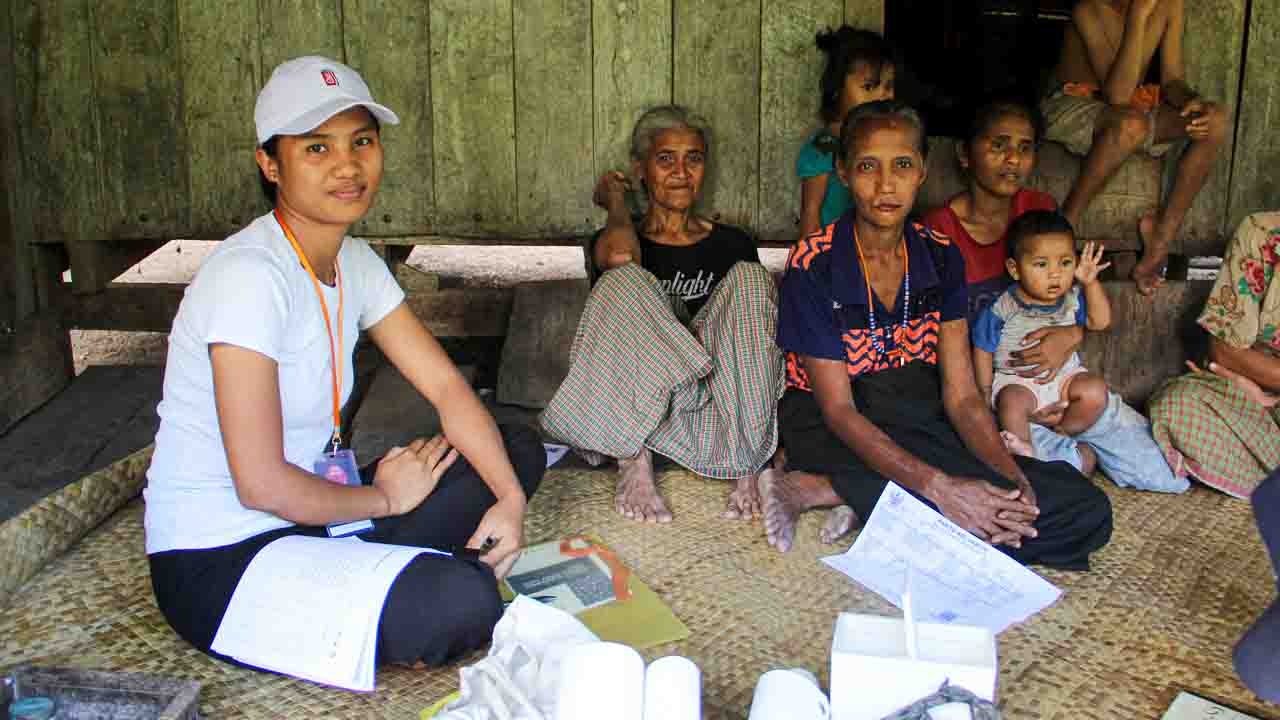
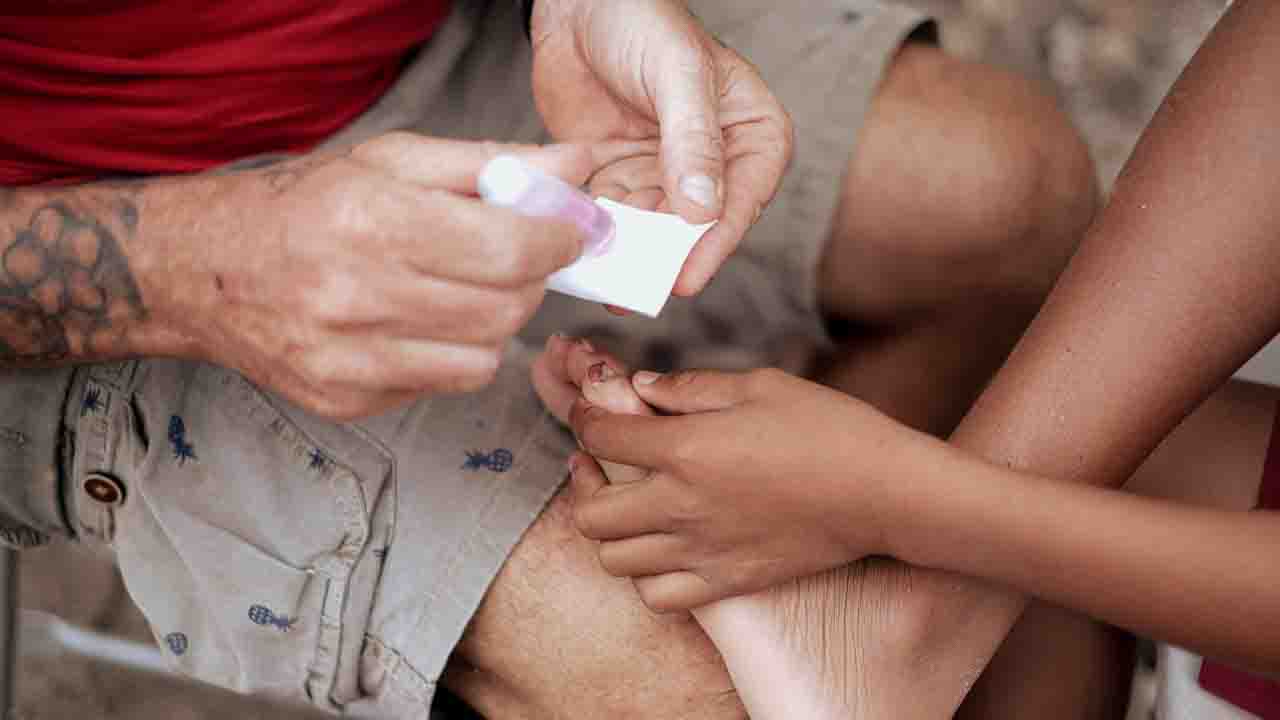
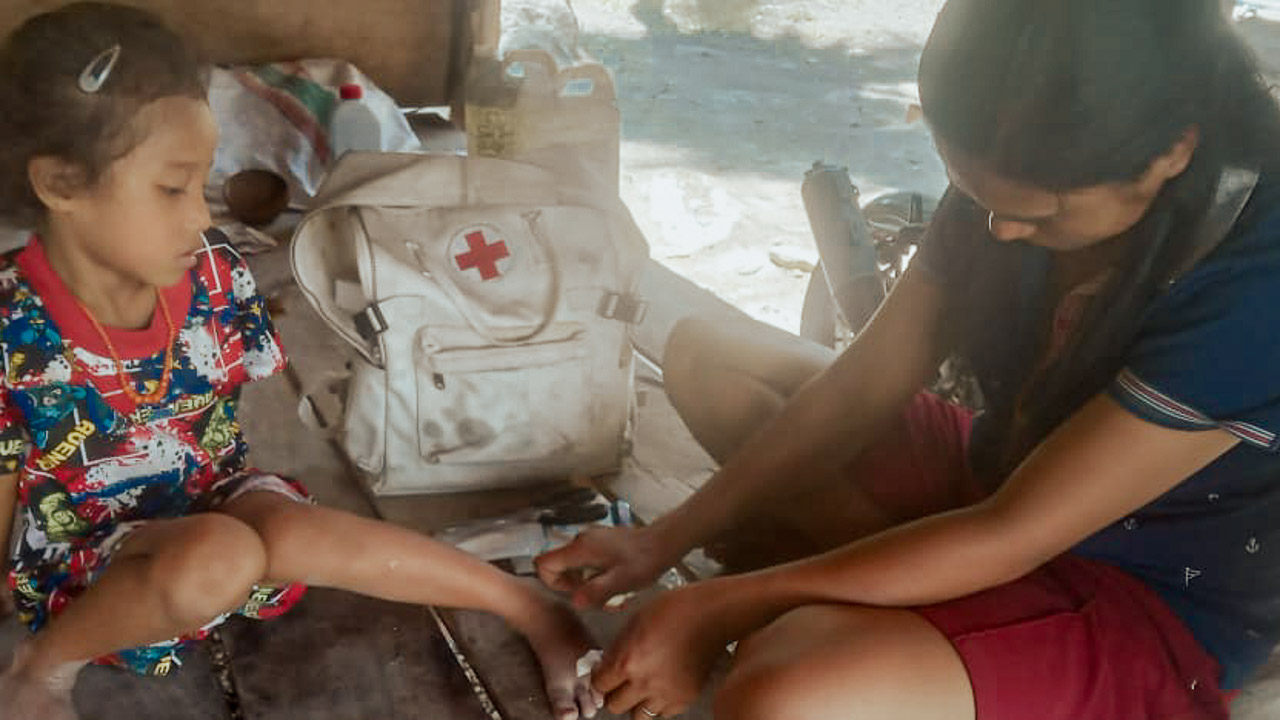
Consultations, triage, medicine distribution, and community-based care in ultra-rural Eastern Indonesia, where access to healthcare remains fragile and unequal.
Understanding Sepsis Before It Becomes Fatal: Launching the East Sumba Sepsis Study
In May 2026, Fair Future Foundation and Kawan Baik Indonesia will launch the East Sumba Sepsis Study, a field-based public health initiative in ultra-rural East Indonesia. It will continue until approximately mid-September 2026 and aims to understand why severe infections and sepsis remain so common, so late, and so deadly where access to care is fragile.
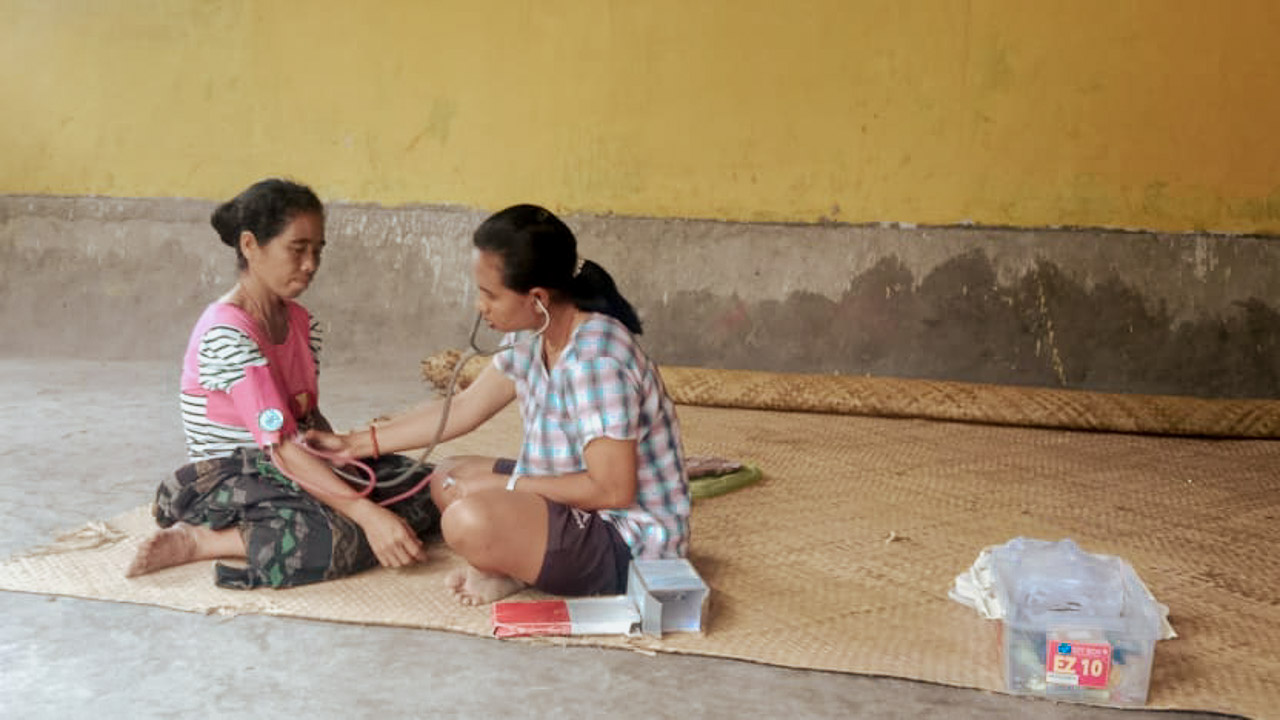
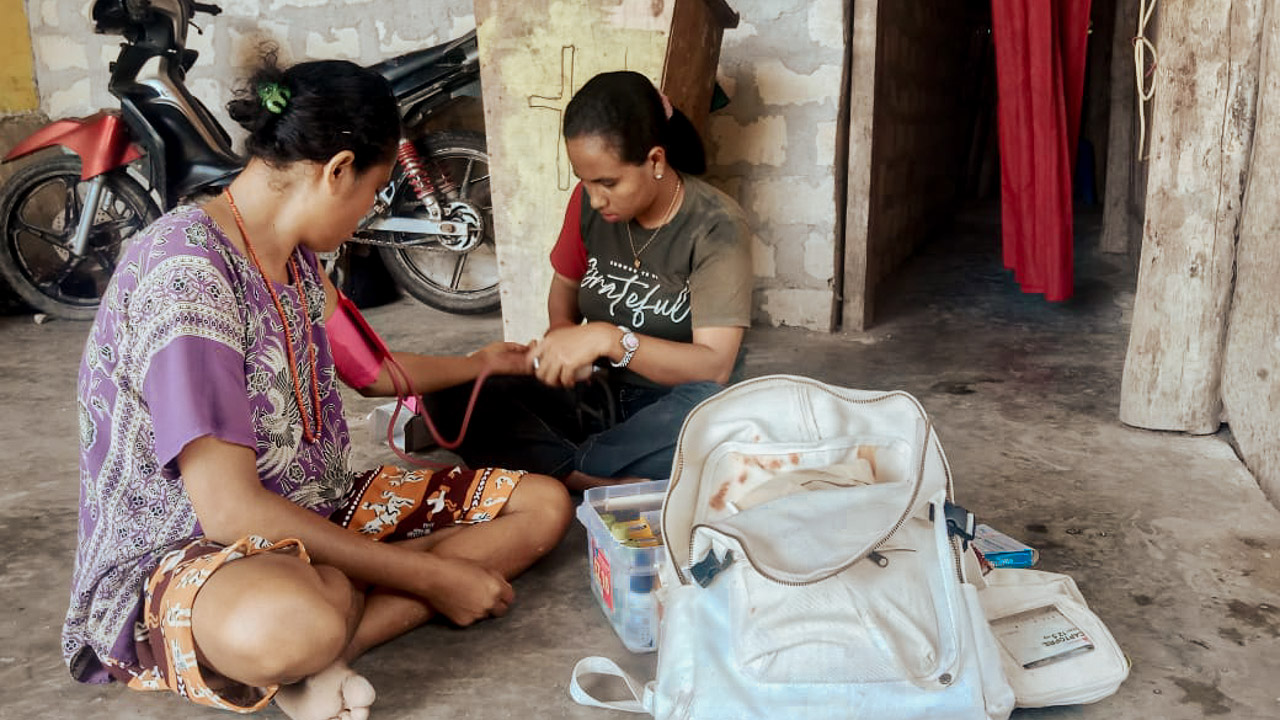
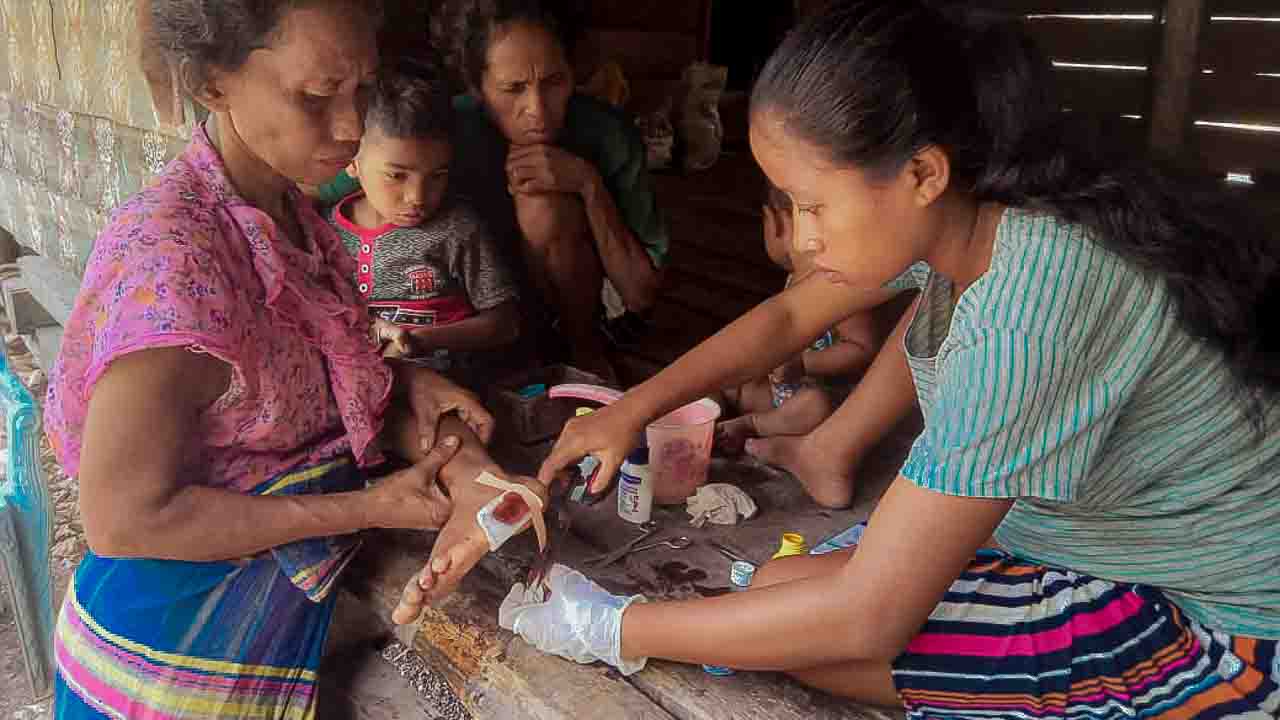
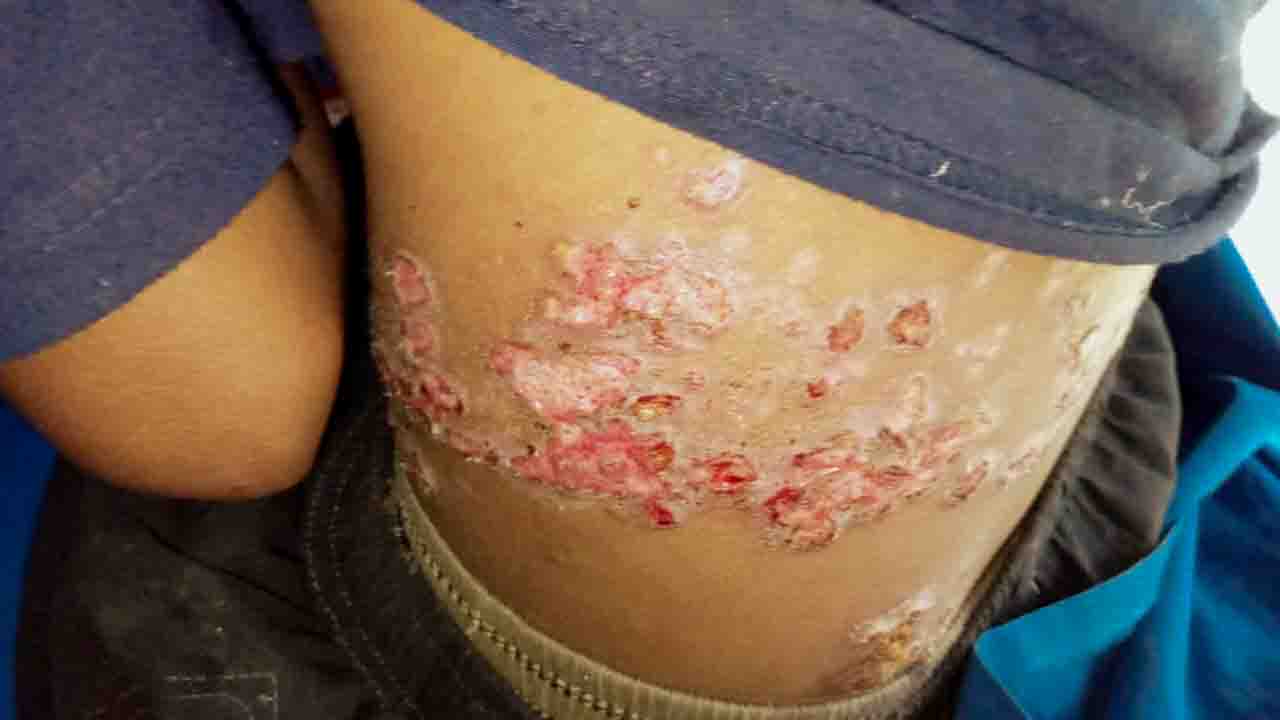
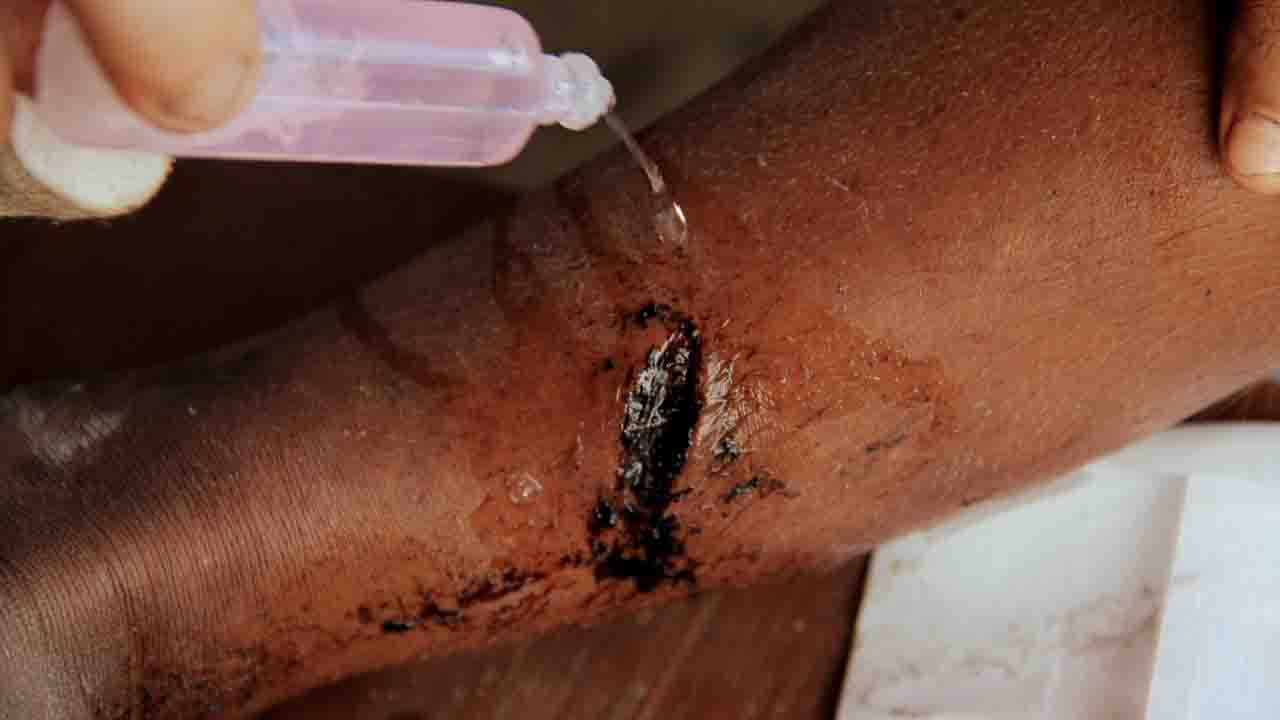
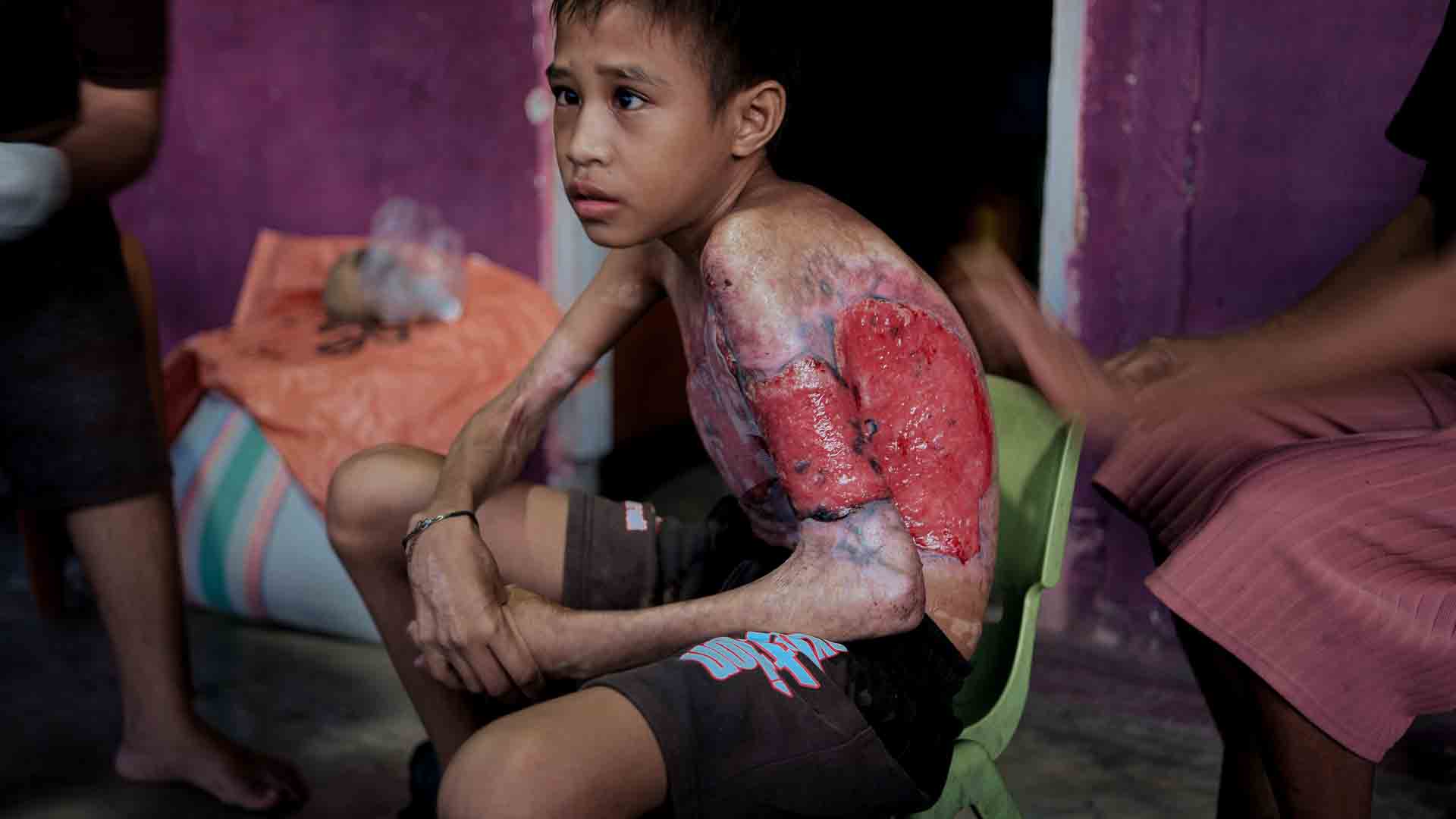
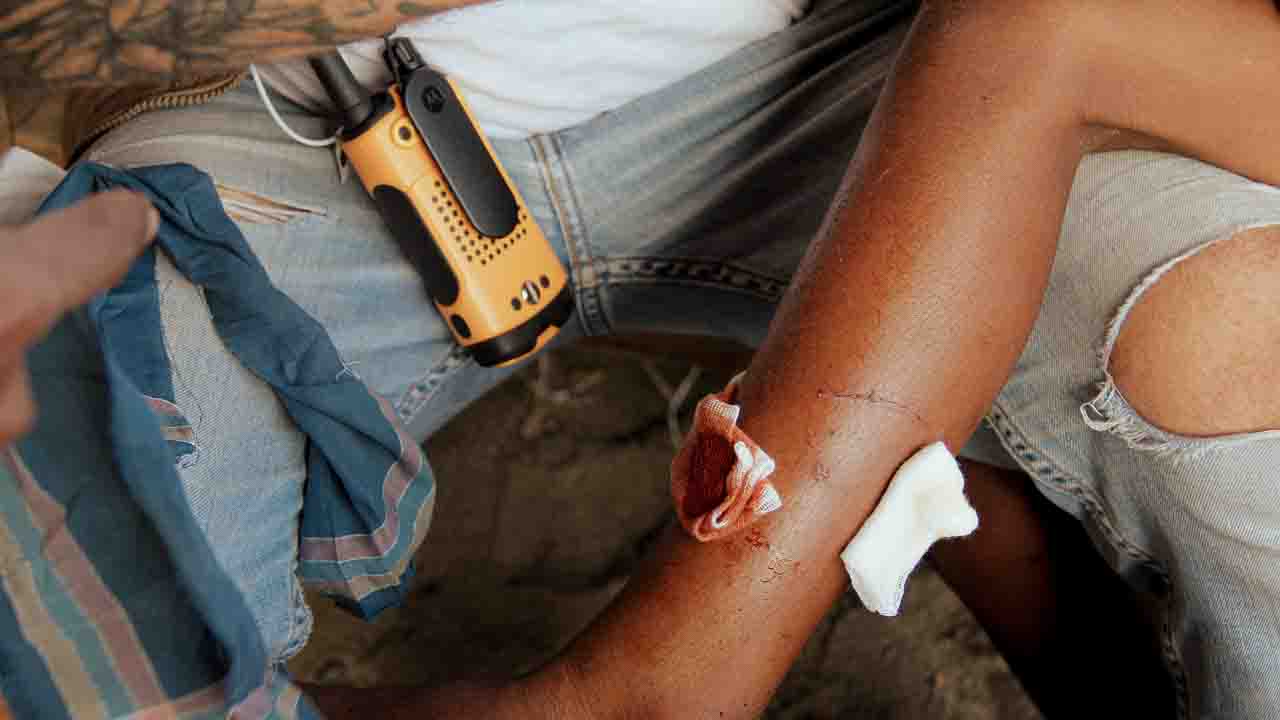
Sepsis is not an abstract diagnosis here. It often begins with fever, a wound, diarrhea, pneumonia, childbirth complications, newborn infection, malaria, dengue, or post-operative infection. It becomes fatal when danger signs are missed, when transport is unavailable, when families wait because they have no money, or when antibiotics, oxygen, IV fluids, diagnostic tests, staff, and referral systems are not available in time. This is the reality we see in the field, and it is also why we have already written about sepsis in rural Indonesia and the need to prevent it before it becomes a fatal emergency.
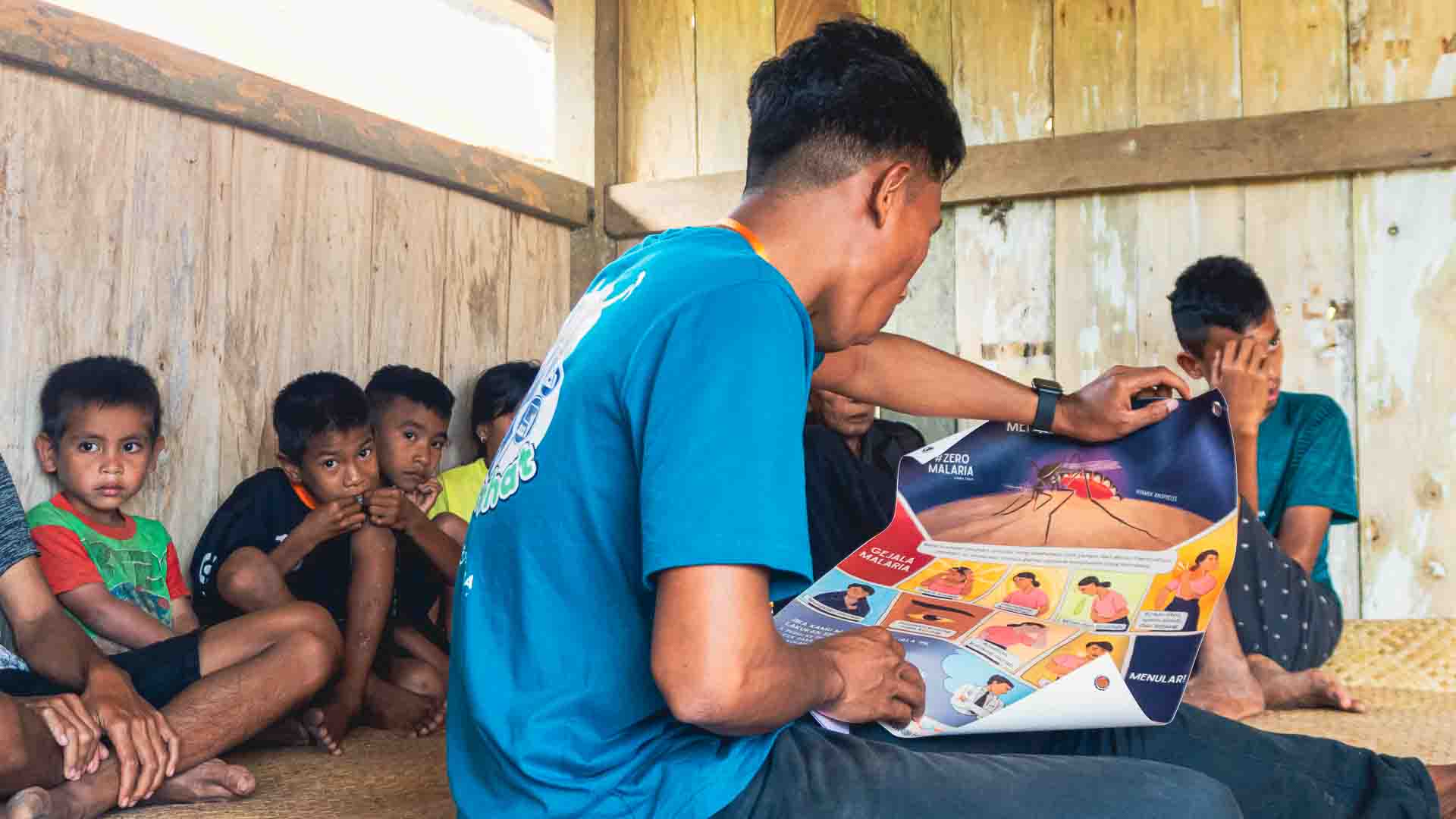
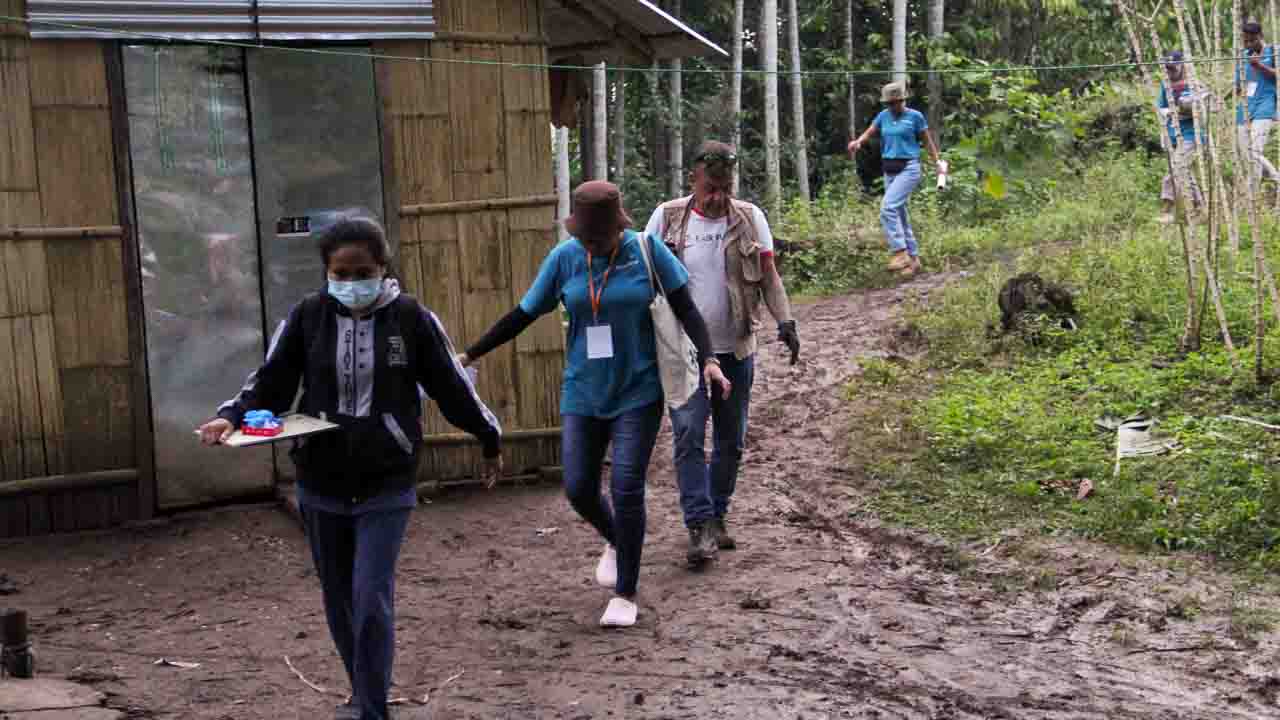
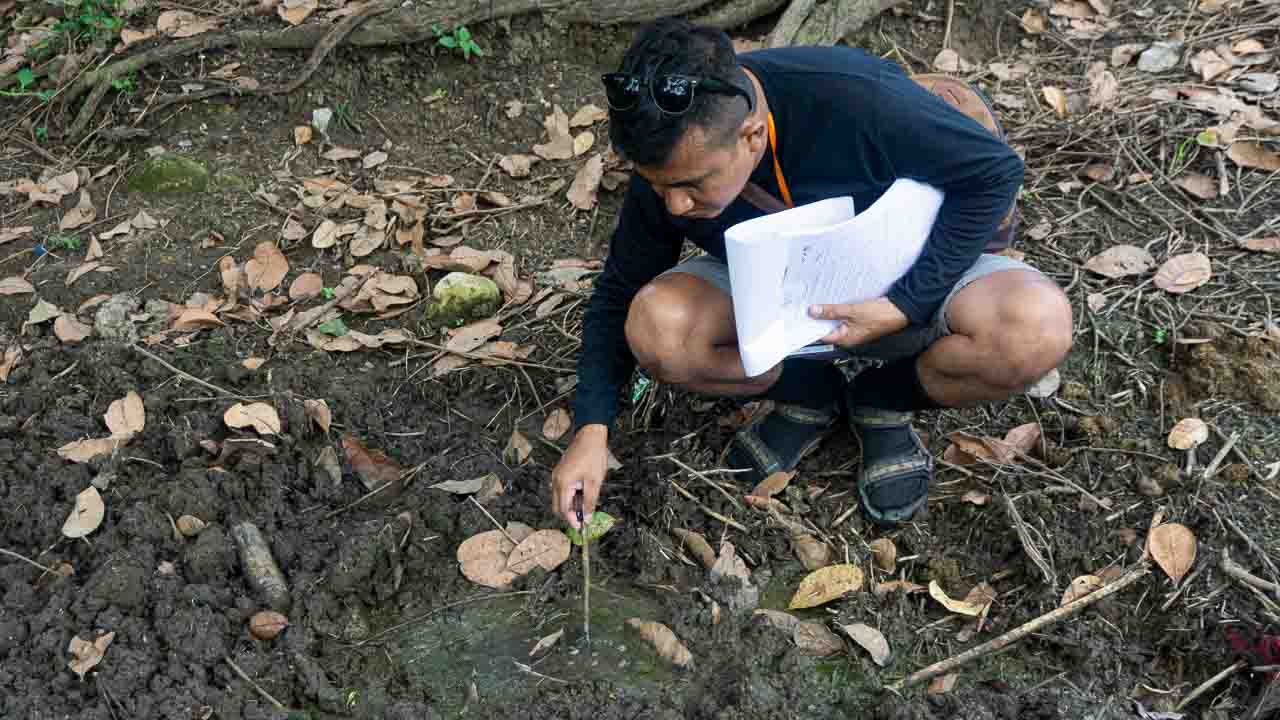
The study will involve nearly 500 in-depth household interviews, each lasting about 2 hours, conducted across multiple ultra-rural villages in East Sumba. Around 15 to 20 trained field enumerators and health workers will conduct them after a dedicated training phase in May. The method builds on previous large-scale malaria studies conducted in the same region: local language, field-tested questions, respectful listening, and data collected where people live.
Two tools will guide the work. The first is a detailed household survey, which will be integrated into a custom mobile application developed specifically for this project. It will document water and sanitation, indoor smoke, access to care, transport, severe illness, danger signs, referral, medicine use, contact with Kawan Sehat health agents, and trust in health services. The second is a healthcare worker questionnaire, distributed through Google Forms to medical staff working in hospitals, Puskesmas, village health posts, laboratories, and outreach care settings.
For transparency, we are making the two questionnaires available here in their raw PDF paper version. These are the working forms before their integration into the digital tools. Both documents are currently in English and will be translated into Bahasa Indonesia for field use, so that the interviews can be conducted clearly, respectfully, and in a language people understand.
- East Sumba Sepsis Study – Healthcare Staff Questionnaire – Final Version (PDF, English, May 2026)
Clinical questionnaire for healthcare professionals working in hospitals, Puskesmas, village health posts, laboratories, and outreach care. It explores how severe infections are recognised and managed, what resources are available, and what clinicians identify as the main barriers to timely care. - East Sumba Sepsis Study – Household Survey – Final Version (PDF, English, May 2026)
A detailed household questionnaire was developed for field interviews across ultra-rural villages. It documents living conditions, access to care, recent severe illness, delays, referral pathways, medicine use, prevention messages, and the real decisions families face when someone becomes critically ill.
This study is not designed only to produce statistics. Numbers matter, but they do not explain why a child with diarrhea becomes critically dehydrated, why a woman after delivery reaches care too late, why a wound becomes a systemic infection, or why a patient returns home because the system cannot respond. We need to document the pathway from a simple infection to critical illness: the first symptom, the family decision, the road, the cost, the delay, the missing medicine, and the missed referral.
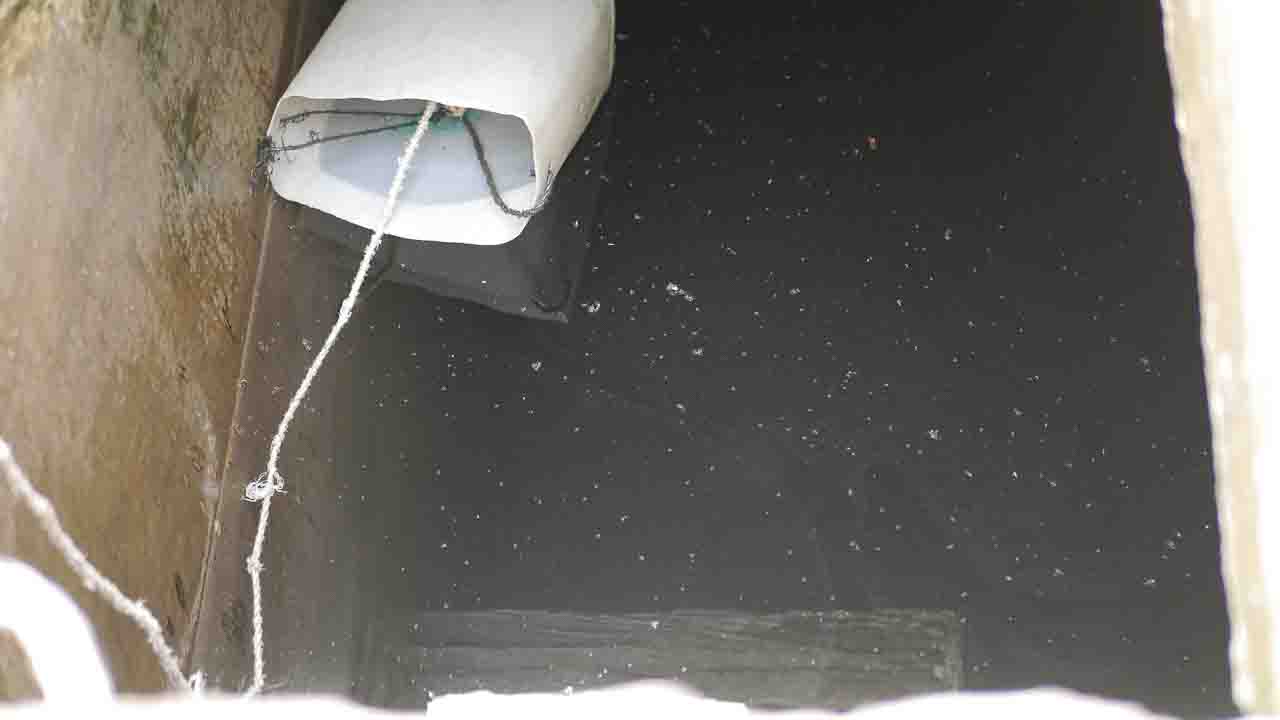
The questions also connect sepsis with the broader conditions that make infection more dangerous: unsafe water, poor sanitation, malnutrition, untreated pain, weak transport systems, delayed triage, and limited diagnostic capacity. These links are not theoretical. They are visible in the villages where we work every week. They also connect directly with our work on unsafe water and childhood diarrhea, malnutrition and infection, the hidden cost of delayed care, and health data where no data exists.
Globally, sepsis is recognised as a life-threatening condition that requires early identification and rapid treatment. But in remote regions, early treatment depends on much more than clinical knowledge. It depends on roads, fuel, transport, family decisions, medicines, oxygen, infection prevention, and basic trust in health services. This is why primary health care, clean water and hygiene, and infection prevention and control are central to this study.
The project is supported through collaboration with Rotary Australia and Laboratory Without Walls. It is dedicated, with deep respect, to the memory of Lery Mardani ButarButar, a young man in his thirties who died from sepsis after a planned appendicitis surgery. His death reminds us that preventable infections still take lives too early, even when a person has reached the medical system.
For Fair Future Foundation, this study is directly linked to disease prevention and to our work in places with almost no access to rural healthcare. It will help strengthen Primary Medical Care, train community health agents, improve early warning signs, clarify referral pathways, and reduce preventable deaths in healthcare systems that remain fragile.
It also raises another urgent question: how can severe infections be treated safely when antibiotics are used late, unavailable, or taken without medical supervision? This is why the study also examines medicine use before seeking formal care, a subject directly connected to antimicrobial resistance and the need for rational, timely, and accessible treatment.
Understanding why severe infections become fatal is the first step toward stopping them. We cannot build better care on assumptions. We need field data, clinical honesty, and the voices of families and health workers who live this reality every day.
Hospitals, researchers, universities, clinicians, public health specialists, and organisations interested in collaboration or support are invited to contact Fair Future Foundation. Thank you very much for your attention.
Today, the 7th of May 2026 | Alex Wettstein
In Short – Two questionnaires before the field application
These two PDF questionnaires are the paper versions prepared before digital integration. They show the raw structure of the East Sumba Sepsis Study, before translation into Bahasa Indonesia and before use by trained field teams, health workers and enumerators across ultra-rural villages.
Before Sepsis: The Rural Reality of Infection
List of Related Organisations with Hyperlinks
- WHO sepsis guidance explains why severe infection must be recognised early before organ failure, shock and preventable death occur.
- CDC sepsis resources provide practical information on warning signs, prevention and urgent action when infection becomes life-threatening.
- World Sepsis Day facts raise global awareness of sepsis as a major cause of preventable deaths when recognition and treatment come too late.
- WHO primary health care defines care delivered close to daily life, a core principle for communities where referral systems remain fragile.
- UNICEF WASH programmes connect clean water, sanitation and hygiene with infection prevention in vulnerable children and families.
- WHO antimicrobial resistance explains how unsafe or delayed antibiotic use can make severe infections harder to treat and more deadly.
- MSF antibiotic resistance work shows why laboratory capacity, infection control and rational antibiotic use matter in under-resourced settings.
- Rotary International supports humanitarian action in disease prevention, clean water, maternal health and community-based medical projects worldwide.