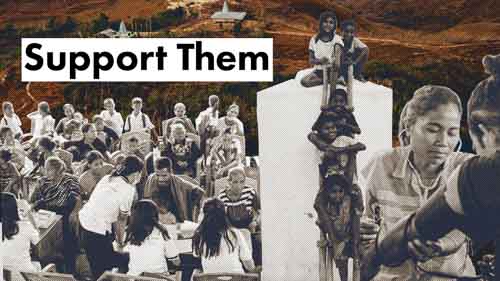



Explore Fair Future Foundation’s educational posters and Kawan Sehat training modules that promote health, hygiene, and nutrition in rural Indonesian communities.
Malnutrition Is an Infection Multiplier
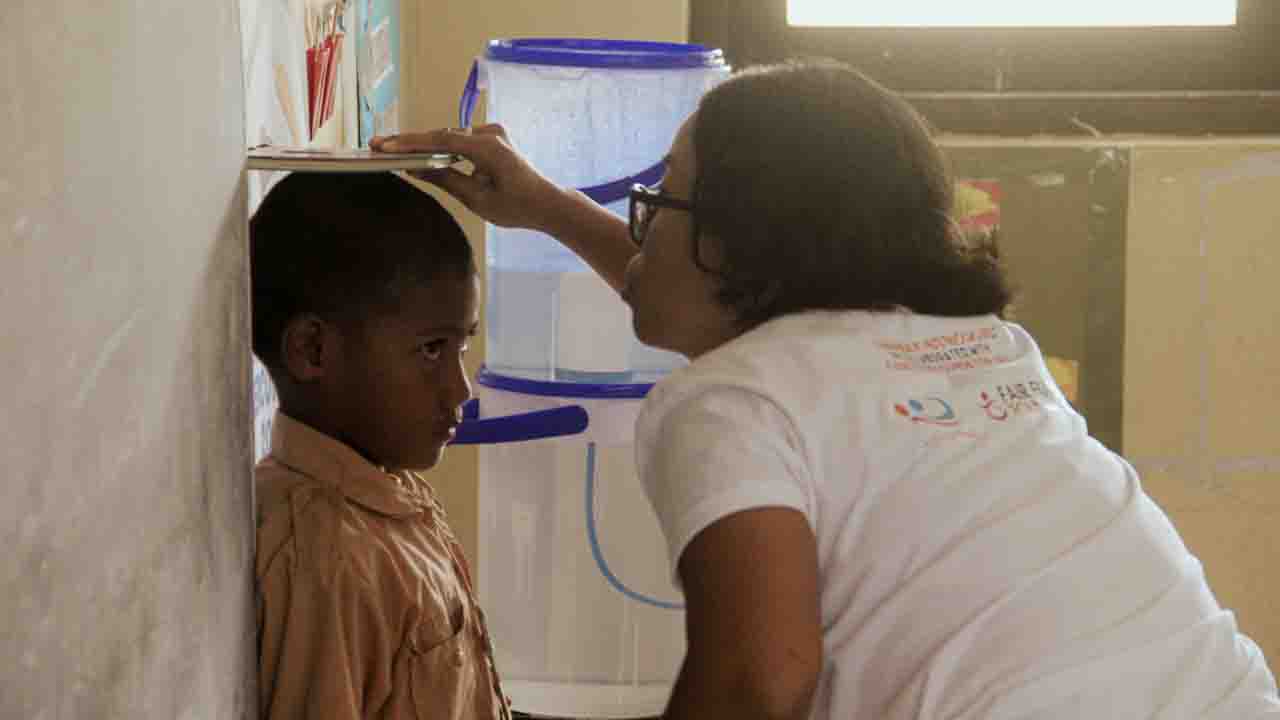
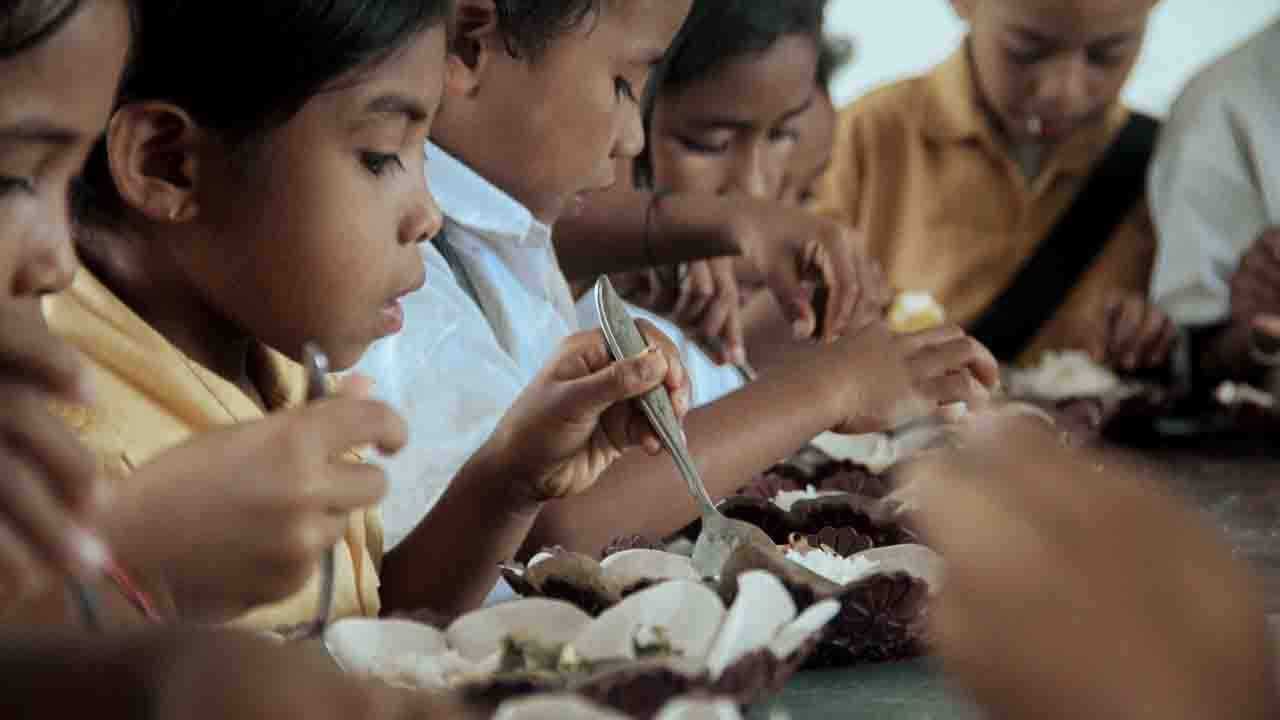
In the ultra-rural regions where we work, one child in three lives with some form of malnutrition. We see it every day. Thin arms. Delayed growth. Recurrent infections. It is not simply a matter of hunger. It is biology under strain.
Global health authorities have long documented the tight link between nutrition, immune competence and child mortality. Yet malnutrition is still too often framed as a food problem. On the ground, it behaves like something else entirely: an infection multiplier.
A malnourished child does not only weigh less. Cellular immunity is impaired. T lymphocyte (or T-cells) function declines. Mucosal barriers weaken. Wound healing slows because collagen synthesis requires protein and micronutrients. The inflammatory response becomes dysregulated. Antibody production after infection or vaccination is less robust.
Clinically, this changes everything.
A simple pneumonia progresses faster and becomes severe. A common diarrhoeal episode turns into critical dehydration. A minor wound evolves into an abscess, which then leads to bacteremia. What would be self-limited in a well-nourished child becomes systemic in a weakened one.
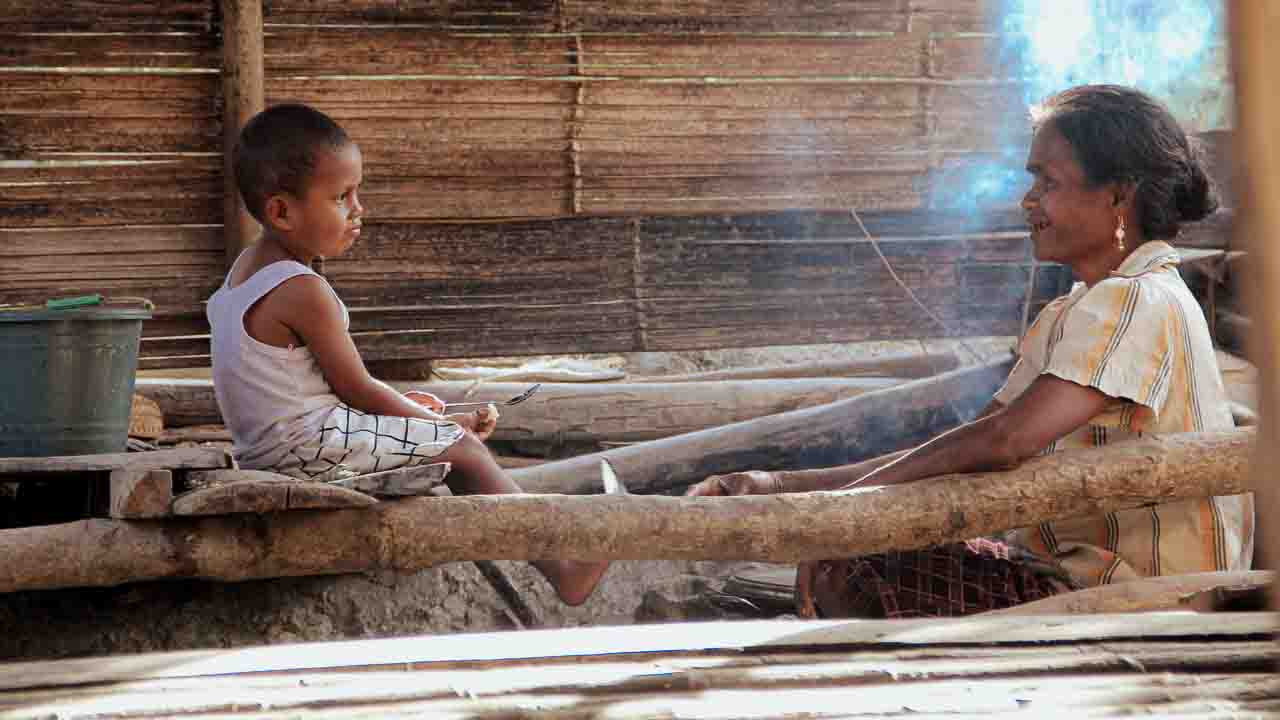
In East Sumba and similar regions, diets are often monotonous, dominated by a single staple. Micronutrient deficiencies accumulate silently. At the same time, unsafe water drives chronic diarrhoea and intestinal inflammation, impairing absorption. Repeated malaria episodes increase metabolic demand and contribute to weight loss and anaemia. Each factor amplifies the others.
This is why our programmes are inseparable.
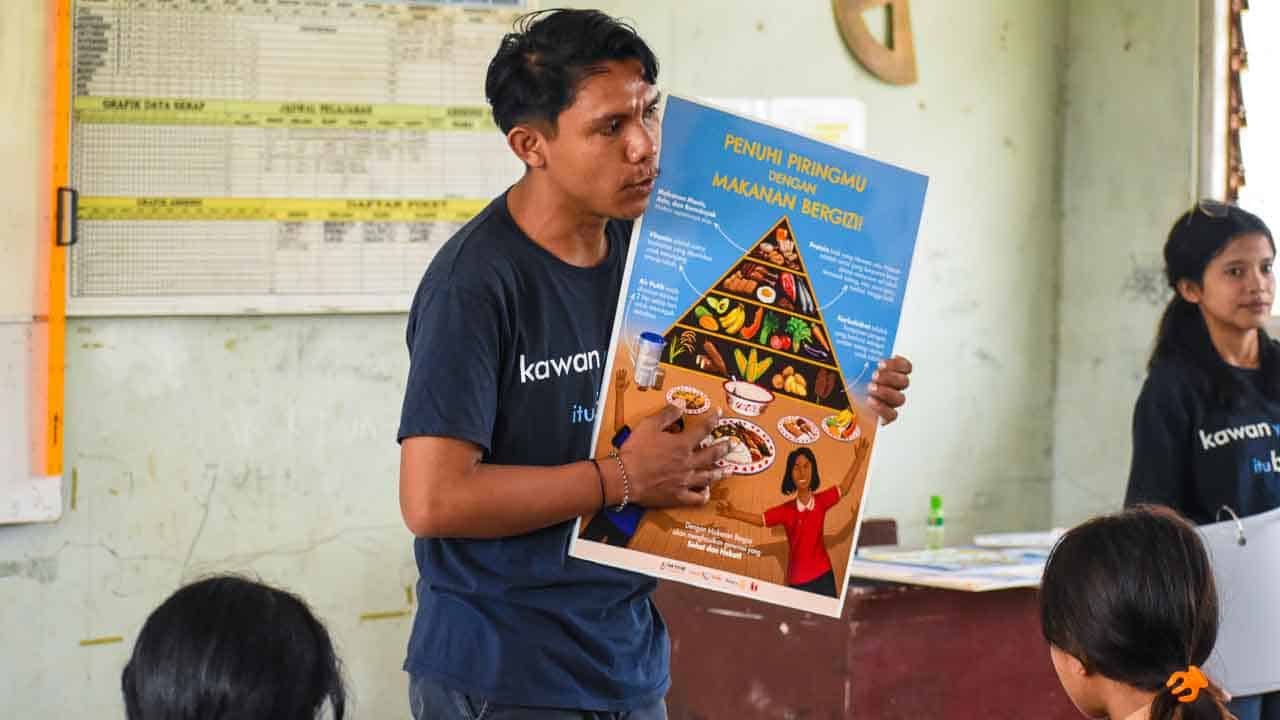
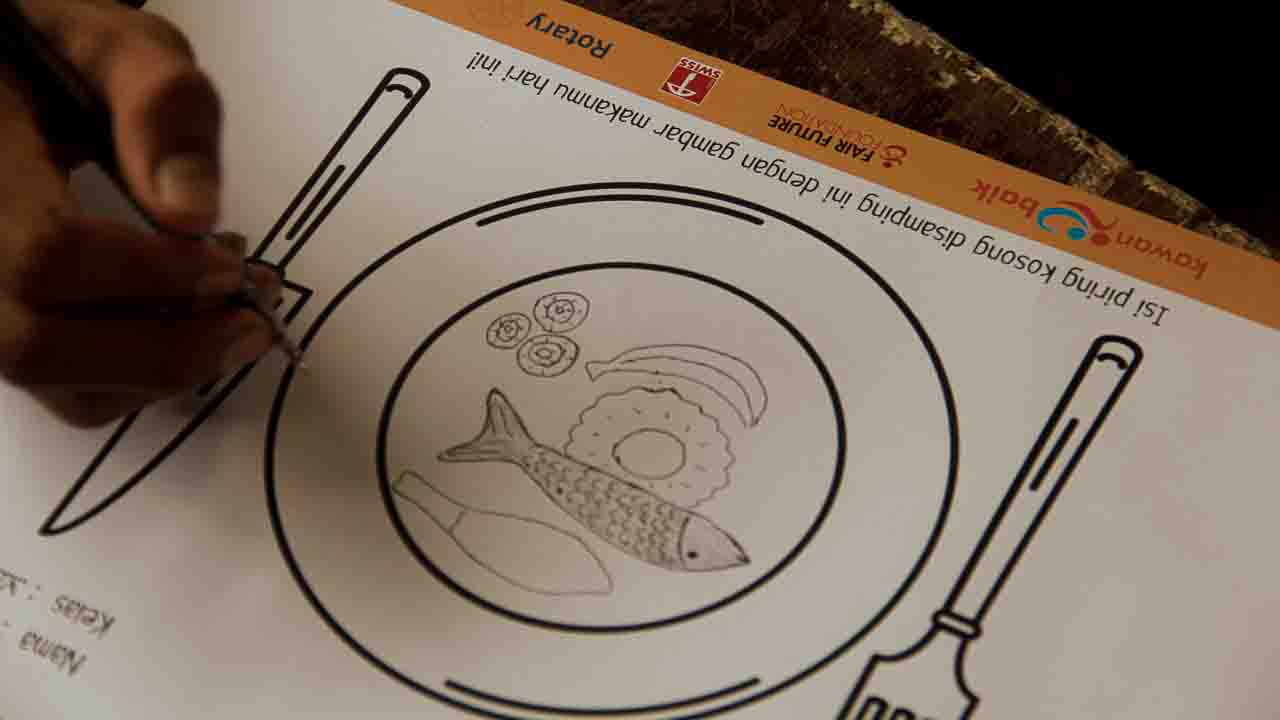
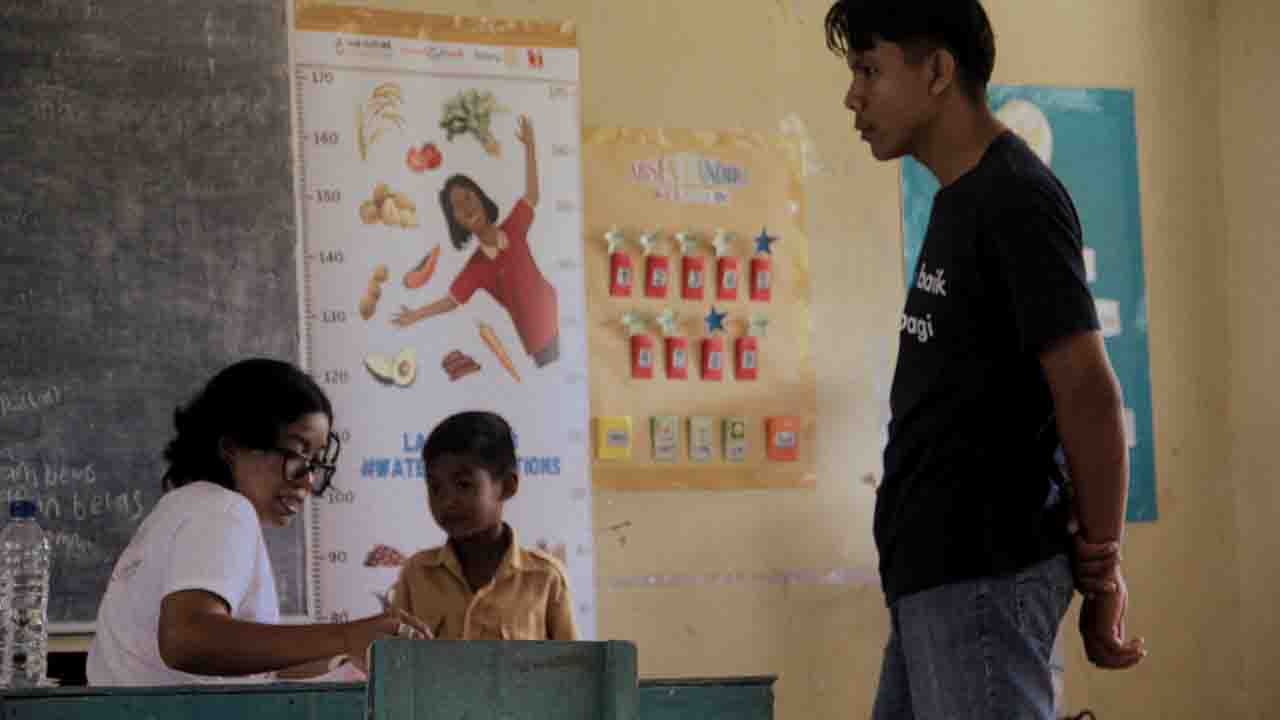
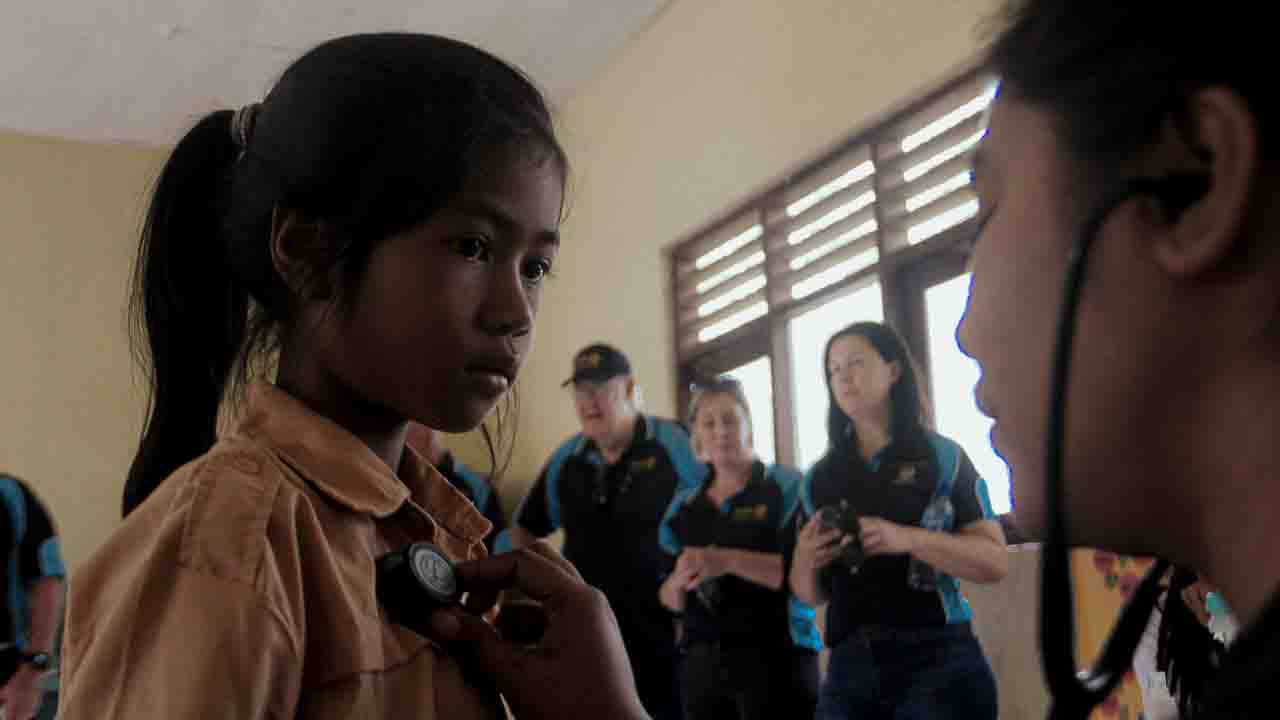
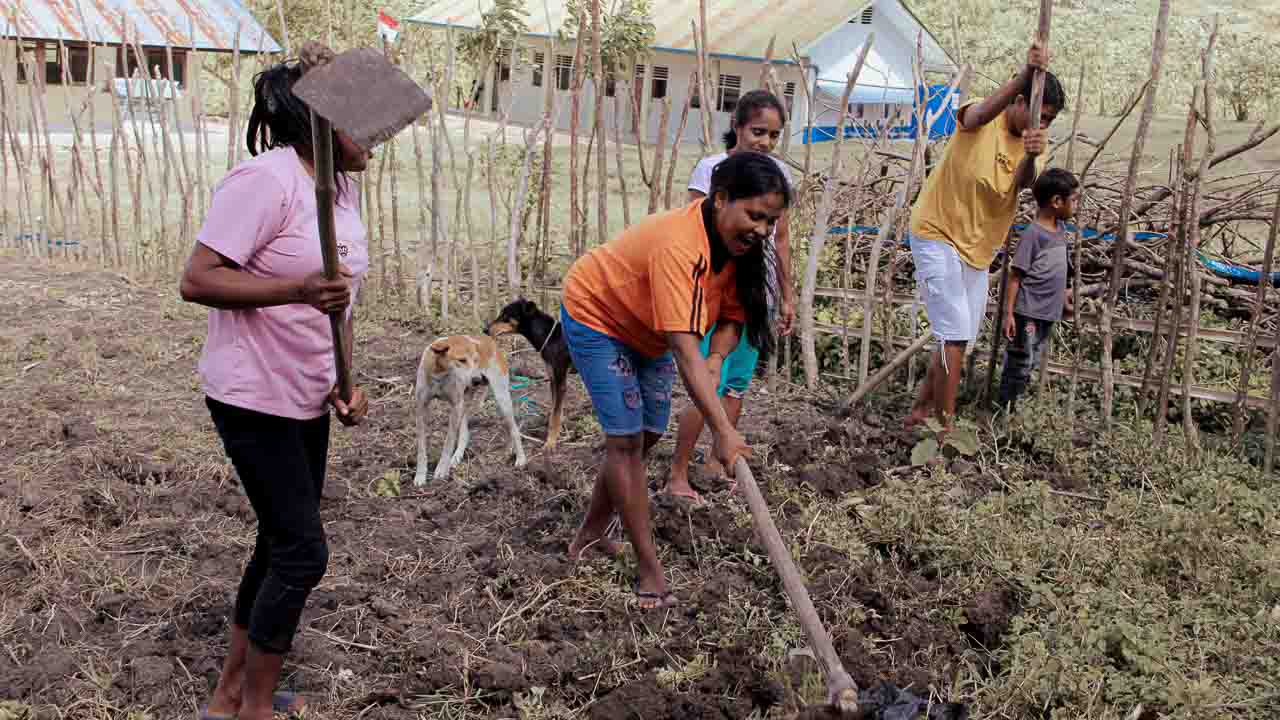
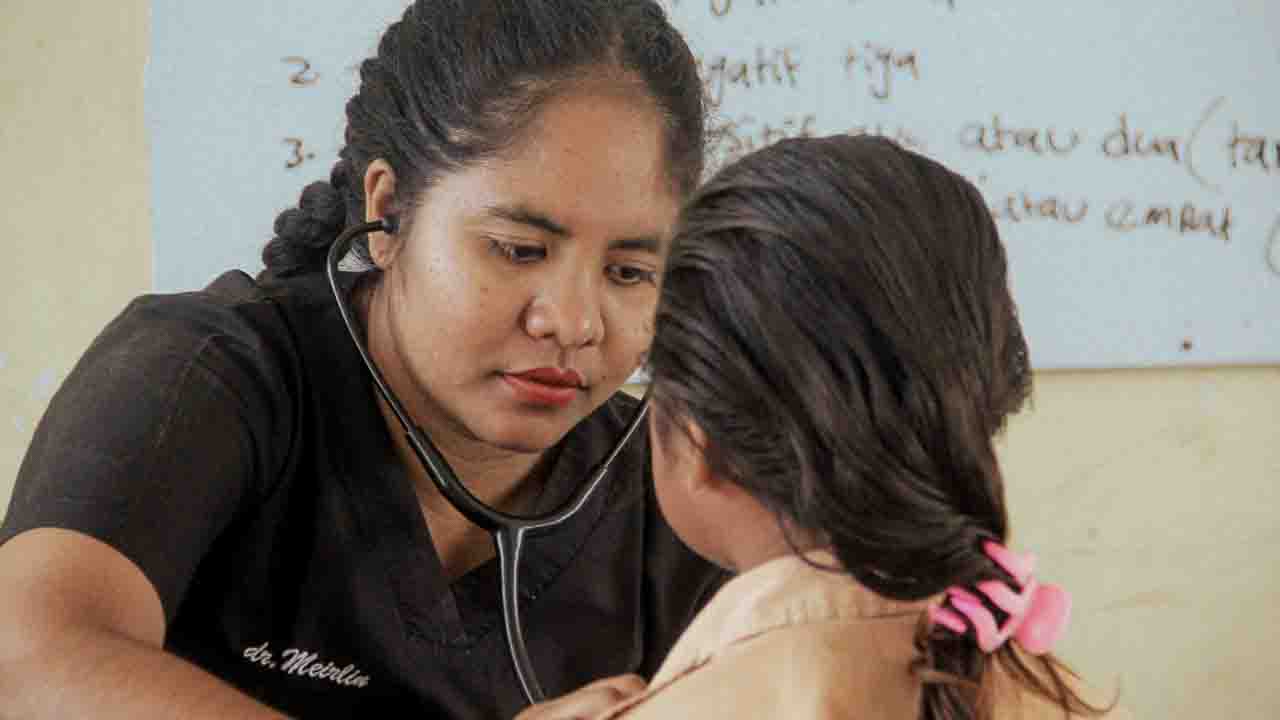
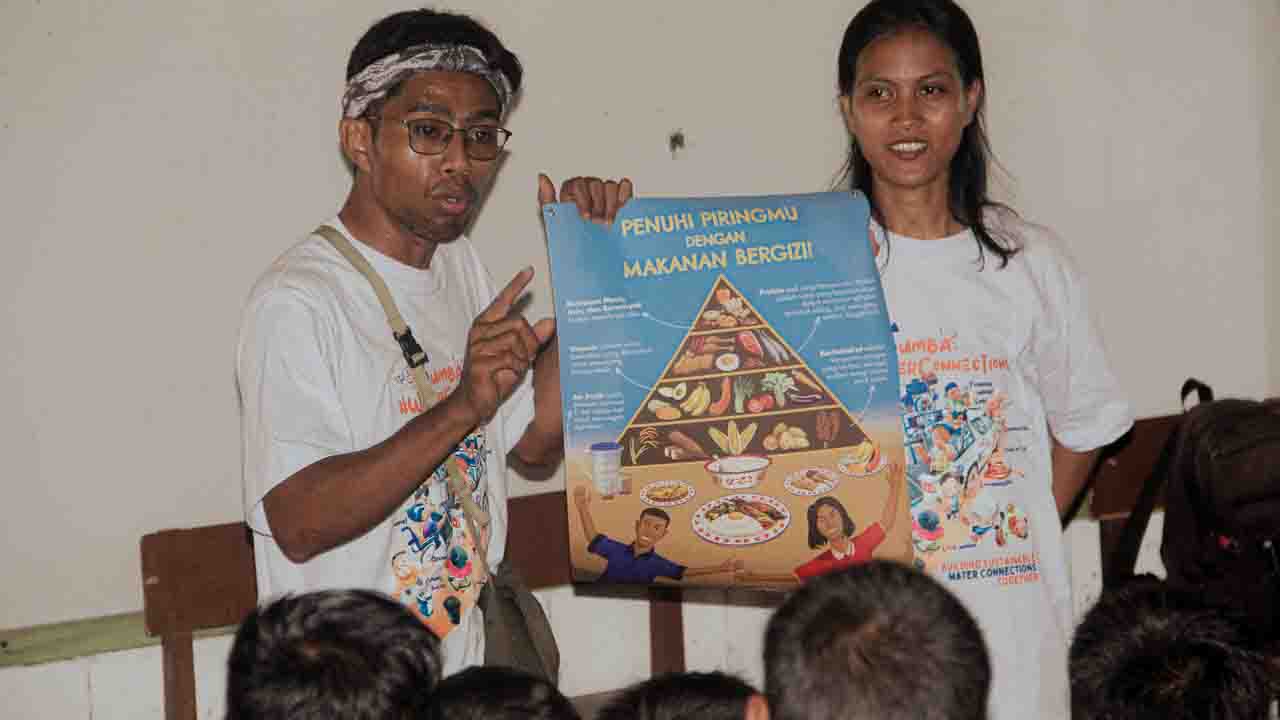
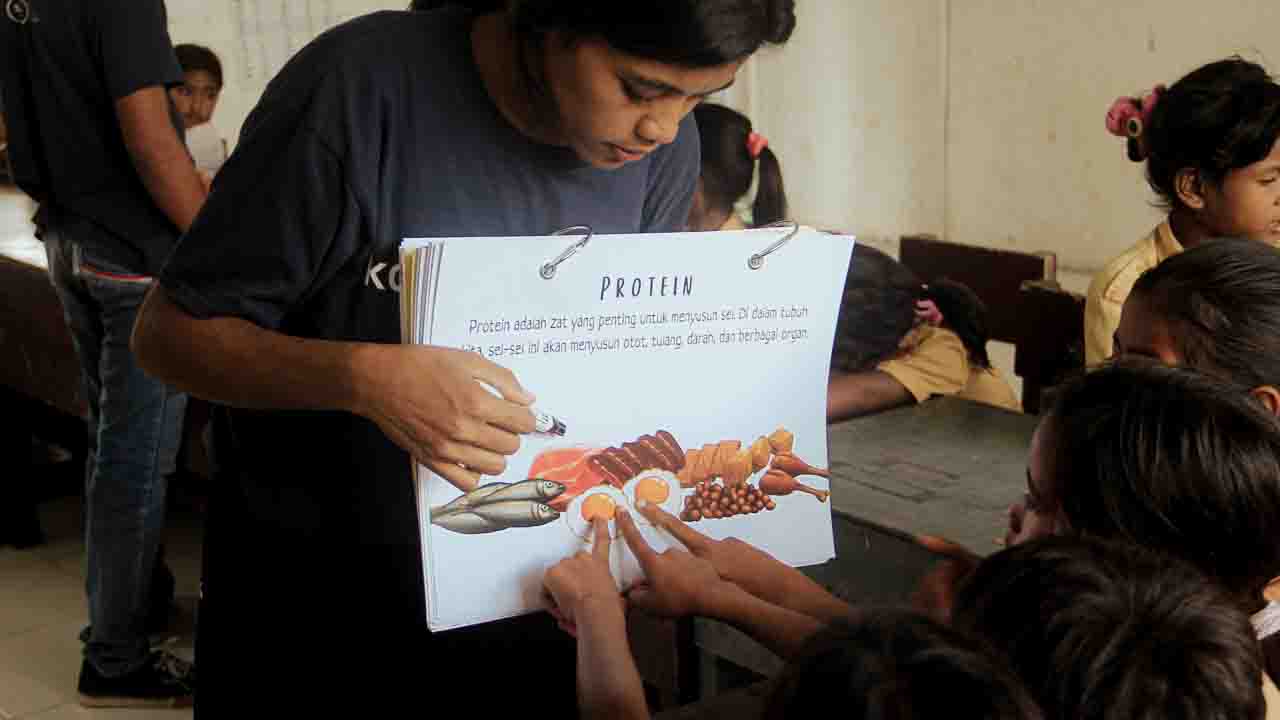
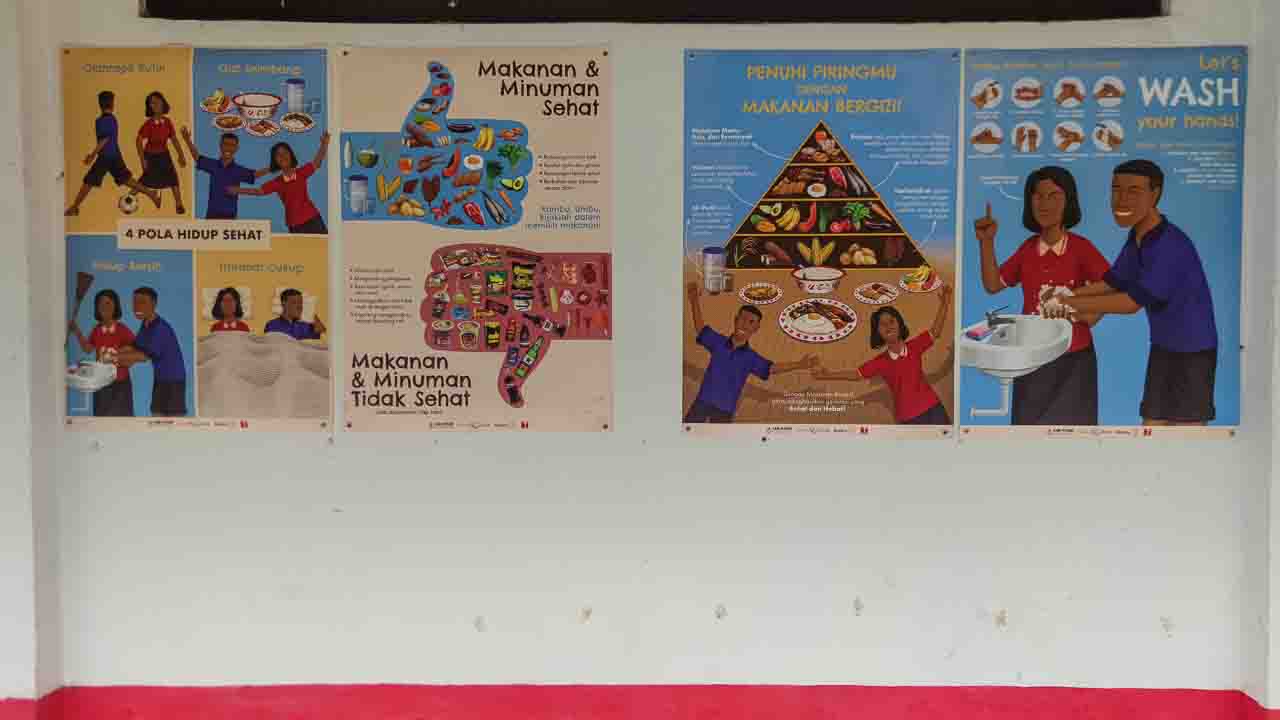
Water Connections reduces chronic enteric infections and improves nutrient absorption. Primary Medical Care detects growth delay early and treats infections before they escalate. Kawan Against Malaria lowers the parasitic burden that silently erodes a child’s reserves. Health education helps families diversify diets with what is locally available and understand why repeated illness is not “normal.”
“-We are not simply distributing food. We are restoring physiological resilience”.
Malnutrition is a structural biological vulnerability. It alters the terrain on which pathogens operate. An undernourished body pays a higher price for every microbial encounter. When one third of children are affected, infections will always hit harder, spread faster, and kill more easily.
Global health cannot treat infections in isolation from the biological ground that sustains them. Antibiotics, antimalarials, oral rehydration salts: they are essential. But without immune competence, their impact is limited.
The science is clear. A functioning immune system requires adequate energy, protein and micronutrients. Without them, prevention and treatment remain incomplete.
In the villages where we work, this is not theory. It is a daily clinical reality. Each child who regains weight, each infection prevented, each case treated early is a step towards rebuilding immune strength.
The biology does not lie. Strengthen the terrain, and infections lose their advantage.
Today, the 26th of February 2026 – Alex Wettstein
In Short – The Invisible Risk
Malnutrition not only reduces weight. It reshapes immune function at a cellular level. In regions where one child in three is affected, every infection carries greater systemic risk. Addressing nutrition is not food charity. It is immune reconstruction.
Malnutrition and Immune Vulnerability in East Sumba
List of Related Organisations with Hyperlinks
- World Health Organisation – Child Malnutrition and Immunity: Explains how undernutrition impairs immune function and increases infection-related child mortality worldwide.
- Global Nutrition Report: Independent global platform analysing how malnutrition amplifies the risk of infectious disease.
- The Lancet Child & Adolescent Health: Peer-reviewed studies exploring immune dysfunction in malnourished children.
- WaterAid – Water, Sanitation and Child Growth: Demonstrates the link between unsafe water, chronic diarrhoea, and impaired nutrient absorption.
- Action Against Hunger – Clinical Management of Acute Malnutrition: Technical guidelines for managing severe acute malnutrition in resource-limited settings.
- Food and Agriculture Organisation – Nutrition and Immune Resilience: Explains how dietary diversity supports immune competence in vulnerable populations.