



Donate
Support Care
Programs
All projects
Quick News
Field updates
Stories
Field stories
Primary Medical Care
Healthcare Where No System Exists
Medical supervision. Local health agents. Continuous logistics.
Primary Medical Care is how we deliver real healthcare in ultra-rural East Indonesia. In villages with no doctor, no clinic, and often no electricity, Kawan Sehat health agents provide structured first-line care inside the community.
Every month, around 700 to 1,000 patients are assessed, treated, and followed up. Malaria. Respiratory infections. Wounds. Dehydration. Maternal and child health problems. The same conditions that are routine in a functioning system, but dangerous when care is days away.
This is a medically supervised programme with stable logistics and full financial traceability. Not a one-off mission. A continuous field-built medical presence, shaped by 16 years of work on the ground.
Accessible care. Measurable outcomes. Accountability. That is what Primary Medical Care means here.
Why this matters
When care is not reachable, time becomes a risk factor.
A fever is treated late, a wound becomes infected, a pregnancy complication turns into an emergency, and the nearest clinic is hours away. Primary Medical Care keeps first-line medicine inside the village: earlier decisions, earlier treatment, fewer dangerous delays, and clearer referrals when a case goes beyond what can be managed locally.
Field Evidence and Case Reports
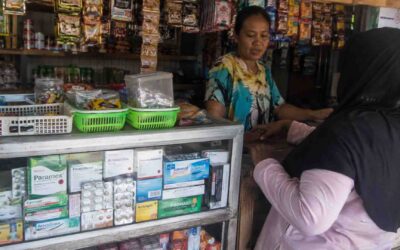
Self-Medication Rural Indonesia | Safe Medicine
In rural Indonesia, antibiotics and injections are often easier to access than trained medical care. This article explains how unsafe self-medication fuels antimicrobial resistance, delayed diagnosis, sepsis and preventable complications.
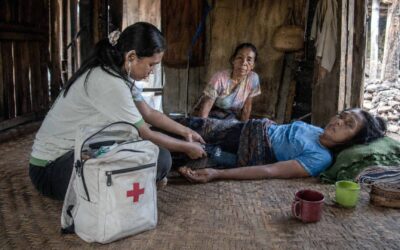
East Sumba Sepsis Study | Fatal Infection Pathways
Fair Future Foundation and Kawan Baik Indonesia launch the East Sumba Sepsis Study in May 2026. Nearly 500 household interviews and healthcare worker questionnaires will document why severe infections become fatal in ultra-rural villages, before better detection and care can be built.
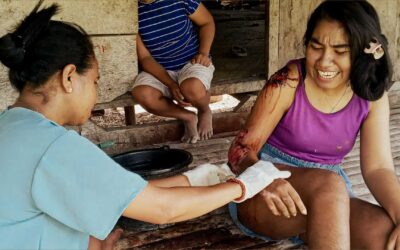
Preventable Suffering | Rural Health Failure
Preventable suffering in ultra-rural villages is not destiny. Untreated wounds, fever, pain, malnutrition and unsafe water become normal only when care, prevention and health education fail to reach families. Fair Future Foundation works where these failures cost lives.
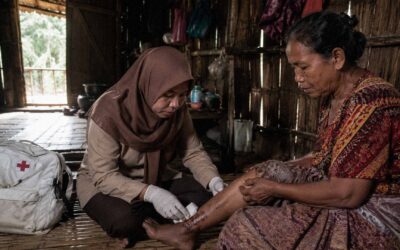
Untreated Pain Rural Medicine | Invisible Burden
Untreated pain in rural medicine defines daily life in remote regions. Patients live with wounds, infections, and fractures without relief. This is not a marginal issue. It directly affects survival, recovery, and dignity. Addressing pain is not complex, but it requires access, structure, and commitment.
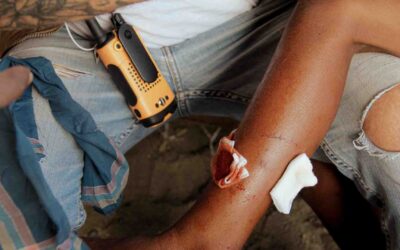
Sepsis in Rural Indonesia | Fatal Delays
Sepsis in rural Indonesia often begins with a treatable infection and ends in preventable death. This article presents a new East Sumba field study to understand delays, danger signs, referral barriers, and the role of community-based care.

Sexually transmitted infections rural Indonesia | Silent epidemic
Sexually transmitted infections in rural Indonesia remain largely undiagnosed due to lack of testing, education, and access to care. Untreated, they lead to infertility, chronic complications, and preventable transmission, reflecting deep gaps in public health systems.
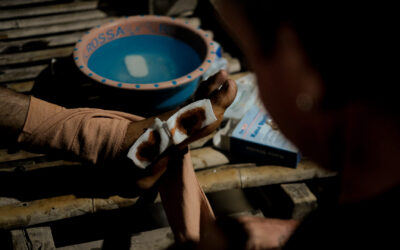
Snakebite Rural Indonesia | A Neglected Emergency
Snake bites in rural Indonesia become life-threatening when care is delayed. Lack of antivenom, poor access to healthcare, and limited awareness turn a treatable injury into a fatal condition. Early response and community-based care are essential to save lives.
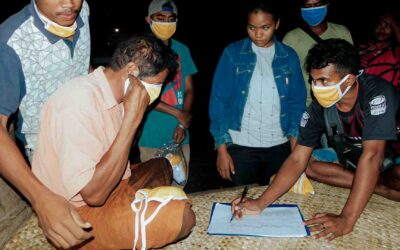
Tuberculosis Rural Indonesia | Poverty and Health Access
Tuberculosis remains one of the most persistent infectious diseases in rural Indonesia. Poverty, malnutrition and delayed diagnosis allow the disease to spread silently within households where access to healthcare remains limited. Community-based detection and treatment are essential to stop transmission.
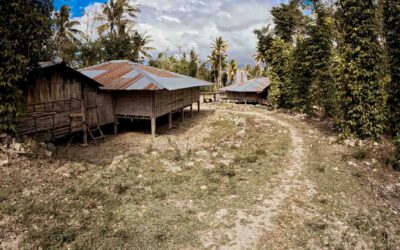
Health Systems Stop Before the Village | Rural Health Access
Health systems often function in cities and district hospitals but stop before reaching the most remote villages. Distance, weak infrastructure, limited staff and governance failures leave rural populations without care. Community health agents and primary medical care programs help bridge this gap.
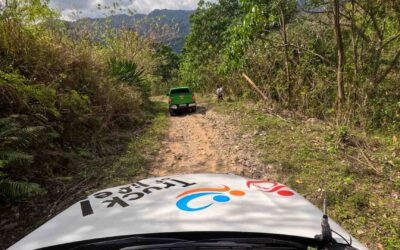
Last Mile Global Health | Why Systems Stop Early
Global health programs often succeed at national level but fail to reach the most remote communities. This article explores the last mile global health challenge and explains why healthcare systems stop before the final villages, and how community medicine bridges that critical distance.
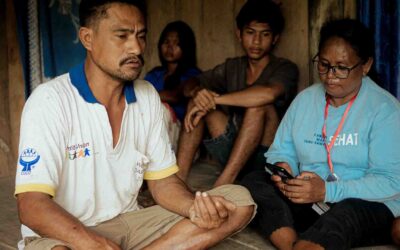
Health Data Where No Data Exists | Rural Care
Generate health data where no data exists in ultra-rural East Sumba. Through structured primary medical care documentation and field-developed medical apps, we record real disease patterns, reveal hidden burdens, and guide targeted health interventions in remote Indonesian villages.
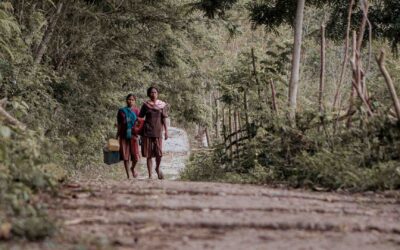
Hidden Cost of Delay in Rural Medicine | Access
The Hidden Cost of Delay in Rural Medicine shows how distance, financial barriers and time to first consultation transform mild illness into severe complications in East Sumba. Through Primary Medical Care, early intervention reduces avoidable deaths and restores timely access to treatment in ultra rural Indonesia.