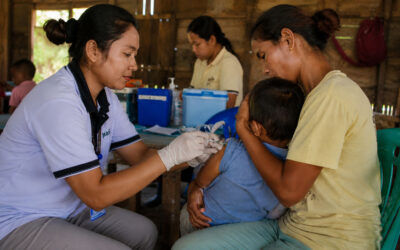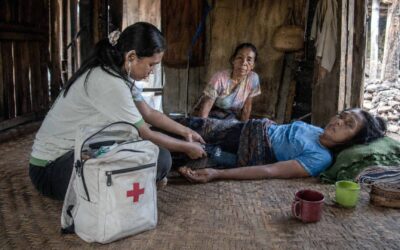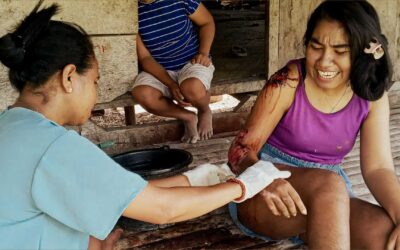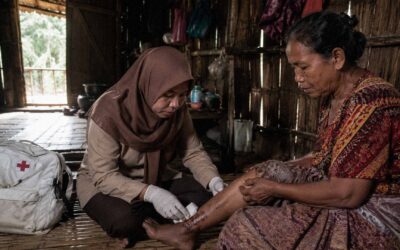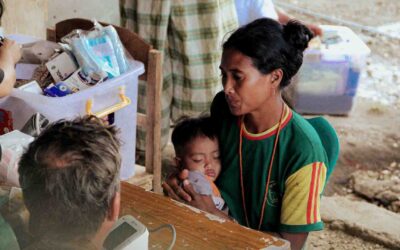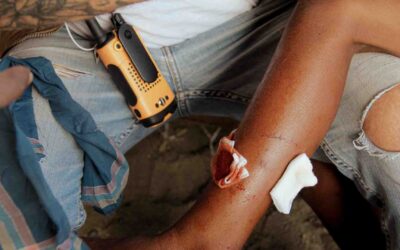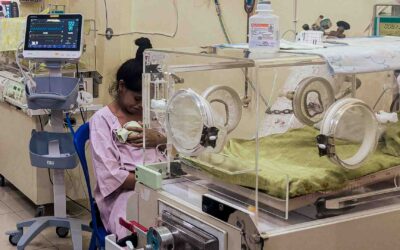


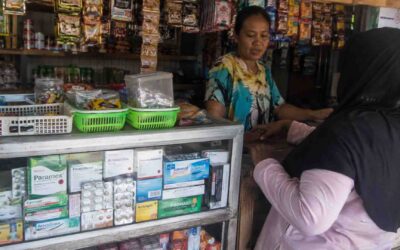
In rural Indonesia, antibiotics and injections are often easier to access than trained medical care. This article explains how unsafe self-medication fuels antimicrobial resistance, delayed diagnosis, sepsis and preventable complications.
I have written the following articles and content
Hello, my name is Alexandre WettsteinThe Fair Future Foundation in East Indonesia is dedicated to eradicating social and medical injustices by ensuring access to healthcare, clean water, and education for all.
Preventable Diseases in Children | Rural Vaccination
In remote Indonesia, children still grow up without reliable vaccination. Preventable diseases return not because medicine has failed, but because health systems stop too early, leaving families exposed to infections we already know how to prevent.
Rumah Kambera 2.0 Drilling Begins | Fair Future
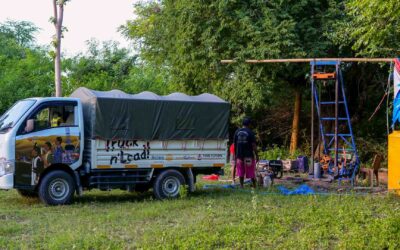
Rumah Kambera 2.0 drilling marks the first physical step toward Fair Future Foundation’s new socio-medical base in East Sumba. After two days of work, fresh water was found, making future construction, field life, and patient care possible on the site.
East Sumba Sepsis Study | Fatal Infection Pathways
Fair Future Foundation and Kawan Baik Indonesia launch the East Sumba Sepsis Study in May 2026. Nearly 500 household interviews and healthcare worker questionnaires will document why severe infections become fatal in ultra-rural villages, before better detection and care can be built.
Preventable Suffering | Rural Health Failure
Preventable suffering in ultra-rural villages is not destiny. Untreated wounds, fever, pain, malnutrition and unsafe water become normal only when care, prevention and health education fail to reach families. Fair Future Foundation works where these failures cost lives.
Third-Degree Burns Indonesia | Umbu Needs Burn Care
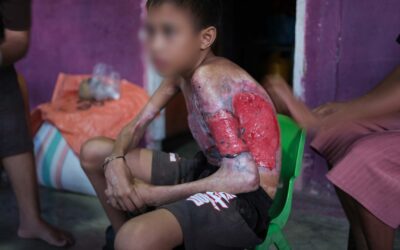
Umbu, 14, has lived for eight months with third-degree burns Indonesia should never leave untreated. In East Sumba, delayed care means chronic wounds, severe pain, malnutrition and lost mobility. He needs food, dressings, medicine, physiotherapy, reconstructive surgery and safe transfer now.
Leptospirosis Rural Indonesia | Water and Infection
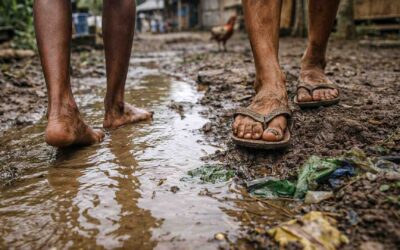
Leptospirosis in rural Indonesia remains dangerously underdiagnosed. In East Sumba and across NTT, unsafe water, rodent exposure, poor sanitation, and delayed care still turn a preventable bacterial infection into severe disease. Clean water, wound care, and early treatment save lives.
Untreated Pain Rural Medicine | Invisible Burden
Untreated pain in rural medicine defines daily life in remote regions. Patients live with wounds, infections, and fractures without relief. This is not a marginal issue. It directly affects survival, recovery, and dignity. Addressing pain is not complex, but it requires access, structure, and commitment.
Global Health Funding Corruption | Rural Care
Global health funding should save lives. In ultra-rural Eastern Indonesia, too much of it is lost to corruption, inflated administrative costs, and weak delivery systems. The result is clinical and brutal: delayed care, missing medicines, failed referrals, and preventable deaths.
Sepsis in Rural Indonesia | Fatal Delays
Sepsis in rural Indonesia often begins with a treatable infection and ends in preventable death. This article presents a new East Sumba field study to understand delays, danger signs, referral barriers, and the role of community-based care.
Sexually transmitted infections rural Indonesia | Silent epidemic
Sexually transmitted infections in rural Indonesia remain largely undiagnosed due to lack of testing, education, and access to care. Untreated, they lead to infertility, chronic complications, and preventable transmission, reflecting deep gaps in public health systems.
Child Marriage Indonesia | Adolescent Pregnancy Crisis
Child marriage adolescent pregnancy in rural Indonesia exposes young girls to severe medical risks including prematurity, anemia and maternal mortality. In East Sumba, lack of prevention and limited healthcare access turn early pregnancy into a daily clinical emergency.