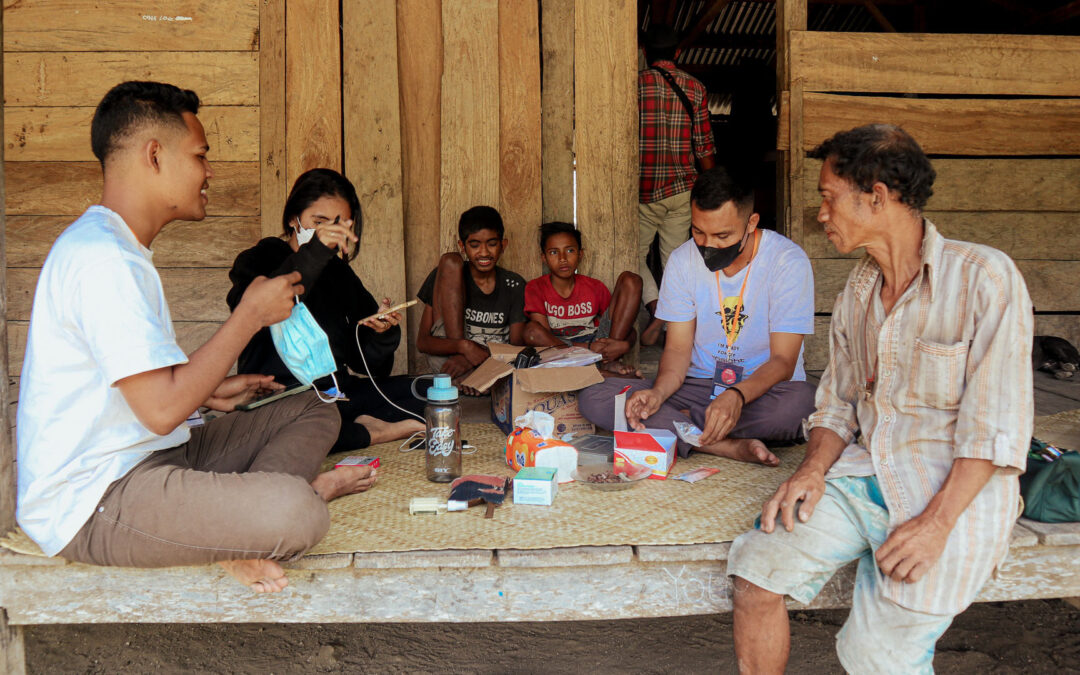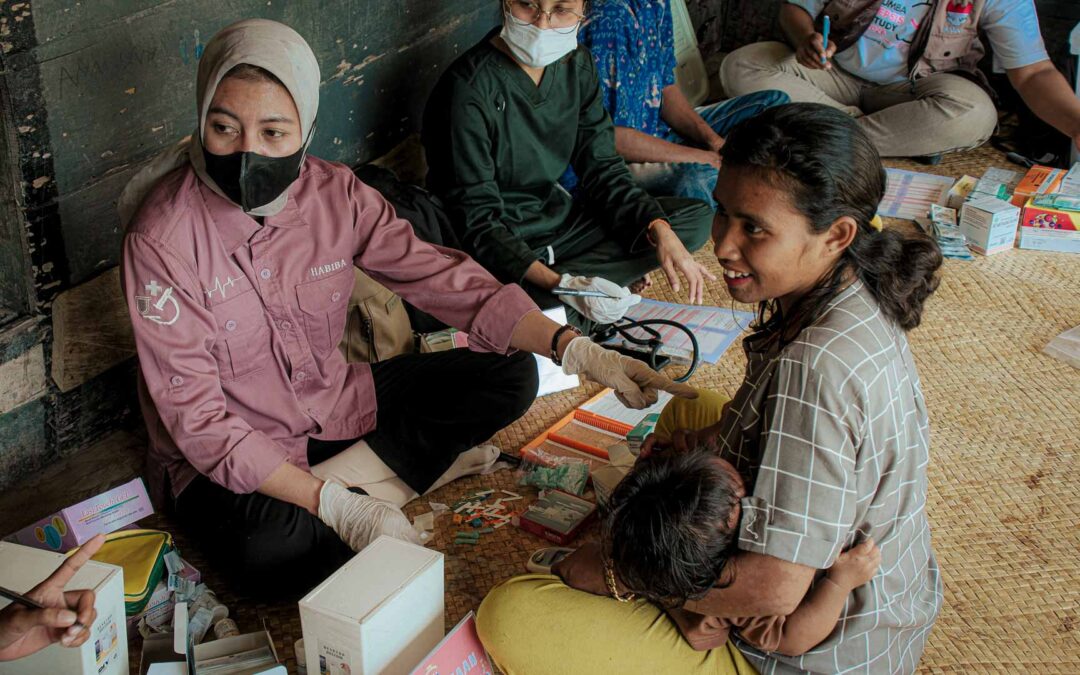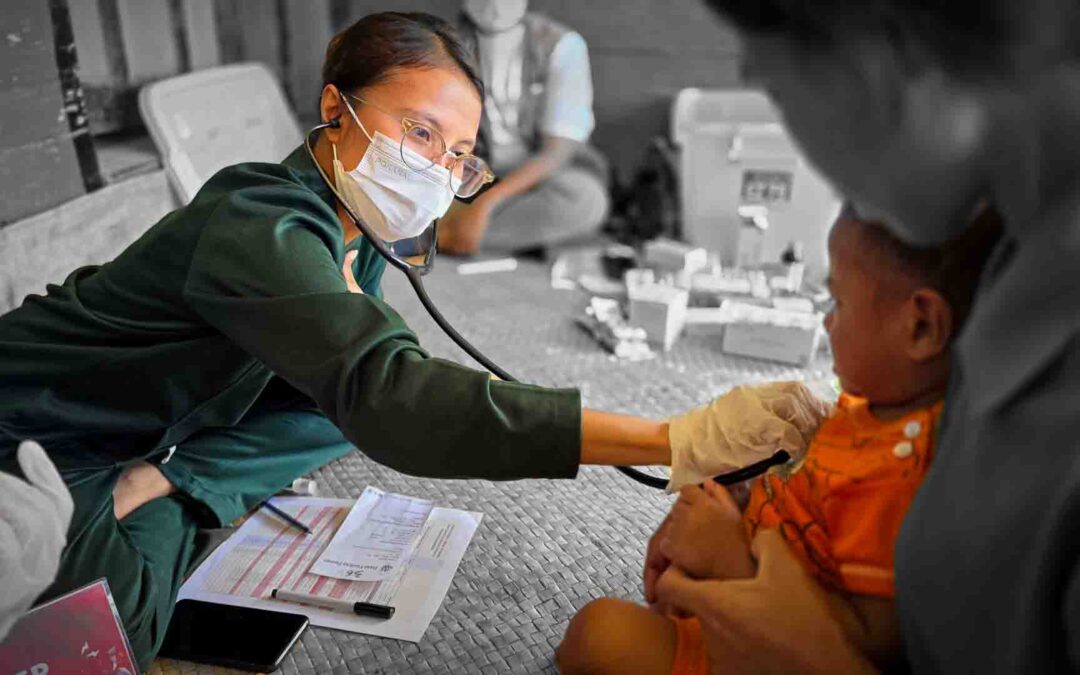
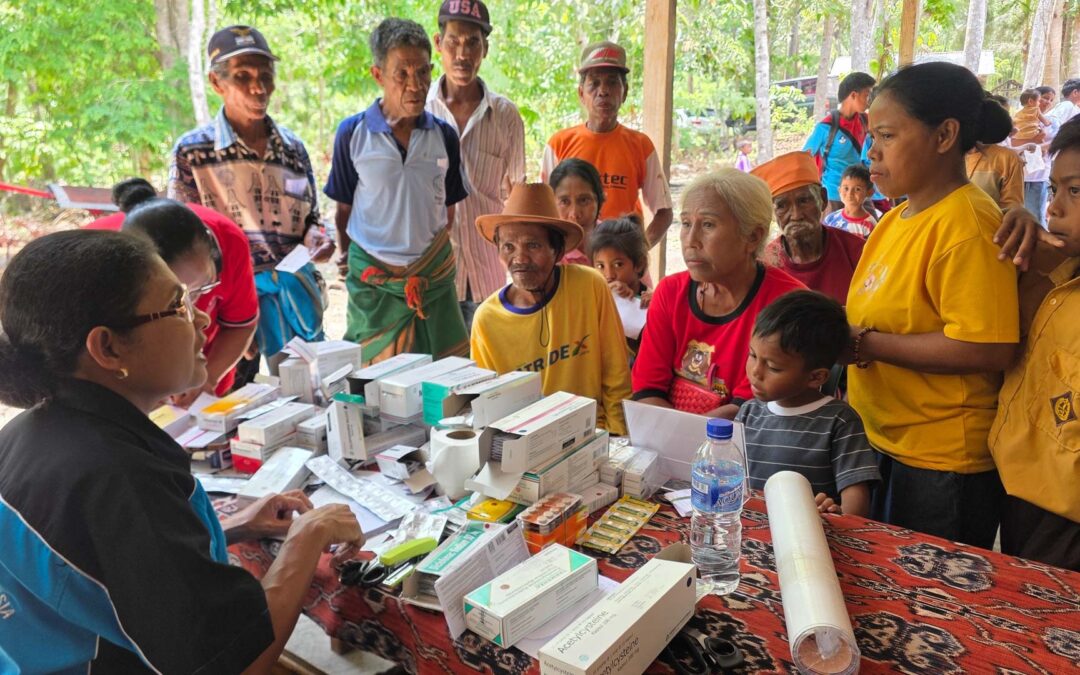
On 24 October, our team saw around 100 patients in Bidi Hunga, three hours from Rumah Kambera. Sixteen health cards in Bahasa Indonesia helped connect clinical assessment and appropriate medicines with practical actions at home, warning signs and the need for continuing professional care.
Healthcare Access

The Healthcare Access category examines barriers and solutions to accessing essential medical care in ultra-rural environments.
Articles document how distance, infrastructure, cost, and workforce shortages limit care, and how targeted interventions improve access. These include community health agents, mobile services, referral coordination, and basic infrastructure support. Aligned with WHO health system strengthening principles, this category highlights practical approaches that reduce delays in care, improve continuity, and ensure that even the most remote populations can access timely, appropriate medical services.
Latest field updates
IDR 18 Million Sent for the Next Bidi Hunga Medical Care Day
Fair Future has sent IDR 18 million, approximately CHF 826, to Kawan Baik Indonesia for an upcoming medical care day in Bidi Hunga, East Sumba. Around 150 residents are expected, with medical consultations, practical health education and follow-up through Kawan Sehat agents planned.
Community Care in East Sumba Depends on Reliable Access to Medicines
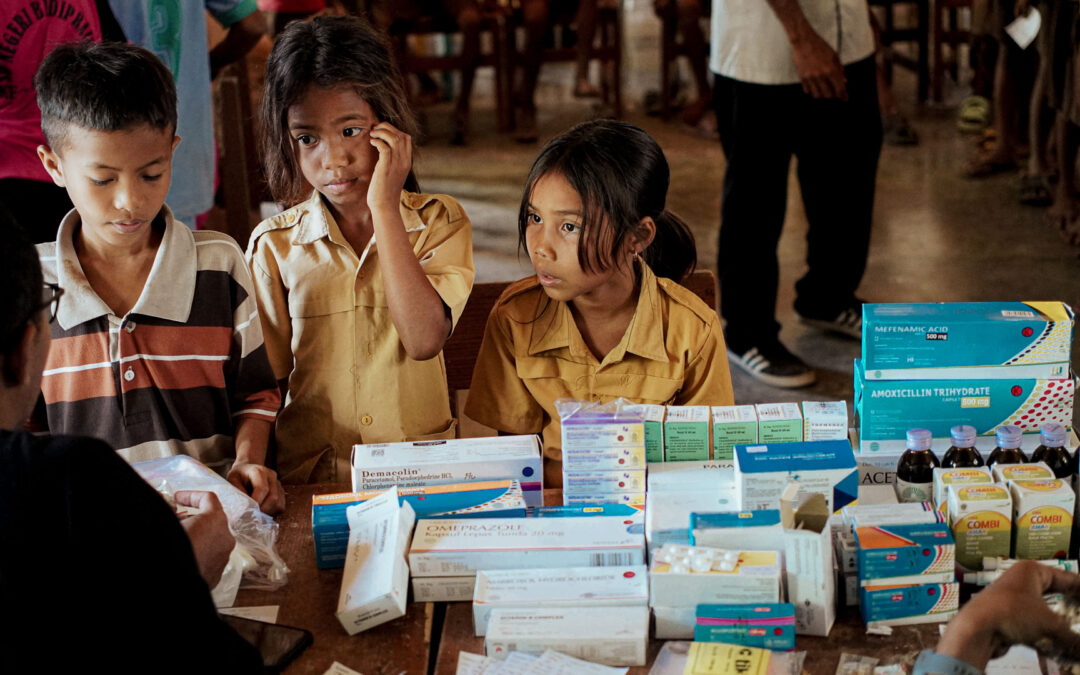
At a school in southern East Sumba, doctors meet patients during a community care day. Alex describes essential medicine needs and local puskesmas requests for supplies. The work connects patient assessment with practical education on water, hygiene and nutrition for rural families.
At a Posyandu in Lambanapu, Every Child Needs an Individual Record
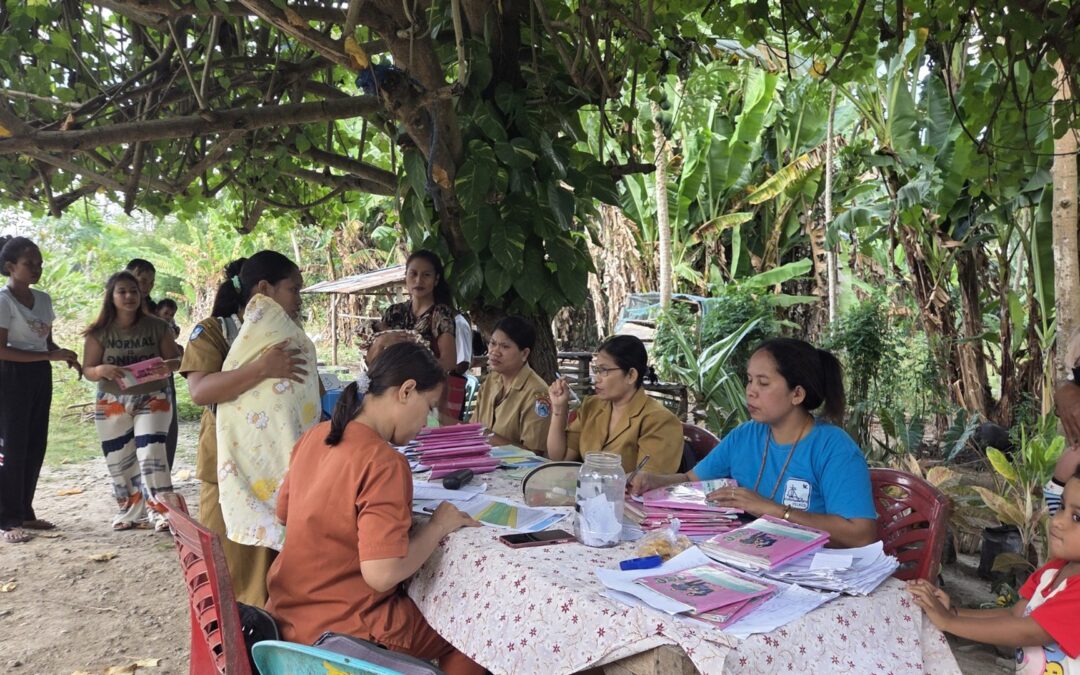
At an outdoor Posyandu in Lambanapu, more than 100 young children came for growth checks and possible vaccination. Our team observed mixed names, insufficient supplies and too little individual attention. For many mothers, this is their only realistic point of care. Every child needs a verified record and follow-up.
An Older Man in Mbajik Tells His Story Where Electricity Has Arrived
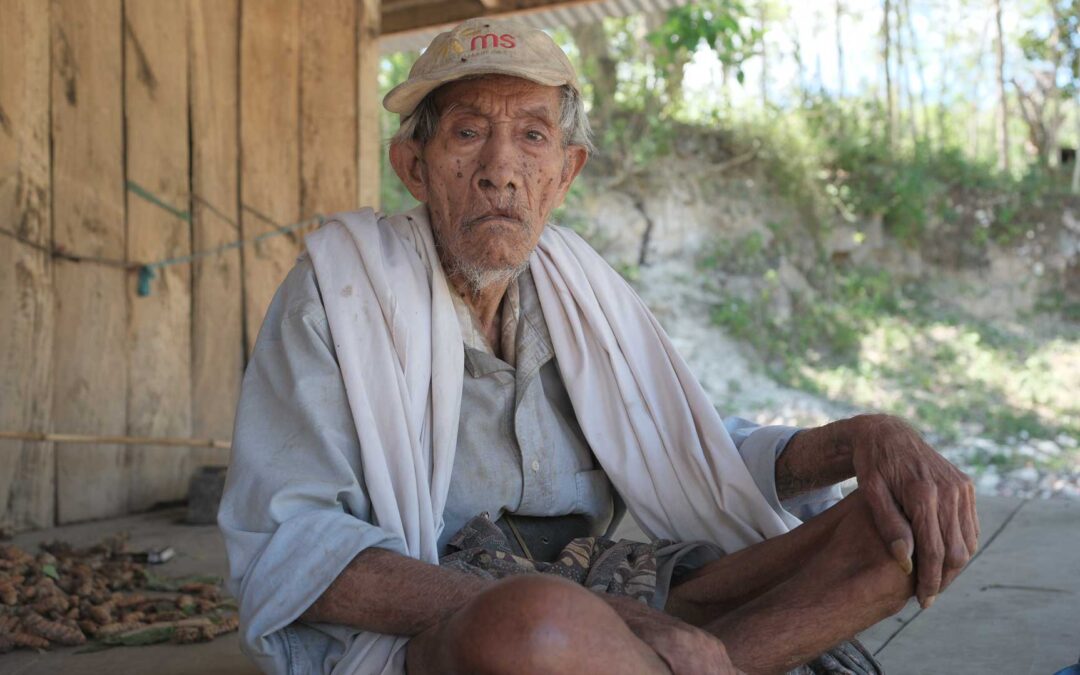
In Mbajik, East Sumba, an older man sits outside a wooden building and shares his story. His family says he is 106, though his birth date is unverified. He still walks each day and speaks clearly about a life that is difficult at his age. His portrait asks us to listen before we speak about care.
Rumah Kambera | CHF 19,000 for the Future Centre
Two donations totalling CHF 19,000 bring funding for the future Rumah Kambera Community Socio-Medical Centre to nearly 40% of the total needed. In Kawangu, East Sumba, construction is under way on a site planned for medical care, training and logistics serving remote village communities.
Community Medical Outreach | Rotary Funds Five Field Days
A Rotary contribution of AUD 7,453.60 will fund five community medical outreach days in East Sumba. Each day enables our teams to treat at least 100 people, often around 120, with consultations, medicines and basic diagnostic tests in remote villages.
Rural Child Health in East Sumba | Before Emergency
A mother and her child photographed during the Sumba Sepsis Study 2026 remind us that rural child health depends on more than treatment. Primary care, clean water, nutrition, health education, community health workers and timely referral must work together before infection becomes an emergency.
Medical Outreach East Sumba | Care in Madutolung
After a six-hour journey, our teams reached Kampung Madutolung to provide consultations, blood tests, malaria screening, medicines, and prevention to more than 115 villagers. It was one long day of practical medicine in a place where care remains far away.
Community Health Worker | Primary Care in East Sumba
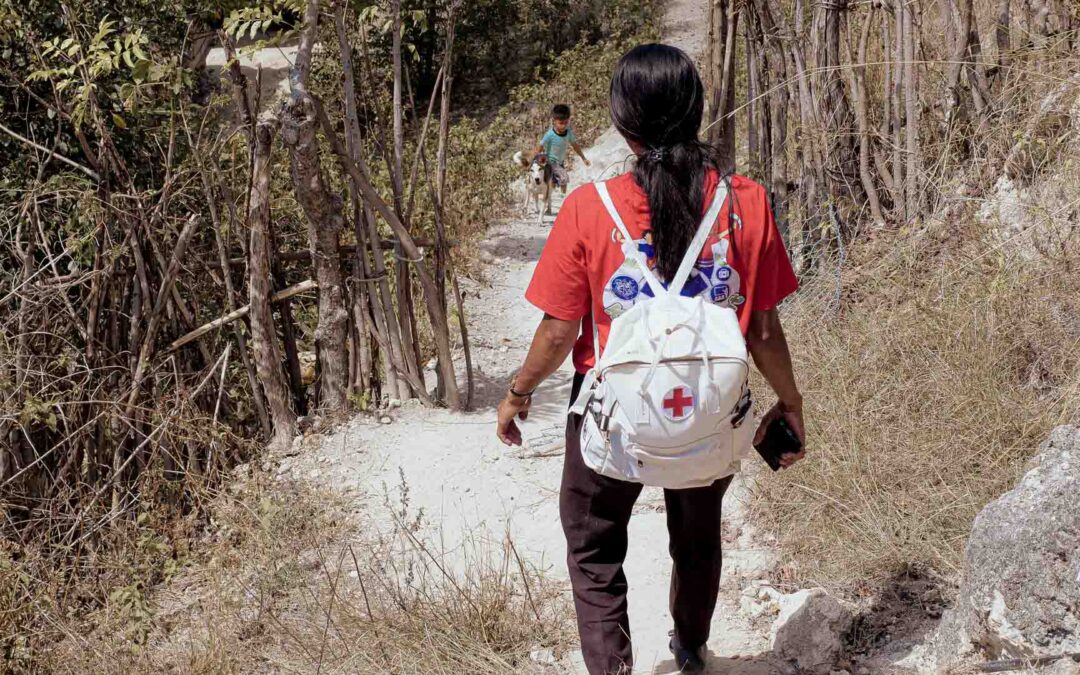
A Kawan Sehat community health worker walks through a remote East Sumba village carrying nearly one hundred medical and educational items. The backpack supports basic care, prevention, health education and referral where distance can delay access to formal healthcare and early assessment.
Self-Medication Rural Indonesia | Safe Medicine
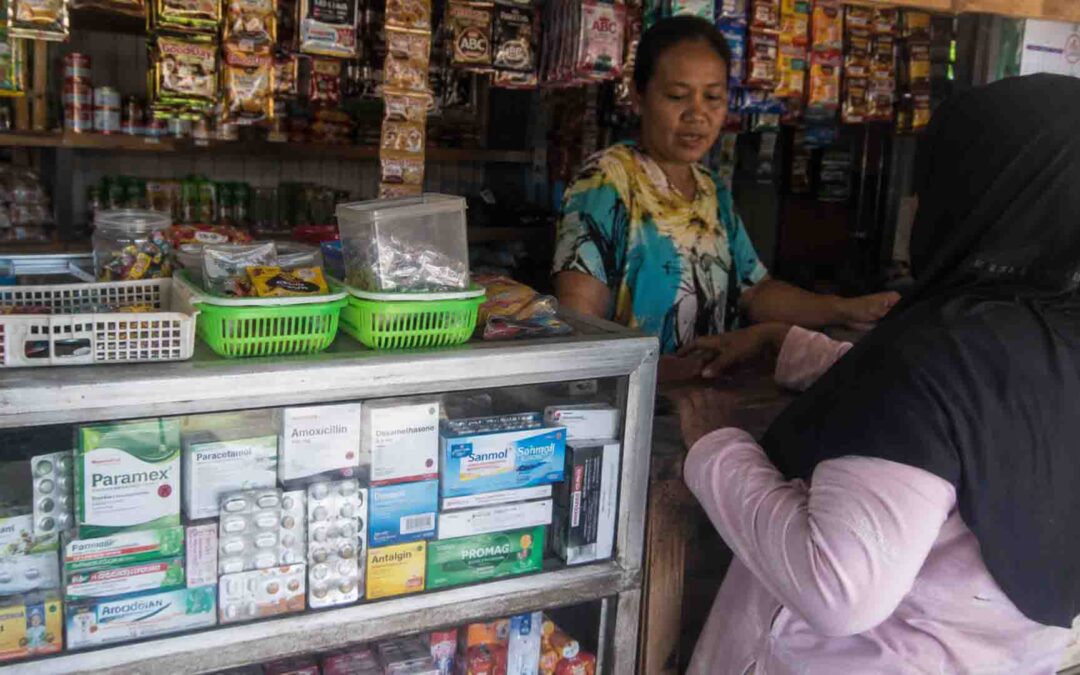
In rural Indonesia, antibiotics and injections are often easier to access than trained medical care. This article explains how unsafe self-medication fuels antimicrobial resistance, delayed diagnosis, sepsis and preventable complications.
Preventable Diseases in Children | Rural Vaccination
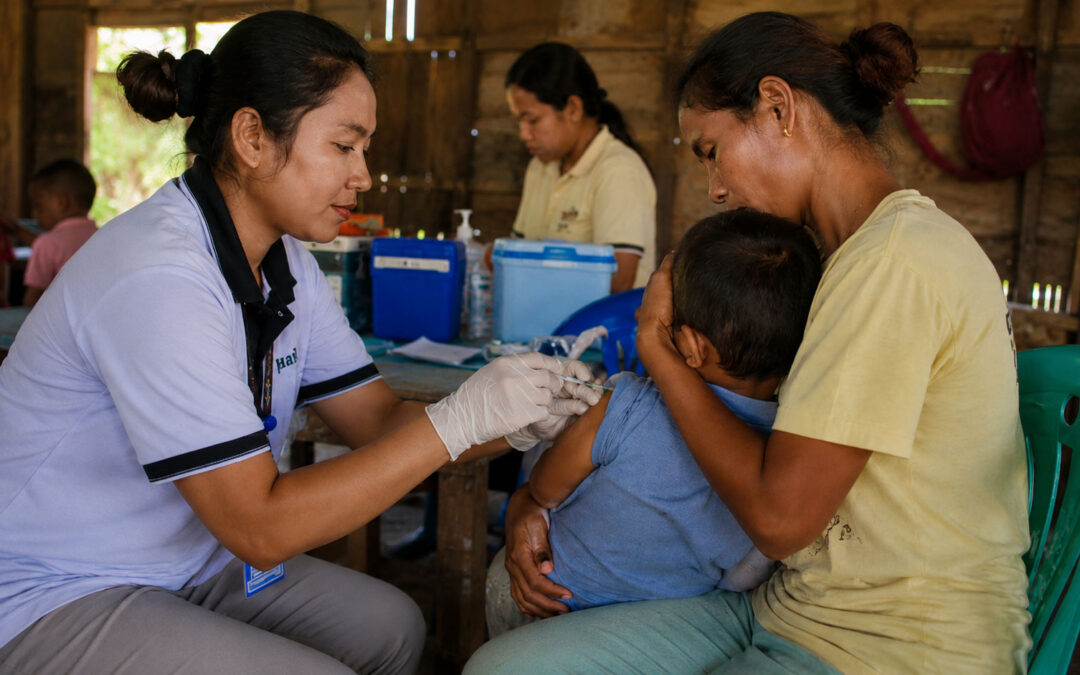
In remote Indonesia, children still grow up without reliable vaccination. Preventable diseases return not because medicine has failed, but because health systems stop too early, leaving families exposed to infections we already know how to prevent.