
Working Principles in Humanitarian Care
Humanitarian working principles only matter when they change decisions on the ground. In East Sumba, proximity, independence, medical rigour, sustainability, accountability and respect shape how we assess needs, deliver care, build infrastructure and decide when an intervention should change or stop.
Humanitarian Working Principles in Practice
Medical ethics, field responsibility and local accountability
How principles become operational decisions
Should we start an intervention, adapt it or stop? Fair Future’s humanitarian working principles help us answer that question. They guide decisions about care, water systems and local training in communities where transport, electricity and essential services can be difficult to access.
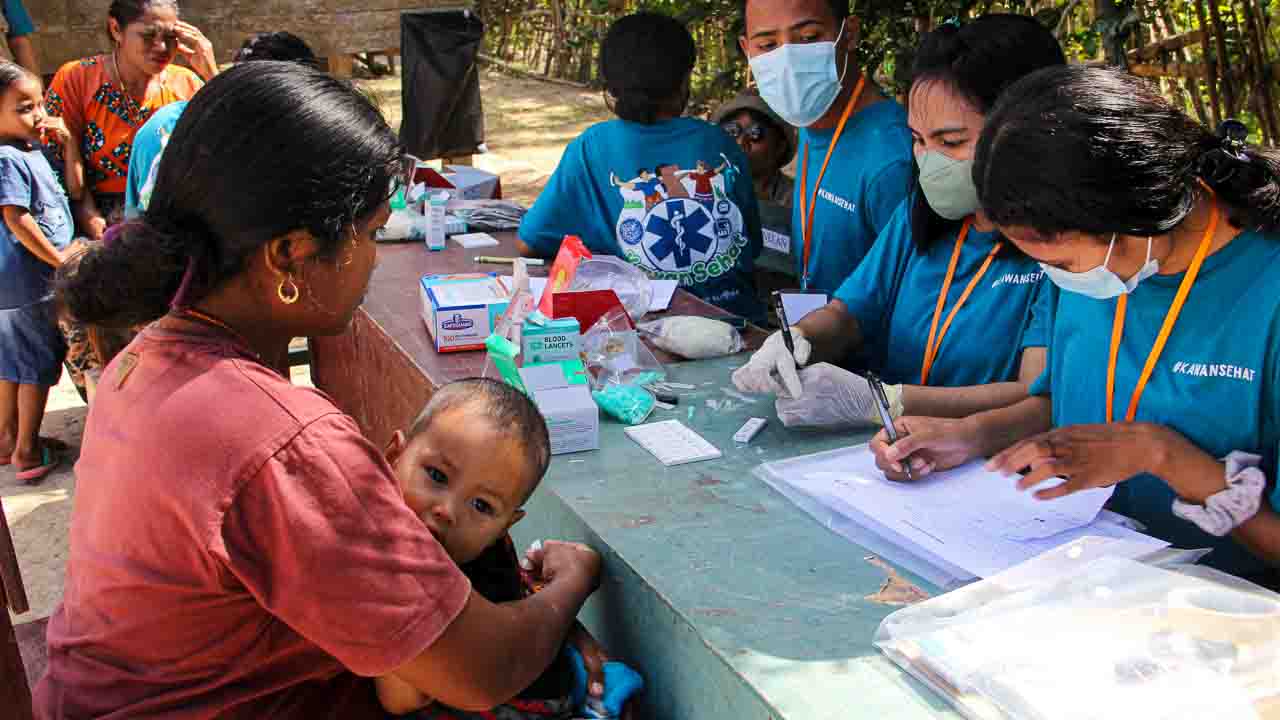
Field conditions change how care can be delivered, not the responsibility to deliver it safely. We account for the tests, medicines, transport and referral options available while keeping safety, consent and clinical responsibility central to each decision.
These working principles sit alongside our Ethical Code and our Swiss humanitarian expertise. They also apply directly to Primary Medical Care, Water Connections and Kawan Sehat. The six principles below explain what this means in practice.
Decisions begin with what is actually happening
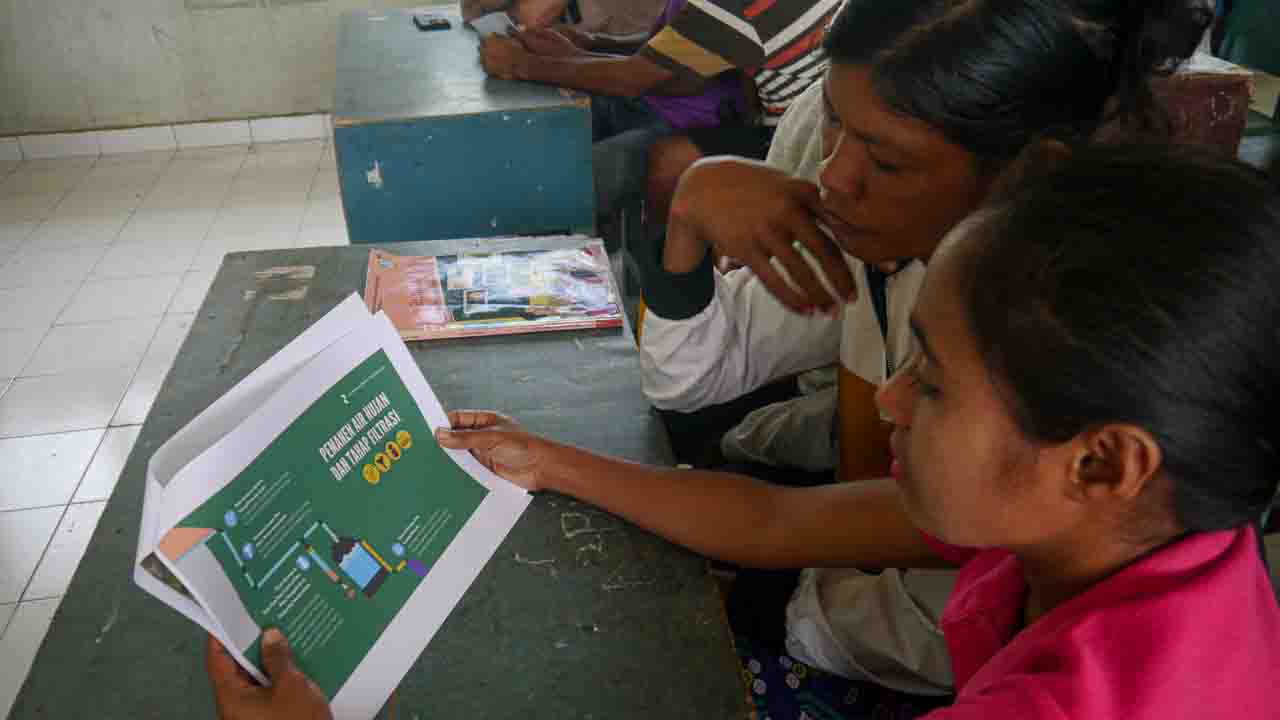
Proximity means working close enough to communities to understand how distance, seasons, transport, water, household resources and local practices affect health. One visit is rarely enough. Repeated contact reveals what remote planning and isolated surveys can miss.
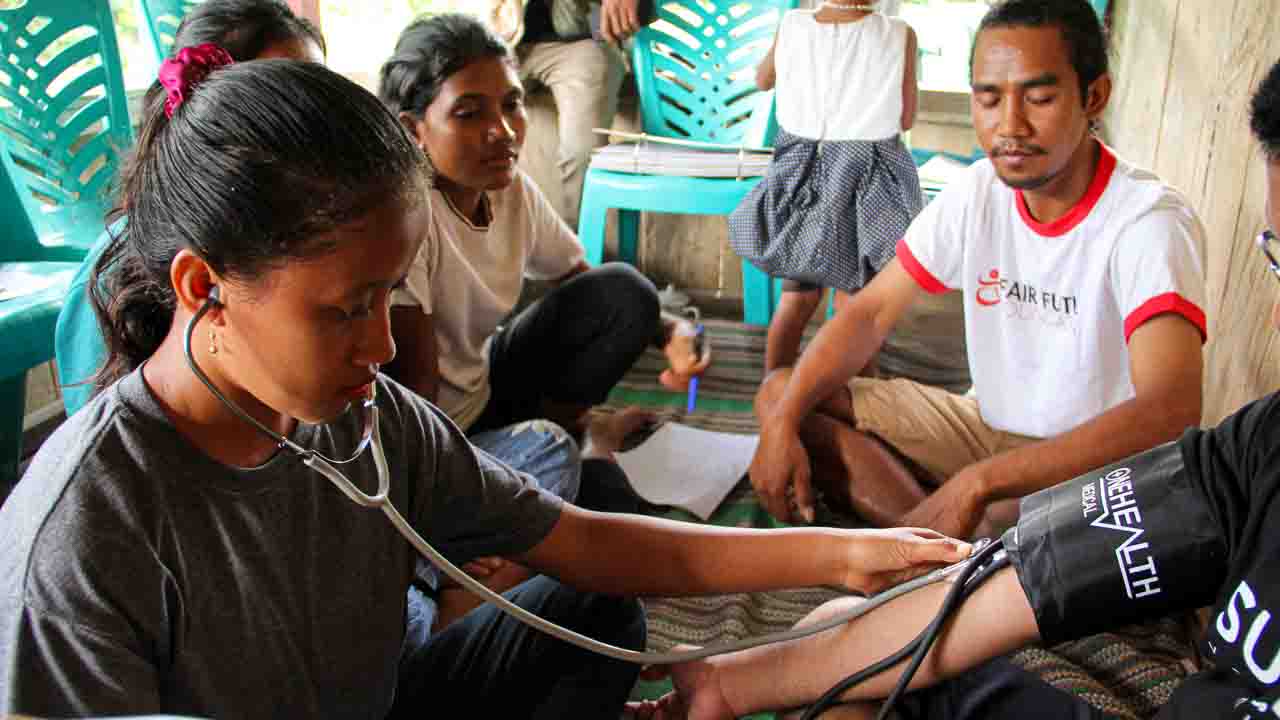
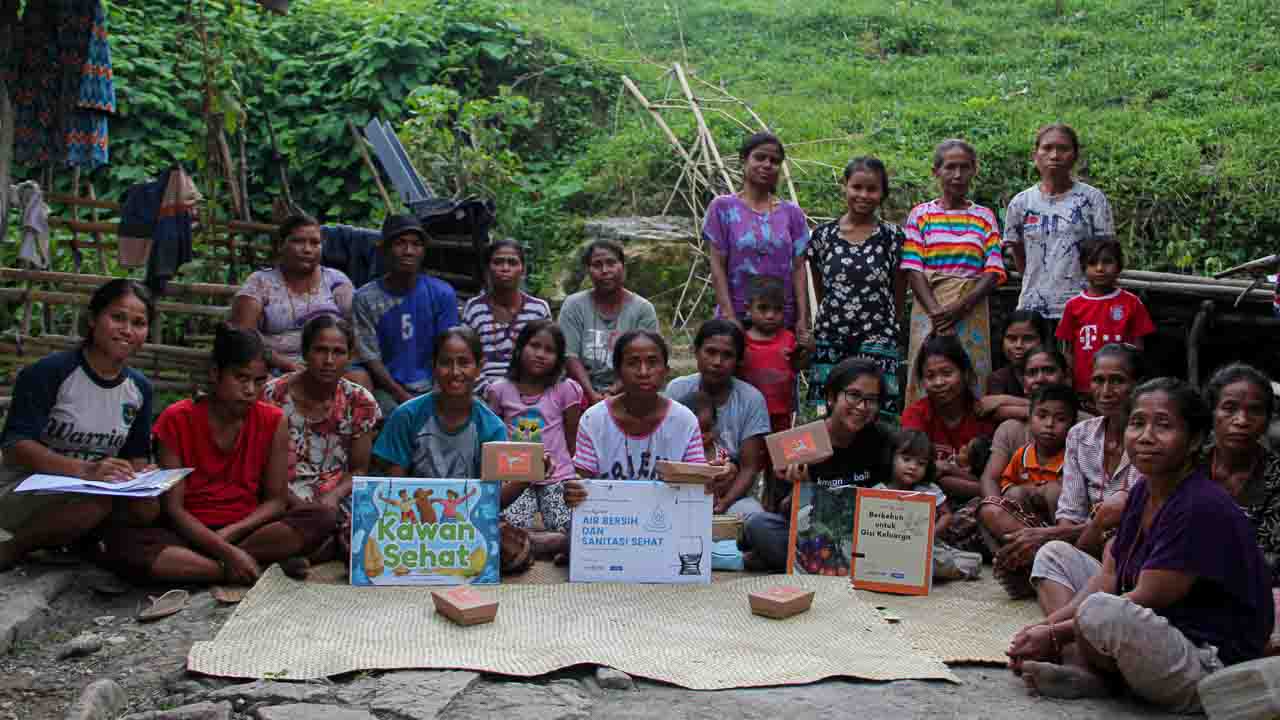
In healthcare, proximity supports earlier recognition, follow-up and continuity. In infrastructure, it shows whether a system is actually used, maintained and safe over time. Our Kawan Sehat agents and Primary Medical Care are built around this continuity, especially where formal healthcare is difficult to reach.
Need, evidence and safety come before visibility
Independence protects clinical and operational judgement. Political, religious, commercial or donor interests must not determine who receives care, which risks are prioritised or how results are reported.
It also includes the ability to refuse. We do not proceed with an intervention simply because money, attention or expectations already exist. If an action is unsafe, unsustainable or ethically unsound, stopping or redesigning it is part of responsible practice.
This principle is reinforced by our Ethical Code and by transparent reporting on how funds are allocated.
Adapt the method, not the standard of care
Ultra-rural medicine requires adaptation. Diagnostics may be limited, referral can take hours, medicines are finite and communication may be intermittent. Adaptation is therefore necessary, but it must never become an excuse for weak clinical reasoning or unsafe shortcuts.
We use evidence-based medical and public-health guidance, including WHO guidance where applicable. We document cases, define danger signs and referral thresholds, and review outcomes. Training and supervision help keep decisions consistent.
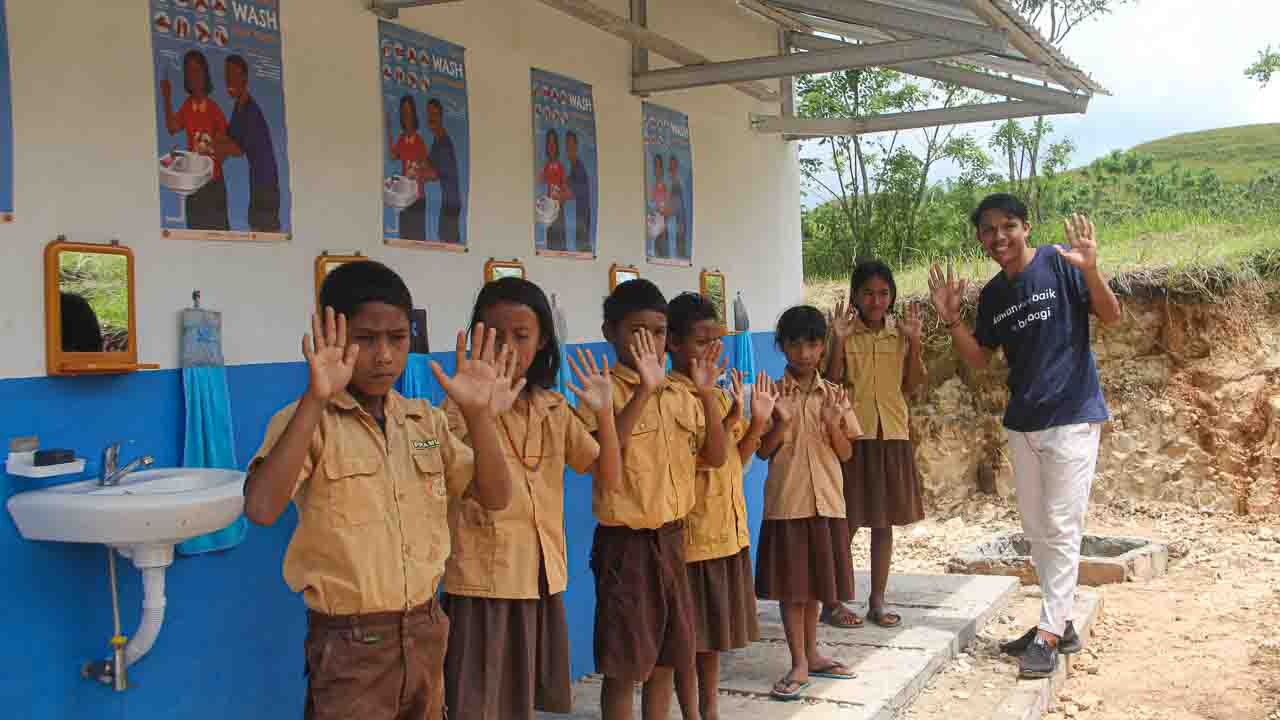
See our work on Disease Prevention and Primary Medical Care.
Build for use after the intervention
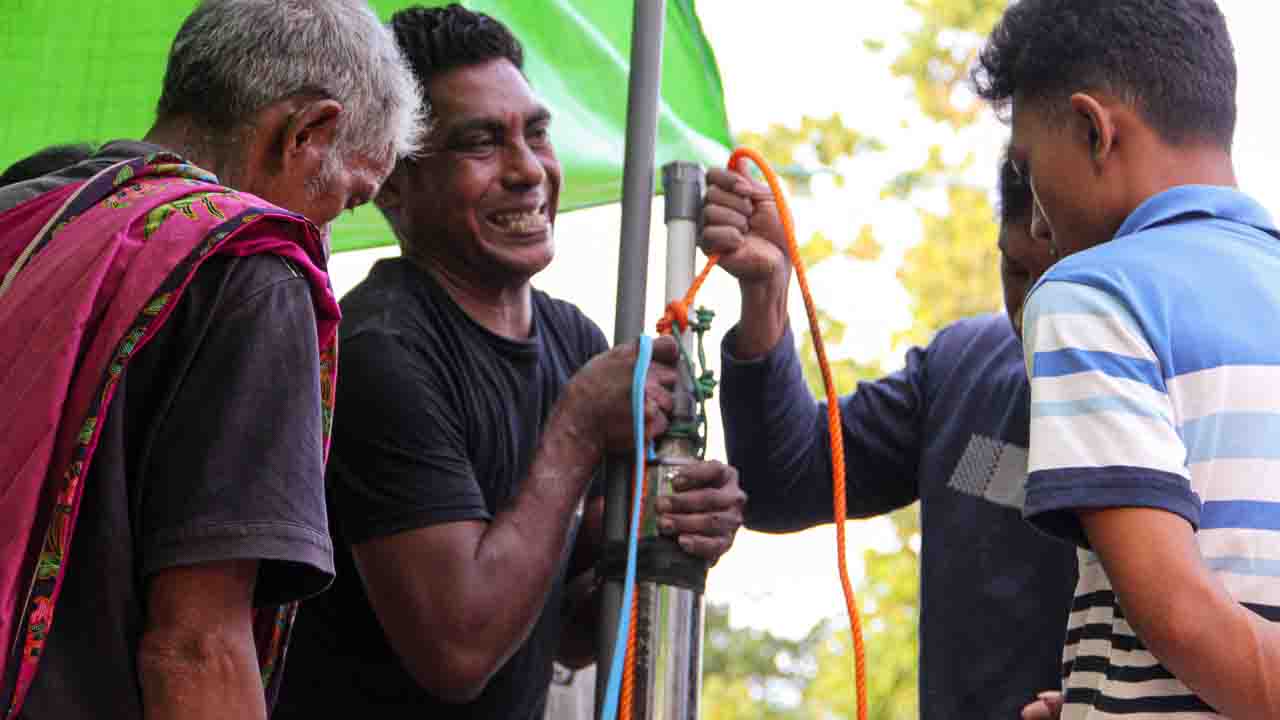
A solution that cannot be maintained locally is fragile by design. Water systems, medical tools, training and infrastructure must account for repair, supply chains, local skills, recurrent costs and ownership from the start.
Our aim is not permanent external control. It is to leave more capacity behind: health agents who can recognise danger signs, communities that can maintain infrastructure, and systems simple enough to function under local conditions.
Water Connections is a practical example of this principle: technical choices, construction, maintenance and community responsibility have to work together.
Measure what happened, not what was intended
Accountability means being able to explain what was done, what it cost, what changed and what did not work. We track activities, clinical patterns, infrastructure performance and financial use, and we correct course when results do not match expectations.
Our fund allocation page explains how resources are used and how the reported allocation is calculated. Our annual activity reports document programmes, expenditure and results over time.
Accountability is also owed to the communities affected by our decisions. Transparency is incomplete if it only travels upward to donors and institutions.
Dignity is a clinical and operational requirement
Respect governs consent, privacy, communication, photography, data use and the way people are represented publicly. A person is never a fundraising object, a diagnosis or a photograph.
We listen before deciding, explain what we can and cannot do, and recognise local knowledge and priorities. This is not separate from effectiveness: care without trust is harder to accept, follow and sustain.
Our Ethical Code and About Fair Future page describe the wider ethical framework behind this approach.
Working Principles in the Field