Why We Do This
No family should lose someone because care is too far away. This is why we do this work: to help people reach treatment sooner, prevent avoidable illness and keep essential services working in remote eastern Indonesia.
Why Humanitarian Action Matters Today
When preventable suffering becomes a responsibility to act
Why we do this: care should not depend on where you live
In 2006, a five-year-old child died from malaria in a remote Indonesian community where timely diagnosis, treatment and transport were not available. The disease was treatable; care could not be reached in time.
Fair Future was established in Switzerland in 2008. That experience still shapes our purpose: to reduce the barriers between people and the care they need, rather than wait until a preventable problem becomes an emergency.
We connect primary medical care, prevention and clean water because a patient’s health does not fit neatly into separate projects. Our mission explains how that purpose guides the work. Below are the reasons we remain committed to it.
The question that stayed with us
After that loss came a question we could not set aside: what needs to change so the next family can reach help in time?
Sometimes the missing link is a diagnostic test or medicine. Sometimes it is transport, a trained neighbour or clear information about when to seek care. Being close to communities helps us understand which barrier matters in each situation.
Read more about Fair Future’s origins and local partnerships.
Much of what we see should be preventable
We see illnesses and complications that might have been prevented, recognised earlier or treated sooner. Some people need urgent hospital care; others need a problem identified before it becomes severe. The point is not that every illness is simple, but that delays can remove choices.
Safe water, hygiene, vaccination, basic screening, health education and timely referral can be as important as treatment itself.
Prevention and treatment belong together. Helping a household reduce risks is part of caring for the people who live there.
Distance is a medical risk
In ultra-rural areas, distance changes everything. A health facility may be several hours away, transport may be unavailable and damaged roads can make referral impossible at the moment it is most needed.
Families can delay seeking care because the journey is expensive, difficult or uncertain. A condition that was manageable in the morning may be critical by the time a patient reaches help.
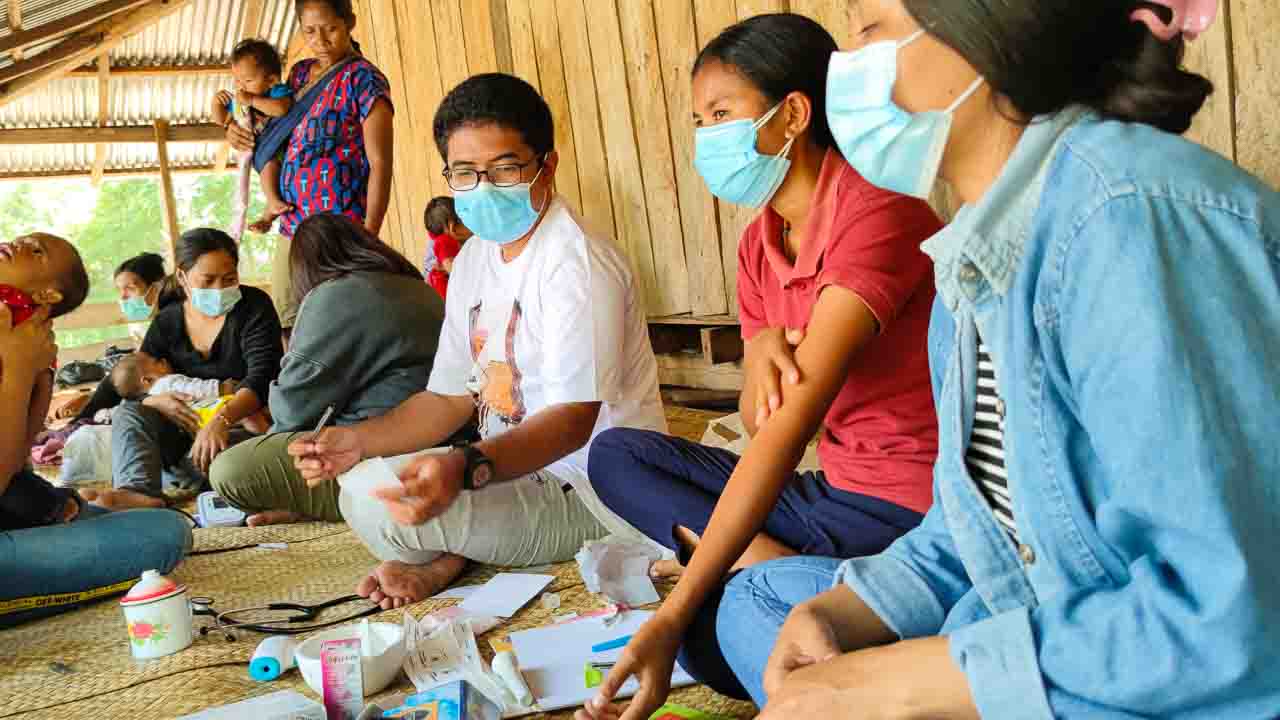
This is why we work as close as possible to where people live and support community health agents who can recognise danger signs, provide basic care and help organise referral earlier.
Solidarity has practical consequences
Humanitarian work depends on people deciding that suffering elsewhere still matters. Donations, professional knowledge, equipment and time can all become very concrete things in the field: medicines, clean water, transport, diagnostic tests or trained health agents.
That trust brings obligations. Resources must be used carefully and connected to real needs. Our annual reports and explanation of how funds are used help supporters follow the work.
Support matters when it becomes something people can use: care, a functioning water supply or a health agent able to help a neighbour.
People are never just statistics
Clinical data and programme indicators are necessary, but every number represents a person, a family and a specific situation. Ethical humanitarian work must preserve that perspective.
Dignity means listening before deciding, protecting medical information, explaining care, respecting informed choices and avoiding images or stories that reduce people to their vulnerability.
Communities are partners, not passive recipients. Their knowledge, priorities and decisions shape the work. Our ethical commitments set out the responsibilities that come with that relationship.
Responsibility continues after the intervention
Acting does not mean doing everything, everywhere. It means taking responsibility for the work we choose to undertake and being clear about what we can and cannot do.
A medical referral needs follow-up. A trained health agent needs continued support. A water system must still function after construction. A prevention programme must change when evidence shows that something is not working.
For us, humanitarian action is therefore a long-term responsibility: to remain present, measure what happens and correct our approach when reality demands it.
When Presence Becomes Responsibility