


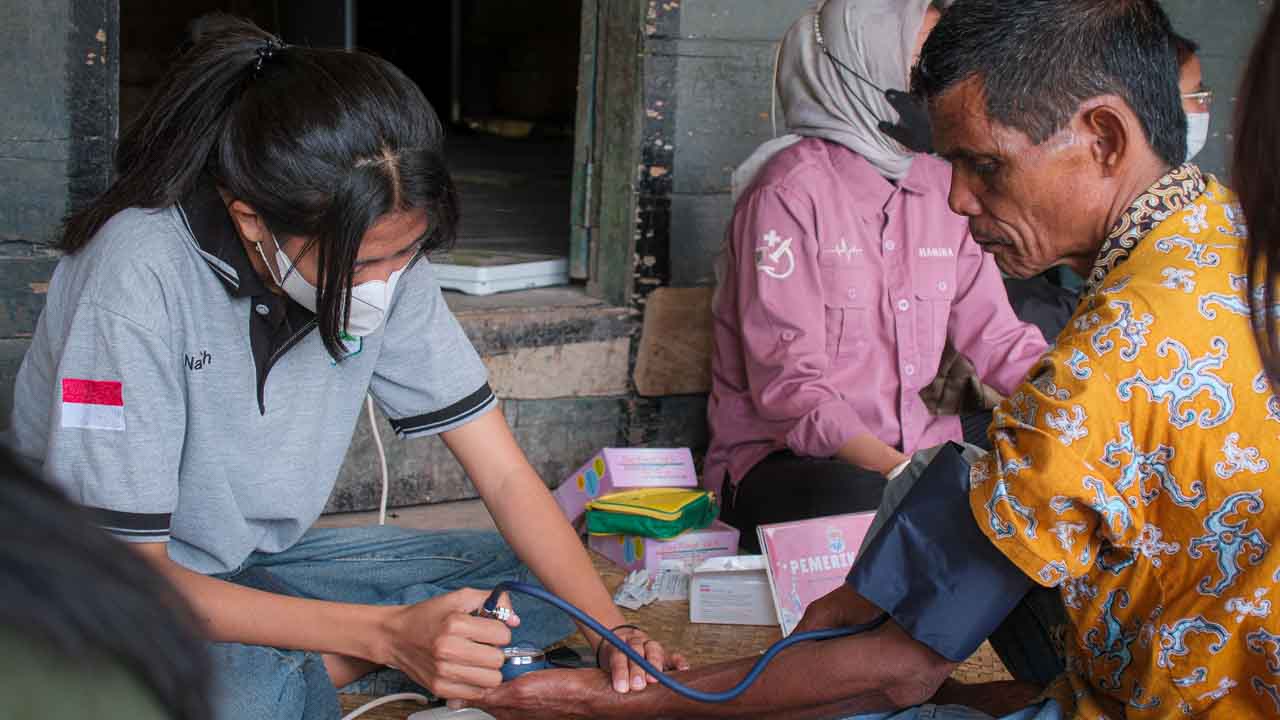
Our teams delivered clinical care, blood tests, and prevention messages in Madutolung after six hours of difficult travel.
Medical Outreach East Sumba
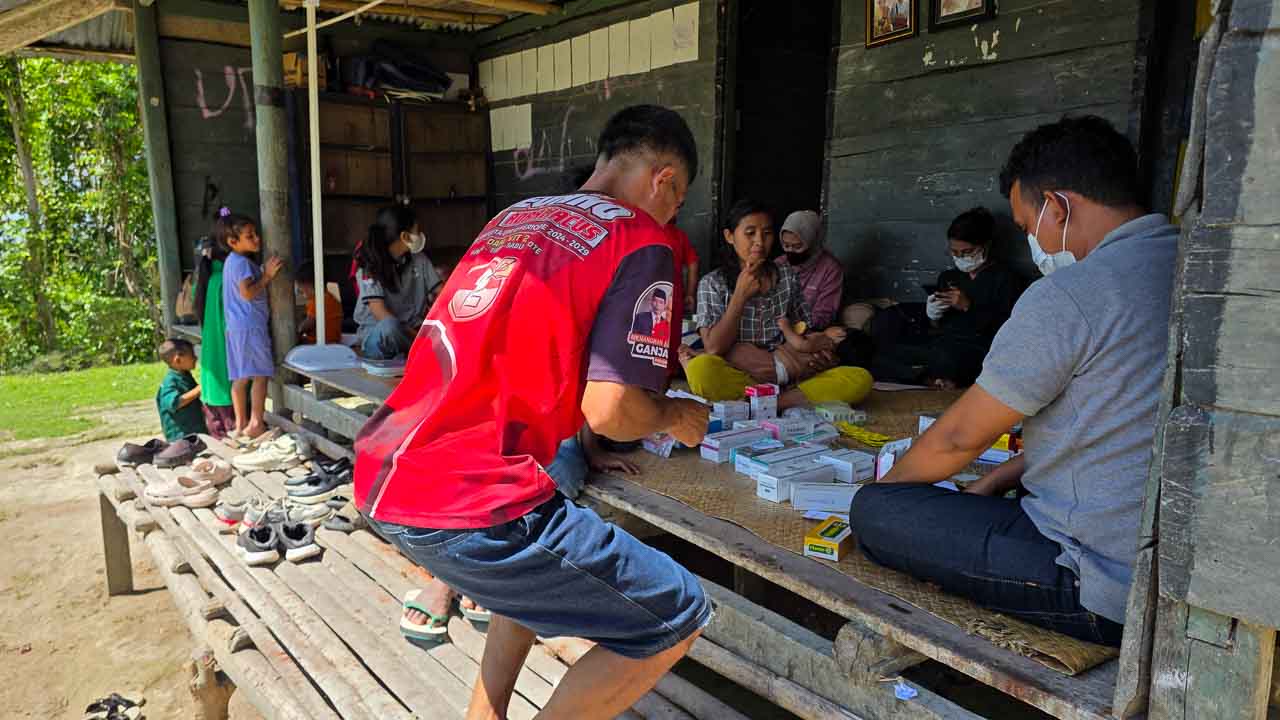
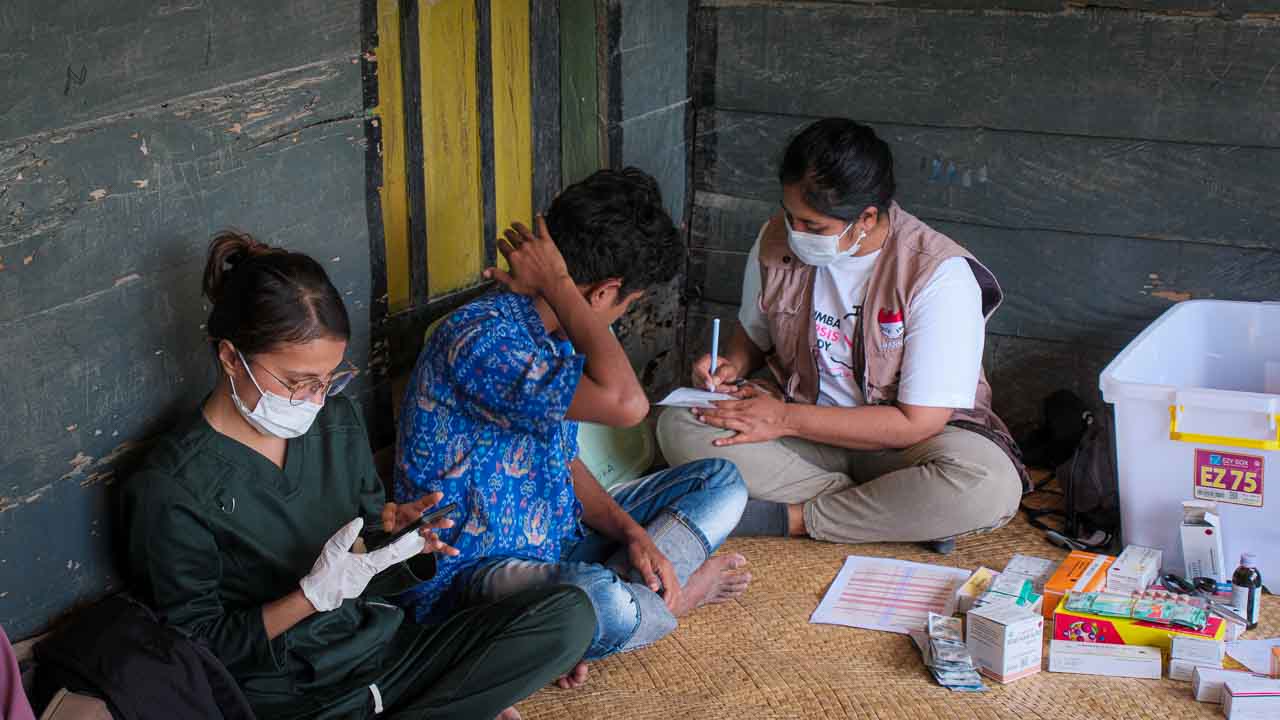
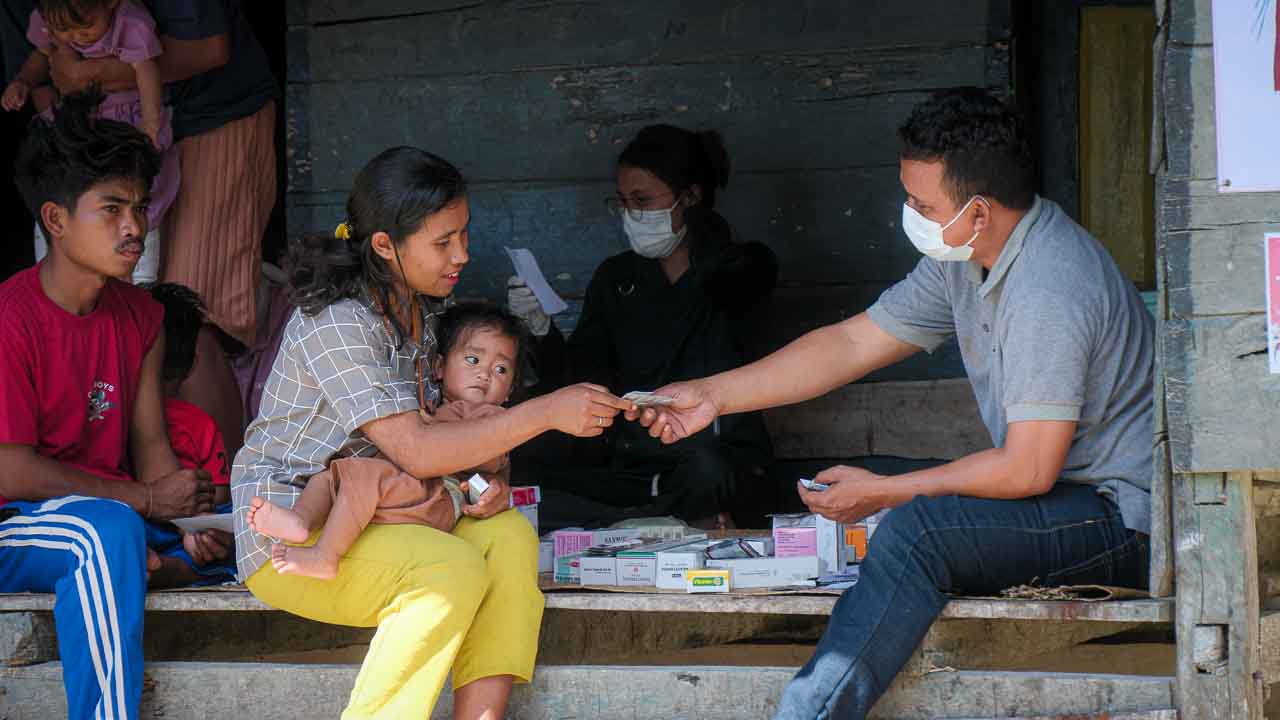
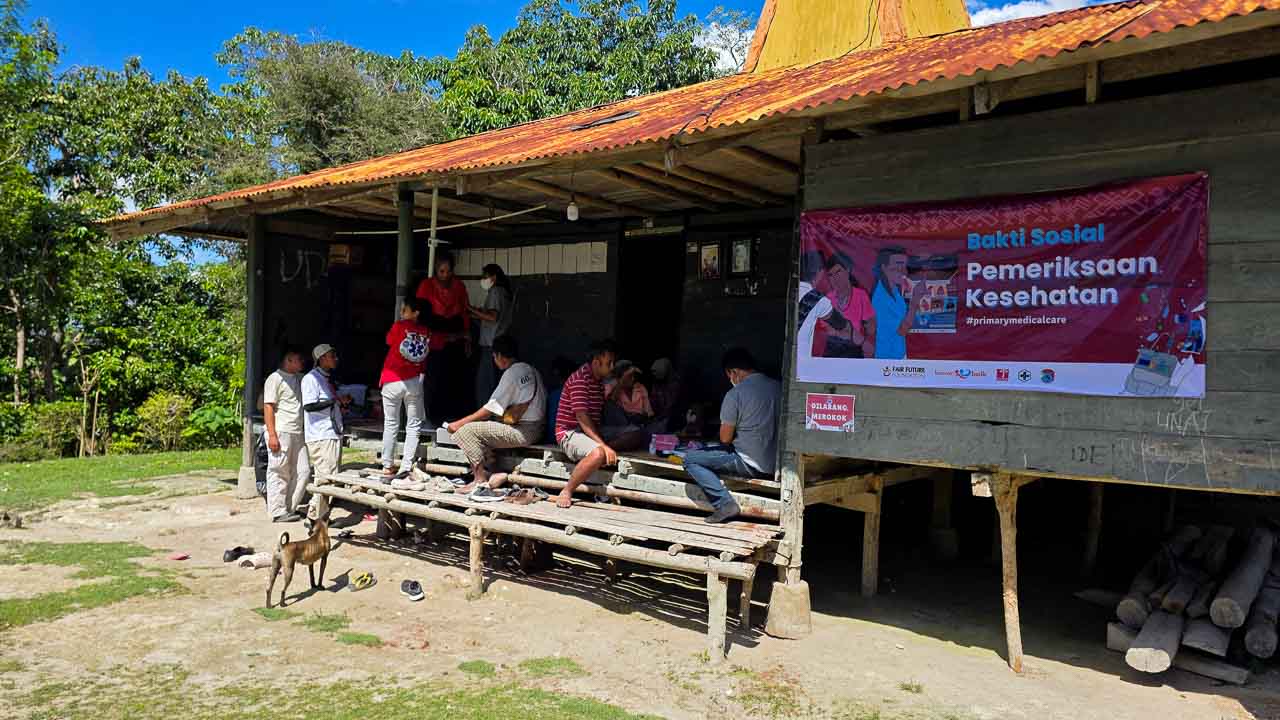
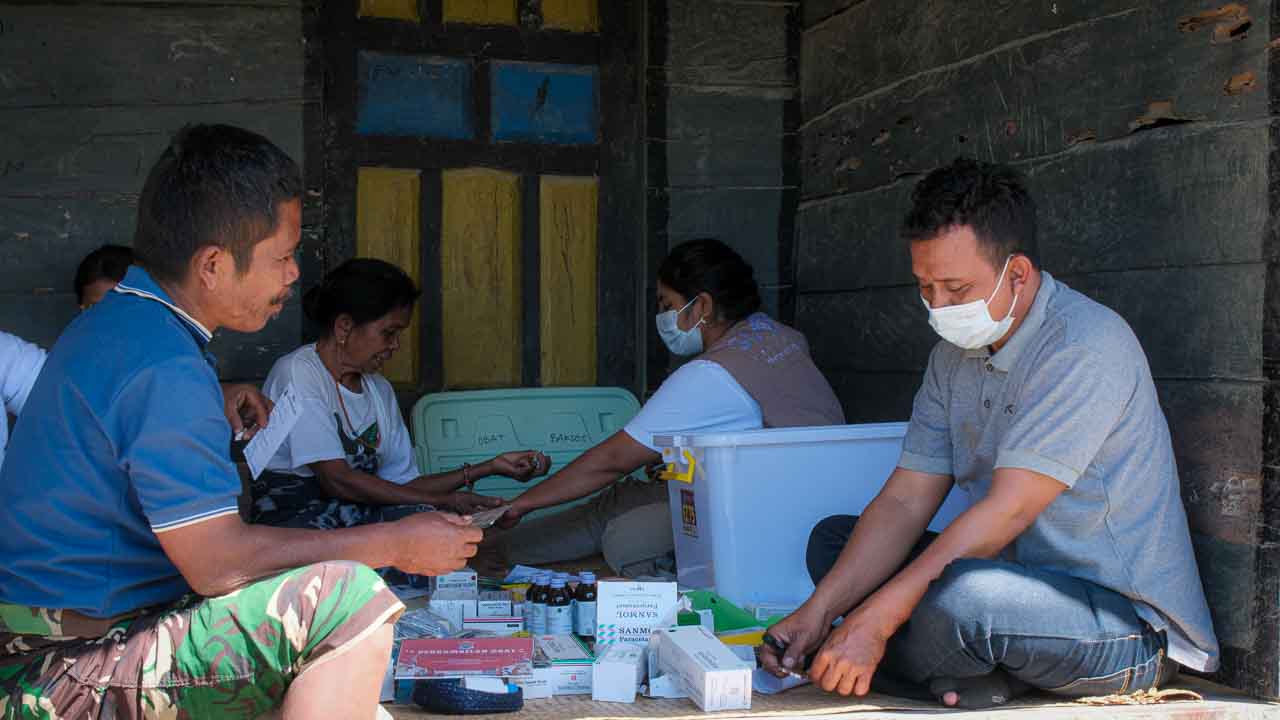
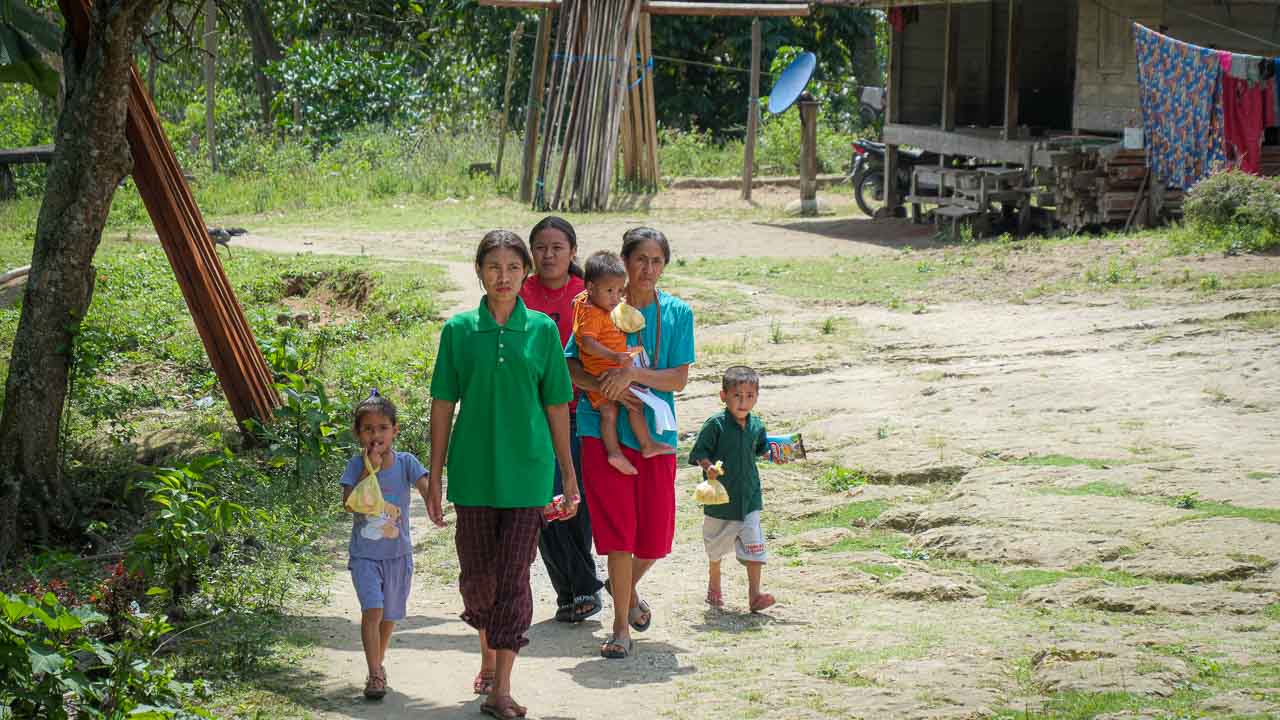
Six hours on the road for one day of care: On Swiss National Day, medical outreach in East Sumba was very concrete. At 4 a.m., our teams set out for Kampung Madutolung in Desa Kambata Bundung and drove six difficult hours to reach a community where access to care remains fragile. By the end of the day, more than 115 people, most of them children, had been examined, tested, treated, and heard.
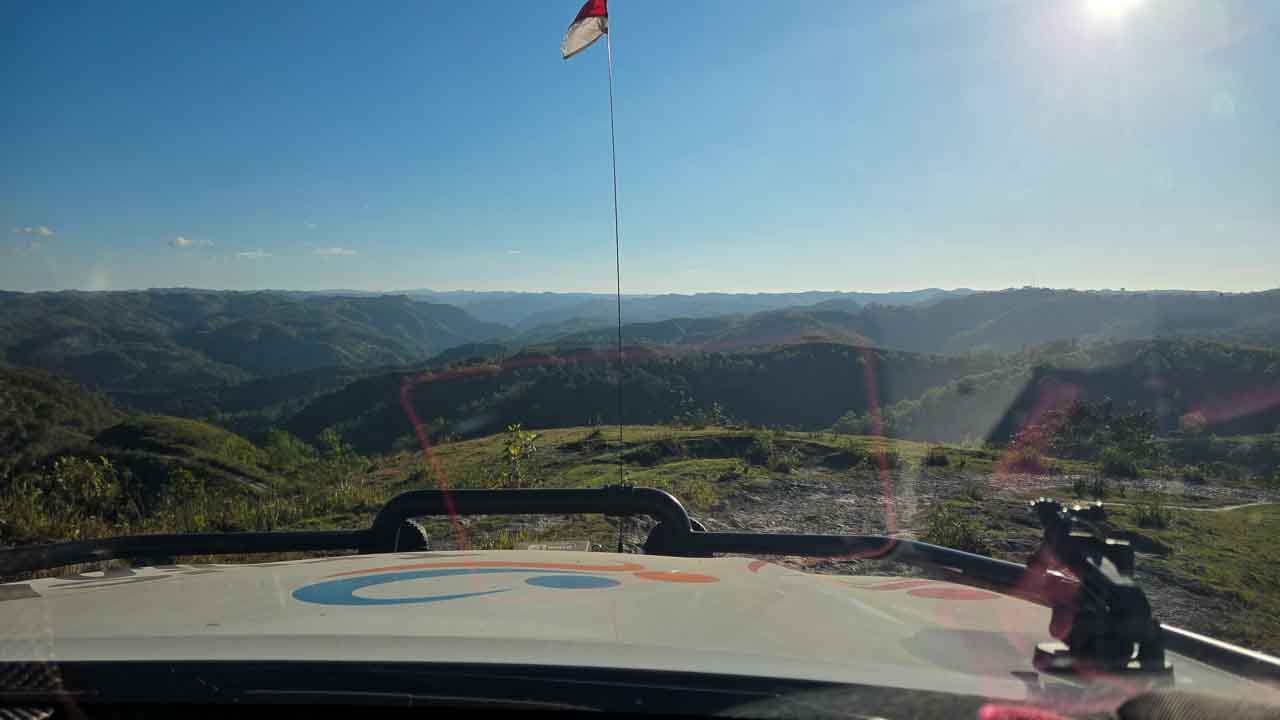
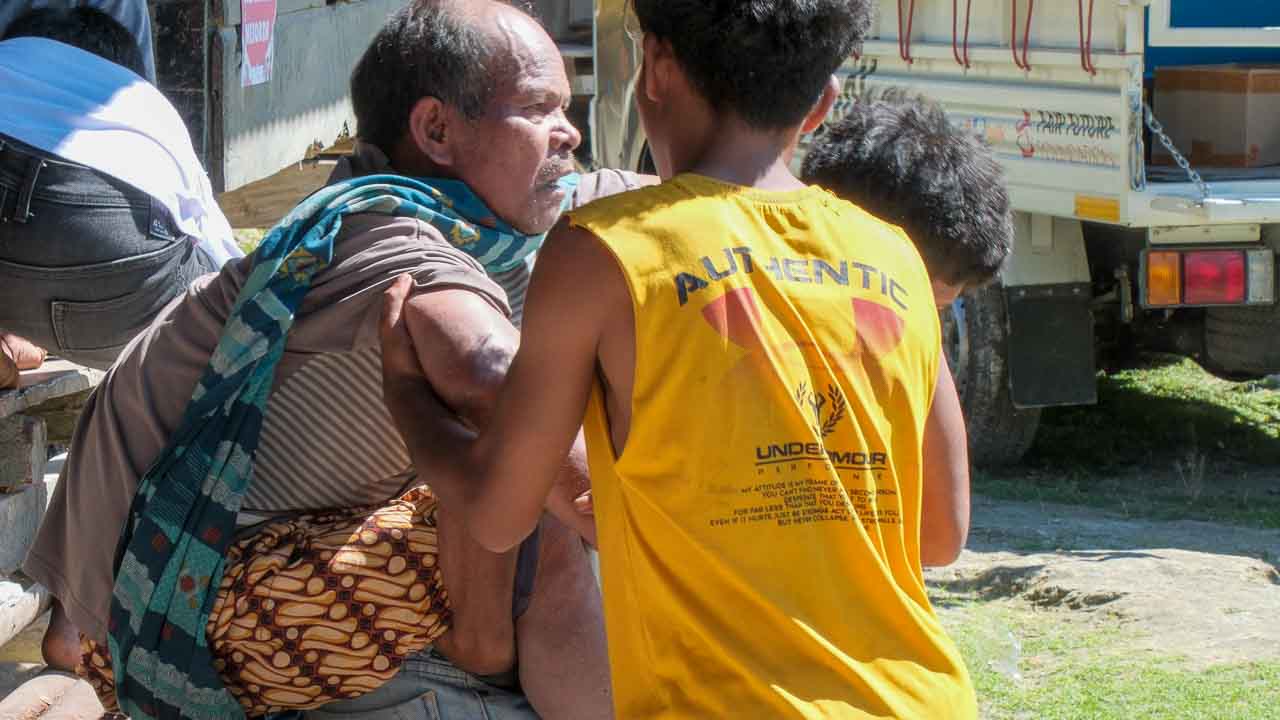
A road that already tells the story: The road to Madutolung is not a detail. It is part of the diagnosis. Six hours to go, six hours to return, damaged vehicles, heavy logistics, medicines, educational materials, testing equipment, and a full clinical team. When care is this far away, people wait too long, symptoms worsen, and preventable conditions become part of daily life.
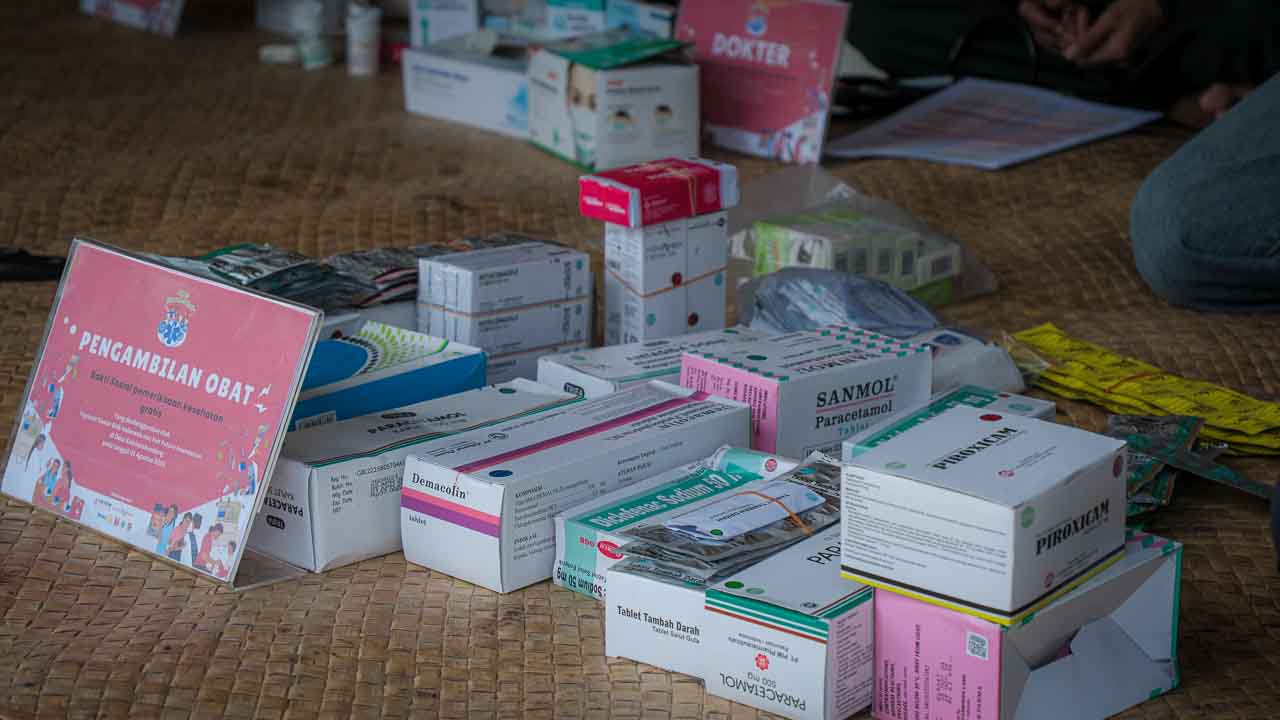
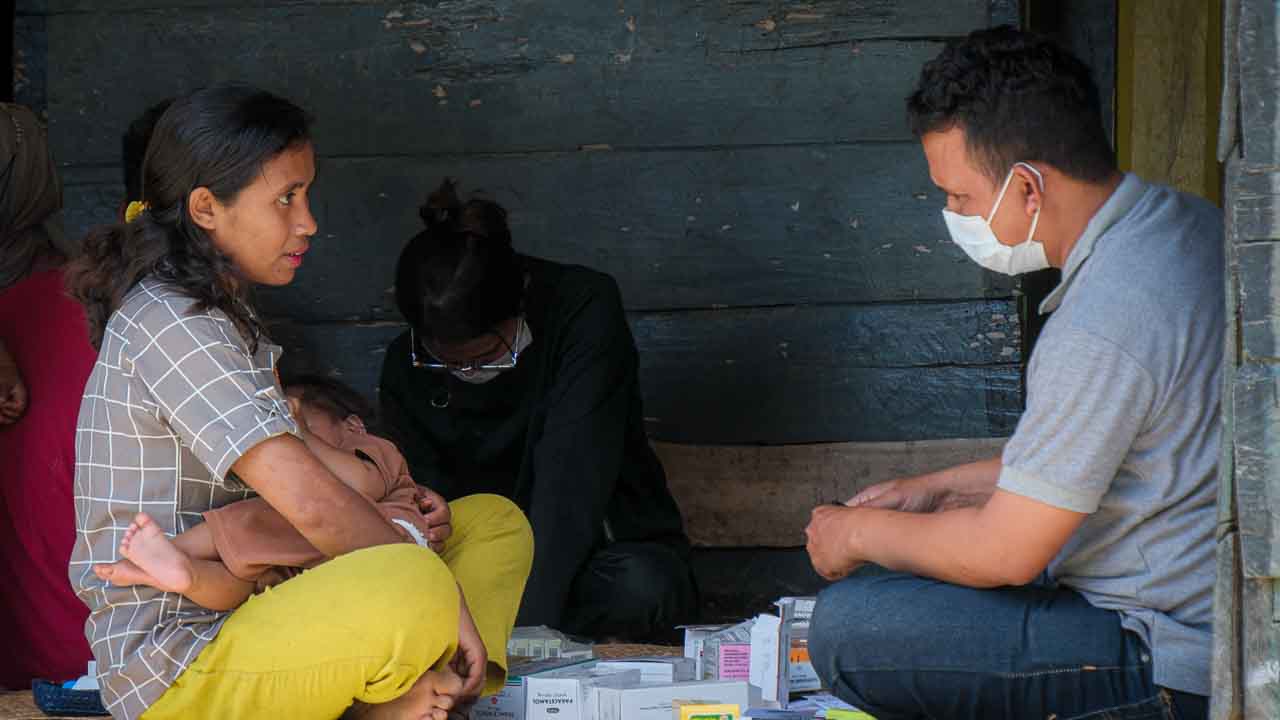
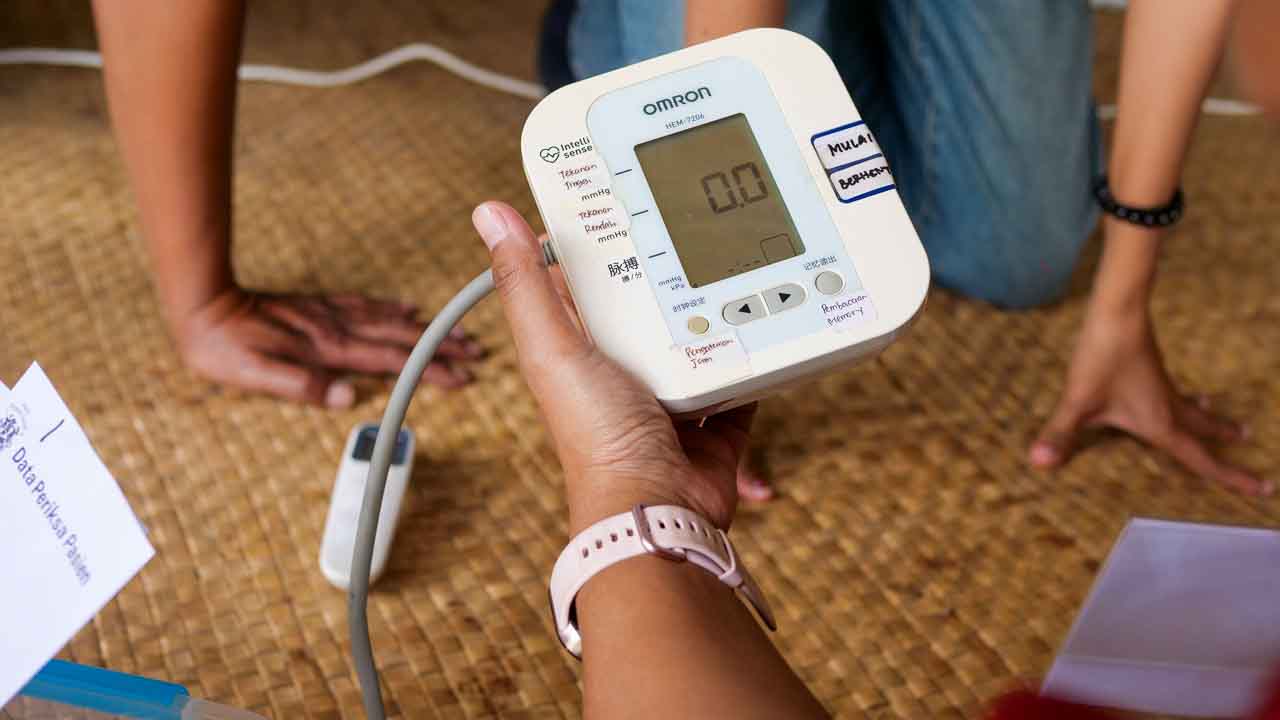
A full clinical day: Consultations began at 10 a.m. and continued until around 5 p.m. Three doctors, our field teams, and around thirty people in total worked side by side throughout the day. We carried out clinical consultations, blood glucose testing, cholesterol and uric acid screening, and malaria screening using microscopy slides. What had been planned for 100 beneficiaries became care for more than 115 people.
What we saw: The most frequent problems were not surprising, but they were serious. We saw malnutrition, fatigue linked to poor diet, diarrhoea in children, skin disease, respiratory complaints, gastric problems, infections, joint pain, and back pain. These are common illnesses, but in remote settings they become more severe, longer-lasting, and more dangerous because diagnosis and treatment come late.
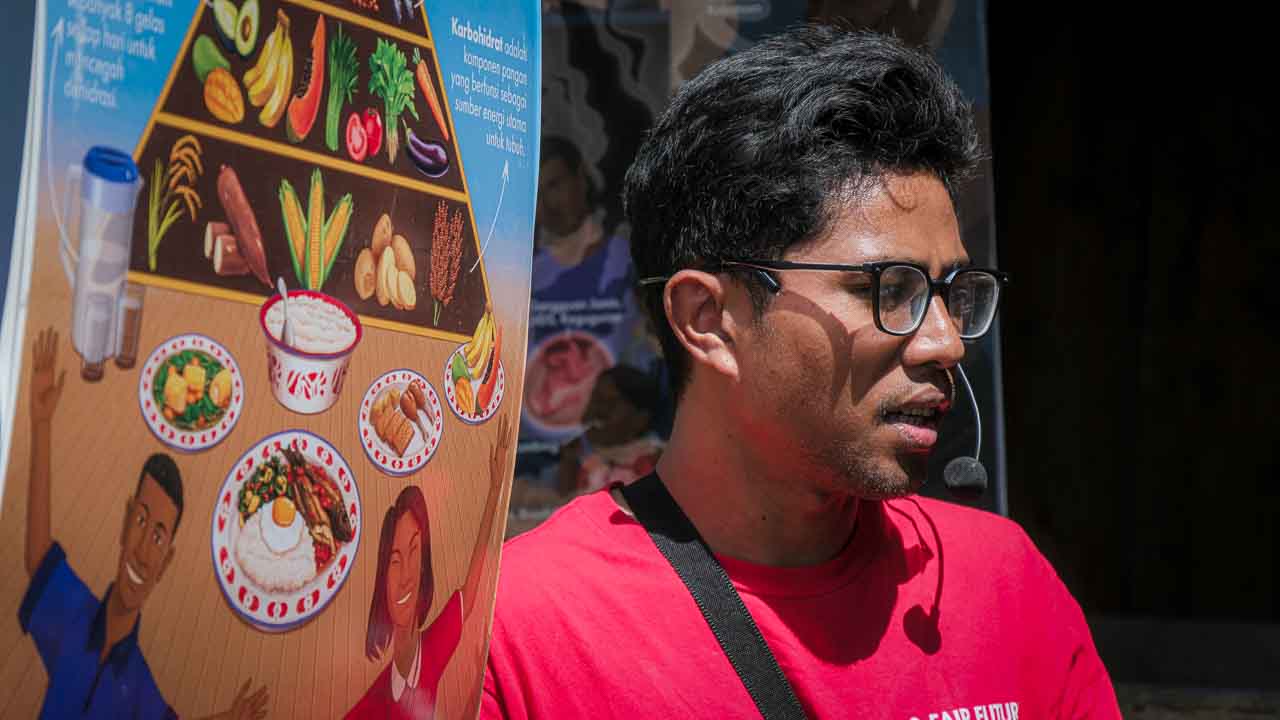
Prevention is also treatment: This day was not only about medicines. It was also about explaining health in simple, practical ways. Using our posters and educational tools, we spoke about nutrition, hand hygiene, waste management, passive smoking, alcohol use, malaria, and daily prevention. In places like this, a conversation about clean hands or balanced food can be as important as a prescription.
The strength of one local health agent: This outreach was also the result of the work of the local Kawan Sehat agent, who helped organise the day with remarkable commitment. Her presence matters. She knows the families, understands the barriers, and stays after we leave. This is exactly why community-based care works. A single trained local agent can help a whole village move earlier towards care.
What one day really means: The formal budget projected IDR 17,935,000 for this action, or about CHF 936. For more than 115 consultations, preventive education, blood testing, malaria screening, transport, logistics, and medicines, it is a considerable effort, but not an expensive one. It is what practical medicine looks like in rural East Sumba. One day does not solve everything. But it brings care where there was too little, too far away, for too long.
The proposal described free consultations, treatment according to indication, PHBS education, communicable disease prevention, and an initial target of 100 residents in Kampung Madutolung.
Thank you very much for reading this article. Today, August 28th, 2026 | Alex Wettstein
A long road to basic care
On 1 August 2026, Fair Future Foundation and Kawan Baik Indonesia travelled six difficult hours to reach Madutolung, East Sumba. More than 115 villagers, most of them children, received consultations, blood tests, malaria screening, medicines, and prevention advice. The day showed how far people still are from routine care, and how much can be done with good logistics and community health workers.
Photos from Kampung Madutolung
List of Related Organisations with Hyperlinks
- WHO Primary Health Care: Explains why accessible first-line care is essential in remote settings where distance delays diagnosis and treatment.
- WHO Global Malaria Programme: Provides guidance on malaria prevention, diagnosis, and control, highly relevant to village screening in East Sumba.
- UNICEF WASH: Documents how water, sanitation, and hygiene directly influence diarrhoea, child health, and disease prevention.
- UNICEF Nutrition: Highlights the burden of malnutrition in children and why nutrition education must remain part of primary care.
- CDC Malaria: Offers practical medical information on malaria symptoms, diagnosis, and prevention, useful for rural community work.
- The Global Fund: Supports major international efforts against malaria and health inequities affecting underserved communities.
- Rotary Disease Prevention and Treatment: Showcases community-based health support that aligns with field logistics, prevention, and medical outreach.

