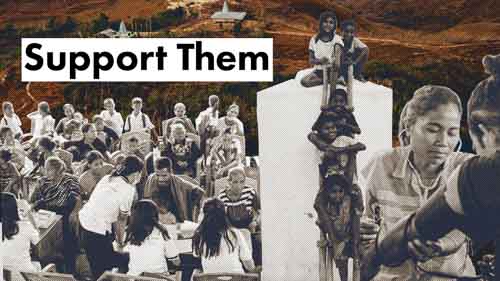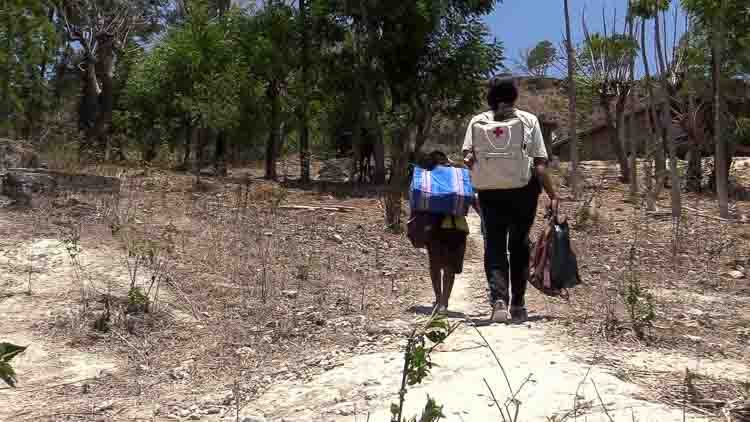



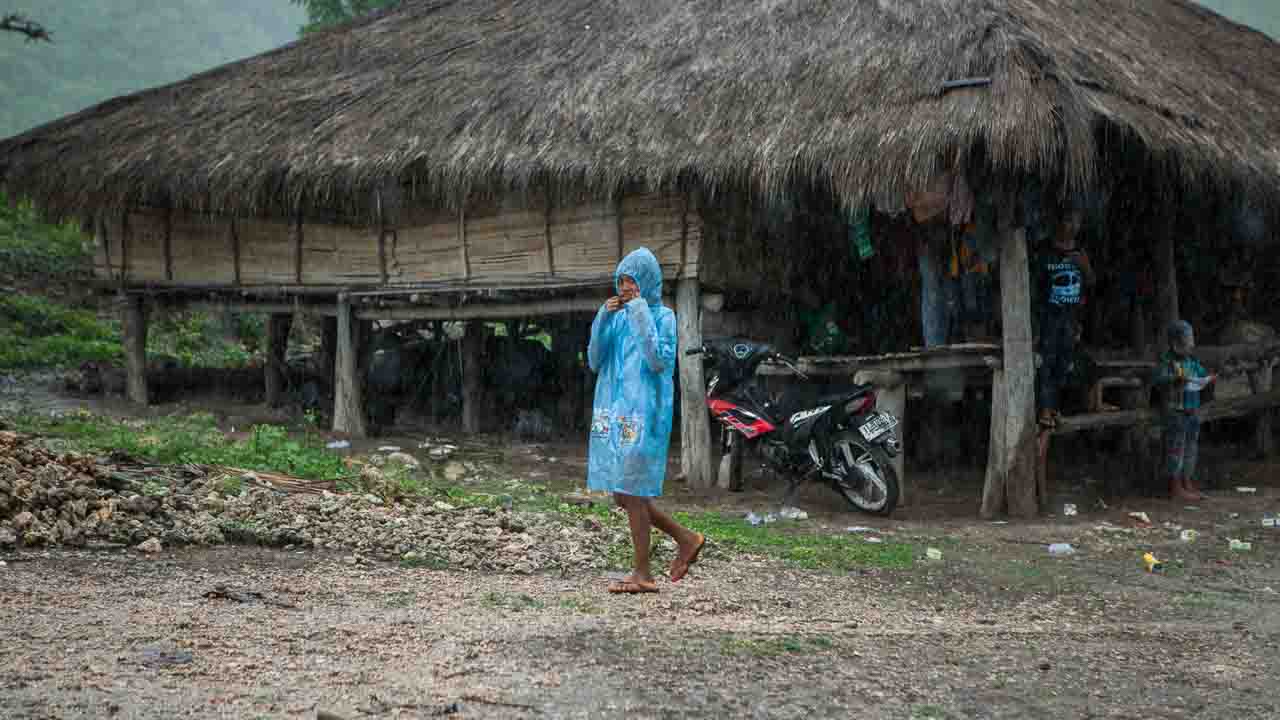
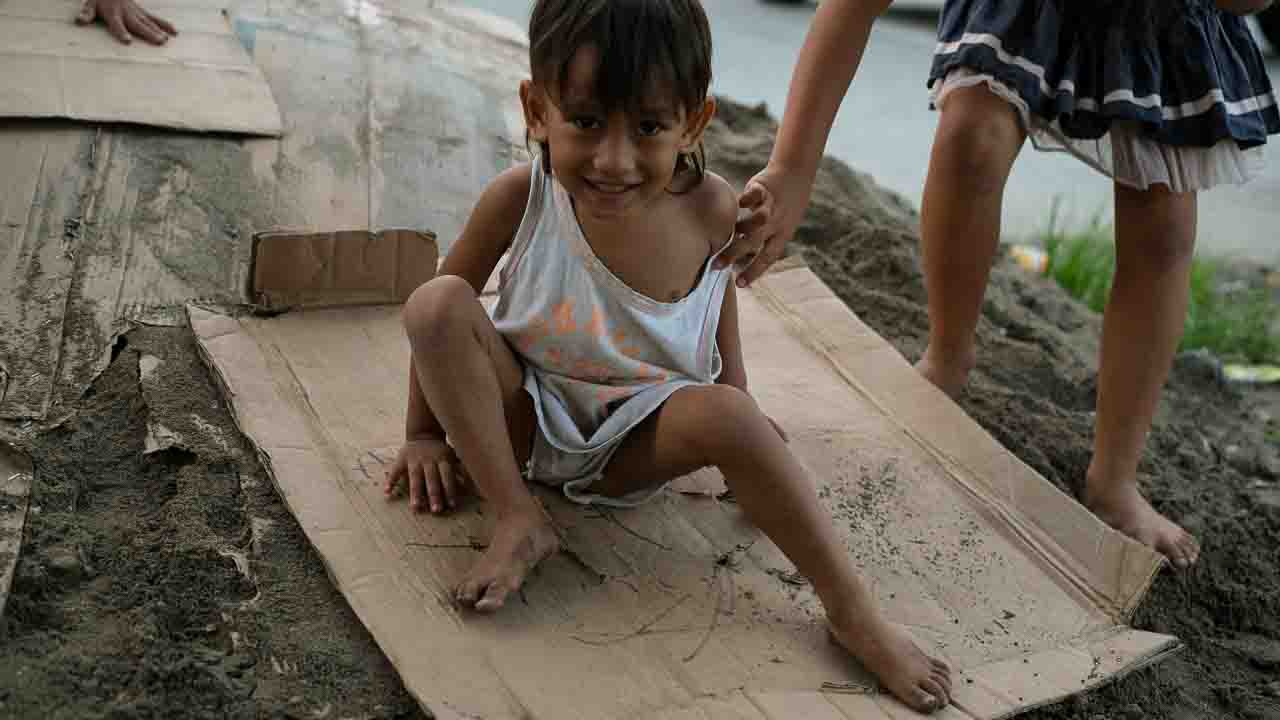
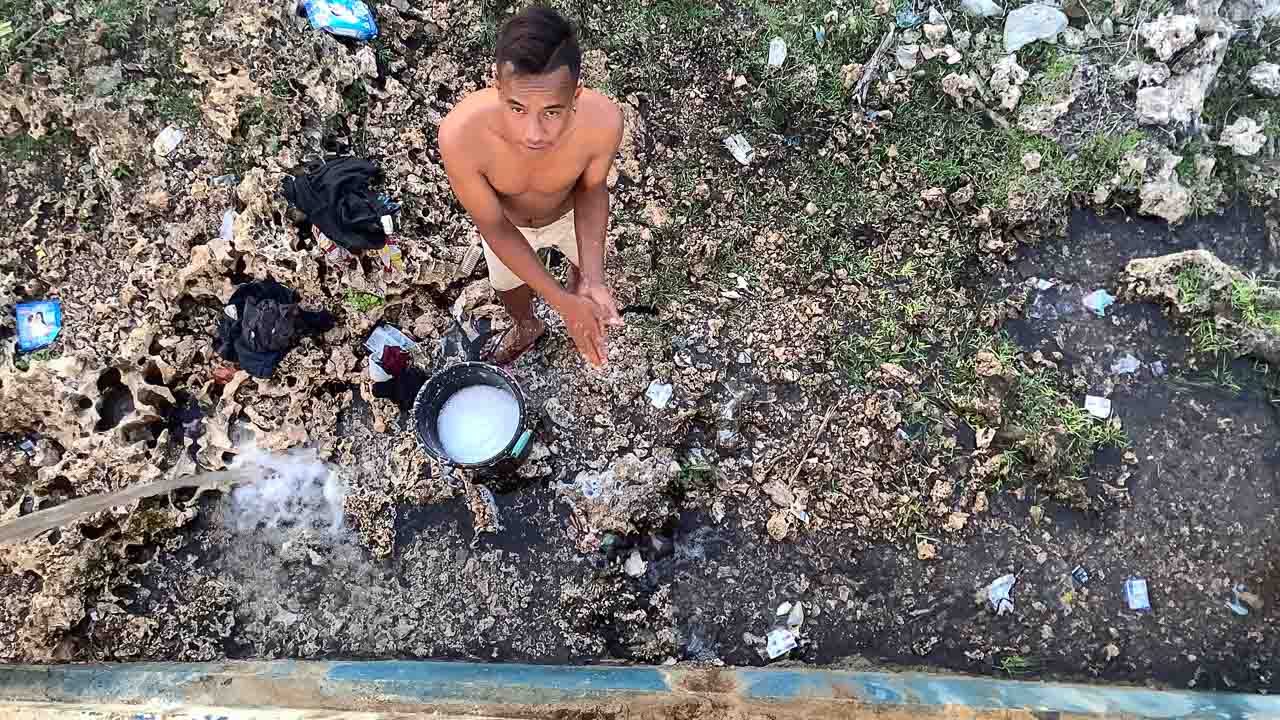
Daily life in rural eastern Indonesia reveals environmental conditions that increase the risk of leptospirosis, including unsafe water, mud, barefoot exposure, and poor sanitation.
Leptospirosis in Rural Indonesia: When Water Becomes a Source of Infection in the Forgotten Villages of NTT, East Sumba, and the Far Eastern Archipelago
In ultra-rural eastern Indonesia, leptospirosis remains underdiagnosed, recognised too late, and too often mistaken for something else. A child or adult arrives with fever, headache, muscle pain, vomiting, and weakness. In places where dengue, malaria, typhoid, or simple seasonal fever are already part of daily life, leptospirosis is rarely the first diagnosis that comes to mind. Yet it is not a minor disease. It is a bacterial zoonosis that can deteriorate rapidly and become fatal when treatment is delayed, especially where access to laboratory confirmation, antibiotics, transport, and referral care is limited. See the CDC overview, the CDC Yellow Book, or WHO Indonesia.
Clinically, leptospirosis is caused by Leptospira bacteria and is most often transmitted through contaminated water or soil carrying the urine of infected animals, especially rodents. The bacteria do not need a dramatic wound to enter the body. A small cut on the foot, cracked skin, or contact through the eyes, nose, or mouth is enough. Early symptoms are nonspecific: fever, chills, headache, myalgia, nausea, diarrhoea, and red eyes. That is precisely why the disease is missed. Some patients improve briefly, then collapse into a more severe phase with jaundice, acute kidney injury, liver involvement, meningitis, pulmonary complications, or haemorrhage. In its severe forms, leptospirosis is not simply a fever from dirty water. It is a systemic infection that can overwhelm the body within days. For clinical details, see CDC facts and clinical guidance.
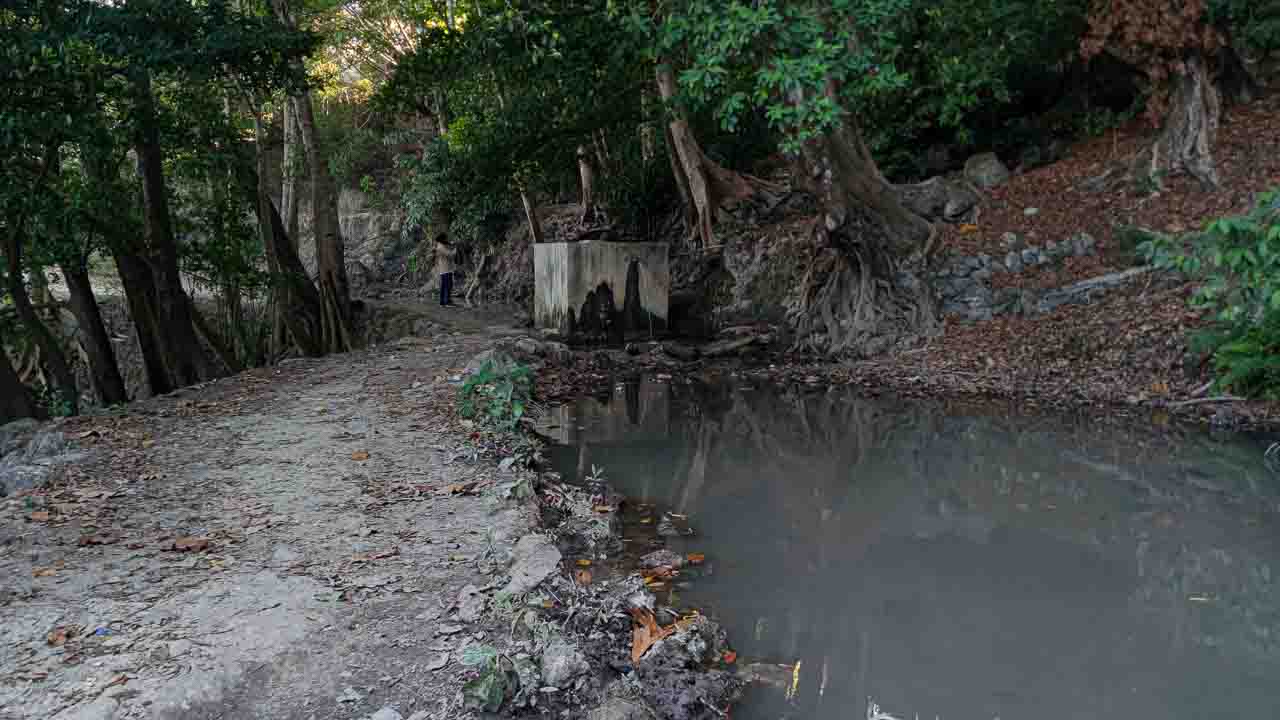
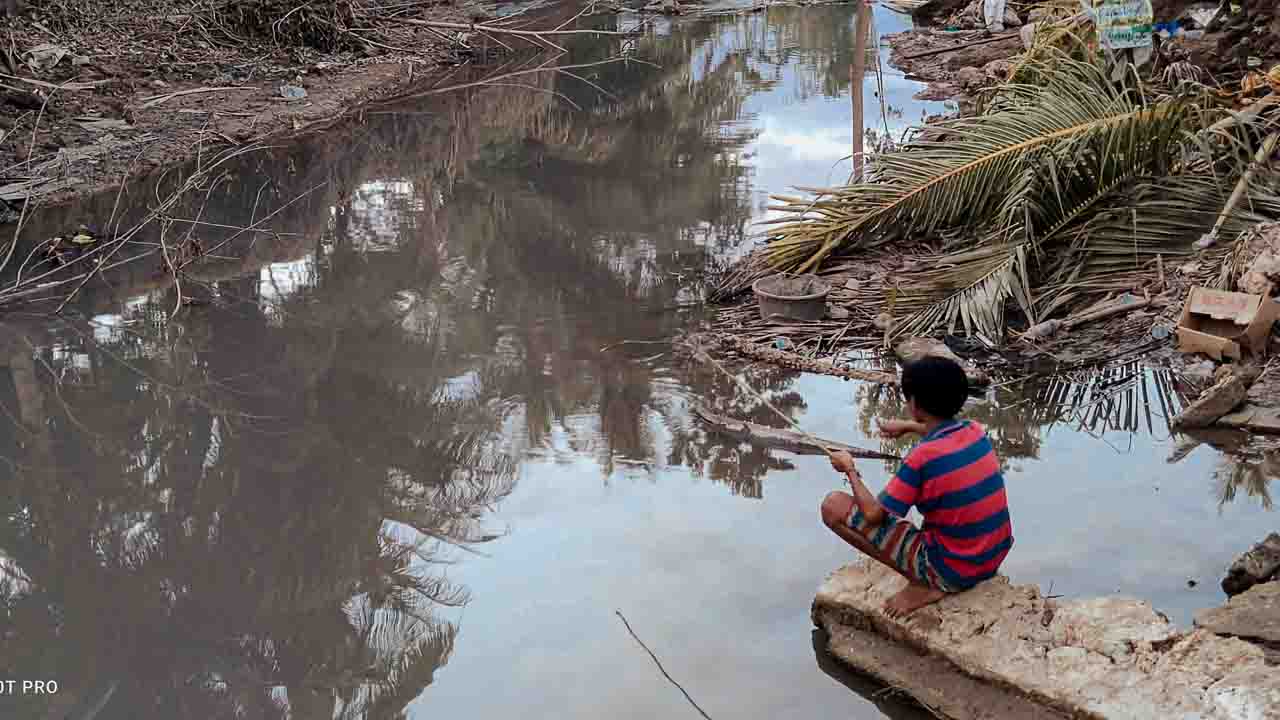
What drives leptospirosis is not bad luck. It is the environment, infrastructure, and neglect. Where waste accumulates, where plastic traps stagnant water, where drainage is absent, where flooding mixes with animal presence, and where sanitation systems barely exist, the ecological conditions for transmission are already in place. Rodents proliferate where food waste, open dumping, and poor waste management persist. Contaminated runoff reaches paths, yards, wells, and work areas. This is the same structural reality we have already described in our articles on plastic waste and public health, unsafe water, and health systems that stop before the village. WHO has explicitly linked leptospirosis risk in Indonesia to flooding, stagnant water, and poor sewerage and sanitation conditions, while its One Health work also highlights the importance of integrated surveillance and environmental control. See WHO Indonesia and WHO One Health.
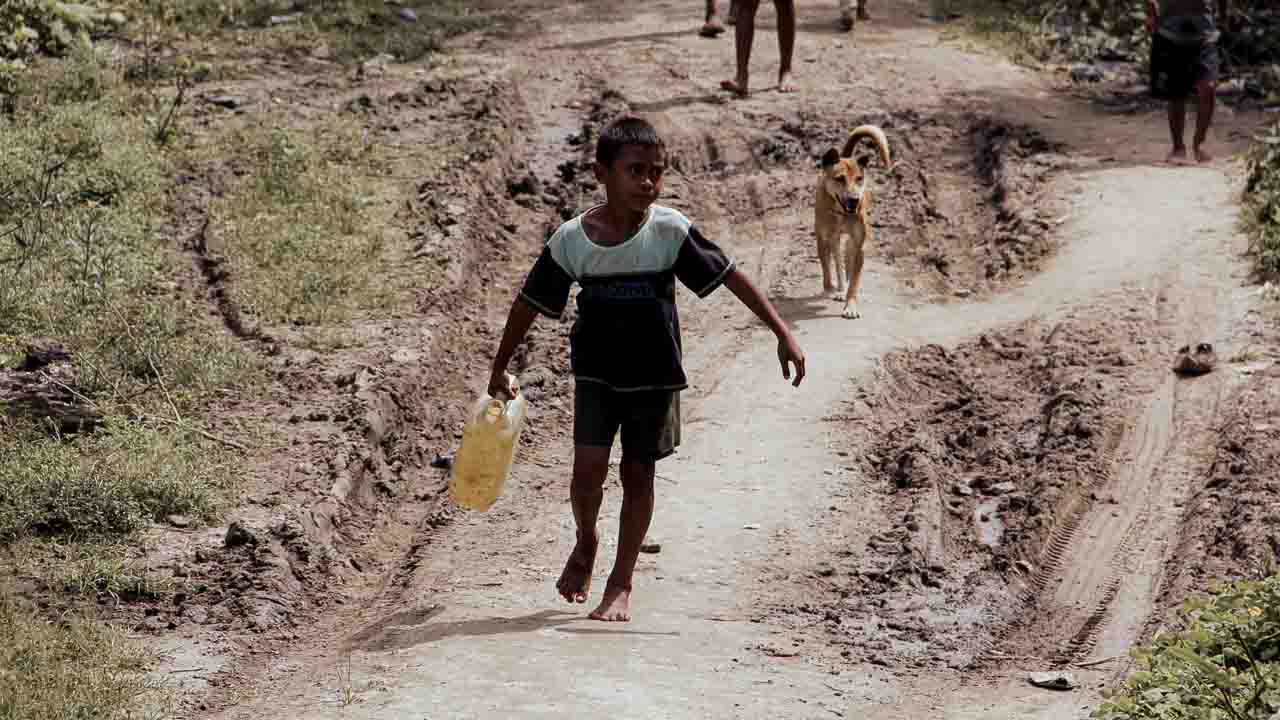
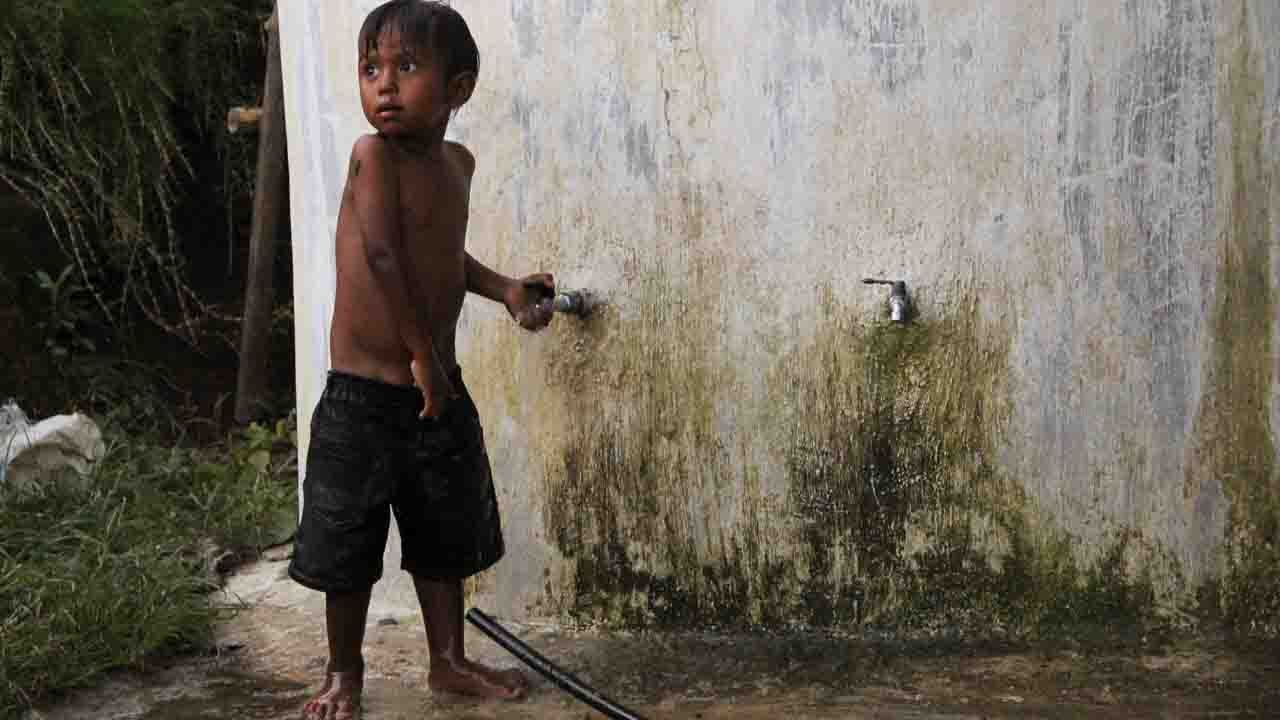
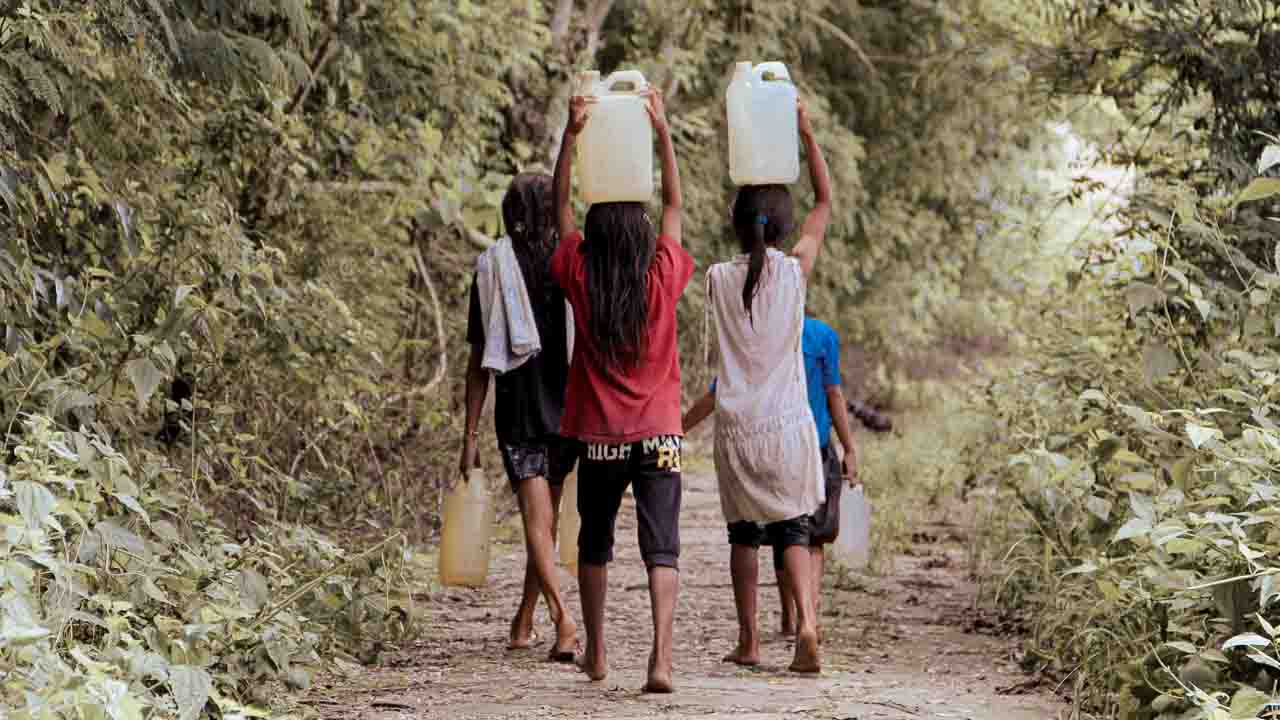
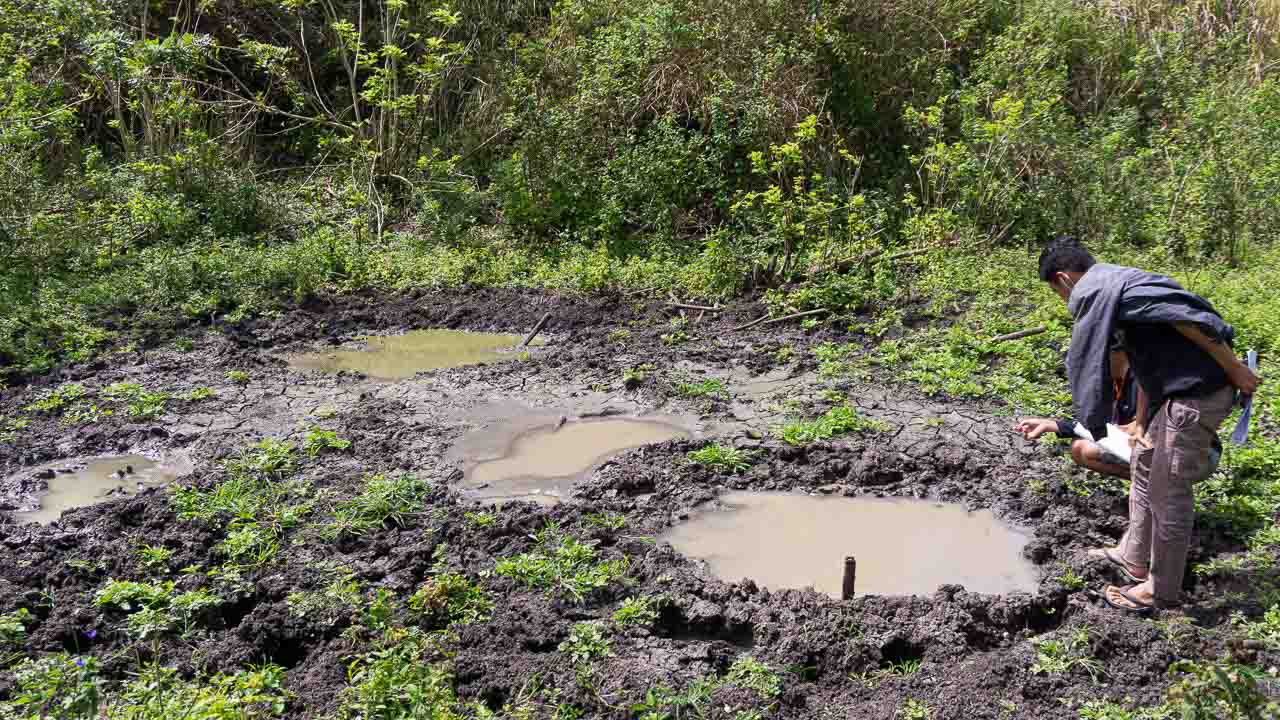
This is what the disease looks like in the field. People walk barefoot through mud and standing water. Farmers work with untreated cuts on their legs and hands. Children play near contaminated puddles. Families use unsafe water because there is no alternative that day. Most have never been told that a wound, combined with dirty water, can become a medical emergency. And when fever begins, care is often delayed by distance, cost, lack of transport, or the hope that the illness will pass on its own. By the time severe jaundice, oliguria, bleeding, or respiratory distress appear, the window for simple treatment may already be closing. In such settings, leptospirosis becomes not only an infection, but a marker of how poverty and isolation shape survival, much like the realities explored in the hidden cost of delay and preventable deaths are geographic.
That is why prevention must begin long before hospitalisation. At Fair Future Foundation, this is exactly where the work matters: improving access to safer water through Water Connections, strengthening early community care through Primary Medical Care, and training Kawan Sehat health agents to recognise danger signs, clean and protect wounds, teach hygiene, reduce exposure, and refer patients early. This approach is part of a broader commitment to disease prevention in rural health and to building systems of care where none existed before. The public health message is simple and serious: leptospirosis is preventable. But preventing it requires more than advice. It requires cleaner environments, waste management, safer water, wound care, health education, and community-based surveillance near where people live. In rural Indonesia, when water becomes a source of infection, the answer is not fear. It is infrastructure, knowledge, and early care delivered before the disease turns severe.
Thank you for reading this article. Today, the 10th of April 2026 | Alex Wettstein
In Short – A wound, water, and delay
Leptospirosis rarely begins with anything that looks dramatic. It starts in ordinary places, a puddle beside a house, a flooded footpath, a muddy field, a shallow ditch, or a small cut left untreated after a day of work. In ultra-rural villages, where people walk barefoot, use unsafe water, and reach care too late, that silent delay can turn a simple exposure into kidney failure, jaundice, haemorrhage, or death.
Leptospirosis, Unsafe Water, and Daily Exposure
List of Related Organisations with Hyperlinks
- World Health Organisation: WHO provides technical guidance on leptospirosis, surveillance, diagnosis, and prevention in settings where environmental exposure drives infection.
- WHO Indonesia: WHO Indonesia explains how flooding, stagnant water, and poor sanitation increase the risk of leptospirosis in communities in eastern Indonesia.
- CDC Clinical Overview: CDC details symptoms, severe complications, and clinical recognition of leptospirosis, which is useful when fever is mistaken for malaria or dengue.
- CDC Yellow Book: The CDC Yellow Book explains transmission, incubation, severe disease forms, and exposure through contaminated water and wet soil.
- UNICEF WASH: UNICEF supports water, sanitation, and hygiene systems to reduce the risk of infectious diseases in areas where children and families still rely on unsafe water.
- UNICEF Indonesia WASH: UNICEF Indonesia works with national partners to improve access to safely managed water and sanitation, which is central to reducing exposure to infectious diseases in rural areas.
- Indonesia Ministry of Health: The Indonesian Ministry of Health describes leptospirosis as an acute zoonotic disease and warns of transmission through contaminated environments.
- WHO Outbreak Toolbox: WHO outbreak tools support leptospirosis preparedness, surveillance, and response where environmental and seasonal risks trigger clusters.