
Health systems often function in cities and district hospitals but stop before reaching the most remote villages. Distance, weak infrastructure, limited staff and governance failures leave rural populations without care. Community health agents and primary medical care programs help bridge this gap.
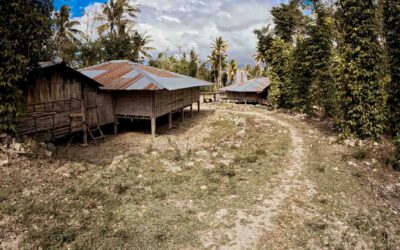
Field Visual Reports from the Ground
Visual field reports documenting medical care, disease prevention, water access, logistics and emergency response in ultra-rural Indonesia. Photos and short films produced by our teams show real conditions, methods and measurable health impact, aligned with WHO principles and community-based care.
The Stories & Communication category translates field medicine into clear, truthful narratives. It shares case realities, community voices, and operational context behind our programs, without sensationalism. Articles explain why prevention, logistics, and long-term follow-up matter, using simple language grounded in clinical facts. This section supports health education, transparency, and trust, aligning communication with WHO principles on risk communication and community engagement. Every story is built from observed events, verified data, and respect for patients and families, including what worked and what failed.
Community Health Brokers | Health System Model
Community Health Brokers operate as a structured health system in ultra rural East Sumba, managing 700 to 1000 consultations monthly. With 80 percent of cases resolved locally under supervision, this Primary Medical Care model reduces preventable hospitalizations and strengthens healthcare access.
SolarBuddy Education East Sumba – Solar Light
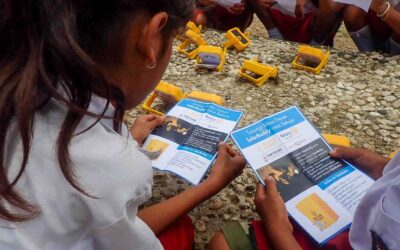
In many schools without electricity, SolarBuddy education East Sumba becomes more than lamp distribution. It brings structured guidance, hygiene awareness and printed learning material to children who rarely receive personal documents. Light becomes a medical and educational tool.
School Health Posters – Education in Action
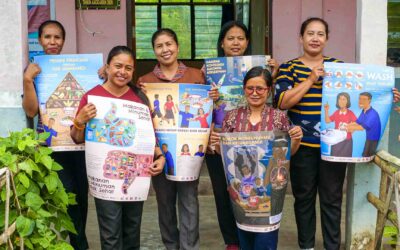
In rural Indonesia, school health posters are more than visual aids. They are daily prevention tools. At SDN Bidiwai, teachers received SolarBuddy lamps and a full set of educational materials that transform classrooms into spaces of long-term community awareness.
Primary Medical Care in East Sumba Field Supervision
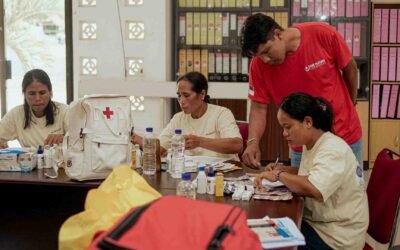
Primary Medical Care East Sumba is not theoretical. It is a structured system that keeps medicines available, records accurate, and rural agents clinically supported. At Puskesmas Kawangu, supervision ensures that distance does not become danger.
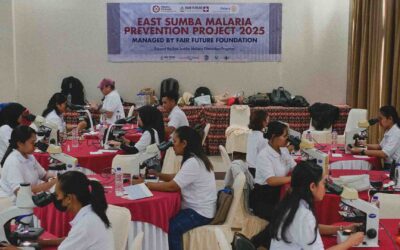
Malaria microscopy training day two | field validation
Day two of malaria microscopy training validates real diagnostic skills in East Sumba. In clinics without hospitals or laboratories, accurate slide reading guides treatment, prevents severe cases, and protects lives through disciplined, field-based medical practice.
Why We Do This Humanitarian Action in Forgotten Areas
We act because preventable suffering still exists where no one comes. Since 2006, our work is driven by presence, responsibility, and dignity, providing healthcare, clean water, and long-term support to communities left outside all systems.
Working Principles in Humanitarian Care | Fair Future
Fair Future is committed to impartial, independent humanitarian work. Through programs like #PrimaryMedicalCare and #WaterConnections, we bring essential healthcare, clean water, and education to ultra-rural communities. Our independence from political, economic, and religious interests ensures that every action is driven by the true needs of the people we serve.
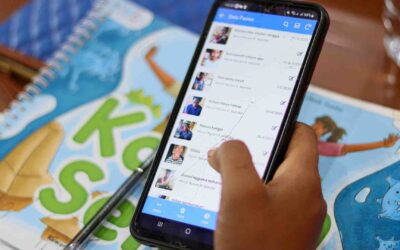
Kawan Sehat Medical App – Offline care in rural regions
In ultra rural Indonesia, access to medical care depends on distance, roads, and signal. The Kawan Sehat Medical App was created to change that reality by enabling trained community health agents to deliver structured primary medical care without internet access, while generating reliable medical data for long term action.
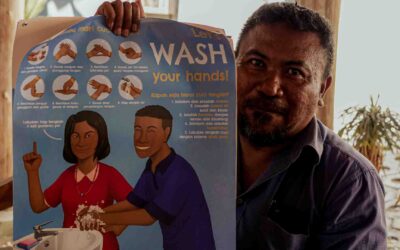
Hand Hygiene in Rural Indonesia | Disease Prevention
Hand hygiene rural Indonesia remains one of the most overlooked yet critical medical challenges in ultra-rural communities. Where water, soap, and sanitation are missing, infections spread easily. Education and simple infrastructure become powerful medical tools when healthcare access is limited.
Malaria Screening in Rural Indonesia | Swiss Medical Fieldwork
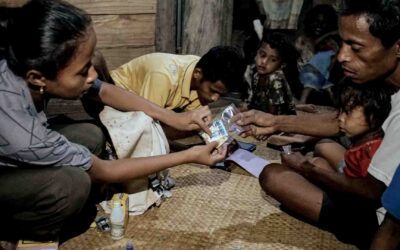
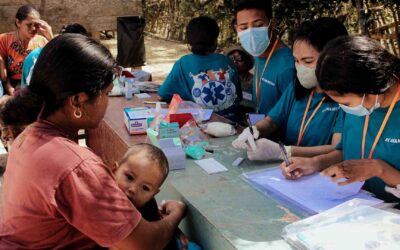
Beyond the rapid test, each screening includes education, explanation, and practical advice. This moment of dialogue often becomes the first real medical consultation families have ever received, turning a diagnosis into immediate protection.
Mbajik Solar Evaluation Through Children’s Eyes
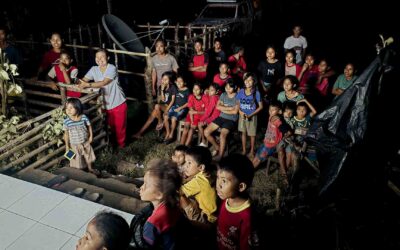
This Mbajik solar evaluation began at night, not with tools but with a film. Children and adults gathered to watch themselves on screen, for the second time. The first was in October, during installation. This time, it was different. This time, electricity was already part of their lives.