

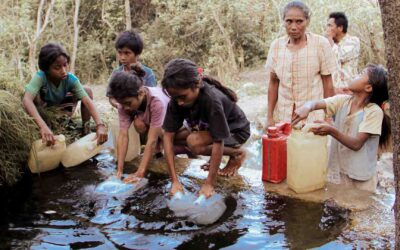
Unsafe water remains a major driver of childhood diarrheal diseases in rural Indonesia. Contaminated rivers, poor sanitation, and plastic pollution expose children to infection, dehydration, and malnutrition. Improving access to clean water and hygiene education is essential to protect child health.
The Water, Nutrition & Survival category addresses core public health determinants that directly affect morbidity and mortality in ultra-rural settings. Articles document how limited access to safe water, adequate nutrition, and basic sanitation increases the risk of waterborne disease, malnutrition, dehydration, and infection. Interventions follow WHO public health standards, combining water infrastructure, food support, hygiene promotion, and community education. This category highlights field-based actions that stabilize health, prevent avoidable disease, and support survival where resources and healthcare access remain critically limited.
Fighting Malnutrition Through Food and Nutrition Programs
Water Connections Reservoir Funding | Clean Water Sumba
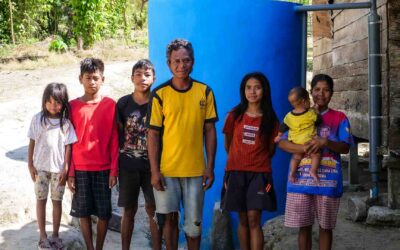
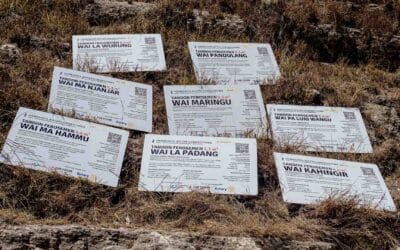
Clean water remains one of the most urgent public health challenges in East Sumba. Through the Water Connections program, Fair Future Foundation and Kawan Baik Indonesia aim to build 12 new rainwater reservoirs, bringing safe filtered water to rural families and improving health for hundreds of people.
Laindatang Water Reservoir Report | 114.5 m³
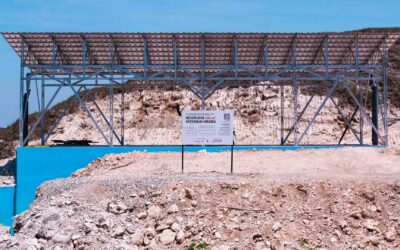
Laindatang Water Reservoir Report documents the construction of a 114 m³ reinforced concrete rainwater system in East Sumba. Built to secure dry season water for more than 200 people and a local school, the reservoir is now full and operational, confirming structural reliability and community management.
Malnutrition Is an Infection Multiplier | Child Immunity
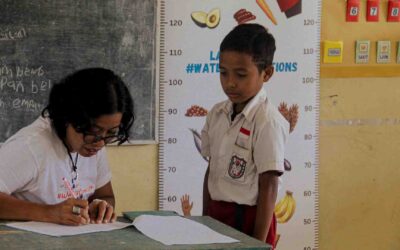
Malnutrition is an infection multiplier in East Sumba, where one child in three faces growth delay. Undernutrition weakens cellular immunity, increases infection severity, and turns common illnesses into life-threatening complications. Restoring nutrition means restoring immune defense and survival.
Health Without Infrastructure Fiction | Rural Care
Health Without Infrastructure Fiction describes a simple reality in ultra-rural East Indonesia. When roads, water, and electricity are absent, diagnosis is delayed and preventable disease becomes lethal. Infrastructure is not secondary to healthcare. It is healthcare.
Water Connections Laindatang and Hambarita
Builds community water reservoirs in East Sumba, securing safe water for families in Laindatang and Hambarita while reducing infections, dehydration, and long-term child malnutrition.
Water Reservoir Graduation Scale Protecting Community Health
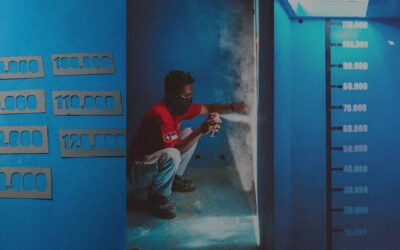
Inside the Laindatang reservoir, a graduation scale measures every ten-thousand litres of stored water. This precise tool allows safe monitoring, controlled use, and long-term protection of clean water. In ultra-rural villages, measuring water accurately is not technical detail. It is prevention and survival.
Laindatang Water Filtration System | Preventive Health
Before water reaches the tank in Laindatang, it is filtered by hand. Custom-built filtration modules remove debris, organic matter, and insects, reducing contamination risks. This system turns rainwater harvesting into preventive medicine for families living far from any medical infrastructure.
Clean Water Roof in Laindatang | Medical Water Safety
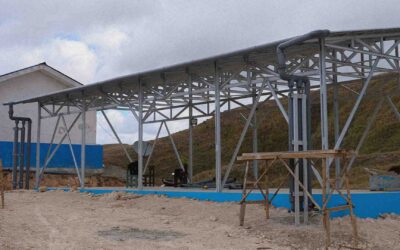
A light steel roof now protects the Laindatang reservoir, shielding filtered rainwater from heat, light, and contamination. Built with villagers by Fair Future and Kawan Baik Indonesia, this structure turns rainfall into safe drinking water and prevents avoidable disease.
Laindatang water reservoir work – sealed interior
Laindatang water reservoir work required transforming raw concrete into a sealed chamber through seven protective layers. Each layer prevents contamination, stabilises the structure, and protects the health of families. This technical process is essential for long term safe water in East Sumba.
Laindatang water reservoir construction improving access
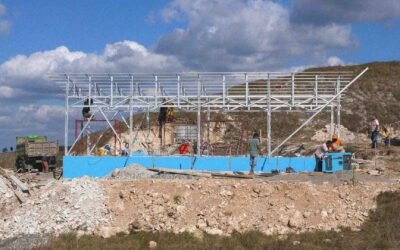
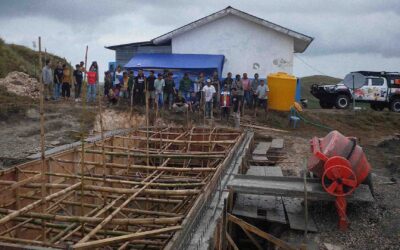
In Laindatang we build a 115000 litre reservoir by hand with villagers, shaping steel, timber, and concrete on a remote plateau. This work brings clean water to families who have lived without it and strengthens community health for the years ahead.
Hill access for water in Laindatang begins
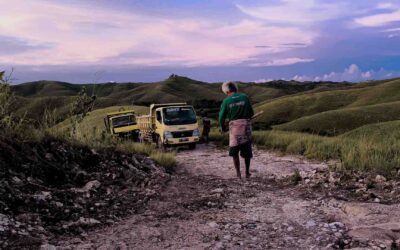
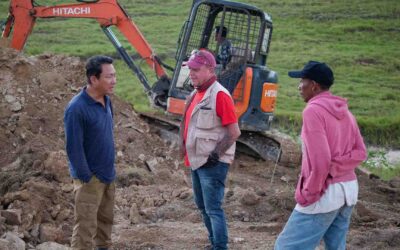
Repairing Laindatang’s hill road was essential to bring clean water. The slope was broken and unsafe, but now machinery can finally reach the site. A first step toward reducing disease and improving daily life.