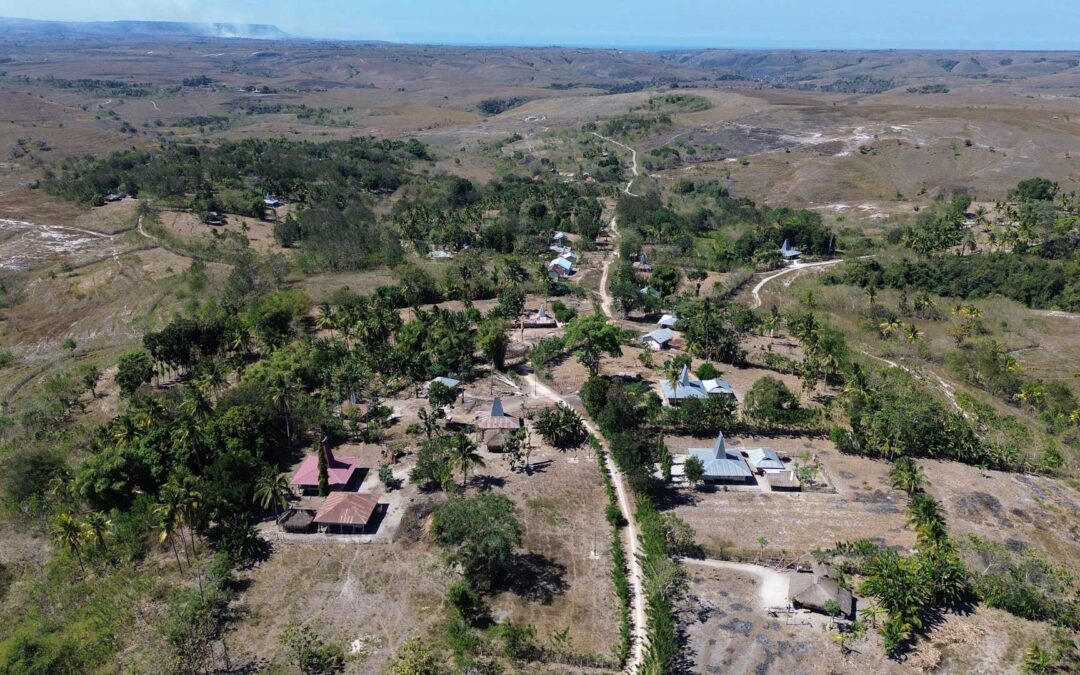
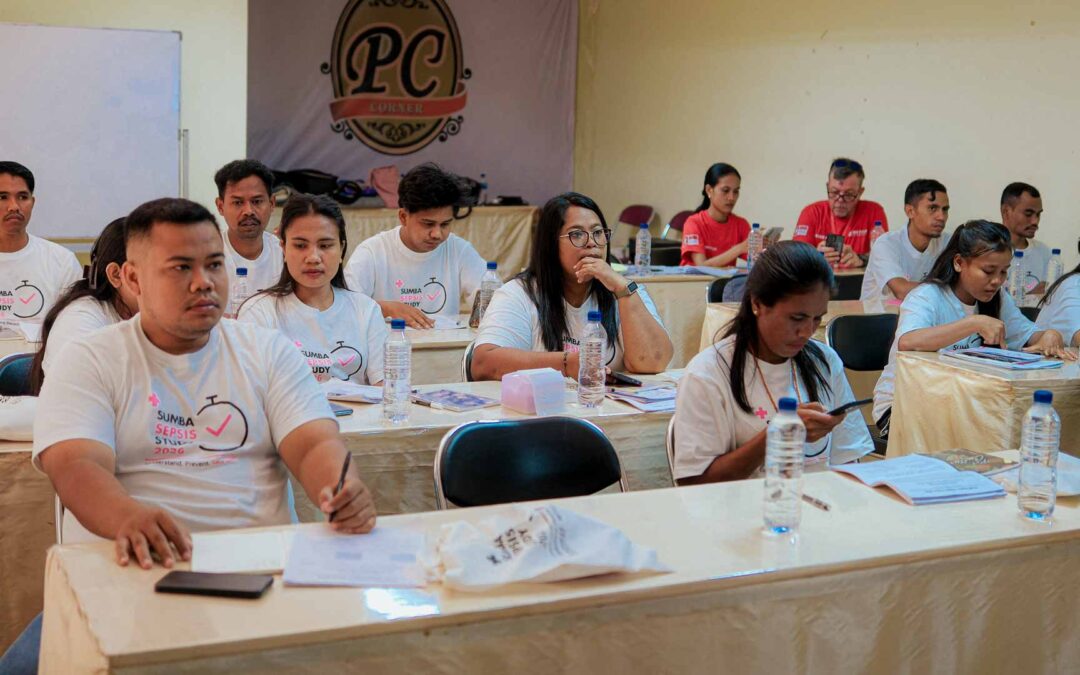
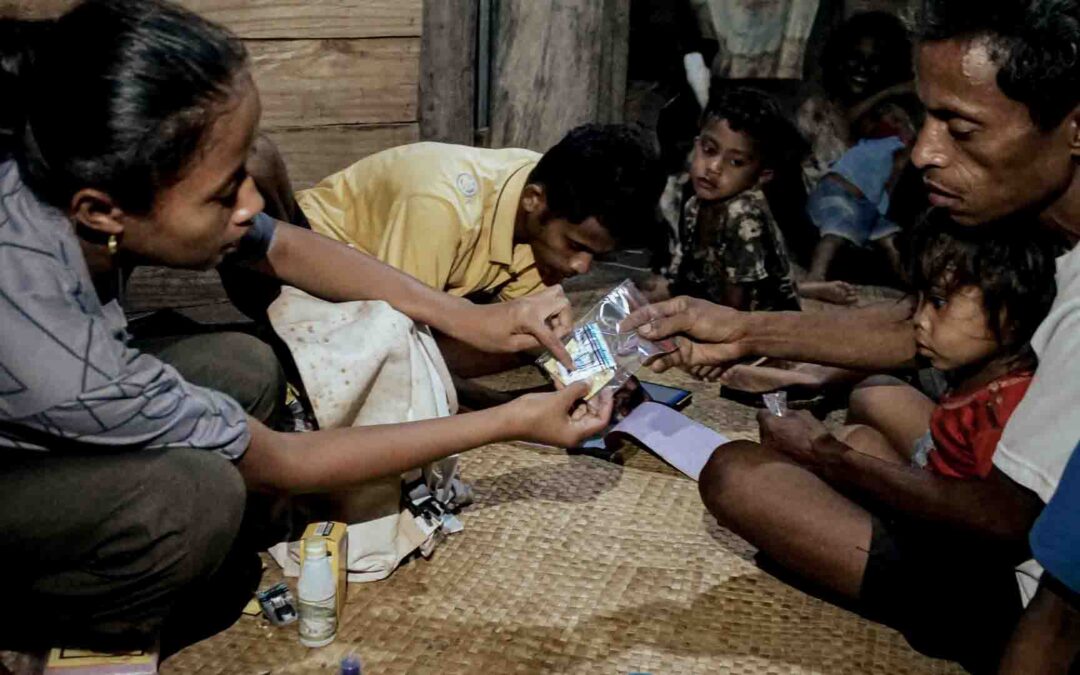
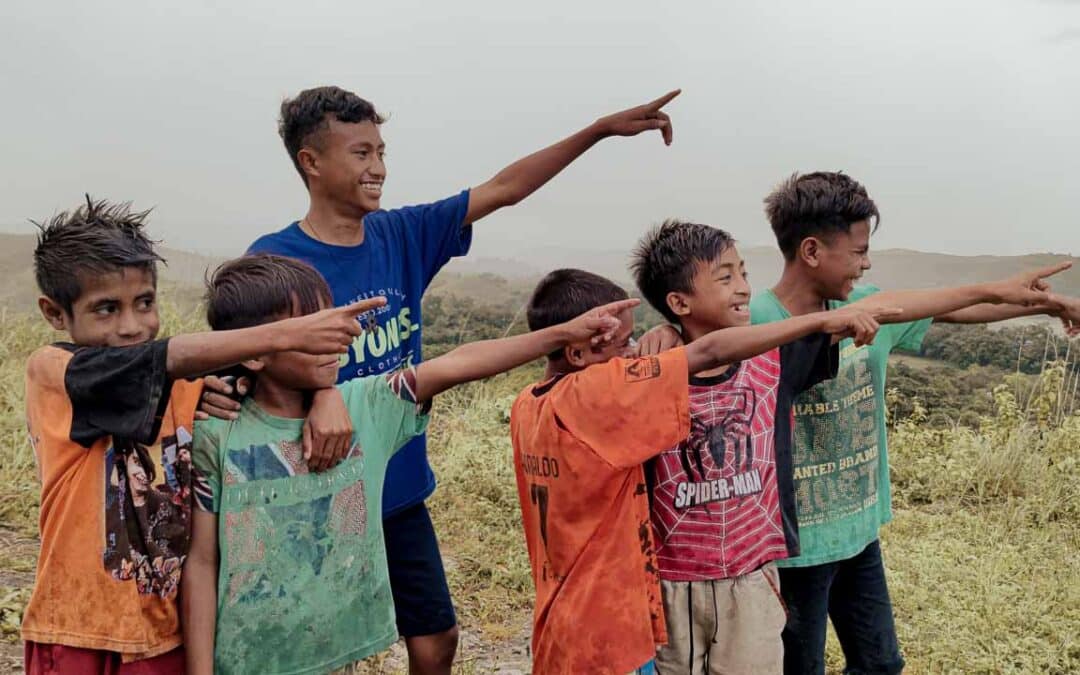
Watch the 11-minute Sumba Sepsis Study film, following more than 1,000 household interviews across remote East Sumba. It records the people, roads and care barriers behind the 2026 fieldwork, and why earlier recognition and referral matter before infection becomes an emergency.
Field Innovation

The Field Innovation category documents practical solutions developed to improve healthcare delivery in ultra-rural settings.
It covers field-tested tools, operational methods, and digital systems designed for environments with limited infrastructure, staff, and connectivity. Articles present innovations such as clinical decision support, data collection, logistics coordination, and community-based reporting. These solutions strengthen primary medical care, support safe task shifting, and improve continuity of care. All initiatives are tested in real conditions and aligned with WHO health system principles, focusing on usefulness, safety, and measurable impact rather than technology for its own sake.
Latest field updates
Sumba Sepsis Study results | Interactive evidence online
Explore the Sumba Sepsis Study 2026 through an interactive results page built from 1,001 household interviews and 162 healthcare-worker submissions. Compare prevention conditions, referral barriers and locality findings, with the full report available in three languages.
Community Health Brokers | Health System Model
Community Health Brokers operate as a structured health system in ultra rural East Sumba, managing 700 to 1000 consultations monthly. With 80 percent of cases resolved locally under supervision, this Primary Medical Care model reduces preventable hospitalizations and strengthens healthcare access.
Water Reservoir Graduation Scale Protecting Community Health
Inside the Laindatang reservoir, a graduation scale measures every ten-thousand litres of stored water. This precise tool allows safe monitoring, controlled use, and long-term protection of clean water. In ultra-rural villages, measuring water accurately is not technical detail. It is prevention and survival.
Laindatang Water Filtration System | Preventive Health
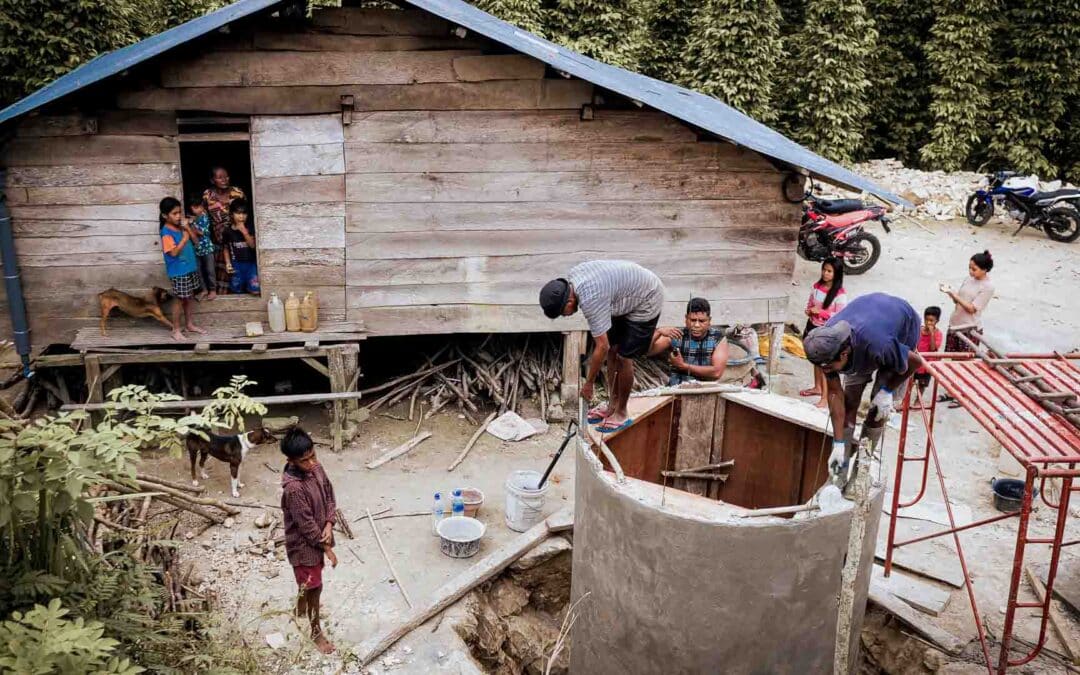
Before water reaches the tank in Laindatang, it is filtered by hand. Custom-built filtration modules remove debris, organic matter, and insects, reducing contamination risks. This system turns rainwater harvesting into preventive medicine for families living far from any medical infrastructure.
Clean Water Roof in Laindatang | Medical Water Safety
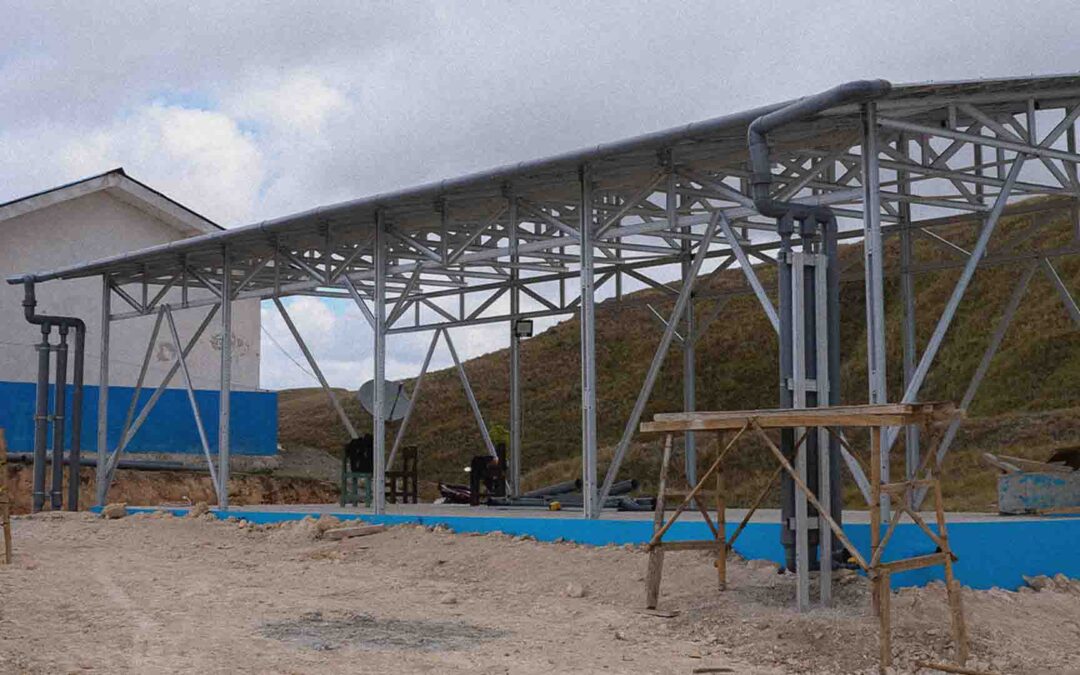
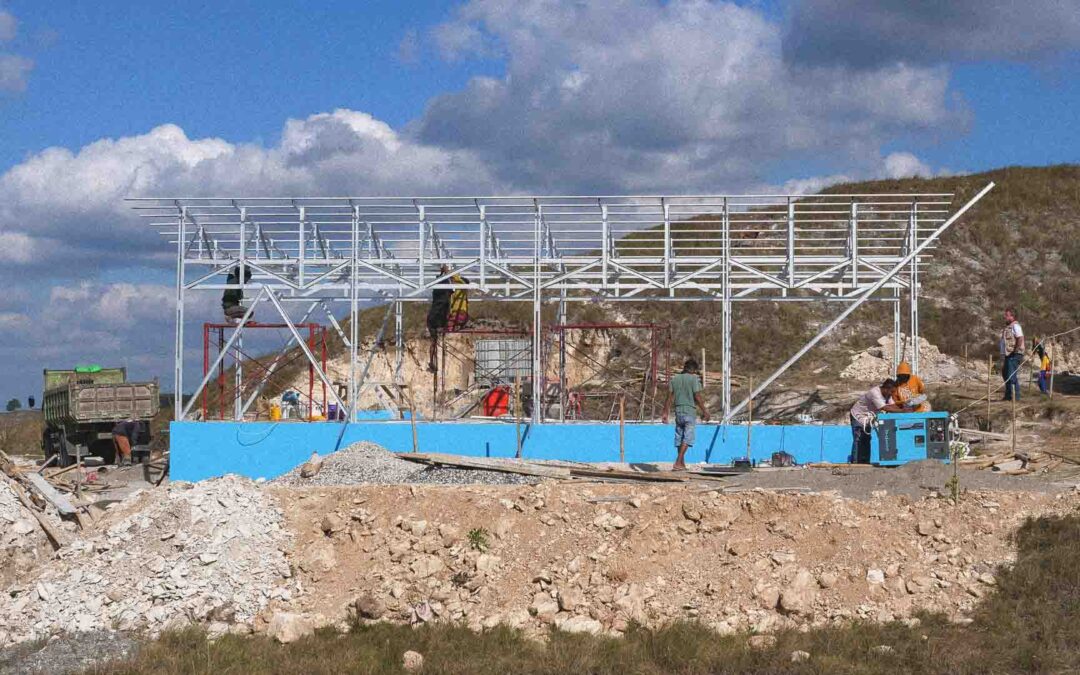
A light steel roof now protects the Laindatang reservoir, shielding filtered rainwater from heat, light, and contamination. Built with villagers by Fair Future and Kawan Baik Indonesia, this structure turns rainfall into safe drinking water and prevents avoidable disease.
Solar electrification SDN Mbajik | Remote school powered
Solar electrification reaches SDN Mbajik in ultra-rural East Sumba, powering classrooms, water pumps, and internet access. This community-built system transforms education, safety, and daily life—bringing lasting change to one of Indonesia’s most isolated schools.
Rainwater tank connected in Laindatang East Sumba
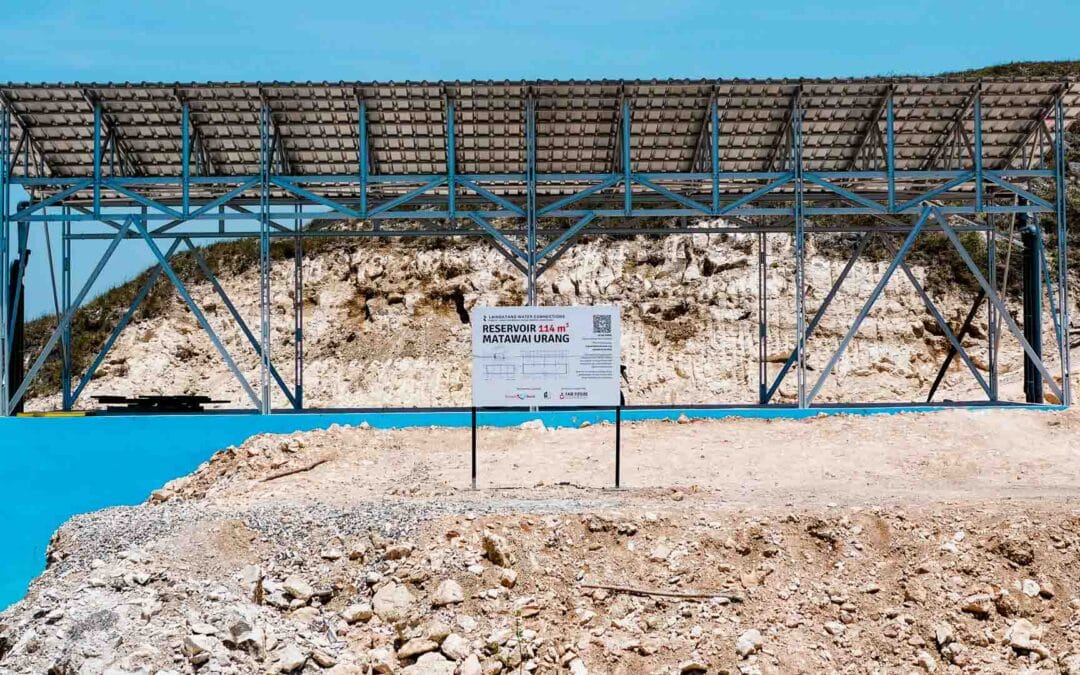
The 114.7 m³ rainwater tank in Laindatang, named Matawai Urang, is now fully connected to gutters and filtration, ready to collect clean water for 300 residents. This rainwater tank Laindatang project also features an information panel, sharing the story of safe water access for the community.
Medical equipment donation to RSUD Waingapu hospital
Fair Future delivered CHF 12000 in essential medical equipment to RSUD Waingapu, Sumba’s sole public hospital serving nearly 1’000’000 people. This medical equipment donation was based on the real needs expressed by doctors and nurses, ensuring frontline teams receive the tools they truly require.
What We Learn by Being There
In May, 21 Kawan Sehat health agents completed intensive training in primary care. They now serve nearly 1,000 patients each month in remote Indonesian villages, offering medical treatment, prevention, and education where no doctors are available.
Raising Better Children for a Sustainable Future
By raising children to be empathetic, responsible, and environmentally conscious, we can contribute to a more sustainable future. Discover how instilling these values benefits the planet for generations ahead.
Why Donating Matters to Save Lives
Donations play a crucial role for NGOs such as the Fair Future Foundation, supporting essential healthcare, education, and welfare initiatives. These contributions strengthen rural communities, save lives, and foster sustainable development. Every donation counts in making a significant impact—no matter its size.