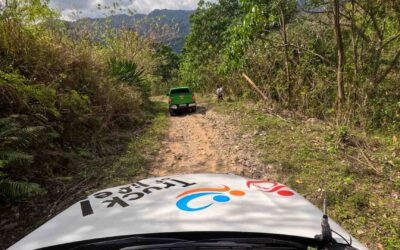
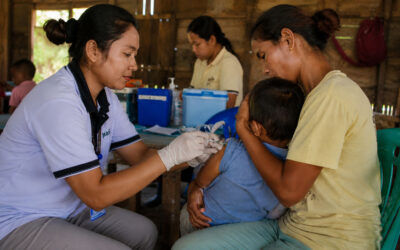
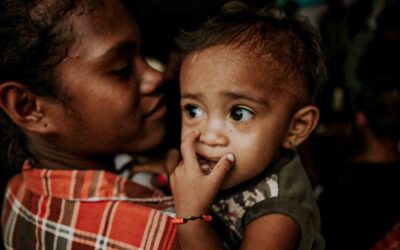
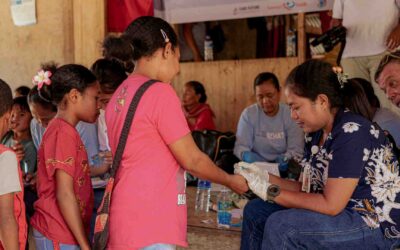
In remote Indonesia, children still grow up without reliable vaccination. Preventable diseases return not because medicine has failed, but because health systems stop too early, leaving families exposed to infections we already know how to prevent.
Preserving Health and Life Through Our Programs
Fair Future Foundation is dedicated to preserving health and life through comprehensive programs that promote access to a healthy and harmonious lifestyle. From personal hygiene and mental well-being to clean water access and disease prevention, our initiatives empower communities to safeguard their health. Discover how we create sustainable, life-preserving solutions that truly make a difference.
The Preventive Health category focuses on reducing disease and health risks before medical emergencies occur in ultra-rural settings. Articles document disease prevention strategies including hygiene promotion, vaccination support, nutrition, environmental health, and repeated community education. These interventions follow WHO prevention frameworks, emphasizing early action, risk reduction, and behavior change to limit avoidable illness. By strengthening awareness and daily preventive practices, this category shows how prevention remains the most effective, sustainable, and accessible medical intervention where healthcare access is limited.

Access to a Healthy and Harmonious Life
Preventable Suffering | Rural Health Failure
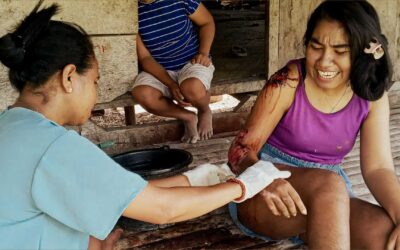
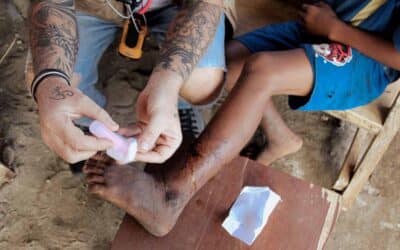
Preventable suffering in ultra-rural villages is not destiny. Untreated wounds, fever, pain, malnutrition and unsafe water become normal only when care, prevention and health education fail to reach families. Fair Future Foundation works where these failures cost lives.
Plastic Waste Public Health Indonesia | Political Failure
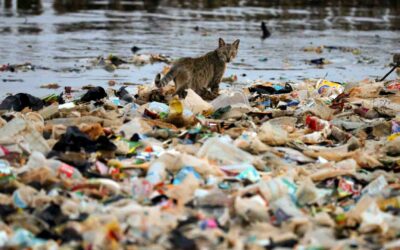
Plastic waste public health Indonesia is no longer an environmental issue. It is a political failure. Across rural regions, rivers and villages are overwhelmed by plastic pollution, toxic smoke and contaminated water while authorities ignore waste management and the health risks faced daily by communities.
Dengue Climate Change Indonesia | Rising Mosquito Risk
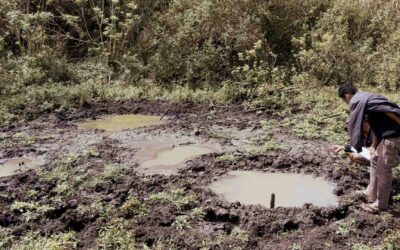
Climate change is reshaping dengue transmission across rural Indonesia. Warmer temperatures, longer rainy seasons and stagnant water near homes create ideal mosquito breeding sites. In isolated villages, prevention, environmental management and early diagnosis remain essential to reduce severe dengue cases.
Rubella in Indonesia | 11,094 Measles Cases, 72 Deaths
Rubella in Indonesia remains a serious rural health threat. After 11,094 confirmed measles cases and 69 deaths in 2025, continued transmission in 2026 highlights low MR coverage, weak surveillance, and the ongoing risk of congenital rubella syndrome in remote districts.
Last Mile Global Health | Why Systems Stop Early
Global health programs often succeed at national level but fail to reach the most remote communities. This article explores the last mile global health challenge and explains why healthcare systems stop before the final villages, and how community medicine bridges that critical distance.
Health Built Before Patients Arrive | Rural Medicine
Health built before patients arrive explains why prevention determines survival in rural regions. Clean water systems, malaria prevention, community health agents and early detection reduce infections and save lives long before a patient reaches a clinic.
Preventing and treating dog bites in remote areas
Dog bites can be prevented and managed effectively with the proper knowledge. Discover methods for cleaning wounds, controlling bleeding, and obtaining medical care to avert serious infections such as rabies.
Medical Advices for Rural Health – Practical Prevention
Delivers WHO-based medical advice for ultra-rural communities, supporting early recognition, safer first actions, and prevention of infections where access to healthcare is limited or delayed.
Primary medical care prevention posters
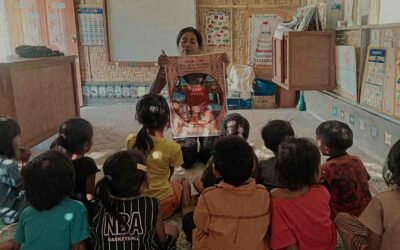
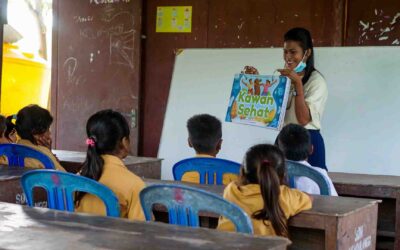
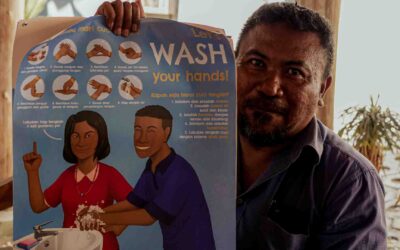
Primary medical care prevention posters are designed and produced by our medical teams to deliver clear, evidence-based health education in ultra-rural communities. Used by trained health agents, they translate prevention, hygiene, and early warning signs into practical actions where no healthcare exists.
Disease prevention in rural health – Swiss medical fieldwork
Disease prevention is the most effective medical response in rural health settings. Through daily field presence, hygiene education, vaccination awareness and primary medical care, preventable diseases are reduced before emergencies occur.
Hand Hygiene in Rural Indonesia | Disease Prevention
Hand hygiene rural Indonesia remains one of the most overlooked yet critical medical challenges in ultra-rural communities. Where water, soap, and sanitation are missing, infections spread easily. Education and simple infrastructure become powerful medical tools when healthcare access is limited.