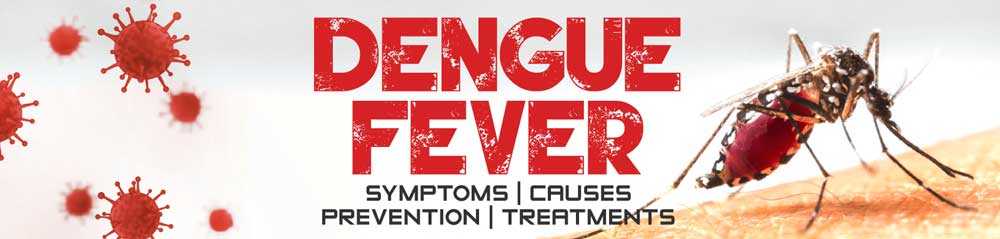



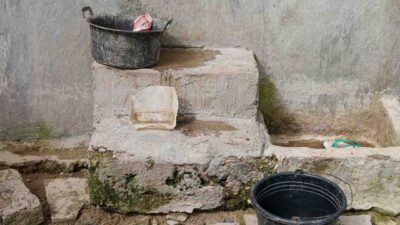
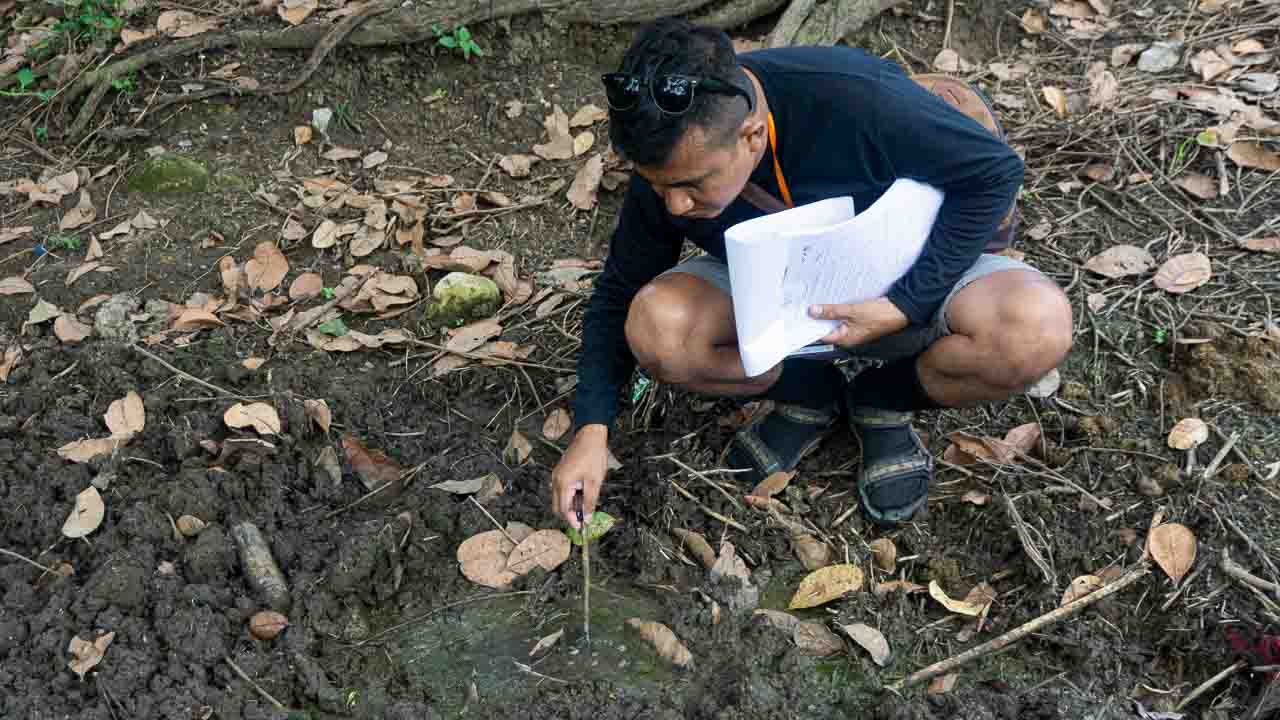
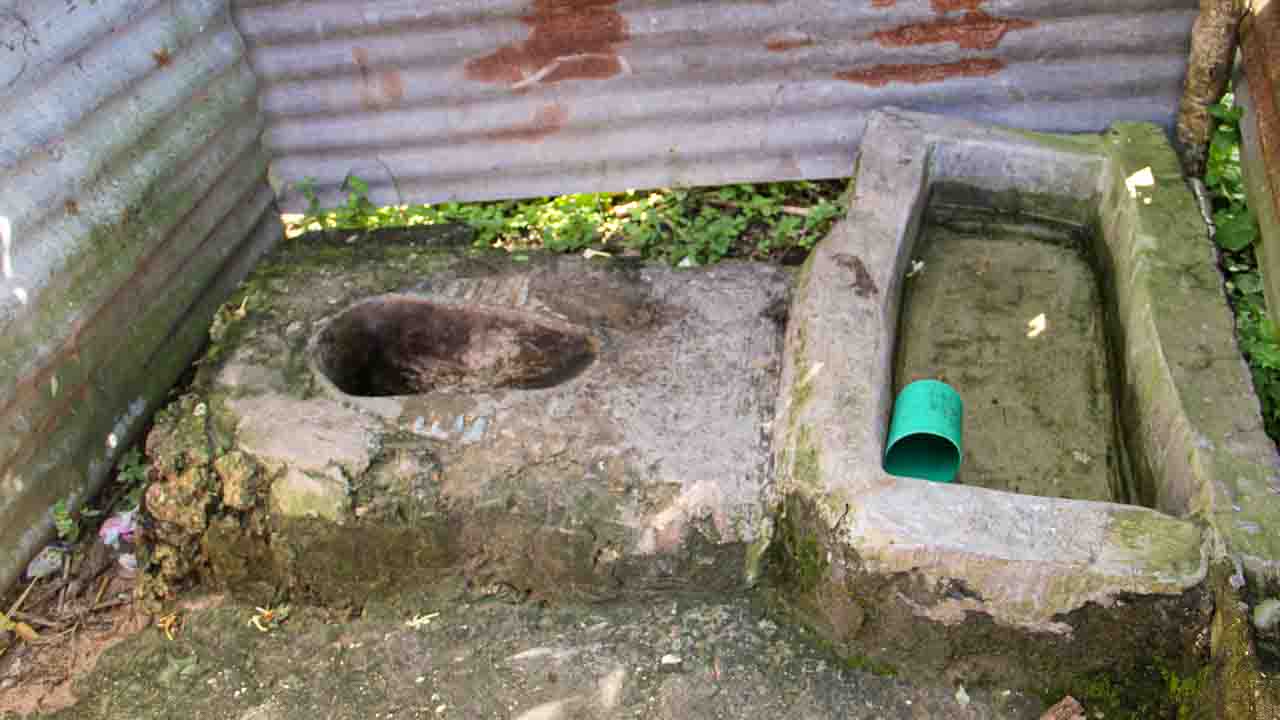
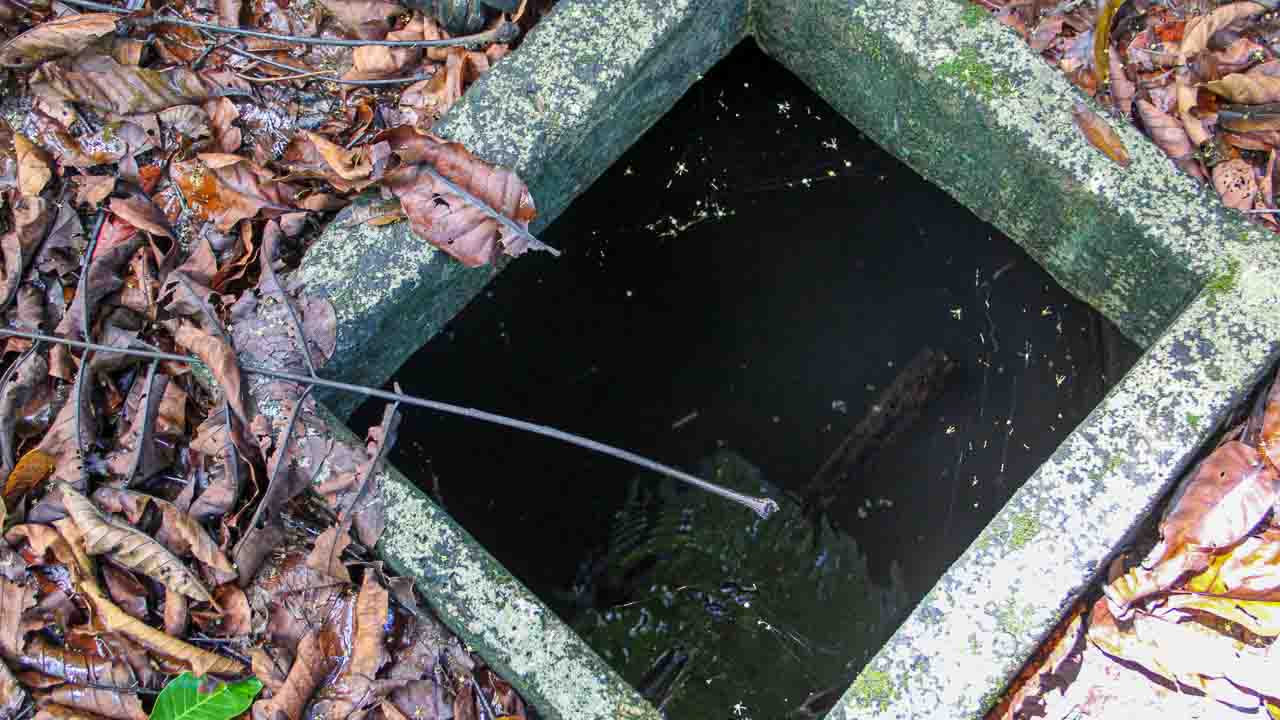
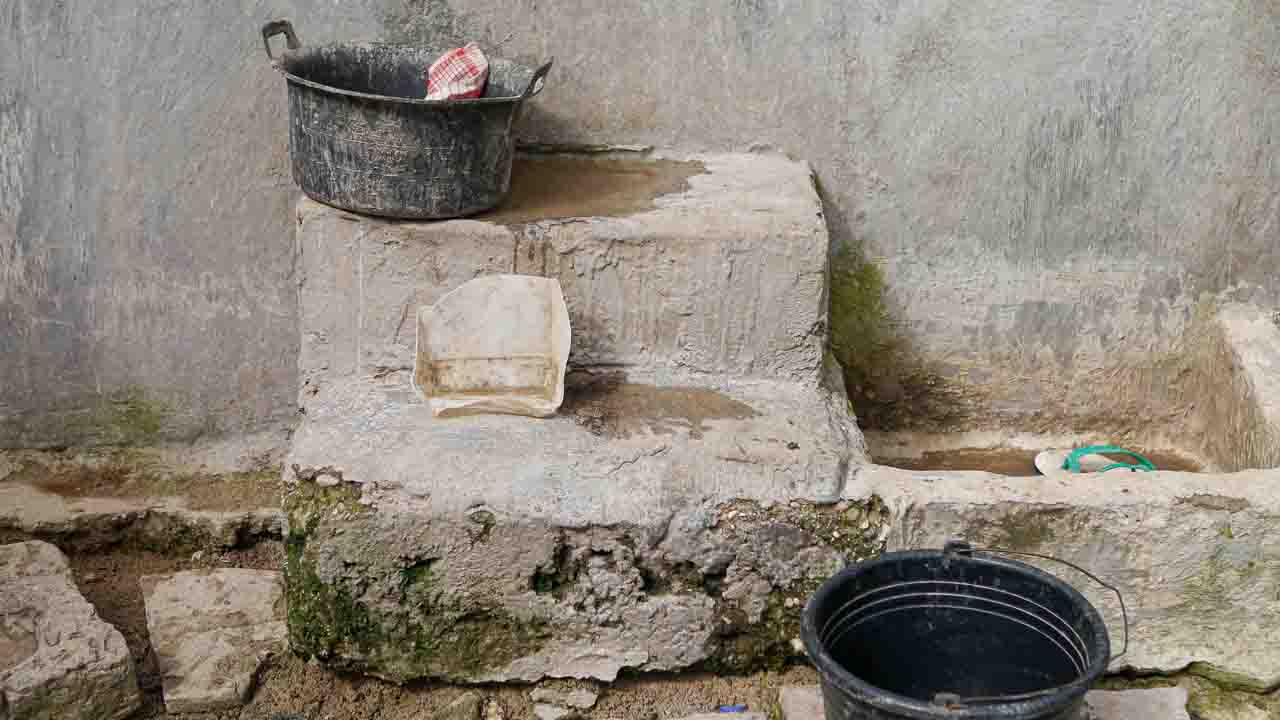
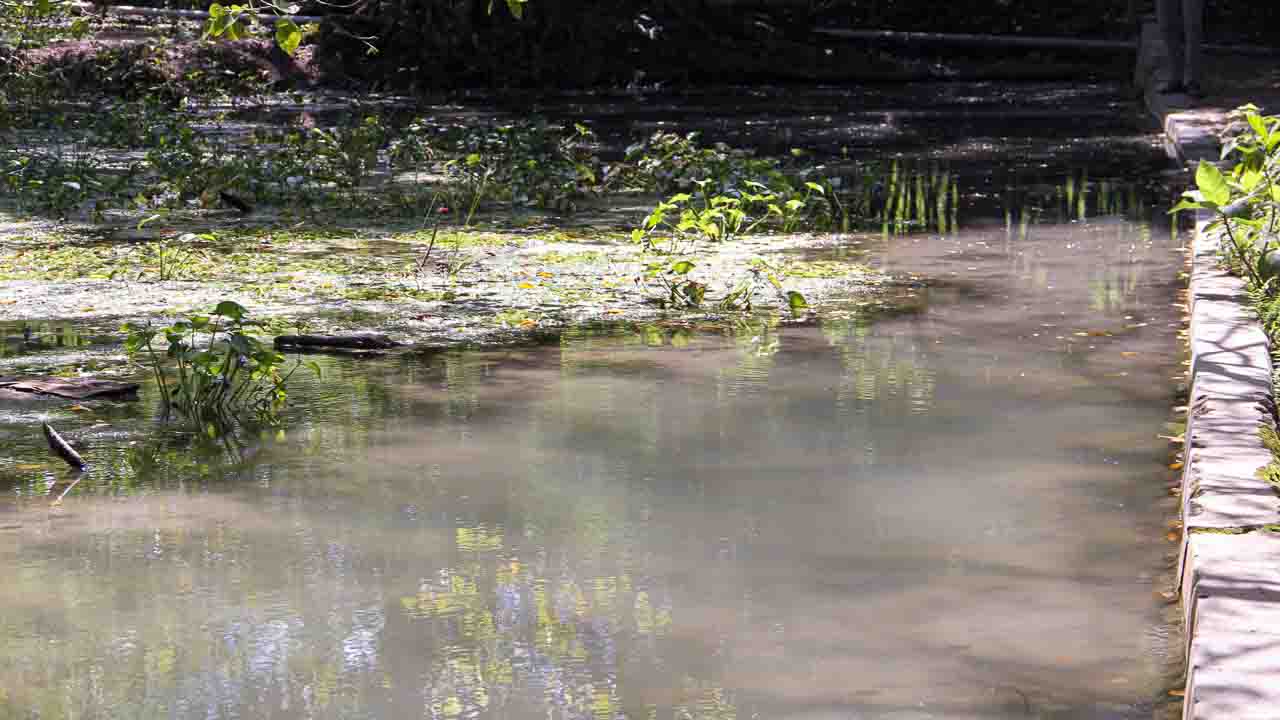
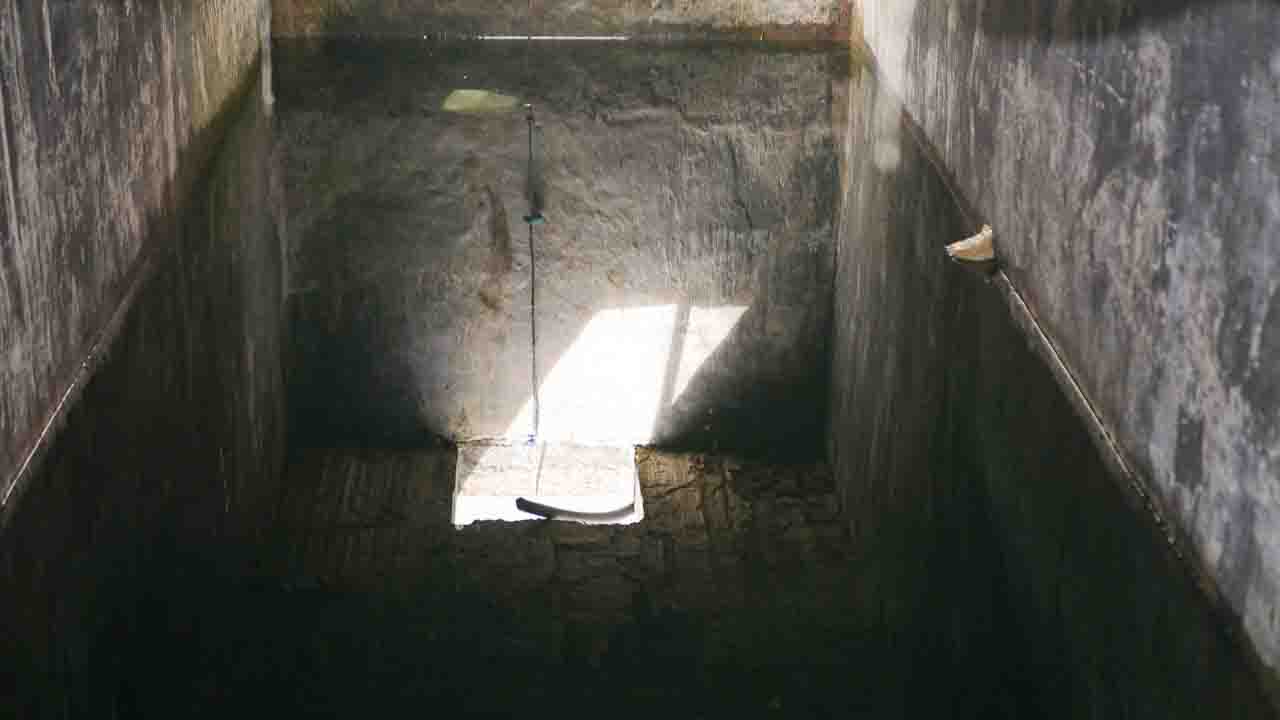
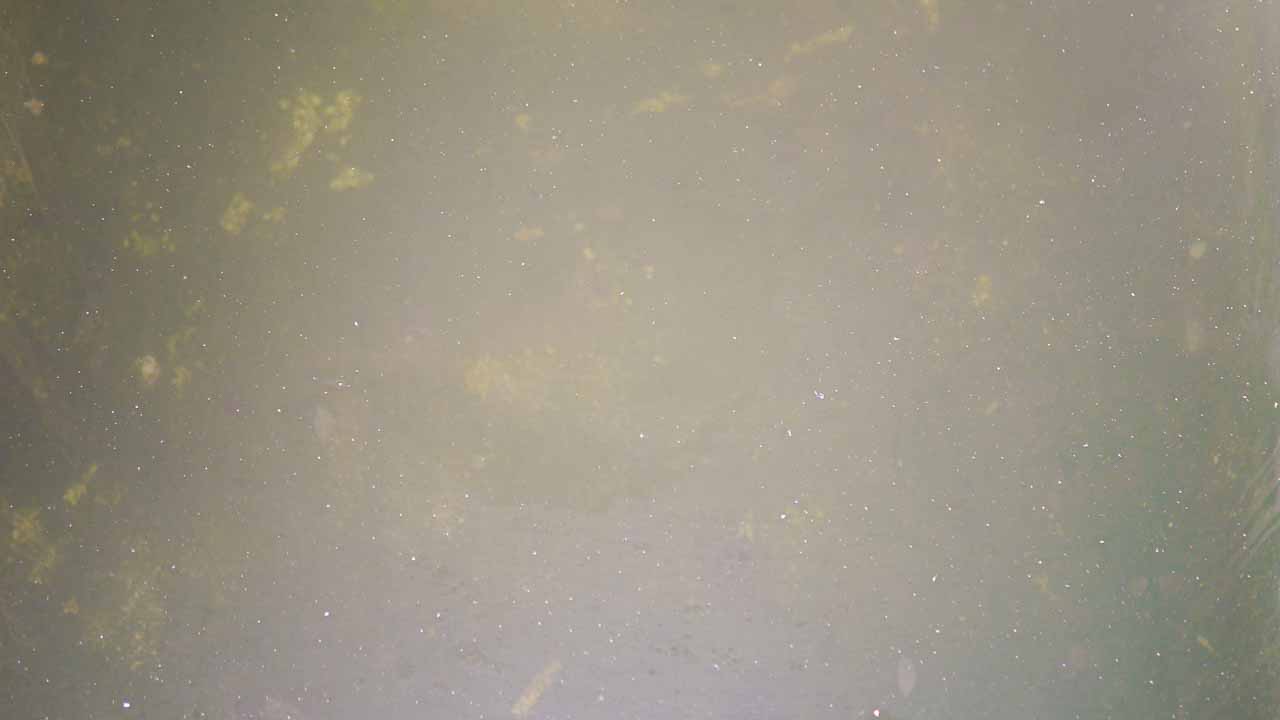
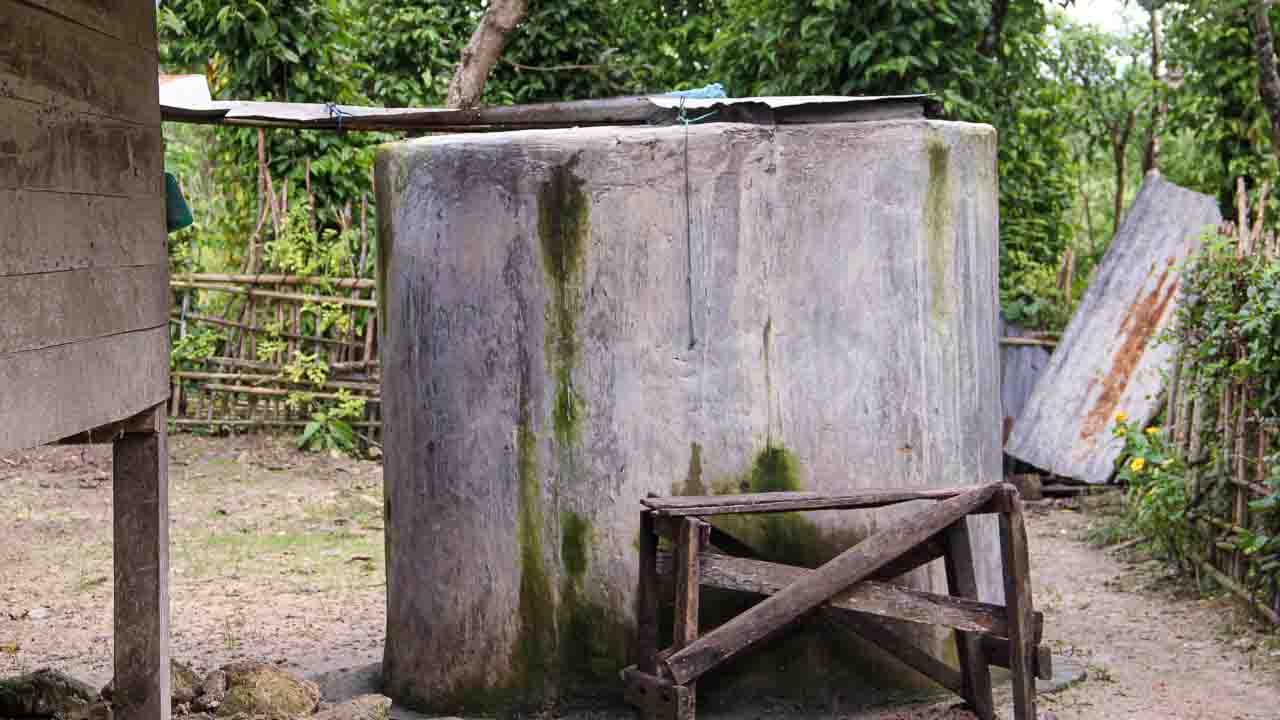
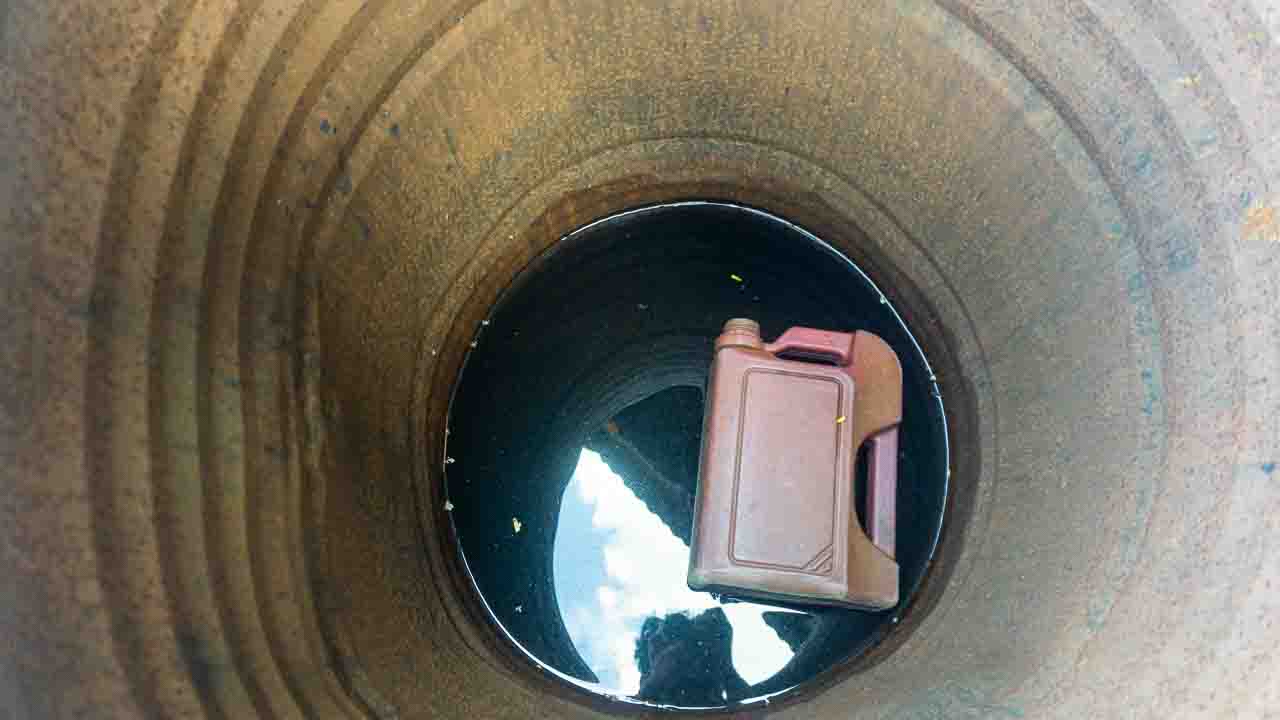
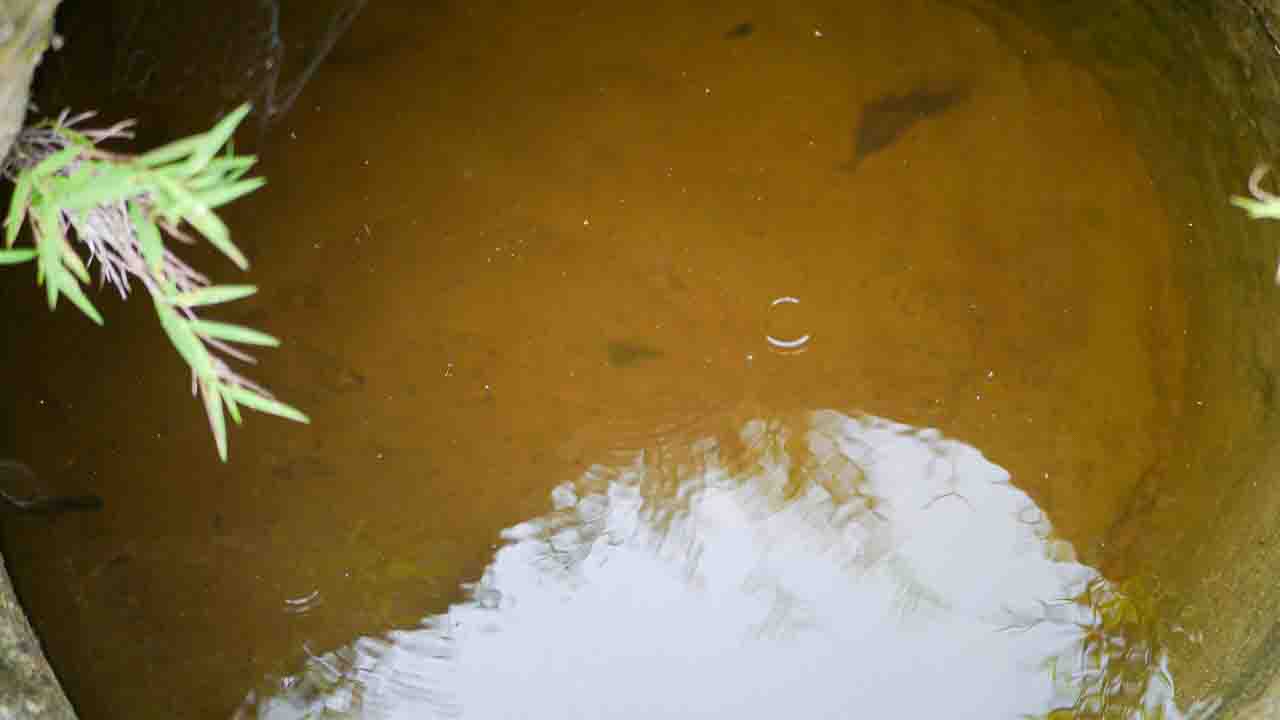
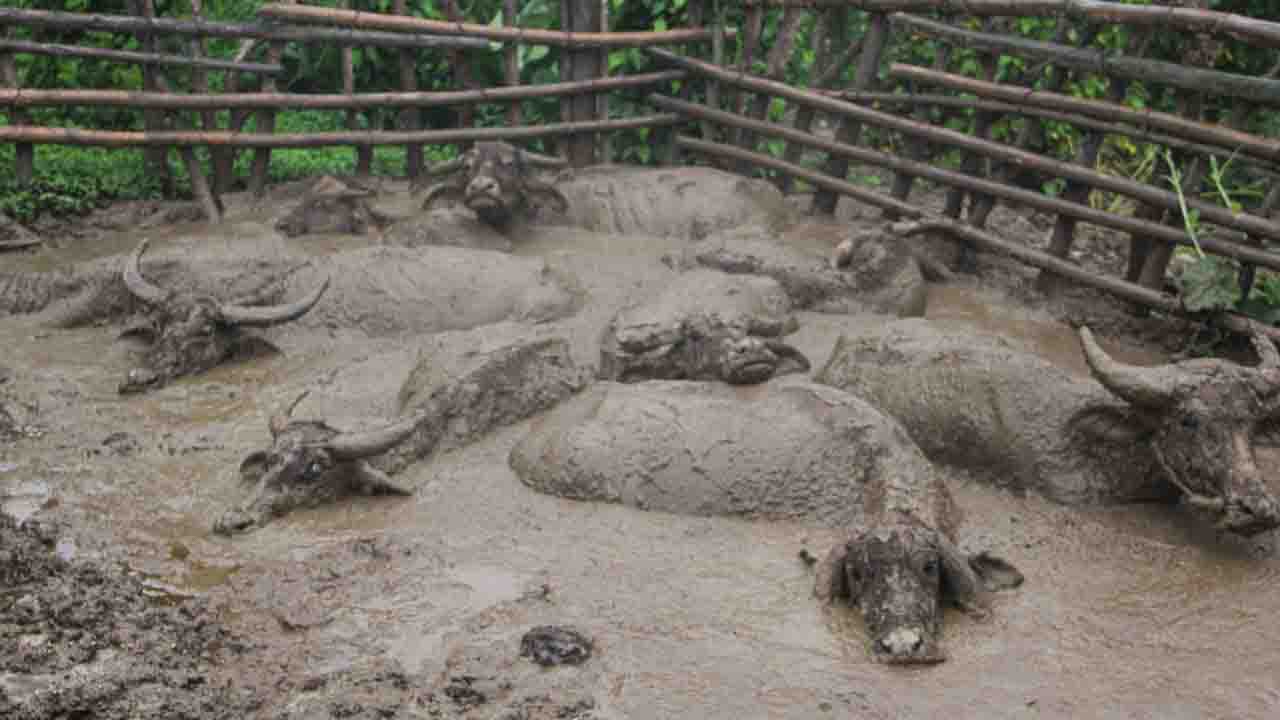
Common sources of stagnant water in rural villages create ideal breeding sites for Aedes mosquitoes, which transmit dengue.
Dengue and Climate Change in Rural Indonesia
In tropical regions, the transmission of mosquito-borne diseases is closely linked to environmental conditions. Dengue, caused by a flavivirus transmitted by Aedes aegypti and Aedes albopictus, is particularly sensitive to shifts in temperature, rainfall, and humidity. Across Southeast Asia, these climatic changes are gradually altering vector ecology. Warmer temperatures and changing rainfall patterns allow dengue to circulate more efficiently between mosquitoes and humans.
Recent epidemiological data illustrate the scale of the challenge. Indonesia recorded more than 257,000 dengue cases and 1,461 deaths in 2024 (Ref: source), one of the highest levels reported in nearly a decade. In 2025, health authorities still reported over 161,000 confirmed cases nationwide, demonstrating how persistent the disease has become across the archipelago.
Globally, dengue continues to expand. Nearly 3.9 billion people now live in areas at risk of dengue transmission, and an estimated 390 million infections occur every year, with around 100 million causing symptomatic illness.
Rising temperatures accelerate several stages of the mosquito life cycle. Eggs hatch more rapidly, larvae develop faster, and adult mosquitoes become active earlier. At the same time, higher temperatures shorten the viral incubation period inside the mosquito, meaning the insect becomes infectious sooner after feeding on an infected person. Heat, therefore, increases both mosquito populations and the speed at which the virus spreads.
Scientific studies show that even a 1 °C increase in temperature can significantly accelerate mosquito development and viral replication, increasing the likelihood of dengue transmission.
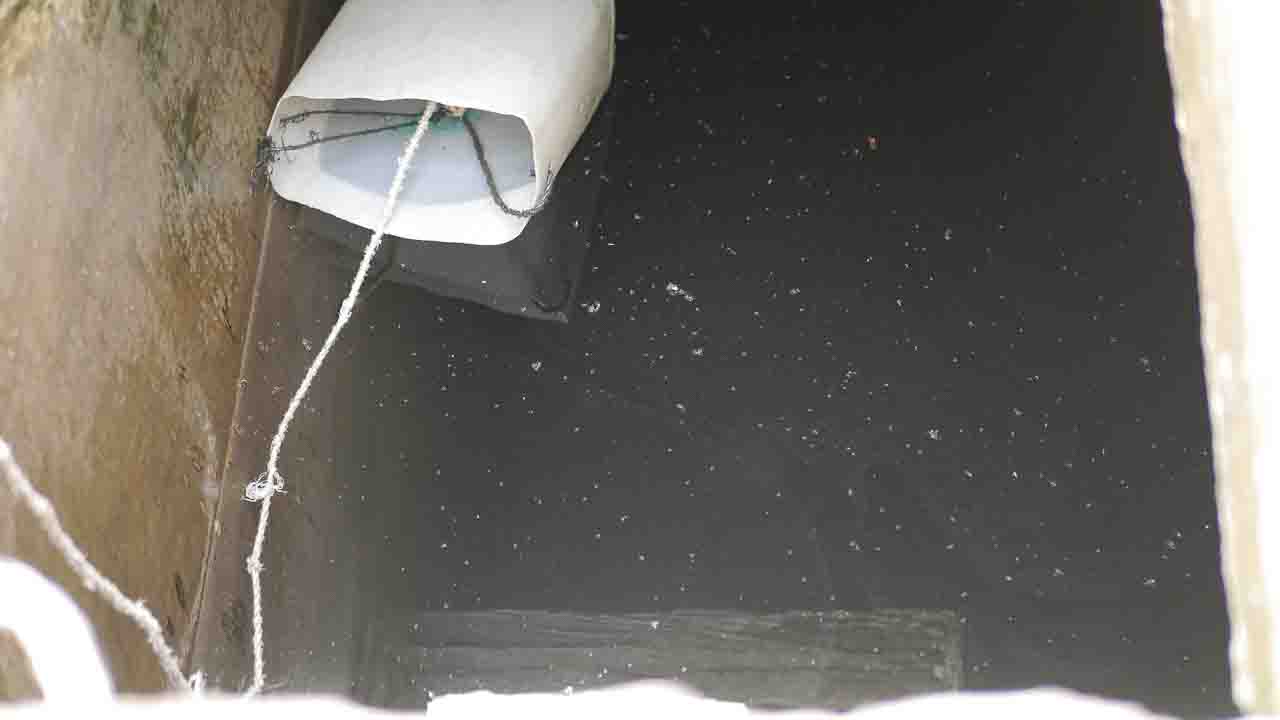
Rainfall patterns are also evolving. In many parts of Indonesia, especially here in East Sumba, where Fair Future and Kawan Baik Indonesia are working, the rainy season has become longer and less predictable. Heavy rainfall is often followed by stagnant water remaining near homes, roads, and waste areas. These small collections of water serve as ideal breeding sites for Aedes mosquitoes, which thrive in artificial containers such as discarded plastic containers, open buckets, damaged drainage channels, or uncovered water storage tanks. Even a few centimetres of standing water can sustain hundreds of mosquito larvae.
Female Aedes mosquitoes can lay 200 to 300 eggs during a single reproductive cycle, allowing mosquito populations to increase rapidly after rainfall. In warm tropical environments, the full mosquito life cycle can be completed in as little as 7 to 10 days. (Ref: source CDC and source WHO)
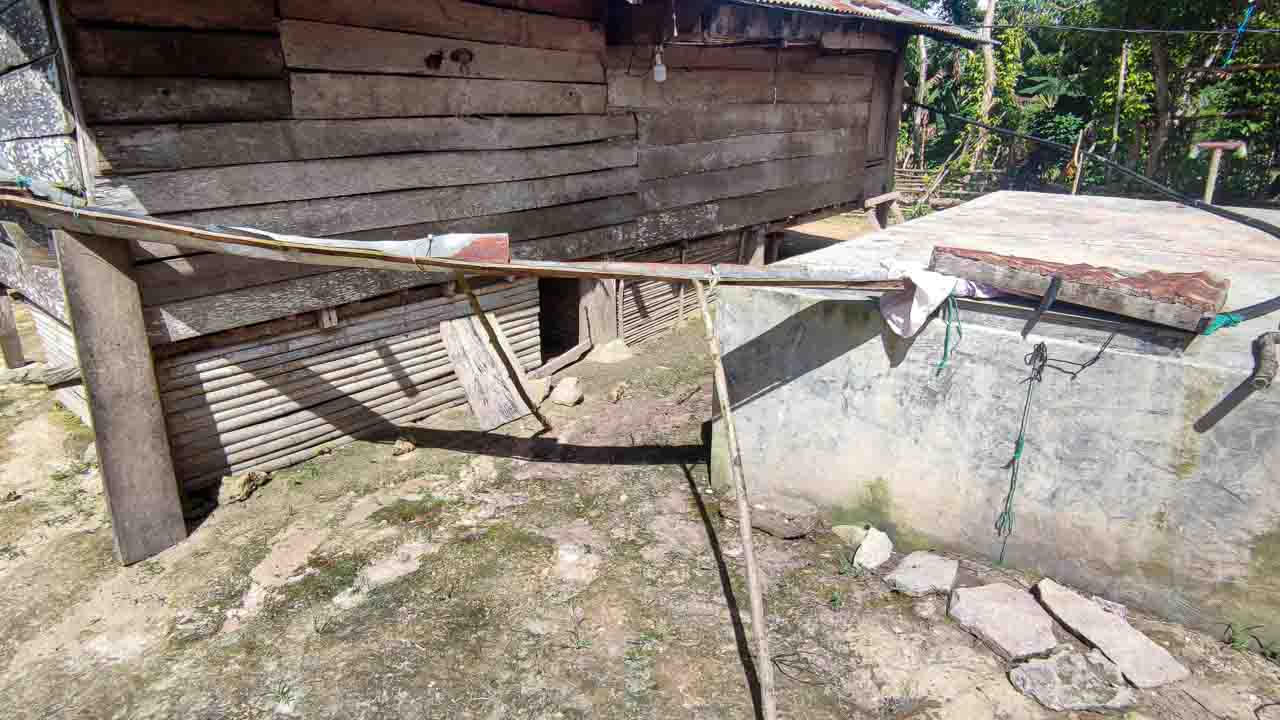
In rural villages, environmental conditions often combine with structural challenges. Waste management systems are limited, drainage infrastructure is often absent, and water must often be stored near houses. As climate conditions favour mosquito survival, these daily realities allow vector populations to expand around homes. Climate change amplifies existing risks in areas where infrastructure and sanitation remain fragile.
Fair Future’s field observations confirm what many studies have demonstrated: 80 to 90 per cent of Aedes mosquito breeding sites are linked to human environments, including water storage containers, discarded plastics, small reservoirs, and poorly managed waste.
The consequences become more dangerous when medical care is delayed. Early dengue symptoms, such as high fever, headache, muscle pain, or nausea, may initially resemble those of other infections. In remote villages, reaching a clinic may require hours of travel, and laboratory confirmation is not always available. Delayed diagnosis increases the risk of severe complications such as plasma leakage, haemorrhage, or dengue shock syndrome.
Community-based health programs, such as the Primary Medical Care program, are essential to closing this gap. In several regions of eastern Indonesia, Primary Medical Care initiatives train local health agents – Kawan Sehat Health Agents – to recognise early warning signs, monitor febrile illnesses, and guide families toward care when necessary. Education campaigns, prevention posters, and household visits also help communities understand how dengue spreads. Public awareness and early detection remain among the most effective defences against severe disease.
Prevention, however, begins long before a patient reaches a clinic. Eliminating stagnant water around homes, improving waste management, covering water storage containers, and maintaining clean surroundings can drastically reduce mosquito breeding sites. These measures are simple but require constant community participation. Vector control is fundamentally a collective environmental responsibility.
Dengue, therefore, cannot be understood solely as a viral infection. It is also a disease shaped by climate, infrastructure, and access to primary healthcare. Preventing outbreaks requires environmental management, community education, and health systems capable of detecting illness early. Where these elements work together, the risk of severe epidemics can be significantly reduced.
Thank you for reading. Today, the 11th of March 2026 – Alex Wettstein
In Short – When Climate Shapes Disease
Climate change is altering mosquito ecology across tropical regions. In rural Indonesia, small environmental changes such as stagnant water, waste accumulation and longer rainy seasons can dramatically increase dengue transmission where early medical care remains distant.
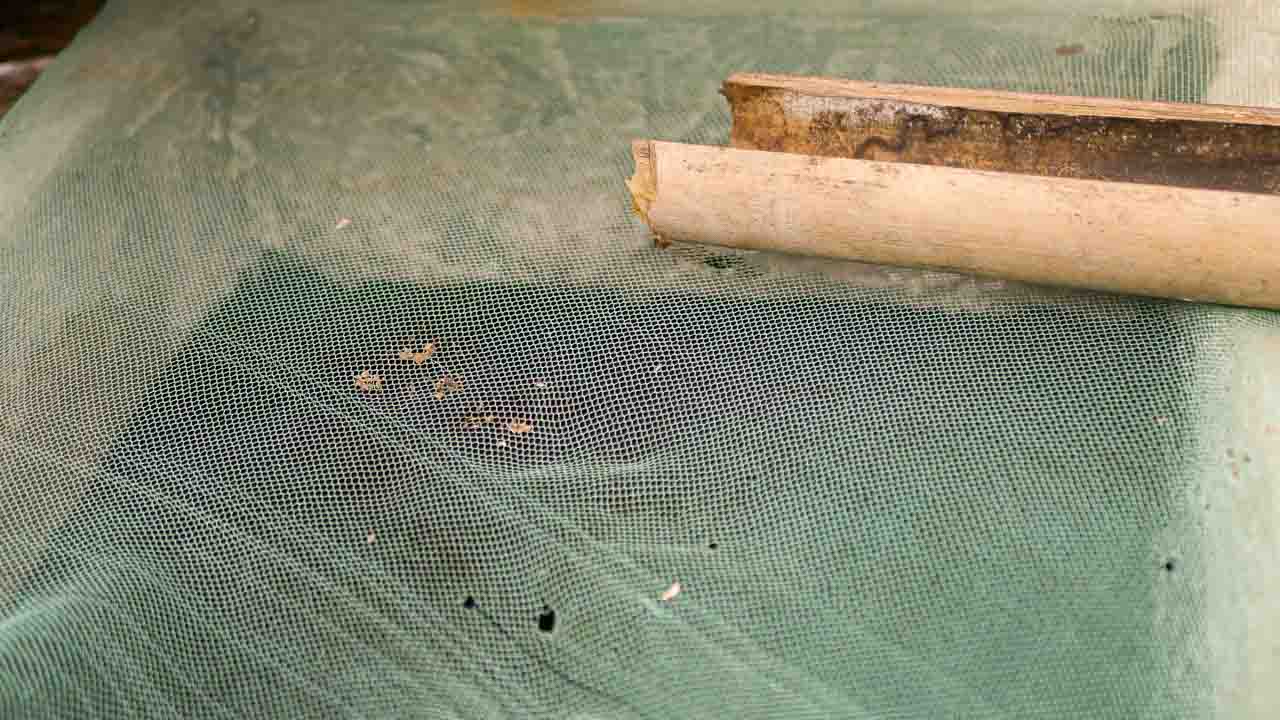
Environmental sources of dengue transmission in rural Indonesia
List of Related Organisations with Hyperlinks
- CDC Dengue Prevention: The CDC provides scientific guidance on dengue transmission, mosquito ecology and community prevention strategies relevant to tropical regions.
- UNICEF Water, Sanitation, and Hygiene: UNICEF promotes water, sanitation, and hygiene programs that reduce environmental conditions that favour mosquito breeding.
- PATH Vector Control Programs: PATH develops innovative strategies to control mosquito-borne diseases and improve community health systems worldwide.
- Rotary International Disease Prevention: Rotary supports global health initiatives, including disease prevention, sanitation improvements and community education programs.
- SolarBuddy: SolarBuddy provides solar-powered lighting to children without access to electricity, improving safety and enabling health education in rural communities.
- Malaria Partners International: Malaria Partners International supports prevention strategies against mosquito-borne diseases in vulnerable communities.
- Global Fund Disease Prevention Programs: The Global Fund finances large-scale programs that fight infectious diseases through prevention, treatment, and community health systems.