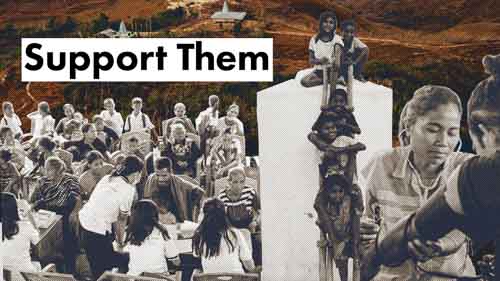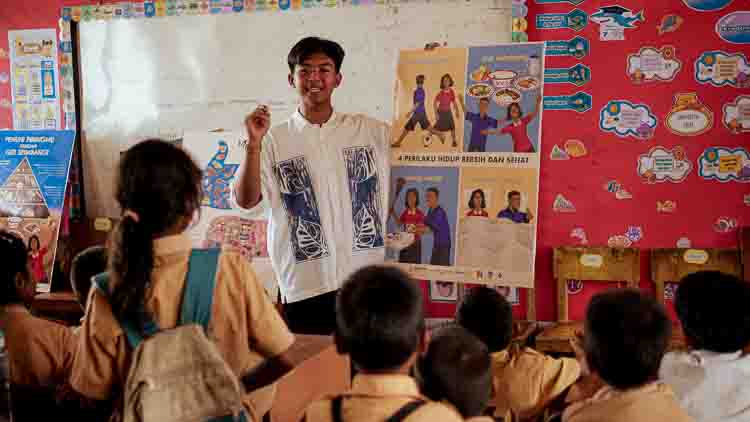


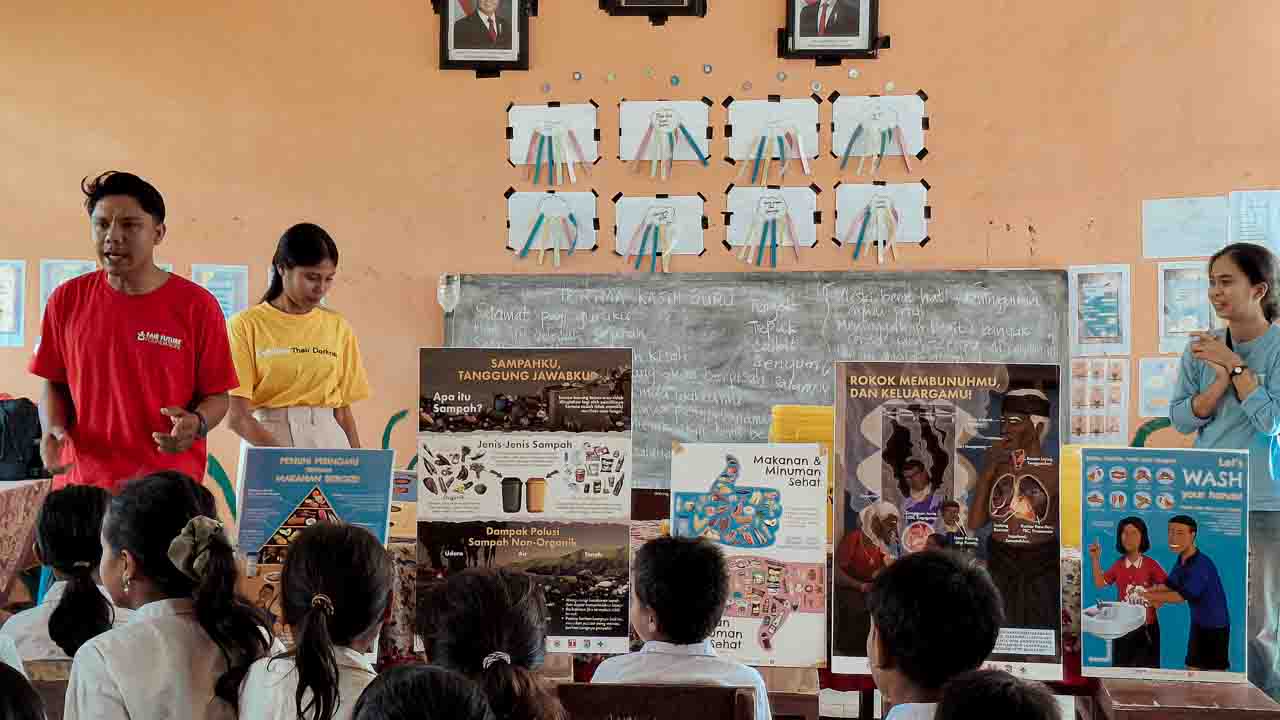
Community health workers, prevention education, solar energy, clean water systems and early care illustrate how health is built before patients arrive in rural East Sumba.
Health Is Built Before Patients Arrive
In much of the world, medicine is imagined as a clinical act. A consultation. A prescription. A hospital bed. Yet in many rural regions, illness begins long before a patient ever meets a clinician. Bacteria-contaminated water. Mosquitoes carrying malaria. Children growing up with chronic malnutrition. Hours of walking before reaching the nearest road.
In these places, health is not something that begins at the clinic door. It must be built long before patients arrive.
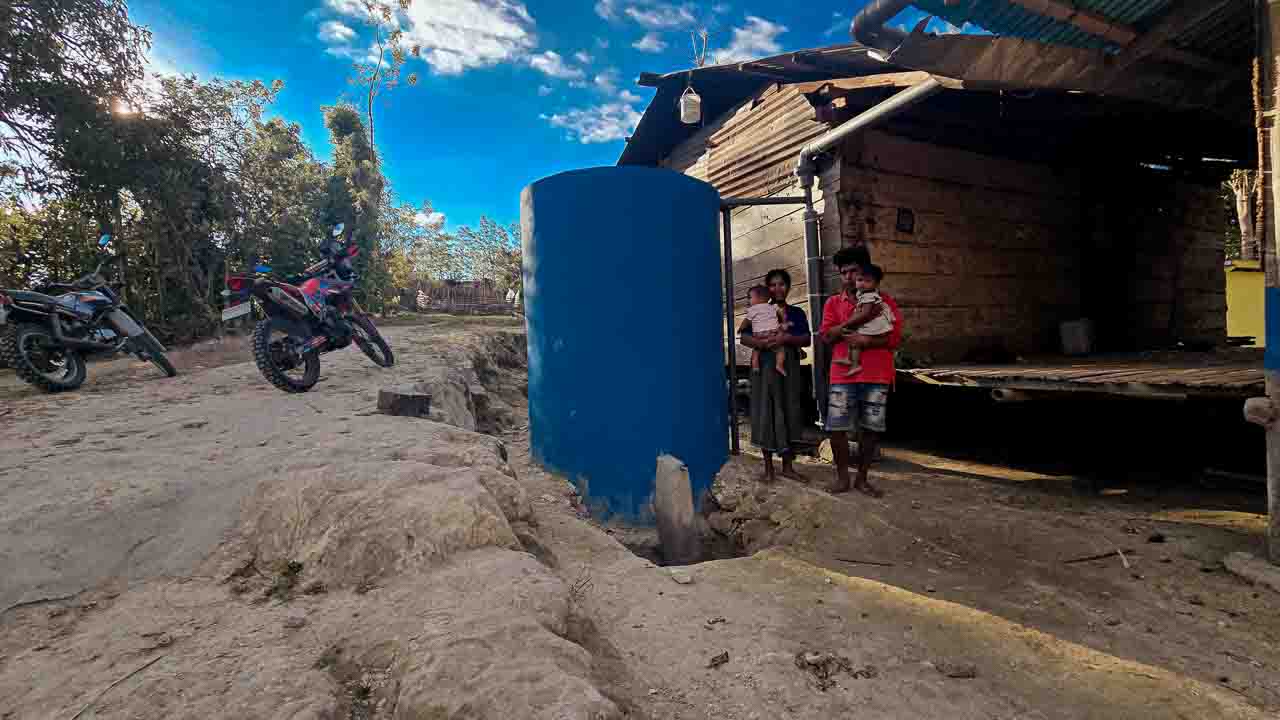
A simple reservoir can change a village’s epidemiology. When families stop drinking contaminated surface water, diarrhoeal diseases fall. Fewer children arrive dehydrated, fewer infections progress to sepsis, and fewer parents lose days of work caring for sick children. The intervention is not a drug or a surgical procedure. It is infrastructure.
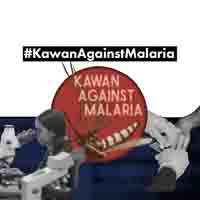
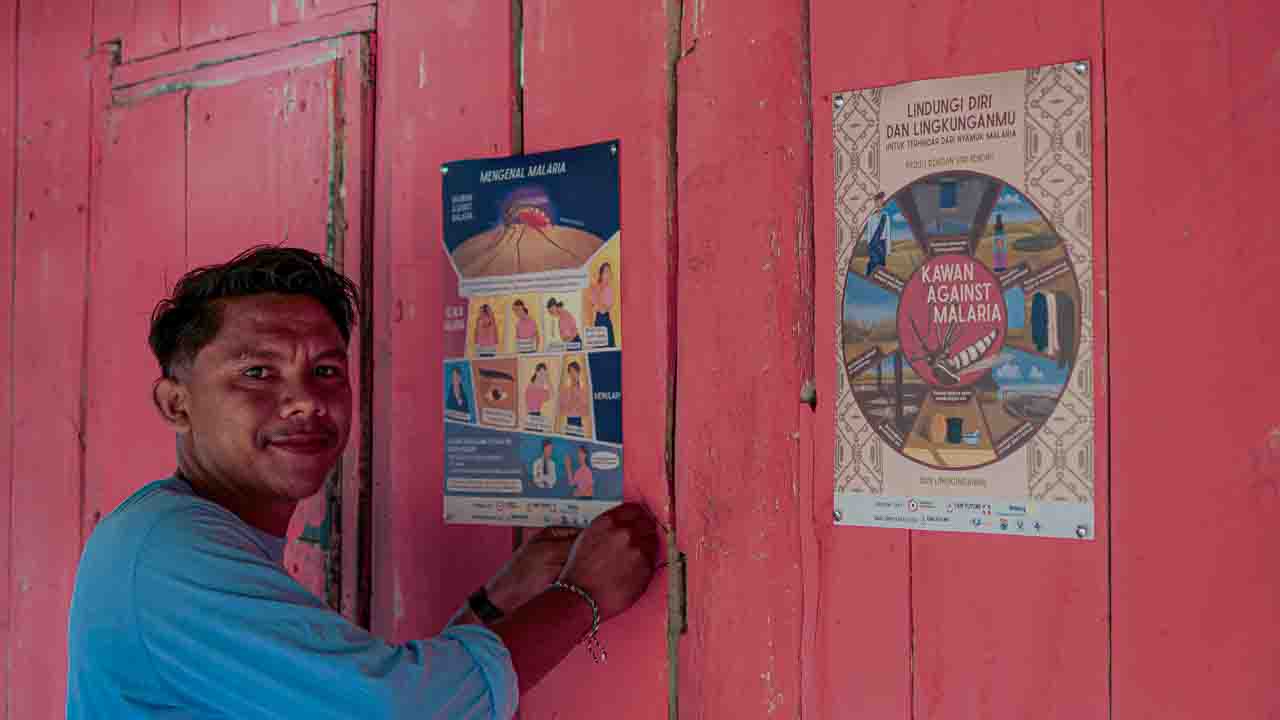
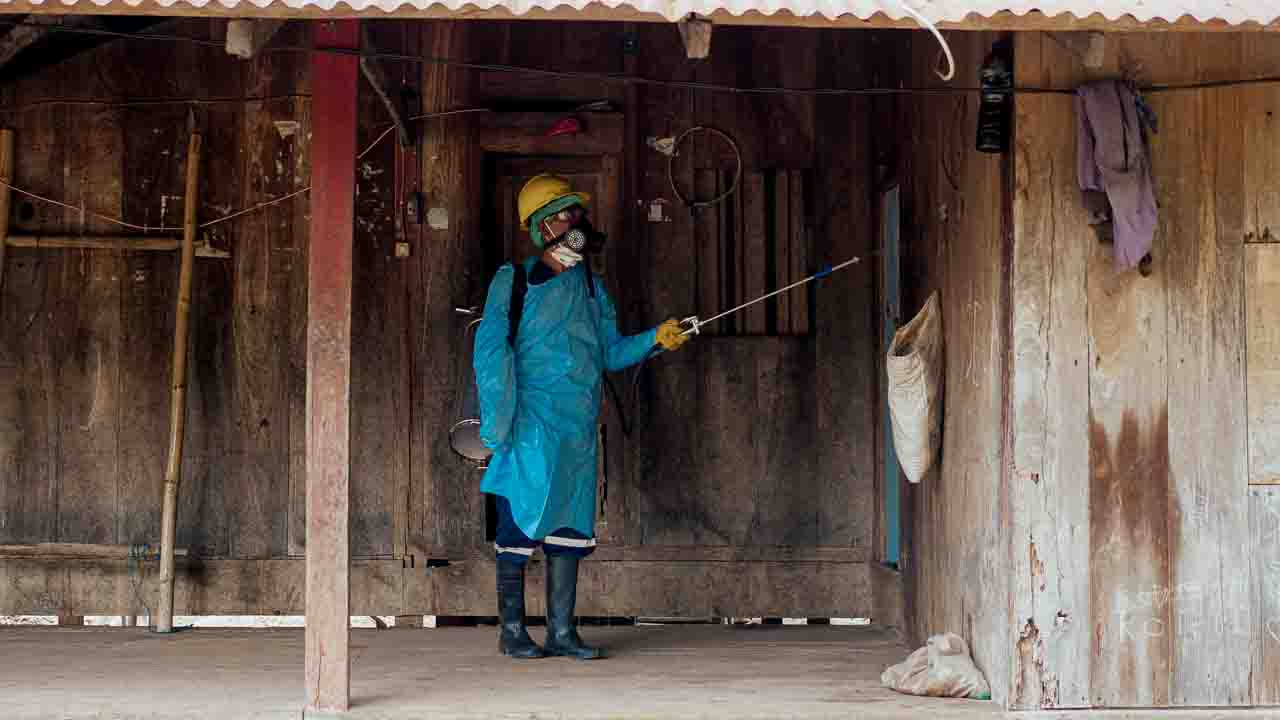
A mosquito net can shift the balance between life and death. In malaria-endemic regions, a treated net reduces exposure to Anopheles mosquitoes night after night, year after year. Preventing infection is not simply easier than treating severe malaria. It is the difference between an early fever and a child arriving too late with cerebral complications.
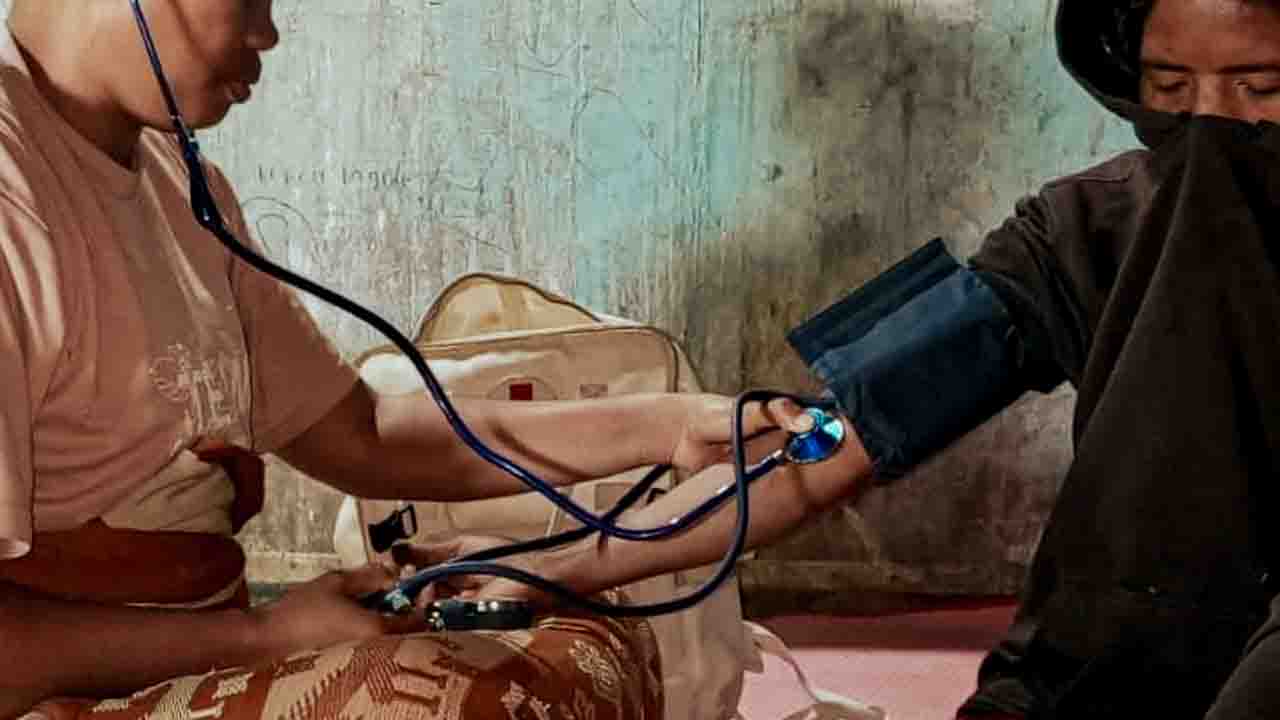
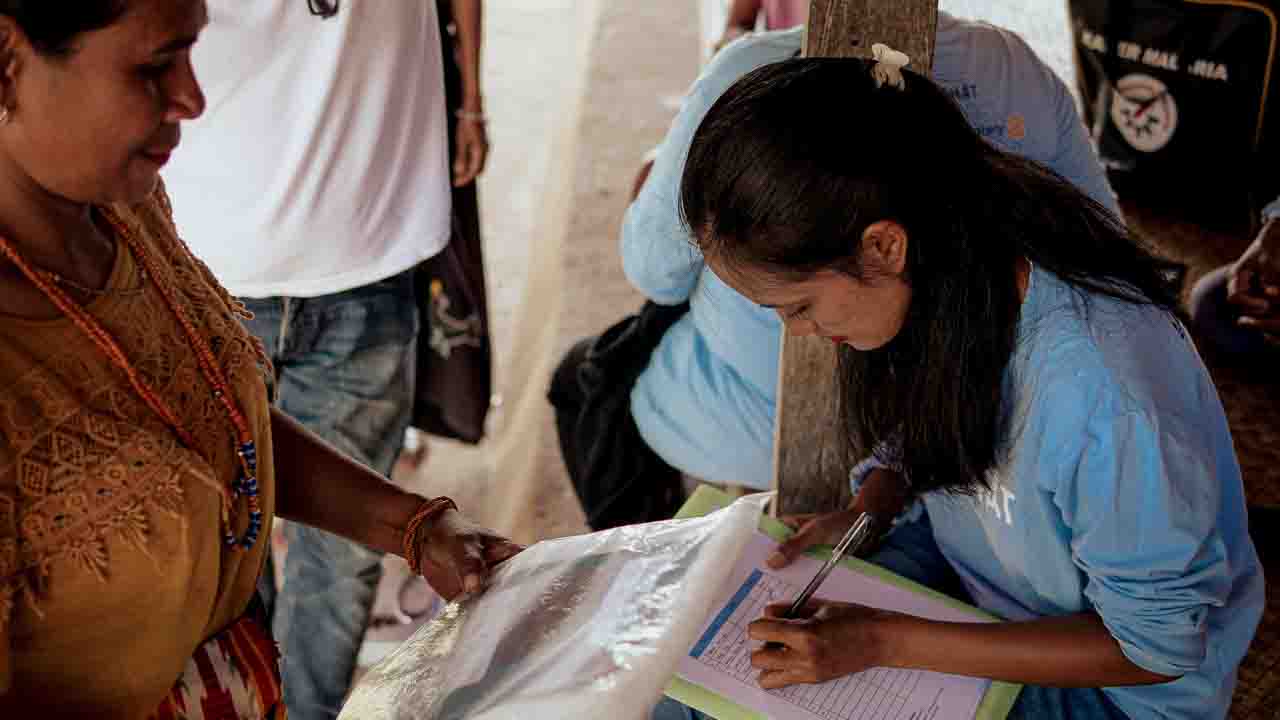
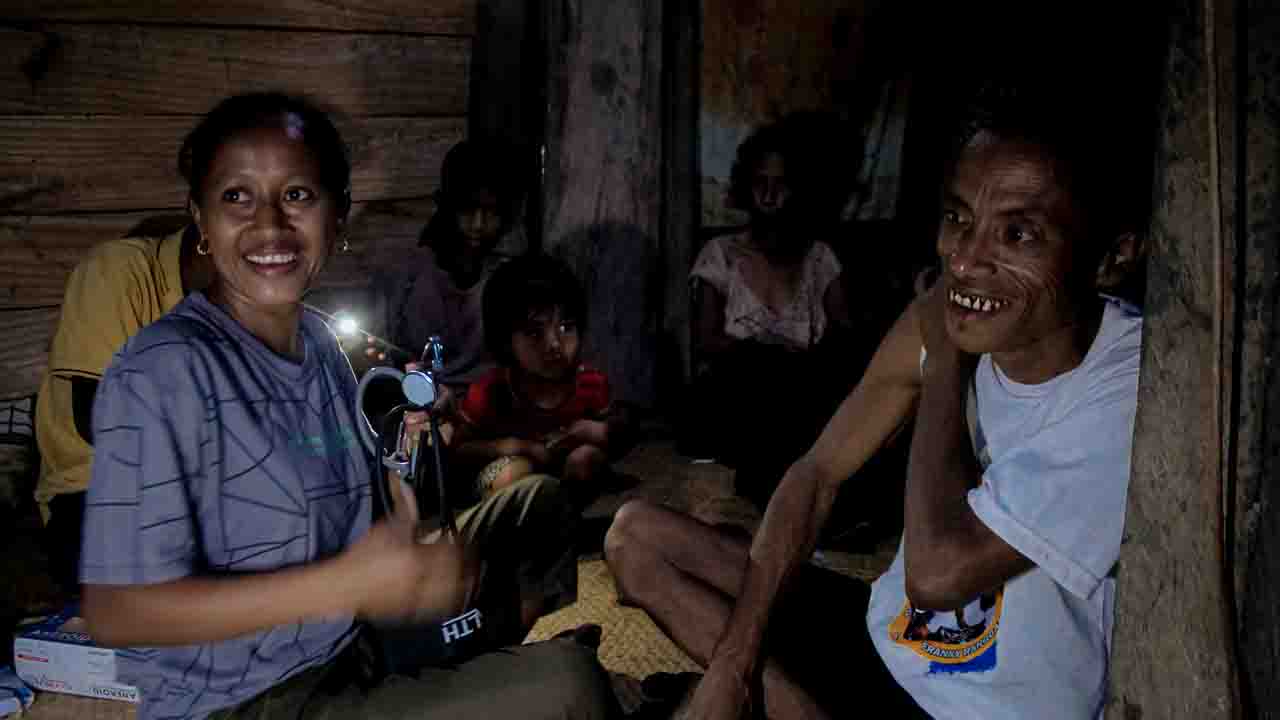
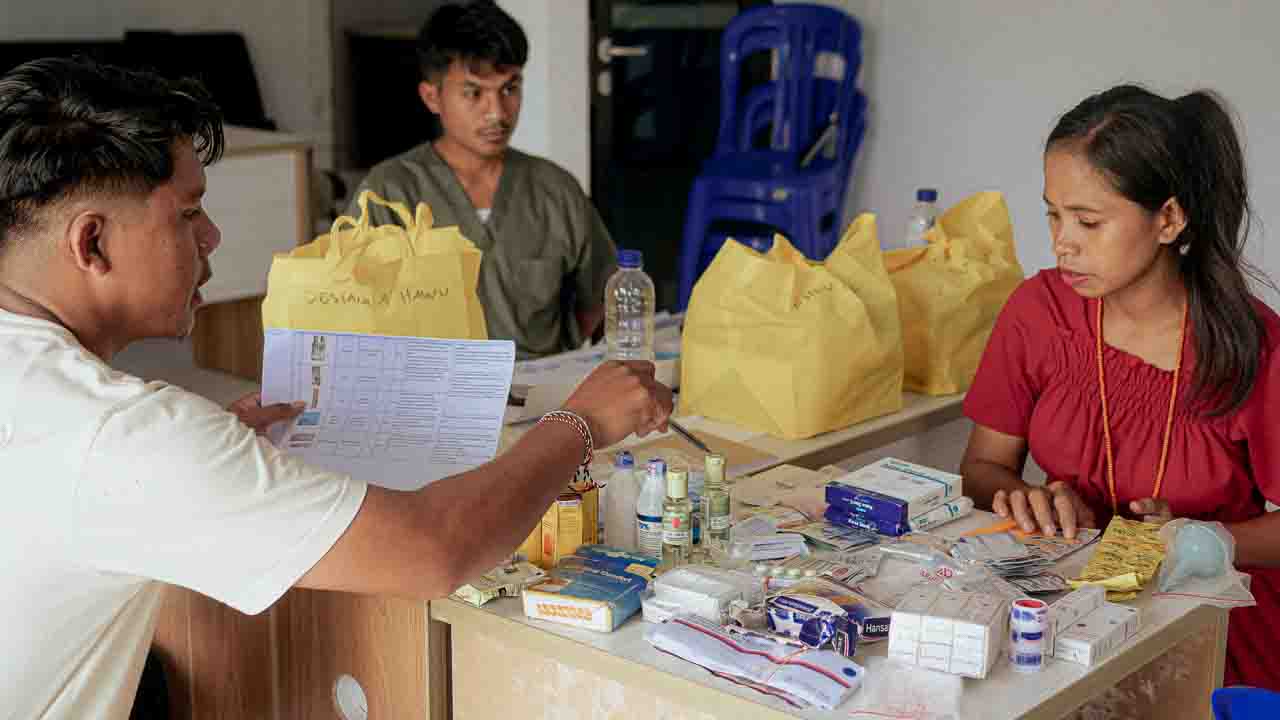
Early detection is just as powerful. A trained community health agent, equipped with a basic medical kit, can recognise pneumonia, malaria, or infected wounds days before they become critical. Antibiotics given early prevent septic shock. Rapid malaria tests allow treatment before complications develop. These small actions change the trajectory of disease.
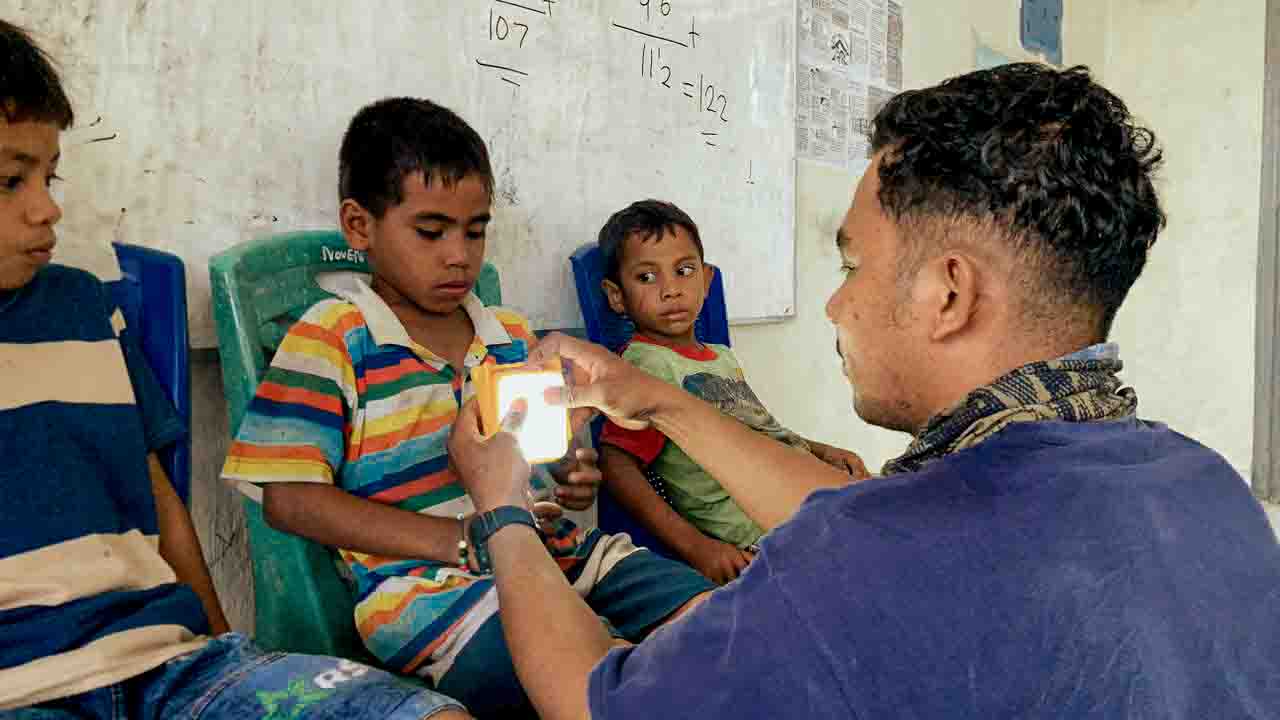
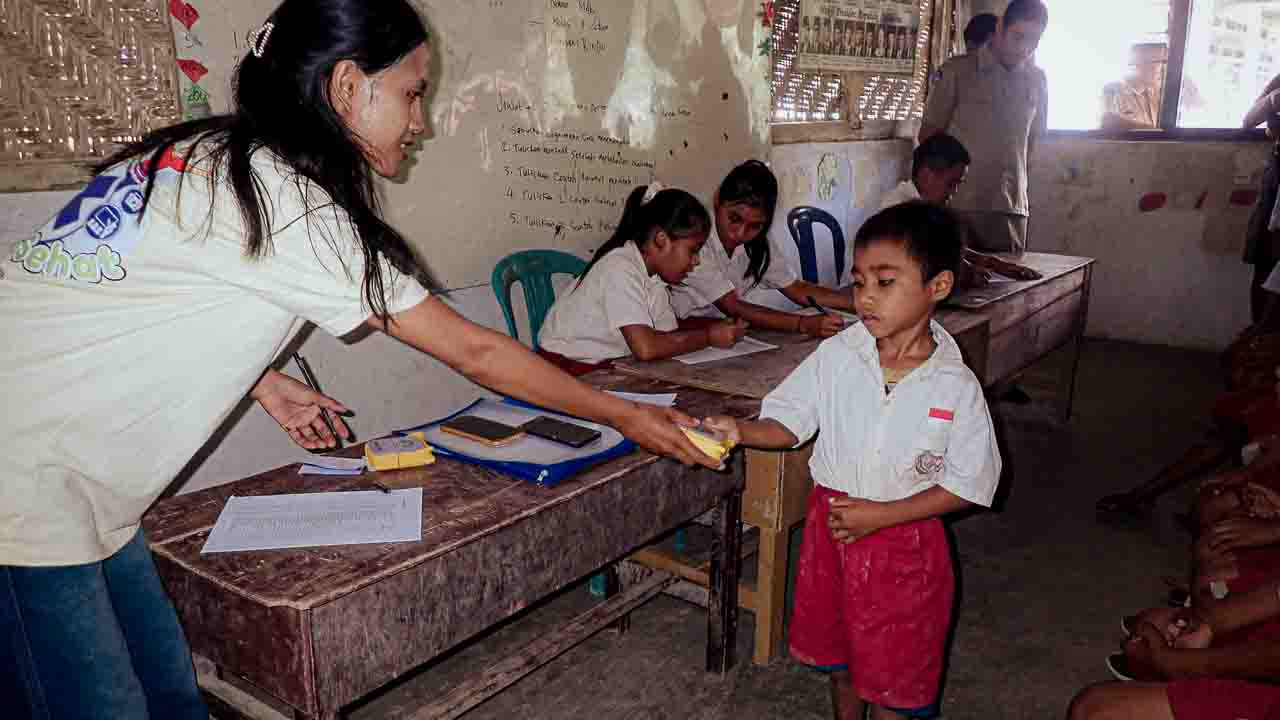
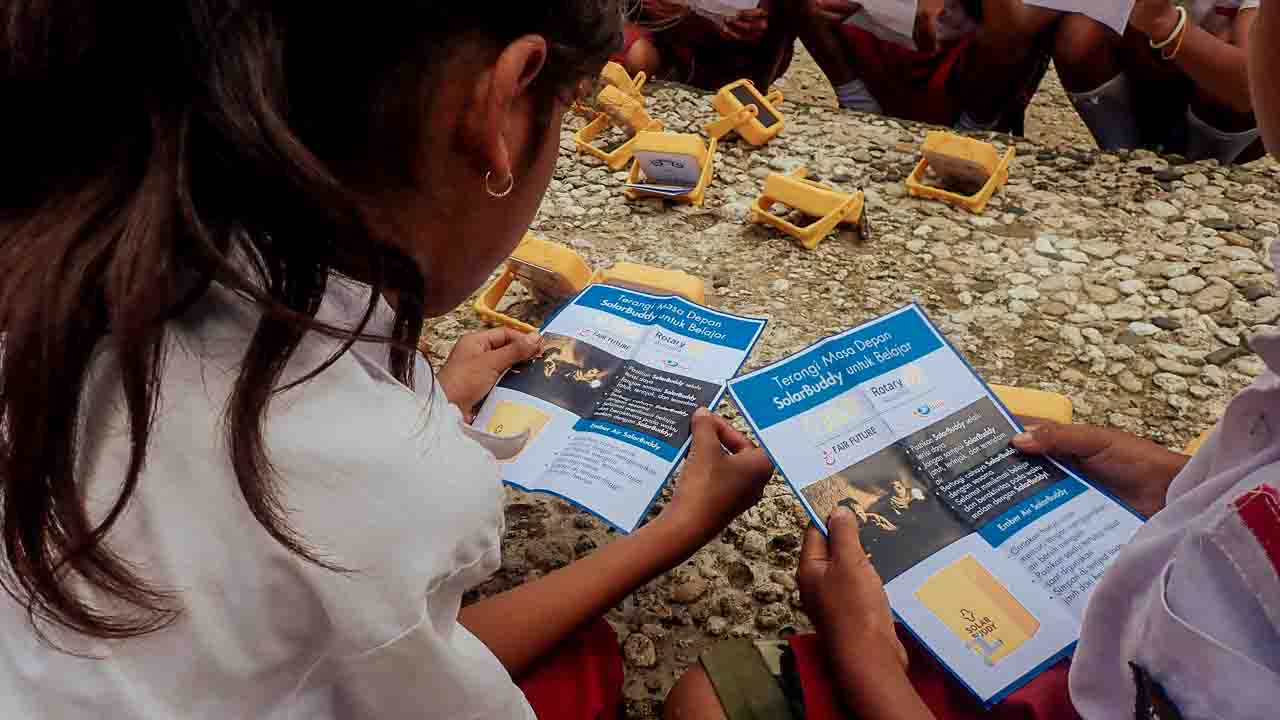
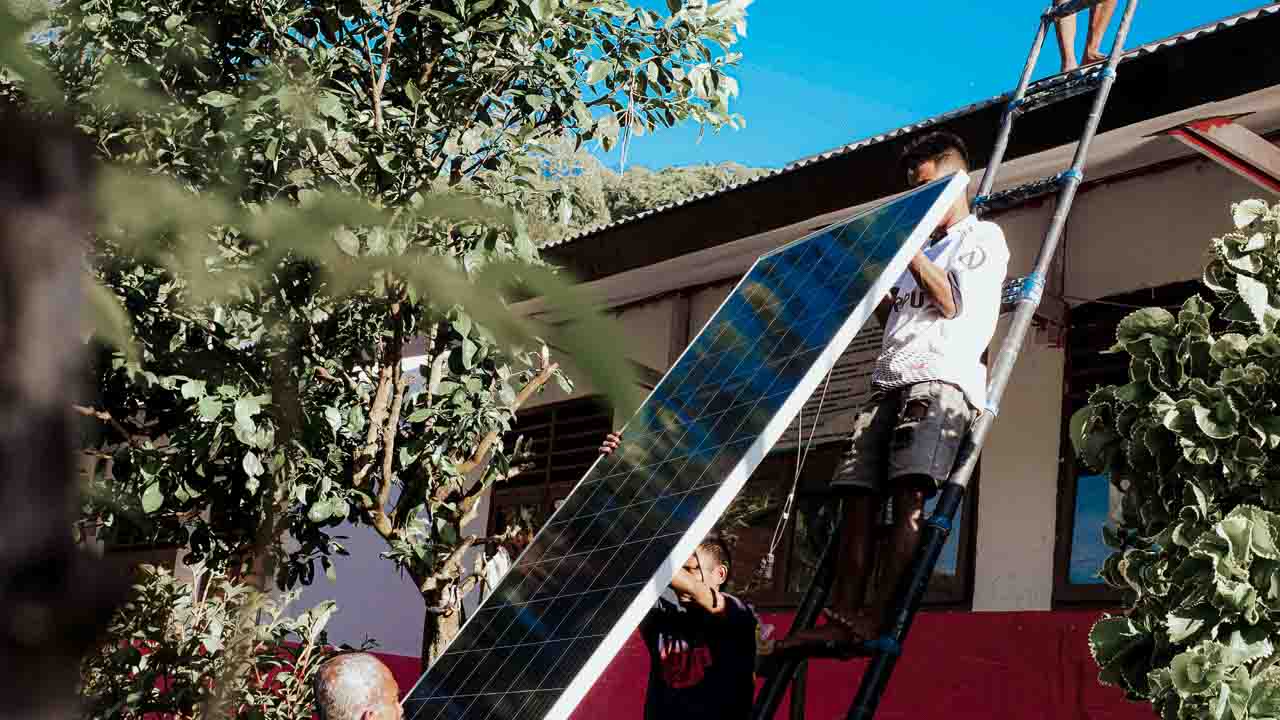
Access itself is a determinant of survival. A road that allows a motorbike to reach a remote village shortens the time between symptoms and treatment. Solar light in a school allows children to study after sunset, strengthening education that later influences nutrition, hygiene, and health literacy. The determinants of health are biological, but they are also social and infrastructural.
Seen from the ground, these interventions are not separate projects. Clean water systems, malaria prevention, primary medical care, electrification, and education form a single preventive architecture. Together they reduce infections, detect disease earlier, and strengthen communities before illness becomes irreversible.
In forgotten regions of the world, medicine rarely begins with a stethoscope. It begins with clean water flowing from a reservoir. With a mosquito net protecting a child through the night. With light in a classroom. And with someone in the village trained to listen when the first symptoms appear.
Today, the 4th of March 2026 – Alex Wettstein
In Short – Prevention Saves More Lives
A reservoir can prevent hundreds of infections every year. A mosquito net protects a child for five years. A trained health agent detects disease days earlier. Prevention is not secondary medicine. In many regions, it is the foundation that determines whether patients survive.
How Health Is Built Before Illness Appears
List of Related Organisations with Hyperlinks
- World Health Organisation – Social Determinants of Health Framework: The World Health Organisation explains how water, education, housing, and access to care shape population health outcomes worldwide.
- UNICEF – Water, Sanitation and Hygiene for Child Health: UNICEF develops global programmes to improve access to safe water and sanitation, key measures for preventing infections and protecting children in rural communities.
- The Global Fund – Fighting Malaria and Strengthening Health Systems: The Global Fund supports large-scale programmes to combat malaria and strengthen health systems in vulnerable regions where prevention is critical.
- Malaria Partners International – Community-Based Malaria Prevention: Malaria Partners International supports community-based malaria prevention initiatives through mosquito net distribution and local health programmes in endemic regions.
- PATH – Global Health Innovation and Disease Prevention: PATH develops global health solutions to improve access to prevention, diagnostics and treatment for infectious diseases in underserved populations.
- Bill & Melinda Gates Foundation – Global Health and Disease Prevention: The Gates Foundation funds major programmes targeting malaria, infectious diseases and preventive health strategies across the developing world.
- SolarBuddy – Solar Lighting for Children Without Electricity: SolarBuddy provides solar lamps to children living without electricity, improving education and safety in communities such as those in East Sumba.
- Rotary International – Global Humanitarian and Health Programs: Rotary International supports international projects focused on clean water, disease prevention and community health development.