


Sepsis in Rural Indonesia. A Preventable Collapse
What we witness daily in villages without access to care
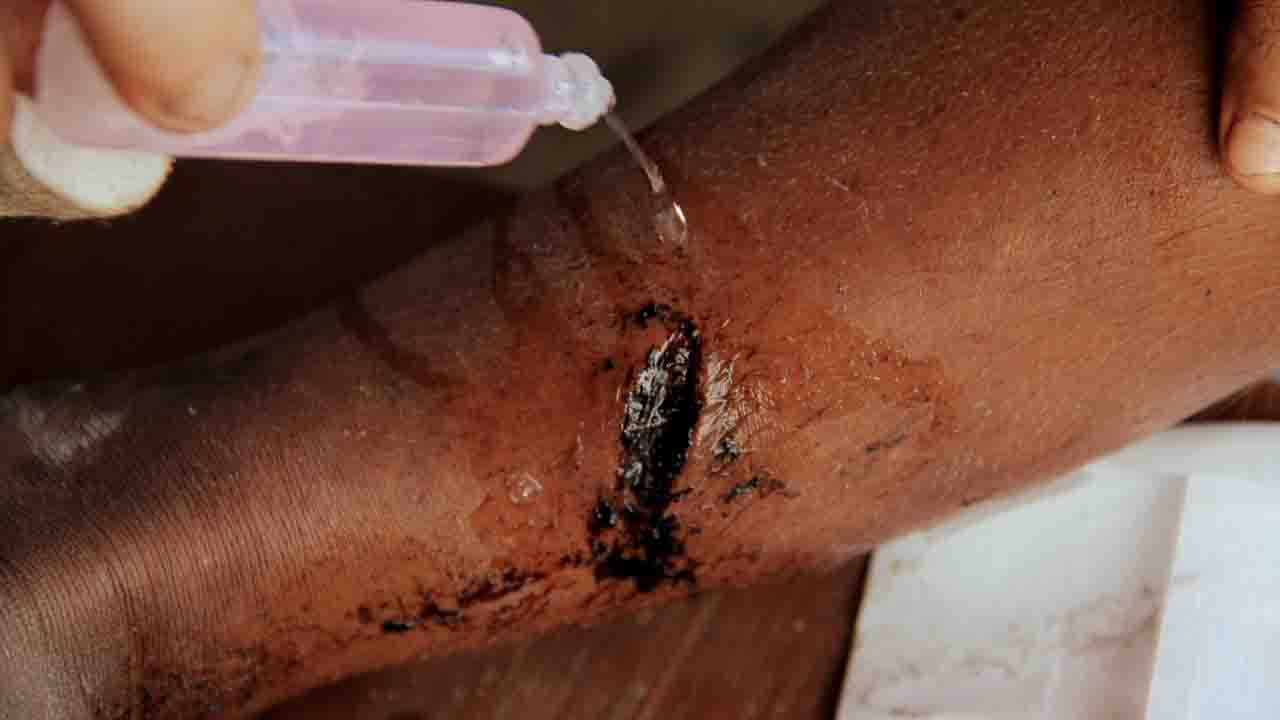
Early treatment of wounds and skin infections in ultra-rural Indonesia prevents severe infections and progression to sepsis through primary medical care.
What We See, What We Stop, What Still Kills.
Where we work, in the extreme east of Indonesia, sepsis is not an abstract diagnosis. We see it. We carry it. We arrive too late for some and just in time for others. A small infected wound. A fever ignored for days. A childbirth without clean water. These are ordinary situations here. They are also the beginning of septic shock.
Medically, sepsis is a life-threatening failure of the body to control an infection. The immune response spirals out of control, organs begin to fail, blood pressure drops, and death can occur rapidly. Globally, sepsis affects tens of millions of people every year and remains one of the leading causes of death from infection, according to international estimates referenced by the World Health Organisation. In ultra-rural regions like East Sumba, it is largely invisible. Not because it is rare, but because it is not counted.
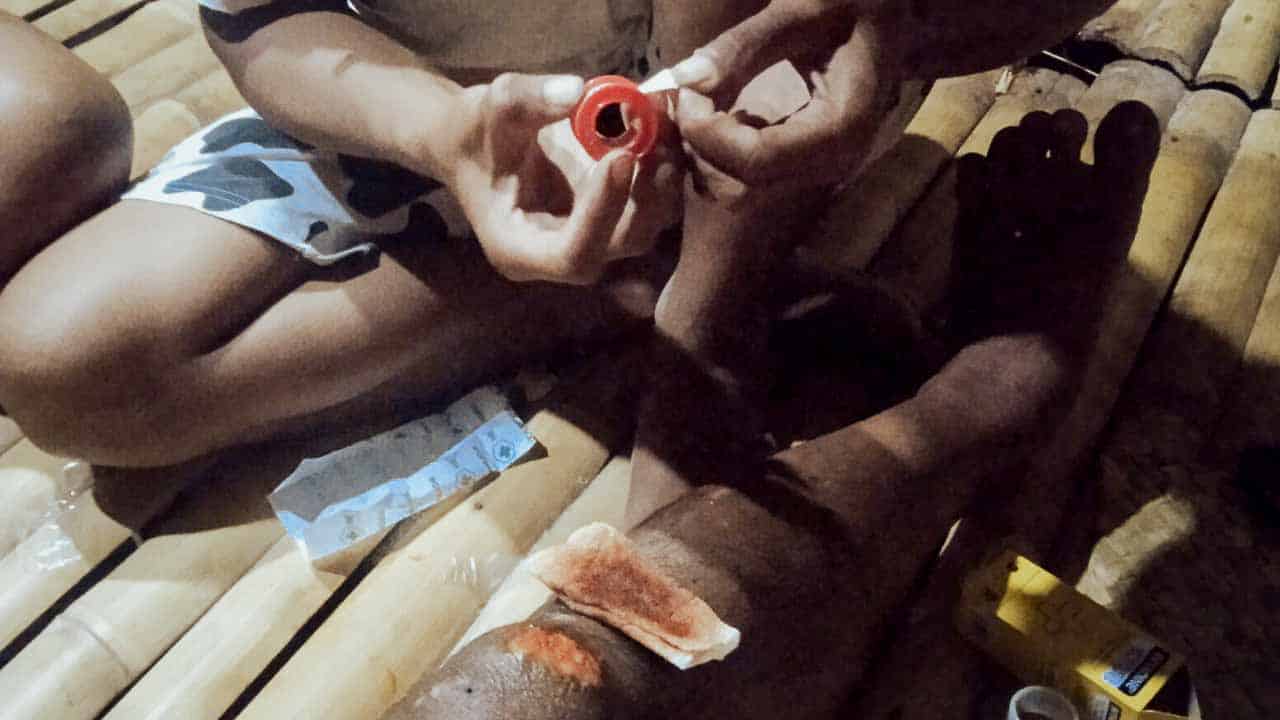
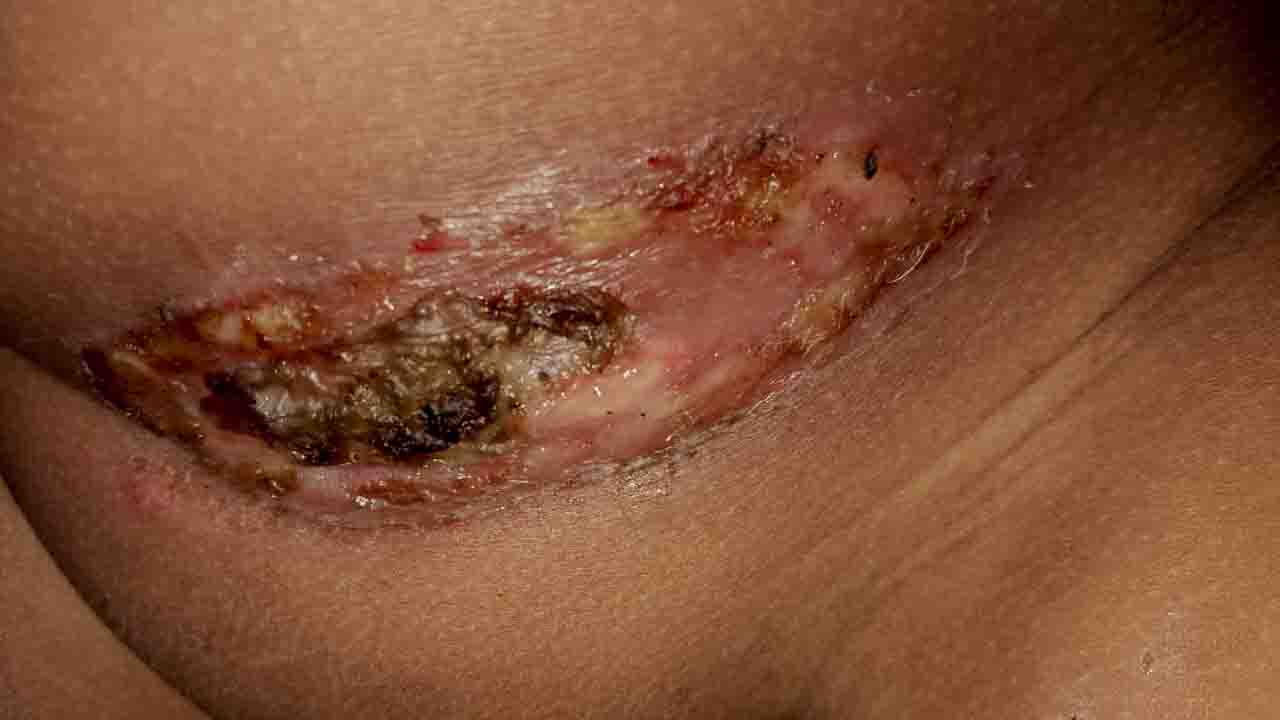
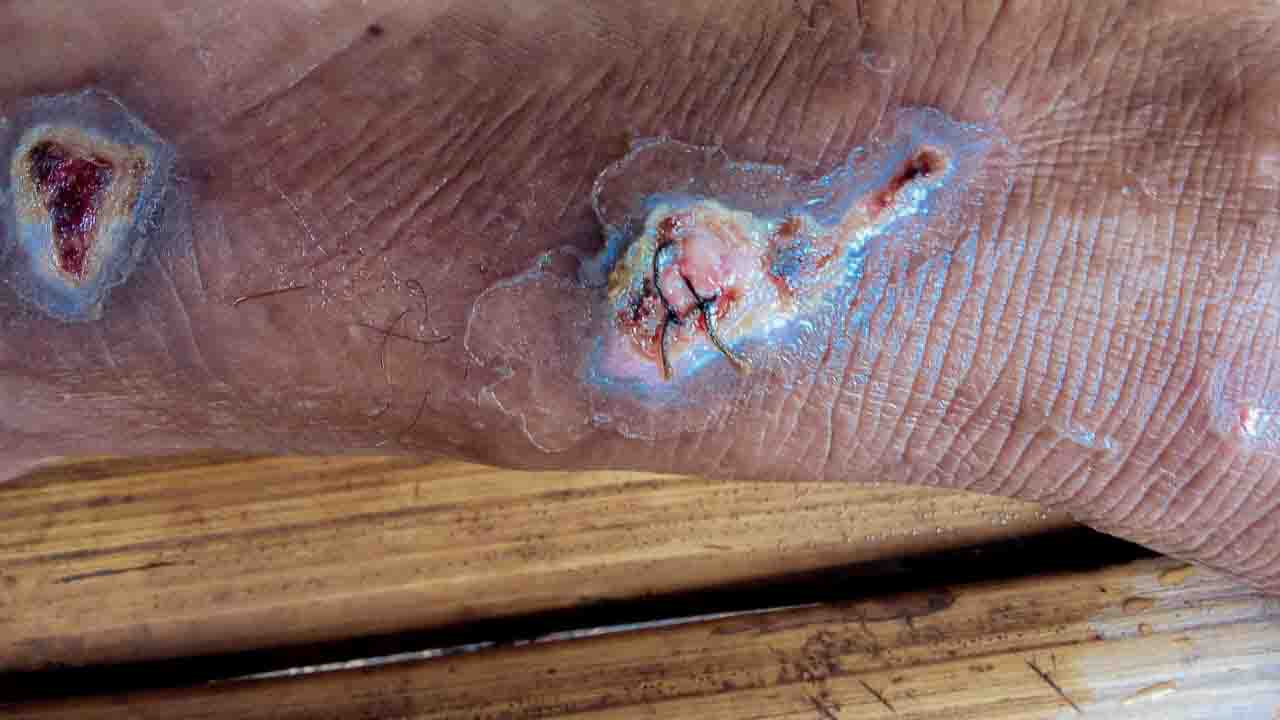
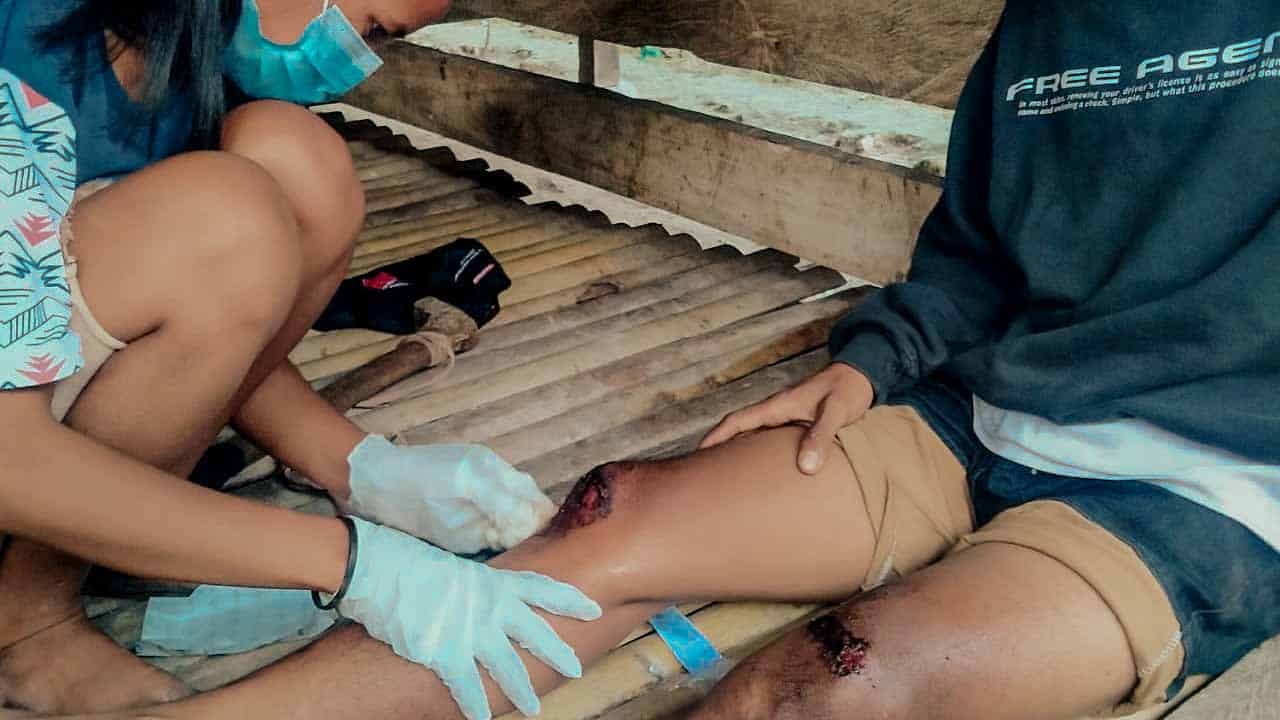
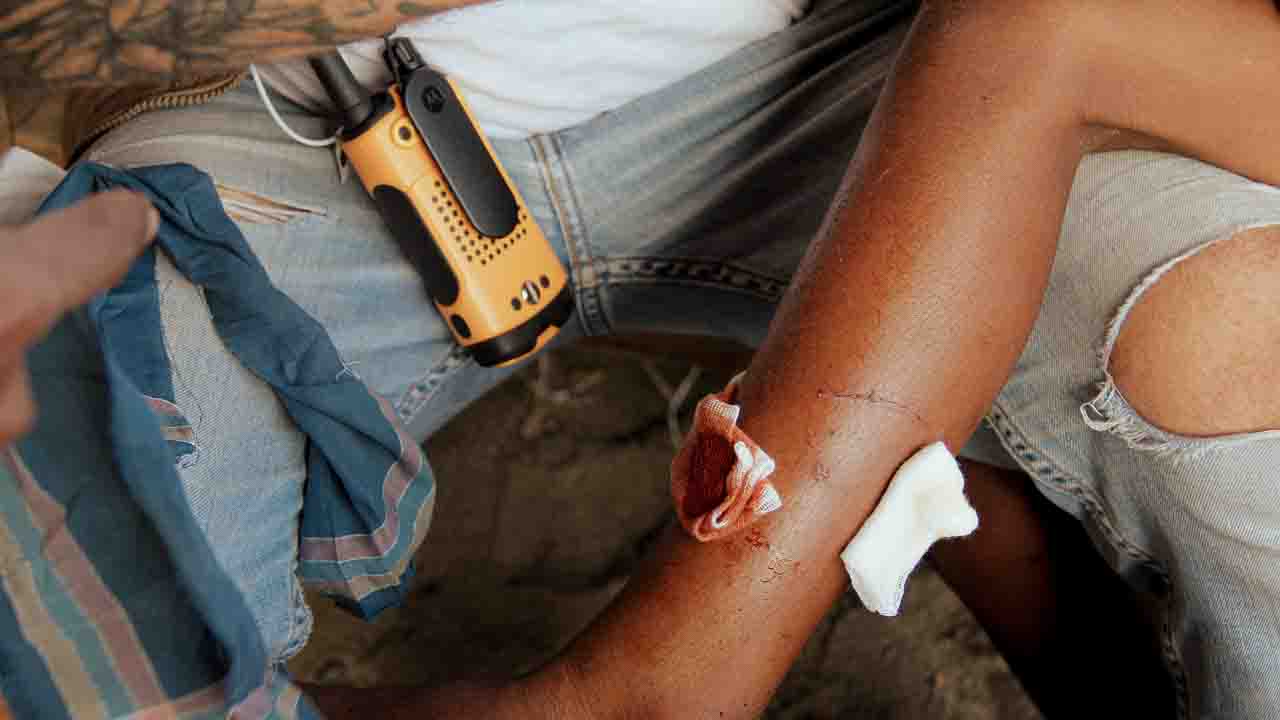
At Fair Future, we encounter sepsis regularly. Not as a statistic, but as a consequence. Infected cuts that were never cleaned. Skin infections left untreated. Respiratory infections that worsened silently. Diarrheal diseases linked to unsafe water. Dental abscesses. Animal bites (dogs or snake bites). Post-partum infections. These are the daily sources of sepsis in villages without access to care.
People arrive late because everything pushes them to do so. There is no nearby clinic. Roads are broken or impassable. Transport costs more than a family can afford. There is no insurance. No cash. No safety net. Illness is endured until collapse.
The early signs of sepsis are there, but rarely recognised. Fever or sudden chill. Confusion. Extreme fatigue. Rapid breathing. Pain that does not match the injury. Wounds that do not heal. These symptoms are normalised until the body gives up.
When hospitals are reached, they are often overwhelmed. Patients arrive in advanced septic states. Antibiotics may be limited. Monitoring is minimal. Hygiene is insufficient. Hospital-acquired infections are not rare. Survival becomes uncertain.
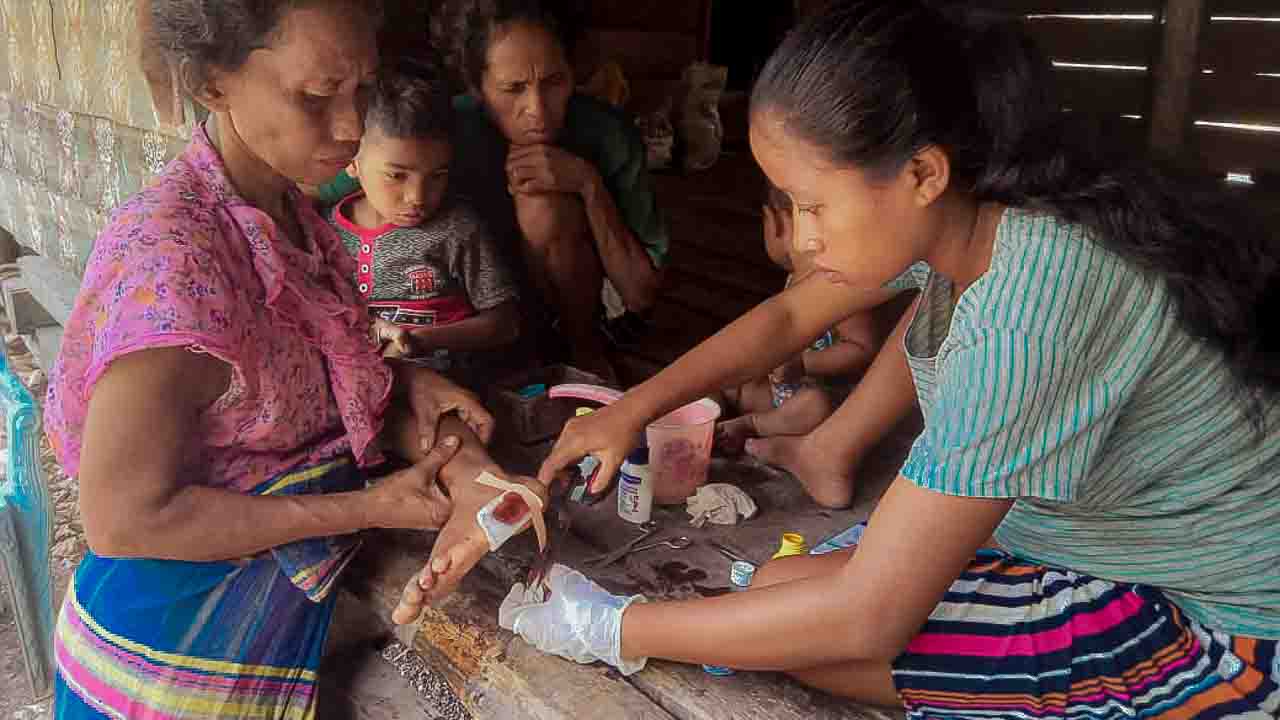
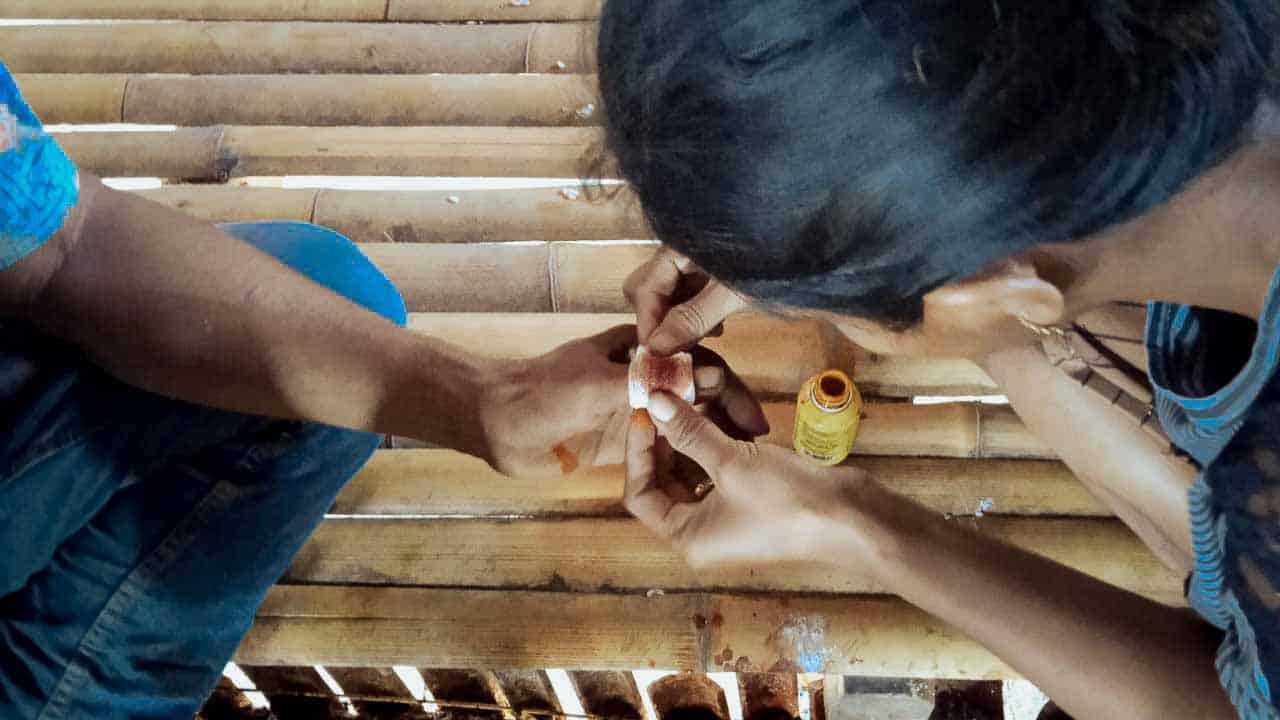
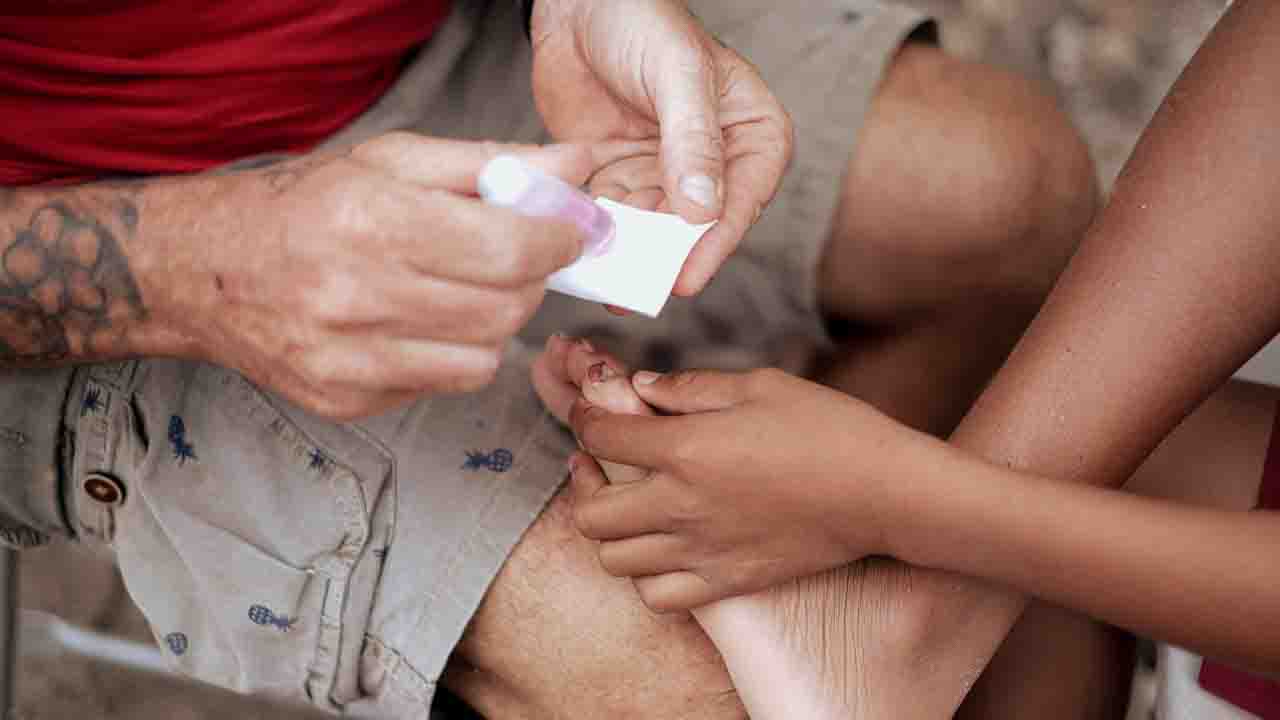
This is exactly why we created the Primary Medical Care programme nearly four years ago. To stop infections before they become fatal. To intervene early, locally, and continuously. Our Kawan Sehat health agents are at the heart of this work. They clean wounds. Treat infections early. Recognise danger signs. Refer patients before collapse. Every infection treated in time is a case of sepsis avoided.
Today, hundreds of patients are treated each month through this programme. Many would otherwise progress to severe infection, organ failure, or death. This is not a theory. This is prevention in action.
Sepsis in ultra-rural regions is not inevitable. It is the result of delayed care, poor access, and systemic neglect. With training, clean water, basic medicines, and proximity, it can be prevented. Sepsis is a medical emergency, but it is also a marker of inequality. When care arrives early, sepsis often does not occur.
Today, the 9th of February 2026 – Alex Wettstein
In Short – Sepsis. When an infection makes the body fail
Septicemia refers to the spread of infection into the bloodstream. Sepsis, or septic state, begins when the body reacts uncontrollably, causing organ dysfunction and collapse. In ultra-rural settings, this transition happens fast. Early primary medical care stops infections before they reach this critical stage.
Primary medical care against severe infections
List of Related Organisations with Hyperlinks
- World Health Organisation: Provides global guidance on the early recognition, prevention, and treatment of sepsis in low-resource settings.
- UNICEF: Works to improve access to clean water, maternal health and infection prevention in vulnerable communities.
- Médecins Sans Frontières: Delivers emergency care for severe infections and septic shock in fragile health systems.
- CDC Sepsis Information: Provides clinical insights into early sepsis recognition and outcomes.
- Global Sepsis Alliance: Advocates for global awareness and prevention of sepsis.