

Annual Report 2025 Field Results
A decisive year documented in full
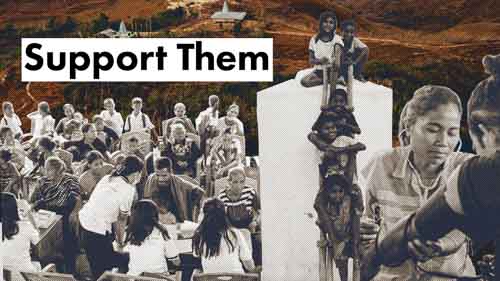
Major achievements of 2025 in East Sumba, including primary medical care, malaria prevention, water infrastructure and school electrification, are documented in the Annual Report 2025.
Documenting action with precision.
Today, we are making our Annual Report 2025 publicly available in English and in French. It is always a significant moment for us. This year, we completed it early. Amid reduced global funding and increasing fragility in rural areas, documenting our work precisely matters more than ever.
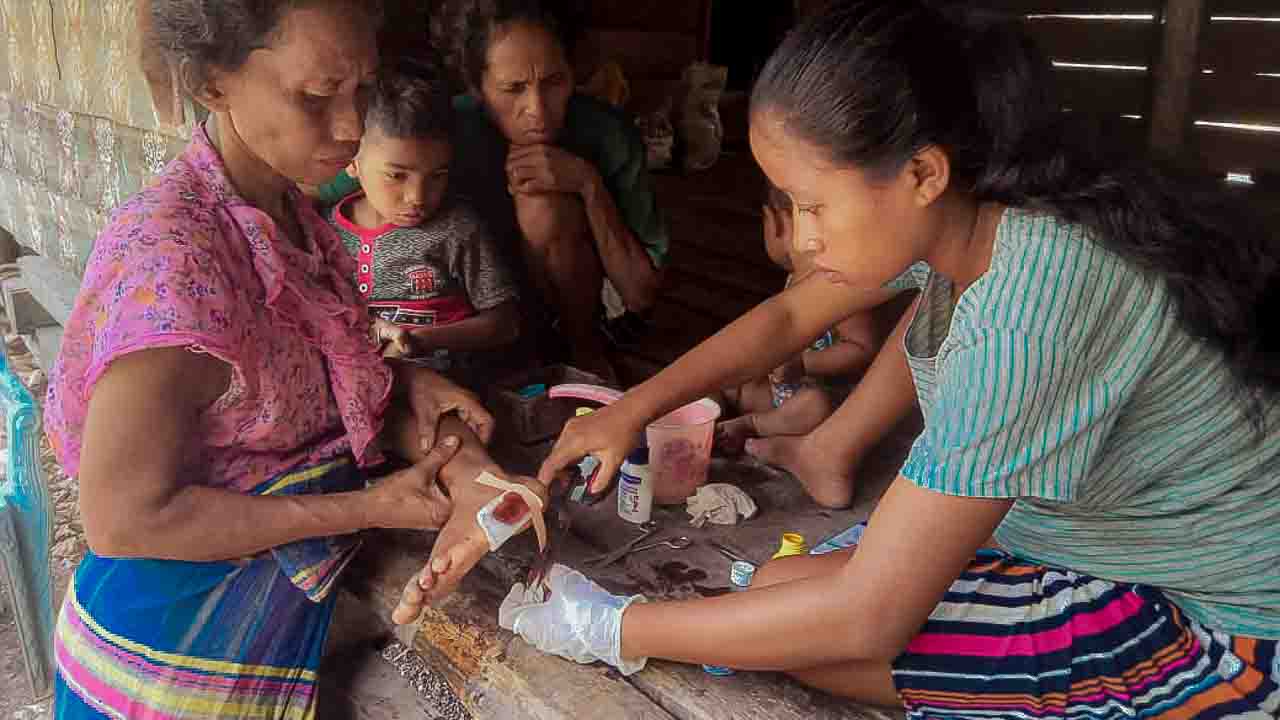
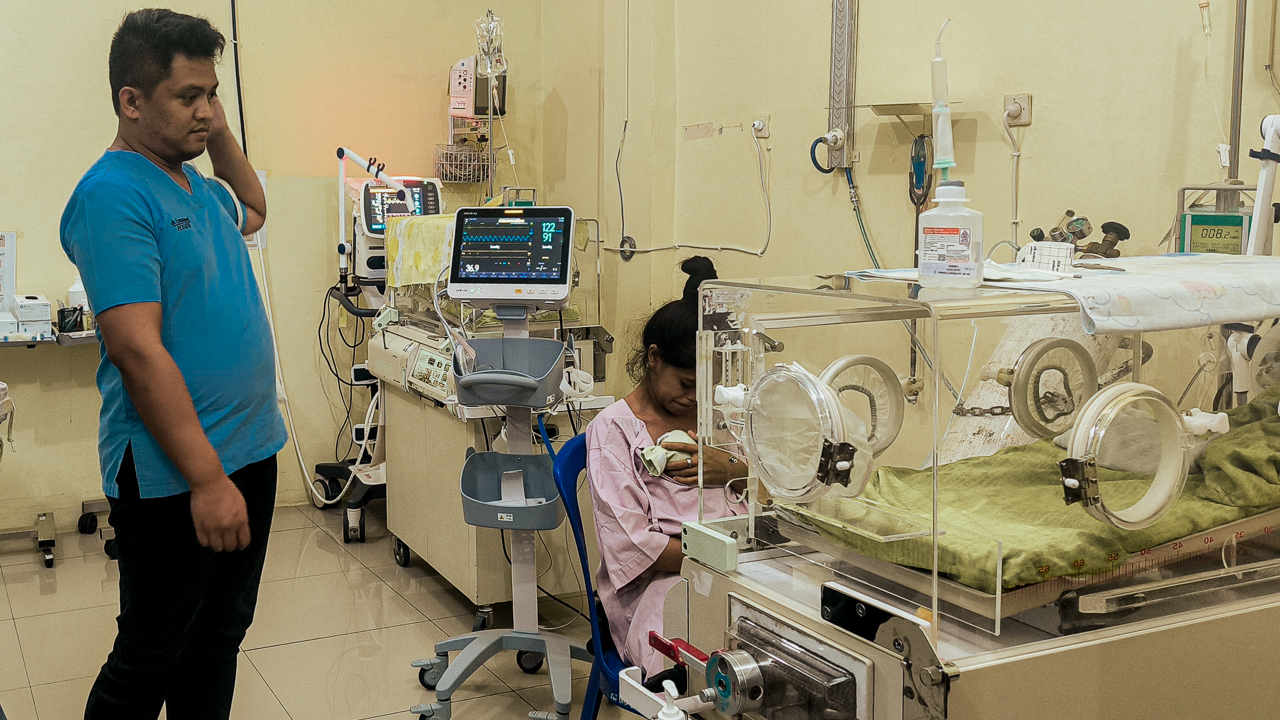
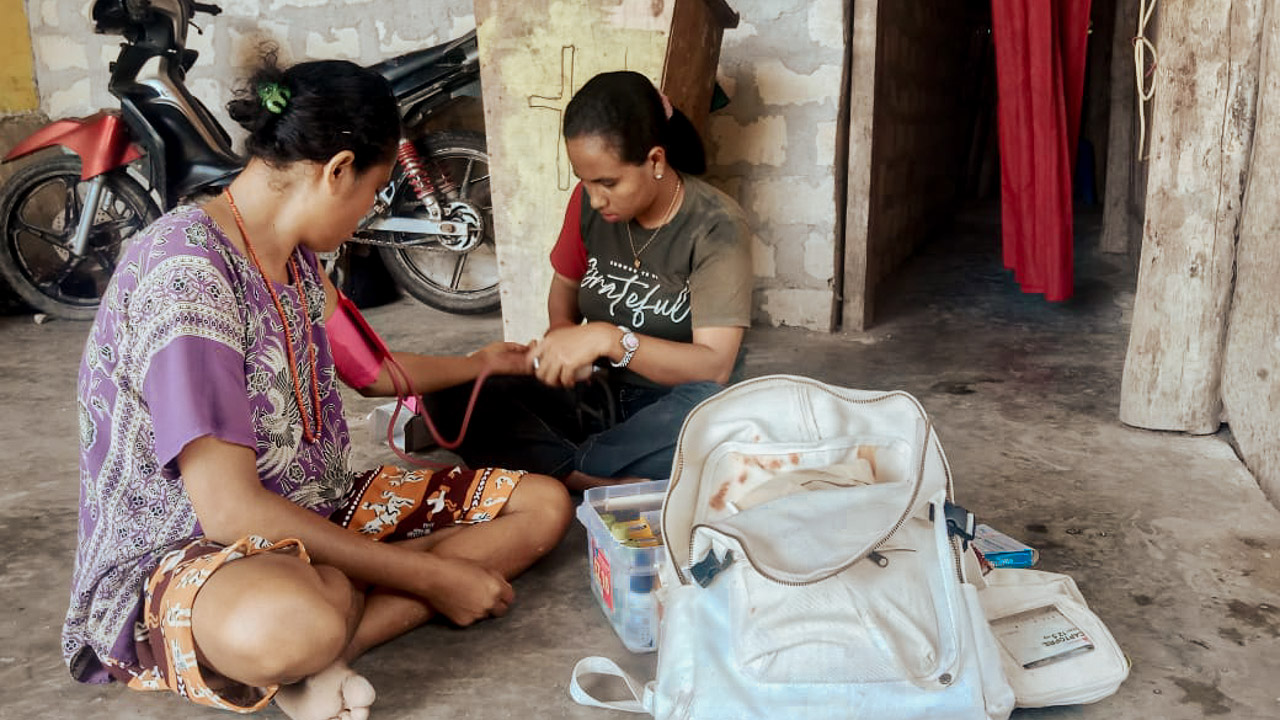
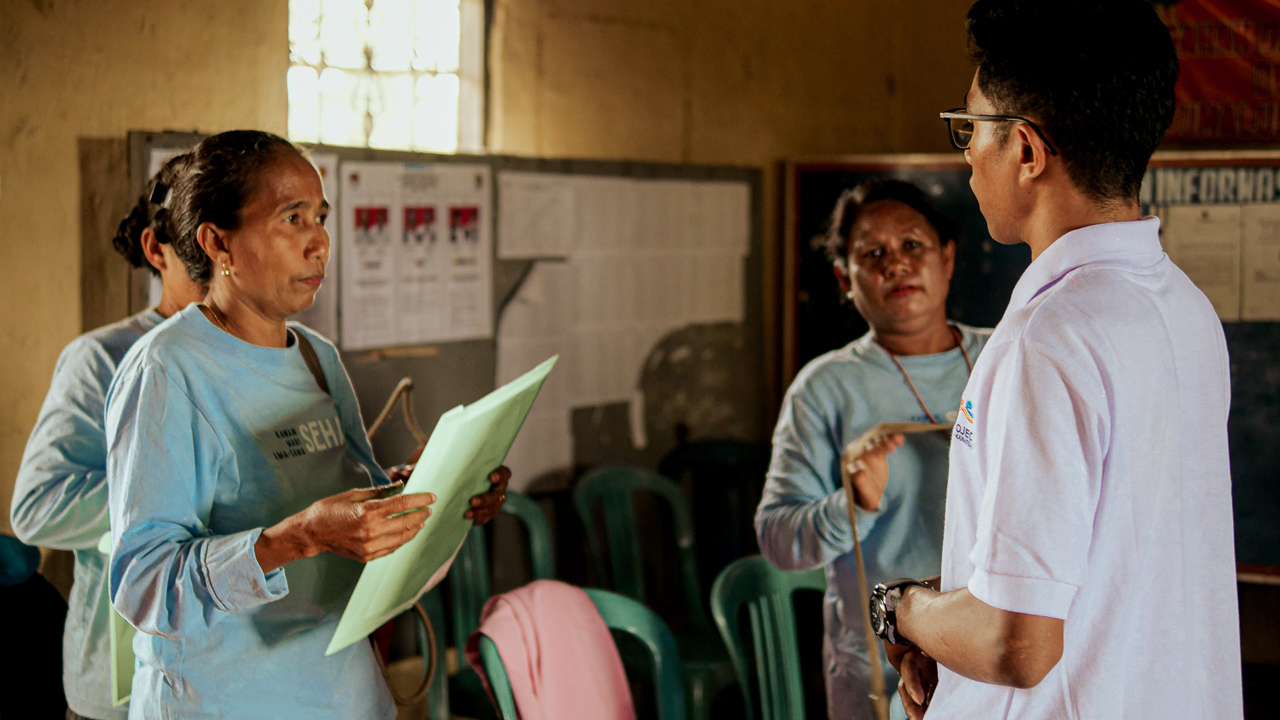
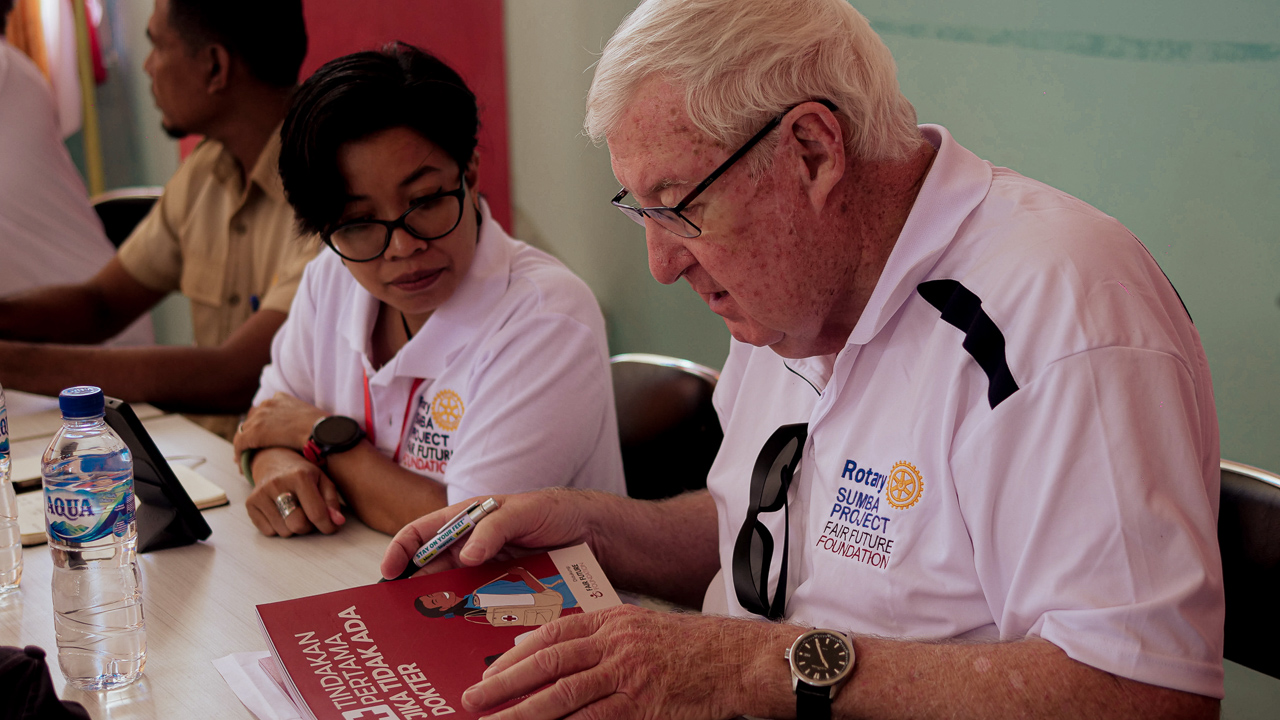
2025 was a year of consolidation and scale. Through the Primary Medical Care programme, more than 13,000 consultations and treatments were delivered in villages without permanent doctors. Twenty-one Kawan Sehat health agents continued to provide structured, supervised care. Antibiotic protocols were reinforced to prevent septic complications. Every case was documented. Every referral was tracked.
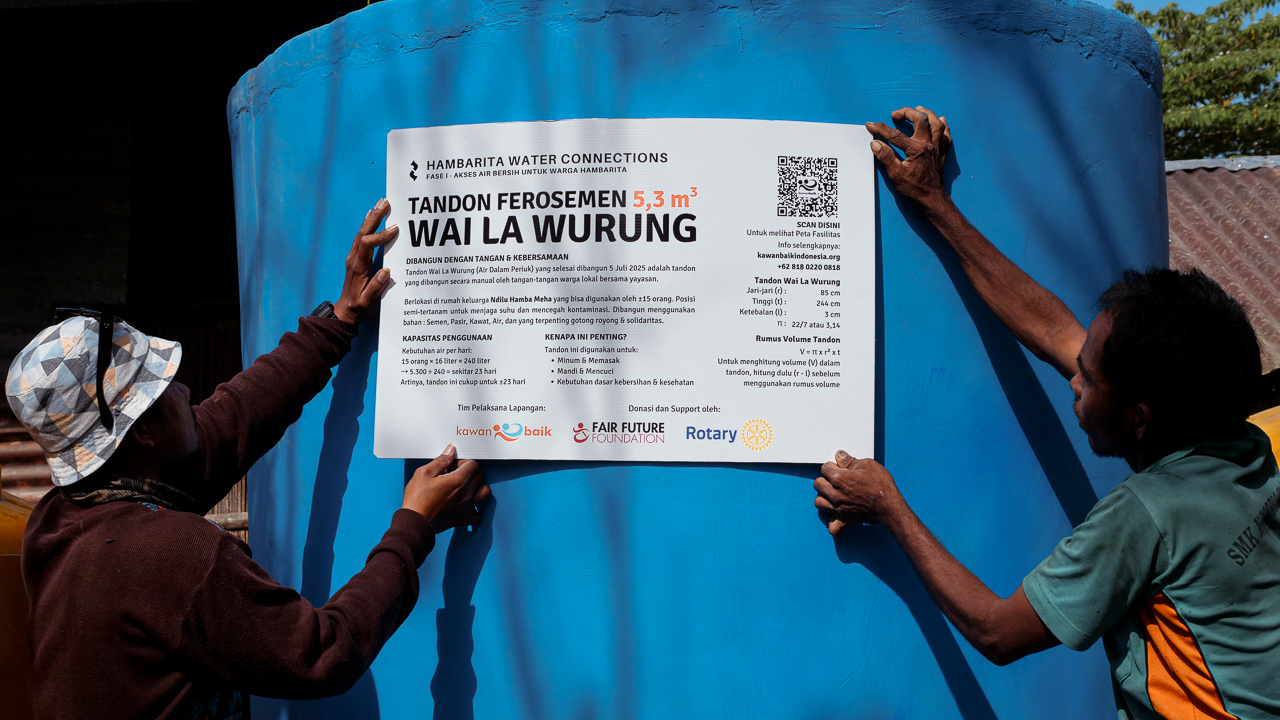
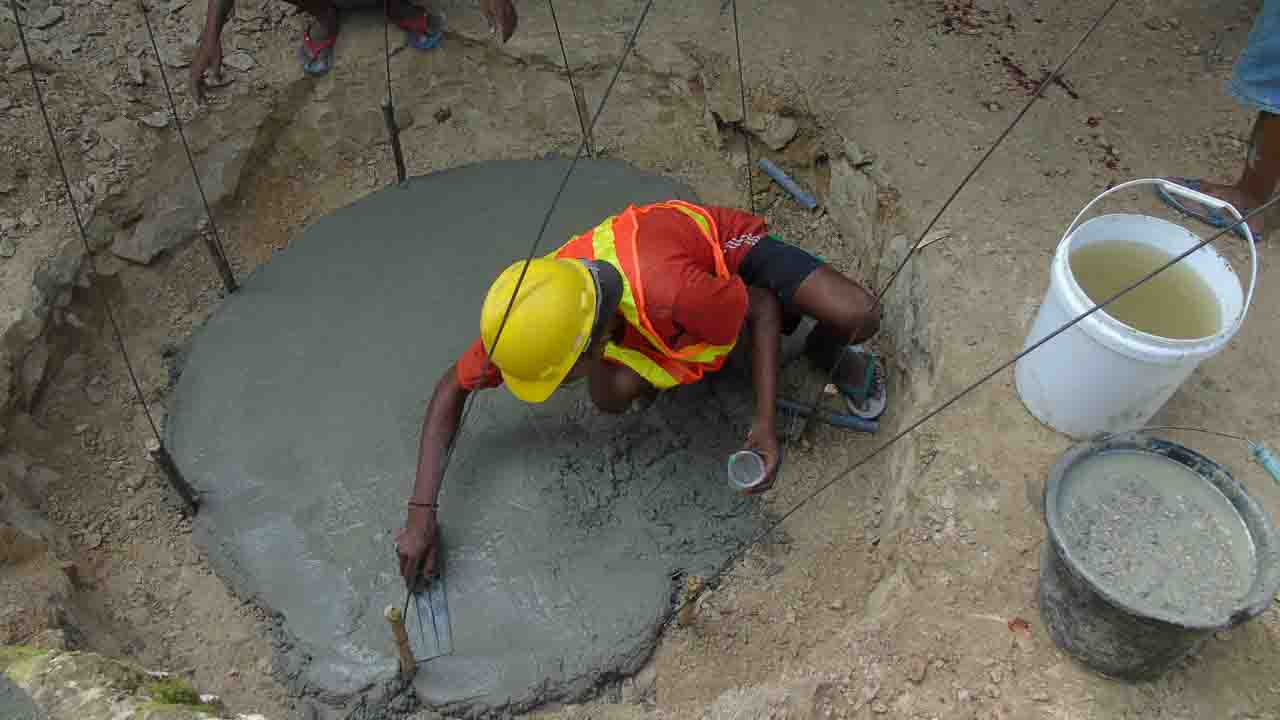
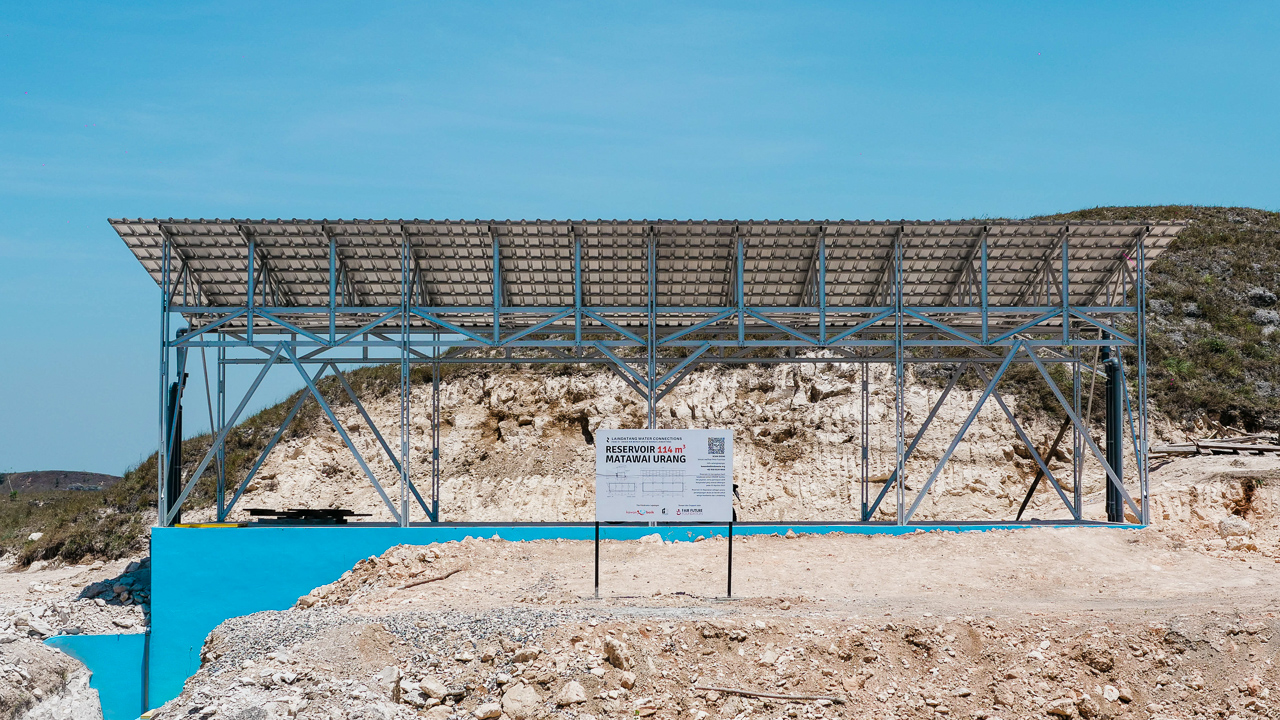
Water security progressed significantly. Across multiple sites, we secured 350,000 litres of clean water storage for communities facing prolonged dry seasons. In Laindatang, the 114.5-cubic-metre gravity-fed reservoir became operational. In Hambarita, ferrocement tanks strengthened household access to safe water. Infrastructure here is not abstract. It determines survival during drought.
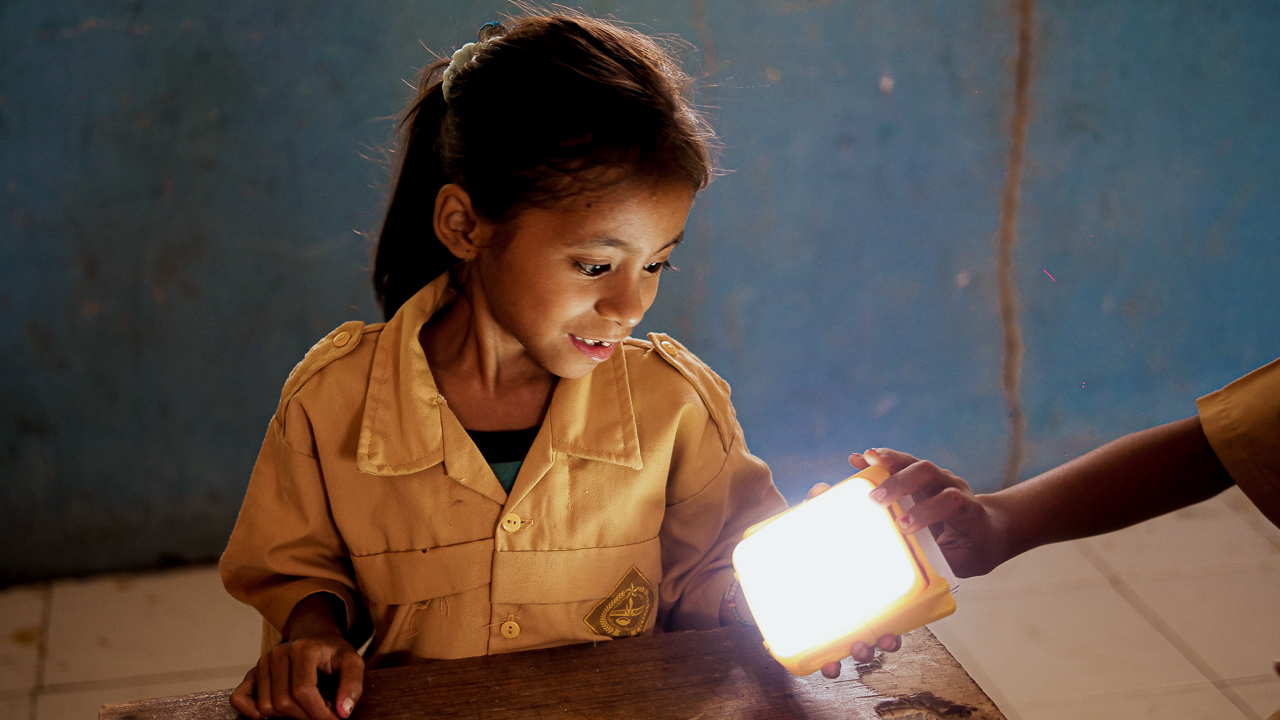
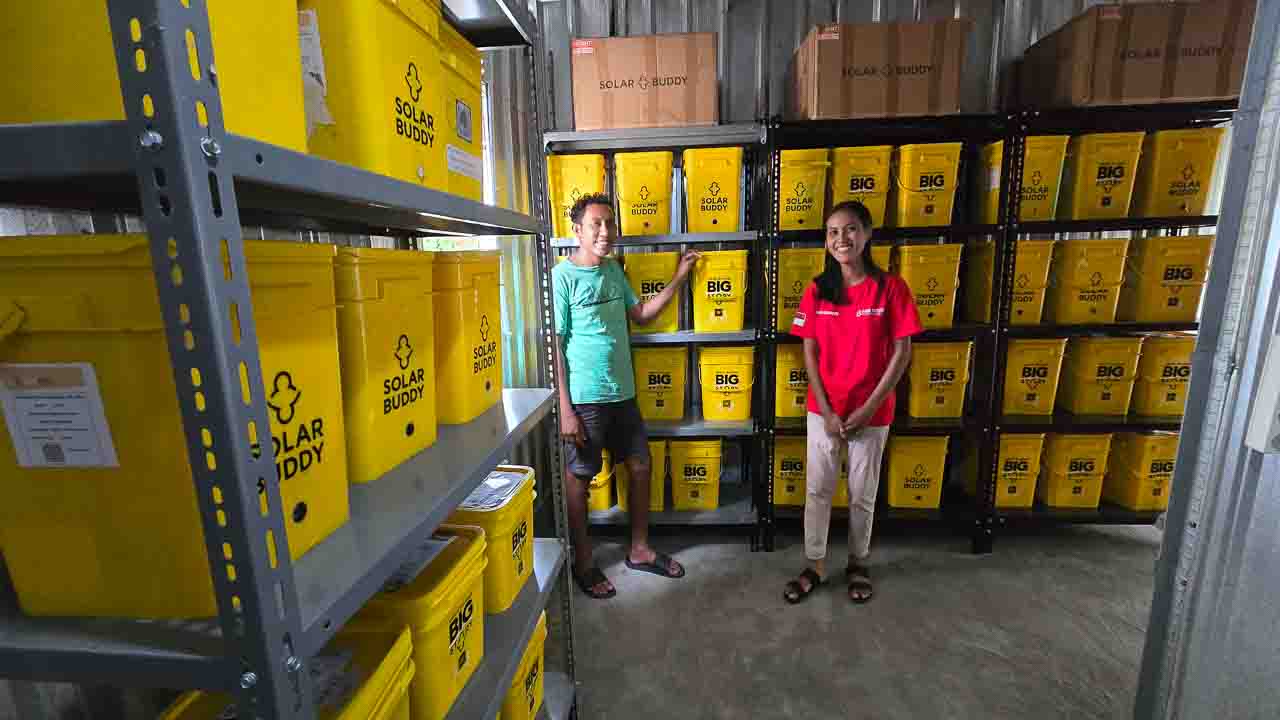
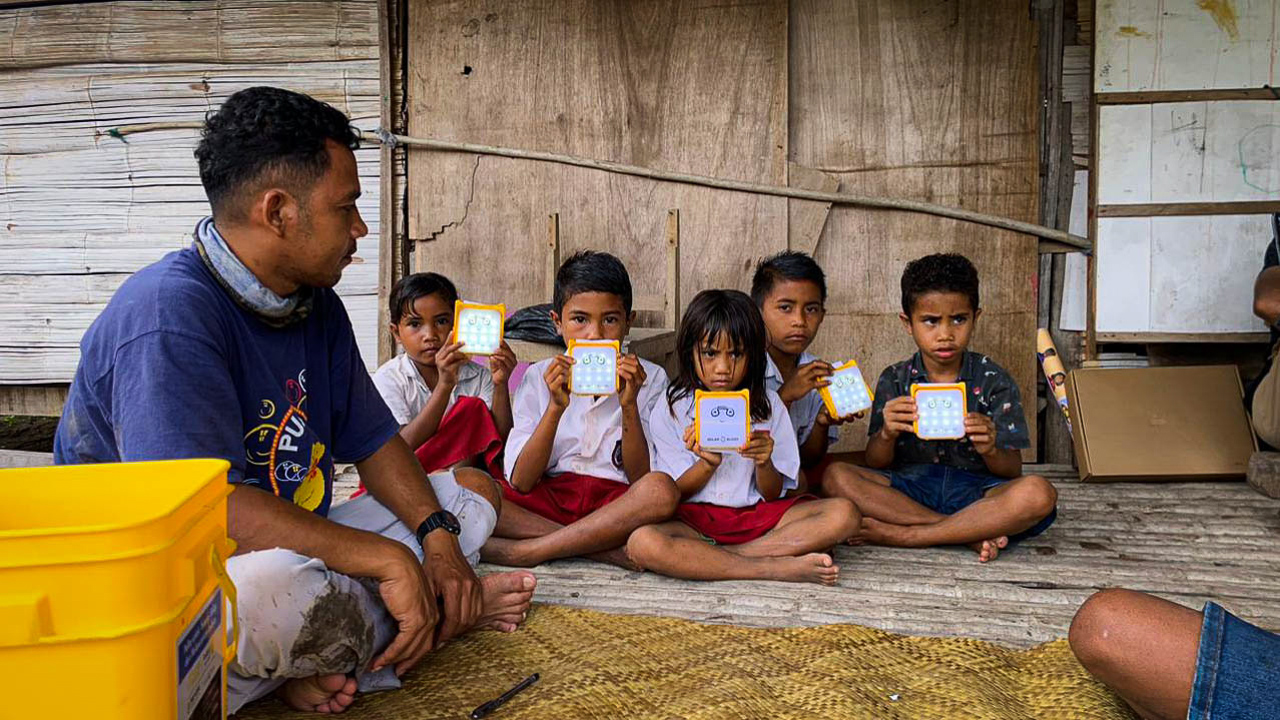
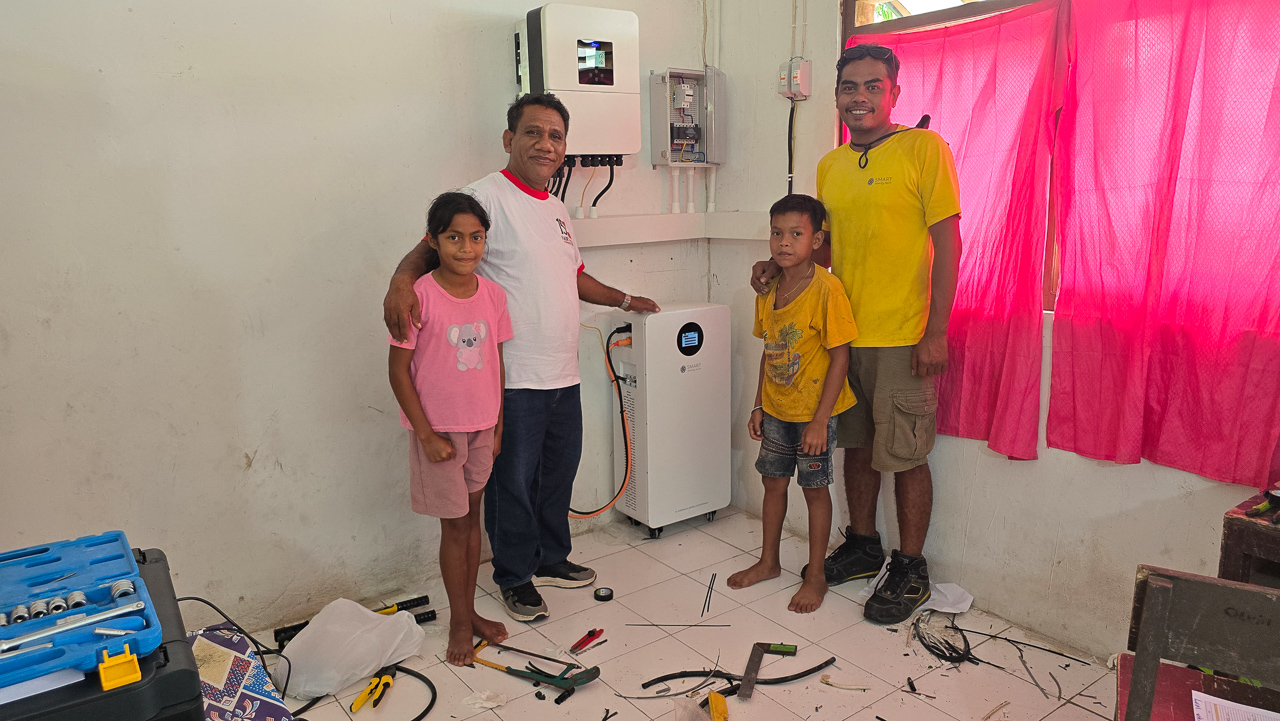
Energy access expanded. Between 3,000 and 4,000 children now have access to solar lighting for study and safety, including SolarBuddy Junior lamps. SDN Mbajik school was fully electrified through a solar installation that benefits students, teachers and nearby families.
Malaria work followed a clear medical logic in two distinct phases. First, a comprehensive baseline study was conducted in a highly endemic region. This was scientific field research analysing environmental exposure, transmission dynamics, diagnostic gaps and community knowledge. The data provided a structured understanding of the disease burden.
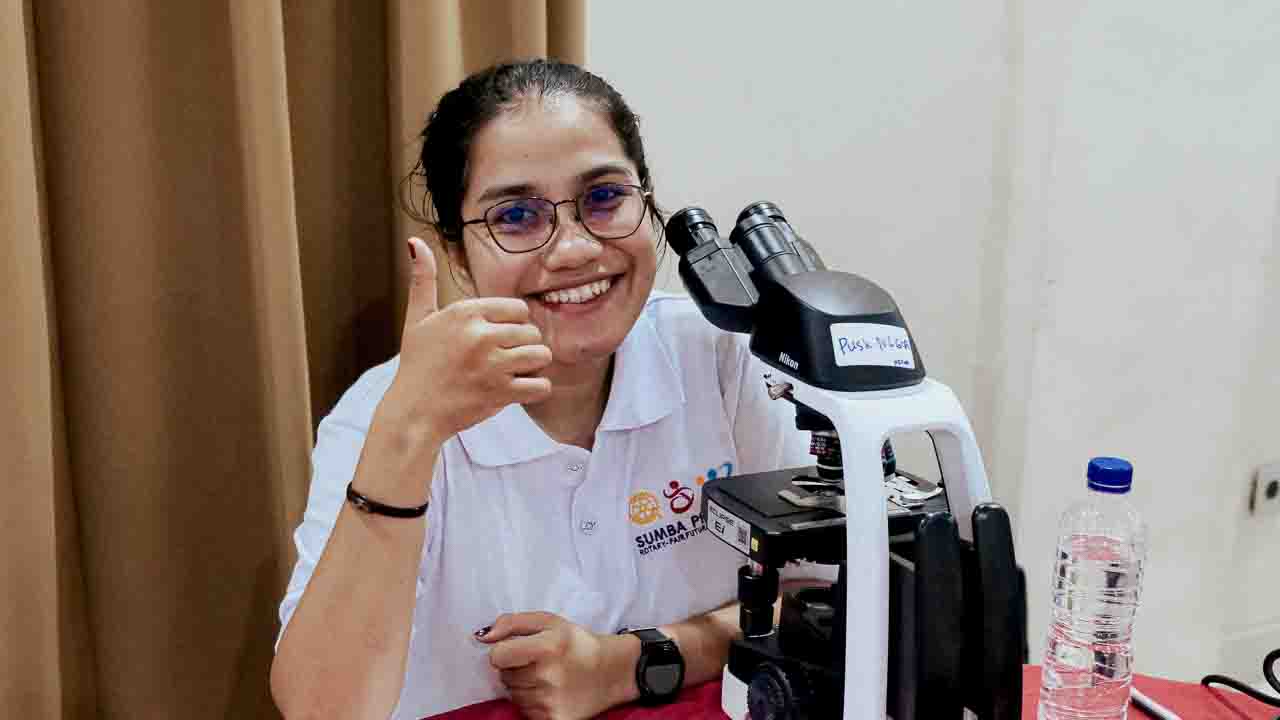
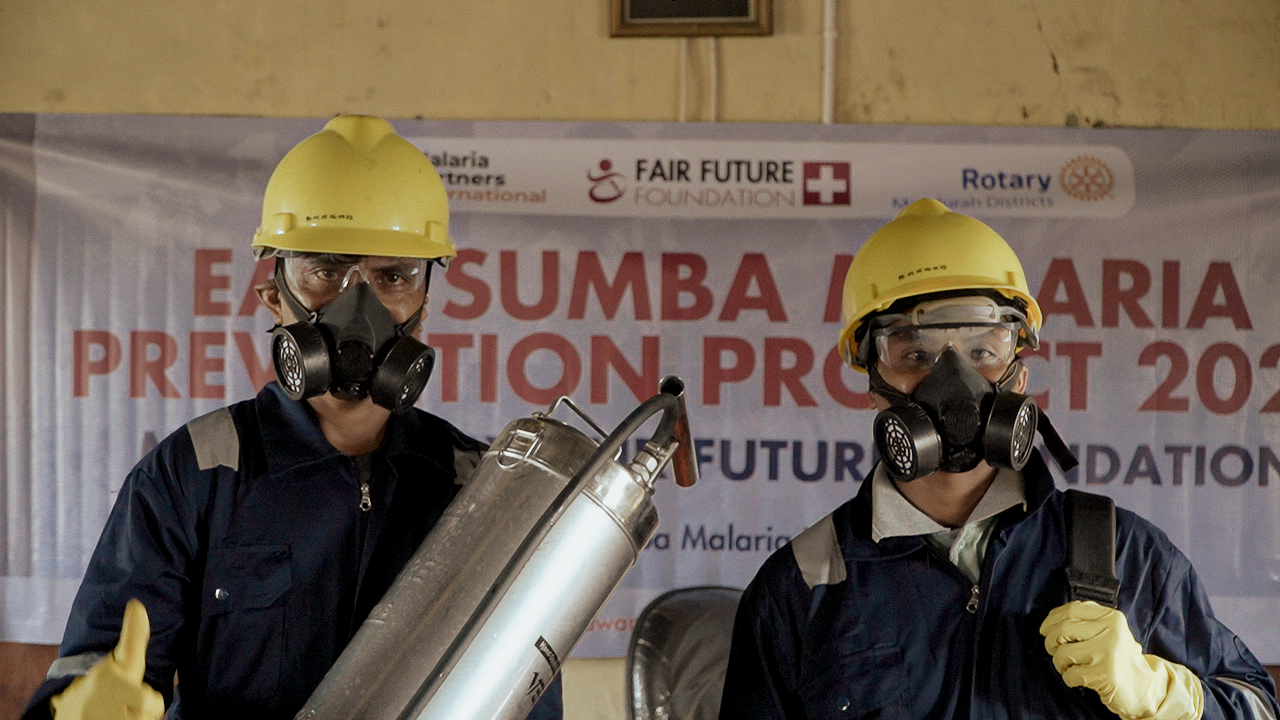
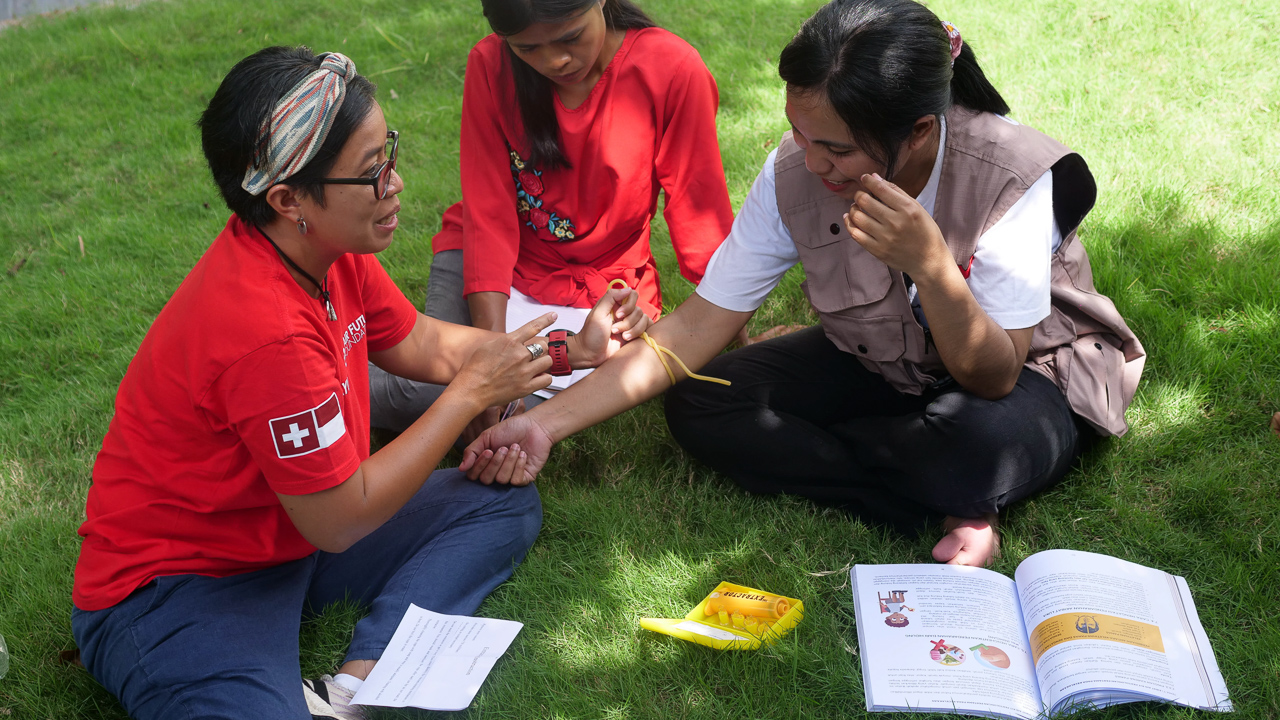
Second, the East Sumba Malaria Project deployed operational prevention measures. Giant educational billboards were installed, microscopy training strengthened diagnostic accuracy, full training days were conducted in multiple villages, and indoor residual spraying was implemented. The objective was practical: to reduce transmission and improve early-detection capacity at the community level.
Four new prevention campaigns were launched, addressing tobacco, alcohol, waste management, and HIV awareness, reaching nearly 400,000 people through structured healthy-lifestyle education programmes.
Behind every page of this report stand more than 85 volunteers, 15 local staff members, and a governance model in which 93 to 95 per cent of funds are allocated directly to field programmes. For 16 years, Swiss precision combined with local leadership has shaped this work.
This Annual Report 2025 is not a summary of activities. It is a document of the method, structure, and responsibilities. We invite you to read it carefully, explore the data, and understand what sustained field medicine and infrastructure truly require.
We enter 2026 with clarity. We know it will be demanding. But the structure is stronger than before. We continue.
- Pour télécharger et consulter le Rapport d’Activité Annuel 2025, cliquez ici.
- To download and review the Annual Activity Report 2025, click here.
Today, the 13th of February 2026 – Alex Wettstein
In Short – Documenting action with precision
Completed earlier than expected, Annual Report 2025 reflects structured medical governance and transparent field management. In a year of funding contraction and rising disease burden, documenting every treatment, reservoir and prevention session was not symbolic. It was an ethical obligation.
Annual Report 2025 Field Impact
List of Related Organisations with Hyperlinks
- Rotary International: A global service organisation supporting structured humanitarian health projects.
- Malaria Partners International: Supports malaria prevention and capacity building in endemic regions.
- SolarBuddy: Provides solar lights to children living without electricity worldwide.
- World Health Organisation malaria program: Coordinates global malaria control strategies and surveillance.
- UNICEF Indonesia: Supports child health and education programs in vulnerable communities.
- Médecins Sans Frontières: Provides medical assistance in crisis and underserved regions globally.