


Umalulu’s malaria baseline guides nets, IRS, WASH, and access enhancements to cut transmission.
Door-to-door data from 269 households informs village-level action.
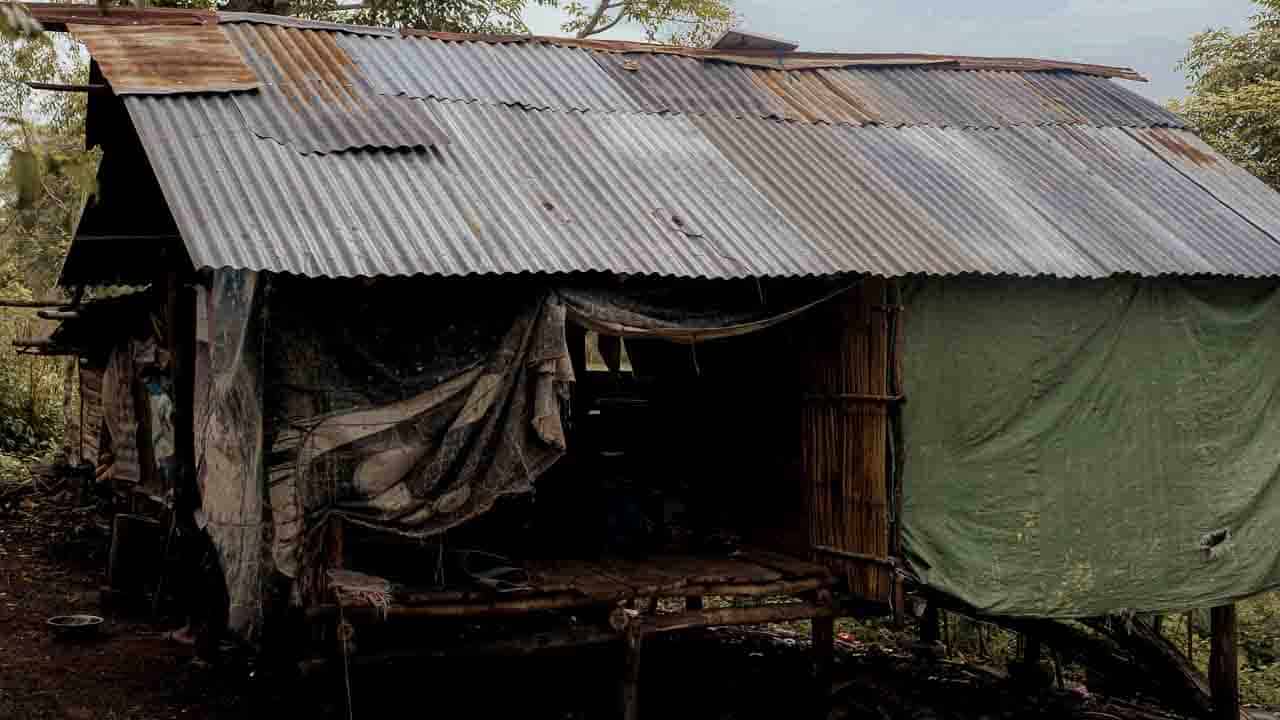
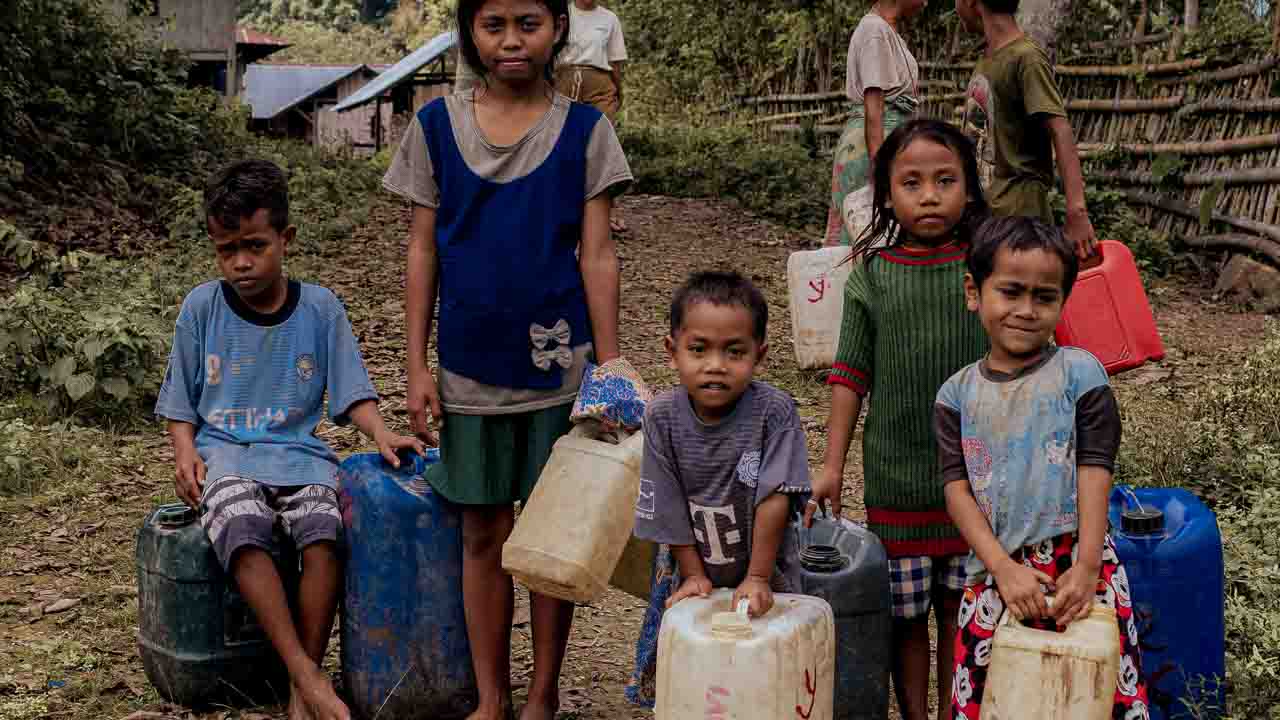
A typical household in Umalulu, where poor housing, open defecation, and standing water increase the risk of malaria. This image was taken during the 2025 baseline survey.
Summary
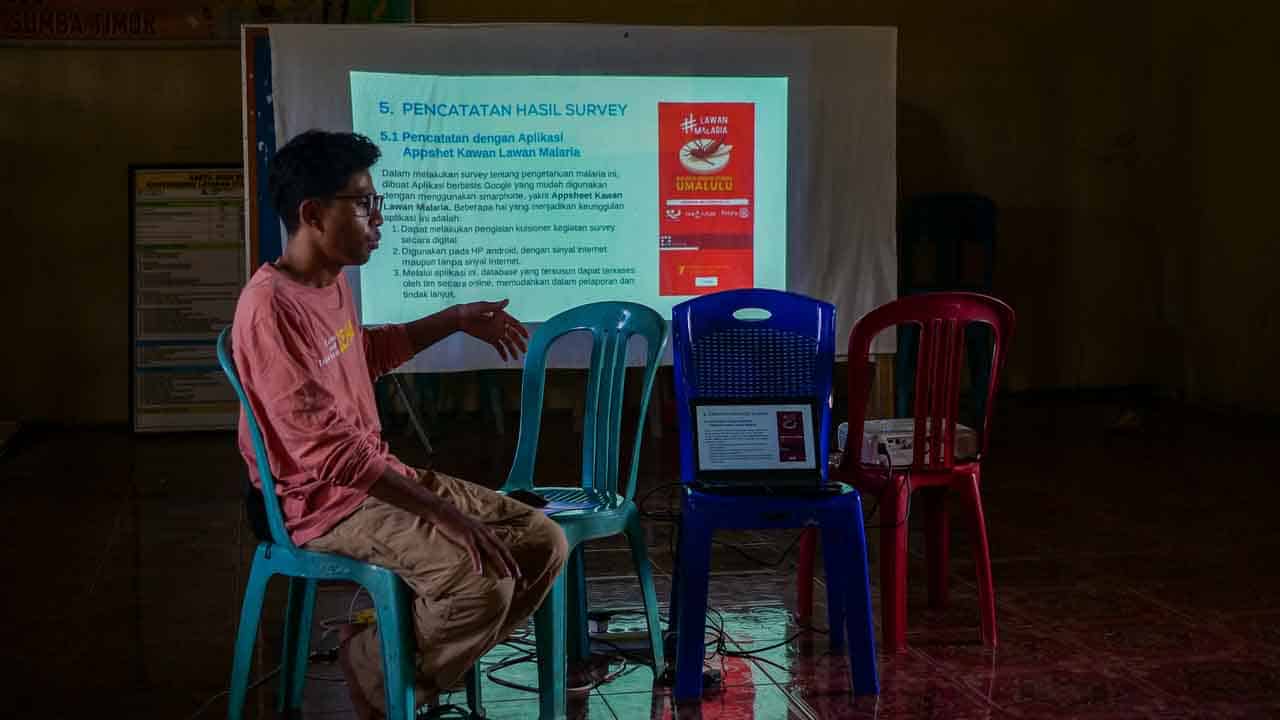
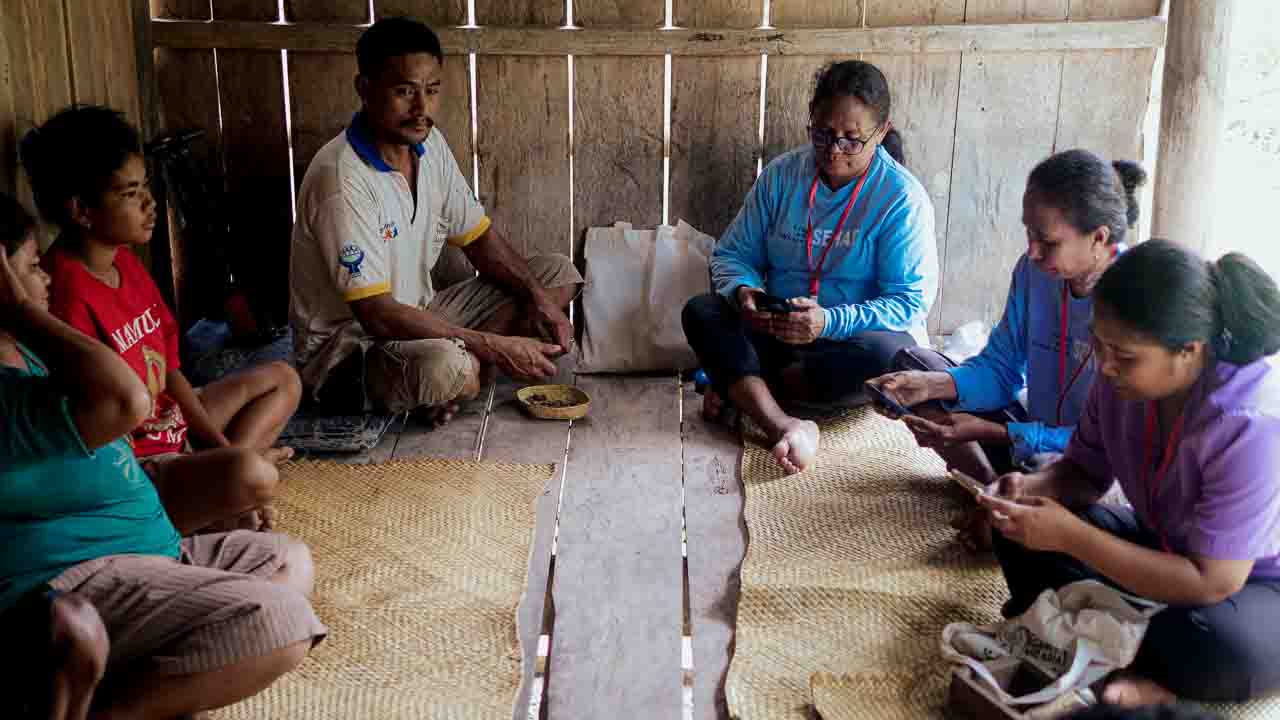
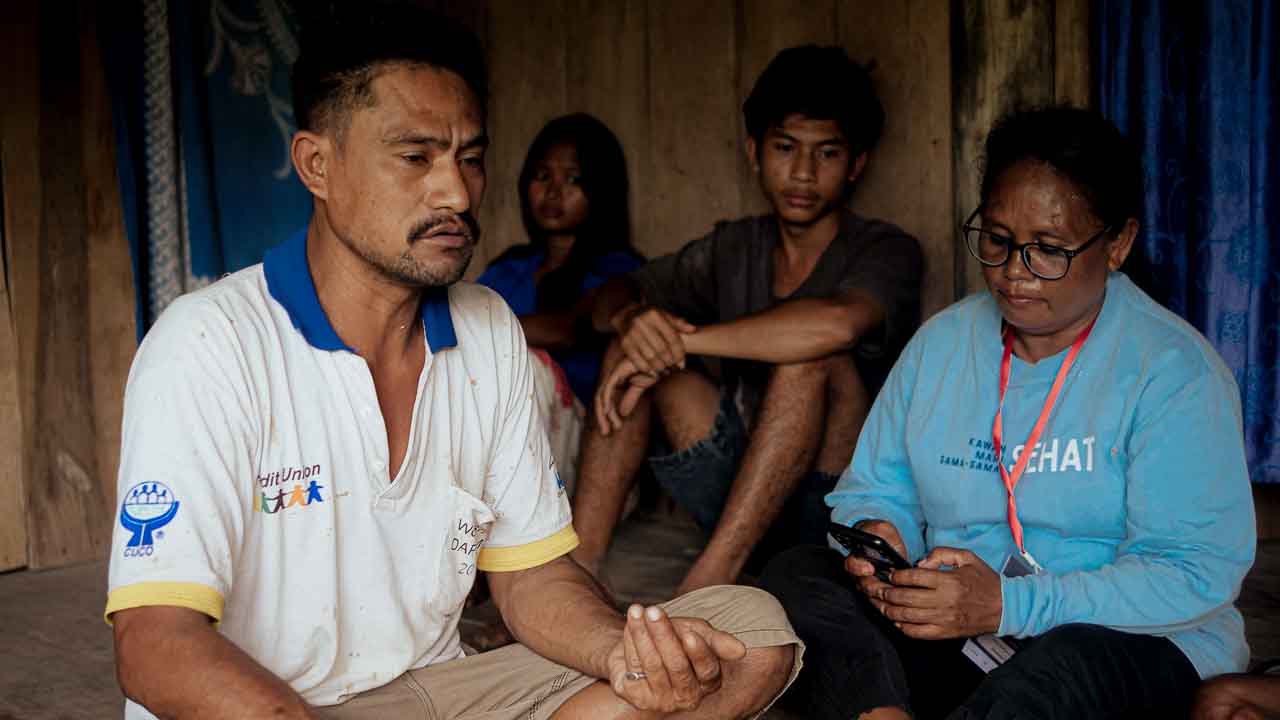
From March to the end of July 2025, Fair Future and local partners conducted a door-to-door baseline in Umalulu, East Sumba. Trained village cadres and Puskesmas staff, equipped with an offline mobile app, visited 269 households and completed 460 interviews, documenting housing, sanitation, behaviours, care-seeking, diagnostics, and exposure patterns. This work establishes the first household-level baseline for the area and provides a concrete roadmap to reduce malaria risk.
Why this baseline matters
Umalulu is a recurrent early detection point in East Sumba, with transmission peaking during the August–November dry-to-wet transition. By replacing assumptions with primary, door-to-door data gathered by local teams, the study sets a defensible starting point for targeted control and for measuring progress over time.
Methods in brief
- Study type: cross-sectional household–environment survey + knowledge/experience module.
- Team: village cadres and Puskesmas staff after a focused refresher (epidemiology, vector ecology, interviewing, app use).
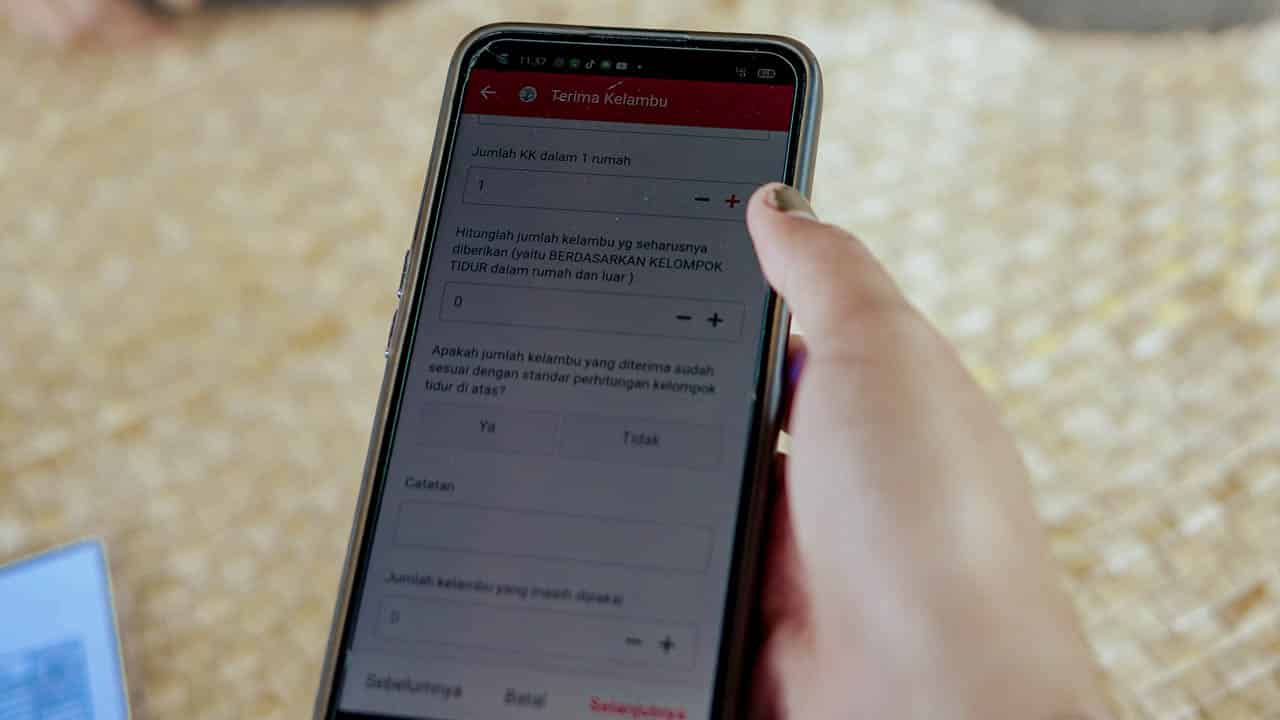
- Data capture: offline-first mobile application with later synchronisation and geo-tagged photos.
- Definitions: Net ownership is household-level (≥1 LLIN); coverage is sleeping-space level (beds/mats/hammocks). Denominators vary by sub-sample.
Key findings to act on
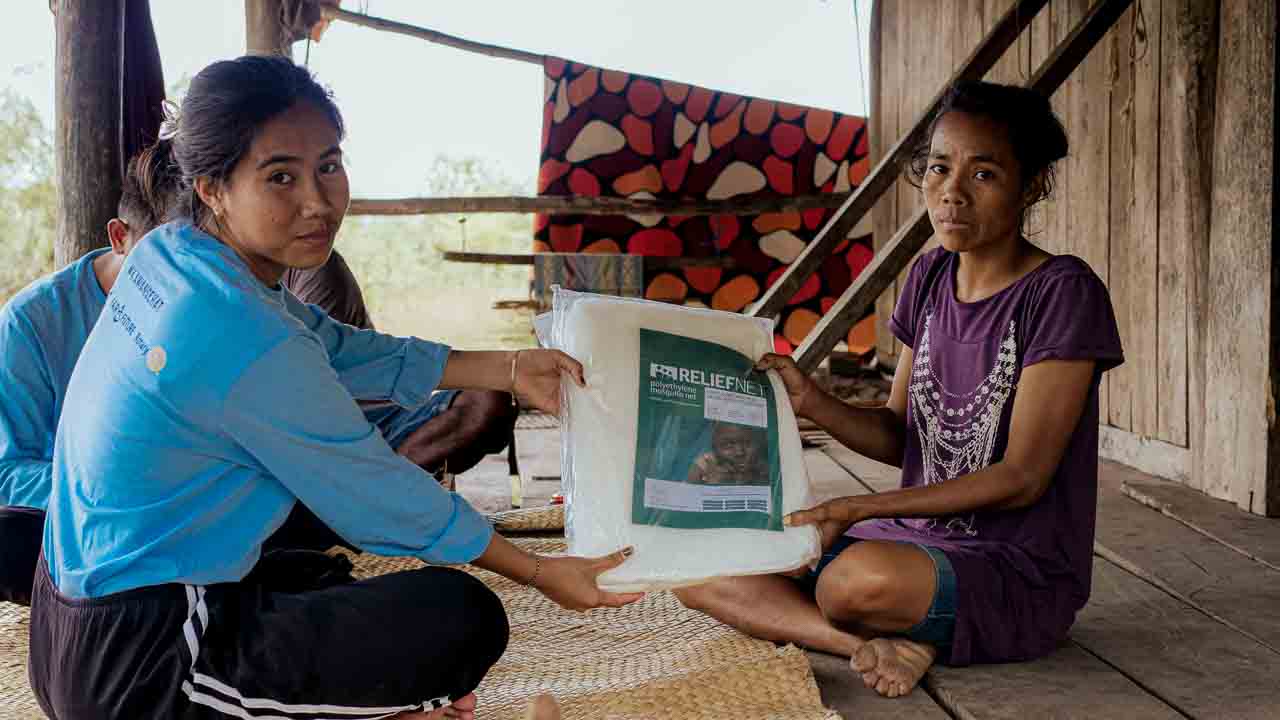
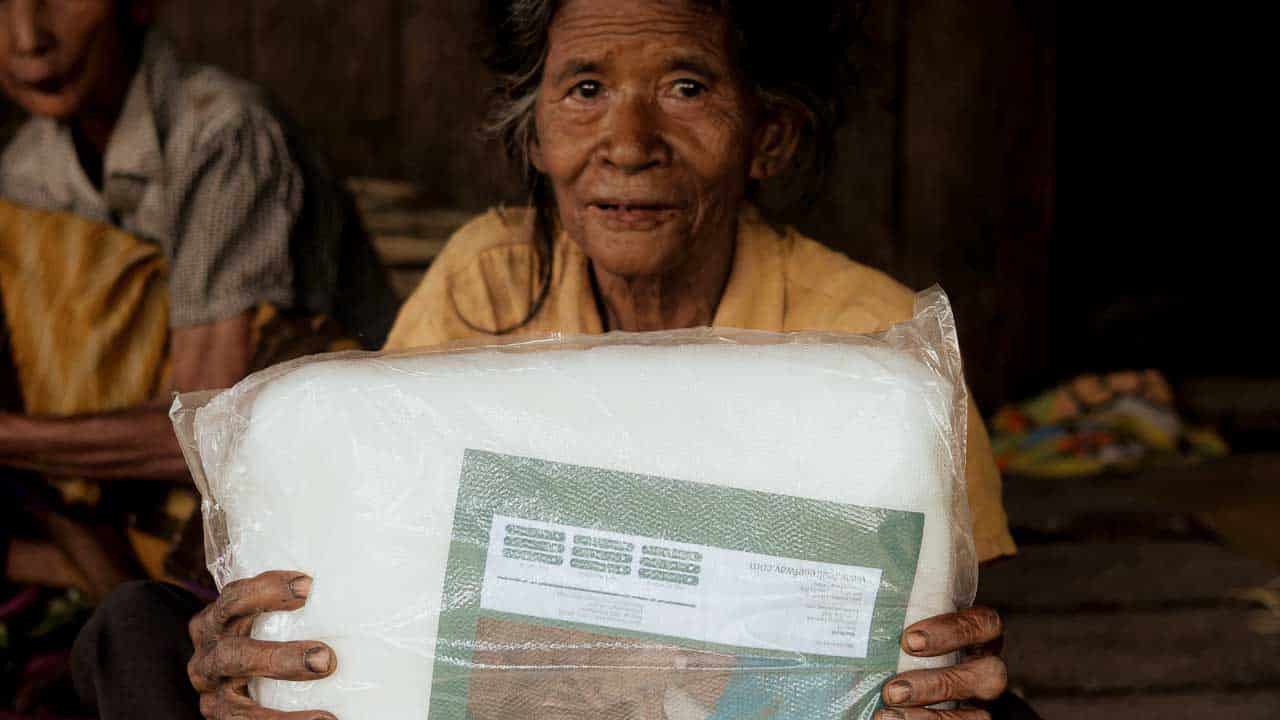
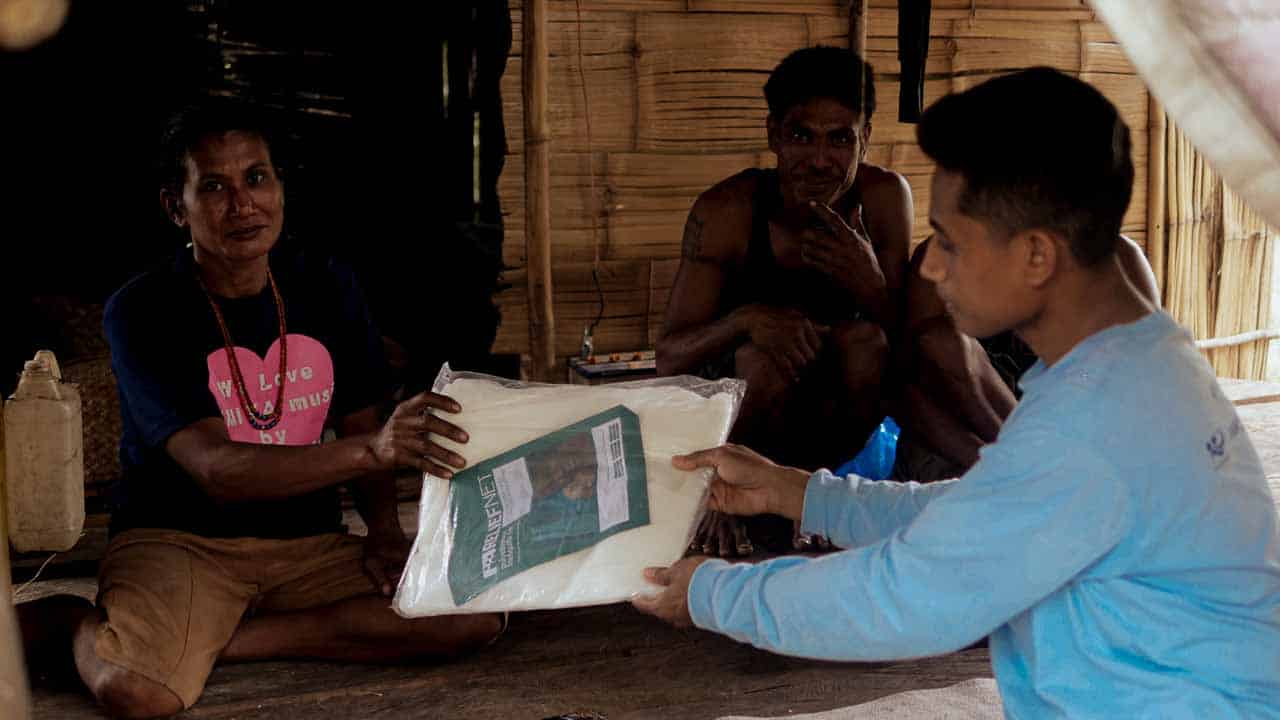
- Uneven vector control. Only 1.1% of households reported any indoor residual spraying (IRS). Net protection is better but incomplete: 68% of sleeping spaces are fully covered, 27% partially, and 4% are unprotected; >92% of nets are over one year old.
- Sanitation & water. 56.9% of households still practise open defecation; limited septic containment creates grey-water pools and larval habitats.
- Diagnostics close to homes. RDTs predominate; 68% of tests were performed at home by village cadres—underscoring the centrality of community-based case finding.
- Access is insured but distant. 93.7% report KIS/BPJS coverage, yet more than half live >5 km from care and many require 15–30 minutes (or more) of travel—making decentralised testing/treatment essential.
- Partial knowledge. About 77% knew that Anopheles bites transmit malaria, but roughly 68% could not name common breeding sites—helping explain persistent exposure despite awareness campaigns.
What changes next: our action roadmap
- Maintain & replace LLINs — repair when possible and target partially covered sleeping spaces ahead of Aug–Nov.
- Build IRS capacity — train spray teams, provision pumps/insecticide, and schedule seasonal rounds.
- WASH + source reduction — expand latrines/septic systems and run community clean-ups to eliminate breeding sites.
- Maintain close diagnostics — ensure uninterrupted RDT stocks and cadre refresher training to sustain home-based testing.
- Reduce access frictions — motorbike outreach; solar lighting/micro-grids to reduce night-time exposure; targeted transport support for remote hamlets.
Data governance & ethics
The digital file on the Fair Future server is the only controlled copy; printed or forwarded files become uncontrolled once a new version is issued. An anonymised dataset and the financial report are available on request under a simple data-use agreement.
Download the reports
PDF – Scientific Report (IMRaD format) | This version, structured for academic and policy use, presents methods, results, discussion, and limitations in a concise scientific format (4.5mb).
PDF – Fair Future Foundation FULL Report | A comprehensive version incorporating social impact, medical findings, and an action roadmap for communities, local authorities, and partners (34mb).
PDF – ARAM Technical & Financial Report | Prepared for Rotarians Against Malaria (ARAM), this edition includes baseline study results, financial reporting, and supporting documents (0.5 MB).
Today, the 20th of August 2025 – Alex Wettstein
In Brief — High-Resolution Baseline, Actionable Epidemiology
A door-to-door cross-sectional survey (269 households; 460 interviews; 693 sleeping spaces) produced a high-resolution risk profile for Umalulu. Vector control is inconsistent (68% spaces fully net-protected; 27% partial; 4% none; >92% nets >1 year), with IRS 1.1%. Sanitation gaps persist (56.9% open defecation), and night-time activity coincides with the Aug–Nov transmission window. Diagnostics are decentralised (RDT-led; 68% tests at home), yet distance to facilities (>5 km for many) sustains access friction despite 93.7% insurance coverage. Geo-tagged, offline-captured observations isolate levers: LLIN replacement/repair, seasonal IRS, household WASH & larval-source reduction, and uninterrupted community testing.
From Home to Data – Building a Malaria Baseline in Umalulu
List of Related Organisations with Hyperlinks
- WHO Global Malaria Programme: Technical guidance for malaria control and elimination worldwide.
- RBM Partnership to End Malaria: Global coalition accelerating coordinated action against malaria.
- UNICEF Indonesia: Child health, WASH, and education programmes in Indonesia’s rural provinces.
- The Global Fund: Financing for malaria, HIV, and TB programmes with community-based delivery.
- PATH: Innovation and implementation support for diagnostics, vector control, and primary care.
- Malaria Consortium: Operational research and delivery of prevention and case management.
- Clinton Health Access Initiative: Market shaping and programme support for malaria commodities.
- Indonesian Ministry of Health: National policy, surveillance, and primary-care strengthening.
- East Sumba District Health Office: District surveillance, Puskesmas oversight, and vector-control operations.