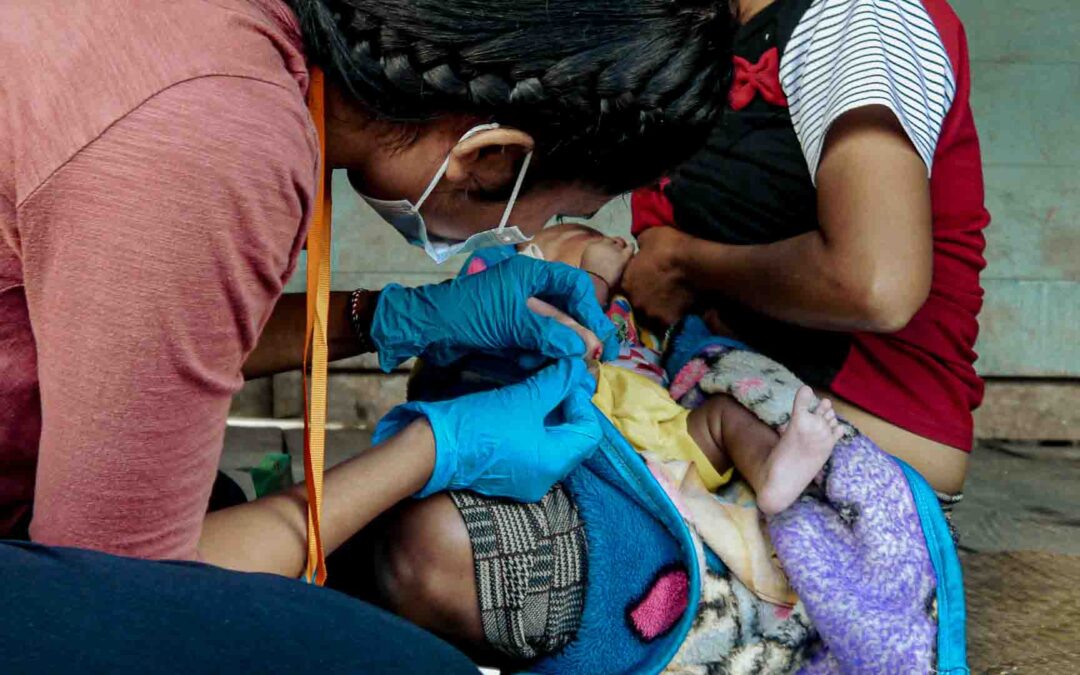
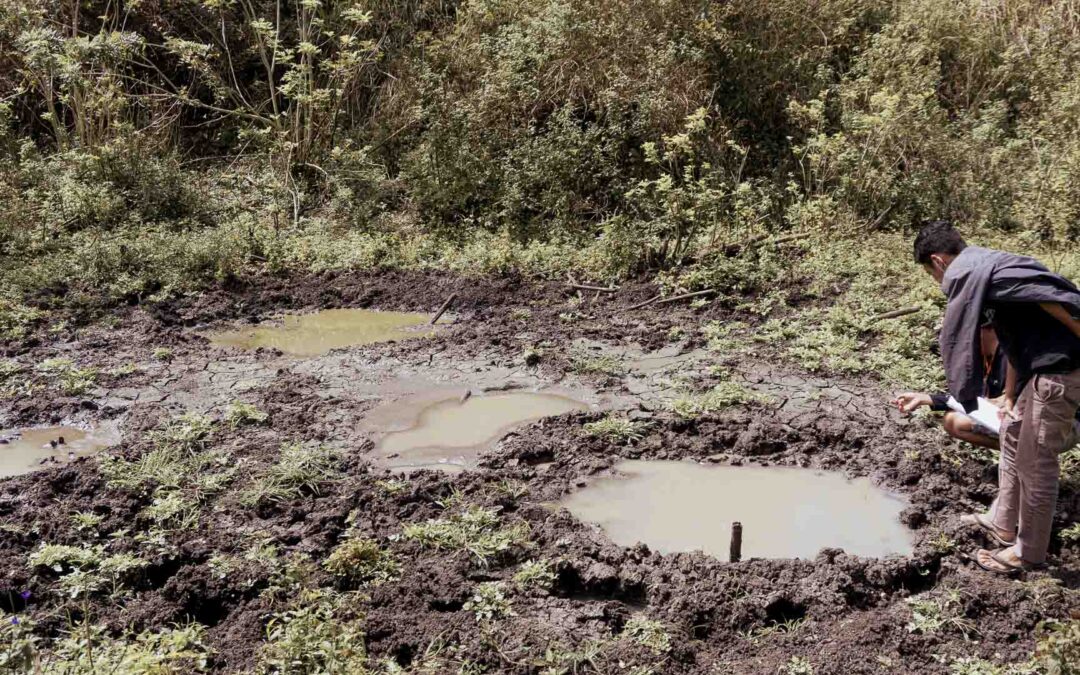
Climate change is reshaping dengue transmission across rural Indonesia. Warmer temperatures, longer rainy seasons and stagnant water near homes create ideal mosquito breeding sites. In isolated villages, prevention, environmental management and early diagnosis remain essential to reduce severe dengue cases.
Climate & Health

The Climate & Health category of the Fair Future Foundation explores how a changing climate directly harms human health in ultra-rural Indonesia. Droughts, unsafe water, heat, floods and new mosquito patterns increase cases of malnutrition, diarrhoeal disease, malaria, and respiratory infections.
Here, we document the medical impacts of climate disruption and the solutions developed by Fair Future and Kawan Baik Indonesia—from clean water systems and resilient infrastructures to community-based health programs. This category highlights how protecting lives today requires understanding the link between climate shocks and daily medical emergencies.
Latest field updates
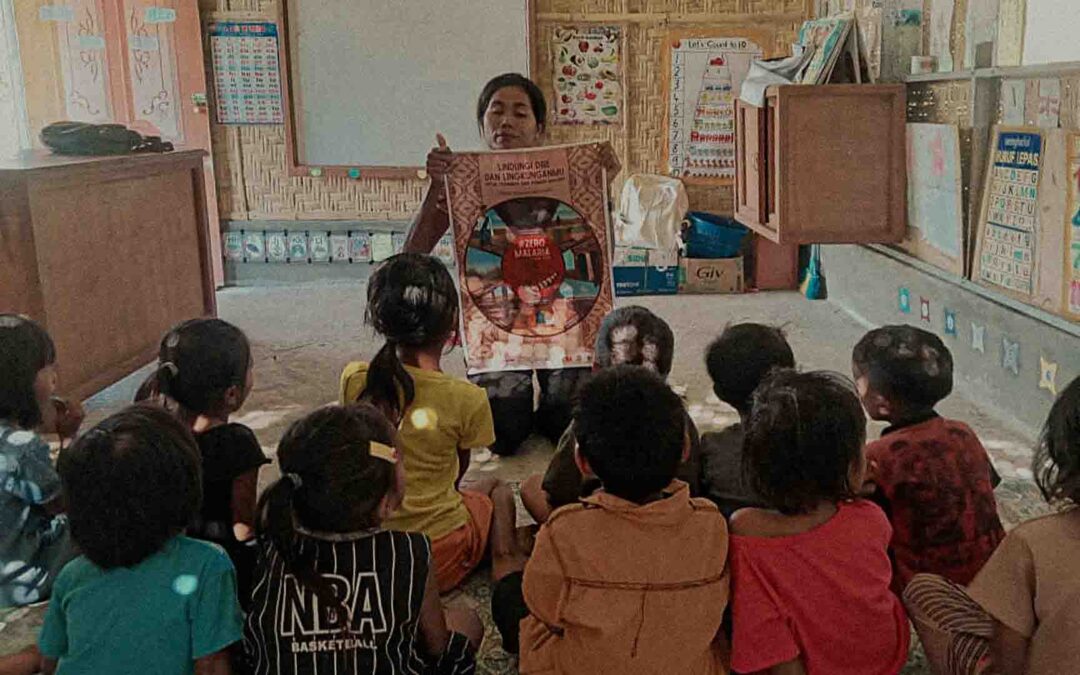
Primary medical care prevention posters
Primary medical care prevention posters are designed and produced by our medical teams to deliver clear, evidence-based health education in ultra-rural communities. Used by trained health agents, they translate prevention, hygiene, and early warning signs into practical actions where no healthcare exists.
Extreme heat health risks in ultra-rural care
Extreme heat is not just weather in ultra-rural communities. It is a medical risk that worsens dehydration, malnutrition, and infections. From the field, we see how simple actions and early recognition of heat illness save lives every day.
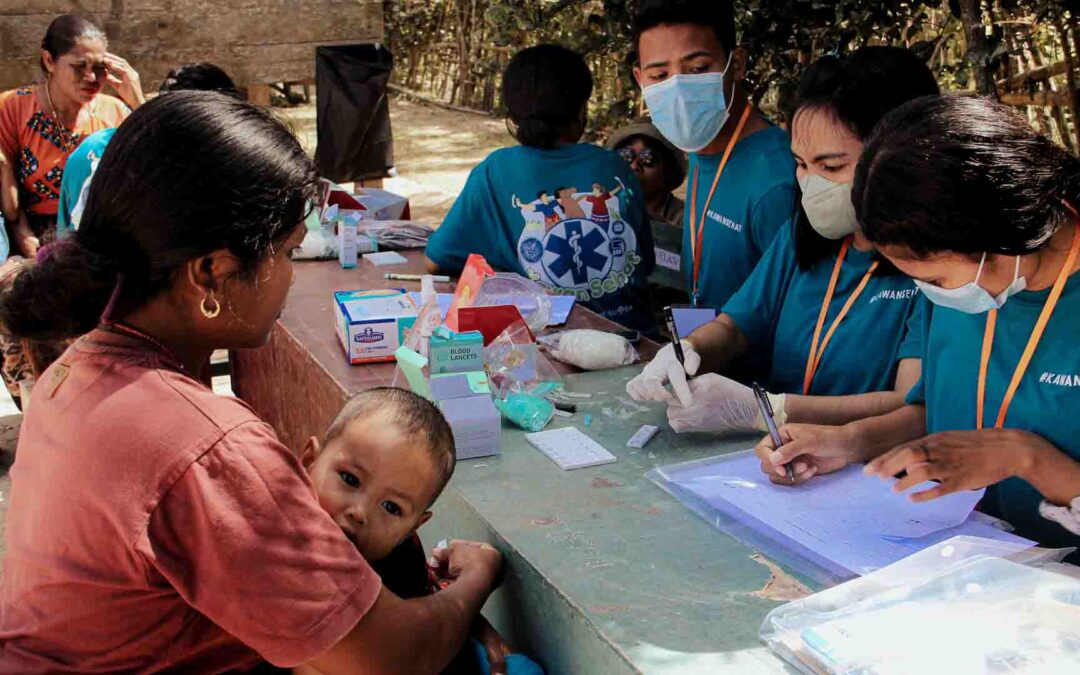
Malaria Screening in Rural Indonesia | Swiss Medical Fieldwork
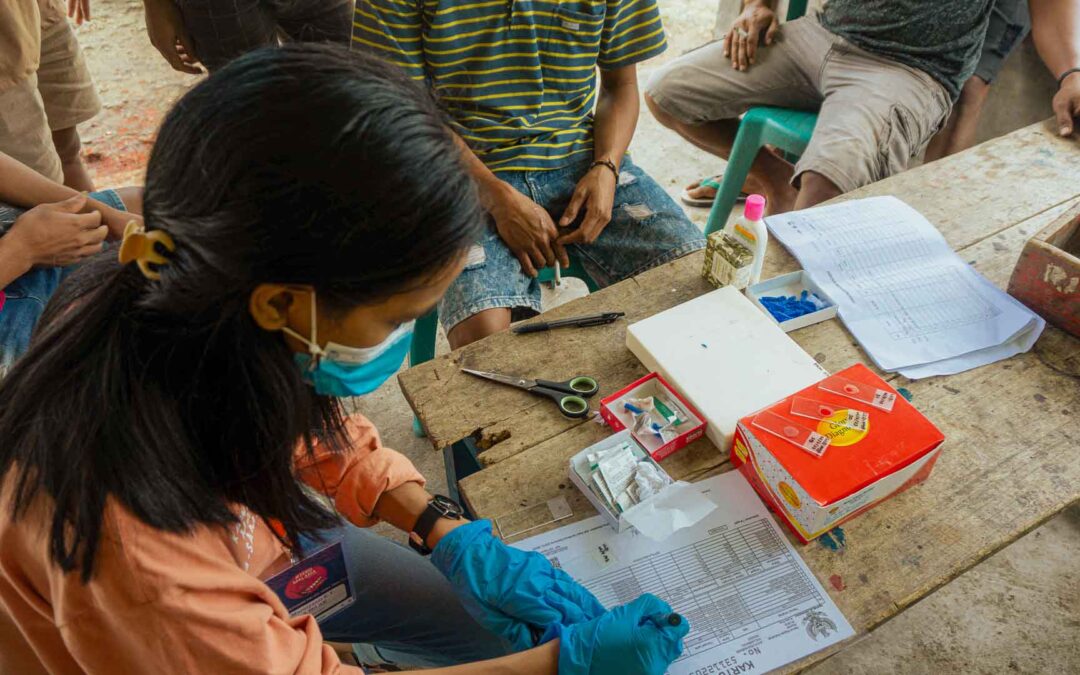
Beyond the rapid test, each screening includes education, explanation, and practical advice. This moment of dialogue often becomes the first real medical consultation families have ever received, turning a diagnosis into immediate protection.
East Sumba malaria prevention 2025 | Field results summary
This article reports field dates, methods and impact from East Sumba malaria prevention. Teams worked with Puskesmas, schools and village leaders to align education, IRS, LLINs and diagnostics. Data and costs are fully documented so partners and health services can improve coverage, reduce transmission and replicate what works.
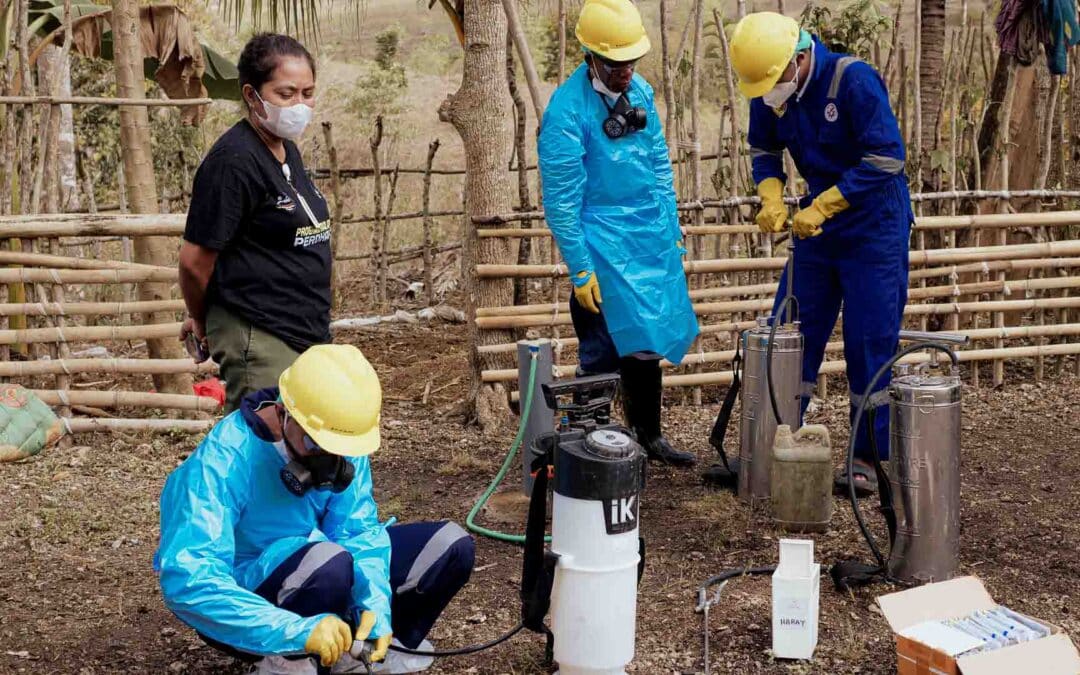
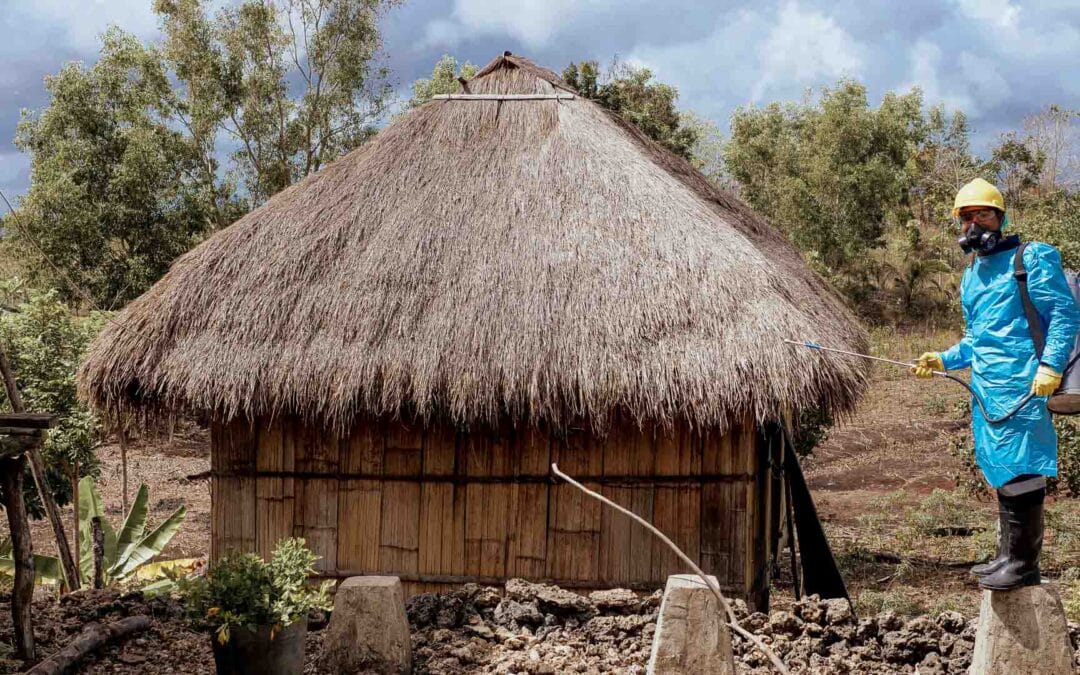
Indoor Residual Spraying malaria – Fair Future Foundation
The Kawan Against Malaria program delivers Indoor Residual Spraying malaria operations in East Sumba. Trained teams spray bamboo and wooden homes, surface by surface, to kill mosquitoes and reduce transmission. Each treated house becomes a safer place for children and families.
East Sumba Malaria Prevention 2025
Fair Future and Kawan Baik Indonesia lead a three-month malaria prevention project in East Sumba. The initiative combines lab training, awareness campaigns, indoor spraying, and the distribution of insecticide-treated nets to protect thousands of vulnerable families.
My Waste My Responsibility for a Healthier Future
In Indonesia, unmanaged waste pollution poses a significant threat to lives by causing diseases and environmental harm. Our campaign, “My Waste My Responsibility,” calls for urgent action to address this crisis and advocates for improved policies. We focus on educating the public, taking action, and striving for cleaner air and water to foster…
Why We Keep Getting Sick
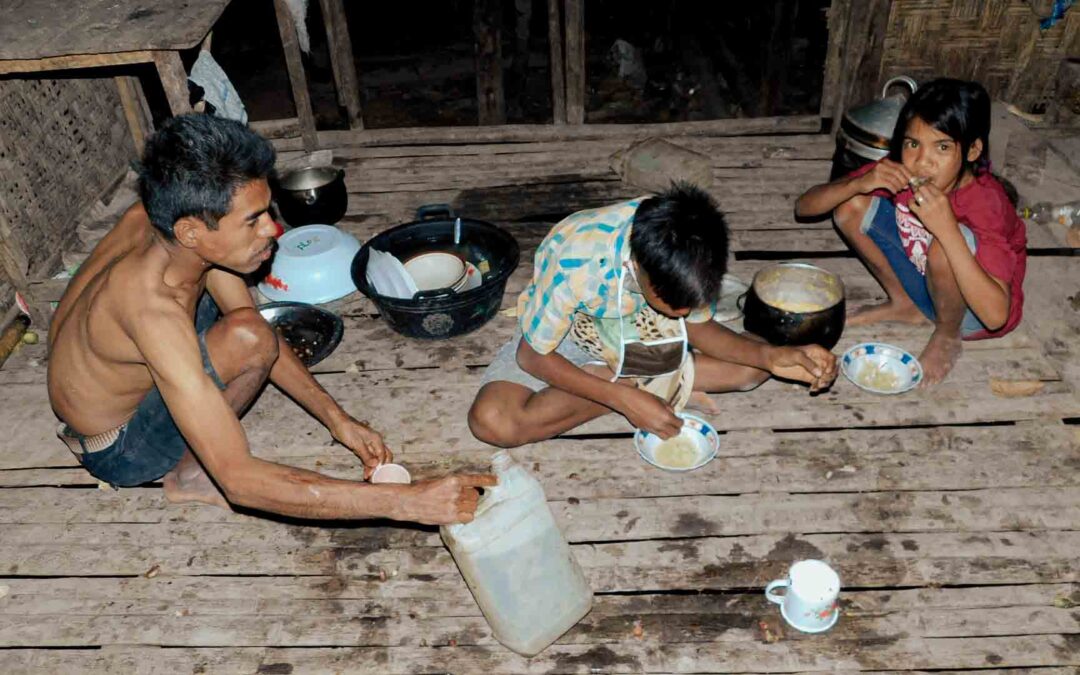
In Laindatang, a child asked why he and his family are always sick. The answer lies in the water: diarrhea, typhoid, skin infections, hepatitis A. Fair Future fights back with clean water and frontline medical care.
What Is Malaria and How to Prevent It
Malaria enters silently and can kill within days. But it’s preventable. Learn what malaria is, how it spreads, who is most at risk, and how Fair Future acts daily to stop this disease before it strikes.
WMO Confirms 2024 as Warmest Year Impacting Water Access
The WMO has declared 2024 as the warmest year on record, with temperatures soaring to 1.55°C above pre-industrial levels. In Indonesia’s most remote areas, this exacerbates water shortages and leads to worsening health problems, malnutrition, and disease outbreaks.
Air Pollution Increases Health Risks for Millions
Air pollution serves as an unseen threat, impacting millions globally. Tiny particles infiltrate the lungs and bloodstream, inflicting serious harm on the heart, brain, and respiratory system. In nations such as Indonesia, pollution ranks as a primary cause of mortality. Recognizing these dangers is essential for safeguarding public health.