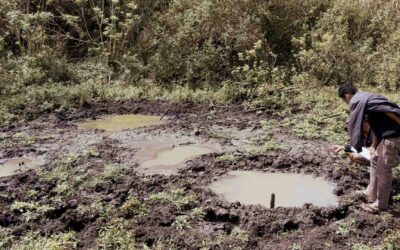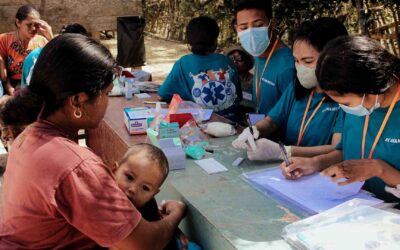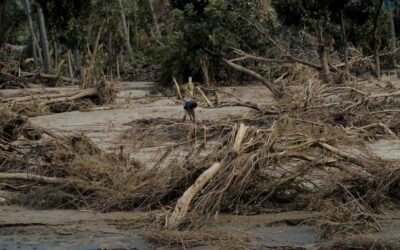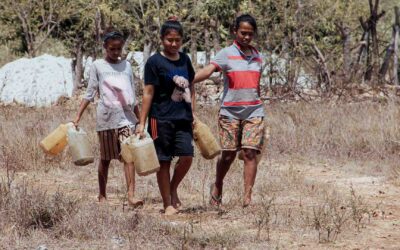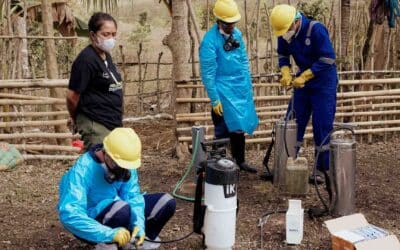


Leptospirosis in rural Indonesia remains dangerously underdiagnosed. In East Sumba and across NTT, unsafe water, rodent exposure, poor sanitation, and delayed care still turn a preventable bacterial infection into severe disease. Clean water, wound care, and early treatment save lives.
We have compiled a list of articles and pages for this topic
The Fair Future Foundation in East Indonesia combats social and medical injustice and aims to ensure everyone has access to healthcare, clean water, and education. Join us in making a difference.
The Environment & Risk category examines how environmental factors translate into concrete health risks in ultra-rural settings. Articles document the impact of climate stress, ecosystem degradation, unsafe housing, and fragile infrastructure on disease exposure, food and water insecurity, and delayed access to care. Field observations are linked to WHO risk reduction frameworks, emphasizing prevention, preparedness, and mitigation. This category focuses on identifying environmental threats early and implementing practical measures that reduce health risks, protect vulnerable populations, and prevent crises from escalating into medical emergencies.
Plastic Waste Public Health Indonesia | Political Failure
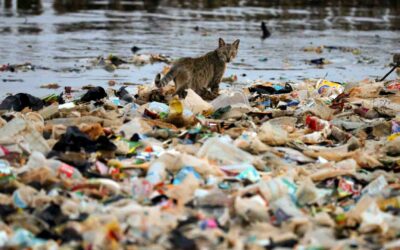
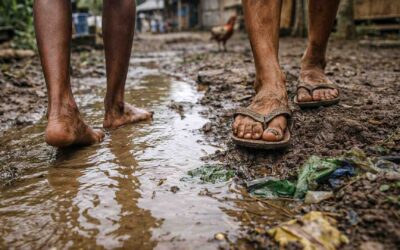
Plastic waste public health Indonesia is no longer an environmental issue. It is a political failure. Across rural regions, rivers and villages are overwhelmed by plastic pollution, toxic smoke and contaminated water while authorities ignore waste management and the health risks faced daily by communities.
Dengue Climate Change Indonesia | Rising Mosquito Risk
Climate change is reshaping dengue transmission across rural Indonesia. Warmer temperatures, longer rainy seasons and stagnant water near homes create ideal mosquito breeding sites. In isolated villages, prevention, environmental management and early diagnosis remain essential to reduce severe dengue cases.
Primary medical care prevention posters
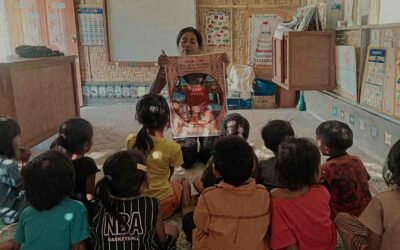
Primary medical care prevention posters are designed and produced by our medical teams to deliver clear, evidence-based health education in ultra-rural communities. Used by trained health agents, they translate prevention, hygiene, and early warning signs into practical actions where no healthcare exists.
Extreme heat health risks in ultra-rural care
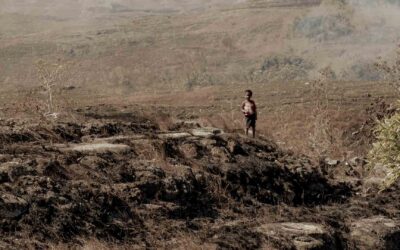
Extreme heat is not just weather in ultra-rural communities. It is a medical risk that worsens dehydration, malnutrition, and infections. From the field, we see how simple actions and early recognition of heat illness save lives every day.
Malaria Screening in Rural Indonesia | Swiss Medical Fieldwork
Beyond the rapid test, each screening includes education, explanation, and practical advice. This moment of dialogue often becomes the first real medical consultation families have ever received, turning a diagnosis into immediate protection.
Environment and Climate Action
In Eastern part of Indonesia, climate change is not abstract. It dries up crops, kills trees, spreads disease, and worsens poverty. The Environment and Climate Program acts locally to address global emergencies—through waste management, education, water access, and community-led adaptation.
Climate Change and Health in Rural Indonesia
Climate change does not arrive as a concept in the villages where we work. It arrives as fever, diarrhoea, breathless farmers and dry wells. Each new reservoir, each trained health agent and each malaria test is a practical answer to a crisis that reshapes daily life.
East Sumba malaria prevention 2025 | Field results summary
This article reports field dates, methods and impact from East Sumba malaria prevention. Teams worked with Puskesmas, schools and village leaders to align education, IRS, LLINs and diagnostics. Data and costs are fully documented so partners and health services can improve coverage, reduce transmission and replicate what works.
Nutrition and Food for Remote Villages
The Nutrition and Food Program helps rural families access better food, grow home gardens, and improve their health. Linked to clean water, it tackles malnutrition and supports children’s development. In ultra-rural areas, food is not a given; it’s a survival challenge we face together.
Indoor Residual Spraying malaria – Fair Future Foundation
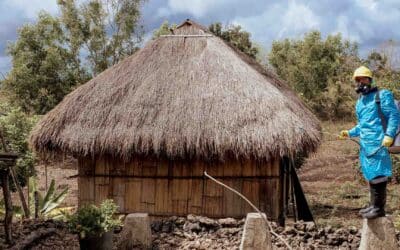
The Kawan Against Malaria program delivers Indoor Residual Spraying malaria operations in East Sumba. Trained teams spray bamboo and wooden homes, surface by surface, to kill mosquitoes and reduce transmission. Each treated house becomes a safer place for children and families.
East Sumba Malaria Prevention 2025
Fair Future and Kawan Baik Indonesia lead a three-month malaria prevention project in East Sumba. The initiative combines lab training, awareness campaigns, indoor spraying, and the distribution of insecticide-treated nets to protect thousands of vulnerable families.