
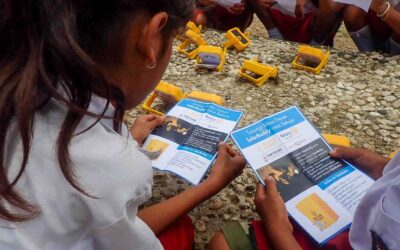
In many schools without electricity, SolarBuddy education East Sumba becomes more than lamp distribution. It brings structured guidance, hygiene awareness and printed learning material to children who rarely receive personal documents. Light becomes a medical and educational tool.
Field Visual Reports from the Ground
Visual field reports documenting medical care, disease prevention, water access, logistics and emergency response in ultra-rural Indonesia. Photos and short films produced by our teams show real conditions, methods and measurable health impact, aligned with WHO principles and community-based care.
The Picture of the Day category shares one daily image from ultra-rural Indonesia, captured during real field work. Each photo documents medical care, disease prevention, clean water access, and community life as it is, with no staging. This is visual evidence of constraints, decisions, and measurable impact where healthcare access is limited.
School Health Posters – Education in Action
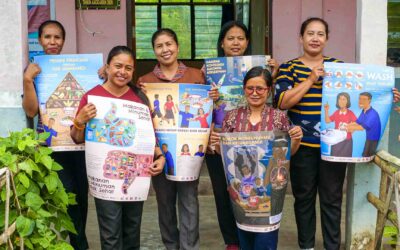
In rural Indonesia, school health posters are more than visual aids. They are daily prevention tools. At SDN Bidiwai, teachers received SolarBuddy lamps and a full set of educational materials that transform classrooms into spaces of long-term community awareness.
Primary Medical Care in East Sumba Field Supervision
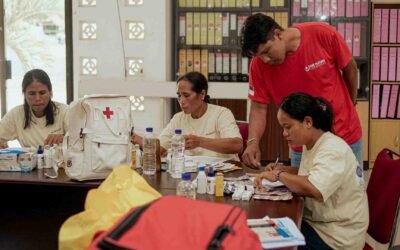
Primary Medical Care East Sumba is not theoretical. It is a structured system that keeps medicines available, records accurate, and rural agents clinically supported. At Puskesmas Kawangu, supervision ensures that distance does not become danger.
Kawan Sehat Medical App – Offline care in rural regions
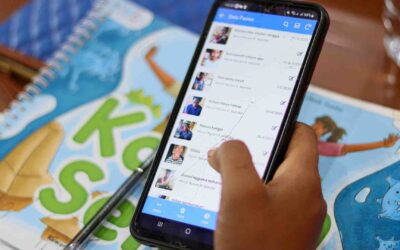
In ultra rural Indonesia, access to medical care depends on distance, roads, and signal. The Kawan Sehat Medical App was created to change that reality by enabling trained community health agents to deliver structured primary medical care without internet access, while generating reliable medical data for long term action.
Hand Hygiene in Rural Indonesia | Disease Prevention
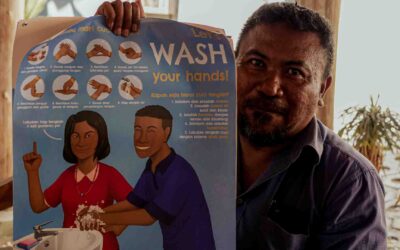
Hand hygiene rural Indonesia remains one of the most overlooked yet critical medical challenges in ultra-rural communities. Where water, soap, and sanitation are missing, infections spread easily. Education and simple infrastructure become powerful medical tools when healthcare access is limited.
Malaria Screening in Rural Indonesia | Swiss Medical Fieldwork
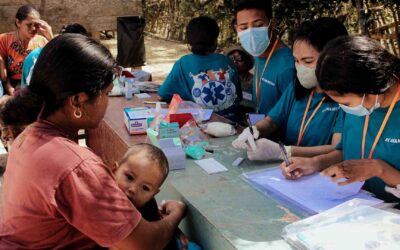
Beyond the rapid test, each screening includes education, explanation, and practical advice. This moment of dialogue often becomes the first real medical consultation families have ever received, turning a diagnosis into immediate protection.
Mbajik Solar Evaluation Through Children’s Eyes
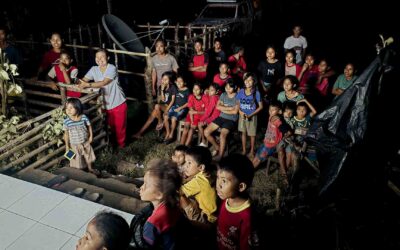
This Mbajik solar evaluation began at night, not with tools but with a film. Children and adults gathered to watch themselves on screen, for the second time. The first was in October, during installation. This time, it was different. This time, electricity was already part of their lives.
Solar Light for Children in Ultra-Rural Regions
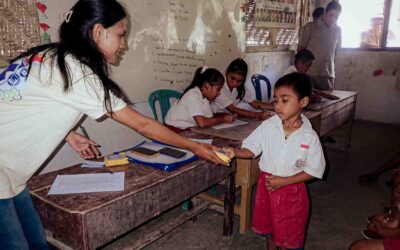
This new picture of the day shows solar light for children delivered through patience and care. In an ultra-rural classroom, a lamp is not simply handed over. Time is taken to explain, to show, to ensure understanding. For children living without electricity, light means safety, learning, and dignity once the sun goes down.
Kawan Sehat Ultra-Rural Medical Care in Eastern Indonesia
In eastern Indonesia, ultra-rural medical care depends on people who walk where vehicles cannot go. In regions cut off from roads, electricity, and doctors, Kawan Sehat health agents provide first-line treatment, prevention, and education. Their work fills the growing gaps left by under-equipped Puskesmas and overstretched hospitals.
Kawan Sehat wound care in remote villages saves lives
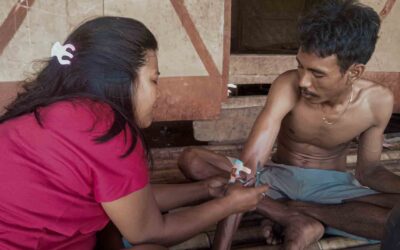
In this image Kawan Sehat wound care happens on a bamboo floor where clinics are days away. The agent irrigates, debrides if needed, applies a sterile dressing, checks tetanus, and teaches danger signs. Early care stops infection before it spreads to the blood. This is how primary medicine prevents funerals.
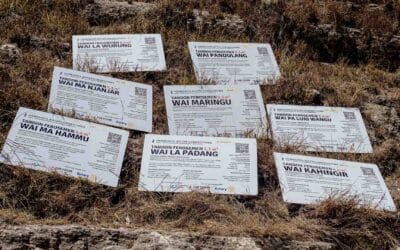
Hambarita water reservoir plaques – eight named tanks
This picture shows Hambarita water reservoir plaques resting on the grass moments before installation. Each plate carries a local name because water is treated like kin. When a tank is called by name, people maintain it, clean gutters, and guard the lid. Eight new reservoirs will store rain, cut disease, and return time to families.
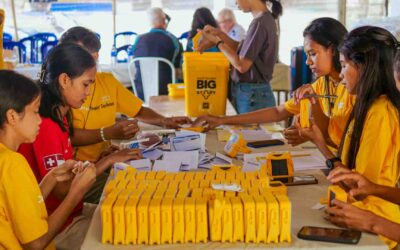
SolarBuddy lamps East Sumba – quality control to classrooms
At Rumah Kambera we checked 2,224 SolarBuddy lamps East Sumba one by one. Volunteers, Rotary, Fair Future and Kawan Baik tested brightness, panels, switches and batteries, fixed faults, logged QR codes, and packed each unit for long journeys to schools with no electricity. Light prevents injuries, improves study, and protects health.