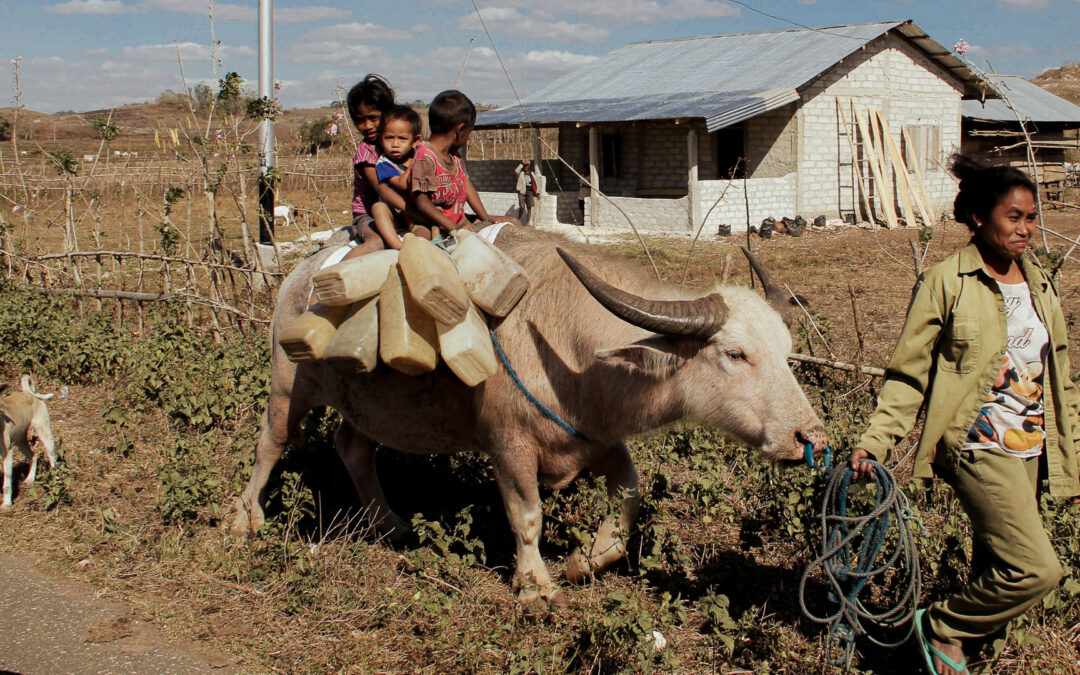
Three children ride a kerbau as their mother leads it to collect water in East Sumba. Alex reflects on the limited quantities some families can obtain, bathing without running water, and the place of reliable water access in health, hygiene, menstrual dignity and everyday childhood.
Water shortages

The Water Shortages category examines the health consequences of insufficient access to water in ultra-rural settings.
Articles document how water scarcity increases the risk of dehydration, poor hygiene, waterborne diseases, and infection, particularly among children and vulnerable populations. Interventions focus on emergency water access, infrastructure repair, temporary supply solutions, and community-level risk reduction. Aligned with WHO water and public health standards, this category highlights how rapid and targeted responses to water shortages prevent disease, stabilize health conditions, and support community survival in resource-limited environments.
Latest field updates
Inside a Ferrocement Reservoir Built for Safe Rainwater
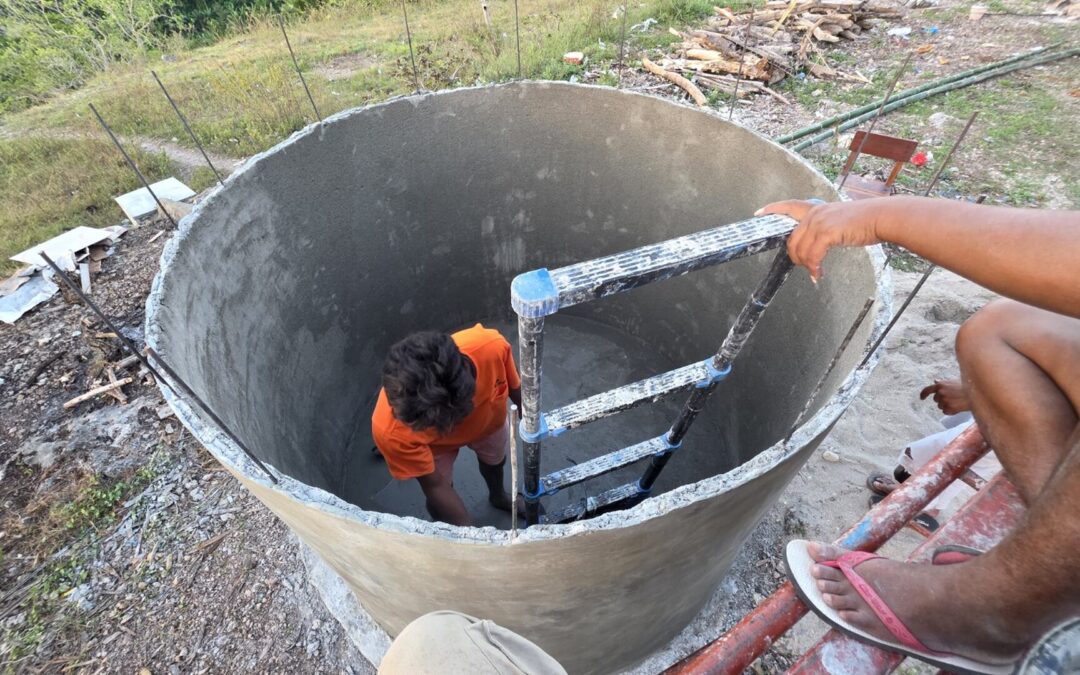
Fair Future Foundation and Kawan Baik Indonesia team members apply waterproofing inside a 5,300-litre ferrocement reservoir in East Sumba. Local villagers work beside them and learn a practical technique that brings filtered rainwater closer to three rural households.
Build a reservoir save lives
For CHF 2245, you can build a ferrocement reservoir of 5350 liters, giving safe water to 15 people in East Sumba for more than 10 years. Each reservoir means fewer illnesses, more education, and dignity for families. Donate today and change lives.
Eight Ferro-Cement Reservoirs Hambarita
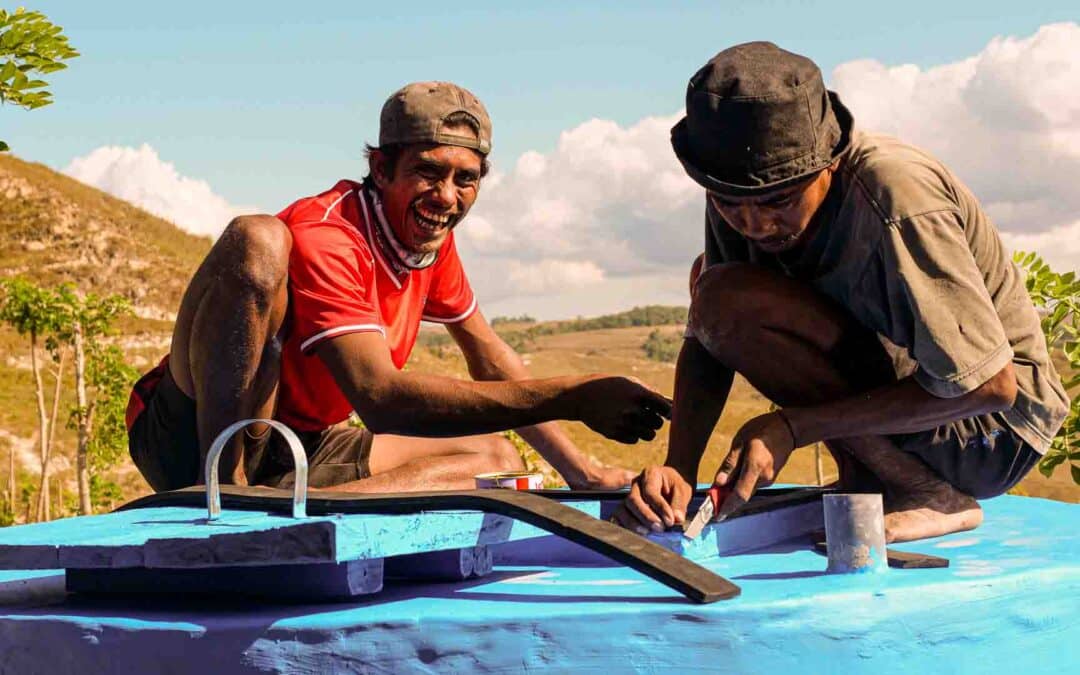
Eight ferro-cement reservoirs in Hambarita now provide safe, filtered water to 120 people. Built with local skills, they improve health, hygiene, and quality of life for decades in one of East Sumba’s most remote areas.
Unmatched Laindatang Rainwater Reservoir
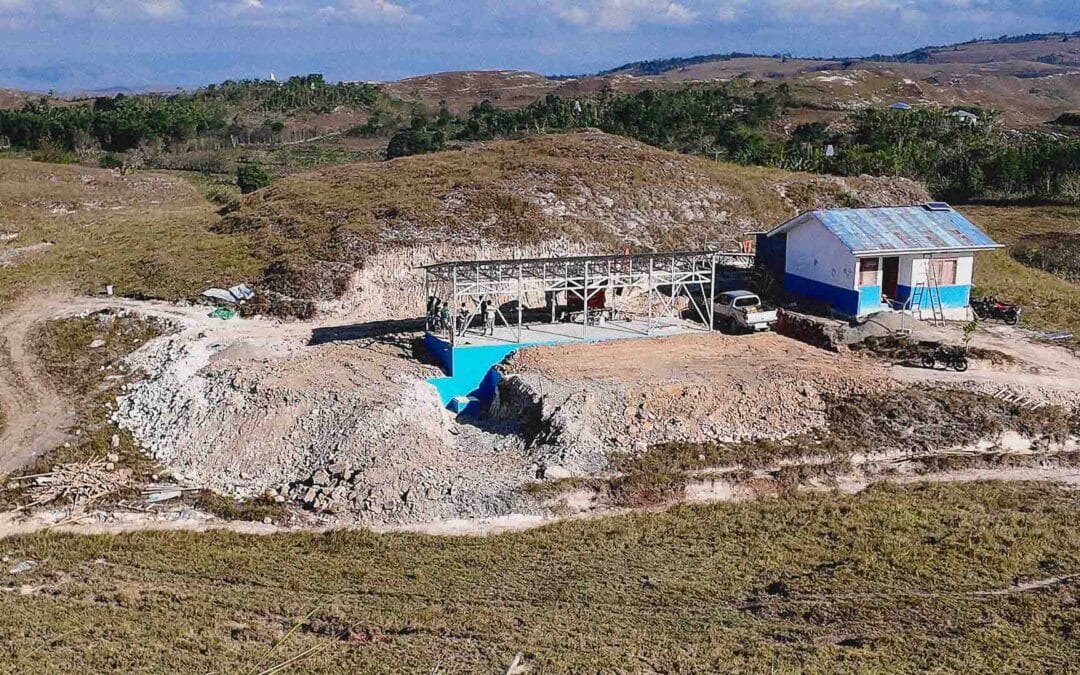
Fair Future built a 115,000-litre triple-filtered rainwater reservoir in remote Laindatang, East Sumba, overcoming extreme conditions to ensure clean water and health security.
Clean water tanks built for isolated families
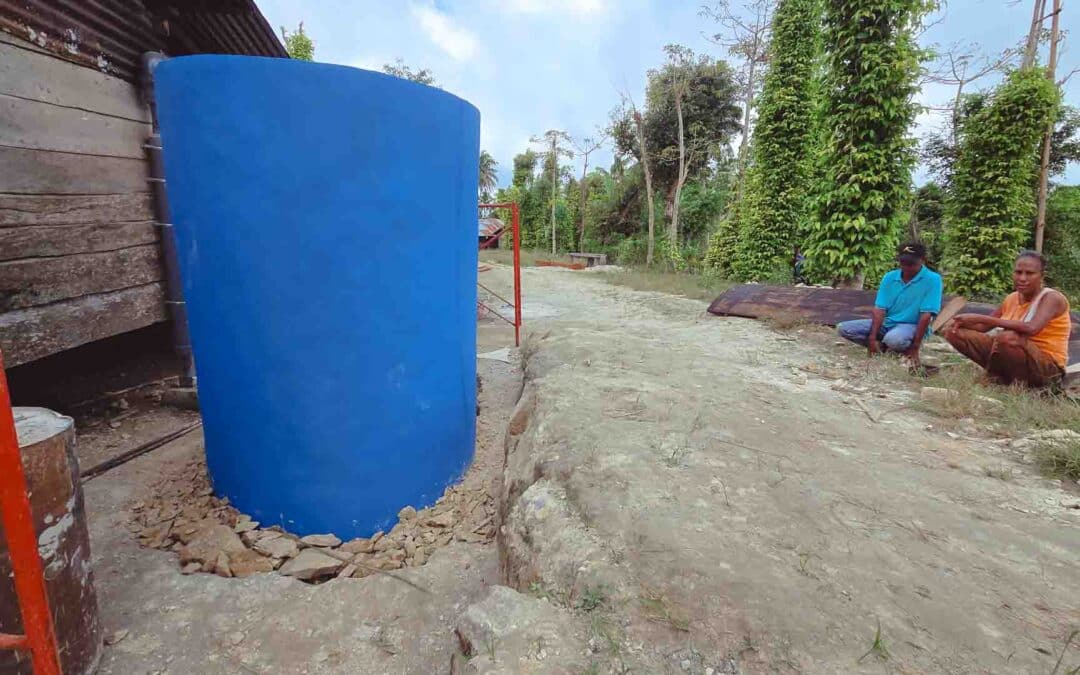
In Hambarita, Fair Future builds 8 clean water tanks to serve 150 people living in ultra-rural poverty. With no roads, electricity, or healthcare, these reservoirs offer essential health protection.
Agriculture in Danger Climate and Drought Effects
Climate change and extended droughts are straining farmers, complicating food production and jeopardizing livelihoods. To address these challenges, Fair Future Foundation’s Water Connections program and health initiatives offer sustainable solutions that ensure access to clean water, enhance nutrition, and bolster rural economies.
WMO Confirms 2024 as Warmest Year Impacting Water Access
The WMO has declared 2024 as the warmest year on record, with temperatures soaring to 1.55°C above pre-industrial levels. In Indonesia’s most remote areas, this exacerbates water shortages and leads to worsening health problems, malnutrition, and disease outbreaks.
Health, Wealth, and Inequality in Rural Areas
In rural regions, disparities in health and wealth contribute to ongoing cycles of inequality. The Fair Future Foundation addresses these issues by offering clean water, healthcare services, and educational opportunities. Discover how we empower communities to escape poverty and build healthier, more promising futures.
Families Fight for Clean Water Every Day
Families in rural East Sumba often depend on scarce and unsafe water sources. Water Connections works with communities to improve storage, access and health around water.
Recognizing Dehydration: Key Signs and Prevention Tips
Dehydration affects essential organs, especially in rural regions with restricted access to clean water. Discover the crucial warning signs and prevention methods, as well as how Fair Future Foundation’s #WaterConnections initiative contributes sustainable solutions for maintaining hydration in vulnerable communities.
Courage and Determination at Laindatang Water Connections
Phase 3 drilling in Laindatang reaches a promising water source after difficult fieldwork, a key step toward expanding clean-water access in this remote East Sumba community.