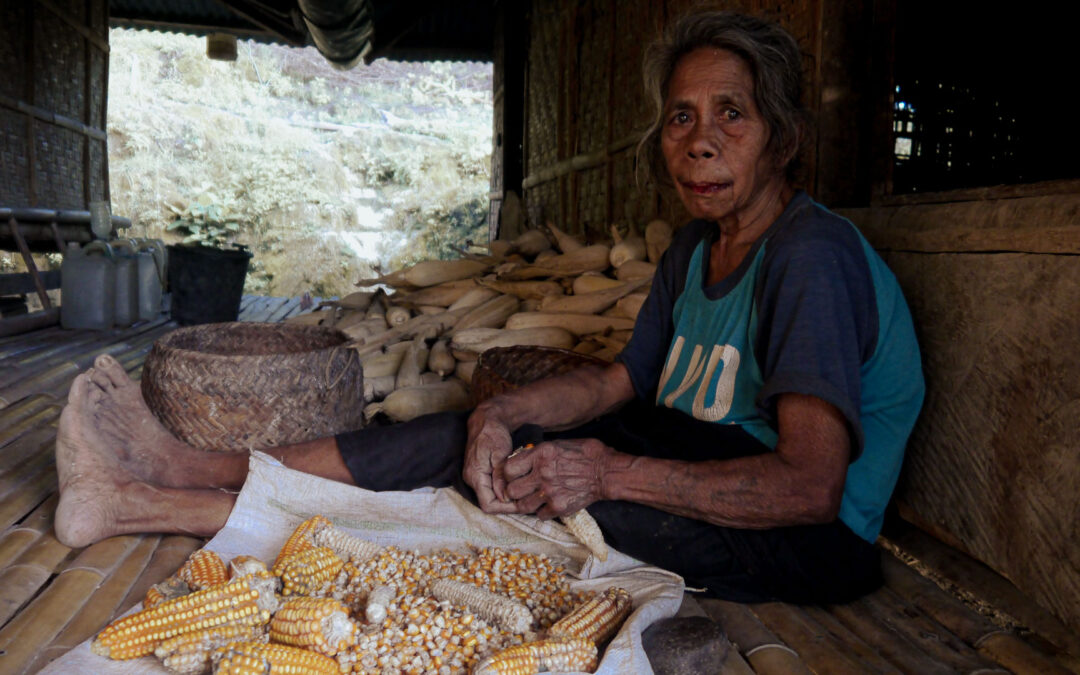
A woman shells maize in an ultra-rural East Sumba home without clean water, electricity or road access. Her daily work reflects the difficulty of obtaining varied food, and why nutrition education must be connected with practical access to water, affordable foods and medical care.
Food Shortages
Clean water is the foundation of everything. Without it, there can be no nutrition, no sustainable health. By ensuring access to water, we protect children, prevent disease, and enable communities to survive, grow, and thrive over the long term.

The Food Shortages category examines the health impact of acute and chronic food insecurity in ultra-rural settings.
Articles document how insufficient food availability contributes to malnutrition, weakened immunity, child growth impairment, and increased vulnerability to disease. Interventions include targeted food support, nutritional supplementation, and community-based monitoring aligned with WHO nutrition and public health guidance. This category highlights how timely nutritional responses reduce health risks, stabilize vulnerable households, and prevent the long-term medical consequences of hunger in resource-limited environments.
Latest field updates
Agriculture in Danger Climate and Drought Effects
Climate change and extended droughts are straining farmers, complicating food production and jeopardizing livelihoods. To address these challenges, Fair Future Foundation’s Water Connections program and health initiatives offer sustainable solutions that ensure access to clean water, enhance nutrition, and bolster rural economies.
East Sumba’s Pest Crisis Threatens Health and Environment
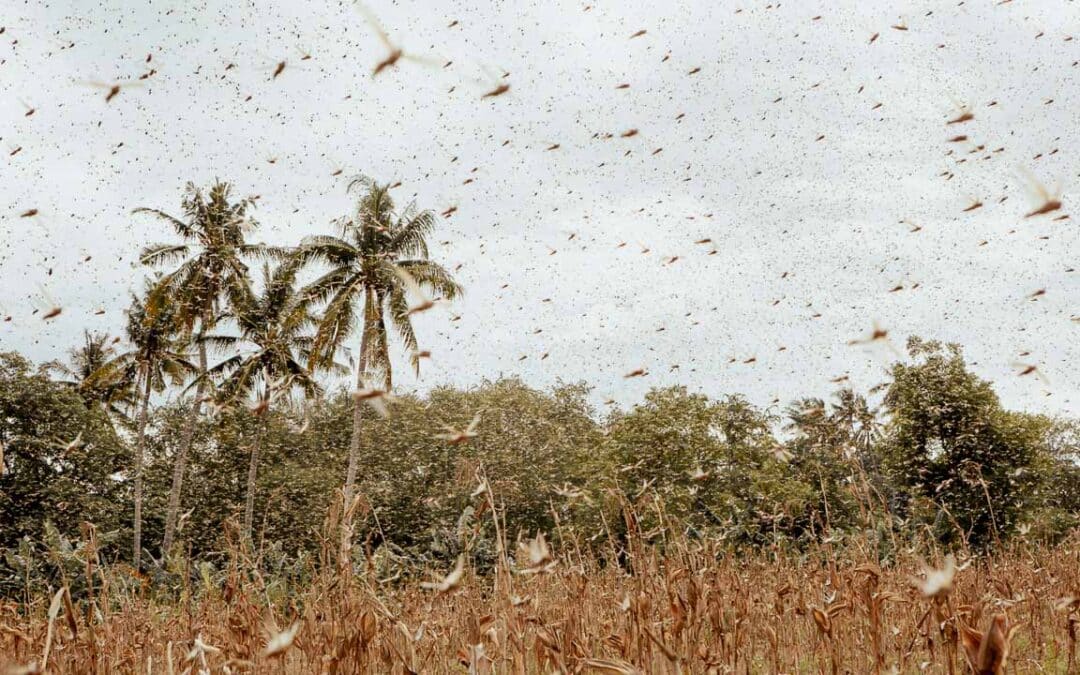
For over five years, East Sumba has been battling a relentless pest infestation that devastates crops and poses severe threats to human health, psychological well-being, and environmental integrity. This crisis demands immediate, sustainable solutions to protect the affected communities and restore ecological balance.
WMO Confirms 2024 as Warmest Year Impacting Water Access
The WMO has declared 2024 as the warmest year on record, with temperatures soaring to 1.55°C above pre-industrial levels. In Indonesia’s most remote areas, this exacerbates water shortages and leads to worsening health problems, malnutrition, and disease outbreaks.
Health, Wealth, and Inequality in Rural Areas
In rural regions, disparities in health and wealth contribute to ongoing cycles of inequality. The Fair Future Foundation addresses these issues by offering clean water, healthcare services, and educational opportunities. Discover how we empower communities to escape poverty and build healthier, more promising futures.
Water and Nutrition: Saving Lives in Remote Villages
Fair Future and Kawan Baik work with remote families facing malnutrition by improving access to clean water, food security and practical resources that support healthier daily life.
Giving life to the village of Laindatang
The current priority in this village is to give them clean, safe water and sanitation. Here, families must walk for miles, sometimes more than 10 hours, to bring a few litres of clean water home. People here have less than 2 litres per day and a person to drink, eat, go to the toilets, and wash. So you have to make sacrifices.
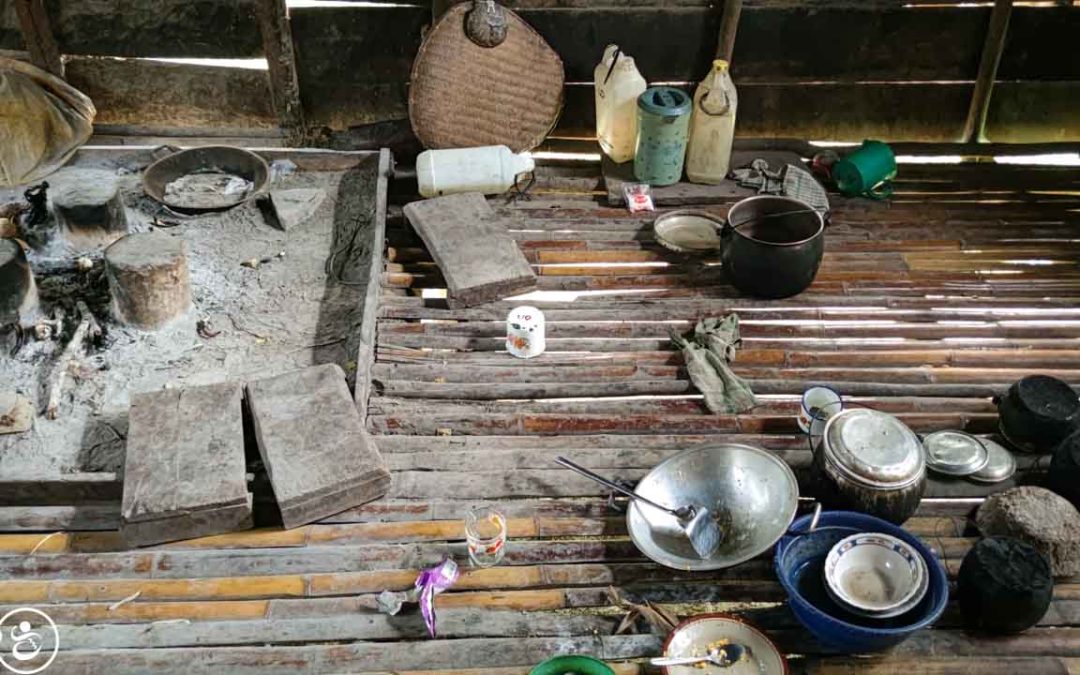
What does a kitchen look like without food or water
A household kitchen in Laindatang shows the daily reality of food insecurity and limited water access in rural East Sumba.
Malnutrition is taking its toll here where we are
Food insecurity, poverty and limited water access combine to worsen nutrition risks for children in remote East Sumba communities.
A simple jerrycans story in East Sumba
Two litres of water per day and per person to live. And this, thanks to an object as innocuous as an old five-litre can. A stupid plastic container? For most of us, it is an object that will go irretrievably in the trash. But here, for the families that Fair Future and Kawan Baik work with – tens of thousands of families – it is essential to the…
8 billion equal people? What about the food?
Eight billion people on earth: Are we going to starve? On the one hand, there is population growth. On the other, the world’s resources make it possible to feed human beings. How to reconcile the two? Today and tomorrow, will we all be able to provide for ourselves?
Lukukamaru Sumba. A tremendous job to do here
East Sumba is full of villages that I believe we have to call “very poor”, where eating or drinking enough, taking a simple shower, and earning enough to buy a little rice is almost impossible. These villages are isolated from everything and everyone. We go there as often as possible, currently every day.