


Learn essential steps for managing snake bites, from first-aid tips to preventing complications in remote areas such as East Sumba.
Recognising, Treating and Preventing Snake Bites
Essential Steps to Prevent Deaths from Snake Bites: First Aid Guidelines, Common Mistakes to Avoid and Recognising Venomous Snakes in NTT
#MedicalAdvices: How to Handle Snake Bites in East Sumba | In ultra-rural areas like the ones we have been operating in for many years, limited access to healthcare and medical facilities poses significant challenges for managing emergencies such as snake bites.
These incidents are common, especially in remote areas with limited medical resources and information. As a result, many victims suffer serious health consequences or even face fatal outcomes due to delays in receiving necessary care.
Fair Future Foundation often encounters this problem through the efforts of Kawan Sehat health workers and the Primary Medical Care Program. This article offers practical advice on managing snakebites, equipping communities with essential knowledge to enable timely, effective action that could save lives.
Learn essential steps to manage snake bites, from first aid tips to preventing complications in remote areas like East Sumba.
Recognising snakebite symptoms in the field.
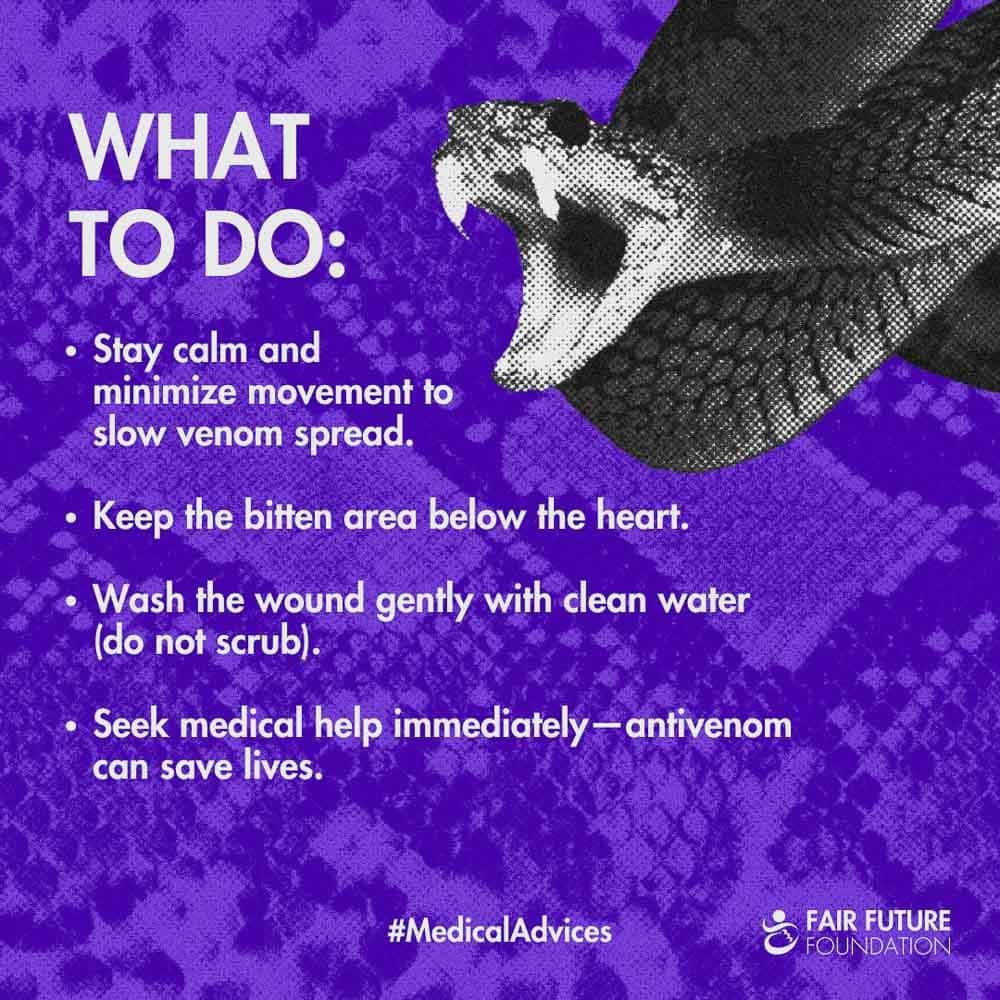
Kawan Sehat health agents are trained to quickly and methodically assess snakebite symptoms. Initially, local signs such as pain, swelling, redness, and bleeding at the bite site may occur.
A critical warning sign is progressive swelling that spreads beyond the initial area. Systemic symptoms may develop later and can include nausea, vomiting, weakness, dizziness, drooping eyelids, difficulty breathing, abnormal bleeding, or confusion. Some bites result in little or no venom being injected, but determining this without observation isn’t safe; therefore, every snakebite is treated with due regard for potential severity for safety reasons.
Particular caution should be given due to the risk, and children, pregnant women, and malnourished patients require close surveillance. The first few hours after any incident warrant careful monitoring, even if the presentation initially appears mild and nonsymptomatic.
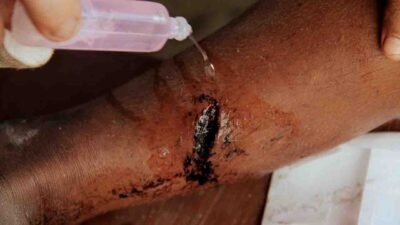
Early treatment of wounds and skin infections in ultra-rural Indonesia prevents severe infections and progression to sepsis through primary medical care.
Correct first aid saves time and tissue
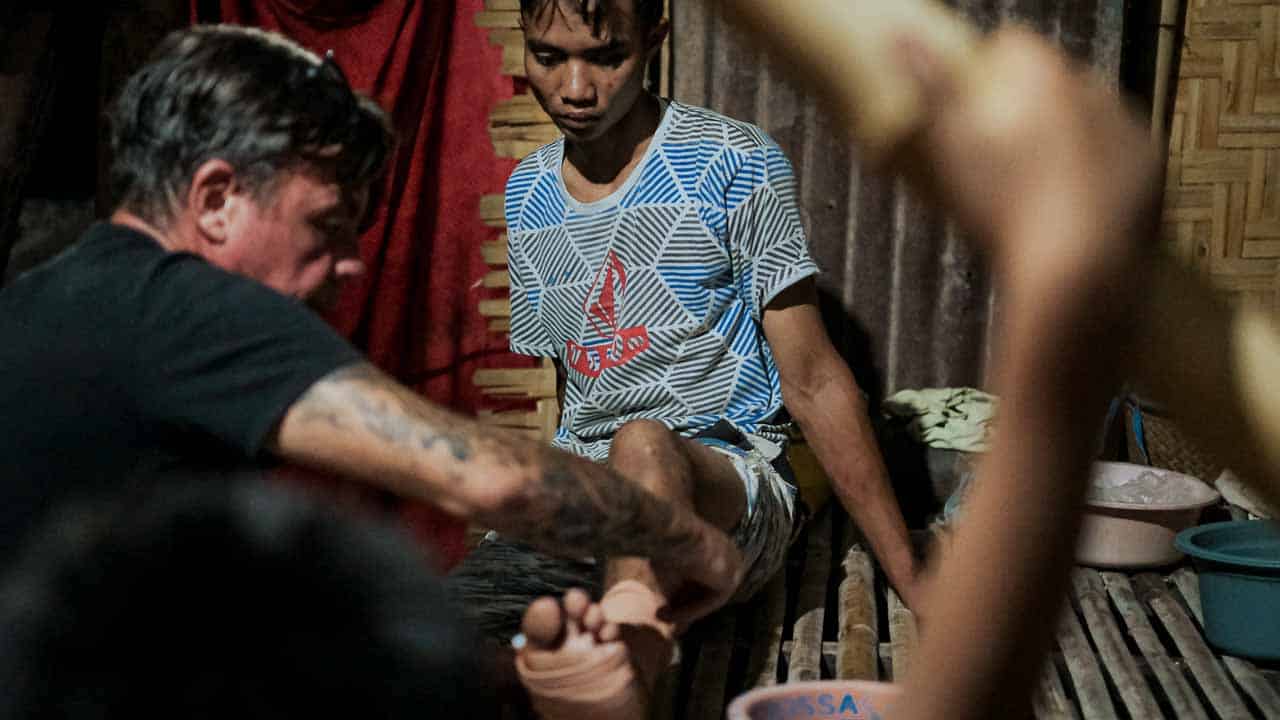
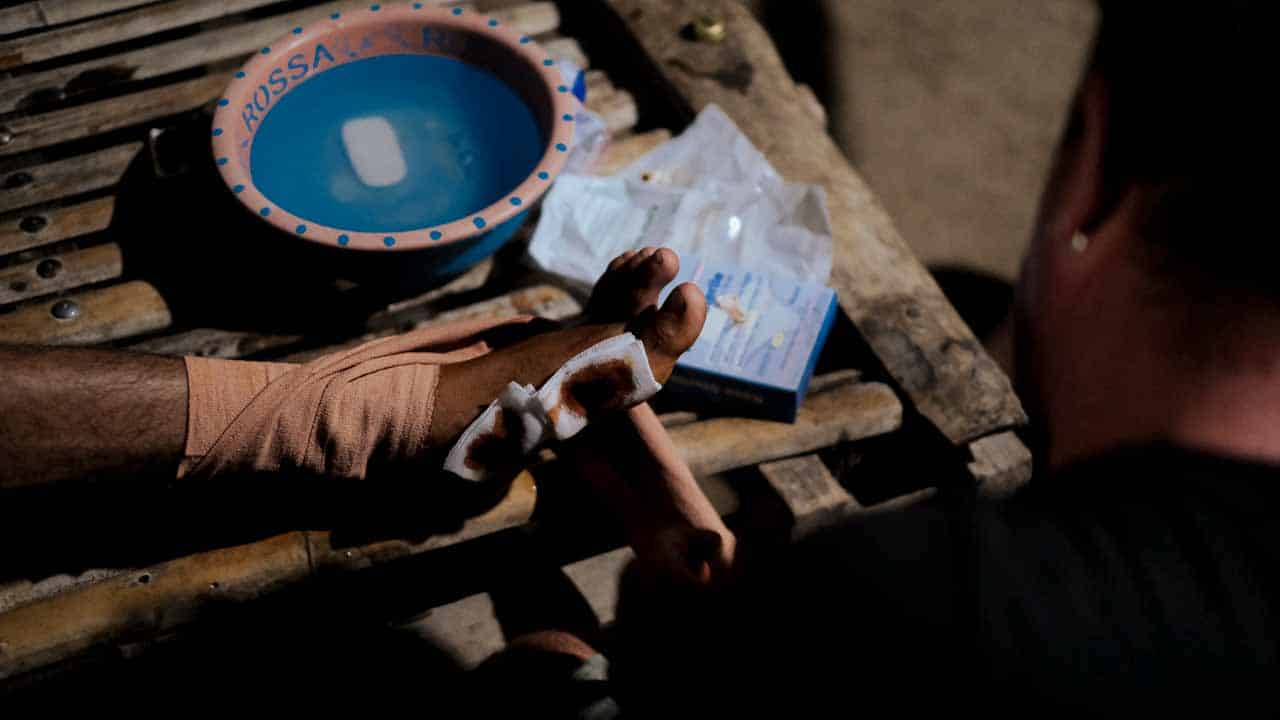
On the ground, the first actions after a snakebite are simple but strict. The victim must be reassured and kept still to limit the spread of venom. The bitten limb is immobilised in a functional position without compression. Rings, bracelets, or tight clothing are removed early to prevent complications from swelling.
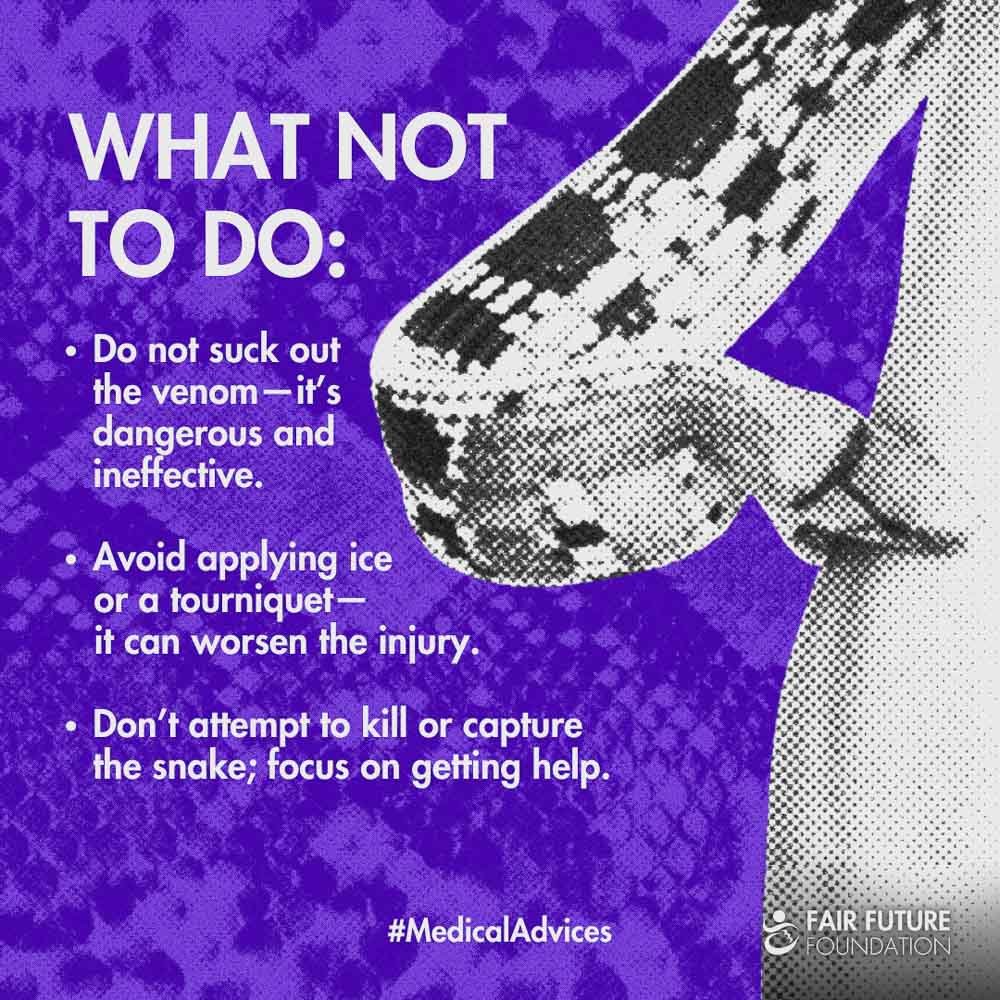
The wound is left untouched, except for gentle cleaning with clean water if available. Kawan Sehat agents are trained to strictly avoid harmful practices, including tourniquets, cutting, suction, ice, chemicals, and traditional substances.
These methods cause severe tissue damage and worsen outcomes. Early, calm immobilisation combined with rapid referral remains the safest and most effective approach in rural settings.
Learn essential steps to manage snake bites, from first aid tips to preventing complications in remote areas like East Sumba.
Reducing risk through daily habits
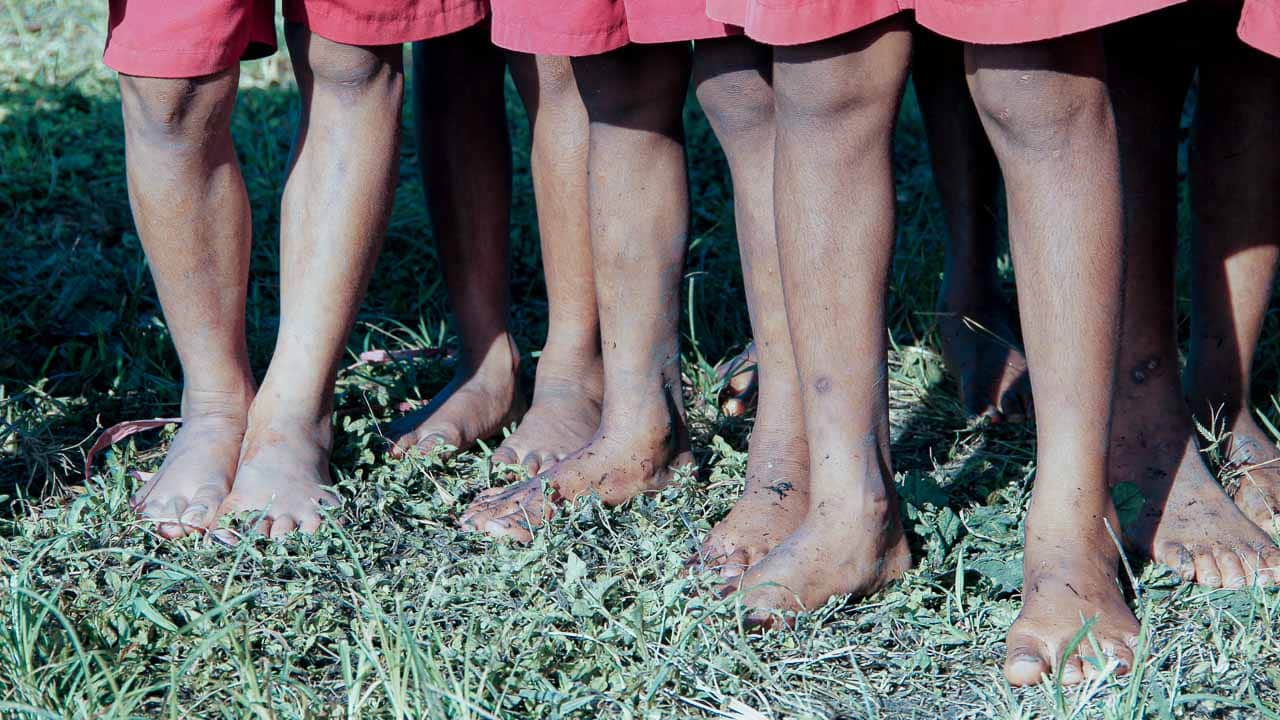
Prevention is a core part of Primary Medical Care. In villages, most snakebites occur during routine activities. Wearing closed footwear, using a light at night, and avoiding bare hands in bushes, holes, or woodpiles significantly reduces risk.
Keeping sleeping areas clean, elevated, and protected with mosquito nets limits nocturnal bites. Proper food storage reduces the presence of rodents, which attract snakes. Kawan Sehat agents work continuously with families to explain snake behaviour and reduce fear-based reactions.
Snakes usually bite defensively, not aggressively. Killing or handling snakes increases risk and injury. Prevention relies on practical habits, environmental hygiene, and education adapted to daily rural life.
Learn essential steps to manage snake bites, from first aid tips to preventing complications in remote areas like East Sumba.
The role of witnesses in a snakebite
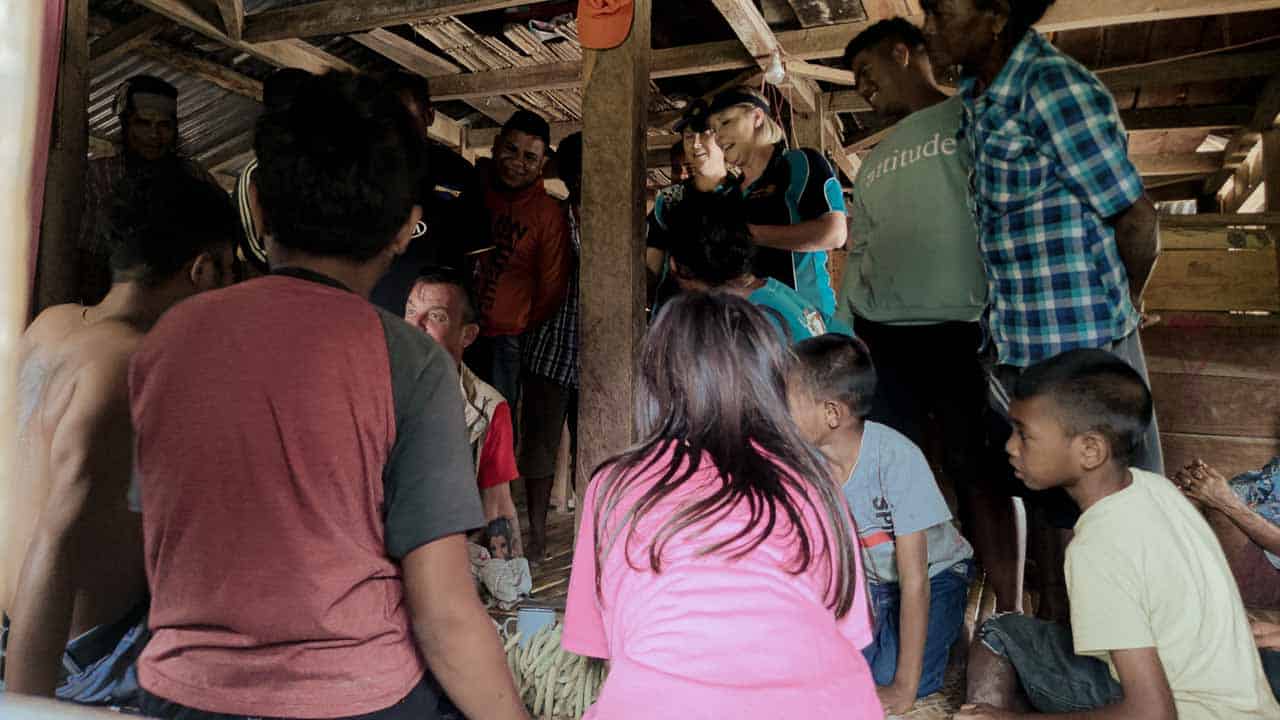
Witnesses often determine the outcome of a snakebite. Panic can lead to dangerous decisions. Kawan Sehat agents teach communities to focus on calm, practical action. Witnesses should reassure the victim, limit movement, and assist with immobilisation and transport.
Attempting to capture or kill the snake must be avoided, as it can lead to additional bites and delay care. Identifying the snake is not necessary for first aid. Observing the victim’s breathing, level of consciousness, and pain progression is far more important. If transport is delayed, continuous monitoring is essential.
Clear coordination between witnesses and trained health agents improves survival and reduces long-term damage.
Learn essential steps to manage snake bites, from first aid tips to preventing complications in remote areas like East Sumba.
When care is delayed or incorrect
In Fair Future field experience, severe snakebite complications are most often linked to delayed referral or harmful interventions. These include tissue necrosis, secondary infections, uncontrolled bleeding, kidney failure, and permanent disability.
Infections are frequently caused by cutting the wound or applying non-sterile substances. Some patients arrive days later with advanced tissue damage that could have been prevented. Even when initial symptoms are limited, delayed systemic effects may occur hours later.
Kawan Sehat agents are trained to insist on follow-up and referral, even when patients feel better. Snakebite is not resolved after the first hour. Ongoing assessment is essential to prevent irreversible outcomes.
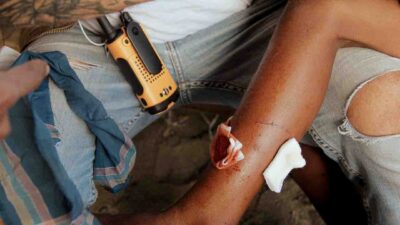
Early treatment of wounds and skin infections in ultra-rural Indonesia prevents severe infections and progression to sepsis through primary medical care.
Building a local response system
In ultra-rural regions, survival depends on community preparedness. Fair Future Foundation invests in training, equipment, and supervision for Kawan Sehat health agents to enable early, accurate responses.
Community-based care includes clear referral pathways, basic emergency kits, stretchers, and communication tools. Recording snakebite cases helps adapt prevention strategies and medical planning. Most importantly, trust in trained health agents replaces dangerous traditional practices.
Snakebite management does not start in hospitals. It starts in villages, with education, coordination, and respect for evidence-based care. Strengthening local capacity turns a high-risk event into a manageable emergency.
A final word of thanks to all of you…
Snakebites are a major health problem in areas such as East Sumba and elsewhere across the vast Nusa Tenggara Timur region and Indonesia.
However, through awareness, preparedness and community education, their impact can be significantly reduced. Kawan Baik Indonesia, Fair Future Foundation, and Kawan Sehat health agents under the Primary Medical Care program are actively strengthening rural communities by equipping them with the knowledge and tools to respond effectively to emergencies, saving lives and building resilience.
Today, the 15th of January 2026 – Alex Wettstein
About this topic on our Instagram page