

Disease prevention in rural health settings
Preventing infection before medical emergencies begin
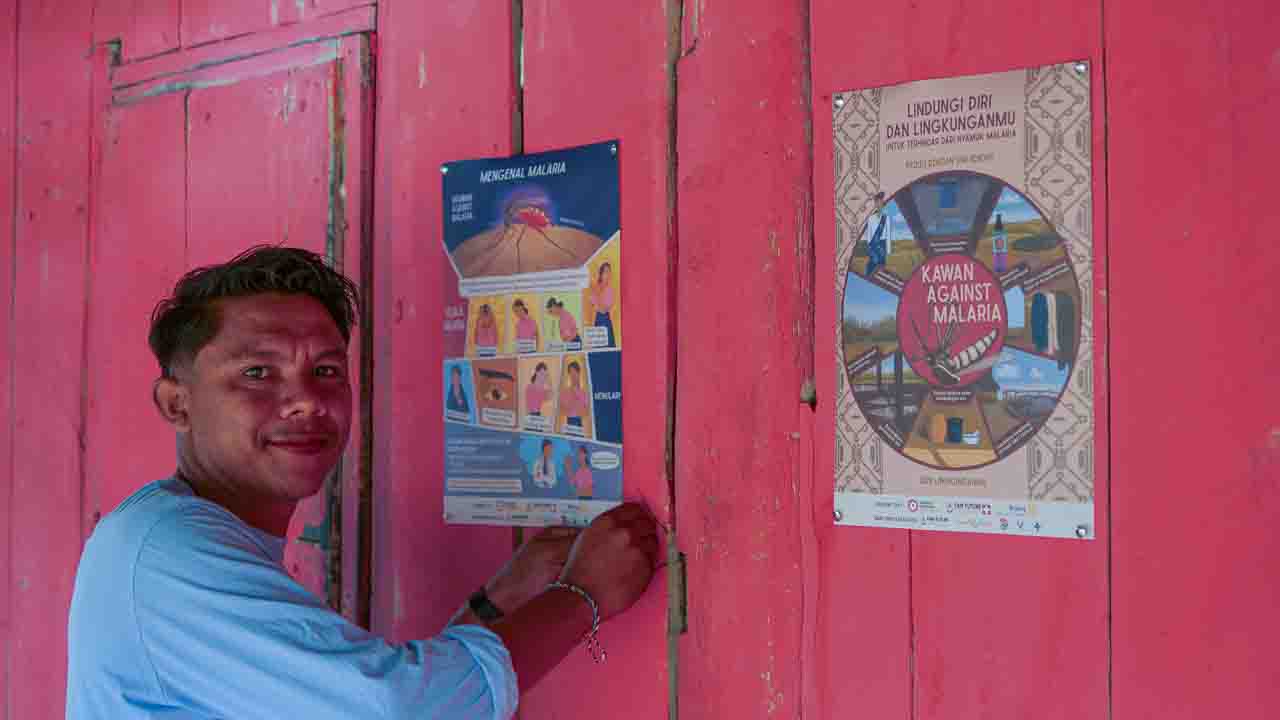
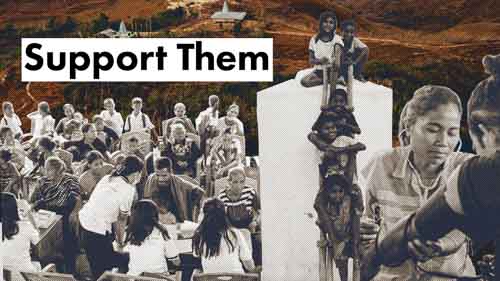
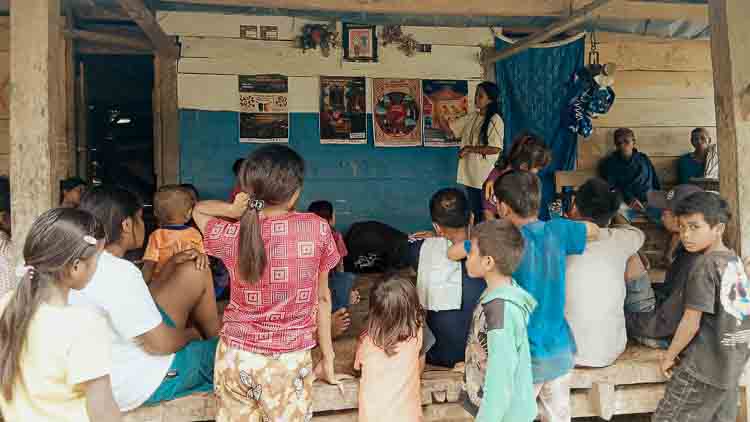
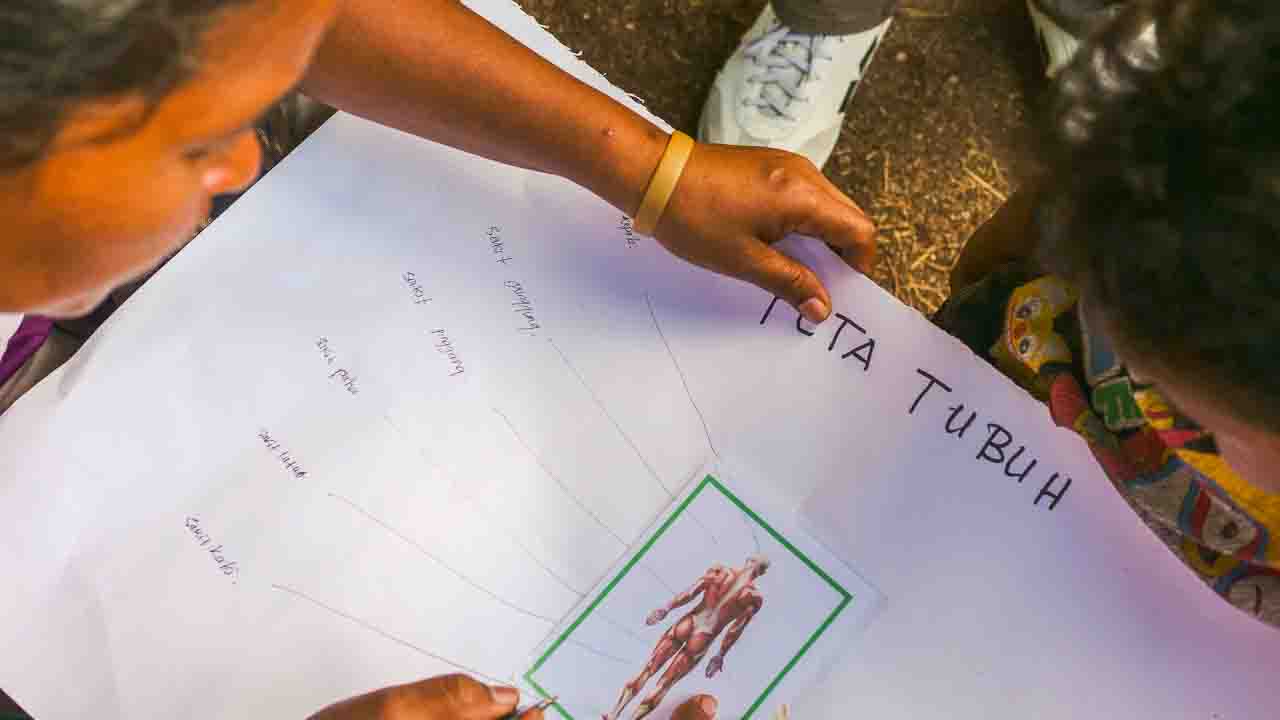
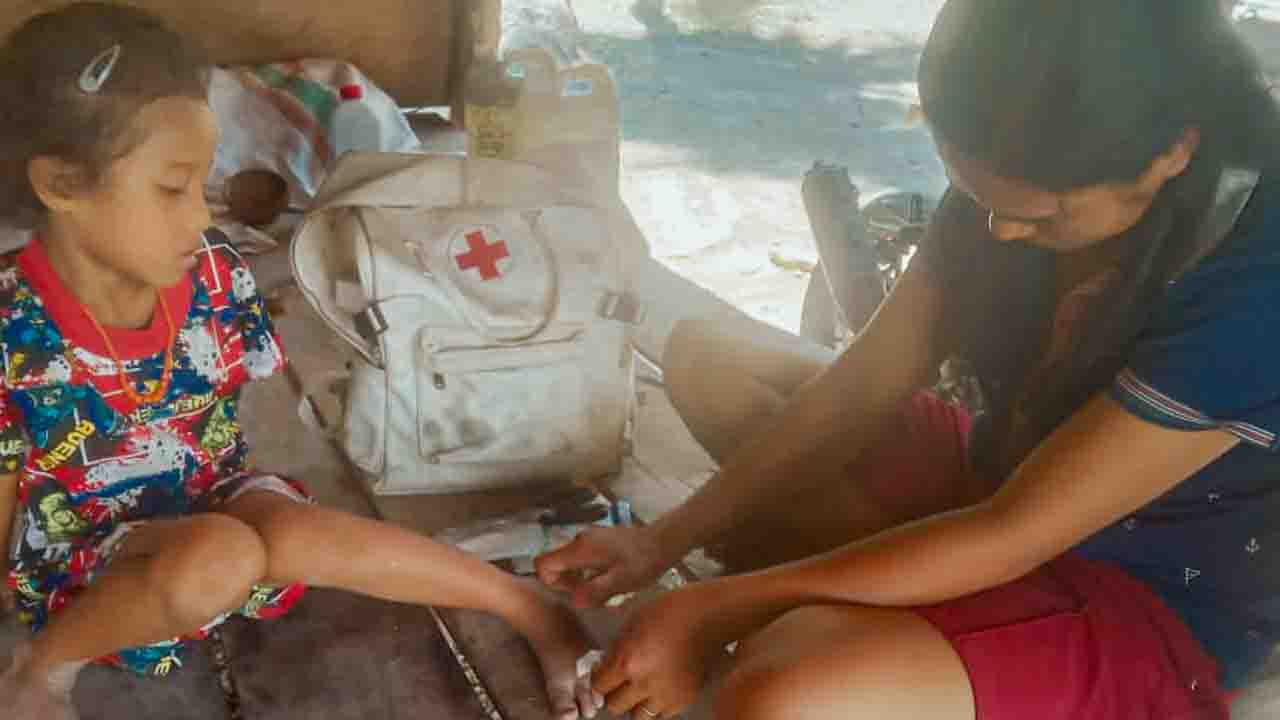
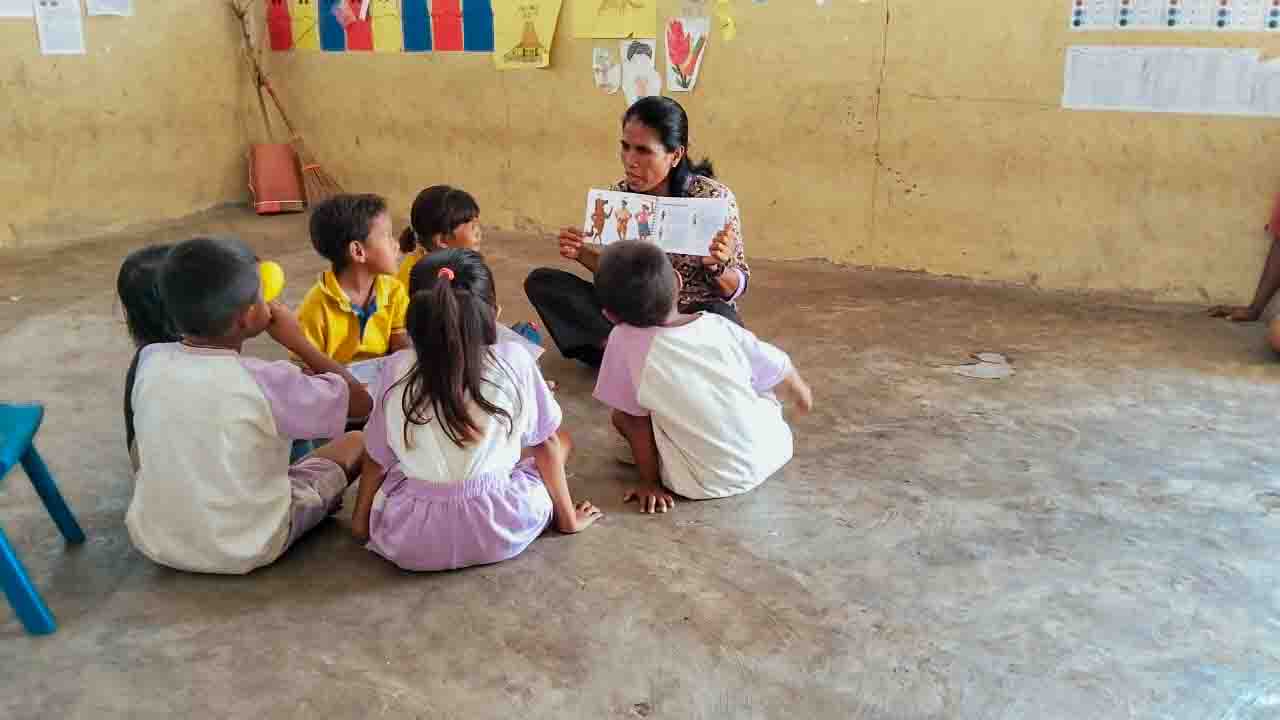
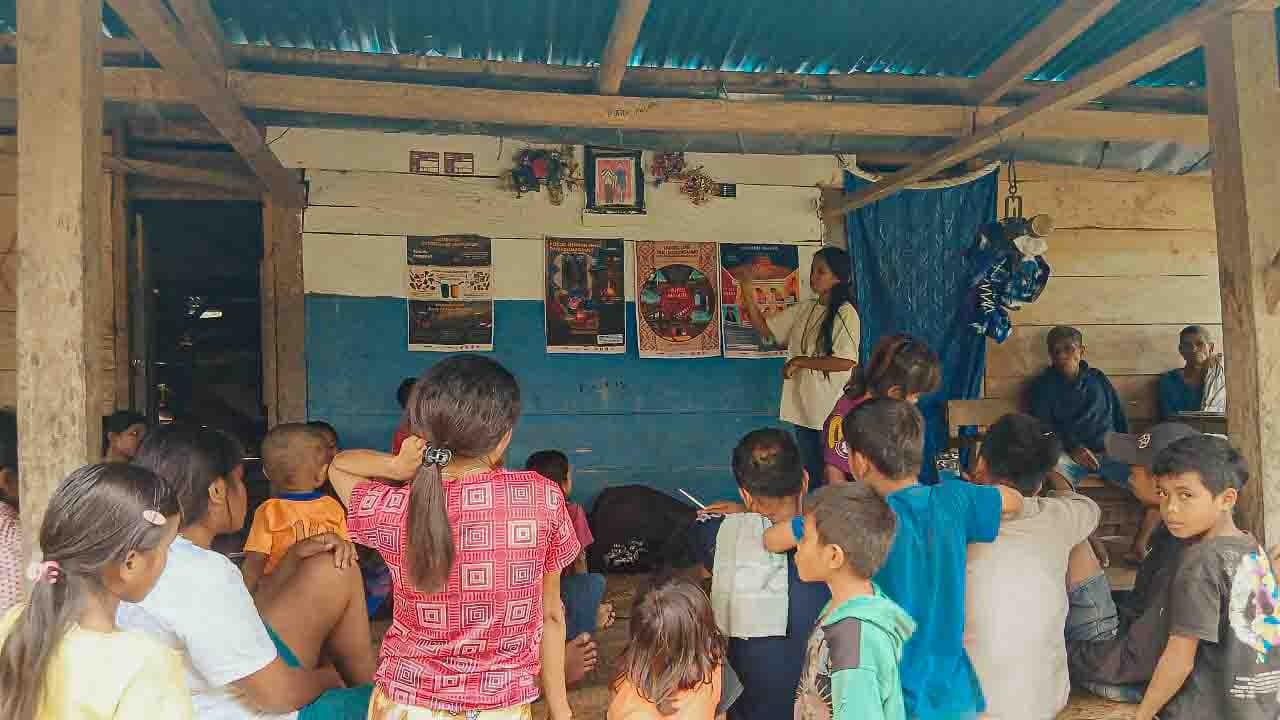
Disease prevention activities are carried out through community health education, medical posters and direct engagement with families in rural settings.
Disease prevention is often framed as a concept. In practice, it is a daily medical act.
In ultra-rural regions where access to healthcare is limited or absent, prevention is not secondary to care. It is the first and most effective medical intervention. Hygiene, vaccination, early awareness, and repeated education reduce infections long before emergencies begin, often before patients reach a health facility.
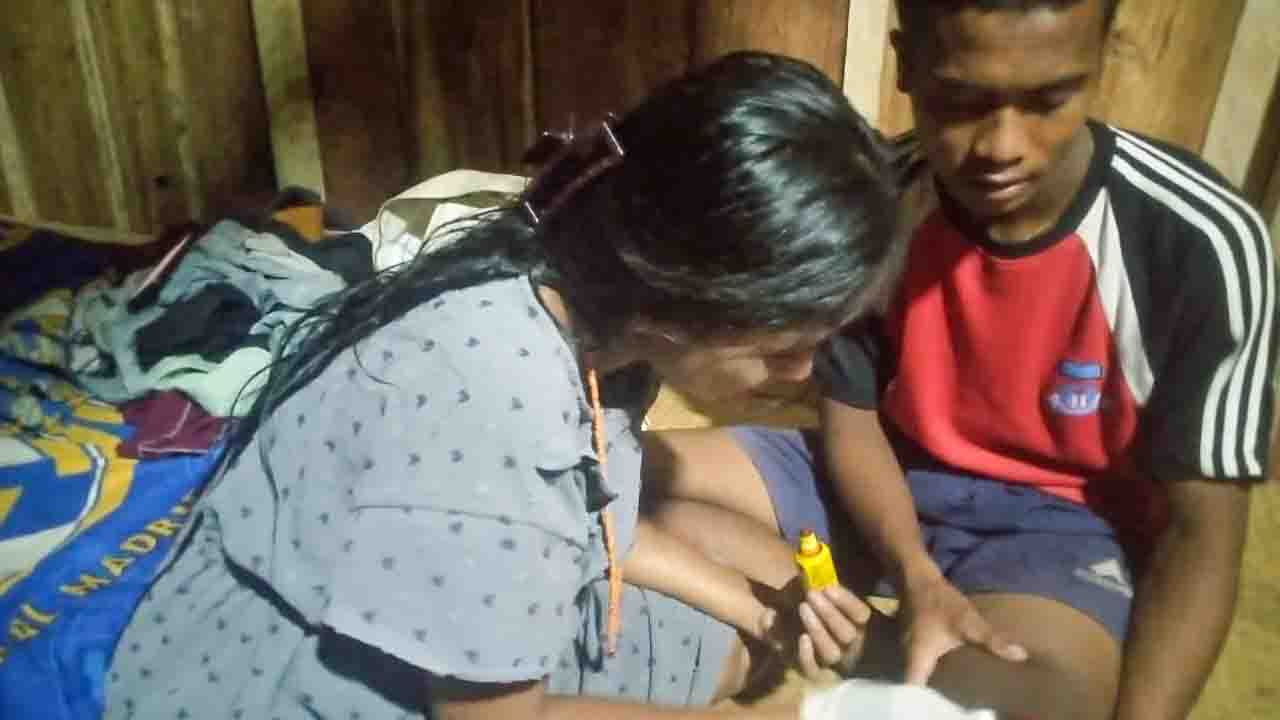
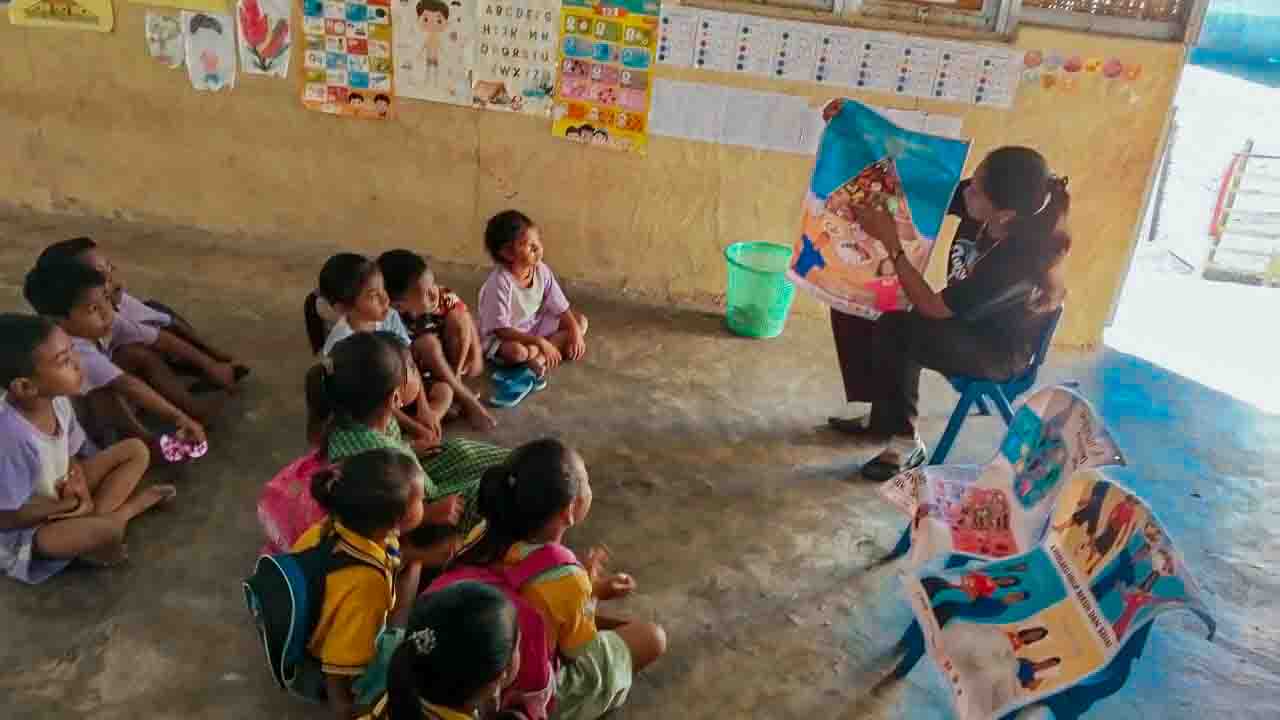
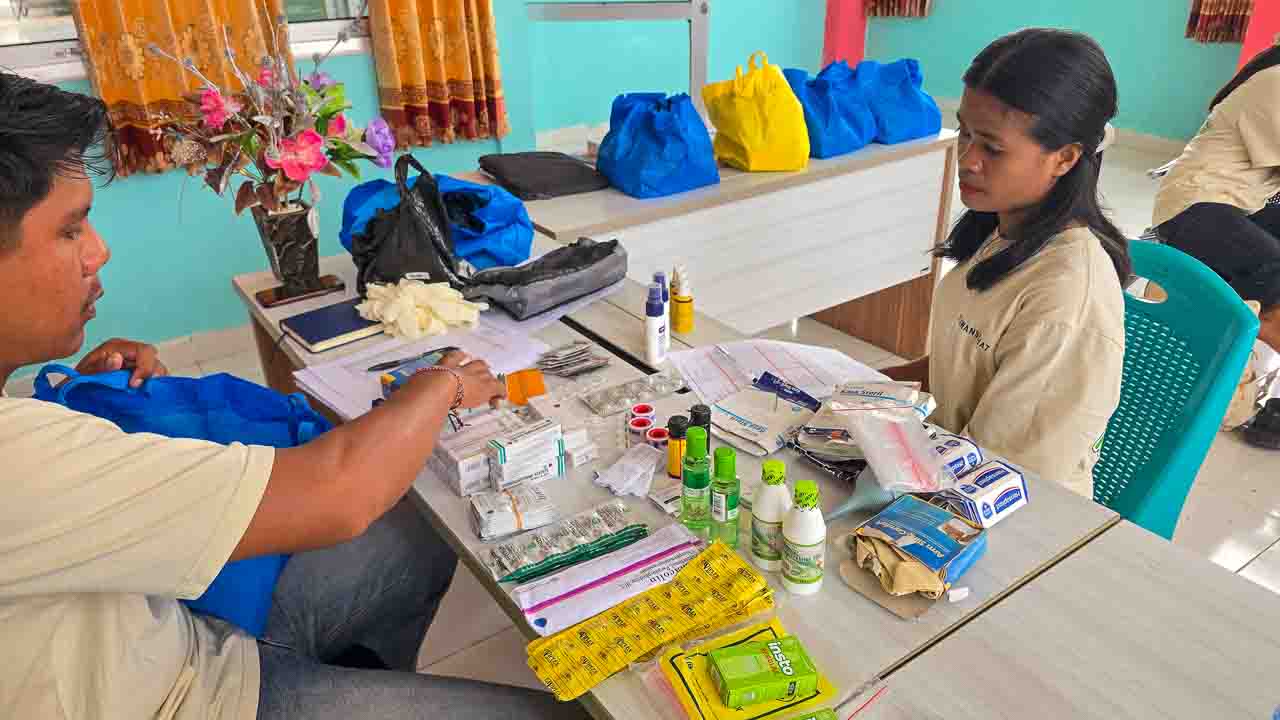
At Fair Future Foundation, disease prevention is not theoretical. It is practised house by house, school by school, village by village. Our teams work directly in communities, alongside local authorities, without subcontracting. We train and supervise local health agents who enter homes, speak with families, and use simple, visual tools to explain how diseases spread and how they can be prevented. This proximity builds trust, and trust is essential when addressing sensitive topics such as hygiene, vaccination, tuberculosis, malaria, dengue, or leprosy. Prevention efforts in these areas align with WHO recommendations that emphasise community engagement as a cornerstone of effective health strategies.
Prevention only works when it is continuous. One poster, one campaign, or one visit is not enough. Behaviours change through repetition and presence. In settings where health systems are fragile, interruptions quickly erode progress. This is why disease prevention must be integrated with Primary Medical Care, access to clean water, and early detection. Education without follow-up fails. Treatment without prevention overwhelms systems. Indeed, research suggests that consistent community-based interventions can lead to sustained improvements in public health outcomes.
Our experience shows that prevention is also the most cost-efficient form of medicine. It reduces avoidable suffering, limits outbreaks, and protects families from complications that should never become life-threatening. As climate change, population mobility, and environmental degradation reshape disease patterns, prevention strategies must adapt, but never disappear. Studies indicate that every Swiss Franc spent on preventive measures can save several Francs in future healthcare costs, underlining the economic rationale for preventive health.
Looking forward, our vision is grounded in realism. Strengthen what works. Maintain trained teams. Update educational tools. Expand carefully without losing quality. Disease prevention saves lives only when it remains active over time. On the ground, prevention is not an idea about the future. It is a responsibility we carry every day.
Today, the 12th of January 2026 – Alex Wettstein – Thank you for reading
In Short – Prevention before emergencies
In extremely rural areas, disease prevention is frequently the sole medical safeguard shielding families from serious illness. Promoting education, hygiene, and vaccination awareness helps lower infection rates well before emergency treatment becomes necessary, thereby safeguarding communities with limited healthcare access.
Disease Prevention at Community Level

List of Related Organisations with Hyperlinks
- World Health Organisation: Sets global standards for disease prevention and public health strategies.
- UNICEF: Supports vaccination and child health programmes in low-resource settings.
- Médecins Sans Frontières: Provides medical care and responds to infectious diseases in fragile contexts.
- Global Fund: Finances malaria, tuberculosis and HIV prevention worldwide.
- Malaria Consortium: Develops interventions for malaria prevention and community health.
- GAVI Alliance: Supports global vaccination programmes in underserved regions.