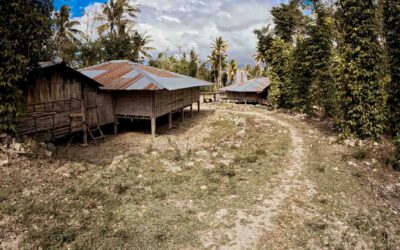
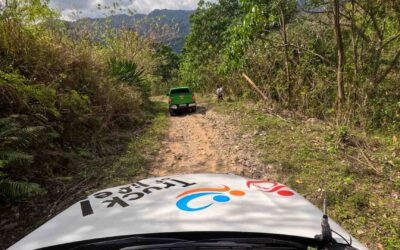
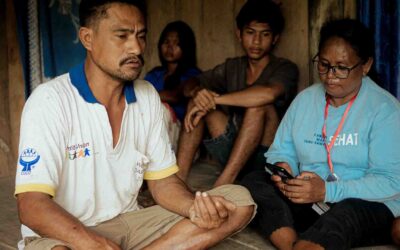
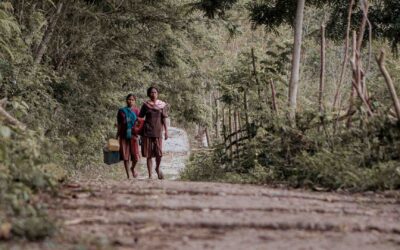
In ultra-rural regions, disease prevention is often the only medical barrier between families and severe illness. Education, hygiene and vaccination awareness reduce infections long before emergency care is needed, protecting communities where access to healthcare remains limited.
Children can't learn effectively in darkness or when suffering from chronic infections. By electrifying schools, improving nutrition, and providing treatment for common illnesses, we create safe environments for learning and development. In this way, education acts as a shield against poverty and social exclusion.
Donate
Support Care
Programs
All projects
Quick News
Field updates
Stories
Field stories
Having Lives Through Primary Medical Care in Remote Areas
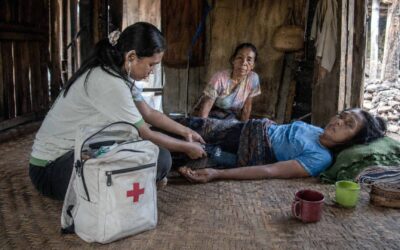
Fair Future Foundation’s Primary Medical Care initiative is a lifeline for remote communities in East Sumba. By providing essential healthcare where access is nearly impossible, this program saves lives. Our approach empowers local women as Kawan Sehat health agents, ensuring that even the most isolated villages receive vital medical attention. This unique program is building healthier, more resilient communities.
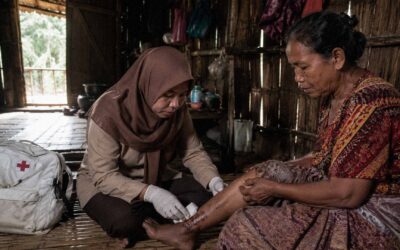
The Primary Medical Care category documents the delivery of essential healthcare services in ultra-rural settings where access to doctors and facilities is limited or absent. Articles describe how trained health agents provide first-line care, manage common illnesses, treat injuries, monitor chronic conditions, and identify early warning signs requiring referral. This work follows WHO primary health care principles, combining treatment, prevention, and continuity of care. By bringing structured medical care directly to communities, this category highlights measurable improvements in health outcomes, safety, and resilience under real field constraints.

Kawan Sehat medical evaluation in remote East Sumba
A clinical assessment of how primary healthcare quality is maintained in remote villages of East Sumba. This article documents a structured medical evaluation of a community health agent, highlighting training, supervision, and data accuracy as key elements of safe rural healthcare.
No Access to Healthcare in Rural Areas | Clinical Reality
In ultra-rural regions, people do not die from rare diseases, but from delays and absence of care. Primary Medical Care restores continuity where systems stop, reducing preventable illness through presence rather than technology.
Skin infection prevention in rural Indonesia
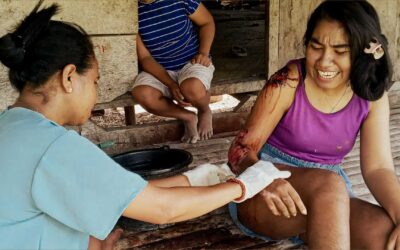
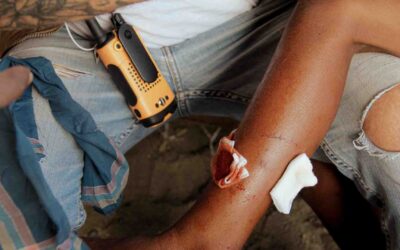
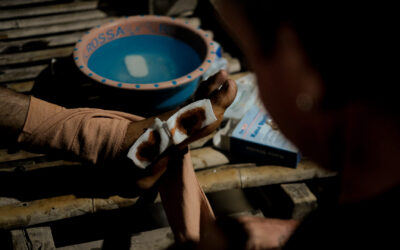
Skin infections are not cosmetic. In ultra rural areas, small cuts, insect bites, or scratched skin can quickly become dangerous infections. Heat, dirty water, and delayed care increase the risk. Early cleaning and simple prevention save lives every day in the field.
Kawan Sehat Medical App – Offline care in rural regions
In ultra rural Indonesia, access to medical care depends on distance, roads, and signal. The Kawan Sehat Medical App was created to change that reality by enabling trained community health agents to deliver structured primary medical care without internet access, while generating reliable medical data for long term action.
Kawan Sehat Ultra-Rural Medical Care in Eastern Indonesia
In eastern Indonesia, ultra-rural medical care depends on people who walk where vehicles cannot go. In regions cut off from roads, electricity, and doctors, Kawan Sehat health agents provide first-line treatment, prevention, and education. Their work fills the growing gaps left by under-equipped Puskesmas and overstretched hospitals.
HIV prevention poster campaign in rural Indonesia health
In East Sumba, Kawan Sehat health agents now carry a new tool the HIV prevention poster campaign. Used in homes, schools and small clinics, it explains in simple language how HIV is transmitted, how it is not, and which everyday actions protect families, partners and young people from infection and stigma.
Primary Medical Care East Sumba quarterly impact report
Primary Medical Care East Sumba is not a theory, it is 798 patients and 1,421 cases in three months, most of them children and women, treated where no doctor is present. Through Kawan Sehat agents, we bring first aid, medicines, prevention and referrals into ultra remote villages. Without this program, these cases simply stay untreated.
Kawan Sehat MbinuDita health agents farewell East Sumba
In MbinuDita, Kawan Sehat health work began with two women and a backpack. After more than three years as the first call for fevers, wounds and malaria, Agustina and Ferias end their mission, return their equipment and help prepare new agents so village care grows from twenty to thirty trained workers.
Kawan Sehat health Agent day in Lahiru village Indonesia
In Lahiru, Kawan Sehat health workers Sarlota and Yosef wake with the sun, walk steep paths for water, farm the hillsides and open their house as a small clinic. This film lets you follow their routine of cooking, washing, treating fevers and wounds so neighbors in a remote village can stay on their feet.
Who are the Kawan Sehat health agents?
In this article you finally discover who are Kawan Sehat health agents, not as numbers but as people. Through portraits and short testimonies they explain who they are, where they live, the patients they care for and why they chose to become the first line of medical care in remote East Sumba hills every day.
Kawan Sehat health agents in remote Indonesian villages
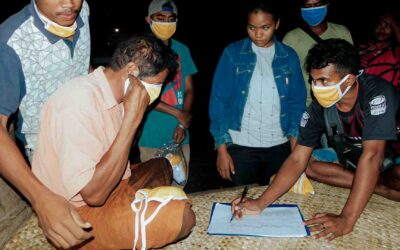
In the hills of East Sumba, Kawan Sehat health agents walk for hours to reach families who live far from any clinic or road. Equipped with a medical backpack and solid training, they treat fevers, wounds and malaria, document every case, and call our doctors when a life is in danger and transfer is possible.