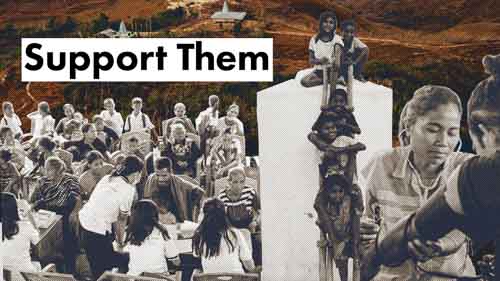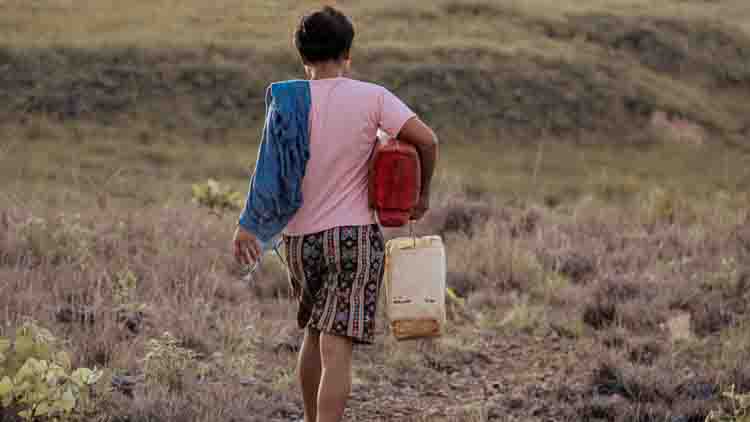



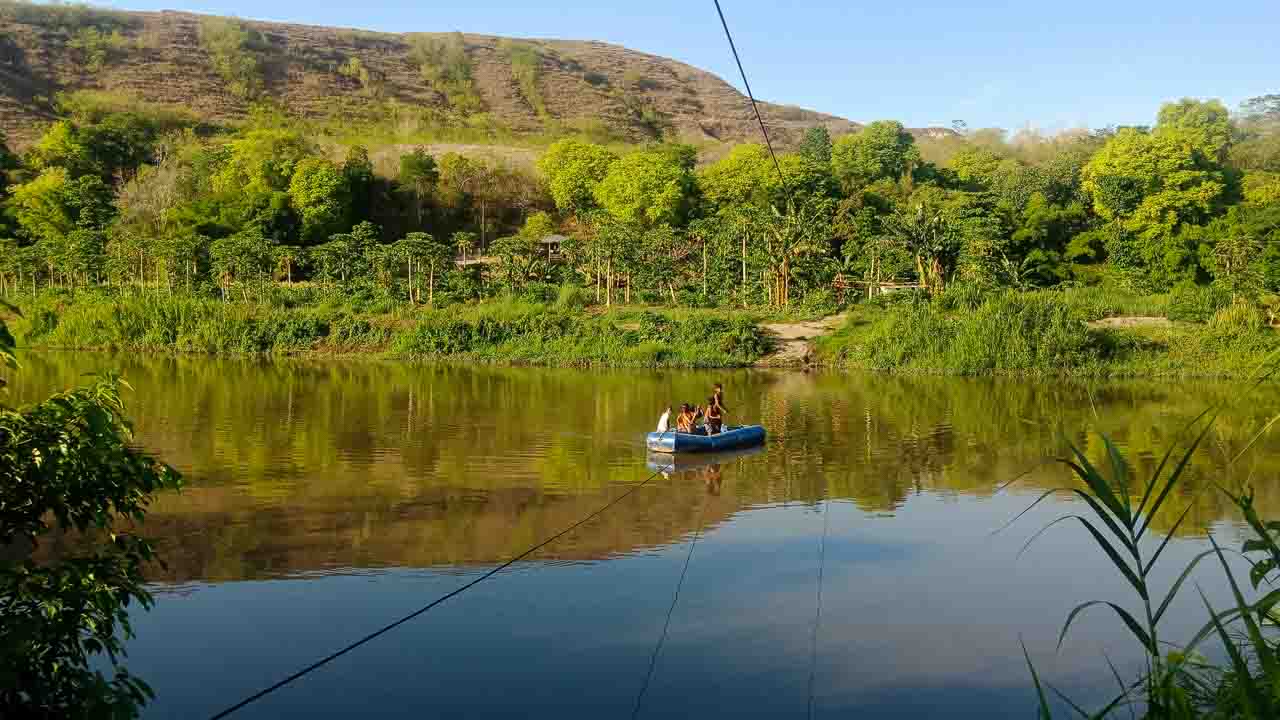
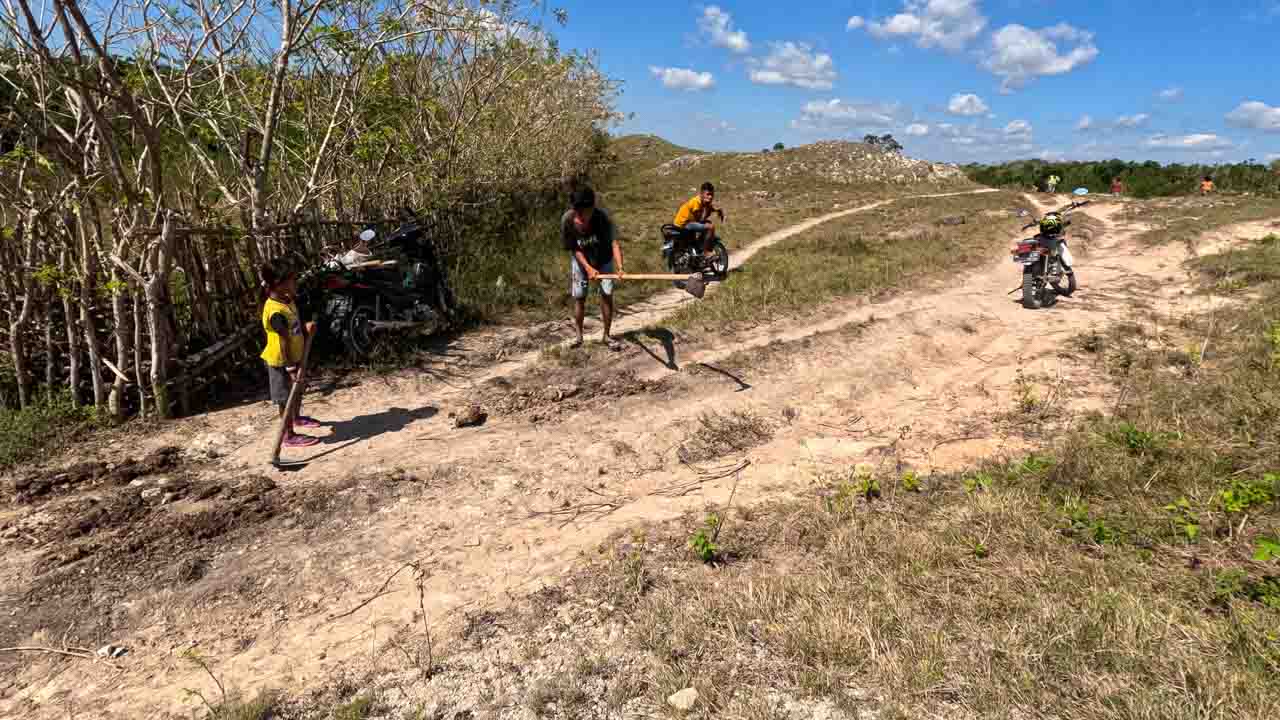
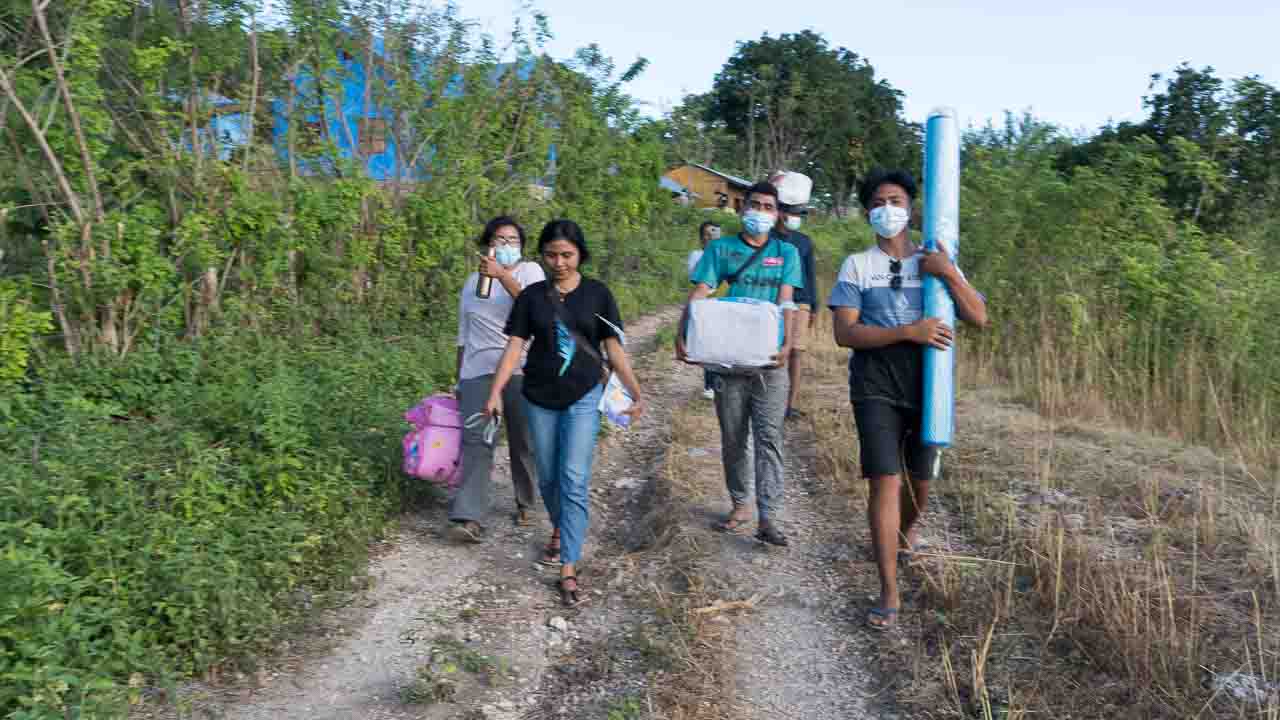
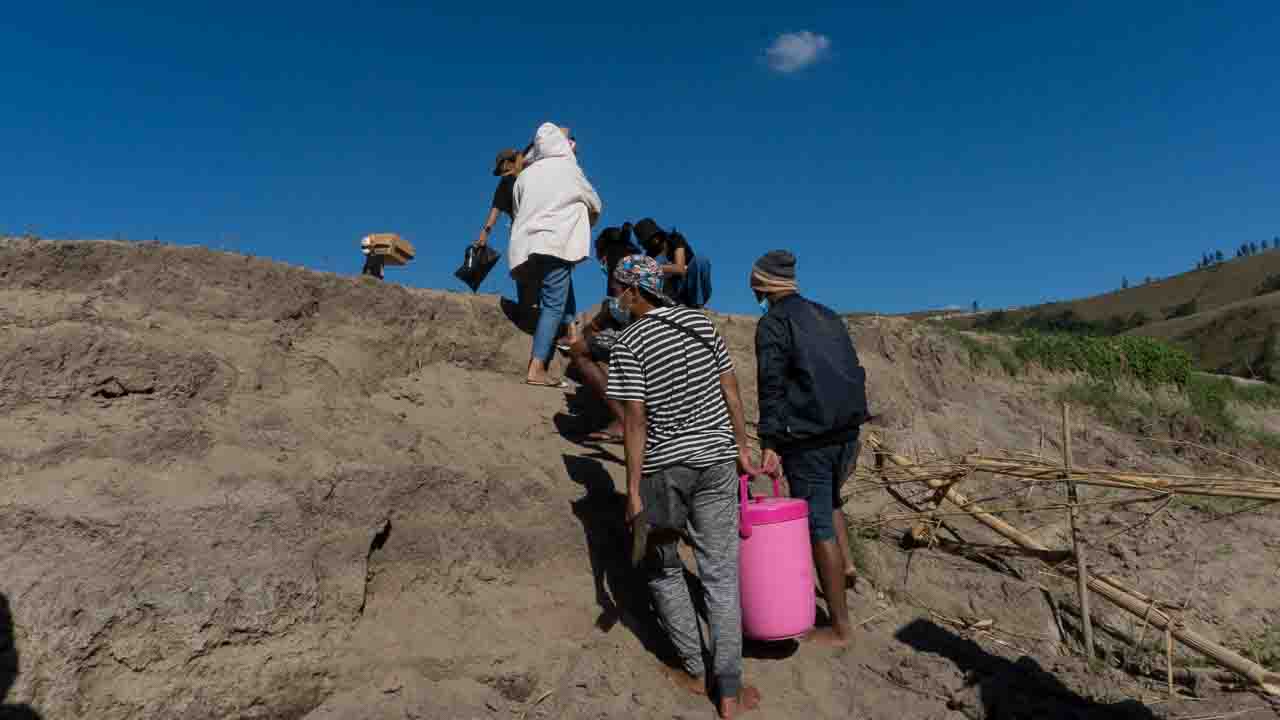
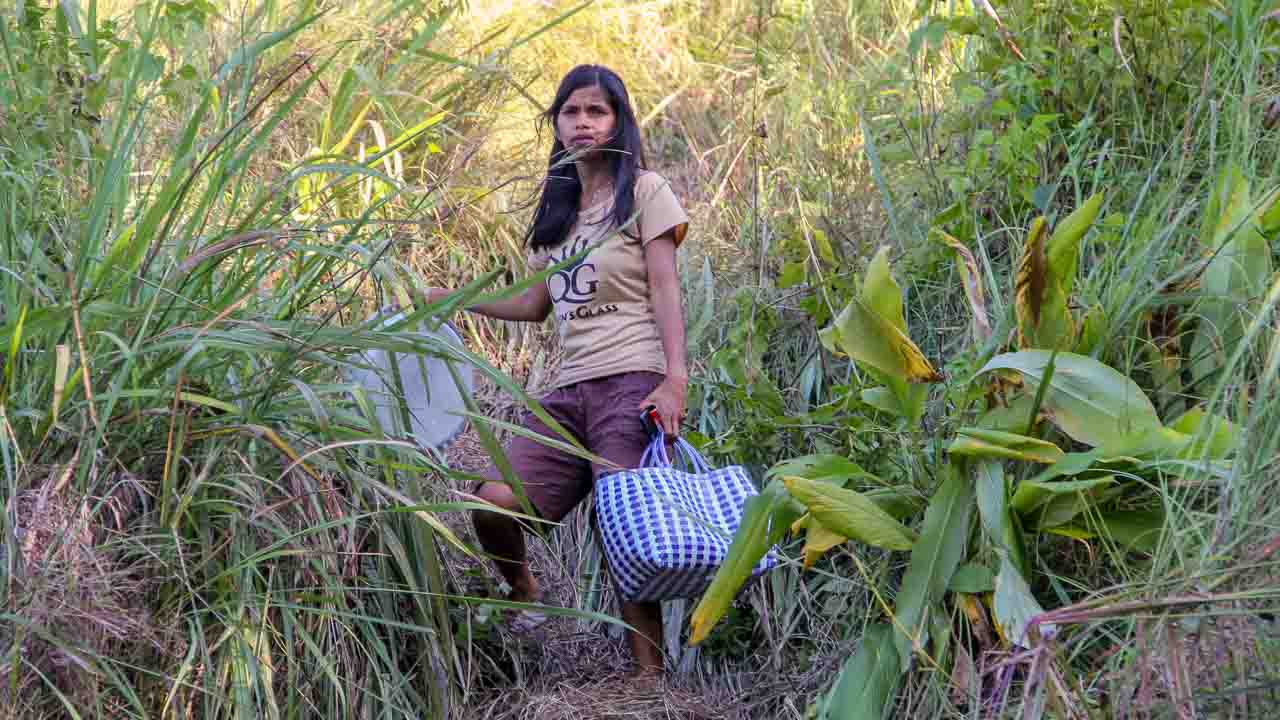
Medical teams travel through remote landscapes to reach isolated communities where access to healthcare remains limited.
The Final Stage of Global Health
Global health strategies often succeed on paper. National vaccination campaigns expand, malaria control programmes distribute nets, and essential medicines reach district hospitals. Ministries report progress, coverage indicators improve, and statistical models show encouraging trends. From the perspective of national health systems, many programmes appear effective.
But this progress often halts before the final stage.
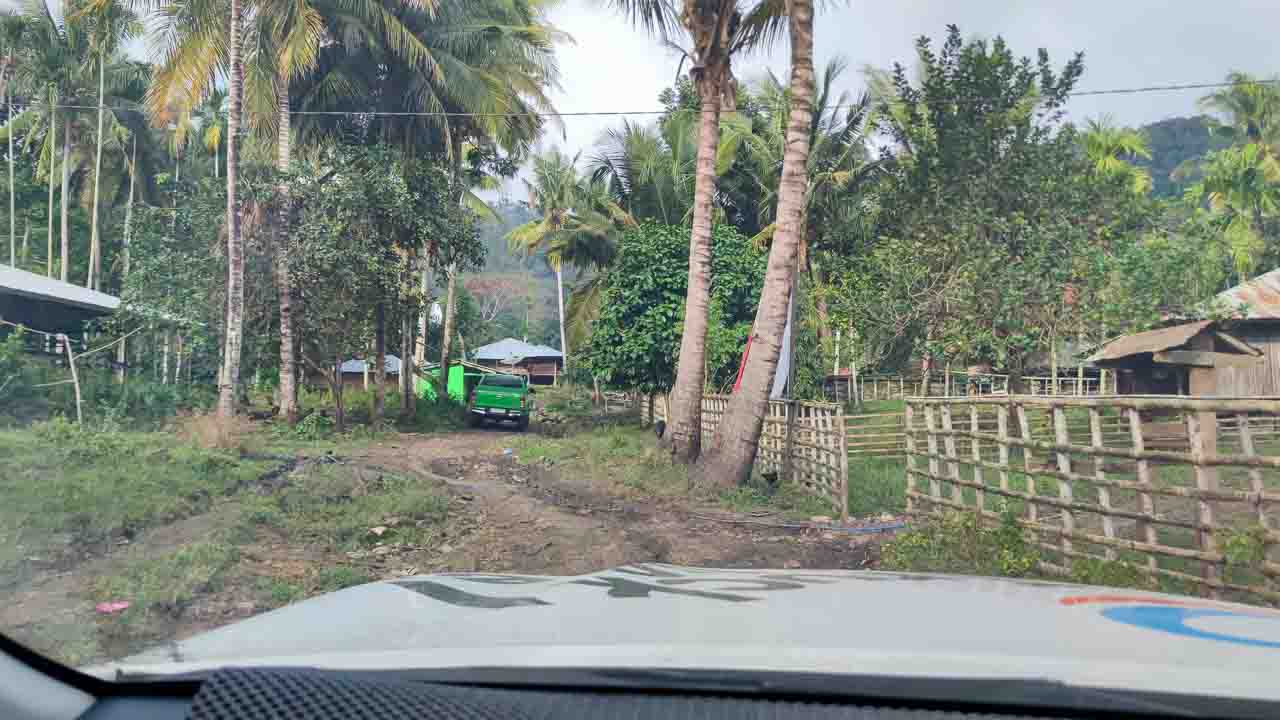
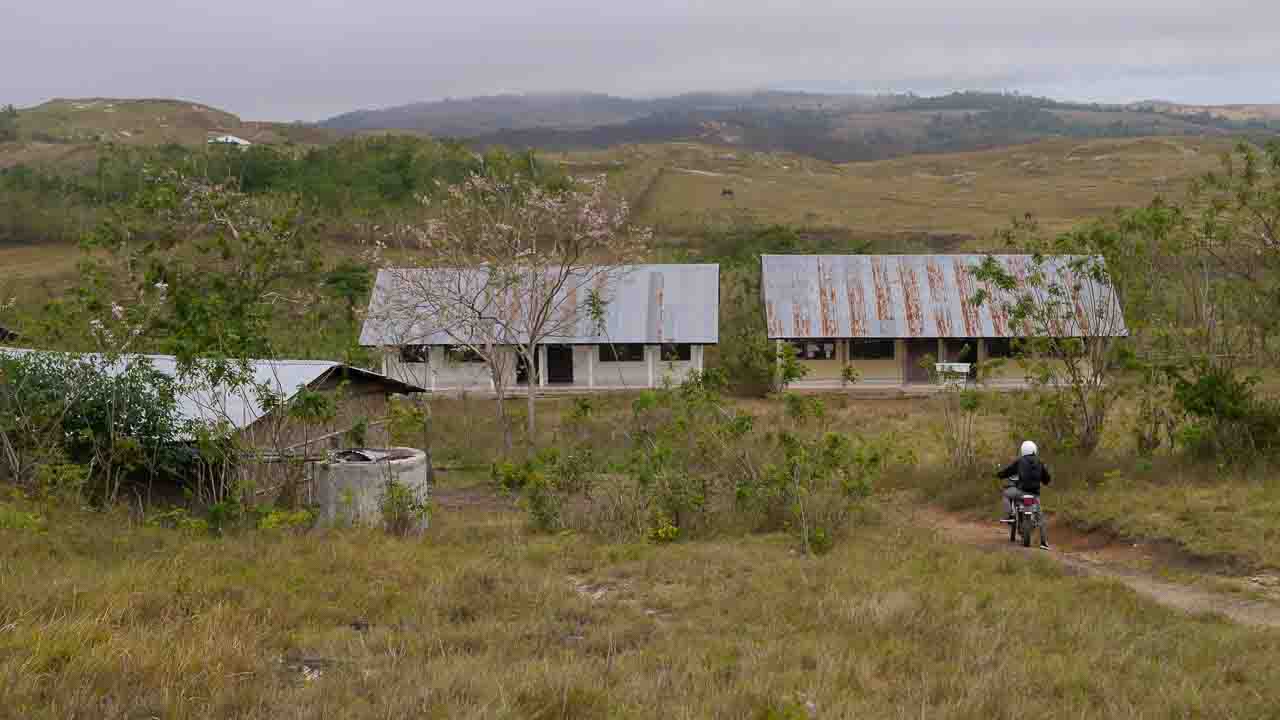
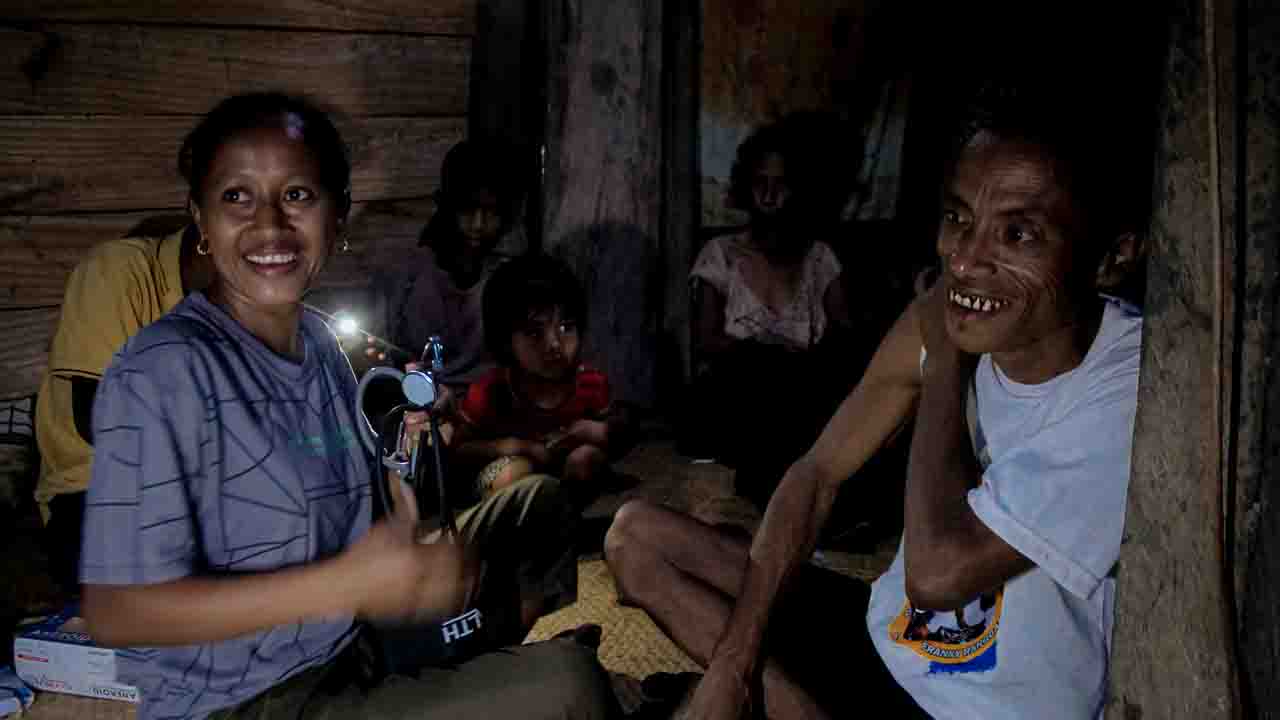
In countries with challenging geography, the last villages can remain two hours away by dirt track, sometimes even longer during the rainy season. These communities often lack electricity, reliable water sources, and regular transportation. Health centres may exist on official maps, yet the practical distance between the system and the patient remains vast. In these areas, the health system does not collapse; it simply never arrives.
This gap is rarely visible in national statistics. Coverage indicators are usually derived from administrative data collected in accessible regions where services operate and reporting systems function. Remote communities often fall outside these datasets. As a result, official figures can suggest adequate service coverage while entire populations are effectively excluded from care.
The barriers are not only medical but logistical. Vaccination programmes require cold chains. Malaria treatment demands rapid diagnosis. Antibiotics depend on supply systems and trained personnel. When roads are unreliable, electricity is absent, and communication networks fail, these technical requirements become fragile. The last mile turns into a structural barrier rather than a geographic one.
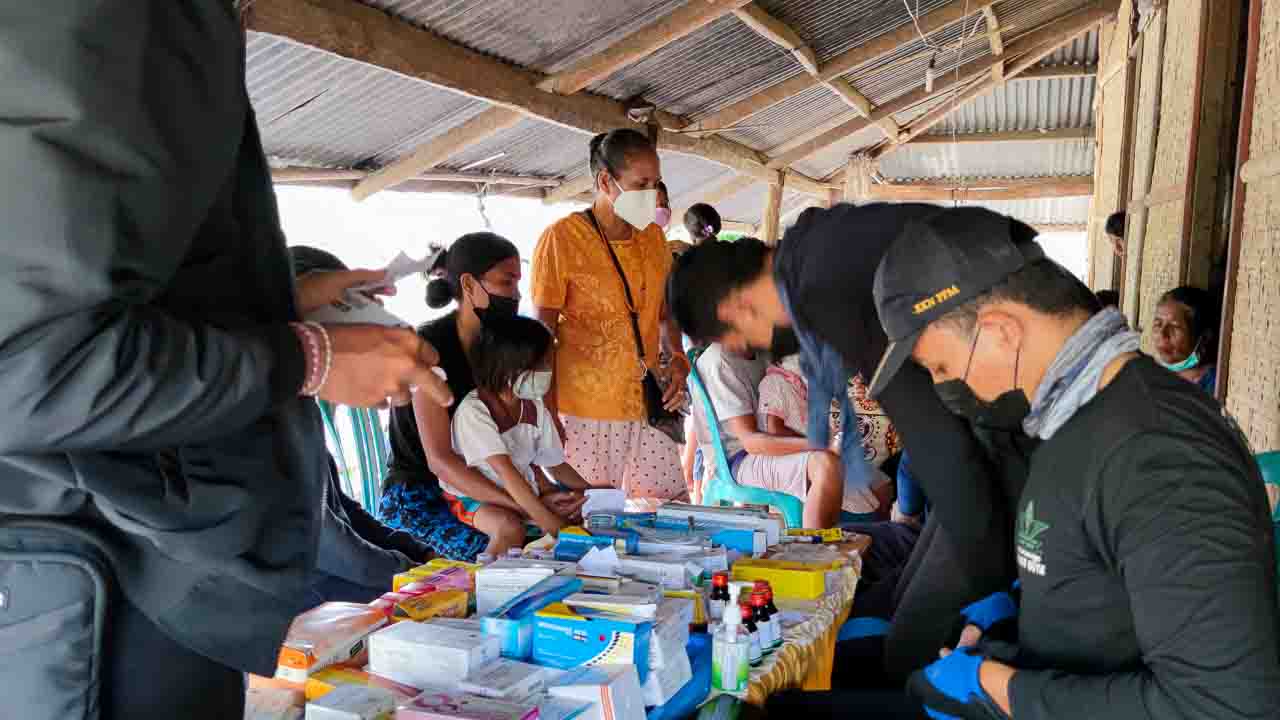
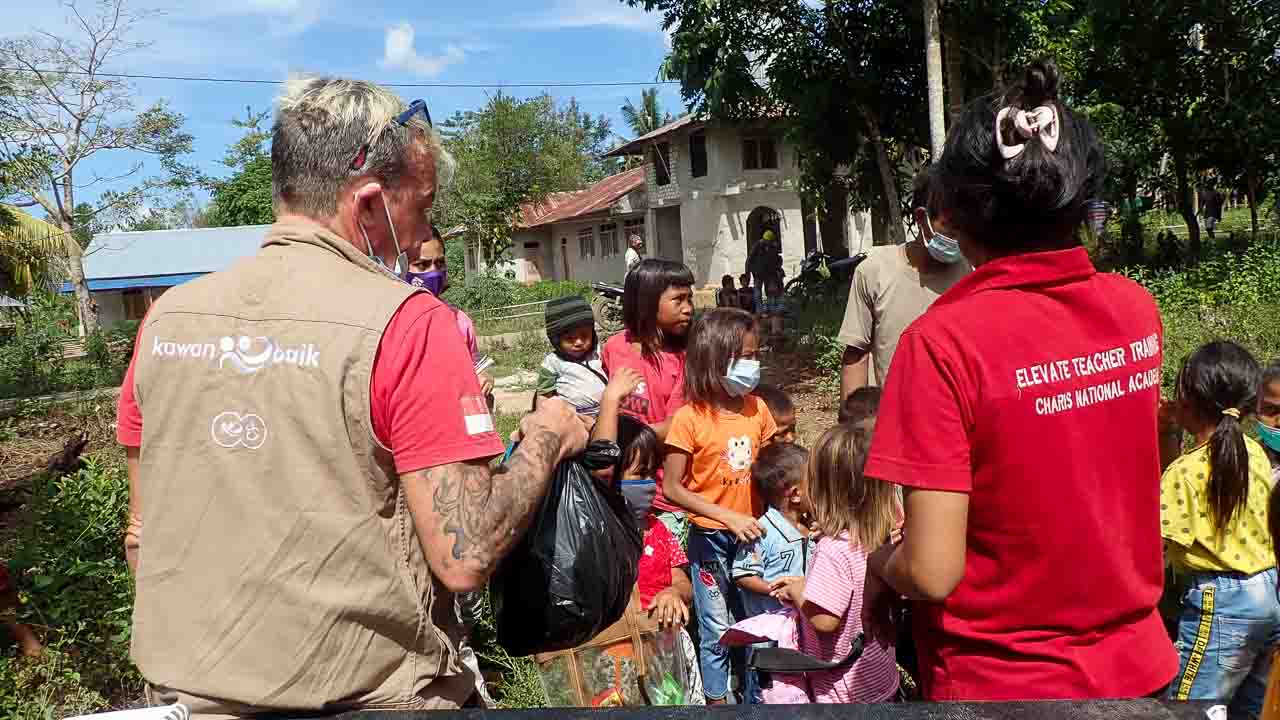
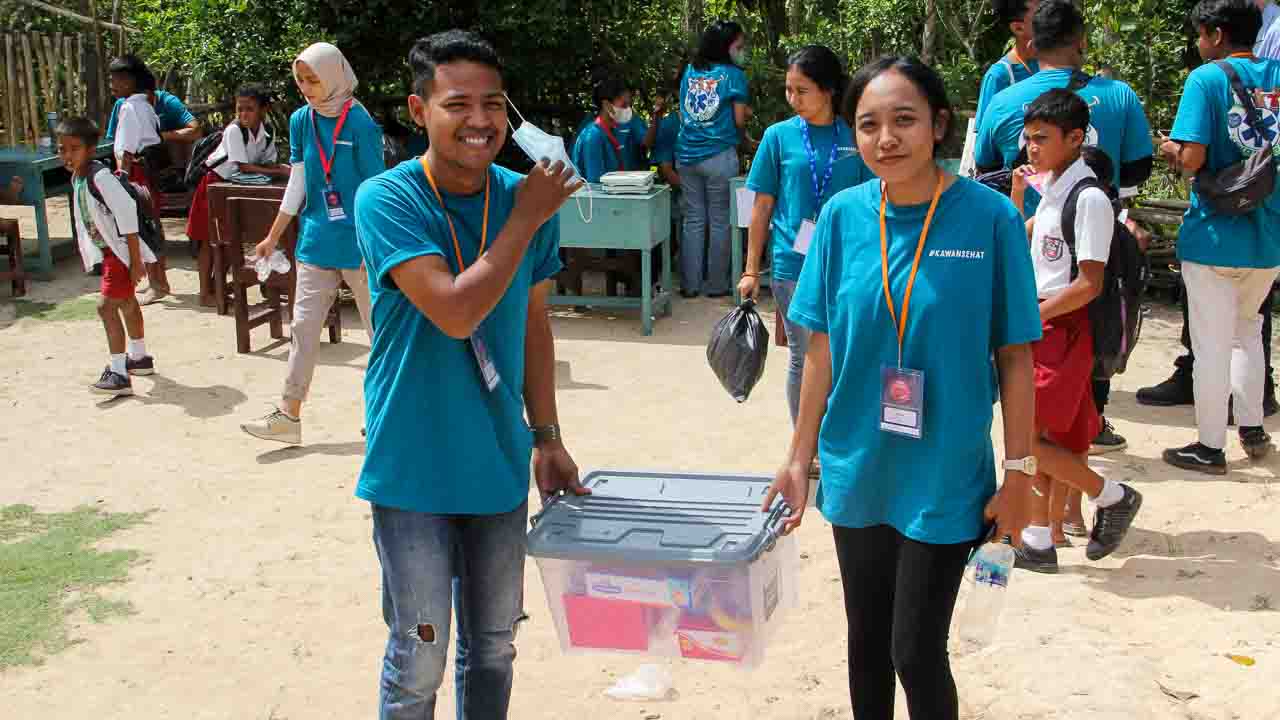
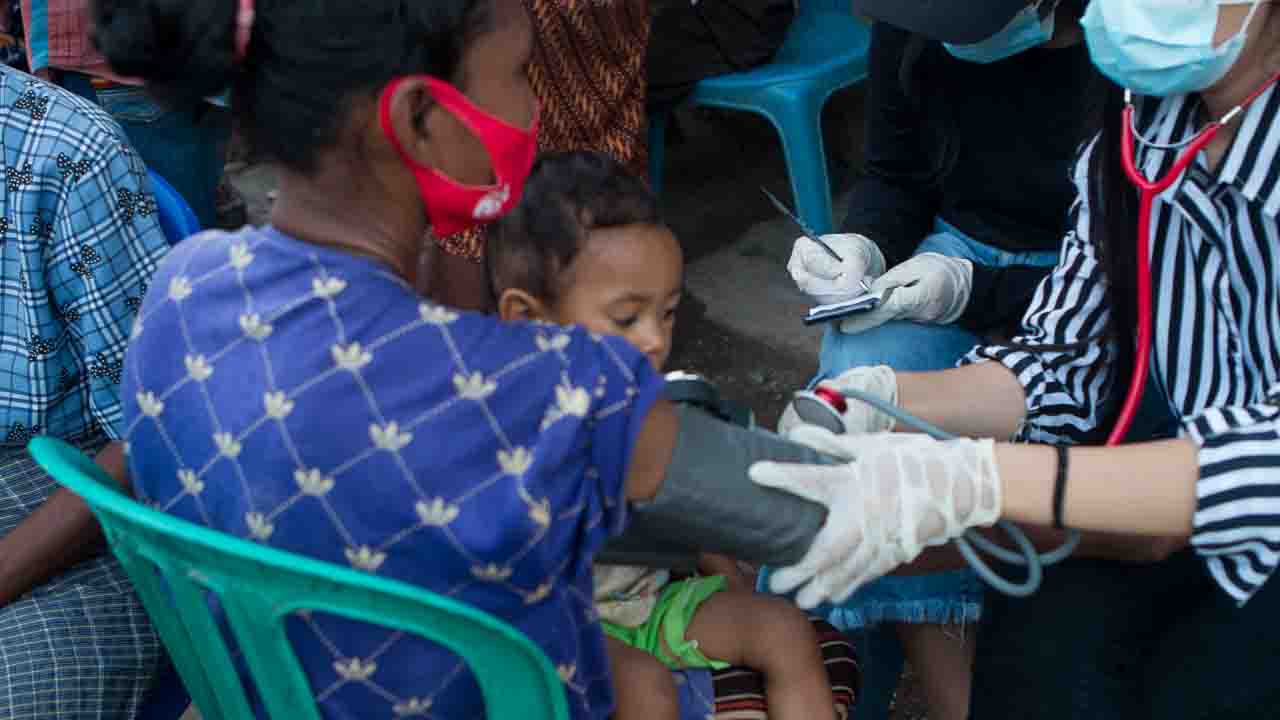
This is where community health agents (Our Kawan Sehat Health Agents) become vital. Trained local workers, equipped with basic diagnostic tools, medicines, and communication support, can bridge the divide between national health systems and isolated communities. They do not replace hospitals or doctors; instead, they extend the reach of the health system into areas where traditional infrastructure cannot easily operate.
In many ultra-rural regions, this hybrid model becomes the only practical approach to delivering care. Central health policies provide the framework, but community-based medical networks ensure the final connection between policy and patient. Without this bridge, the promise of universal health coverage remains incomplete.
Global health often speaks about universal access. Yet, access is not defined by policy declarations or national coverage maps. It is determined by whether a child in the most remote village can receive diagnosis, treatment, and prevention when illness begins.
Until the last mile is crossed, global health remains unfinished.
Today, the 5th of March 2026 – Alex Wettstein
In Short – The Geography of Healthcare
Many global health programs measure success using national statistics. But averages hide geography. A district can report strong vaccination coverage while its most remote villages remain unreached. The true measure of healthcare is not national coverage but whether the last community receives care.
The Last Mile of Global Health: Delivering Care Where the Road Ends
List of Related Organisations with Hyperlinks
- World Health Organisation: The World Health Organisation leads global strategies for universal health coverage and studies barriers to health services reaching remote populations.
- UNICEF: UNICEF supports vaccination programs, maternal health and child survival initiatives, many of which focus on overcoming healthcare gaps in remote regions.
- The Global Fund: The Global Fund finances large-scale programs fighting malaria, tuberculosis and HIV, including initiatives aimed at reaching underserved communities.
- PATH Global Health: PATH develops innovative health solutions, including diagnostic tools and community-based delivery systems for remote and underserved populations.
- Malaria Partners International supports malaria prevention and treatment programs in vulnerable communities without access to healthcare infrastructure.
- Rotary International: Rotary International supports humanitarian initiatives worldwide, including clean water access, disease prevention and rural health programs.
- SolarBuddy: SolarBuddy provides solar lamps to children without electricity, improving safety and education in rural communities similar to those served by Fair Future.
- Doctors Without Borders (MSF): Doctors Without Borders delivers emergency medical care in remote and crisis-affected regions where national health systems cannot operate effectively.