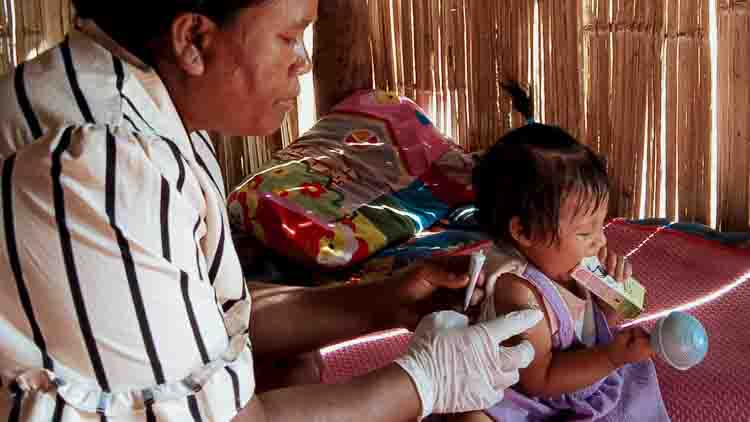




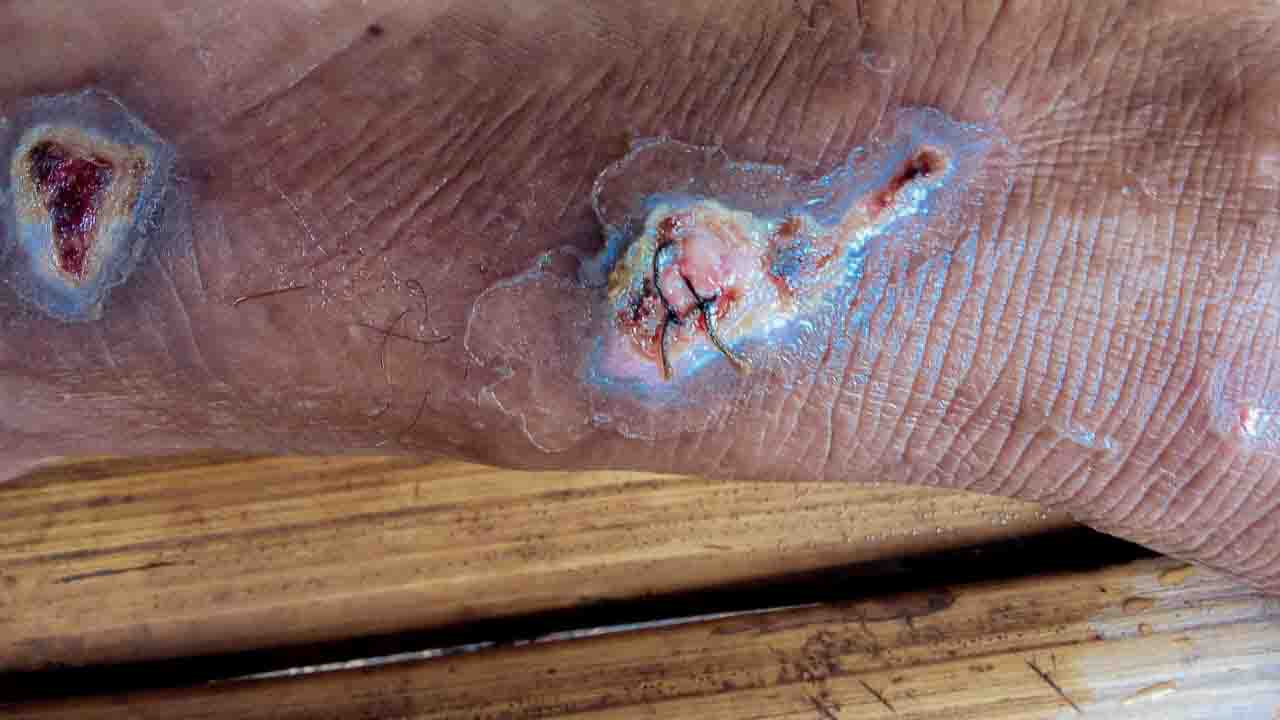
Early treatment of wounds and skin infections in ultra-rural Indonesia prevents severe infections and progression to sepsis through primary medical care.
Preventable deaths are geographic realities
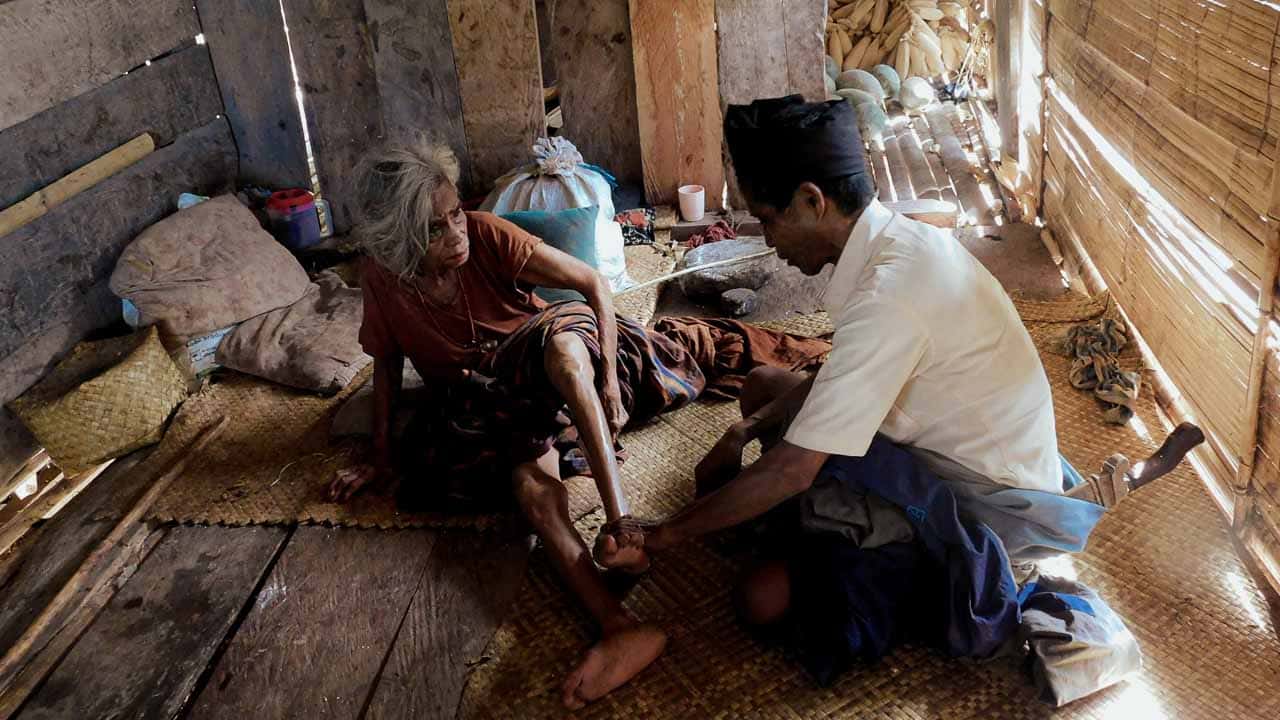
In ultra-rural regions of East Sumba, children do not die because pneumonia is mysterious. They do not die because diarrhoea is untreatable. They do not die because malaria is unknown. They die because care is far away.
When we review our field data from the Primary Medical Care programme, one variable keeps coming up: delay. The median time between first symptoms and first medical contact is rarely measured in hours. It is measured in days. For febrile illnesses compatible with malaria, we frequently document a delay of two to three days before a rapid diagnostic test is performed. For childhood pneumonia, caregivers often wait until respiratory distress becomes apparent, sometimes after 4 or 5 days of cough and fever. For acute diarrhoea, oral rehydration is rarely started within the first critical hours.
Biology does not change between a city and a village. Plasmodium parasites behave the same. Bacteria invade the lungs in the same way. What changes is the distance. Distance to a clinic. Distance to clean water. Distance to trained hands.
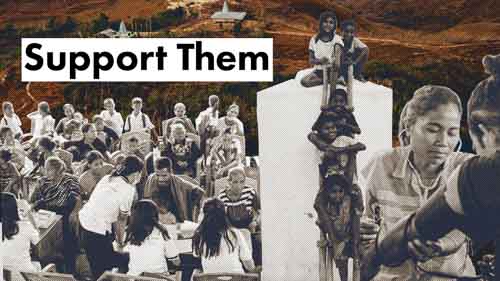
In several hamlets we serve, reaching the nearest health centre requires hours by motorbike on dry, broken roads. During the rainy season, access can be impossible. Families wait. They observe. They hope the fever will break. By the time a child arrives at a facility, dehydration is severe, oxygen saturation is low, and haemoglobin is falling. We are no longer treating early disease. We are fighting organ dysfunction.
This is why preventable mortality is, in reality, geographic mortality. The critical variable is not pathogen virulence but the time to the first effective intervention. Early antibiotics for pneumonia. Rapid antimalarial treatment within 24 hours of fever. Immediate oral rehydration for diarrhoea. These interventions are simple, inexpensive, and scientifically sound. They fail when systems fail.
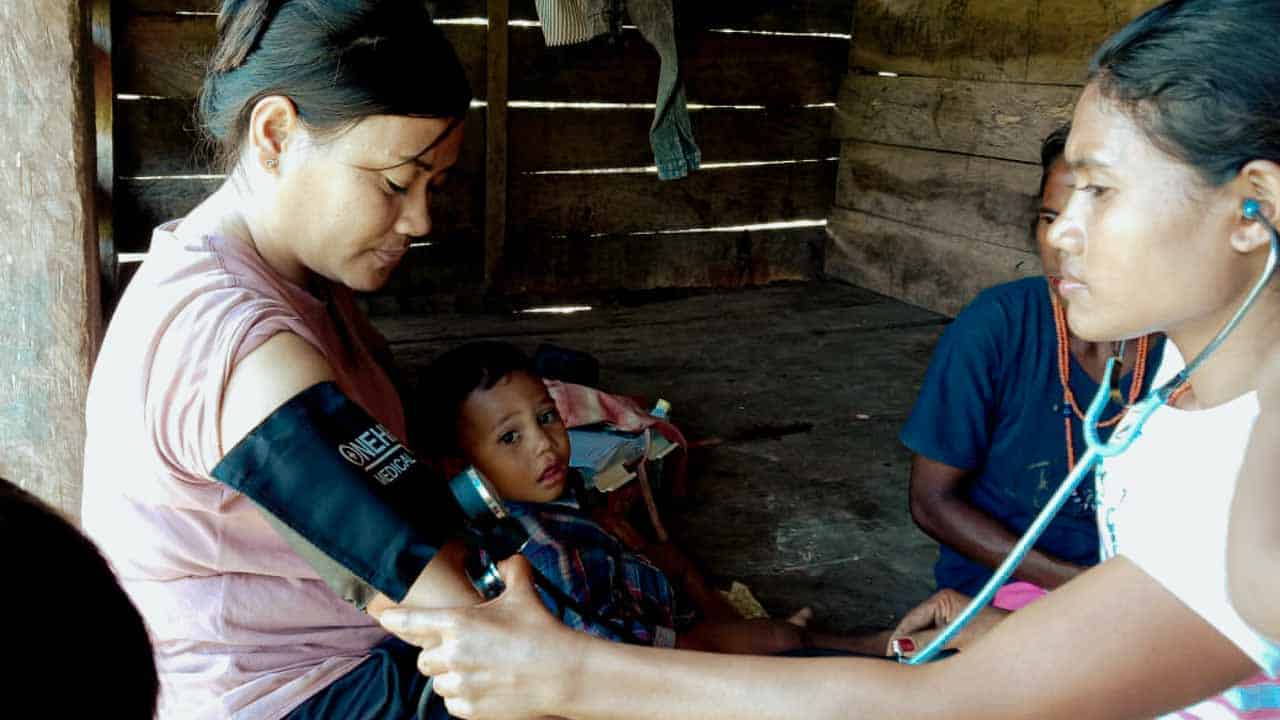
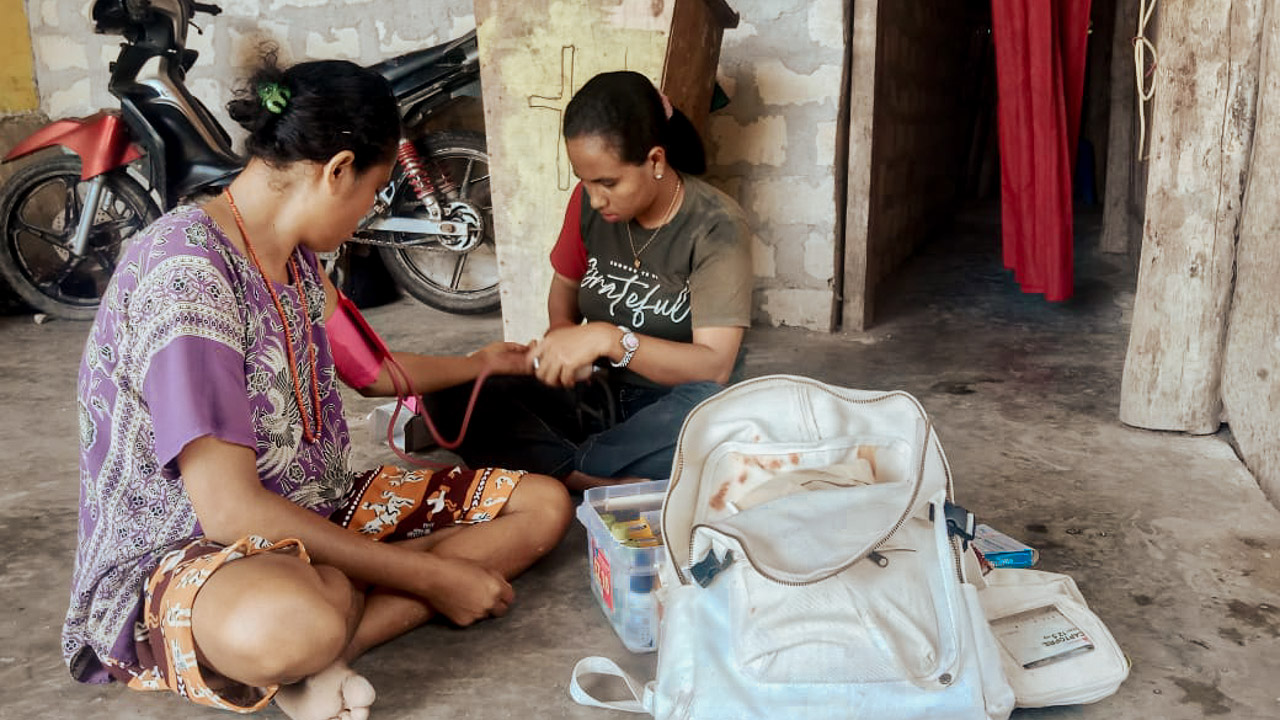
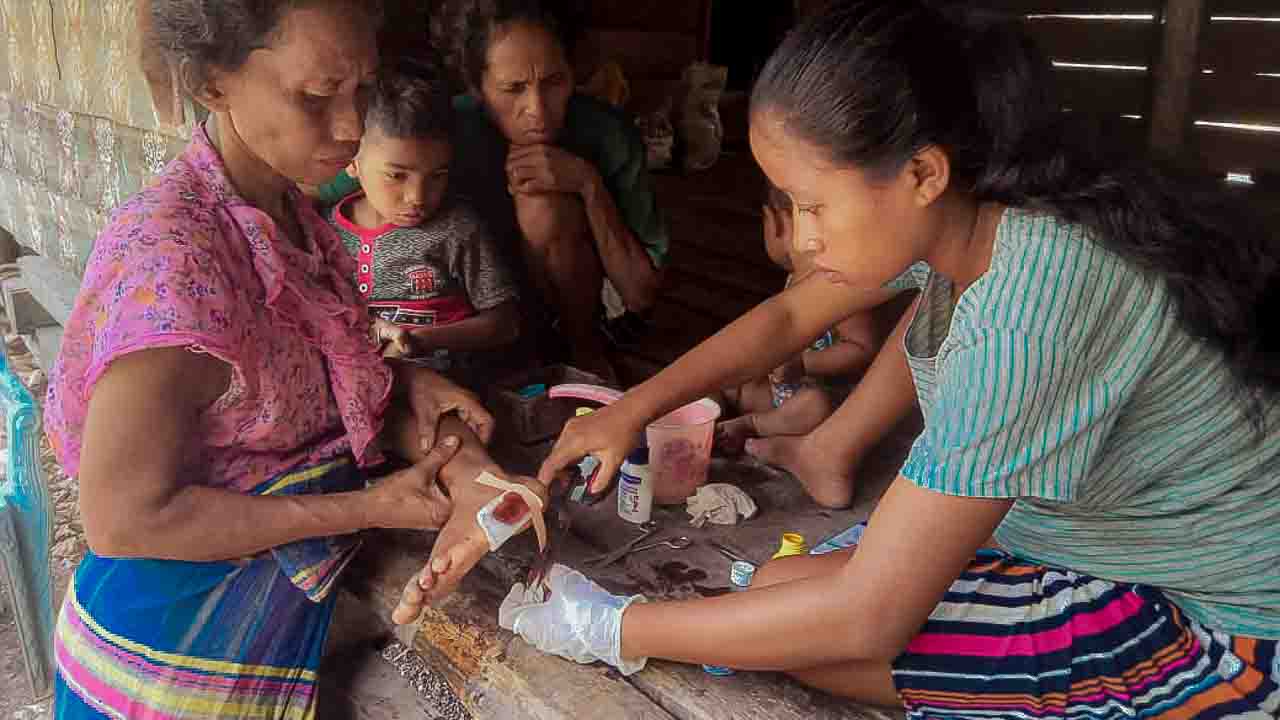
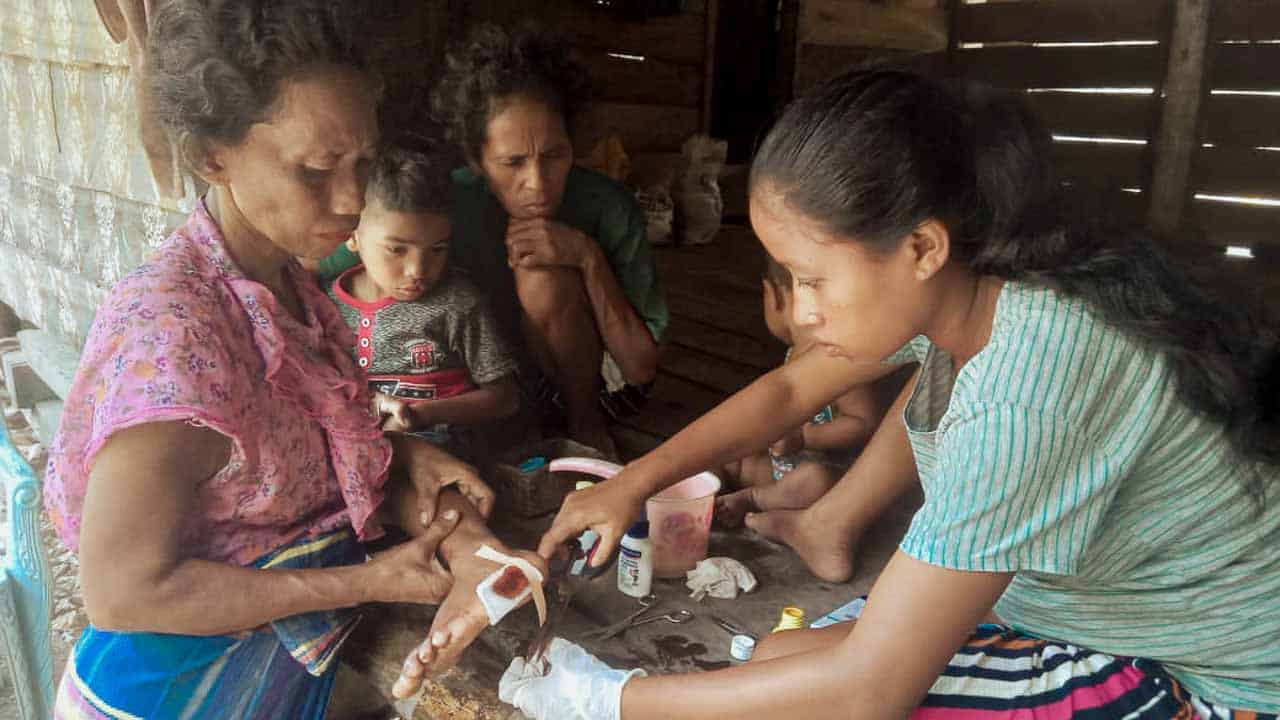
Our response has been to reduce distance rather than merely treat consequences. Training Kawan Sehat health agents within the villages. Equipping them with rapid tests, essential medicines, and clinical algorithms. Building water reservoirs so diarrhoea incidence drops before dehydration begins. Bringing diagnostics closer to the first symptom.
When we shorten the delay, mortality curves move. Not because diseases disappear, but because access improves. Geography is not destiny. It is a variable that can be modified.
In the end, the question is not whether pneumonia, diarrhoea, or malaria are treatable. They are. The question is whether a child’s address determines survival. In too many places, it still does.
Today, the 23rd of February 2026 – Alex Wettstein
In Short – When time becomes the risk factor
In ultra-rural settings, the strongest predictor of survival is not age, sex or pathogen. It is the number of hours between the first symptoms and the first treatment. Shorten that interval and mortality falls. Extend it, and simple infections escalate into organ failure. Geography silently shapes survival statistics.
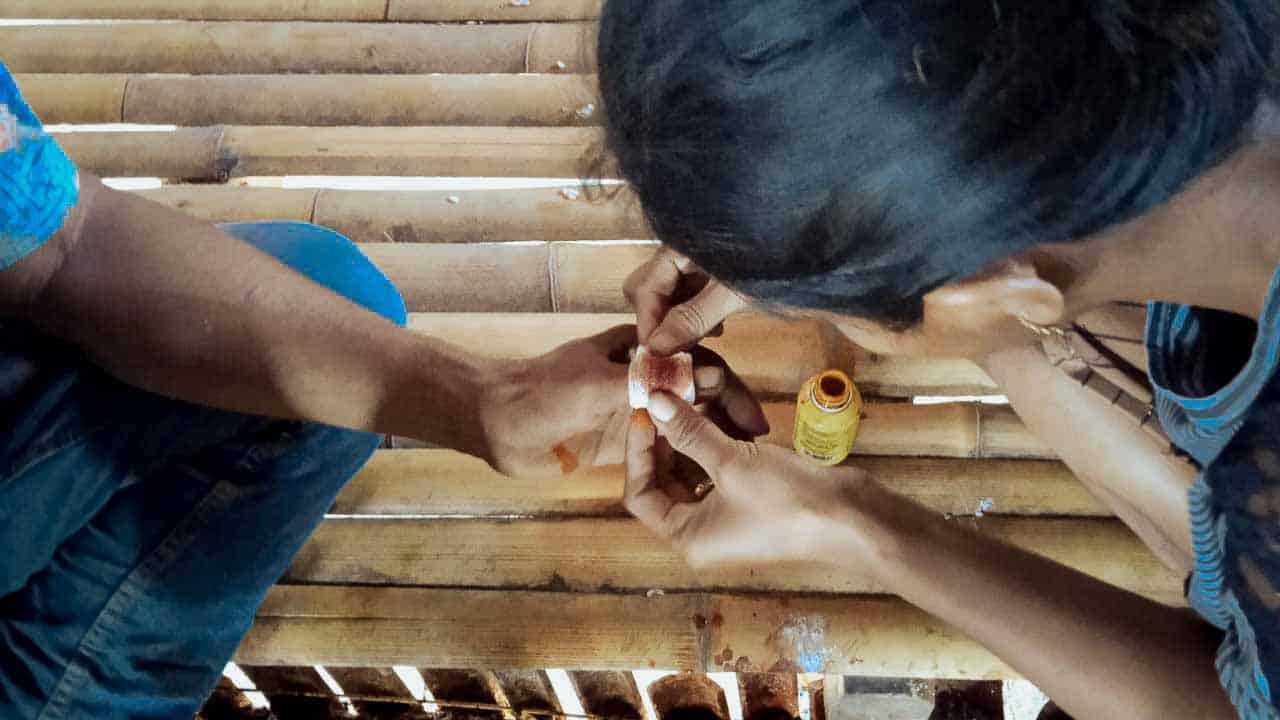
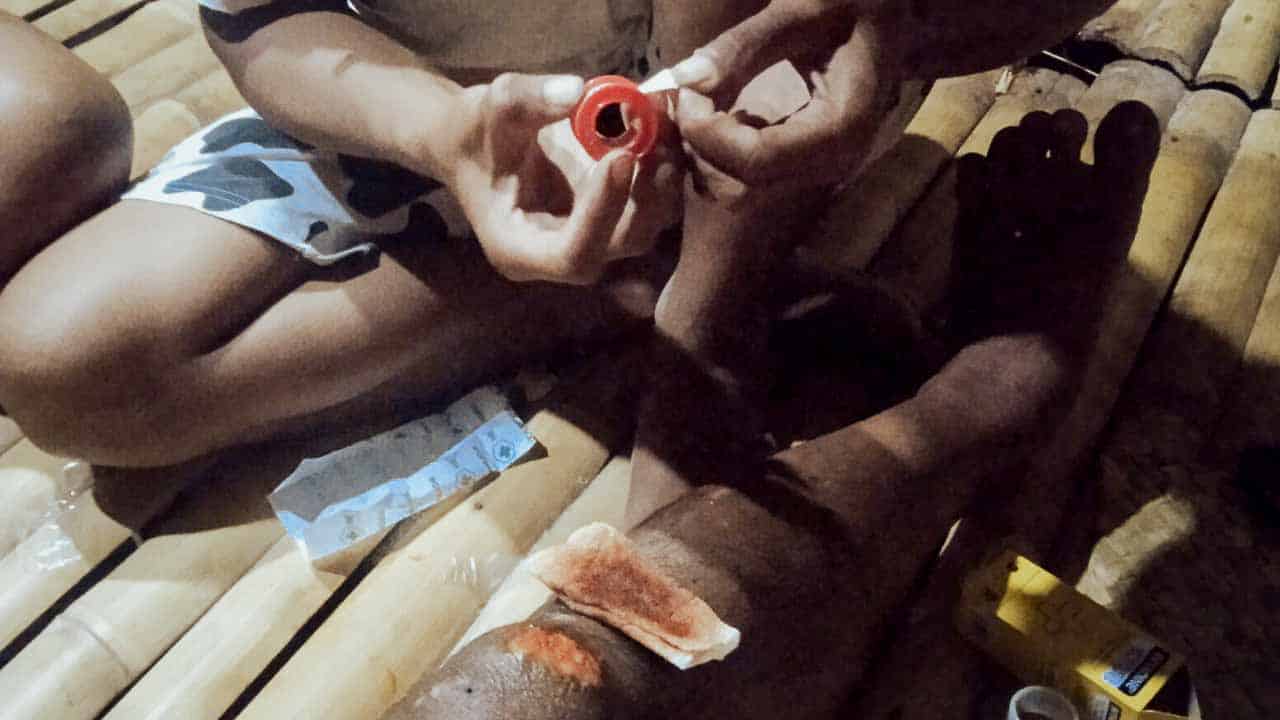
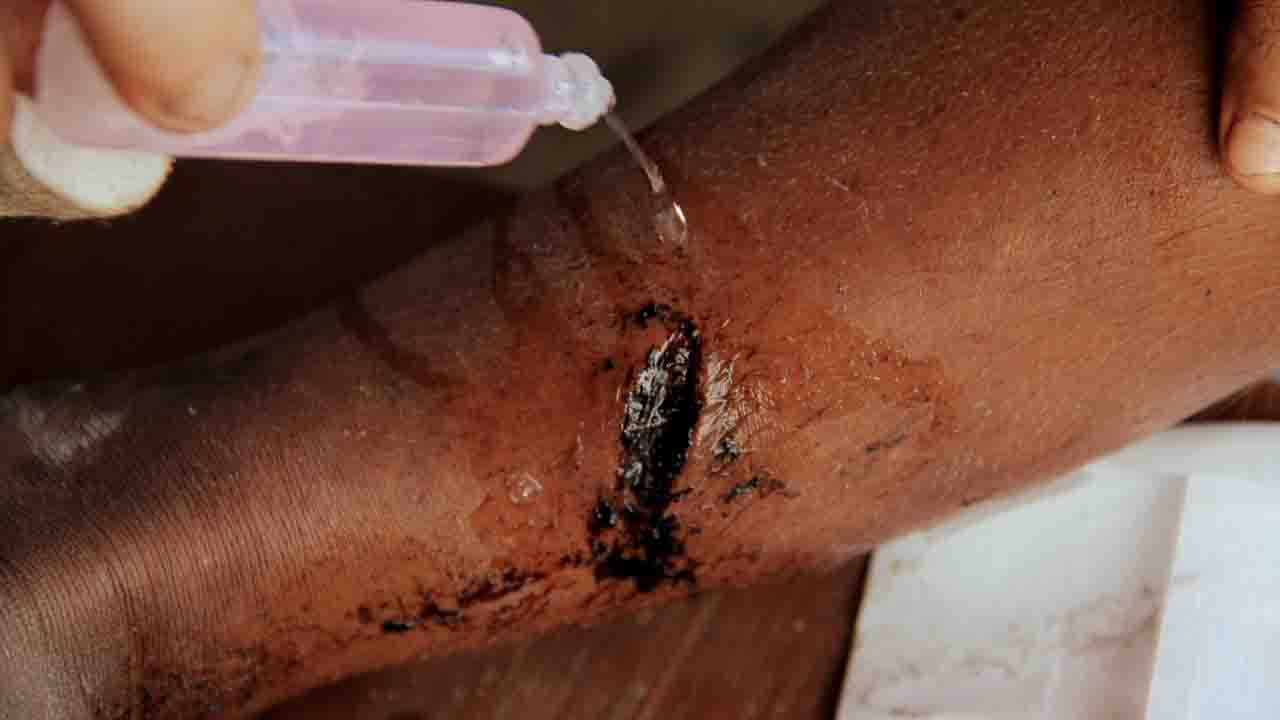
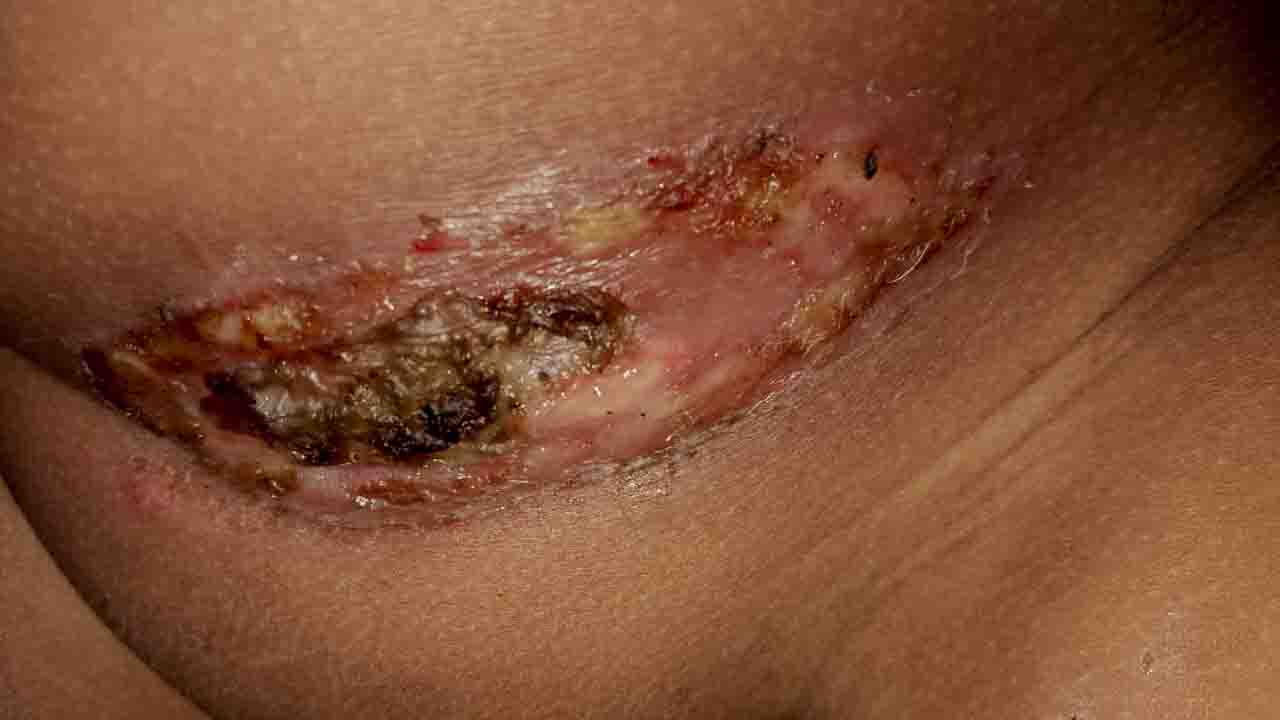
Healthcare access in ultra rural Indonesia
List of Related Organisations with Hyperlinks
- World Health Organisation: Global authority on universal health coverage and preventable mortality indicators.
- UNICEF: Data on child survival and strategies to prevent pneumonia and diarrhoea.
- The Global Fund: International financing mechanism to fight malaria and health inequality.
- Malaria Consortium: Operational research on early malaria diagnosis in rural communities.
- Doctors Without Borders: Field medical organisation addressing access barriers in fragile regions.
- World Bank Health: Research on health system financing and access disparities.