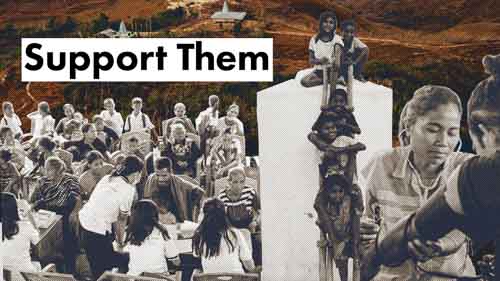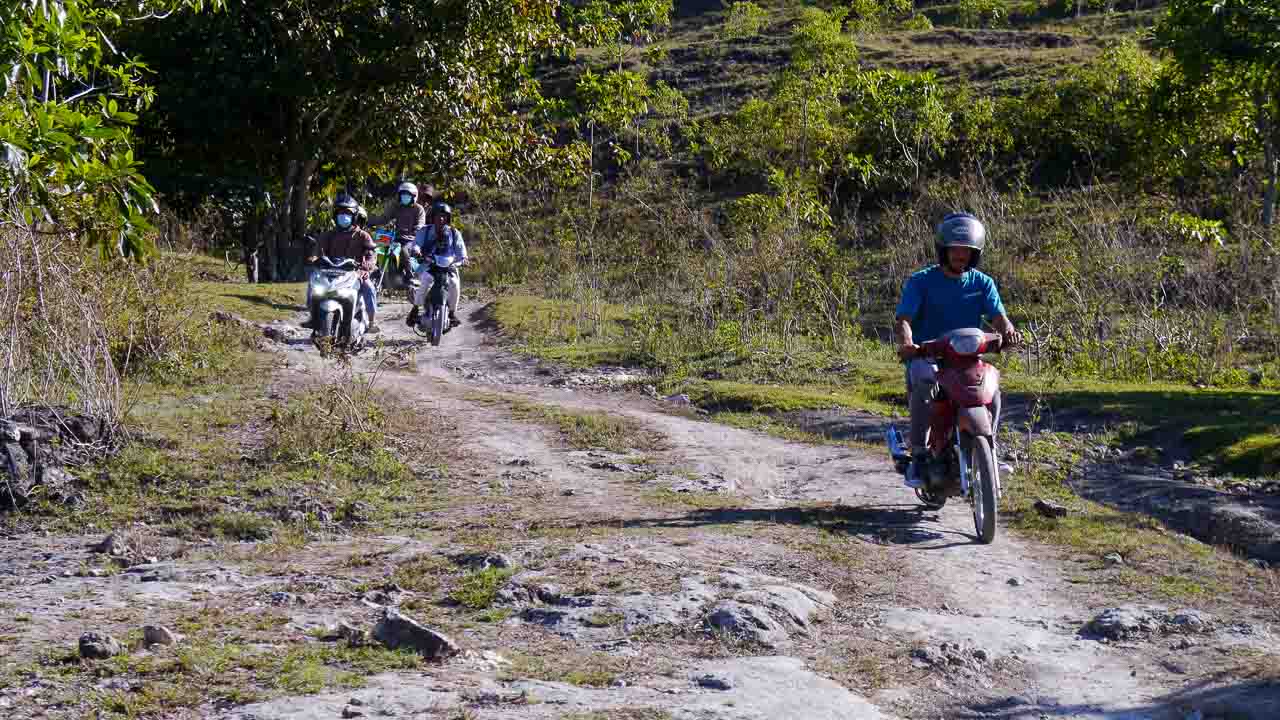



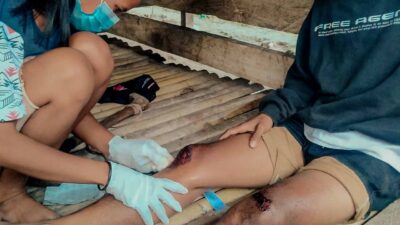
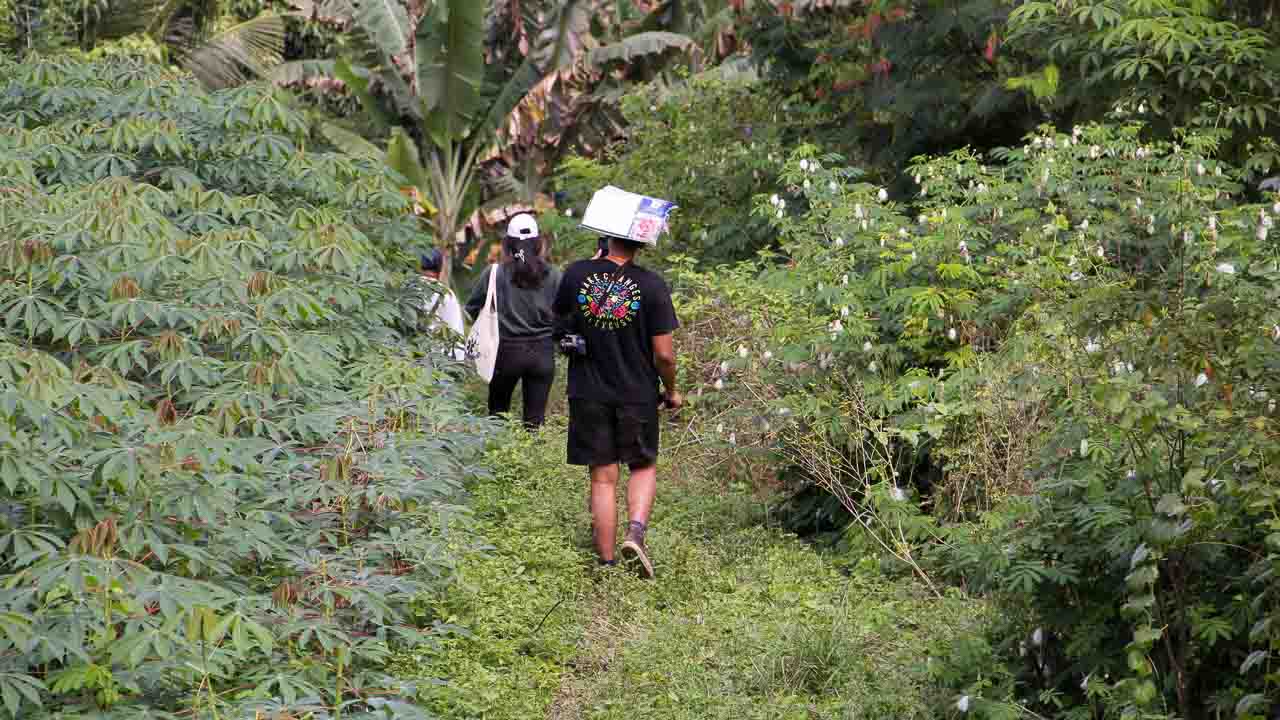
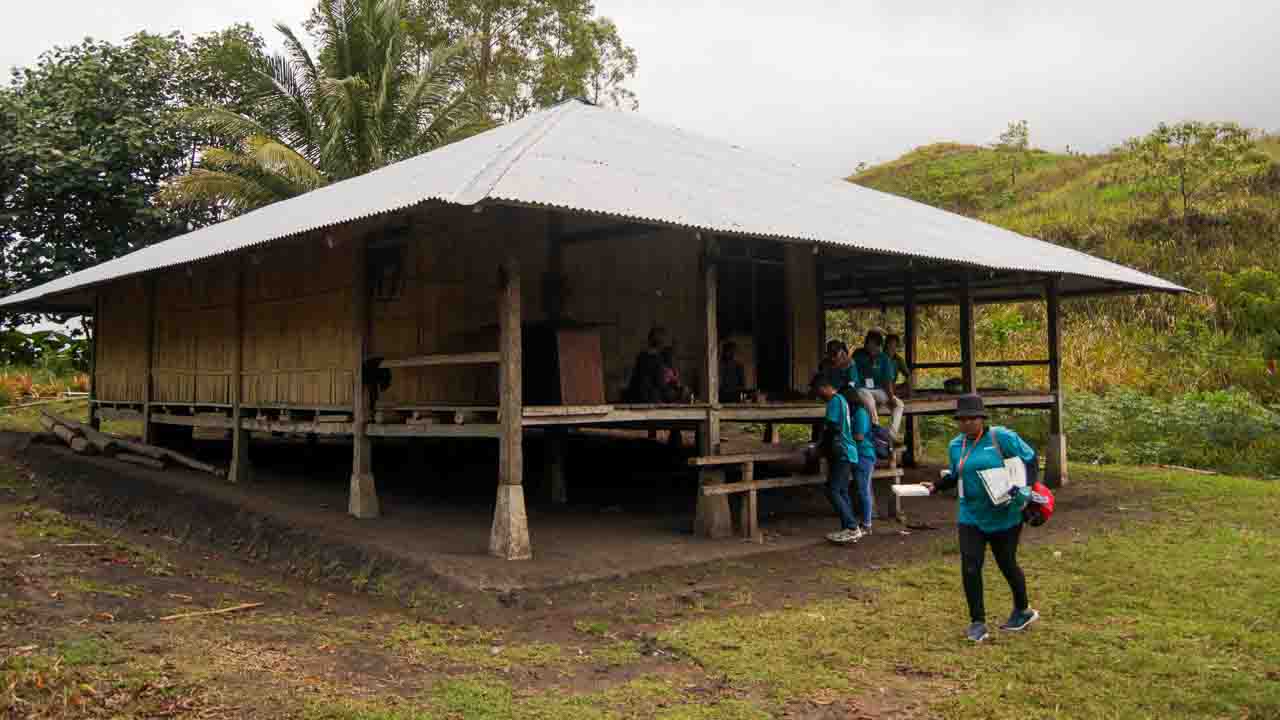
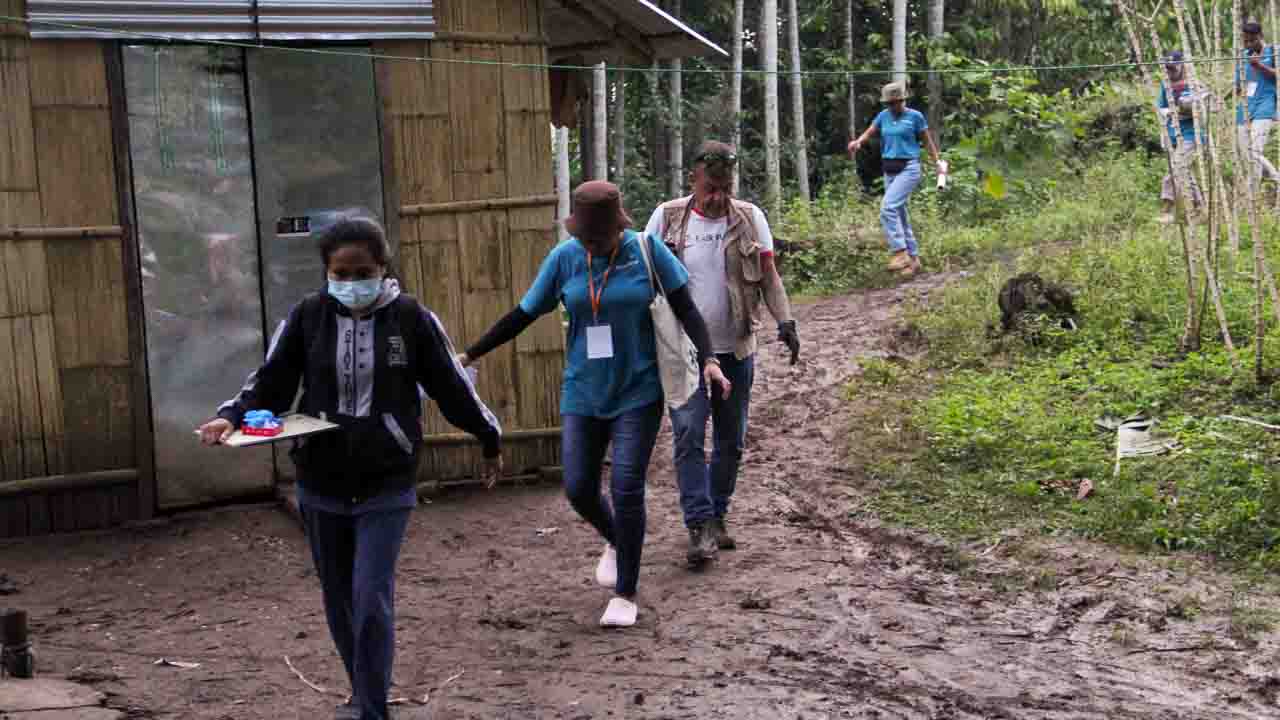
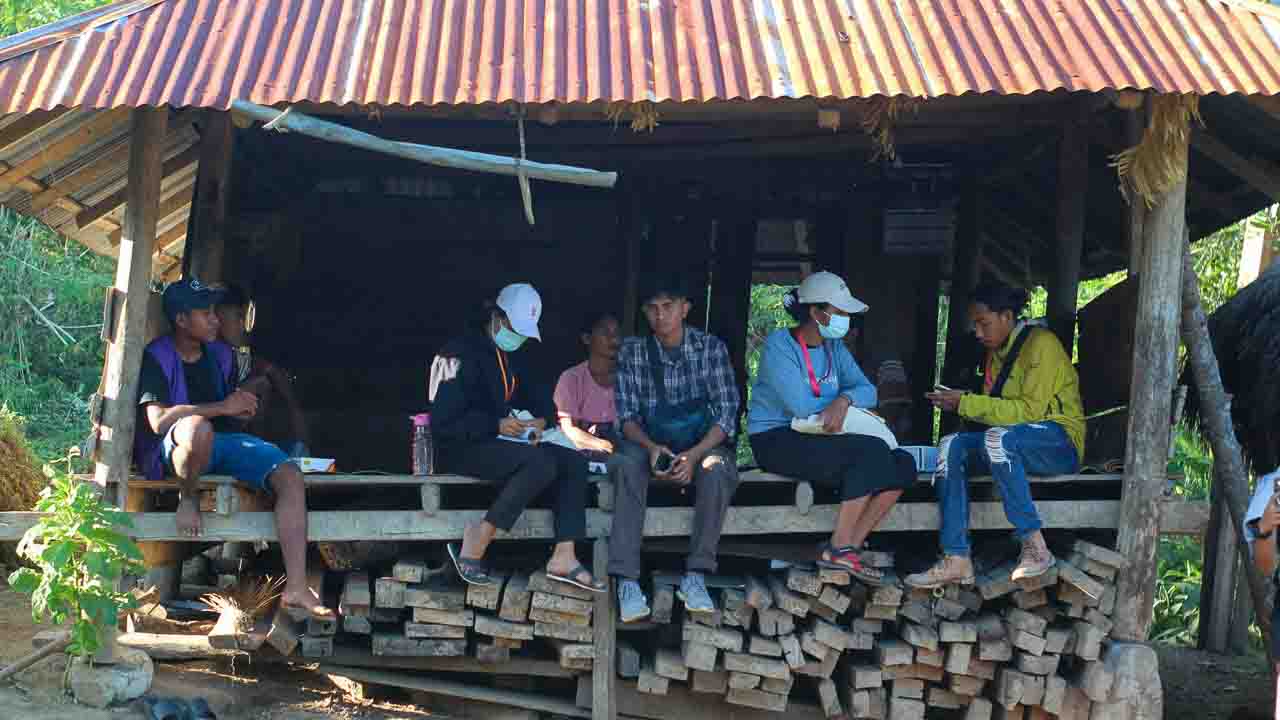
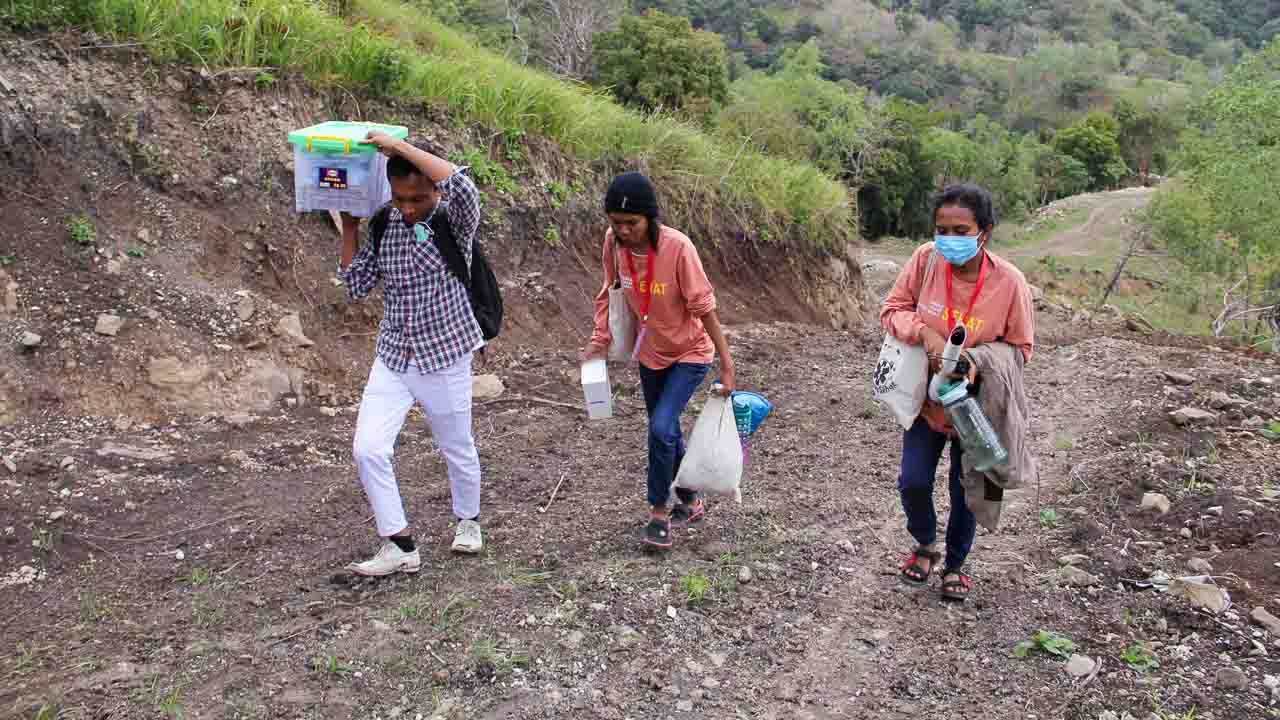
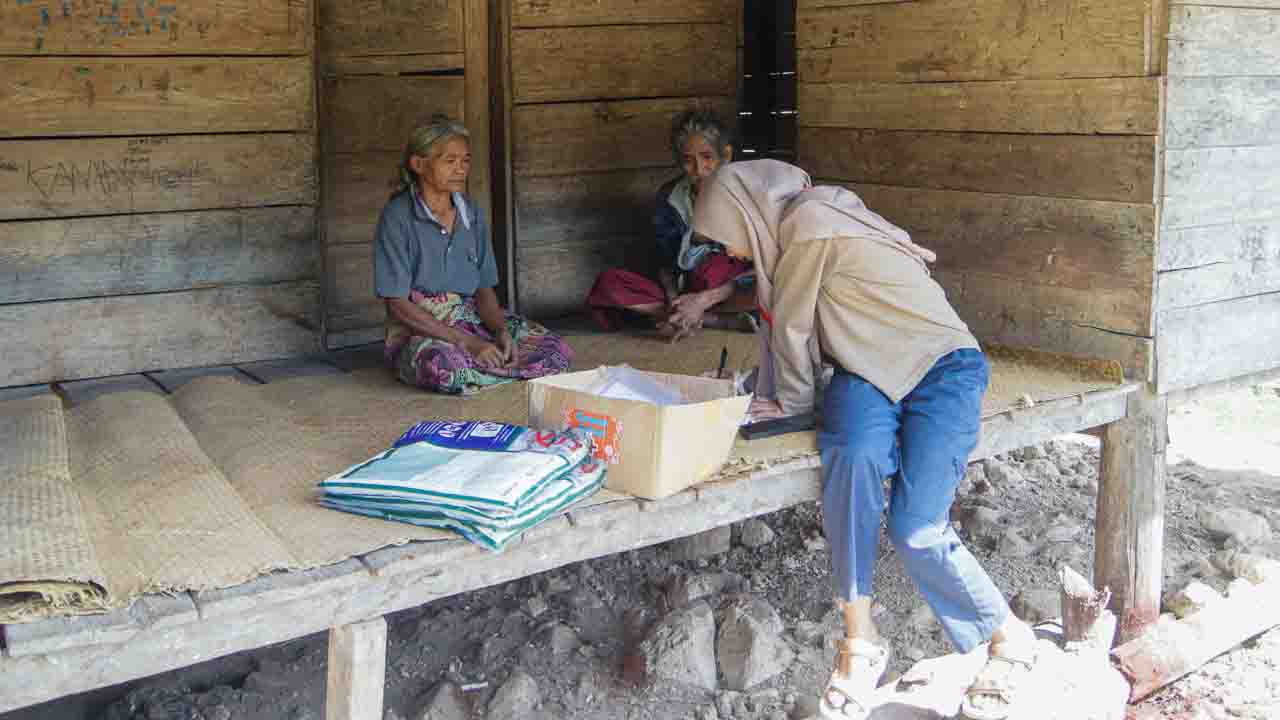
Agentes Kawan Sehat providing essential healthcare in rural Sumba as part of Fair Future’s 2024 Primary Medical Care Program.
Health Without Infrastructure Is Fiction
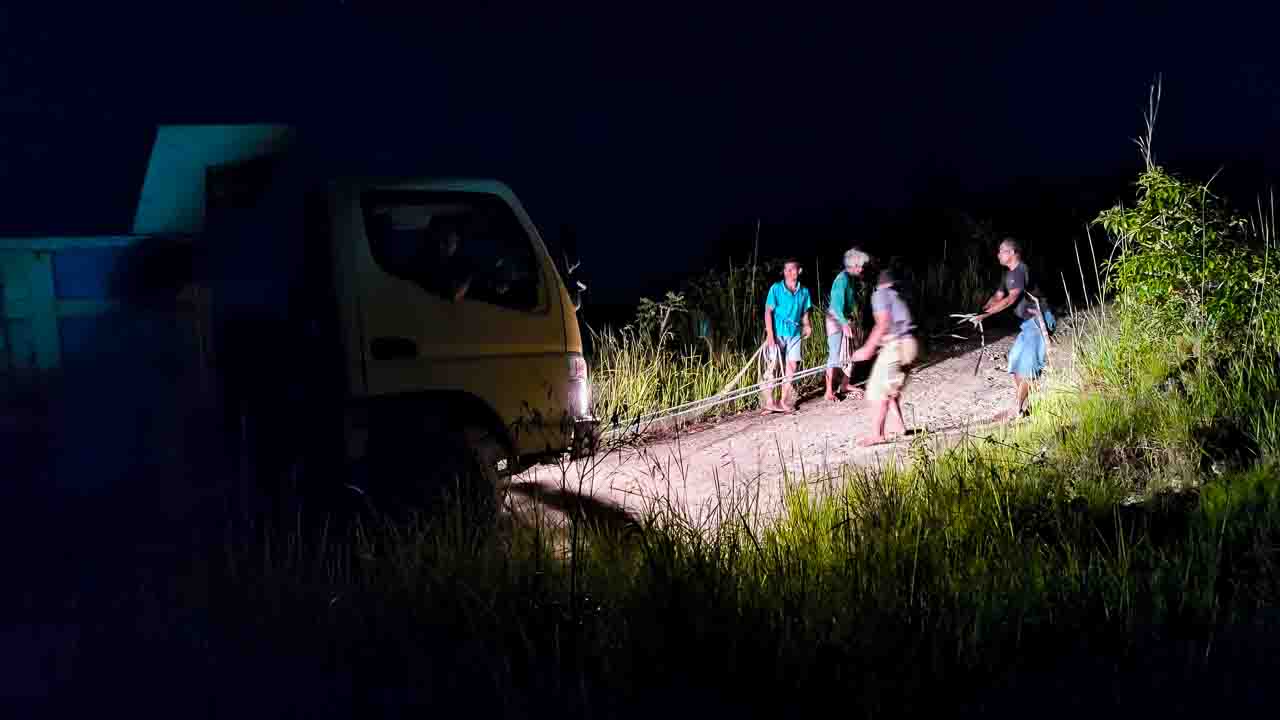
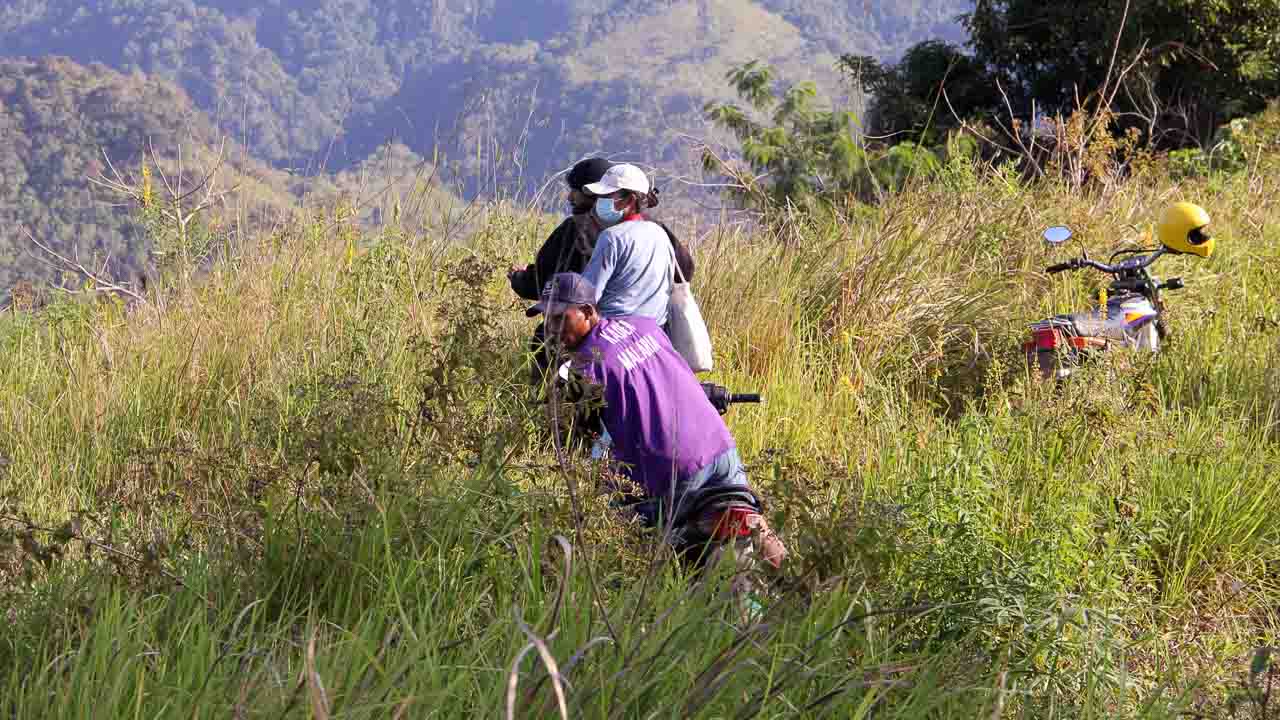
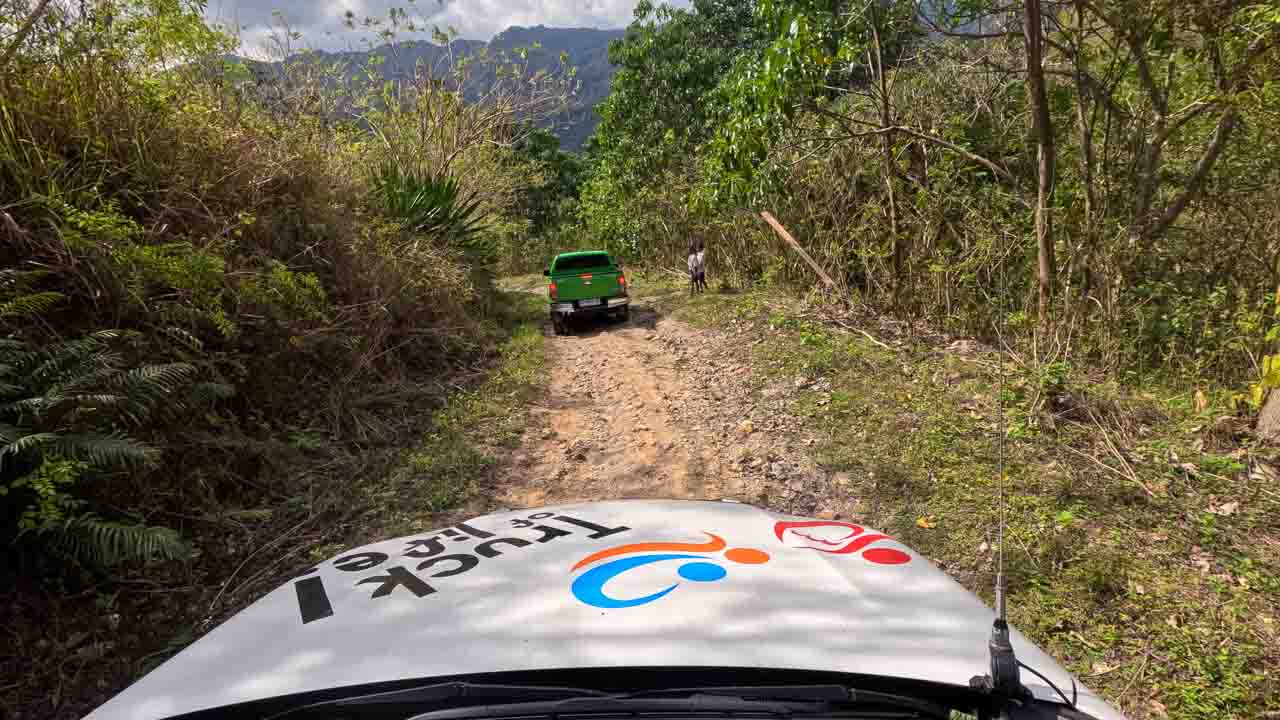
In global health, we speak of coverage, resilience, and equity. On paper, it is coherent. In ultra-rural East Sumba, it collapses when the road disappears. A child develops a fever at night. In theory, he should be assessed within hours. In reality, the first delay is geographic. Many villages are two to four hours from the nearest health centre when roads are dry.
During the rainy season, which lasts for six hours, it becomes sometimes impossible. Add the absence of transport, and the delay between first symptoms and first medical contact often exceeds 24 to 72 hours. For malaria, sepsis, or severe dehydration, this delay is decisive.
Distance, unsafe water, and no electricity equal late diagnosis. Late diagnosis equals complications. Complications equal avoidable deaths.
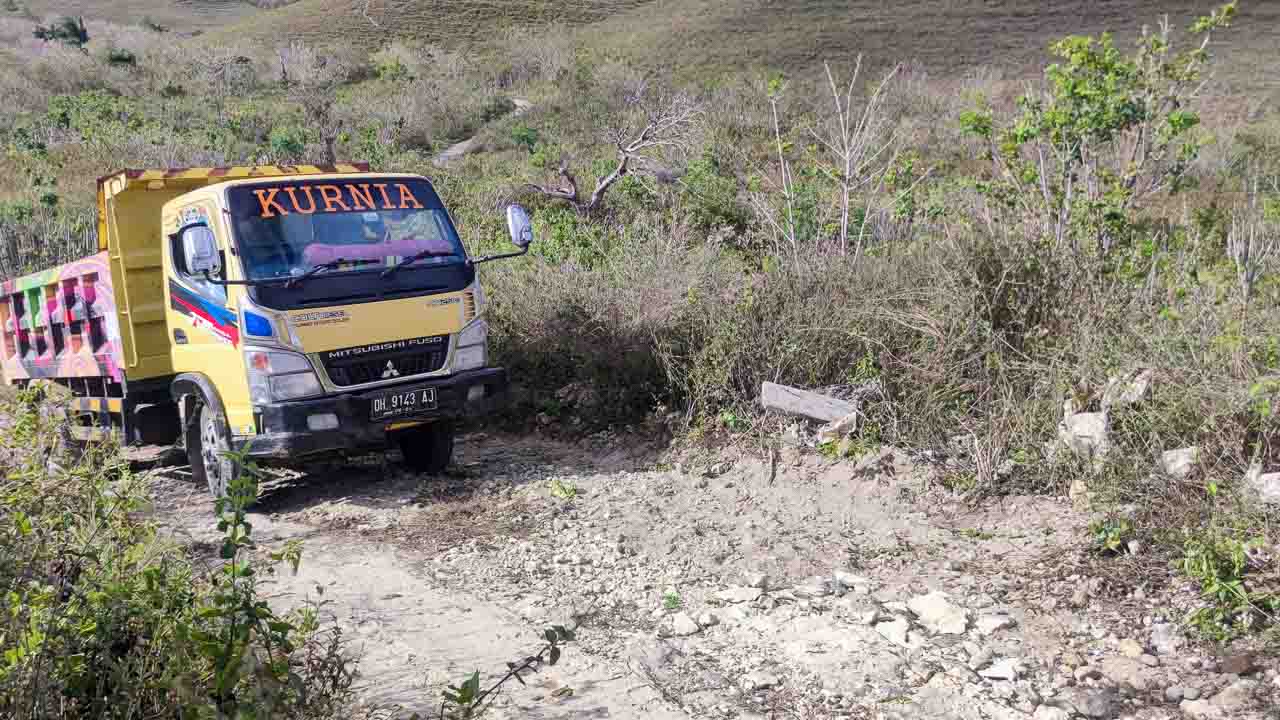
Access Determines Outcome: We see it monthly. Our Kawan Sehat health agents, linked to the Primary Medical Care program, manage between 700 and 1,000 consultations. Many patients arrive after days of fever, untreated wounds, or progressive malnutrition. Not because care does not exist. Because access does not. A passable road transforms a haemorrhage from a fatality into a surgical case. A logistics truck ensures that antibiotics, rapid diagnostic tests, and antimalarials are available before complications arise.
Reduce travel time from six hours to one, and mortality falls.
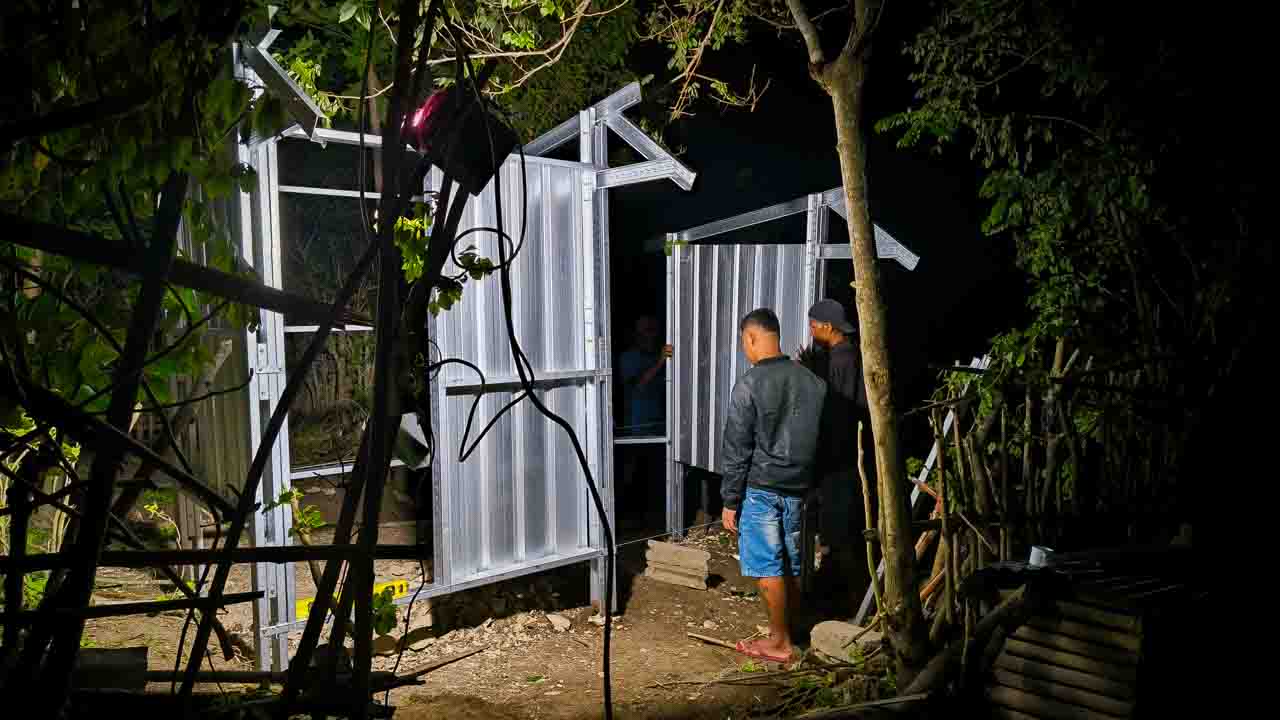
Water and Energy Are Medical Tools: A 5,300-litre water reservoir changes epidemiology. It reduces diarrhoeal disease, improves hygiene, and protects children from chronic intestinal infections that fuel malnutrition. Clean water is not a social luxury. It is a clinical intervention. A functioning cold chain keeps vaccines potent in 35°C heat. Without stable energy, immunisation is theoretical.
Infrastructure Is the Health System: Health coverage presumes three silent conditions: transport, water, and power. Remove one, and the system weakens. Remove all three, and the system becomes fiction. We invest in reservoirs, solar energy, reinforced supply chains, and mobile medical capacity, not as parallel projects but as one integrated health model. A medical truck with a vaccine refrigerator is as essential as a trained clinician. A ferrocement tank is as preventive as an antimalarial campaign. Logistics is medicine.
Universal health is not achieved by policy alone. It is built with roads, tanks, batteries, cold chains, and trained hands on the ground. Without infrastructure, health systems remain theoretical constructs. With infrastructure, they become measurable, reproducible, and lifesaving realities.
This is not ideology. It is field data.
Today, the 24th of February 2026 – Alex Wettstein
In Short – Infrastructure is clinical medicine
A 5000 liter reservoir reduces diarrheal disease and chronic malnutrition. A passable road transforms a fatal delay into timely treatment. A stable cold chain preserves vaccine efficacy in 35°C heat. In ultra-rural regions, infrastructure is not technical support. It determines diagnostic timing, therapeutic success, and ultimately survival.
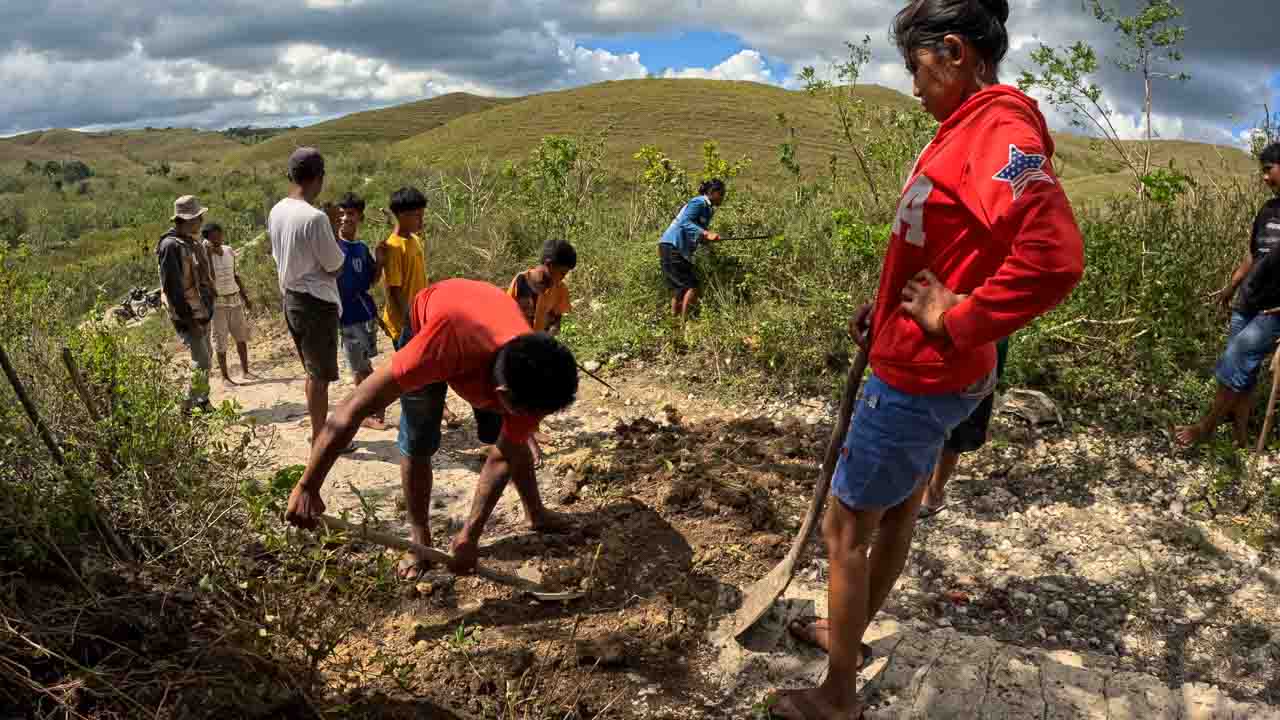
Infrastructure and Rural Health Access
List of Related Organisations with Hyperlinks
- World Health Organisation: The World Health Organisation defines resilient health systems and explains how infrastructure, workforce, and logistics determine outcomes for universal health coverage.
- Gavi, The Vaccine Alliance: Gavi strengthens vaccine delivery systems worldwide, emphasising cold chain stability and equitable immunisation access in remote communities.
- The Global Fund: The Global Fund finances large-scale disease control programmes, highlighting how logistics, diagnostics, and transport affect malaria and infectious disease outcomes.
- VillageReach : VillageReach develops last-mile health logistics systems that ensure medicines and vaccines reach remote communities reliably and efficiently.
- WaterAid: WaterAid focuses on sustainable water infrastructure and demonstrates the measurable impact of safe water access on infection prevention and community health.
- Engineers Without Borders International: Engineers Without Borders supports engineering-driven infrastructure projects that strengthen health, water, and energy systems in underserved regions.