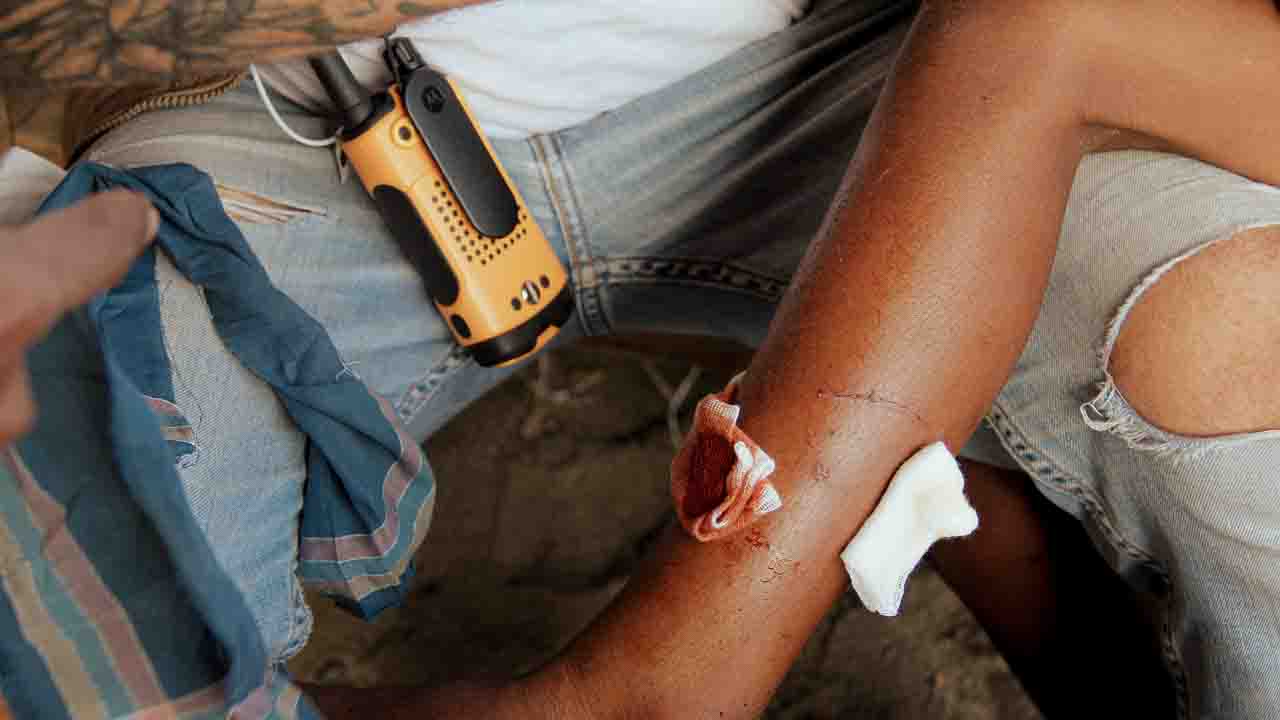



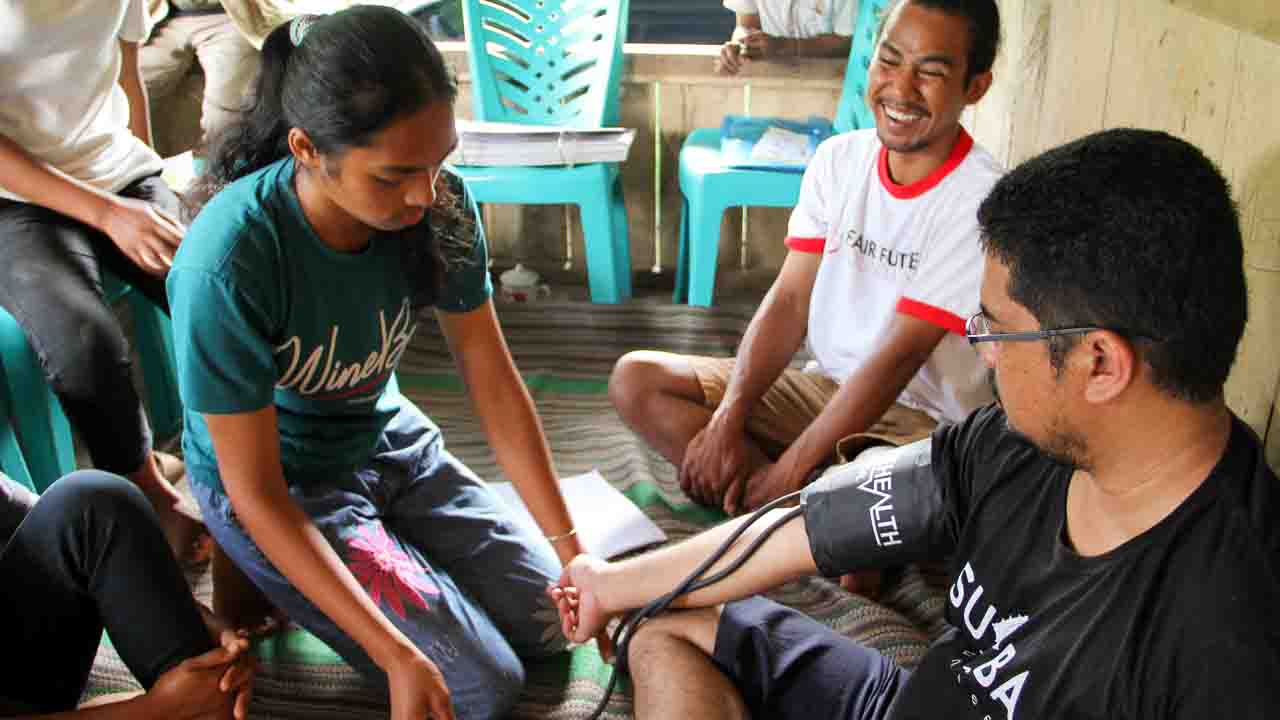
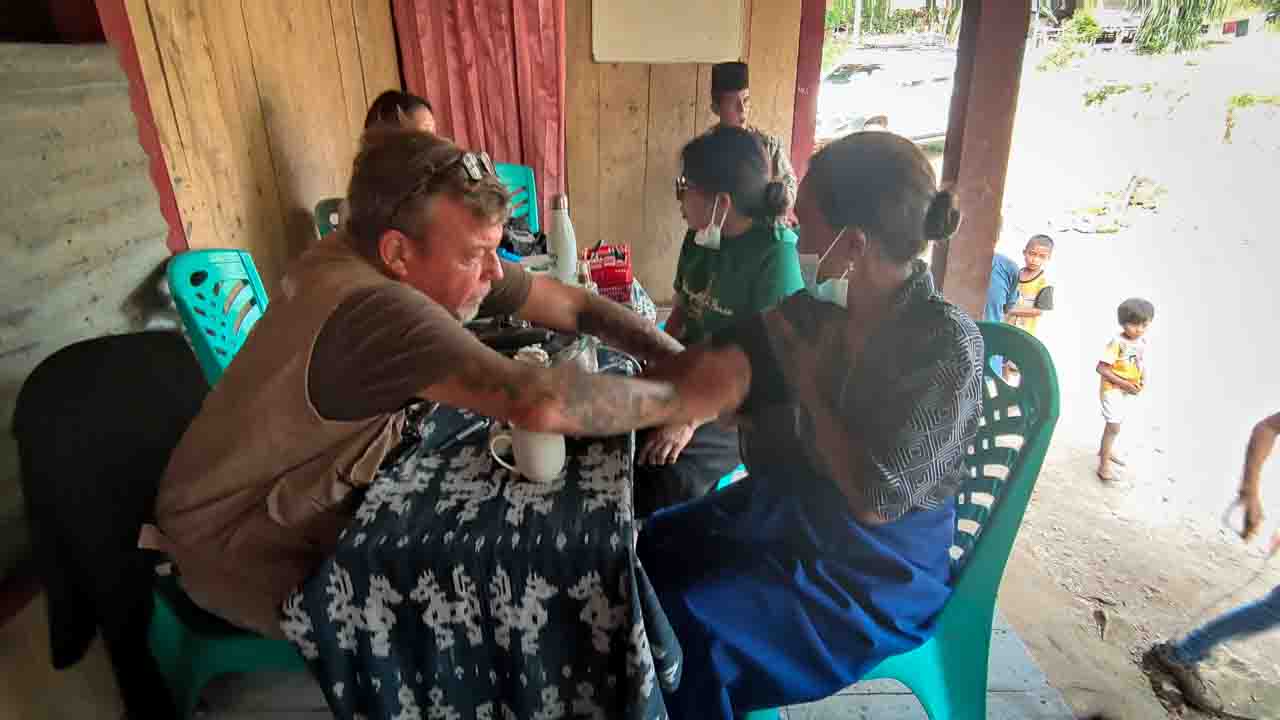
Primary Medical Care in East Sumba, where infections are diagnosed clinically and treated empirically without laboratory support.
Antibiotics Without Laboratories
Antimicrobial resistance is described as a global emergency. Surveillance networks, antibiograms, stewardship programmes, and molecular diagnostics are all essential. But what happens where there is no laboratory, no blood culture, no bacterial identification, no sensitivity testing? What happens in villages where the nearest hospital is hours away, and electricity is uncertain?
This is where we work.
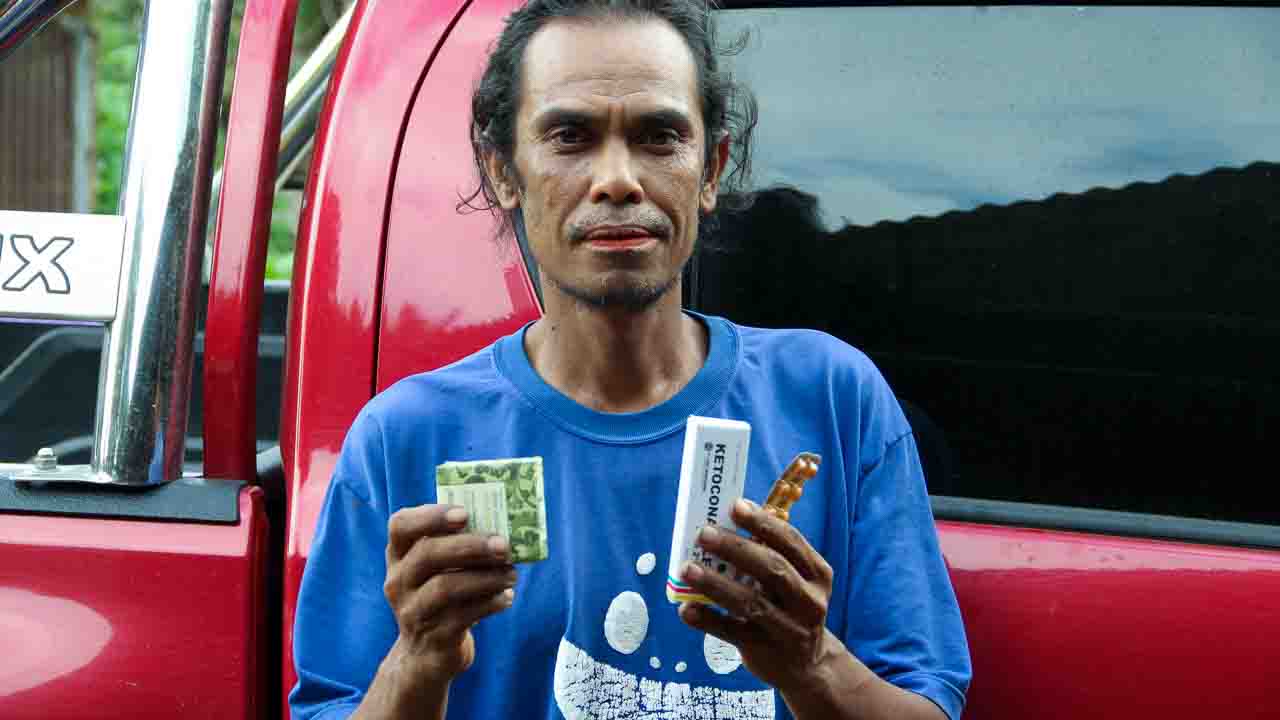
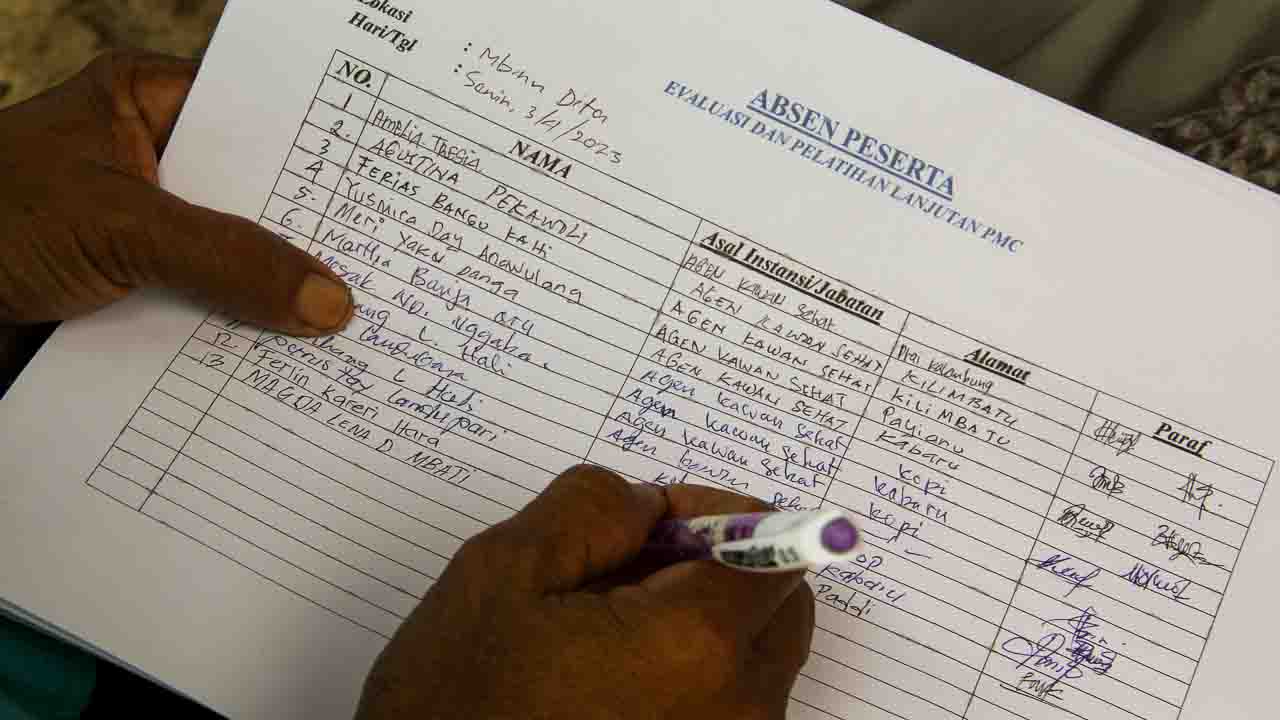
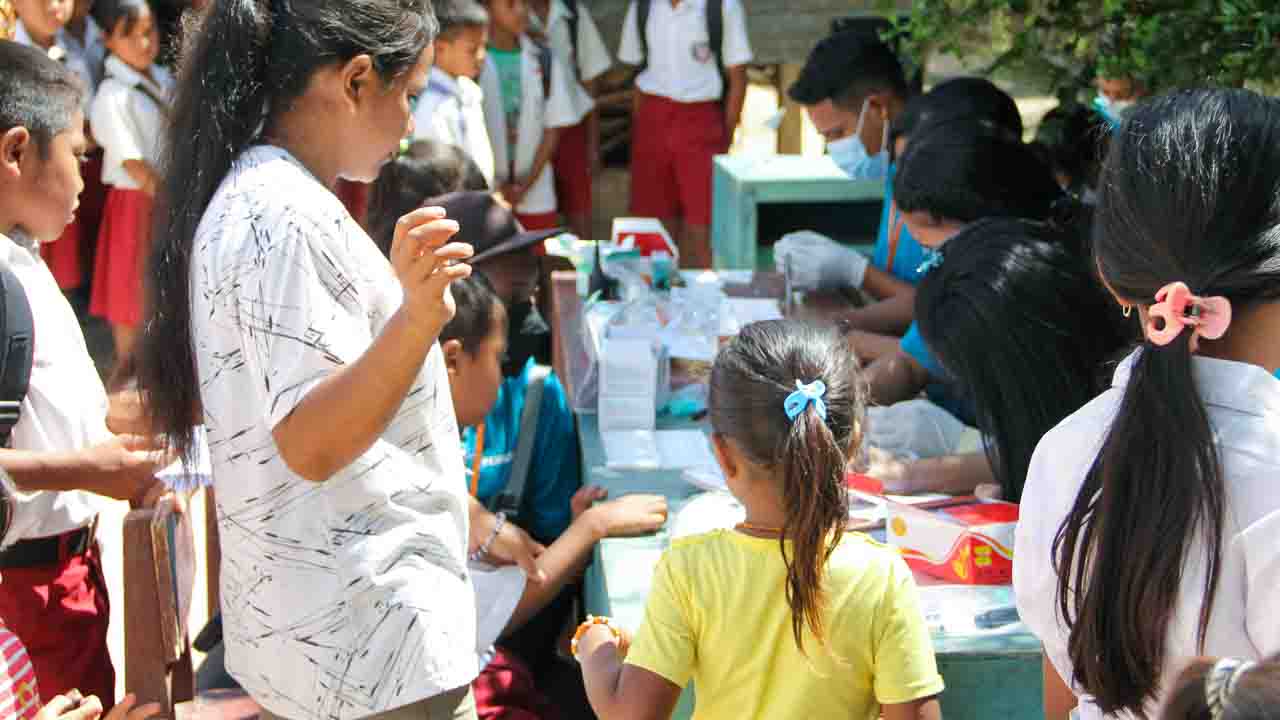
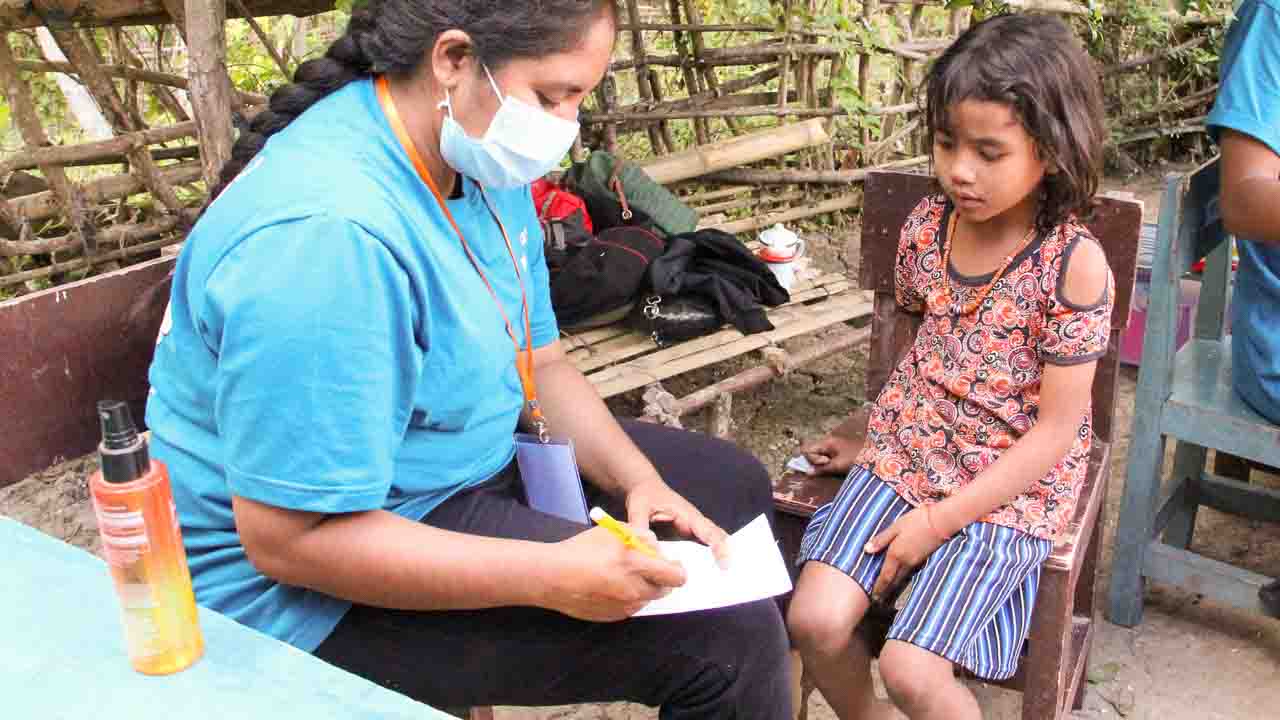
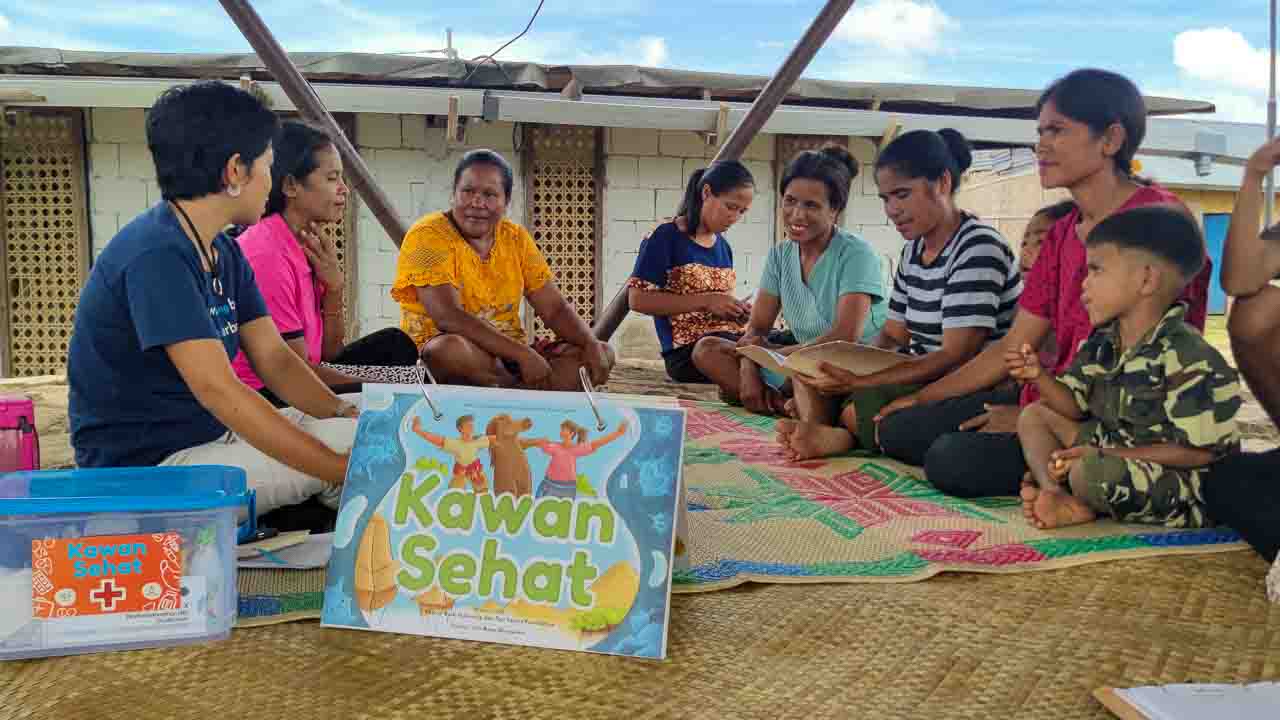
Each month, through our Primary Medical Care programme in East Sumba, our teams and trained Kawan Sehat health agents manage hundreds of infections. These include severe pneumonia in malnourished children, infected wounds after agricultural injuries, postpartum infections, urinary tract infections in dehydrated elderly patients, and skin and soft tissue infections that begin as minor lesions and evolve rapidly in the tropical heat.
There is no culture to guide us. No antibiogram to refine the spectrum. Treatment is empirical, based on clinical examination, respiratory rate and chest indrawing, fever curves, and local patterns observed over years. It is based on epidemiology, experience, and constant reassessment.
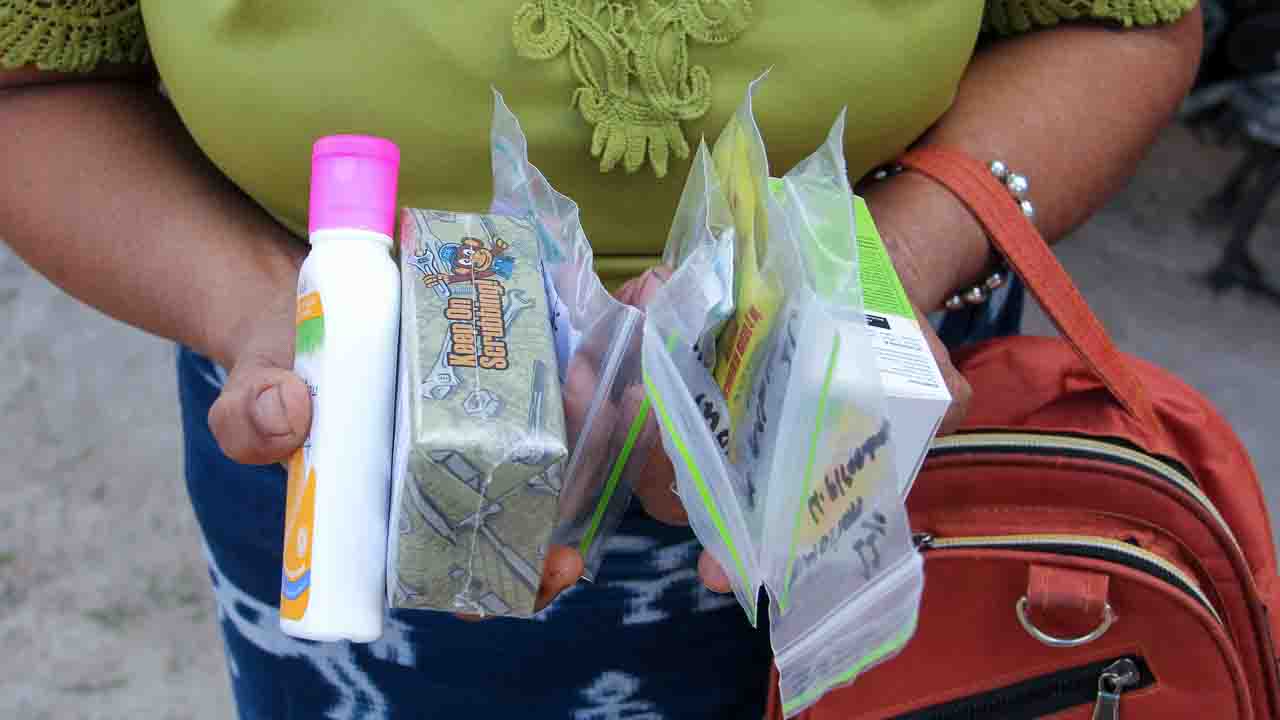
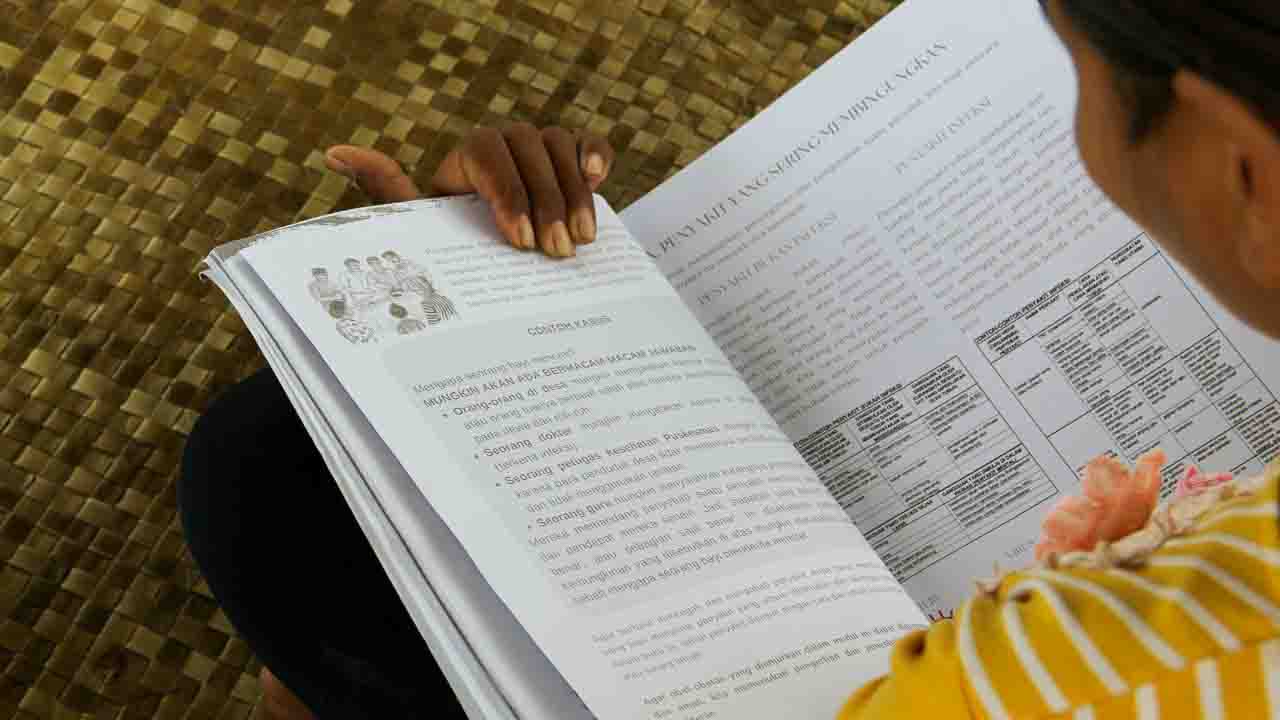
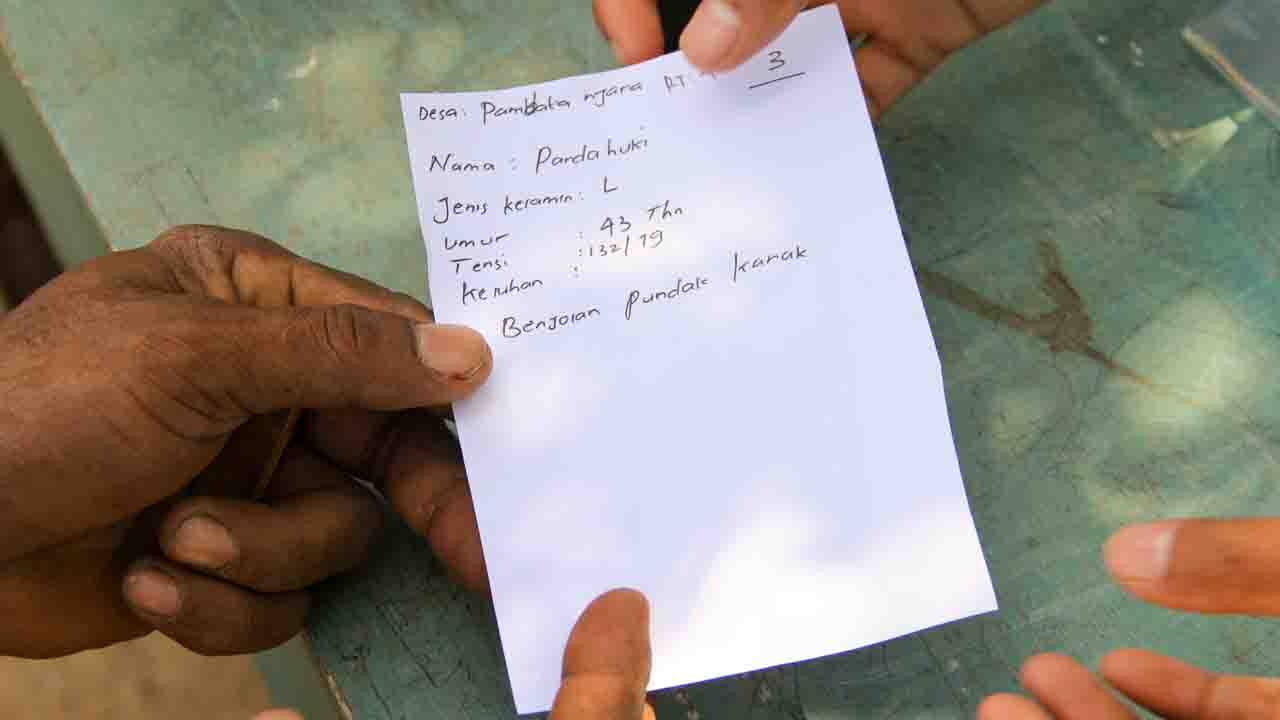
We use standardised antibiotic protocols adapted to the local context. First-line options are clearly defined, dosages weight-adjusted, and duration limited. Broad-spectrum molecules are reserved for defined criteria of severity. Every prescription is recorded. Every failure is analysed. When a child does not improve within 48 hours, we reconsider the diagnosis, adherence, dosing, or the need for referral to the closest Puskesmas (local medical centres)
This model carries risks. Over-treatment can fuel resistance. Under-treatment can cost a life. Choosing the wrong spectrum in a setting without microbiology is not a theoretical concern. For us at Fair Future, it’s a daily tension between urgency and prudence.
The most frequent infections we see are lower respiratory tract infections in children, bacterial skin infections, wound sepsis, and suspected typhoid-like syndromes. Malnutrition, unsafe water, and delayed presentation amplify severity. In this context, waiting for ideal diagnostics is not an option. Acting without structure is not acceptable either.
That is why simple, robust protocols matter. That is why continuous training of community health agents is central. That is why we advocate for accessible diagnostic tools designed for ultra-rural settings: affordable rapid tests, portable point-of-care devices, and simplified algorithms validated in low-resource environments.
We do not distribute antibiotics randomly. We operate within a framework, aware of the global threat of resistance and the local reality of untreated infection. Medicine without infrastructure is fragile. Antibiotics without laboratories are an exercise in balance. This balance, played out in remote villages, is not marginal. It reflects a universal question: how to practise responsible medicine when the tools of modern microbiology are absent.
On the ground, it is not an abstract debate. It is a child breathing fast in a bamboo house. It is a wound that smells of infection. It is a decision made with limited data but full responsibility.
And it is here that global health meets reality.
Today, the 25th of February 2026 – Alex Wettstein
In Short – When Diagnosis Is Clinical
In East Sumba, there is no bacterial culture to confirm pneumonia or wound sepsis. Decisions rely on respiratory rate, fever pattern, nutritional status, and years of field data. Responsible medicine in these conditions demands structure, humility, and constant review.
Clinical Medicine Without Laboratories in Rural Areas
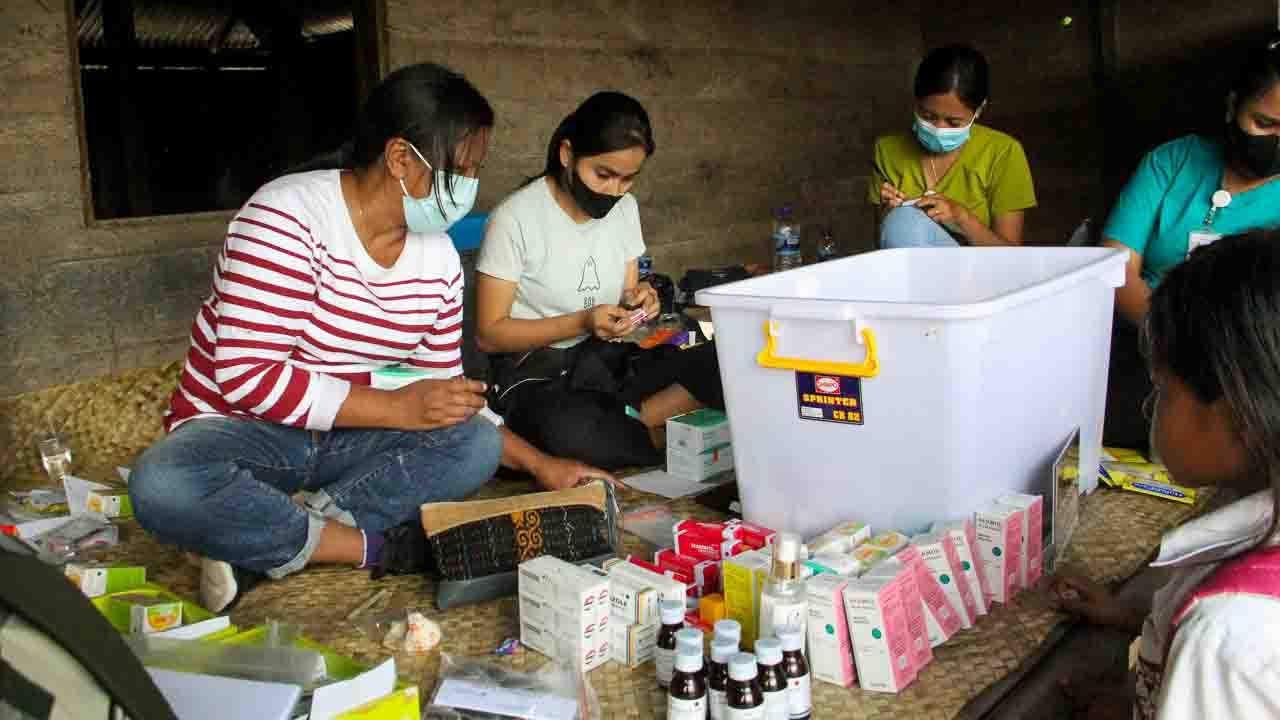
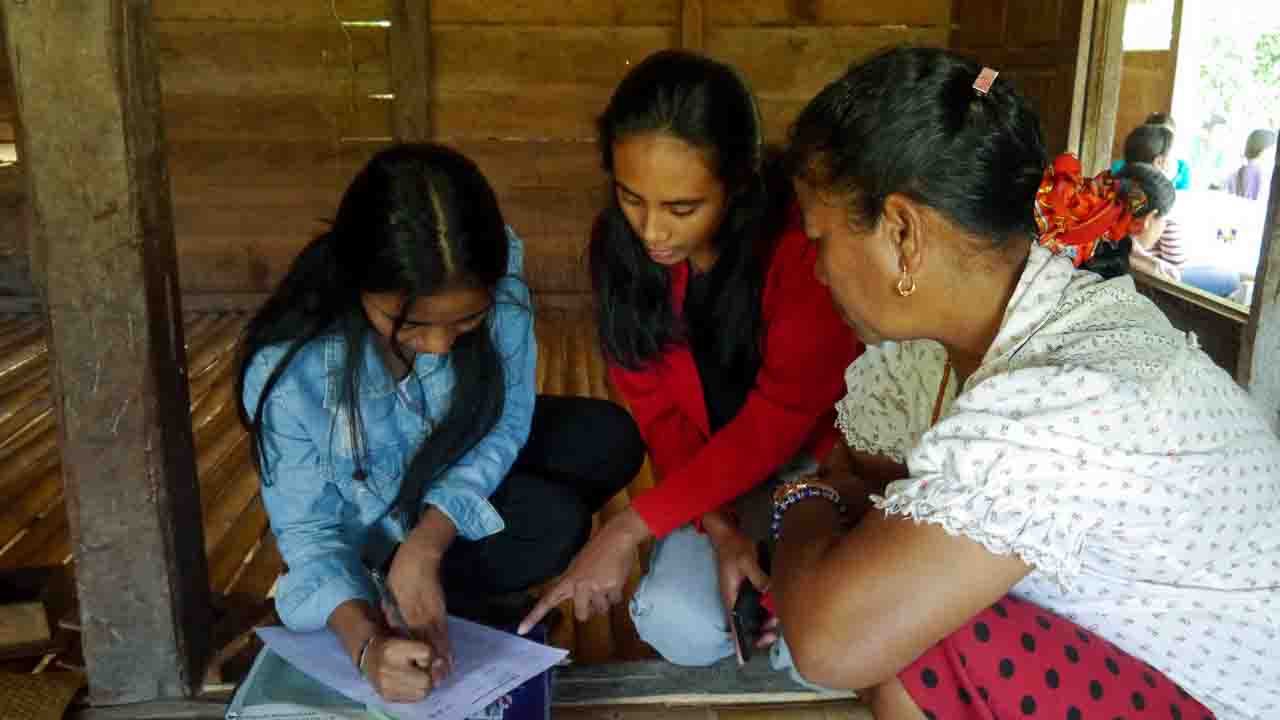
List of Related Organisations with Hyperlinks
- World Health Organisation – Antimicrobial Resistance: The WHO outlines the global threat of antimicrobial resistance and the need for stewardship in low-resource settings where diagnostics remain limited.
- Global Antibiotic Research and Development Partnership (GARDP): Develops new antibiotic treatments tailored to regions where resistance is rising and laboratory capacity is weak, directly reflecting the challenges we face in rural Indonesia.
- Fleming Fund: Supports antimicrobial resistance surveillance systems in low- and middle-income countries where microbiological infrastructure remains insufficient.
- Wellcome Trust – Drug Resistant Infections Programme: Funds global research to improve diagnostic tools and promote responsible antibiotic use in underserved health systems.
- Centers for Disease Control and Prevention – Antibiotic Stewardship: Provides structured guidance on appropriate antibiotic prescribing, principles we adapt pragmatically in ultra-rural field medicine.
- ReAct – Action on Antibiotic Resistance: A global network promoting policy change and responsible antimicrobial use in settings where empirical treatment is often the only option.