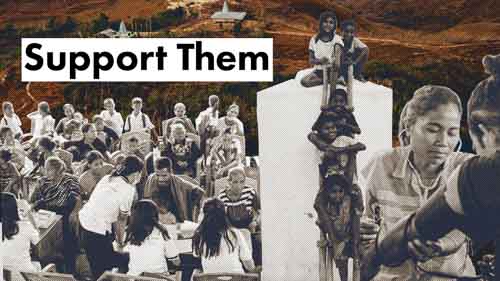



Daily medical cases are observed in ultra-rural communities where there is no access to healthcare, resulting in delays in diagnosis, treatment, and follow-up.
Community Health Workers Are a Health System
In global health policy, Community Health Workers are often described as “essential components” of Primary Health Care. On paper, they support the system. In ultra-rural East Sumba, they are the system.
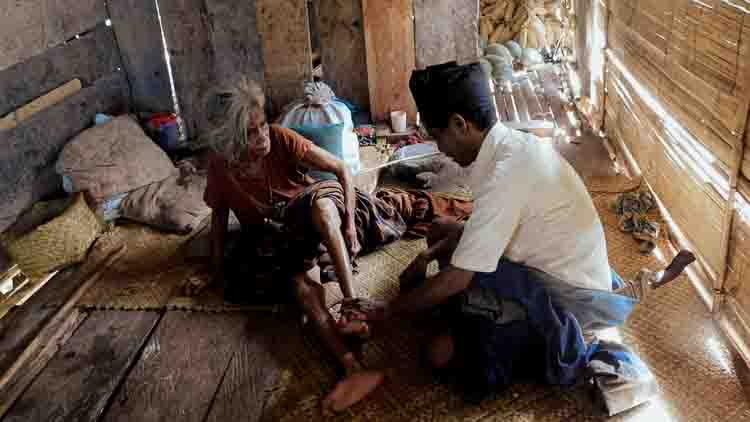
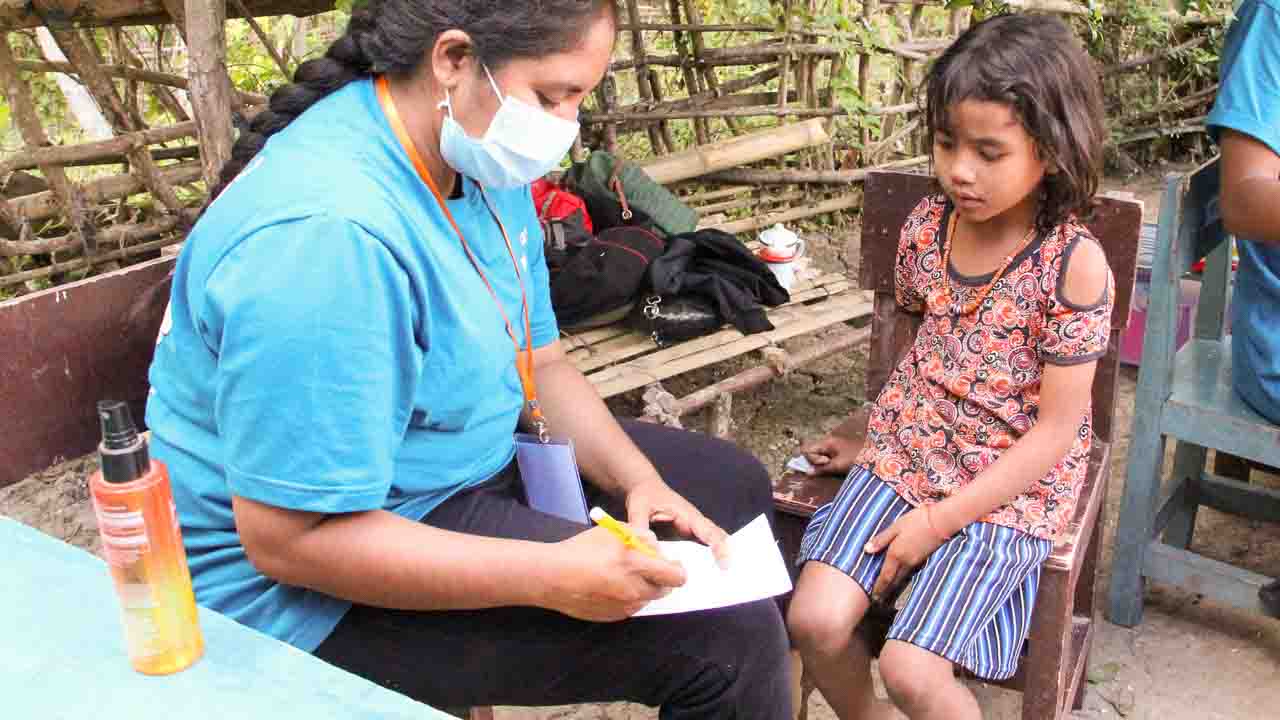
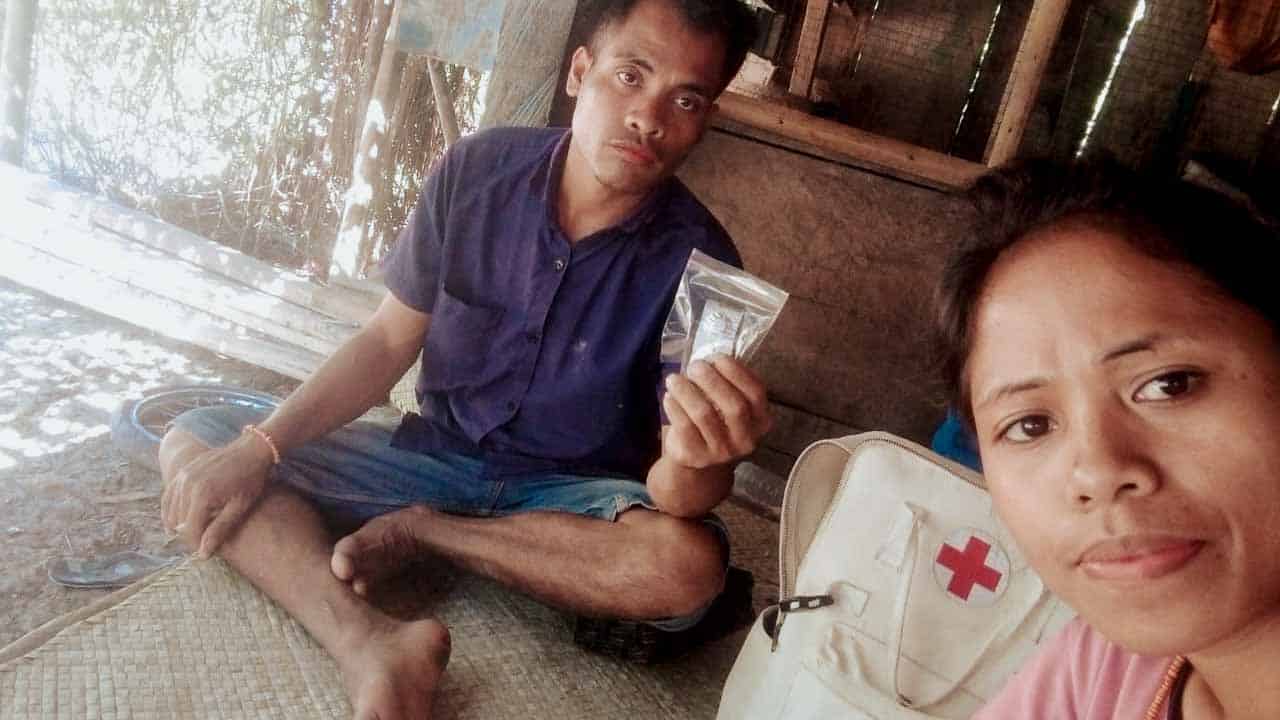
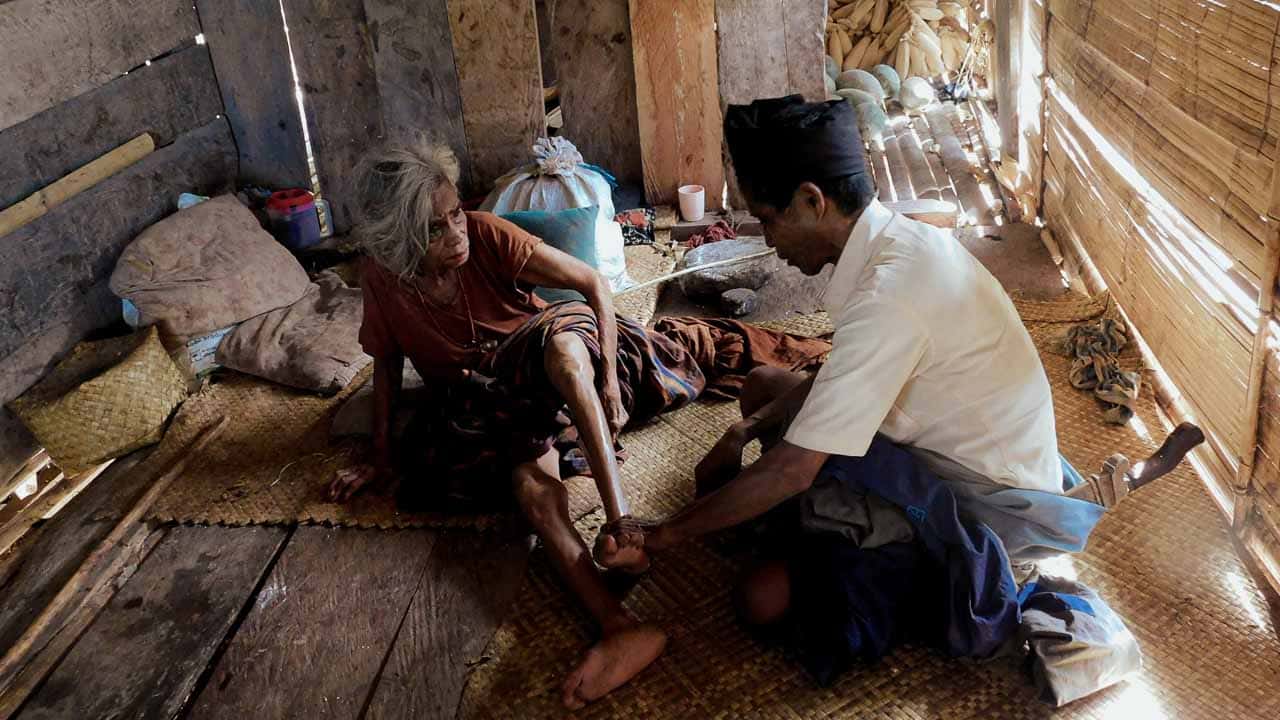
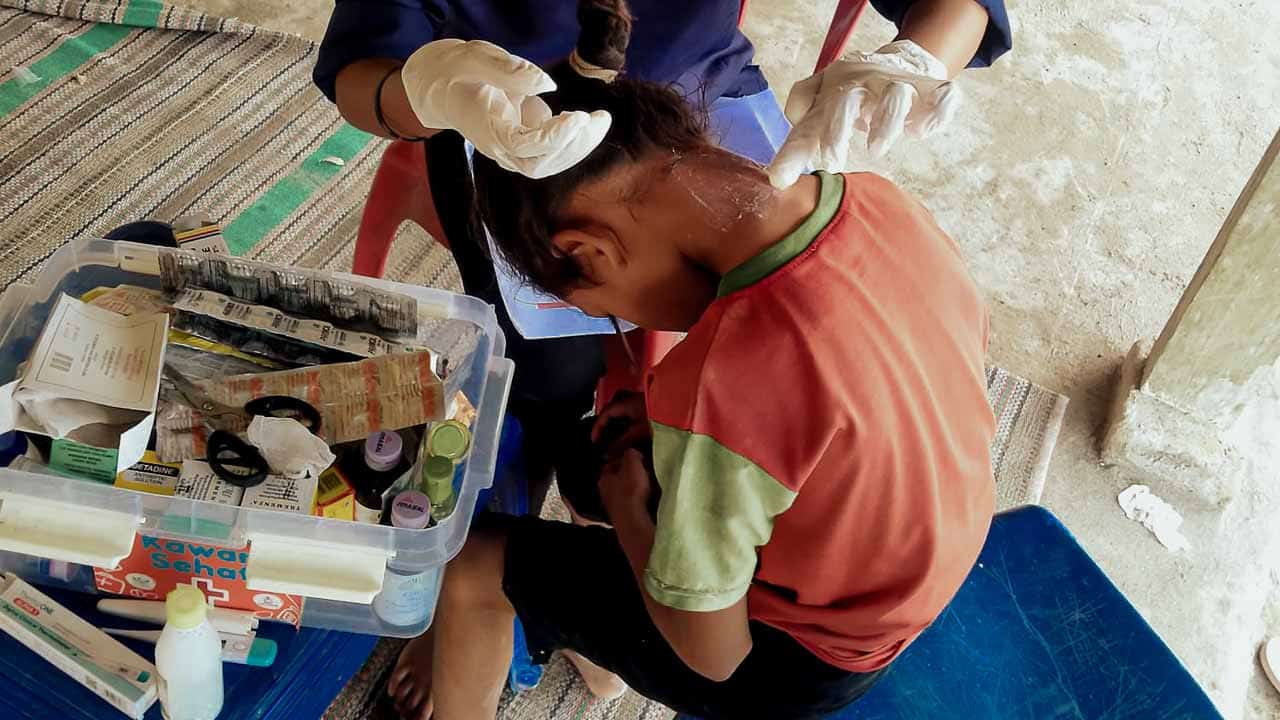
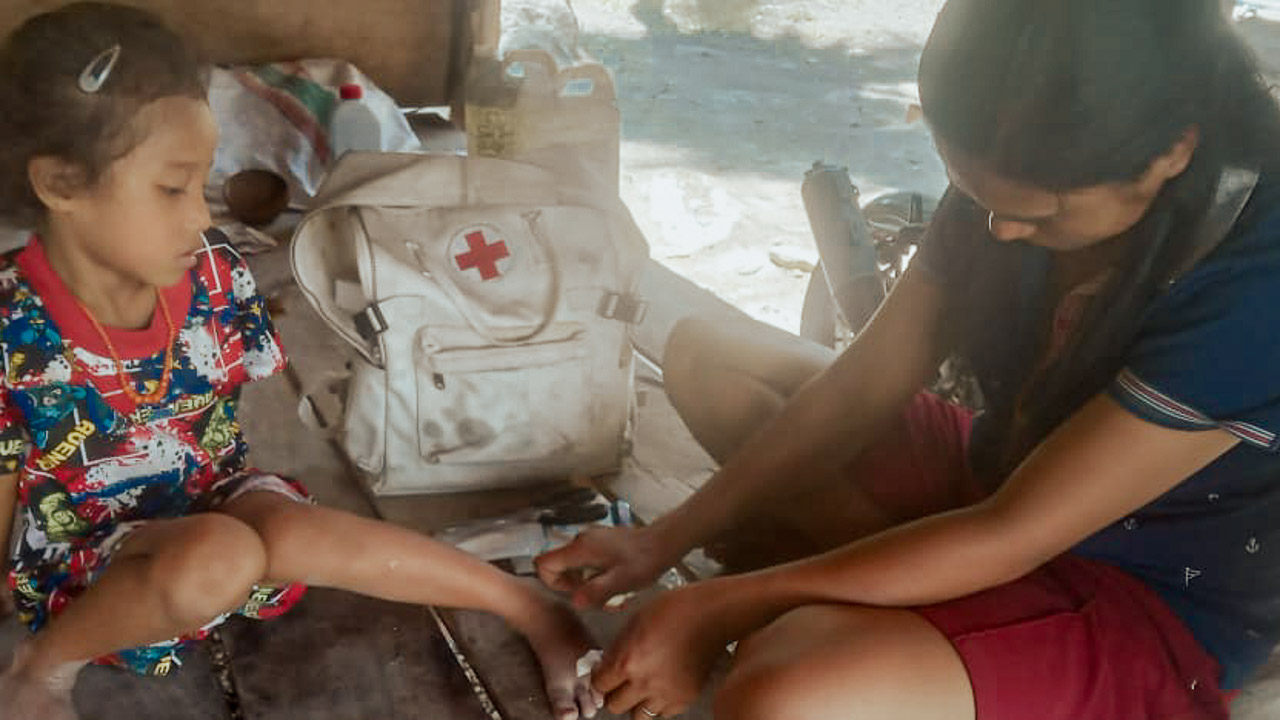
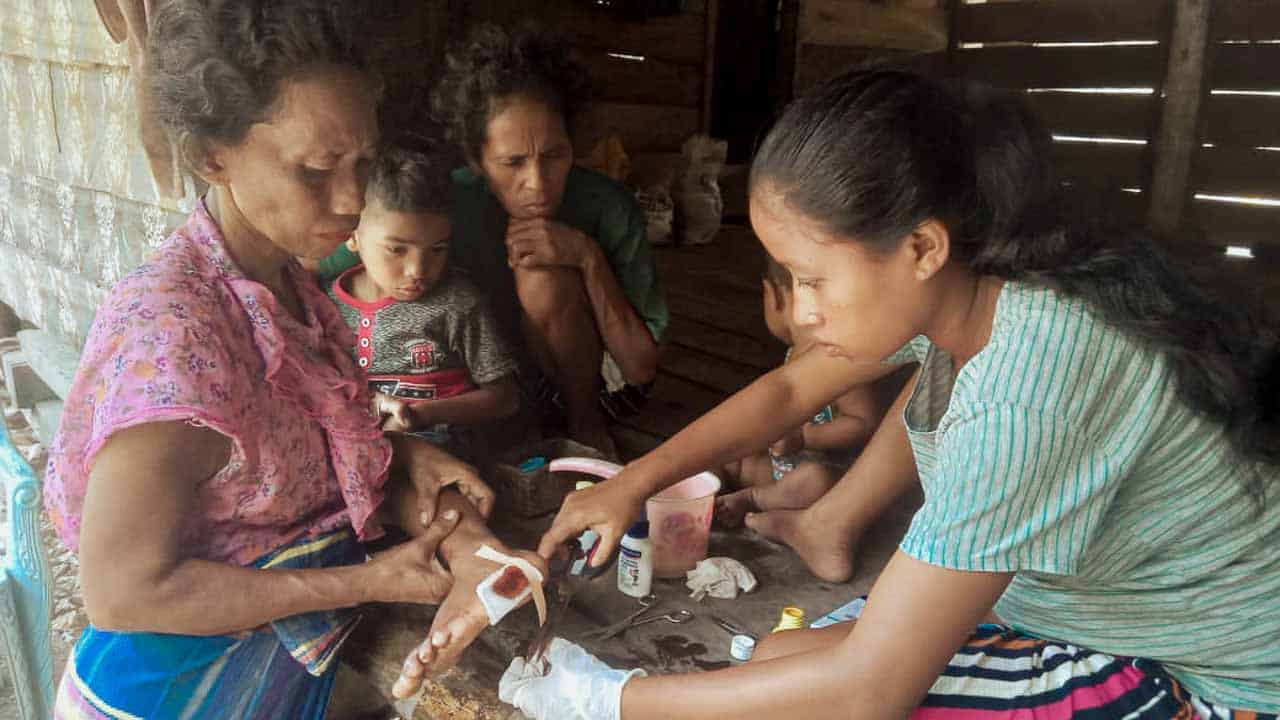
There is no nearby hospital. No laboratory. No ambulance network. When fever begins, when a wound becomes infected, when a child struggles to breathe at night, the first contact is not a doctor. It is a trained Kawan Sehat health agent, a woman from the village, equipped with protocols, tools, and supervision.
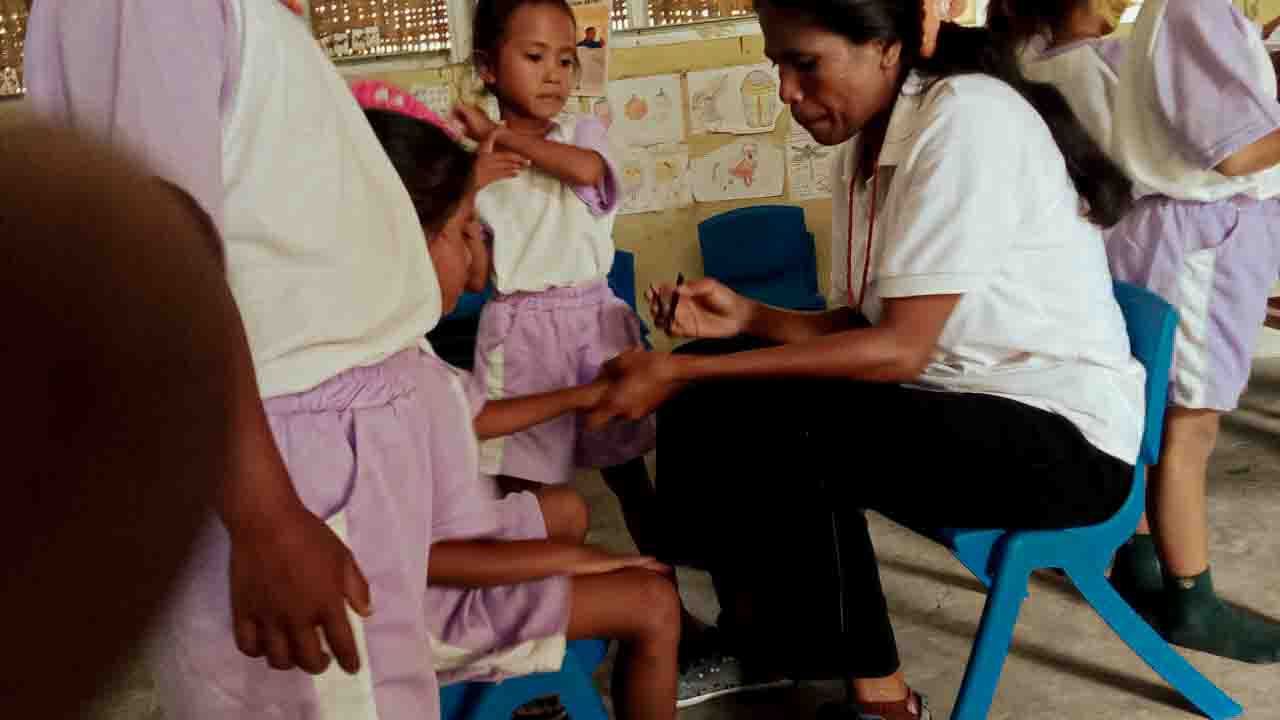
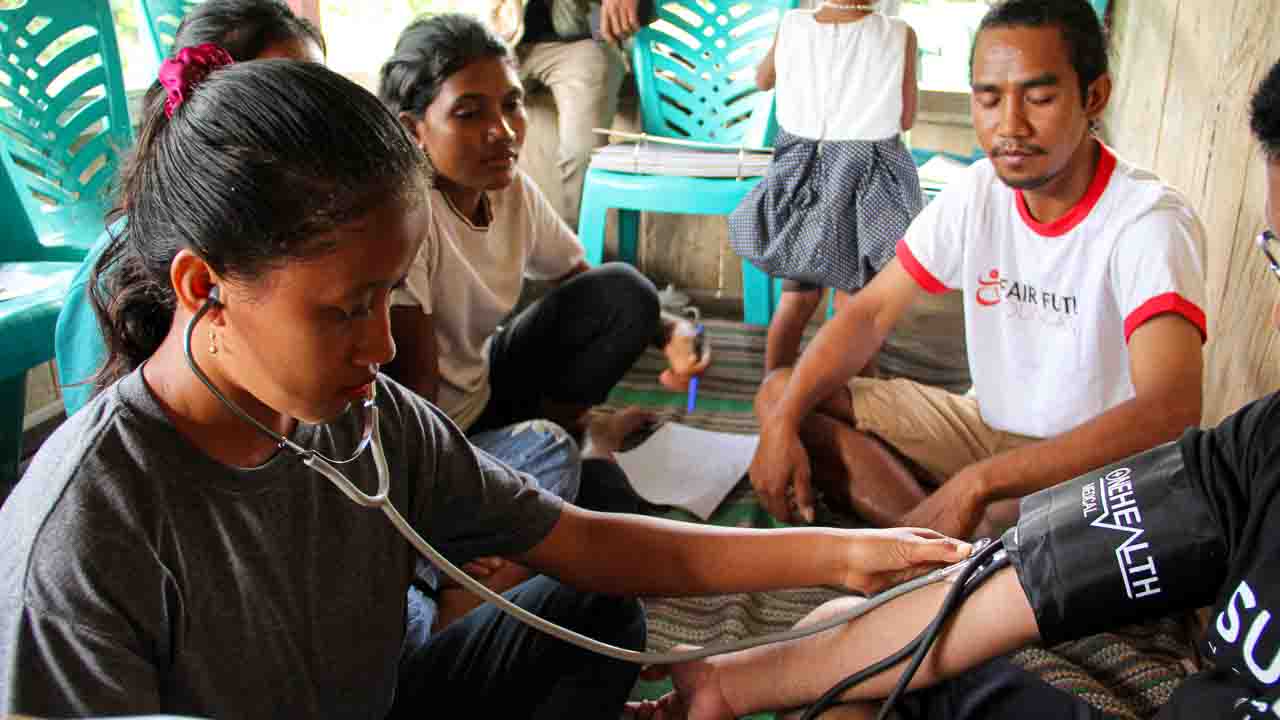
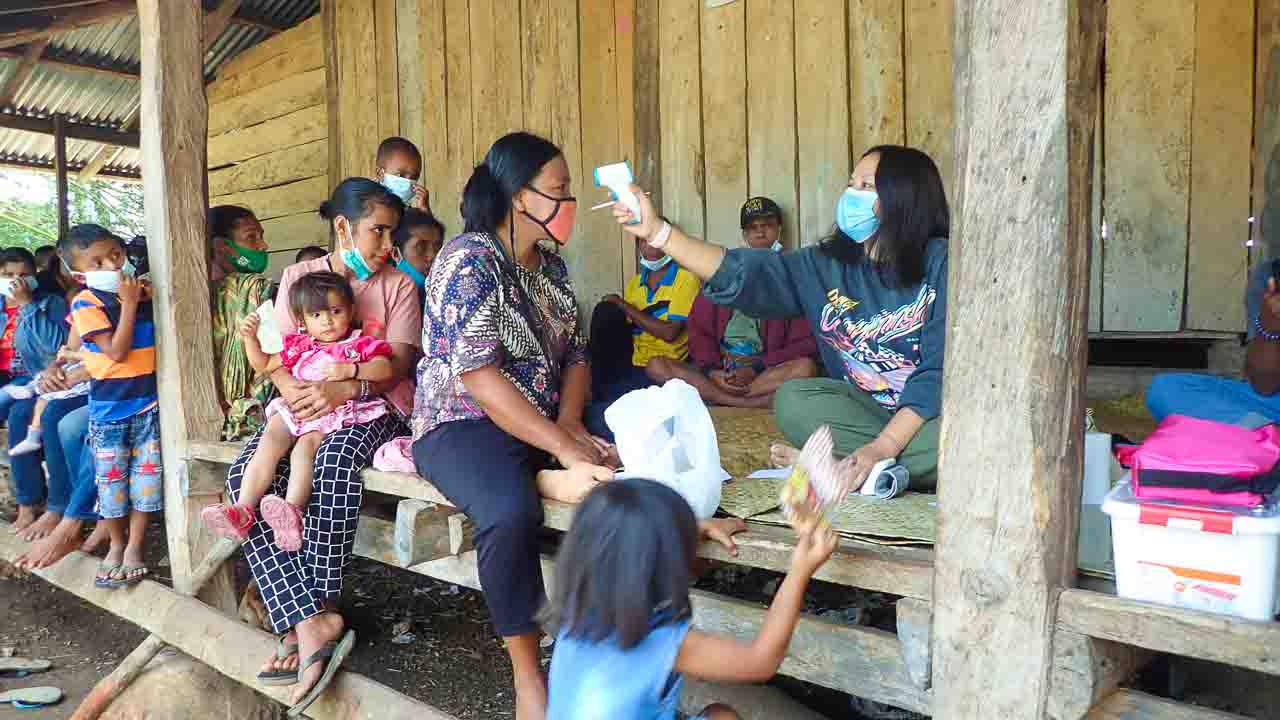
Each month, our Primary Medical Care programme records between 700 and 1,000 consultations. These are not symbolic visits. They are documented clinical acts: malaria rapid tests, wound care, initiation of antibiotics under protocol, dehydration management, blood pressure monitoring, pregnancy follow-up, and early sepsis detection.
When we analyse the data, something becomes clear. The average time to the first consultation is drastically shortened because the provider is local. Most patients are seen within hours or a few days of symptom onset, not after complications develop. Around 80 per cent of pathologies encountered are manageable at the community level if agents are properly trained and equipped. Uncomplicated malaria. Skin infections. Respiratory infections without distress. Mild trauma. Early dehydration. Hypertension screening.
Cases that exceed defined thresholds are referred. Severe anaemia. Complicated malaria. Suspected sepsis. Obstetric emergencies. Referral is structured, not improvised. Because triage is done early, hospitalisation rates for preventable complications decrease. Resolution without hospital admission becomes the norm, not the exception.
This is not improvisation. We have developed our own tools, standardised protocols, clinical decision trees, and a supervision model with continuous medical oversight. Pathologies are categorised. Treatments are logged. Outcomes are reviewed. The model is measurable and reproducible.
The strategic implication is profound. In ultra-rural territories, investing in hospitals alone will not close the gap. Distance, cost, and geography remain barriers. But investing in structured, supervised Community Health Workers creates an architecture of care embedded within the population itself.
Technology does not save lives by itself. A solar panel, a truck, and a diagnostic test are inert without trained hands and disciplined systems around them. Human capacity, organised and supported, is what transforms tools into survival.
Community Health Workers are not an accessory to health systems in resource-limited settings. When structured correctly, they are the first and most decisive layer of the system.
This is not a theory. It is 700 to 1,000 consultations every month, in villages where no one else goes.
Today, the 27th of February 2026 – Alex Wettstein
In Short – Eighty Percent Managed Locally
Data from our Primary Medical Care program show that nearly 80 per cent of clinical cases in ultra rural villages are resolved locally when agents are trained, equipped and supervised. Hospital care then becomes targeted and timely instead of reactive and late. This shift reduces costs and preventable deaths.
Primary Medical Care at Community Level
List of Related Organisations with Hyperlinks
- Community Health Impact Coalition: Global movement professionalising community health workers and advocating salaried, supervised frontline systems in low-resource settings.
- Last Mile Health: Organisation building community-based primary health systems in remote regions where distance blocks hospital access.
- Living Goods: Evidence-based model using digitally supported community health workers to deliver structured primary care at scale.
- Partners In Health: Integrated community health strategy combining supervision, referral systems and long-term health system strengthening.
- Global Health Workforce Network – WHO: International framework supporting task shifting and the integration of structured frontline health workers into national systems.
- BRAC Health Programme: Community health volunteer network delivering maternal and child
- Aga Khan Development Network – Health Services: Community-embedded health delivery systems integrating referral logic and primary care in fragile territories.