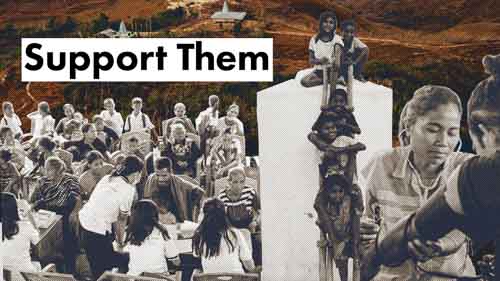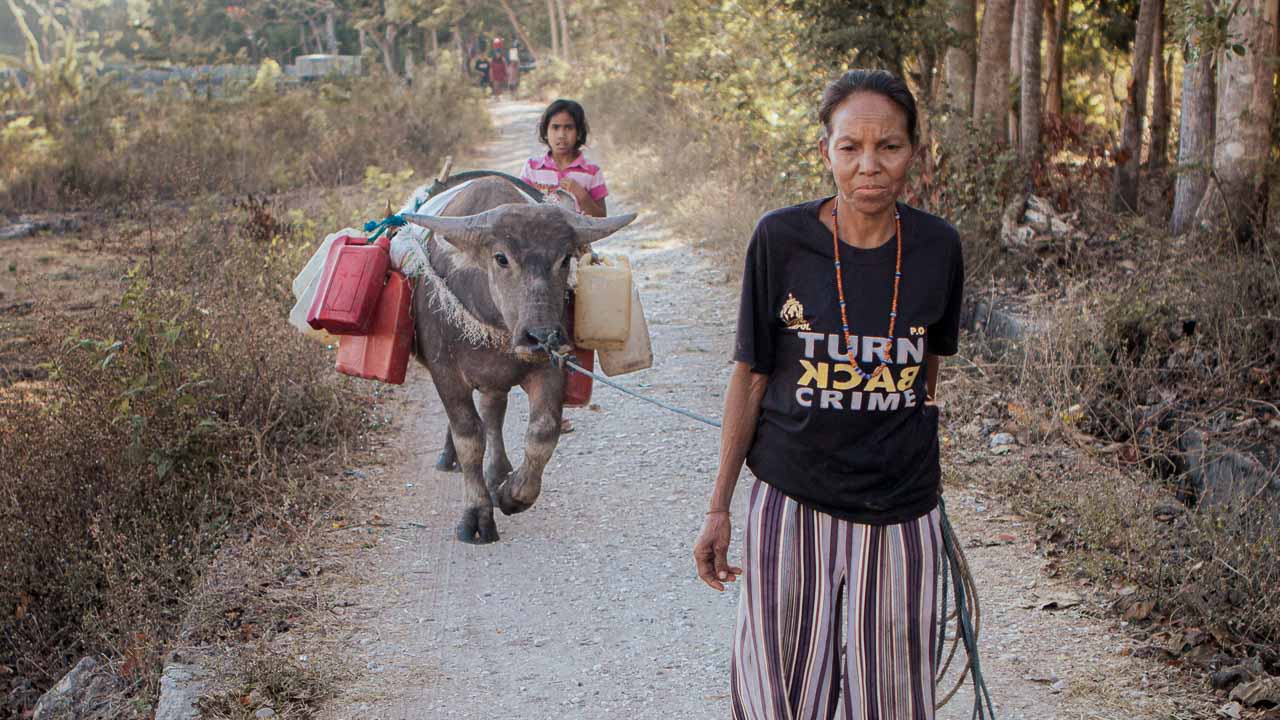



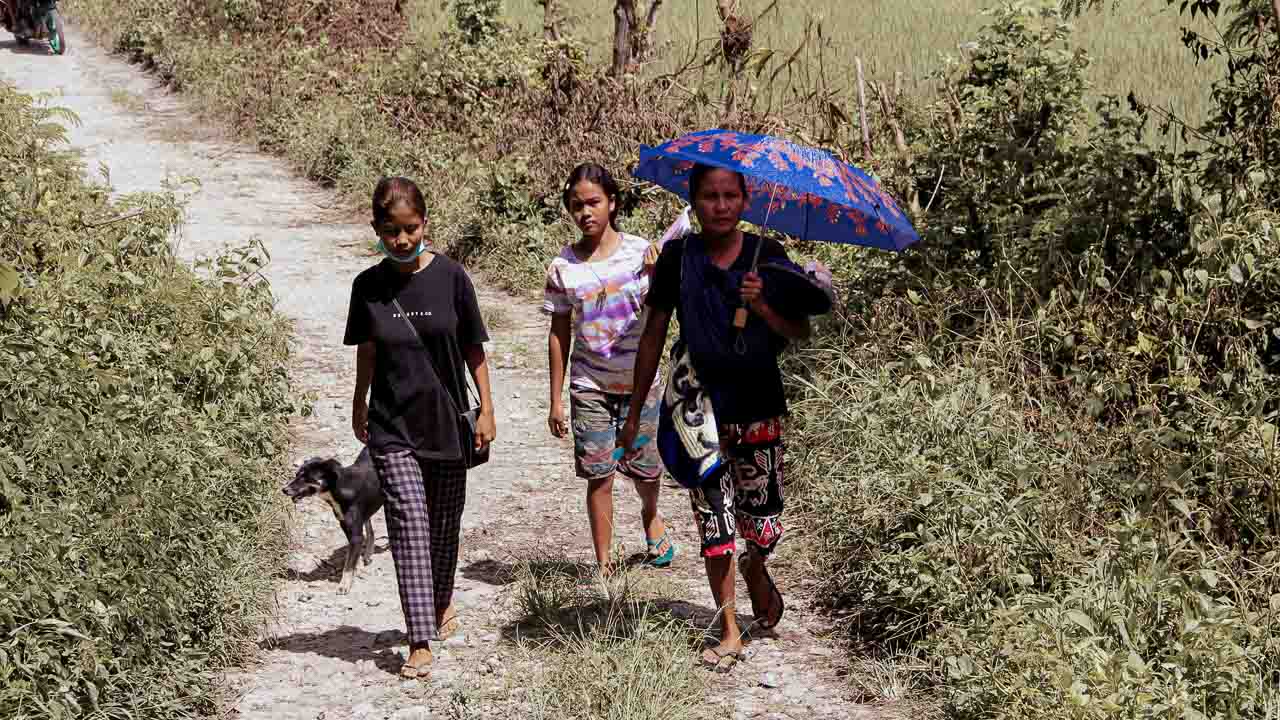
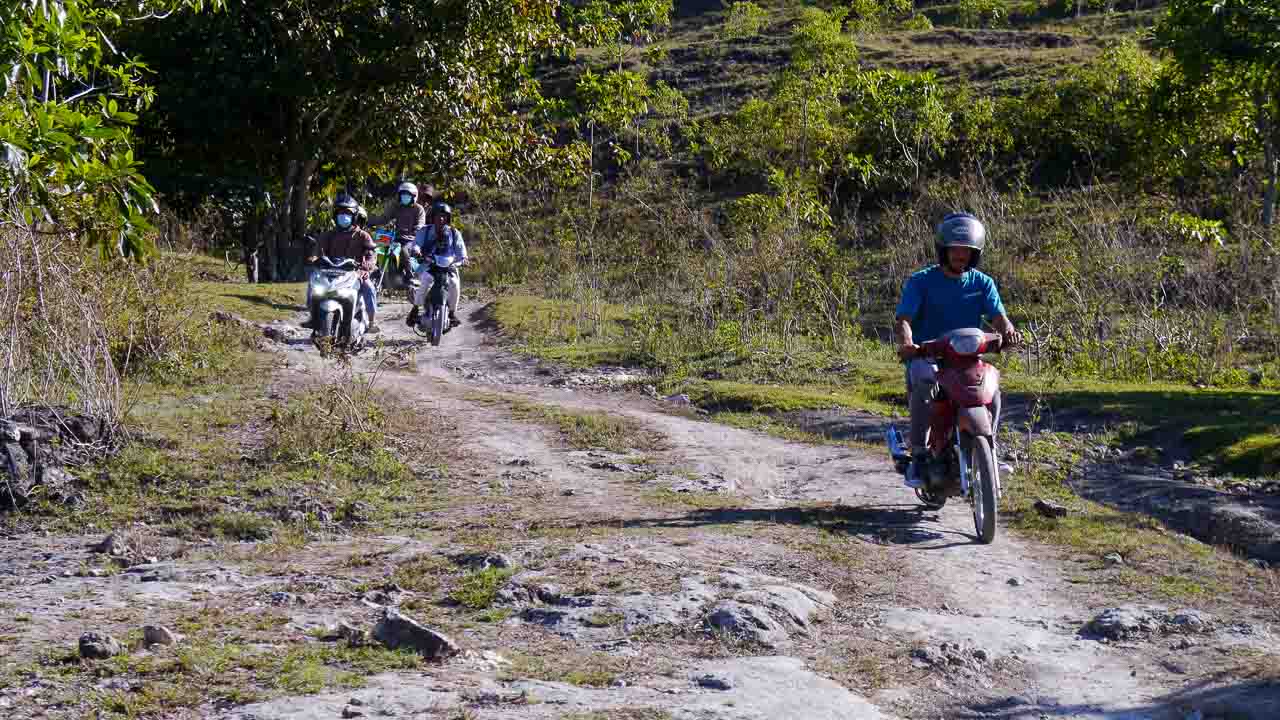
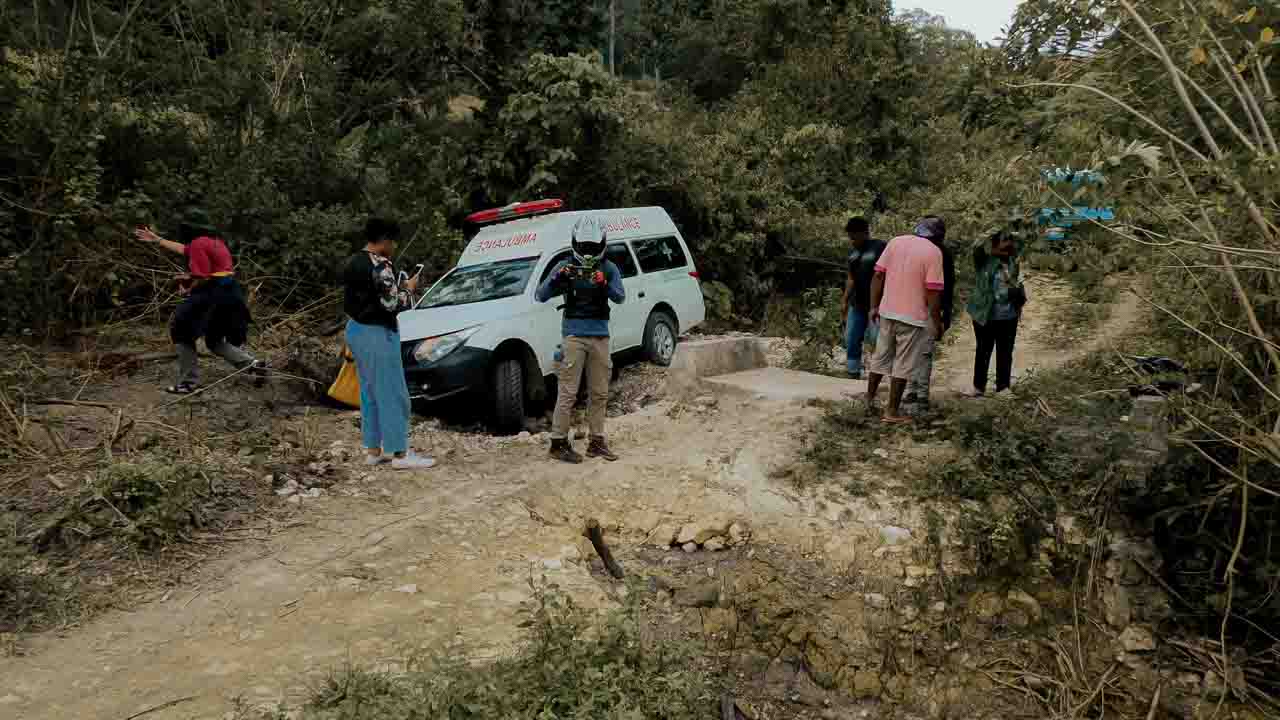
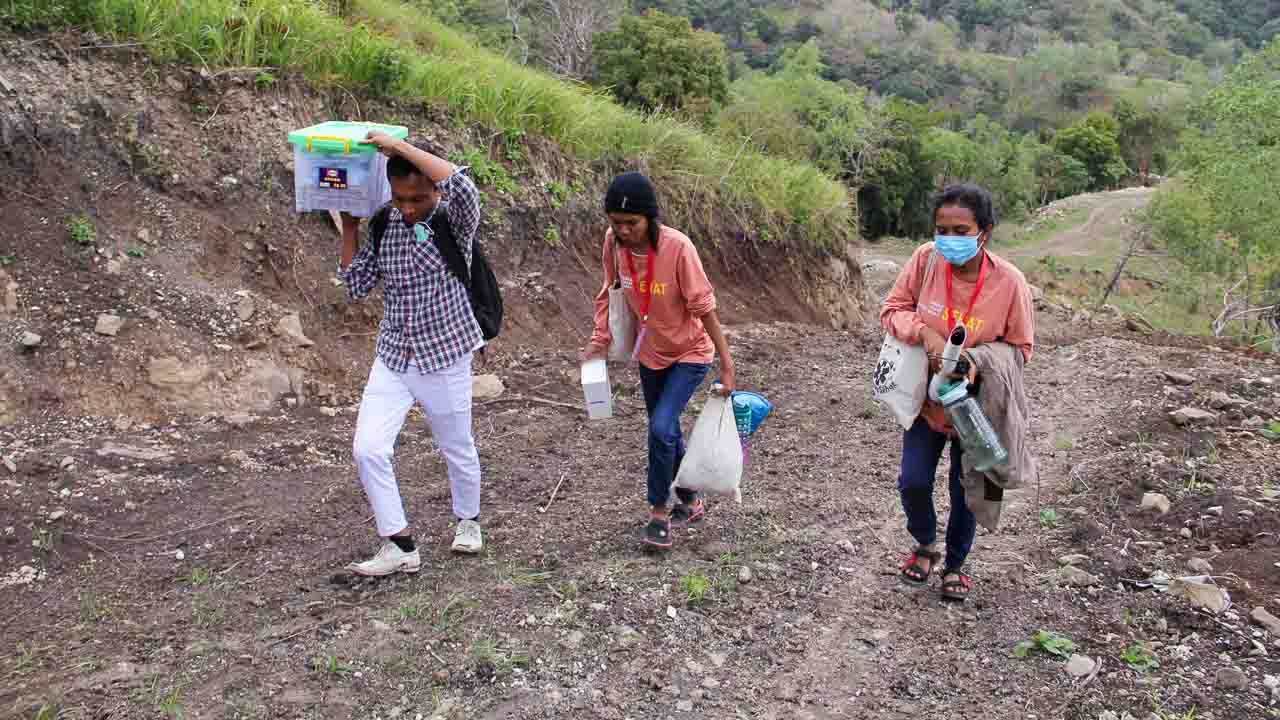
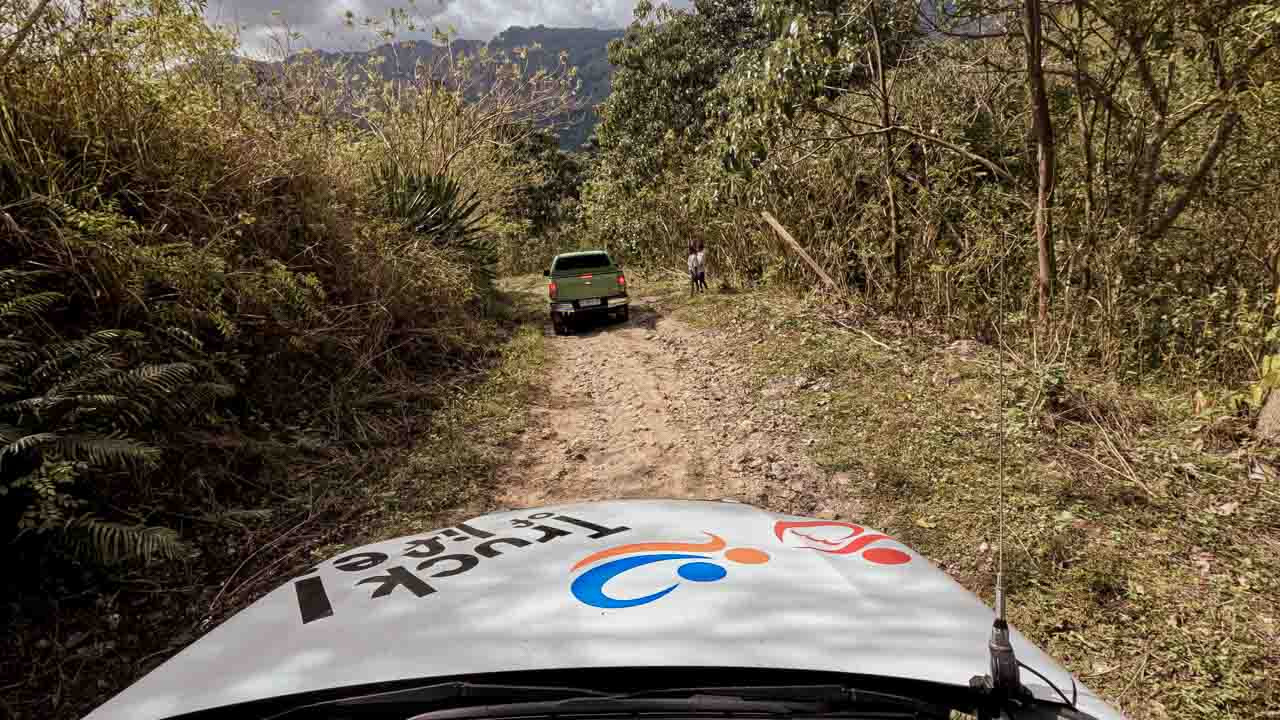
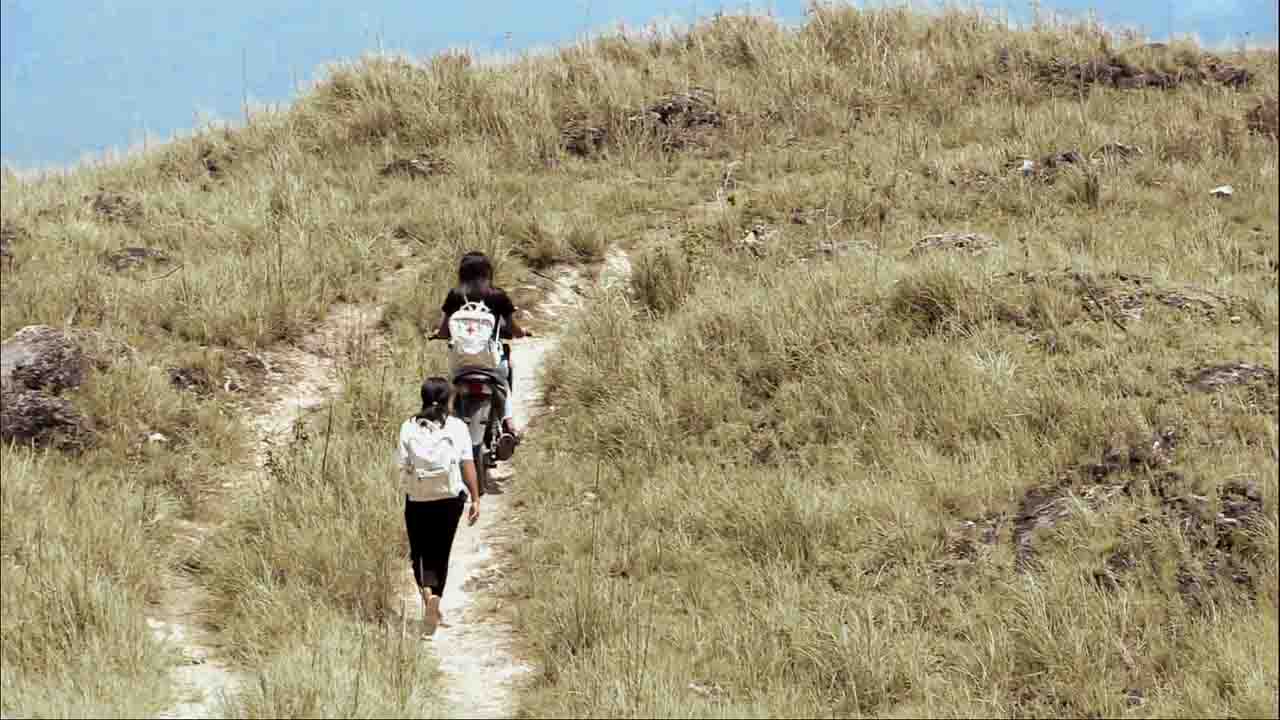
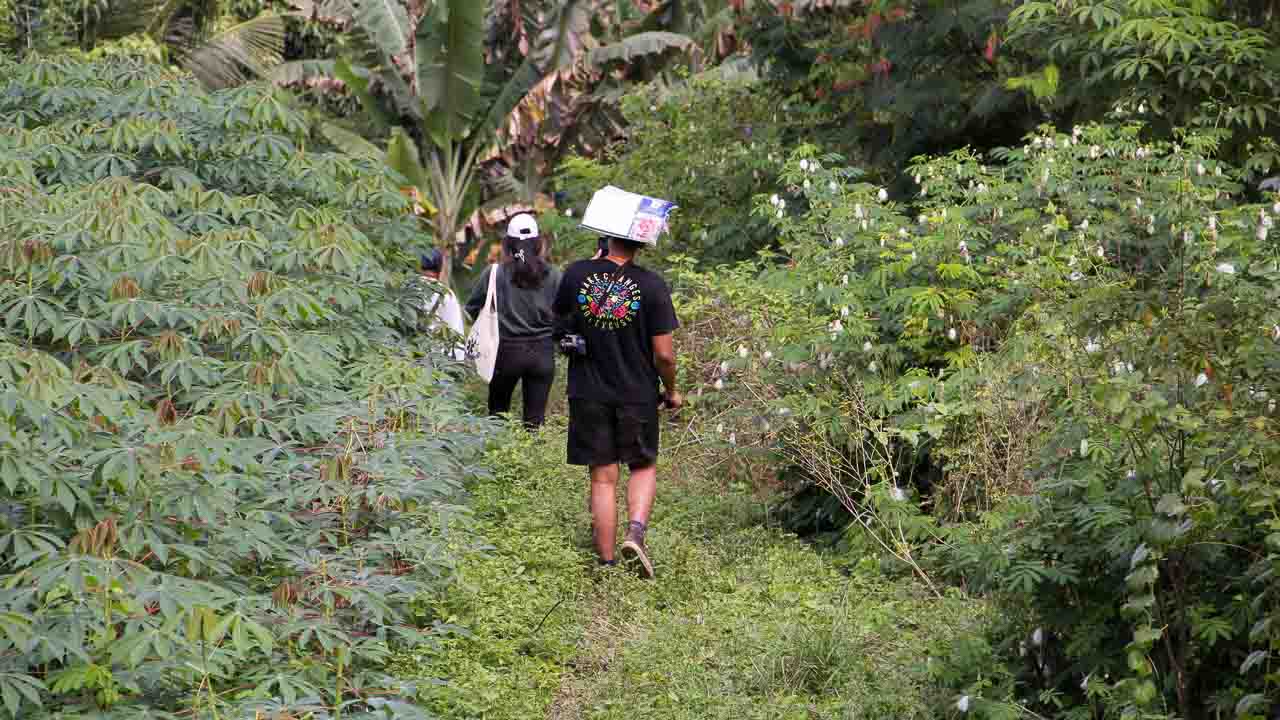
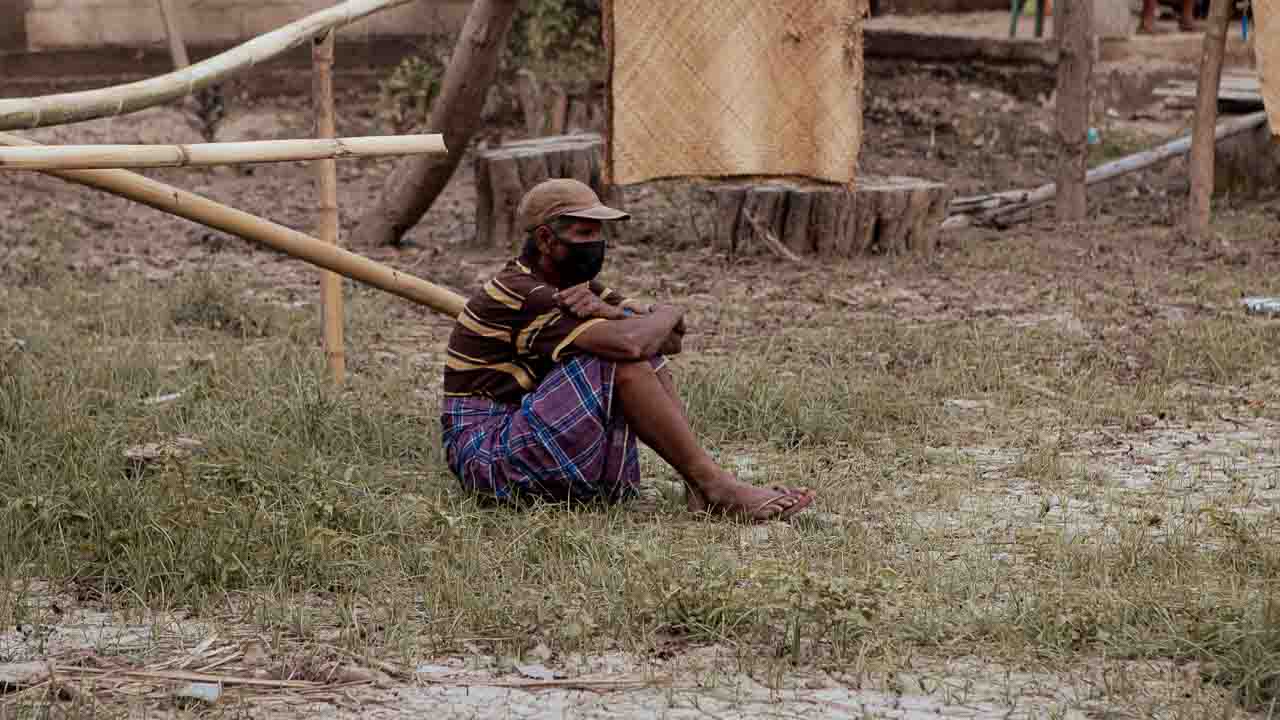
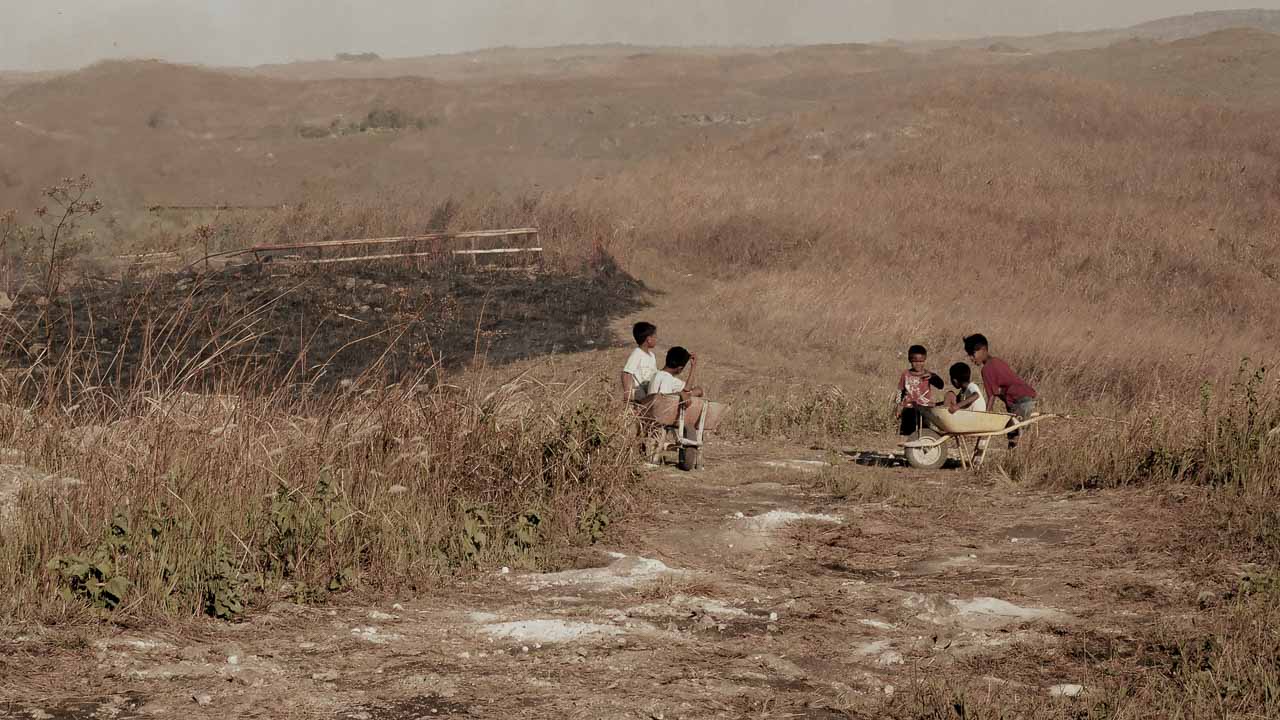
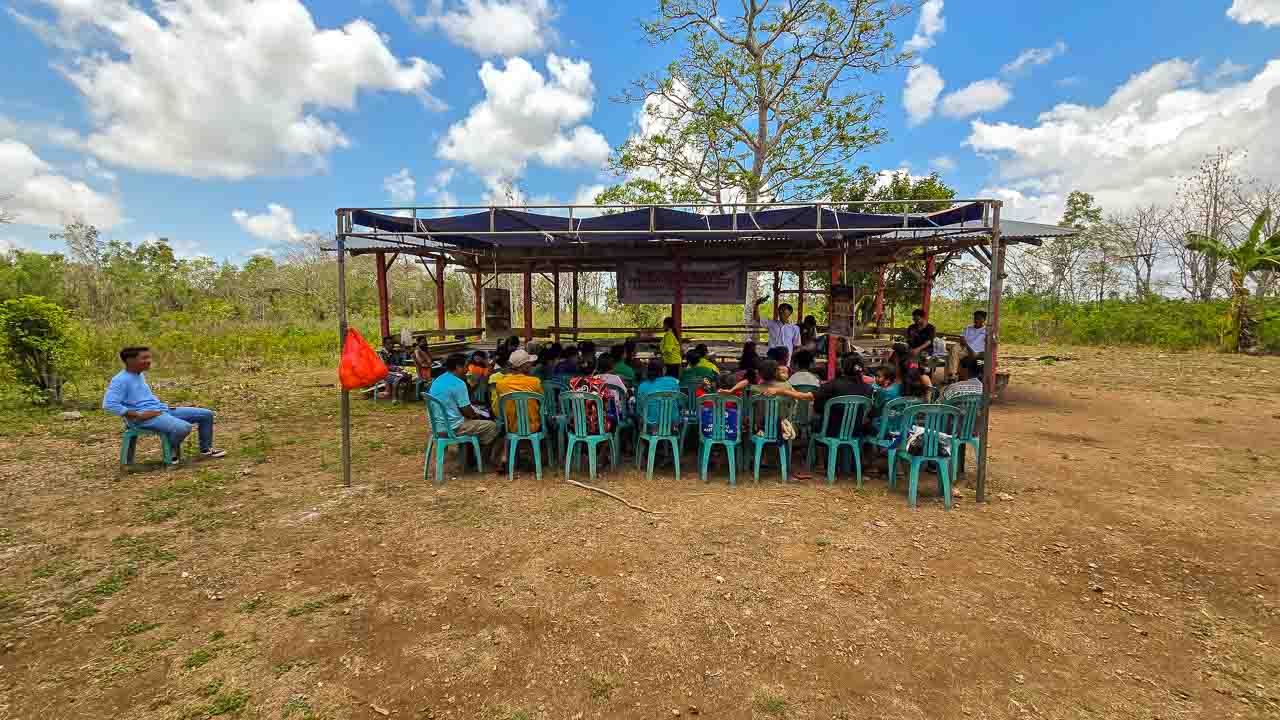
Medical teams are navigating remote terrain in East Sumba, where distance and road conditions delay access to healthcare.
The Hidden Cost of Delay in Rural Medicine
In ultra-rural regions, the most decisive prognostic factor is often not the initial severity of a disease. It is the time between the onset of symptoms and the first medical contact. Delay is a medical variable. In modern hospitals, we speak about the golden hour. In East Sumba, the golden hour is sometimes a golden week.
We see this reality through three measurable parameters: the time from first symptoms to first consultation, the average distance to a referral centre, and the economic cost of travel. Each of these variables can be quantified. Each directly modifies outcomes.
A child develops diarrhea. On day one, it is mild. On day two, the child is weaker but remains at home. There is no transport money. By 48 hours, dehydration becomes severe. What was physiologically reversible becomes life-threatening. Not because the disease was extraordinary, but because time was lost. A small skin infection begins after a minor wound. Without cleaning, antibiotics, or monitoring, it progresses to extensive cellulitis after 4 days. What required simple oral treatment now demands intravenous therapy and sometimes surgical drainage. A fever during the rainy season is ignored for financial or geographic reasons. Three days later, it is no longer uncomplicated malaria. It is severe malaria with anaemia, neurological signs, or organ dysfunction.
In how many cases was the disease not fatal, but the delay made it fatal?
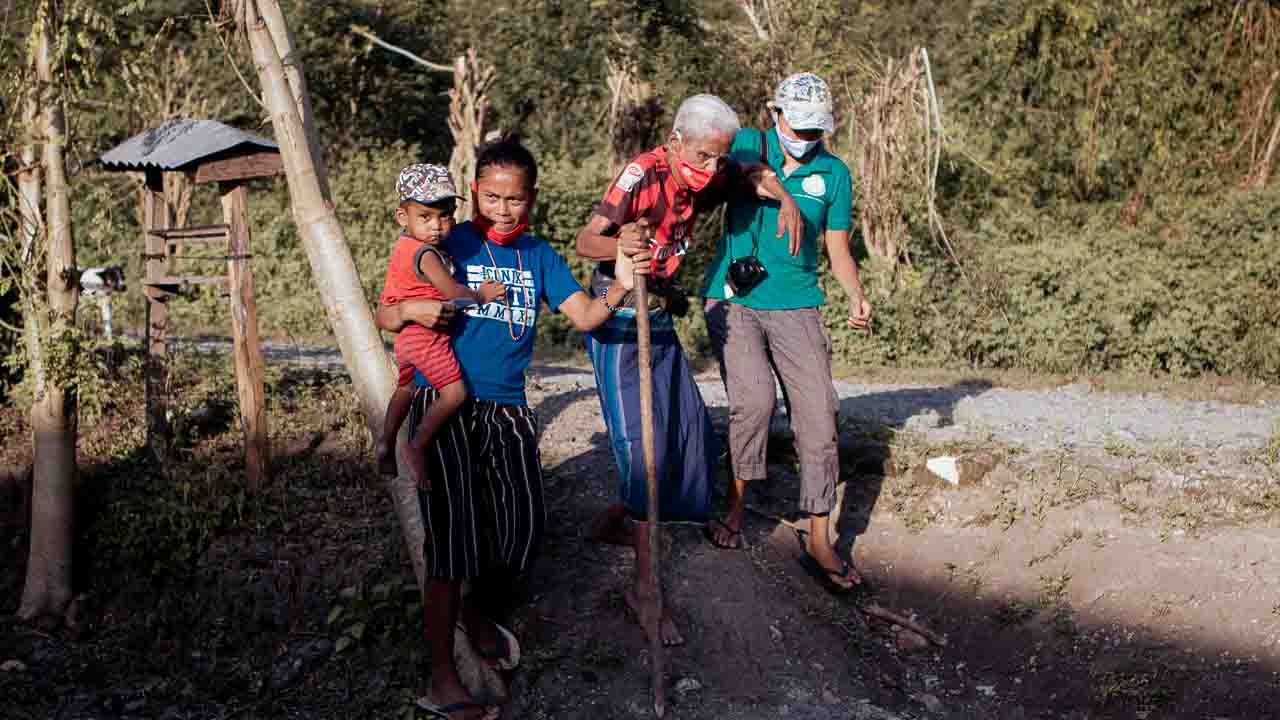
Geographic inequity here is concrete. The nearest hospital may be 40 or 60 kilometres away, over damaged roads. Fuel costs can represent a week’s income. Families must choose between food and transport. This is not neglect. It is a structural constraint. Universal access to care is not only about infrastructure. It is about time to contact first. Financial barriers translate into hours and days of waiting, and waiting becomes pathophysiology.
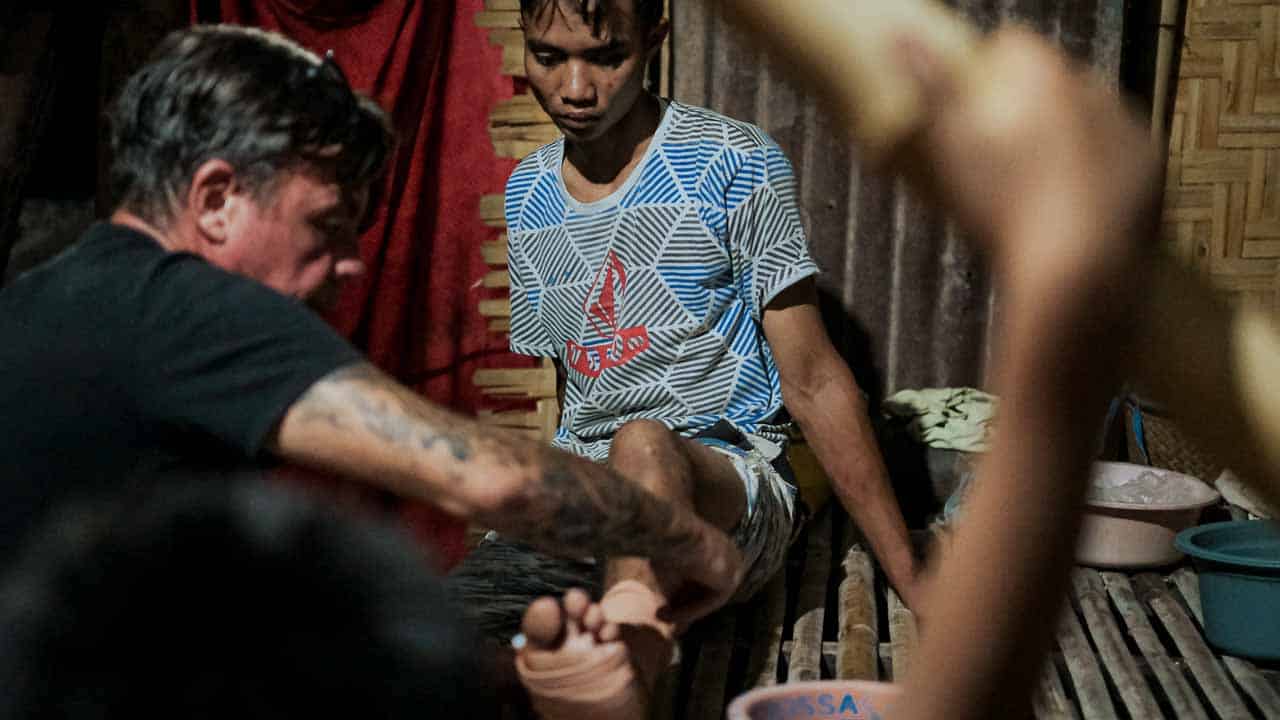
This is why we initiated the Primary Medical Care program. Kawan Sehat health agents reduce delay by bringing first assessment, rapid diagnostics, oral rehydration, antimalarials, wound care, essential antibiotics, and referral decisions directly into villages. They shorten the interval between symptom onset and intervention. They transform a golden week back toward a golden hour.
Over recent months, our health agents have treated hundreds of patients each month. Many of these cases would have deteriorated without early contact. The clinical logic is simple: earlier care means fewer complications, lower mortality, reduced costs, and less long-term disability. Rural medicine, at its core, is a fight against time. We are not only treating infections. We are compressing delay, reducing distance, lowering financial barriers, and decentralising first-line care.
Disease may begin in the body. Too often, death begins in the gap between symptoms and care. Time does not negotiate. Our responsibility is to ensure it does not decide who lives and who dies.
Today, the 2nd of March 2026 – Alex Wettstein
In Short – Time Is a Clinical Determinant
In East Sumba, reducing delay by even 24 to 48 hours can radically change prognosis. Early oral rehydration prevents severe dehydration. Prompt malaria testing avoids organ failure. Rapid wound care stops bacterial spread. The difference is rarely technology. It is the time between first symptom and first medical contact.
Rural Healthcare Delay in East Sumba
List of Related Organisations with Hyperlinks
- UNICEF: UNICEF’s health systems strengthening initiatives focus on reducing child mortality by improving early access to primary care in underserved regions.
- Malaria Consortium: Develops community-based models for diagnosis and early malaria treatment that reduce severe complications from delayed care.
- Partners In Health: Promotes decentralised primary healthcare models that shorten the time to first intervention in rural communities.
- SolarBuddy: Provides solar lighting solutions that improve safety, access to night-time care and education in energy-poor rural communities, aligned with our field logistics.
- Rotary International: Supports grassroots health initiatives that strengthen local care networks and improve healthcare access in remote regions.
- The Global Fund: Funds malaria control and community-based health systems to reduce preventable deaths linked to delayed diagnosis and treatment.