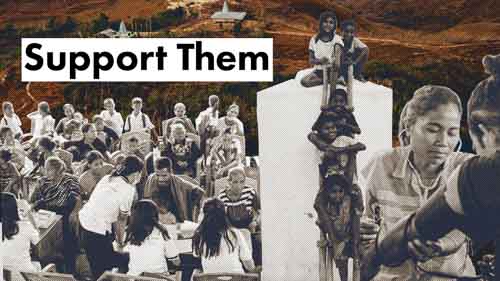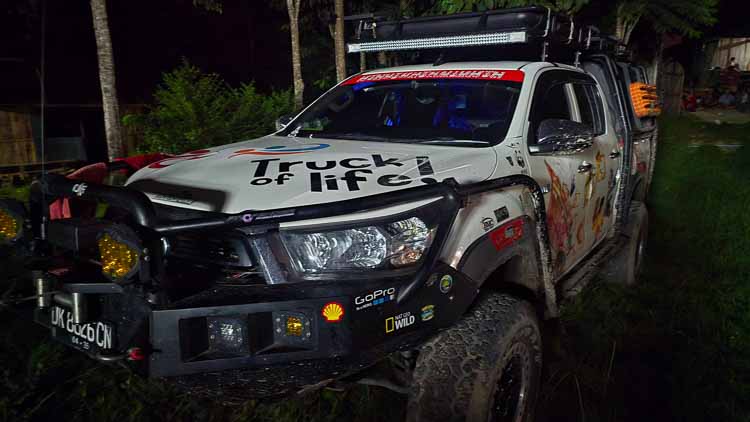



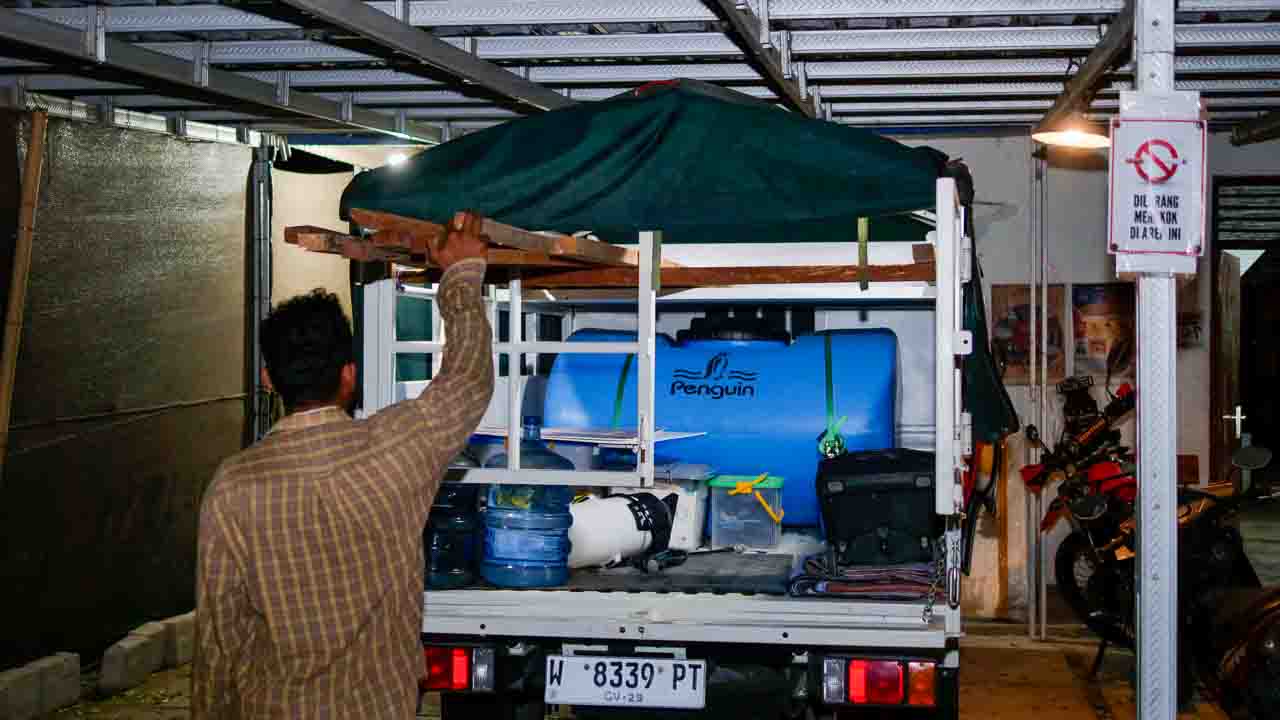
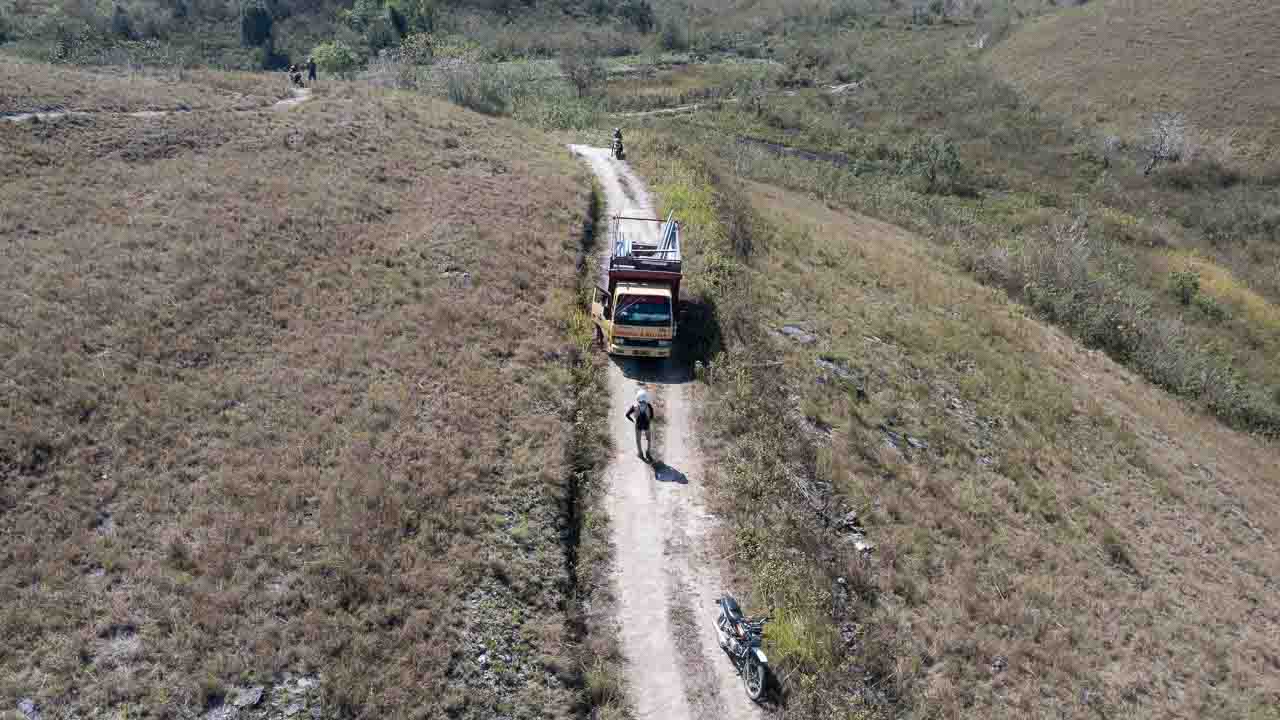
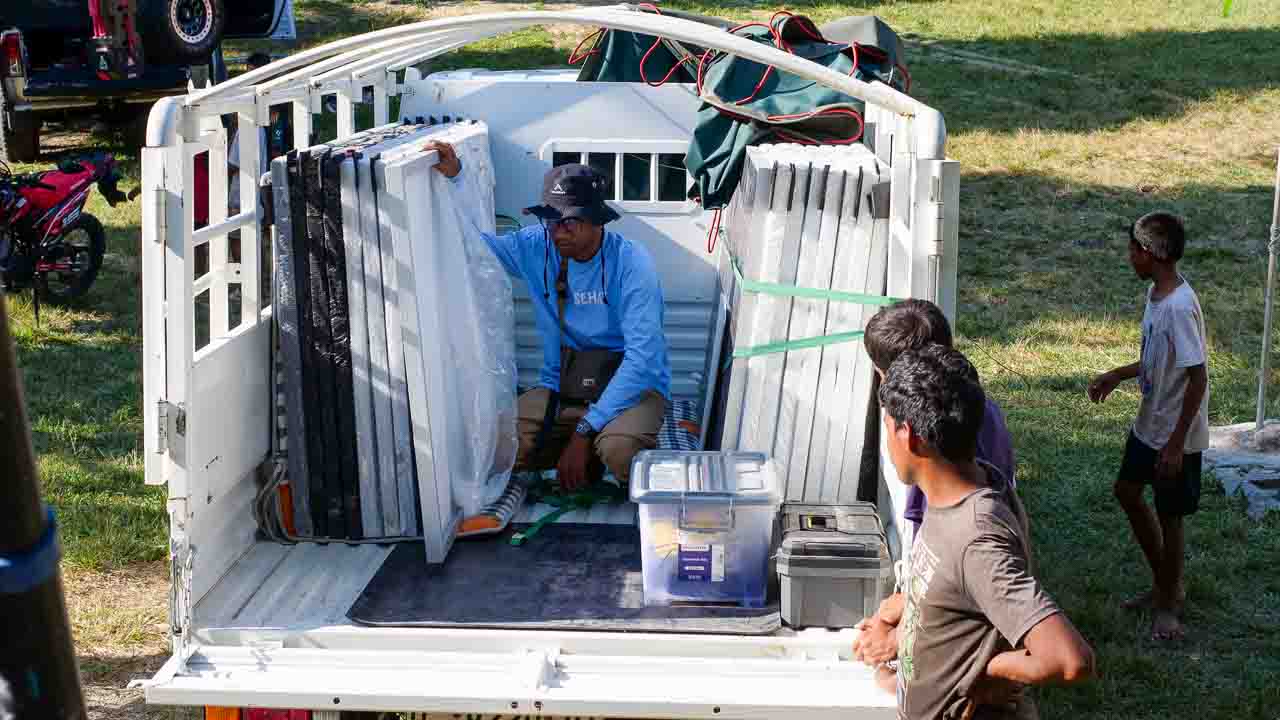
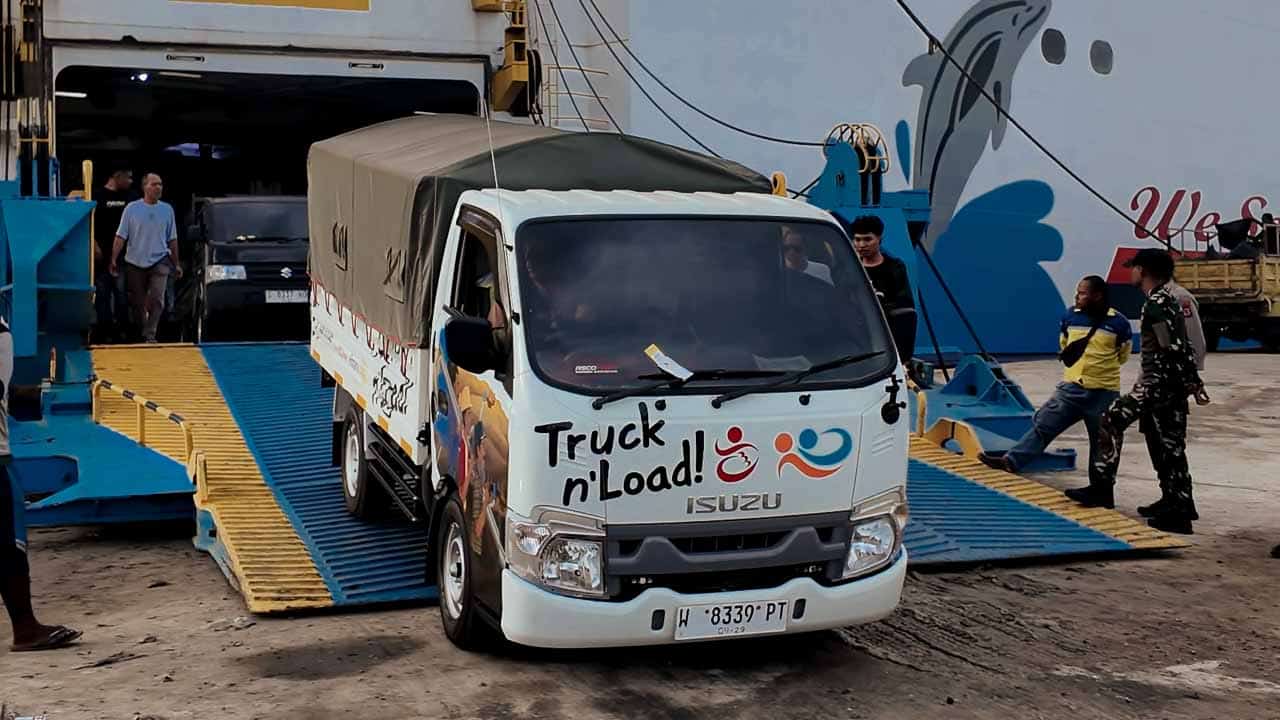
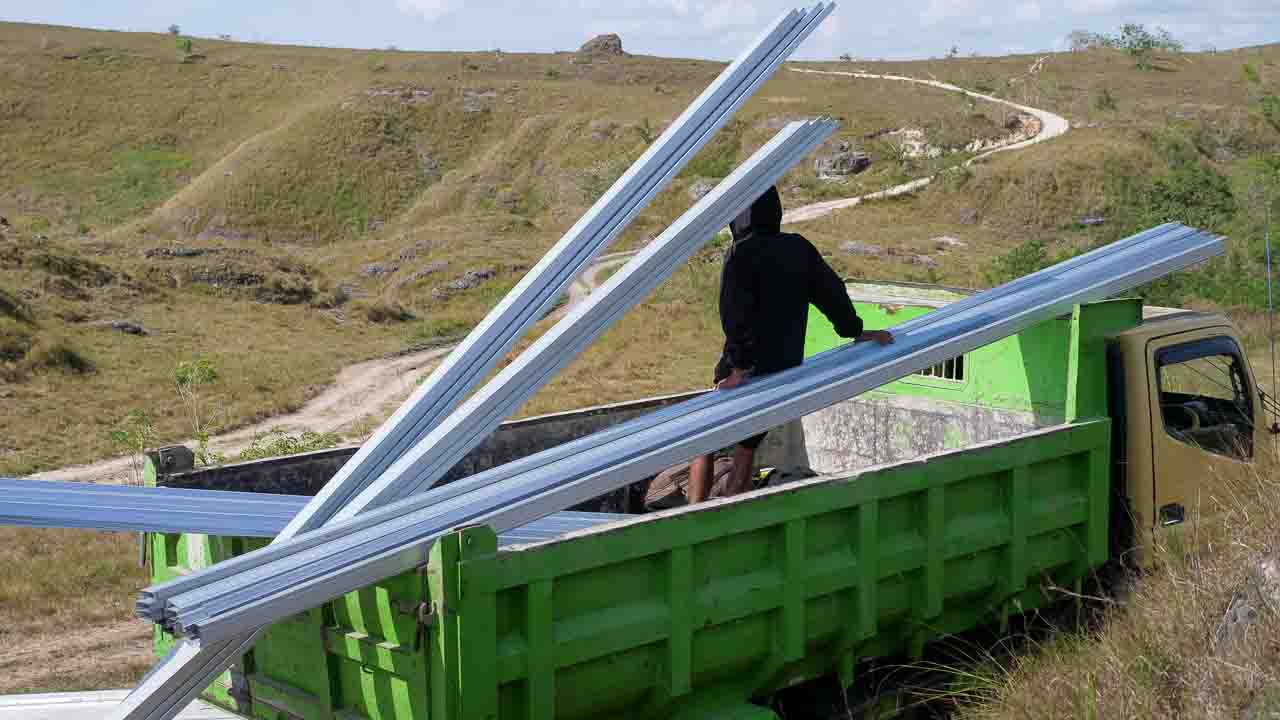
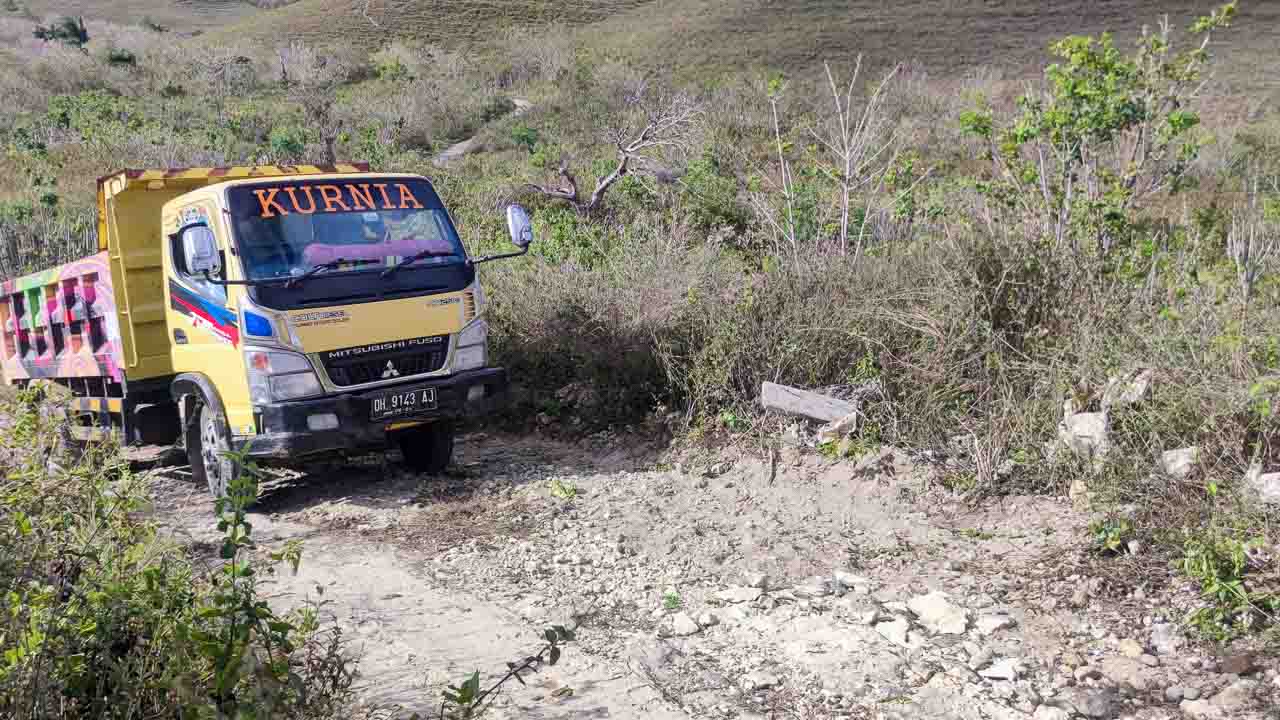
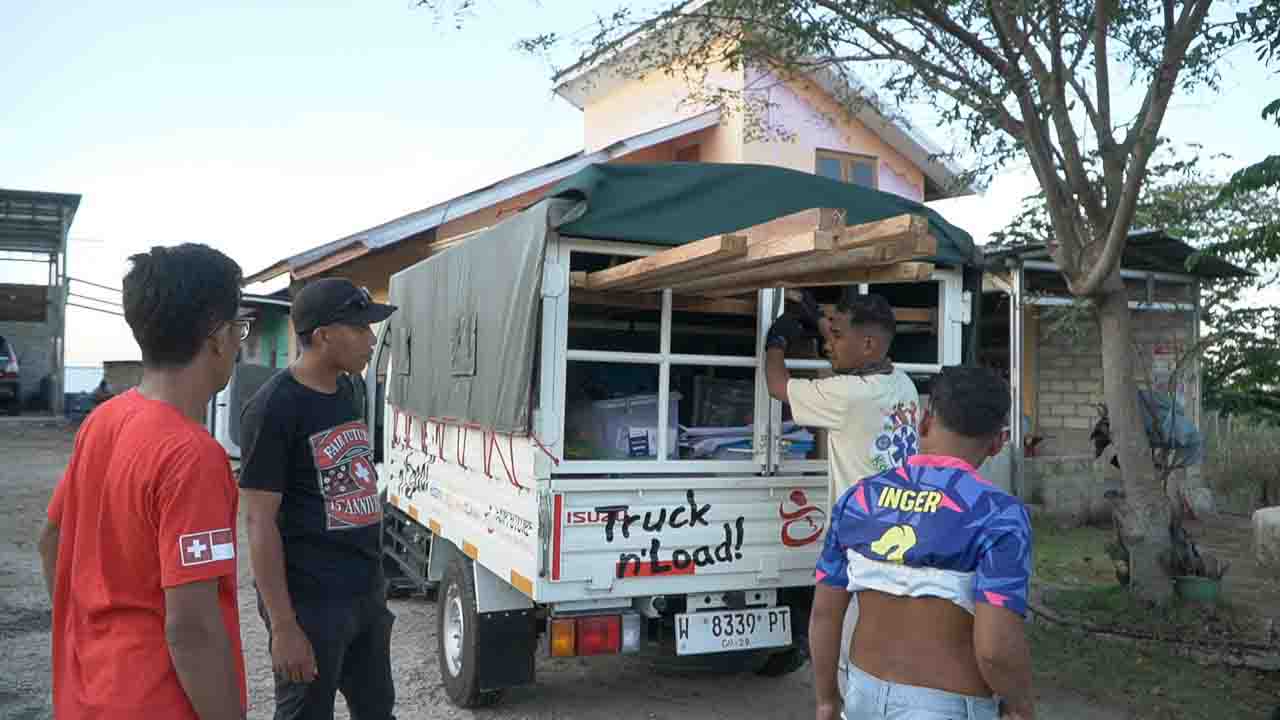
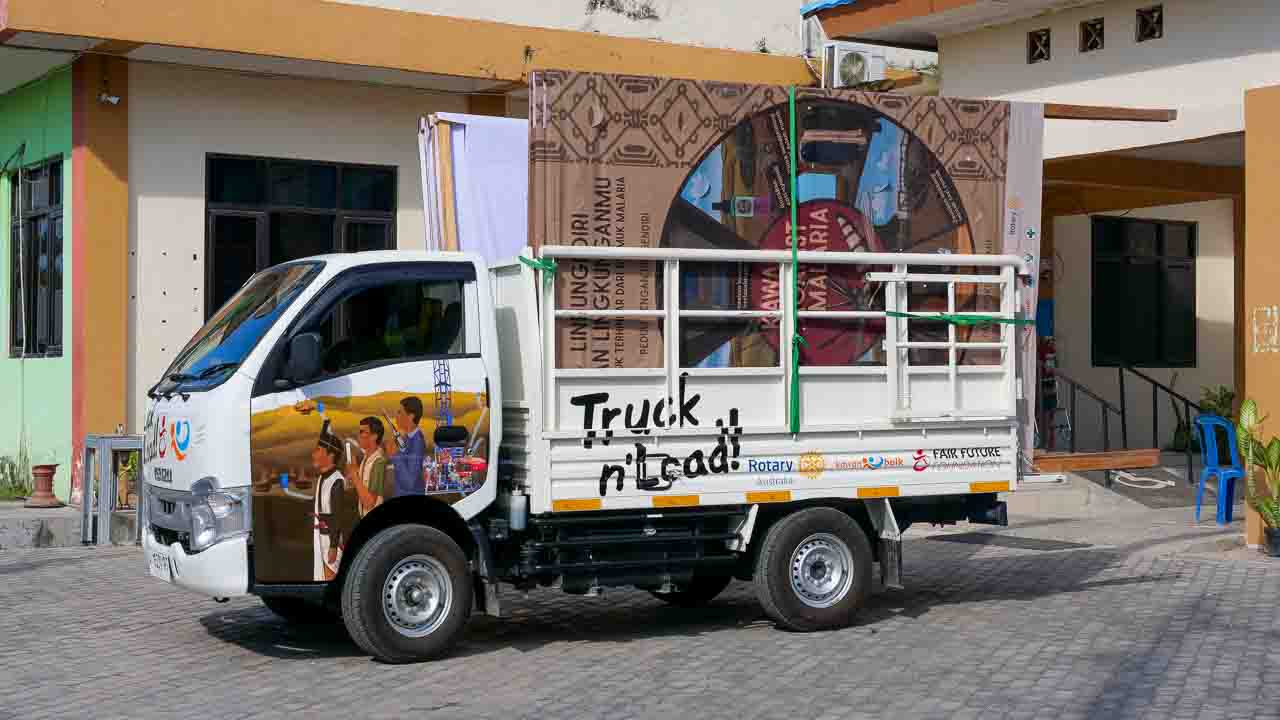
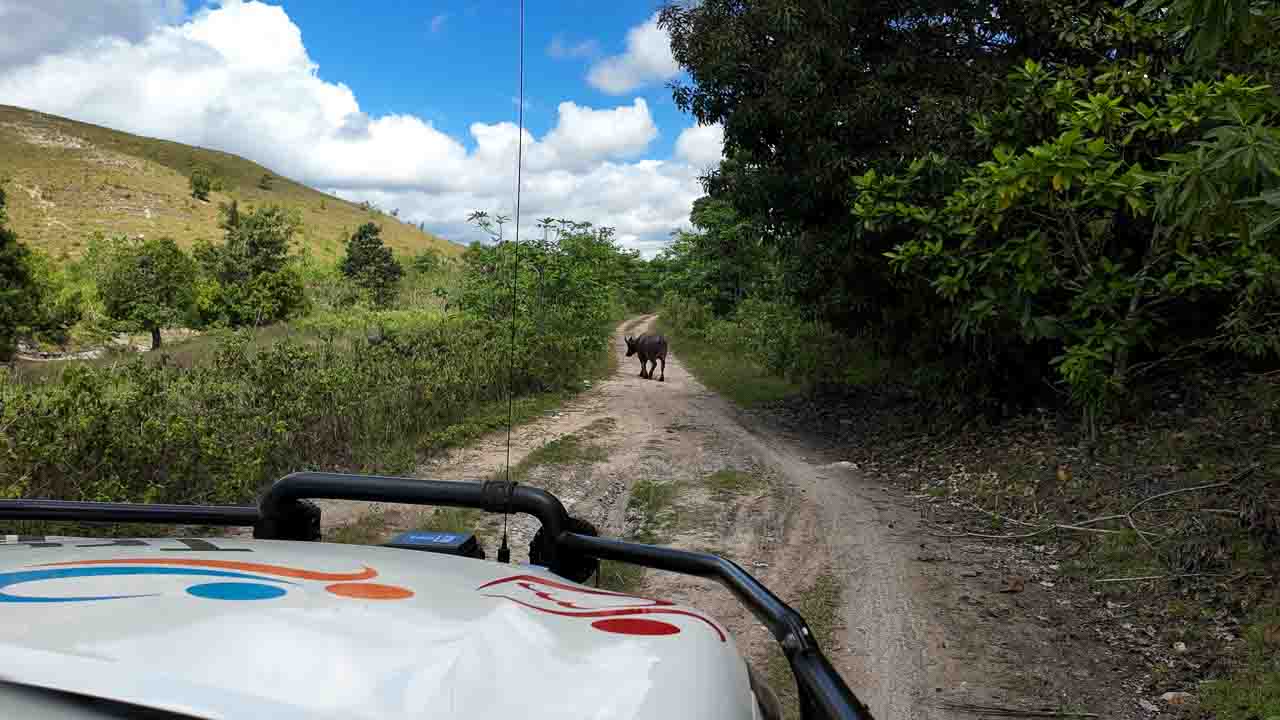
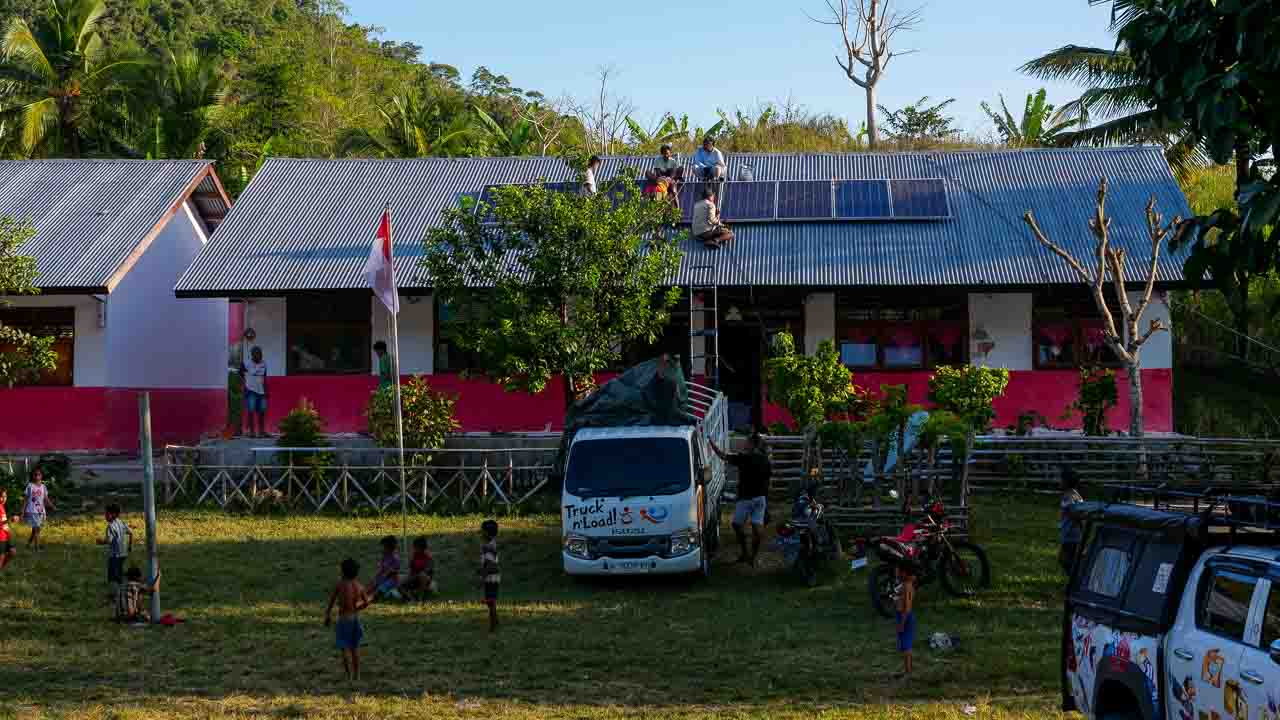
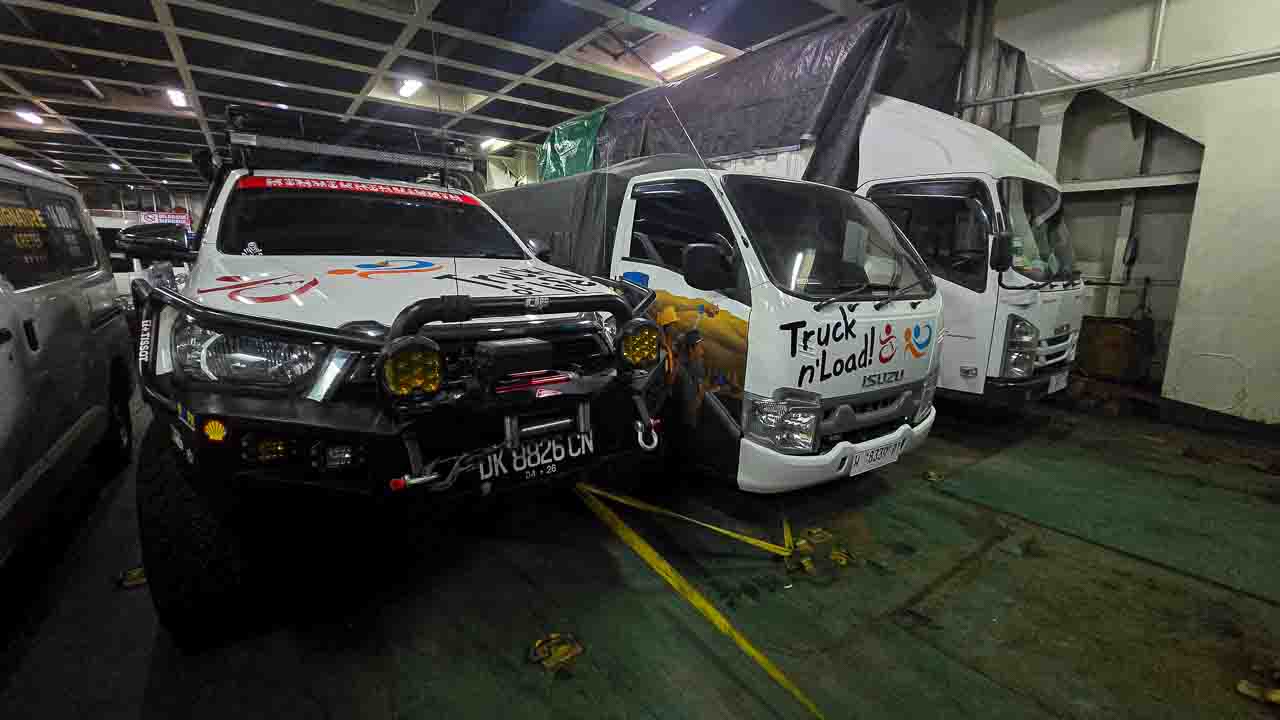
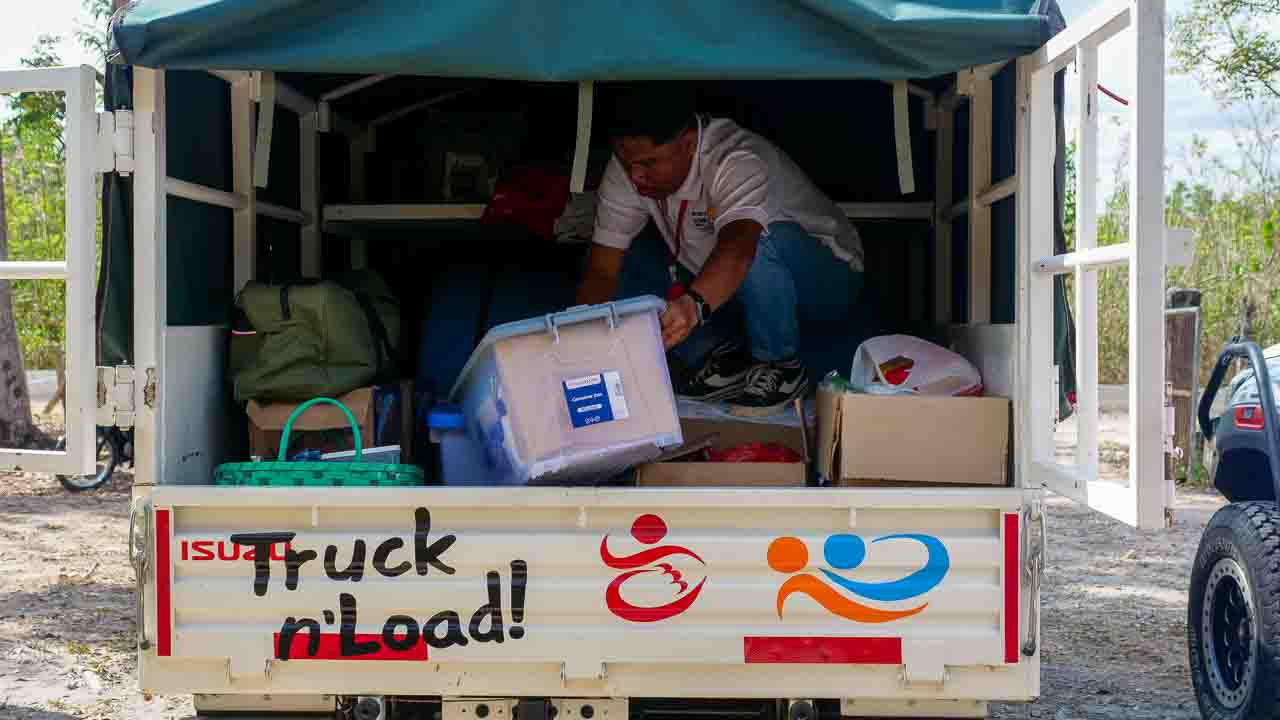
Fair Future Foundation field teams transport medical supplies, diagnostic tools, prevention equipment and community health materials to remote villages in Sumba.
Logistics: The Invisible Medicine
In many discussions about global health, people talk about doctors, medicines, hospitals, vaccines, and new technologies. They discuss protocols, health coverage, and national strategies. Yet, in large parts of the rural world, medicine relies on something much simpler and much quieter: the ability to transport care. Between the moment a treatment exists and the moment a patient can actually receive it, there is a physical distance—often immense. That distance is not only geographical; it directly impacts illness, complications, and sometimes preventable death.
In isolated regions, an antibiotic stored in a town has no therapeutic value for a child living several hours away along dirt tracks. A rapid diagnostic test can change the course of an infection, but only if it is available at the time the fever begins. A vaccine only protects if the cold chain has been maintained all the way to the last village. In these contexts, every additional kilometre increases treatment delays, and every hour lost can turn a simple infection into a medical emergency.
This is where logistics becomes a vital component of medicine. Delivering medicines, diagnostic tests, mosquito nets, medical equipment, or diagnostic tools is not a secondary function of a health system; it is a fundamental condition for its existence. A truck capable of transporting several tonnes of medical supplies can transform access to care for dozens of villages. A simple motorcycle allows a community health worker to reach patients who would otherwise remain completely outside the health system. A medical cooler protects vaccines and certain essential treatments from tropical heat. In these situations, moving medicine towards an isolated village already constitutes a form of treatment.
Medicine begins long before the clinical examination. It starts when supplies are available, when teams can reach communities, when diagnostic tests arrive before the rainy season, and when mosquito nets are distributed before malaria transmission intensifies. Without this upstream organisation, medical protocols remain theoretical, and prescriptions often arrive too late.
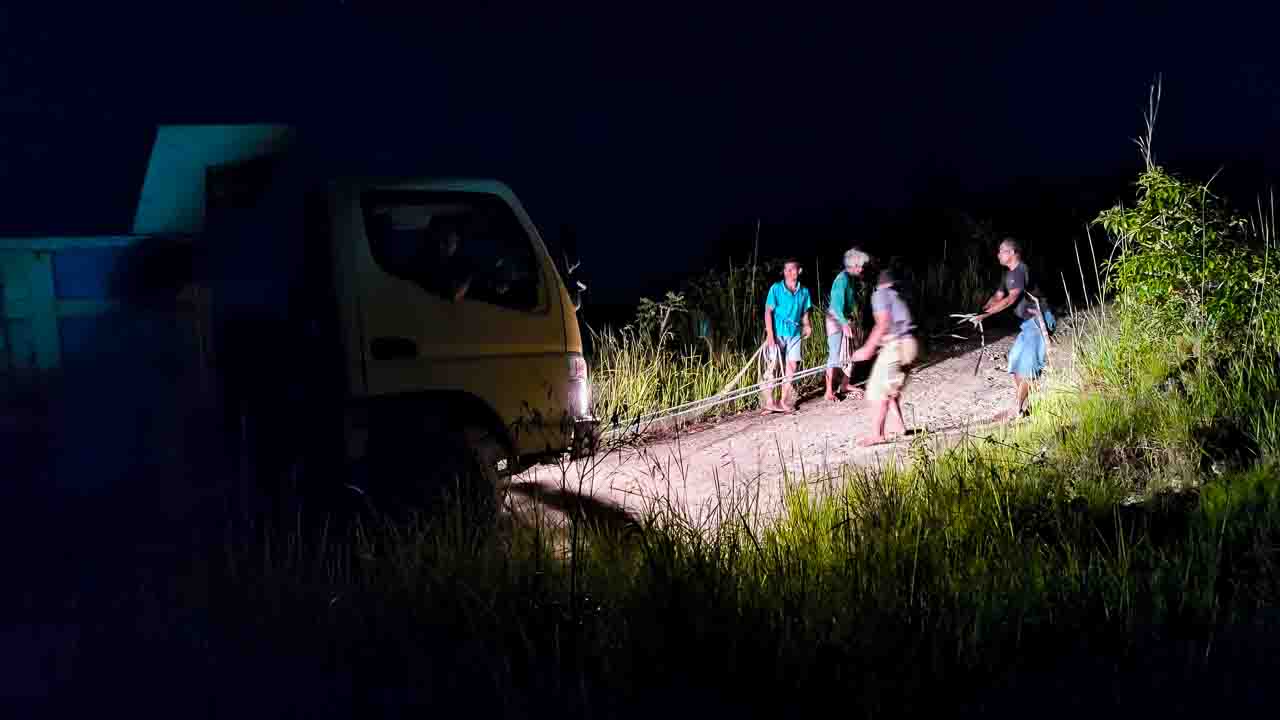
In the field, logistics remains one of the most invisible elements of health systems. A broken vehicle can interrupt the supply chain to several villages for days. A road washed away by heavy rains can delay essential treatments. A stock shortage can turn a treatable infection into a serious complication. In these environments, the boundary between logistics and medicine almost disappears.
In isolated rural regions, the first step of treatment is not the prescription; it is bringing the treatment to the patient. Modern medicine often highlights its most advanced technologies. Yet, for millions of people, saving a life still depends on an engine starting in the morning, a road remaining passable after the rain, and a team capable of delivering care to places where it rarely reaches. In these contexts, logistics is not just support for medicine; it is often its very first condition.
Today, the 6th of March 2026 – Alex Wettstein
In Short – Transport saves lives
A medicine stored in a warehouse has no clinical value for a patient living hours away from the nearest road. In remote regions, the ability to move diagnostics, vaccines and treatments safely across difficult terrain determines whether healthcare systems function at all.
The Last Mile of Global Health: Delivering Care Where the Road Ends
List of Related Organisations with Hyperlinks
- VillageReach: VillageReach enhances health supply chains and transport systems, making sure vaccines, diagnostics, and medicines reach remote communities.
- UNICEF: UNICEF supports global vaccine distribution and health supply systems that deliver essential medicines and lifesaving care to remote communities.
- PATH: PATH develops technologies and delivery systems that improve diagnostics, vaccines, and health logistics in low-resource settings worldwide.
- The Global Fund: The Global Fund finances programmes against malaria, HIV, and tuberculosis while strengthening supply chains that deliver treatments to remote populations.
- SolarBuddy: SolarBuddy provides solar lamps to children living without electricity, enhancing safety and education in communities like those served by Fair Future.
- Rotary International: Rotary International supports global humanitarian initiatives, including clean water, disease prevention, and community health programmes.
- Malaria No More: Malaria No More supports malaria prevention through bed nets, diagnostics, and treatment delivery systems reaching remote endemic regions.