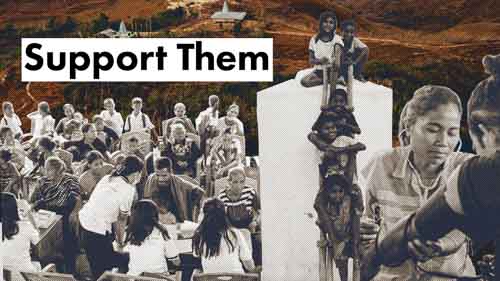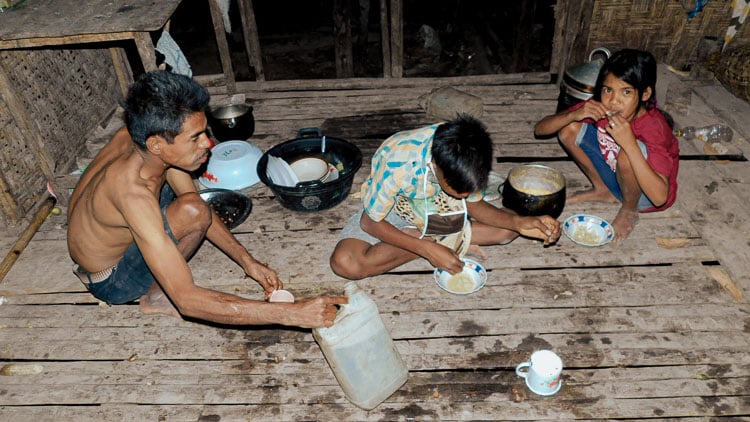



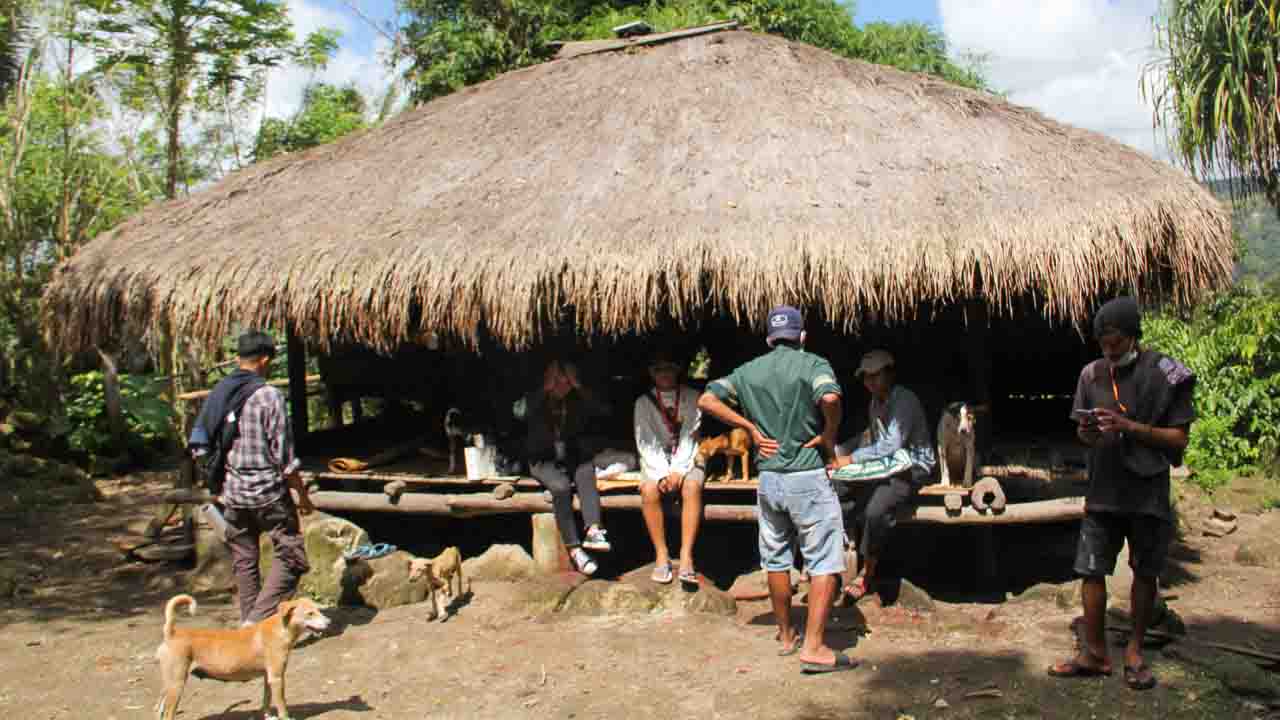
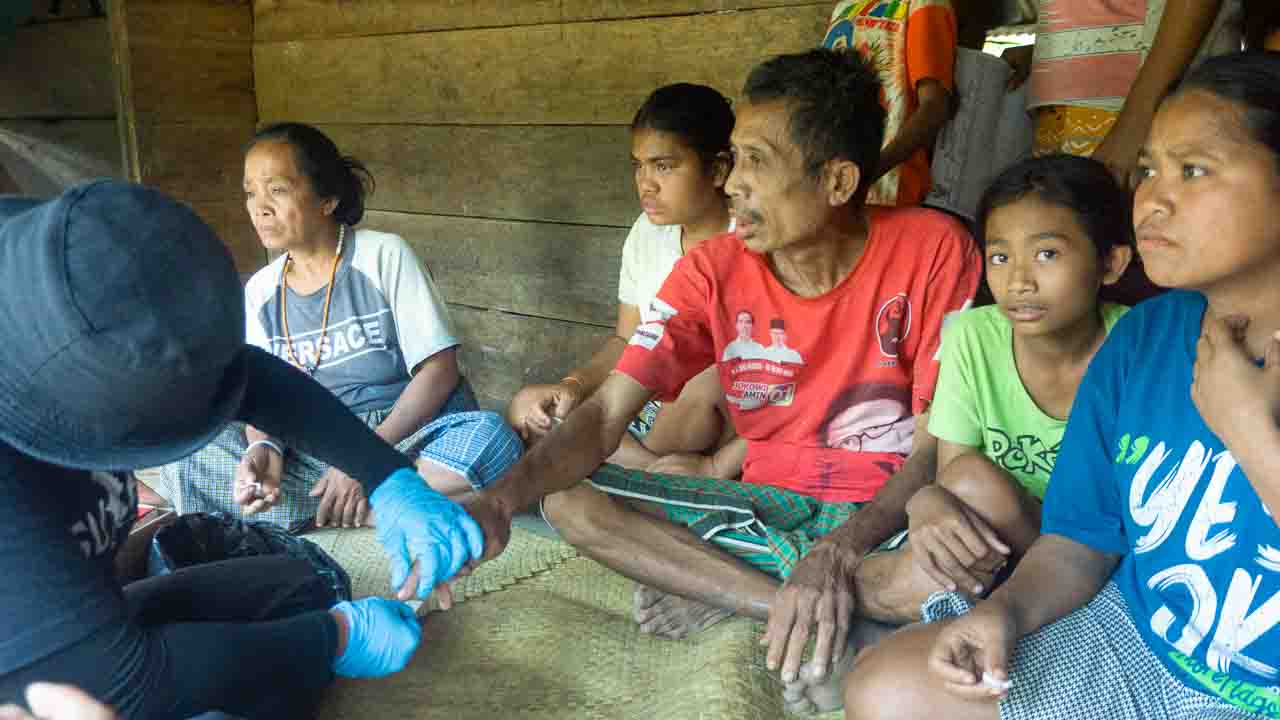
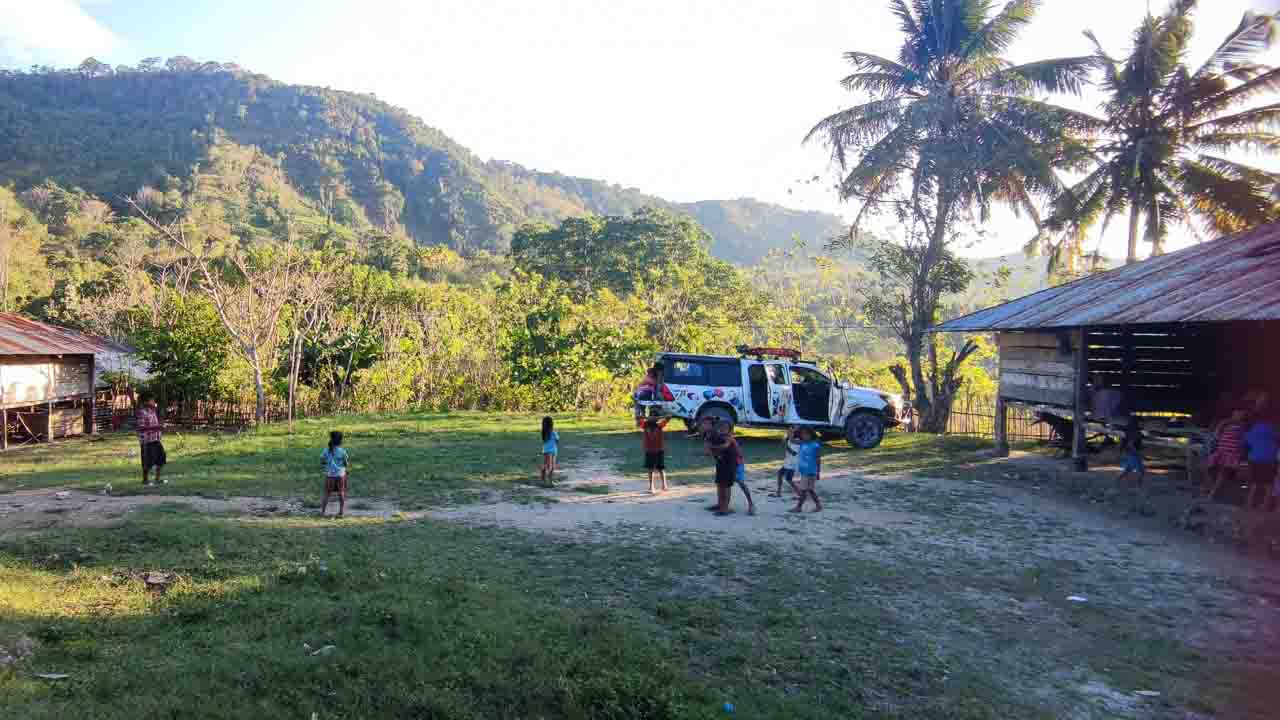
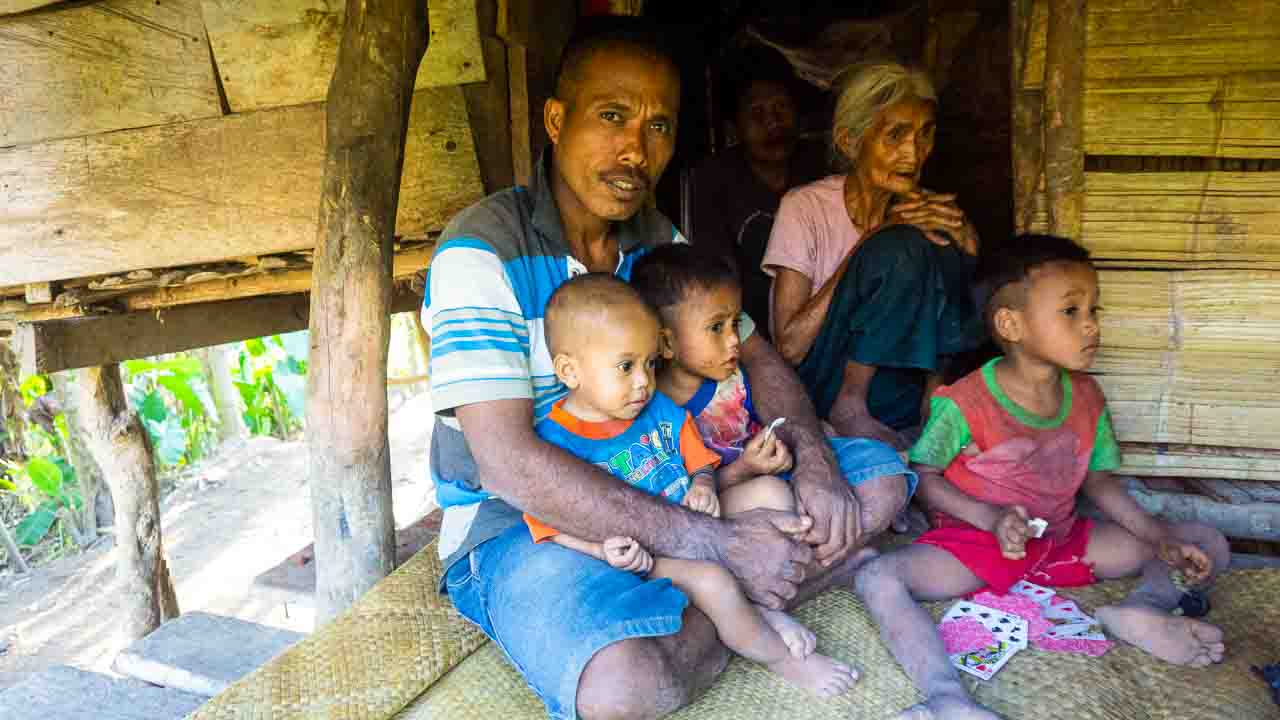
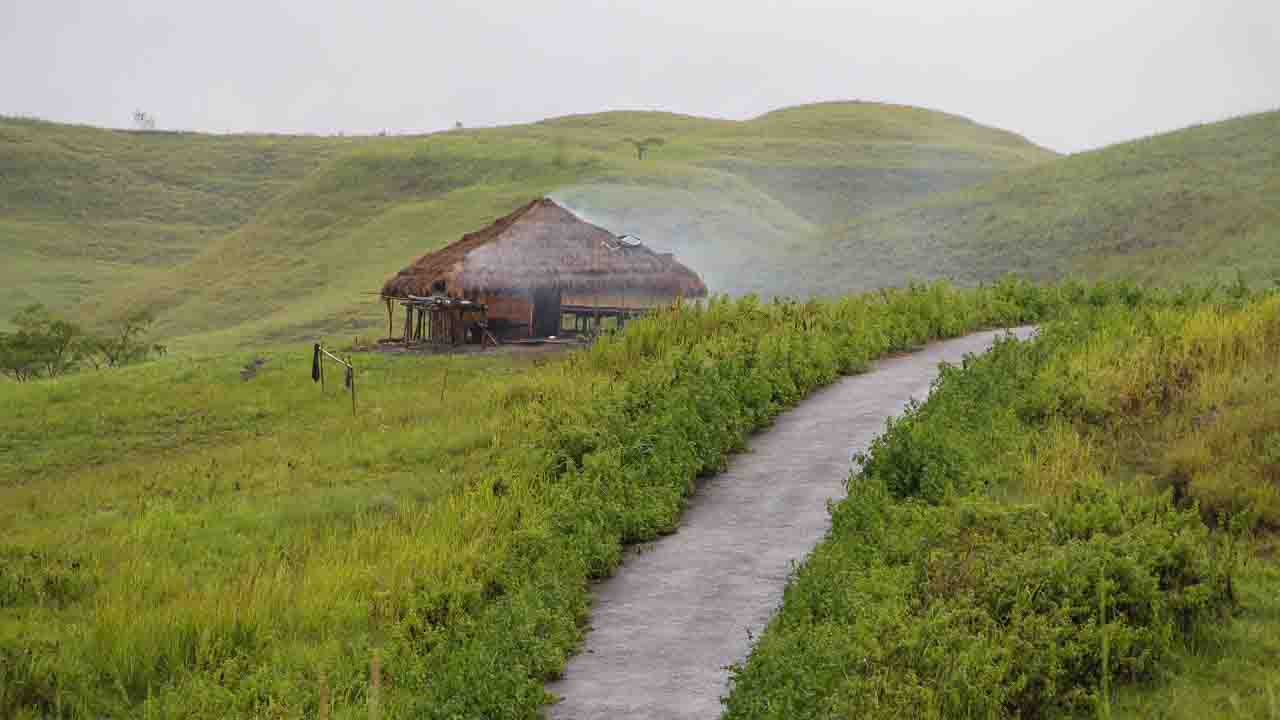
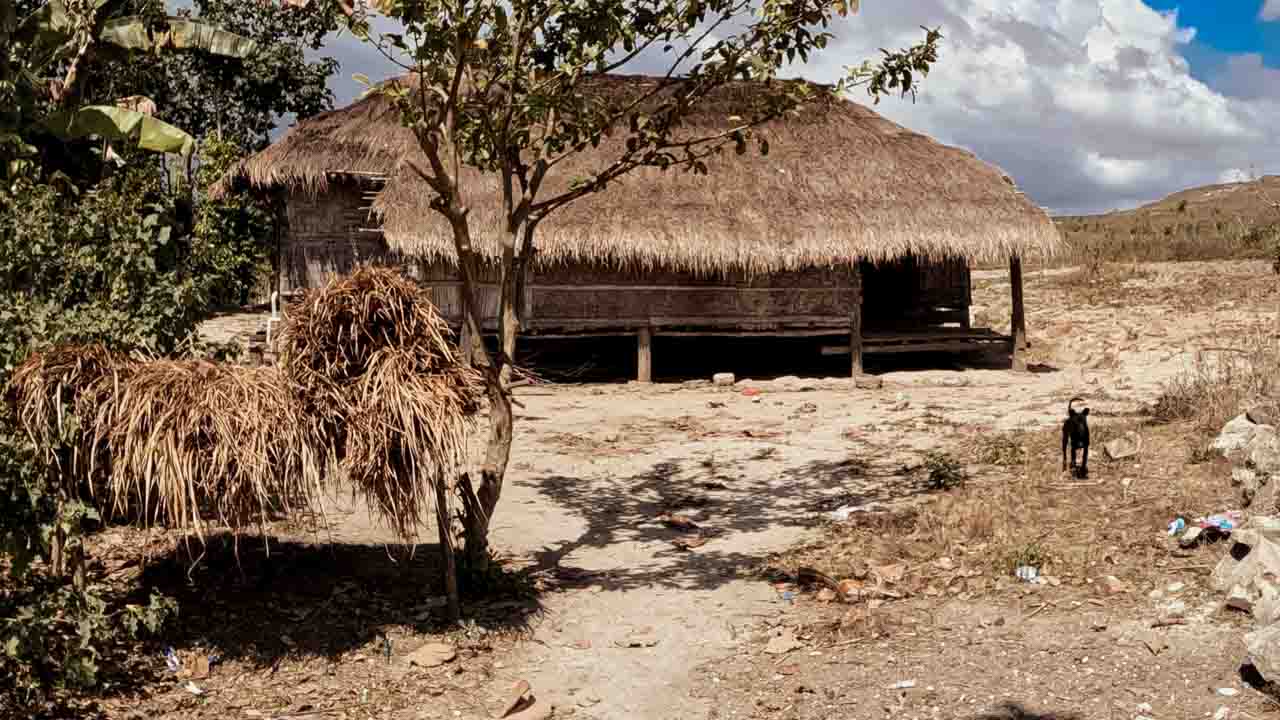
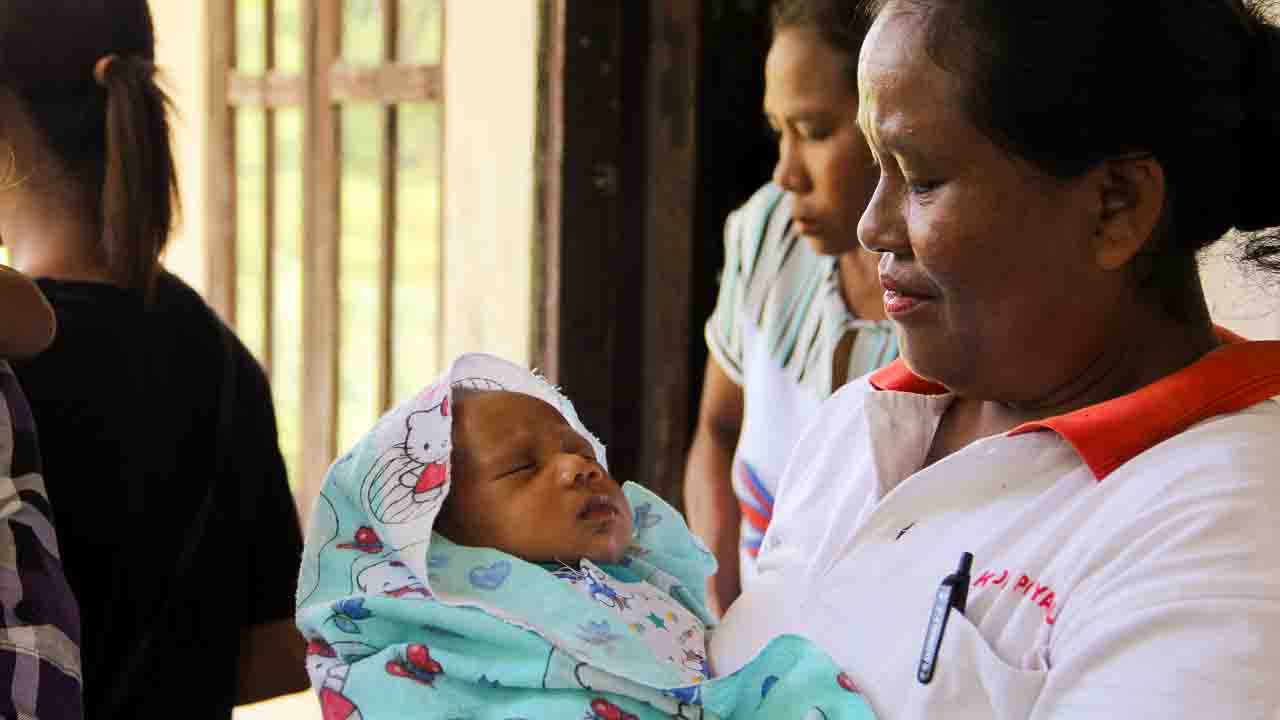
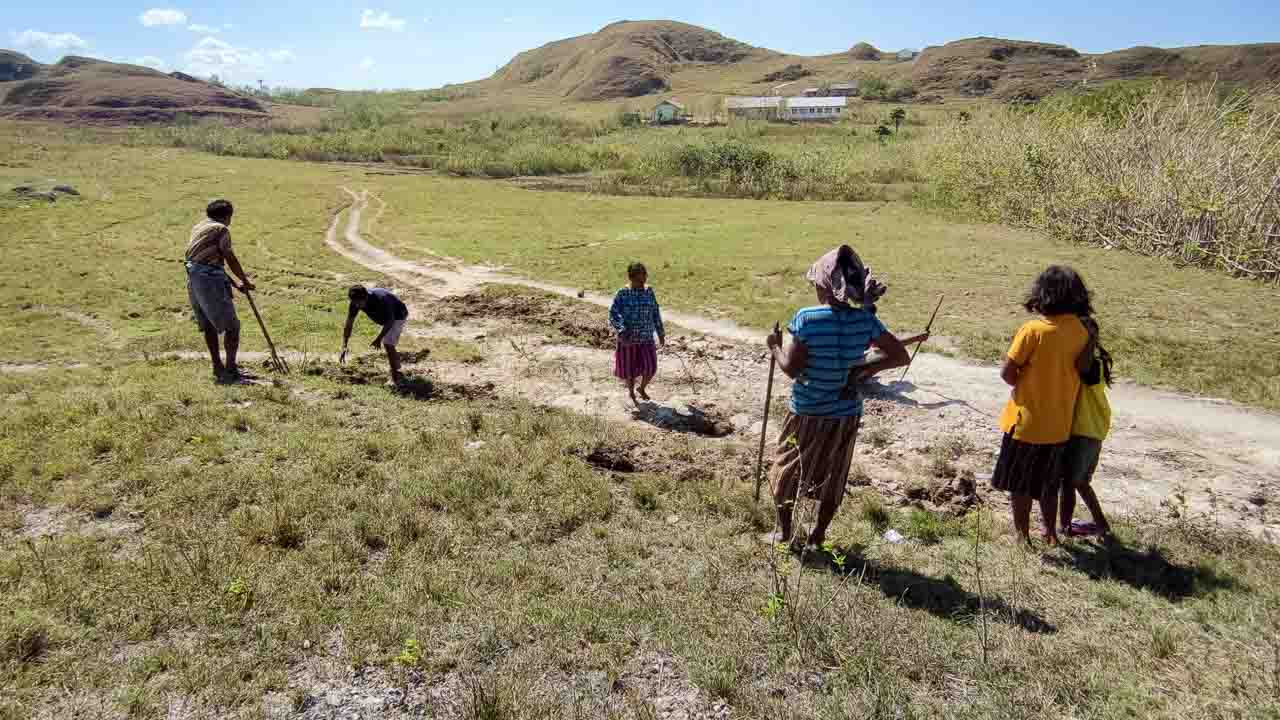
Life in remote villages of East Sumba, where distance, weak infrastructure and limited medical services often leave communities beyond the reach of formal health systems.
When Health Systems Halt Before the Village
In many countries, health systems do not completely collapse. Hospitals operate in cities. Provincial facilities function. National programmes exist on paper, with budgets, protocols, and reporting structures. Yet somewhere between the district capital and the most isolated villages, the system quietly halts. The road becomes a dirt track. The health worker does not arrive. Medicines remain stored in town. On paper, healthcare exists. In daily life, for many families, it does not.
This reality is widely recognised in global health discussions around Universal Health Coverage, where access to care often decreases dramatically in remote rural regions.
This gap is rarely visible in national statistics. Coverage rates appear acceptable. Vaccination programmes exist. Treatment protocols are defined. But figures collected in accessible areas often conceal what happens in remote regions. A child with a fever in a mountain village may live several hours from the nearest health post. Transport costs exceed a family’s income. Roads become impassable during the rainy season. The health system exists administratively, yet remains physically absent.
As discussed in our article The Last Mile of Global Health, the distance between health systems and rural populations remains one of the largest barriers to equitable healthcare.
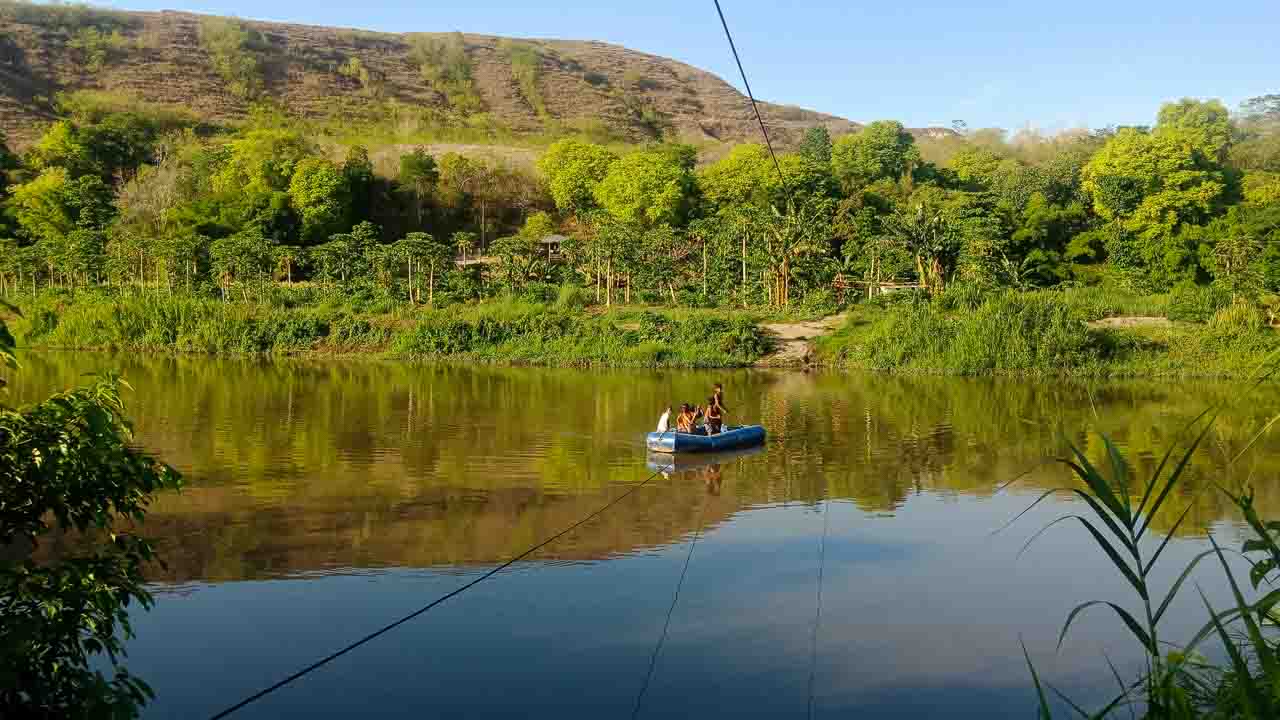
The reasons are rarely simple. Geography plays a role. Remote villages are separated by mountains, rivers, and damaged roads. Human resources are limited. Medical staff prefer urban postings. Budgets rarely reach the final kilometre. And in some regions, governance problems worsen the situation. Corruption, administrative fragmentation, and shifting political priorities can divert resources away from basic public health. The result is not always a failed system. It is a system that halts too early.
Global health research repeatedly highlights this structural gap between policy and reality. The Lancet Commission on Primary Health Care emphasises that strong community-based systems are essential to reach populations living far from formal medical infrastructure.
When health systems halt before the village, the consequences are predictable. Families delay seeking care. Treatable infections worsen. Malaria becomes severe. Child malnutrition amplifies common illnesses. Simple wounds become infected. What begins as a manageable disease becomes an emergency medicine. Preventable deaths are not only medical events. They are structural outcomes of distance, access, and the absence of functioning first-line care.
As explored in our analysis Preventable Deaths Are Geographic, where people live often determines whether they survive common illnesses.
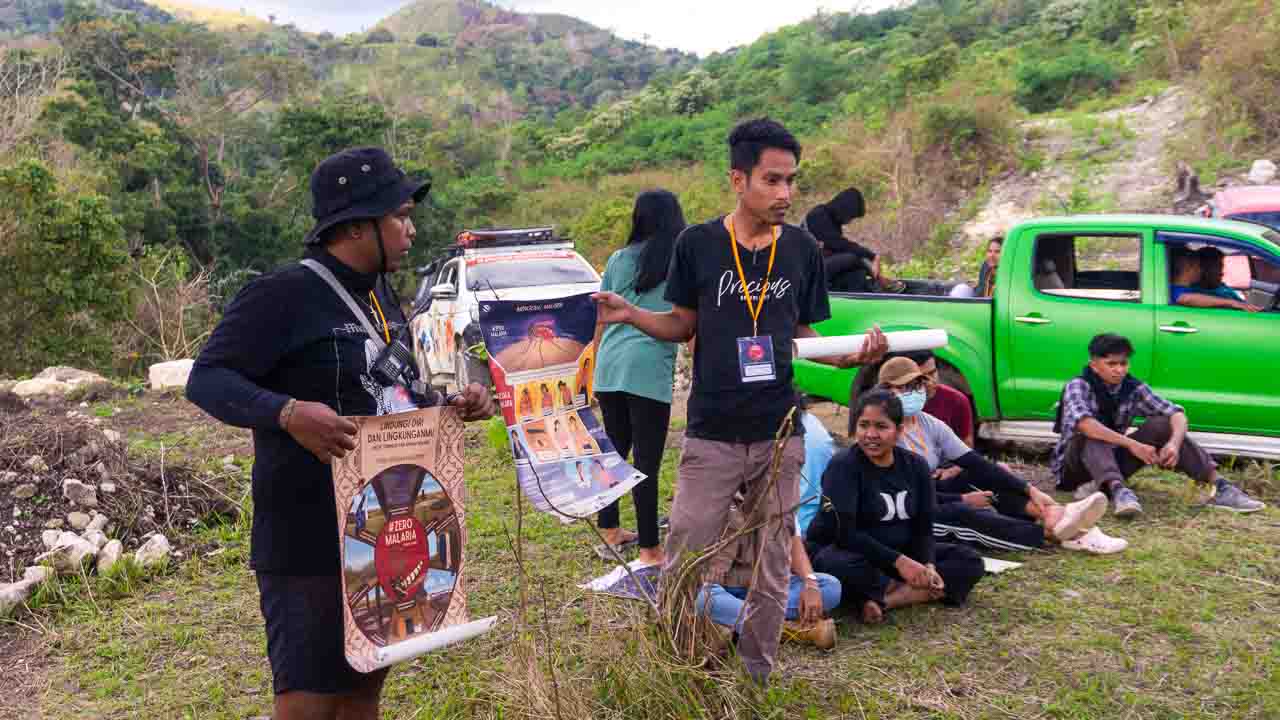
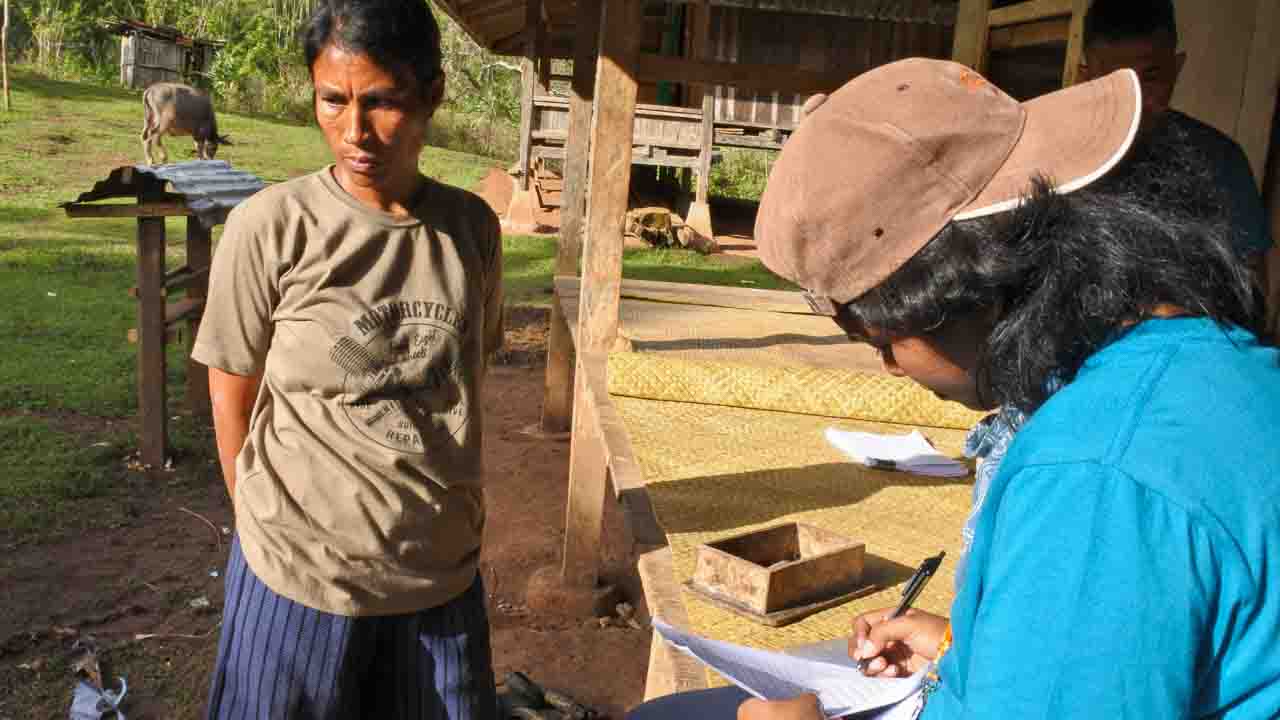
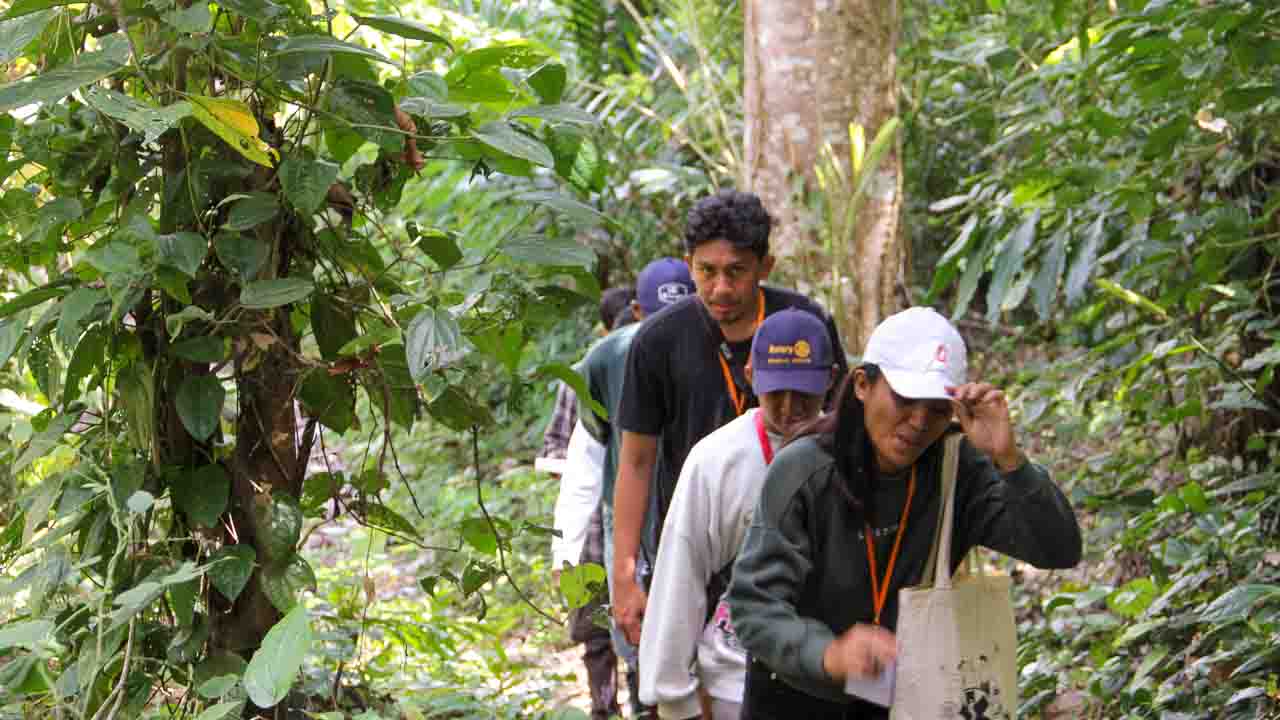
Closing this gap does not always require large hospitals. Often, it begins with the absence of a layer between the community and the system. Through the Primary Medical Care programme, Fair Future works with Kawan Sehat community health agents who serve as the first point of contact in ultra-rural villages. Equipped with training, essential medicines, rapid diagnostic tools, and direct coordination with local health centres, they provide early treatment, prevention, and monitoring where no permanent medical staff are present.
Community-based primary care is widely recognised as one of the most effective strategies to extend healthcare coverage in remote regions, as highlighted by UNICEF’s work on community primary healthcare.
When health systems halt before the village, communities do not stop living. They adapt. They wait. They improvise. The challenge is not only to strengthen hospitals but to extend the system itself. Community health agents, local data collection, mobile logistics, clean water infrastructure, and preventive education create a living network of care.
As we describe in Logistics Is Medicine, reaching remote populations often depends less on advanced technology than on the ability to physically deliver care.
Global health discussions often focus on innovation and technology. In reality, equity often depends on something simpler: ensuring that the health system does not end before the road does.
Today, the 9th of March 2026 – Alex Wettstein
In Short – When systems exist only on paper
In many regions, healthcare coverage appears strong in national reports. Yet statistics often reflect accessible areas, not the most isolated villages. The result is a hidden inequality where entire communities remain outside the reach of functioning health systems.
The Last Mile of Global Health: Delivering Care Where the Road Ends
List of Related Organisations with Hyperlinks
- World Health Organisation: WHO leads global health policy and research on universal health coverage and health equity, including access gaps affecting rural populations worldwide.
- UNICEF: UNICEF supports child health, vaccination, and nutrition programmes in vulnerable regions where access to healthcare services remains limited.
- The Global Fund to Fight AIDS, Tuberculosis and Malaria: The Global Fund finances major global health programmes targeting infectious diseases, including malaria prevention in underserved communities.
- Malaria Partners International: Malaria Partners International supports malaria prevention programmes, training, and community health initiatives in high-risk regions.
- PATH Global Health: PATH develops innovative health solutions and community-based programmes designed to improve access to healthcare in low-resource environments.
- SolarBuddy: SolarBuddy distributes solar lamps to children living without electricity, improving safety, education, and living conditions in rural communities.
- Rotary International: Rotary International funds humanitarian projects worldwide, including clean water, disease prevention, and community health programmes.