


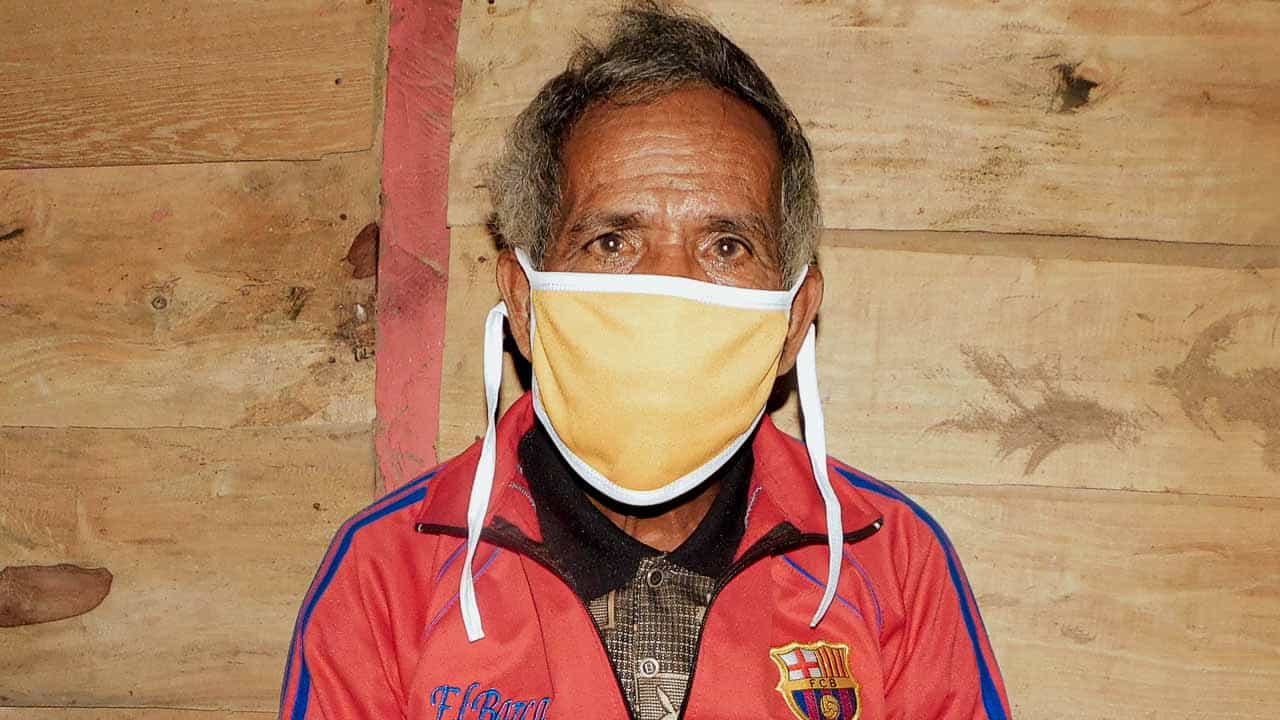
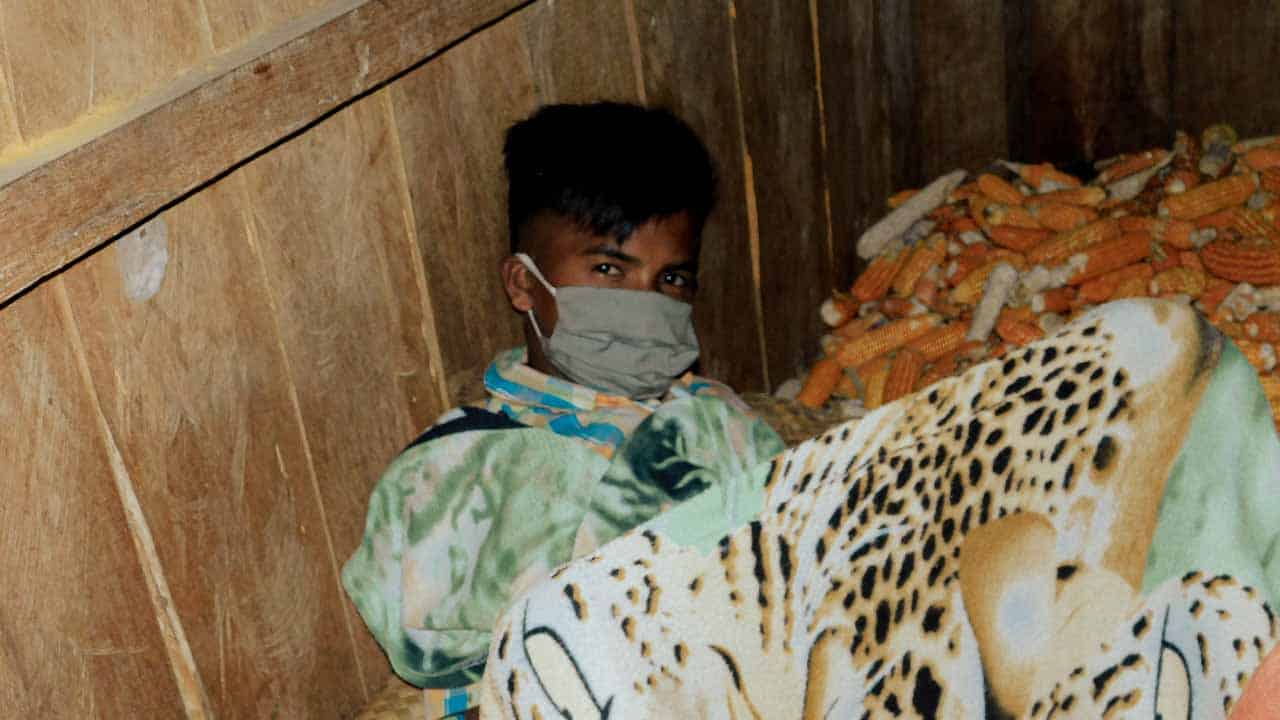
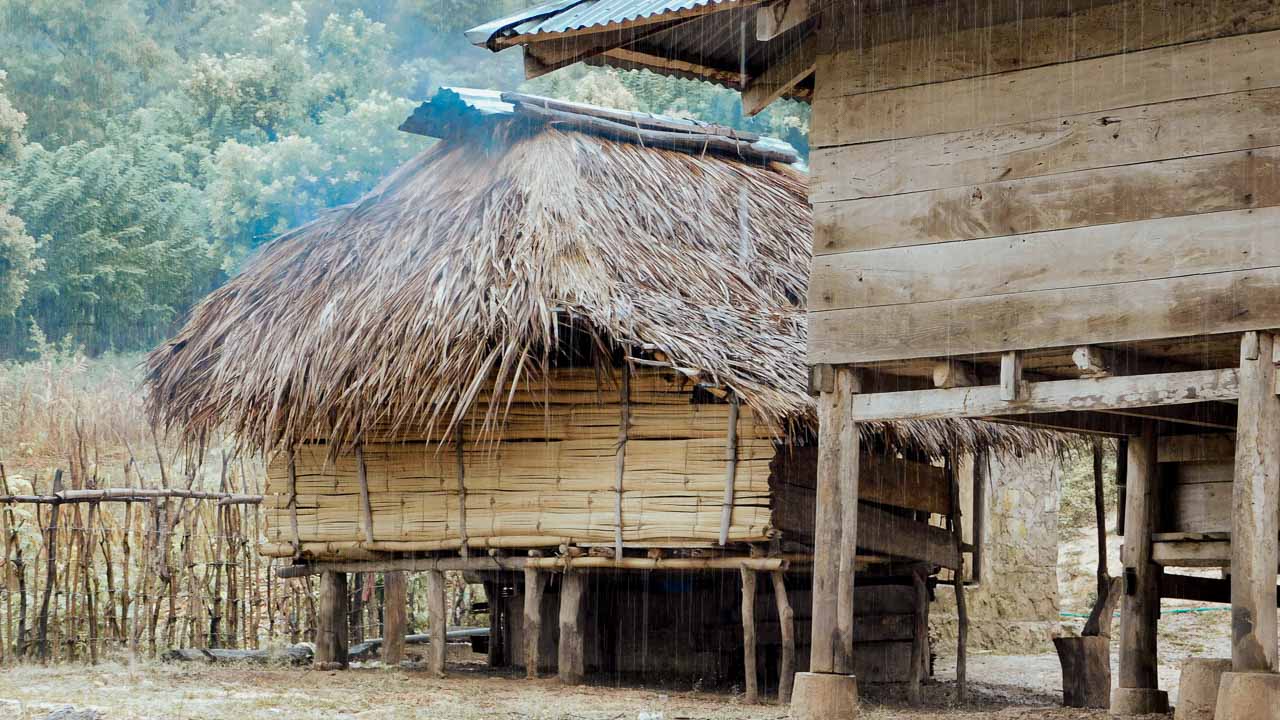
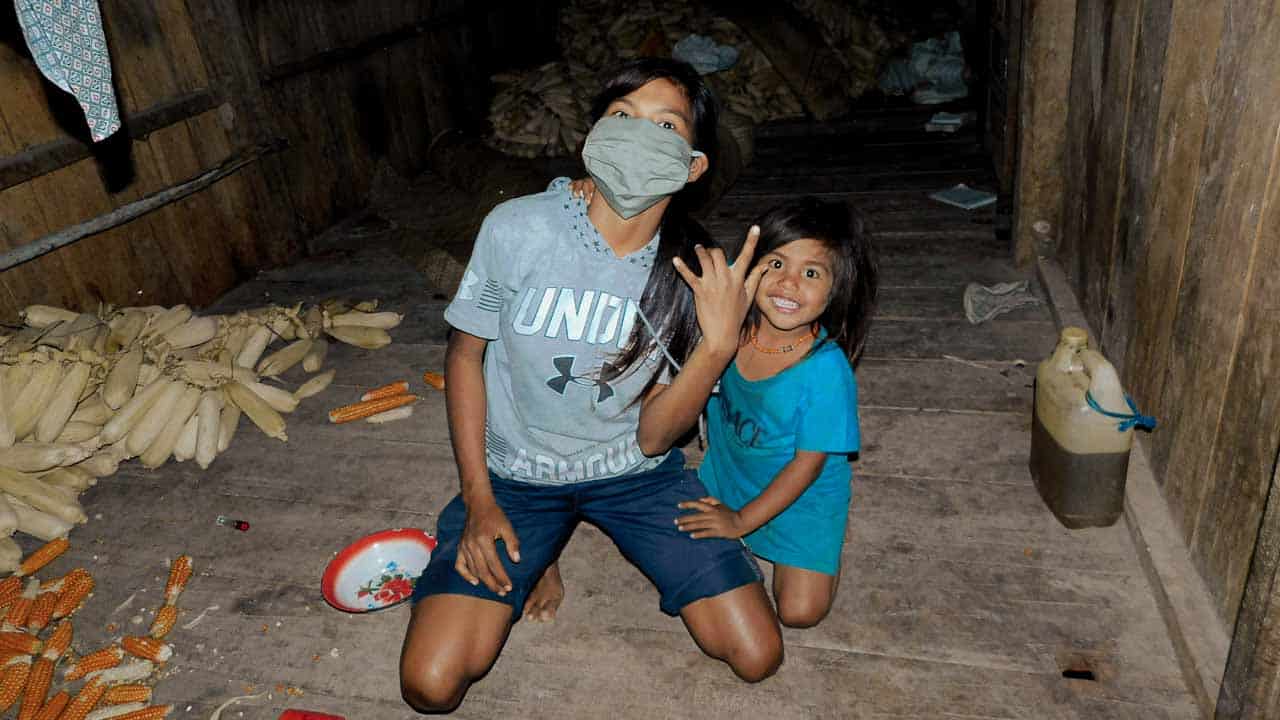
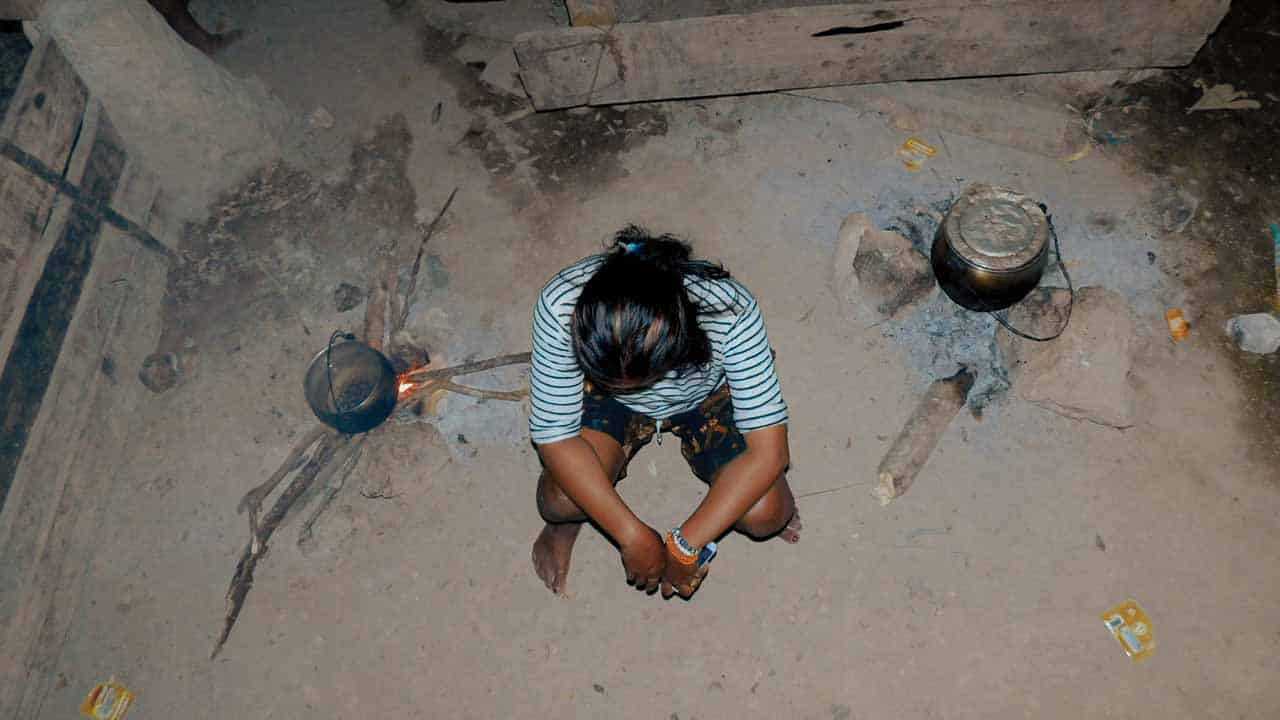
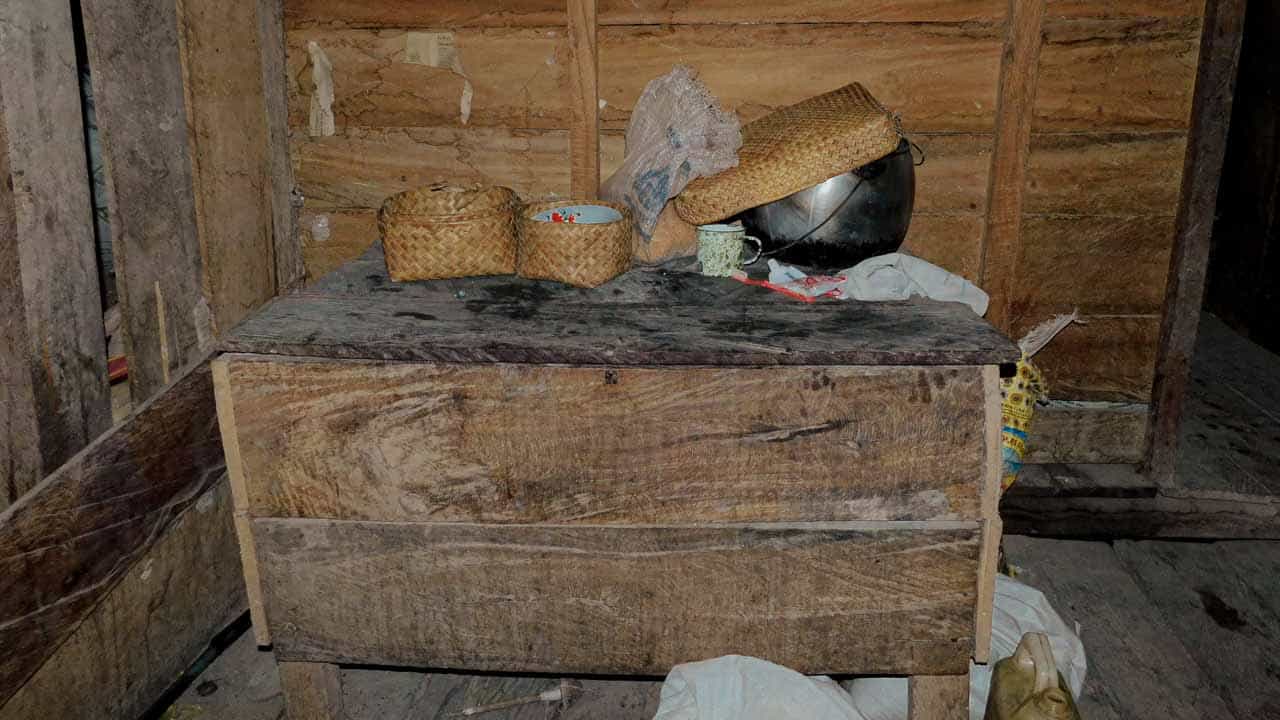
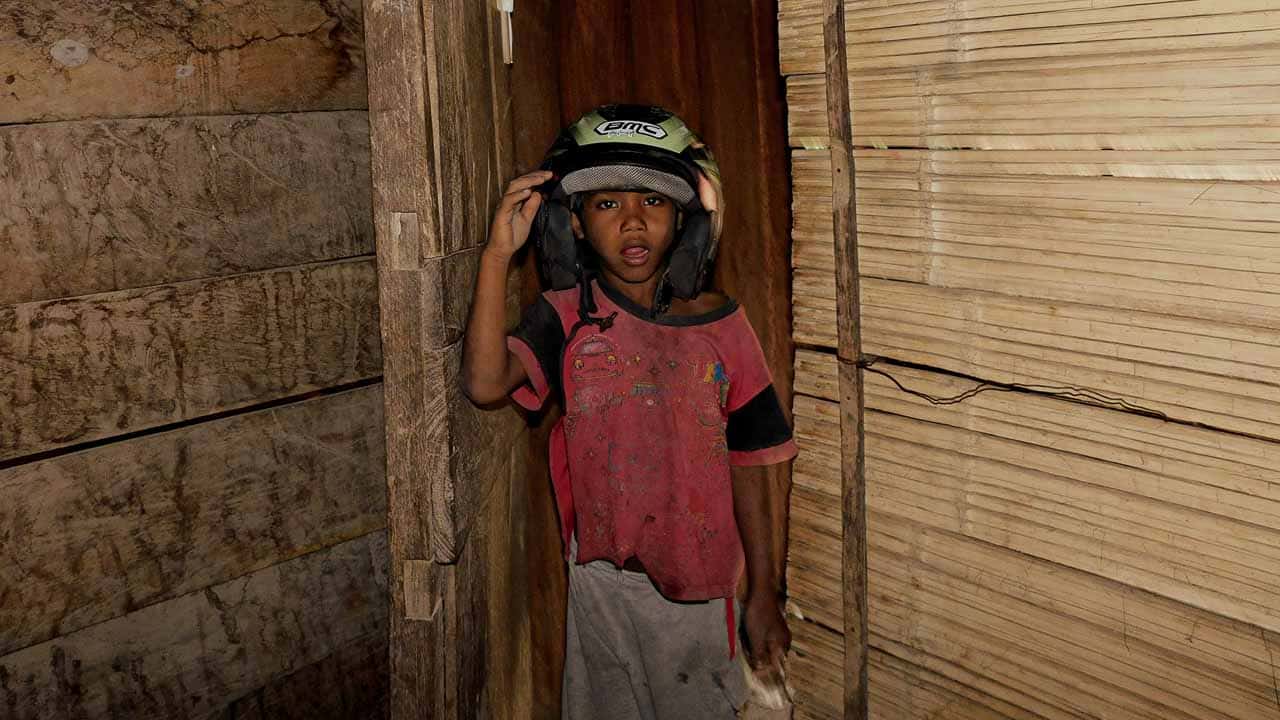
Living conditions in rural Indonesia are such that poverty, overcrowding and poor ventilation allow tuberculosis to spread within families.
Tuberculosis in Rural Indonesia: When Poverty Becomes a Disease
Tuberculosis remains one of the most persistent infectious diseases on the planet. Despite decades of scientific progress, effective antibiotics, and well-established treatment protocols, the disease continues to infect millions of people every year. Indonesia remains among the countries carrying the heaviest burden of tuberculosis globally. In rural regions, this reality is impossible to ignore. Tuberculosis is not only a bacterial infection caused by Mycobacterium tuberculosis; it is also the consequence of poverty, inequality, and systemic neglect.
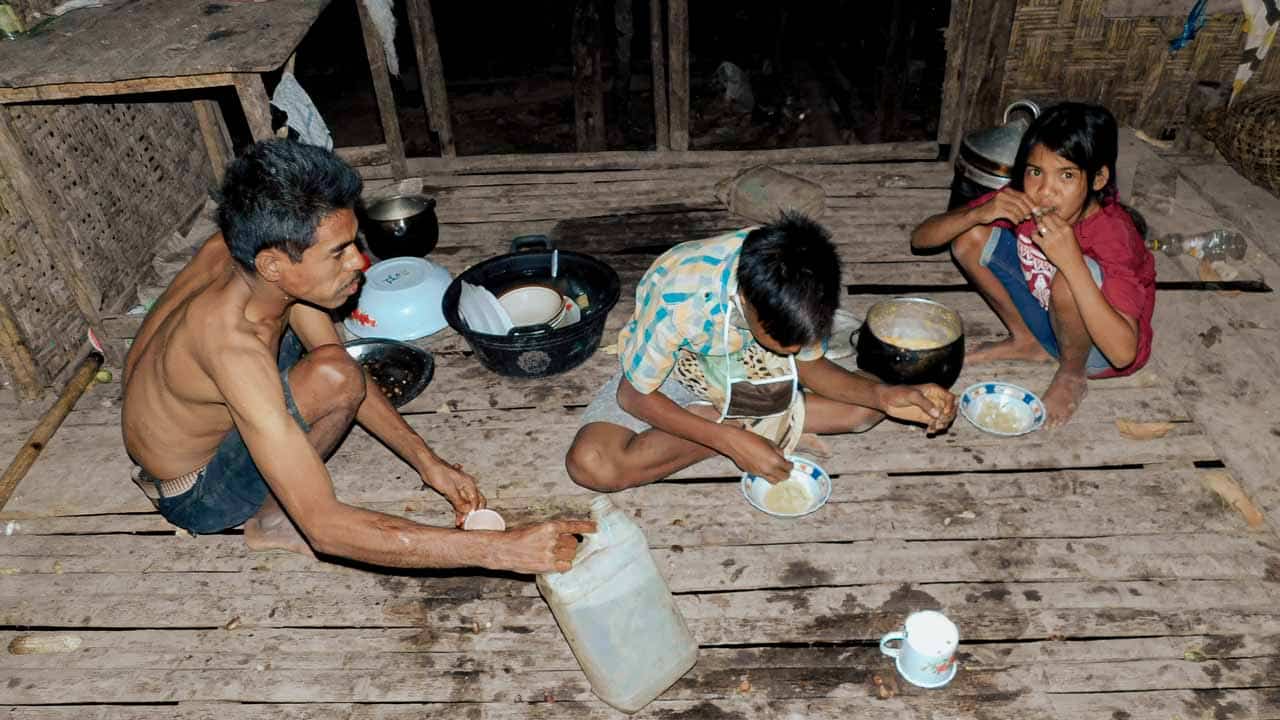
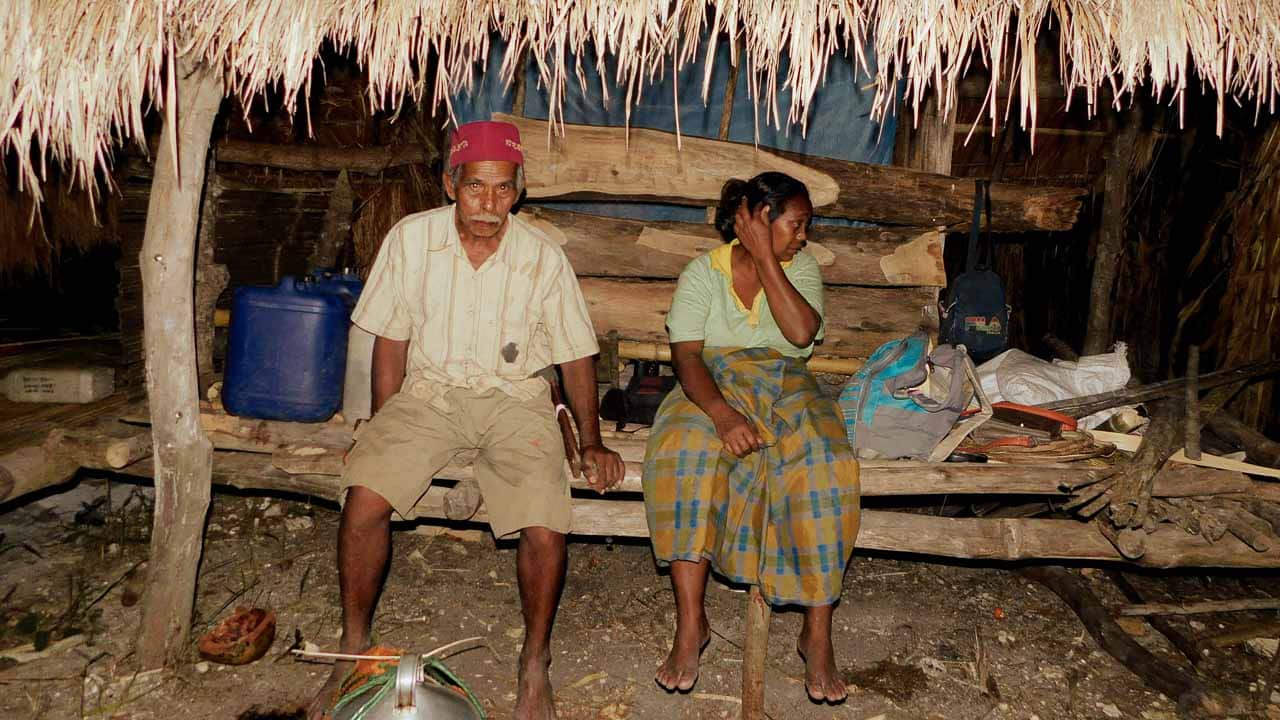
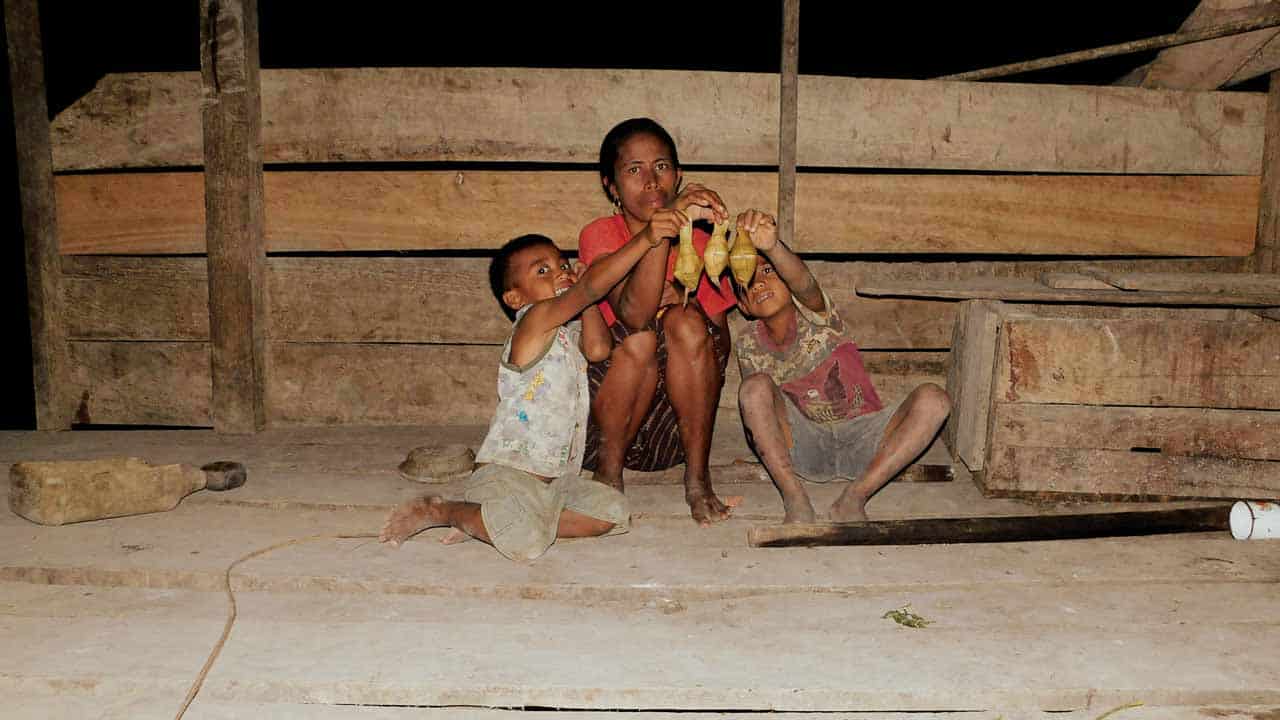
The clinical mechanisms of tuberculosis are well known. The bacterium spreads through the air when infected individuals cough, speak, or breathe near others. With early diagnosis and proper treatment, most patients can recover completely. Yet in many rural areas of Indonesia, such as East Sumba, where we work, patients live for months with persistent cough, fever, weight loss, and progressive weakness before receiving any medical evaluation. During this time, transmission continues quietly inside households where several generations often share small, poorly ventilated homes.
These delays are not accidental. They reflect structural conditions that allow the disease to persist. Malnutrition weakens the immune system. Overcrowded housing facilitates airborne transmission. Access to medical facilities is limited by distance, cost, and lack of transportation. Health education remains insufficient in many regions, leaving communities without clear information about symptoms, prevention, and treatment. Tuberculosis thrives where poverty deepens and where health systems fail to reach the people who need them most. This relationship between tuberculosis, poverty, and delayed access to care is consistently documented in the World Health Organisation tuberculosis fact sheet and in the WHO Global Tuberculosis Report.
Indonesia’s economic growth is frequently highlighted in national narratives. New infrastructure, tourism development, and industrial expansion are visible across many regions. Yet in the villages where tuberculosis spreads most easily, progress is far less visible. Many rural communities continue to live without reliable access to healthcare, without consistent health education, and without early detection systems capable of identifying tuberculosis before it spreads.
Public authorities are not unaware of the scale of the problem. The epidemiological data are well documented. National strategies exist on paper. But in many remote areas, prevention campaigns remain weak, diagnostic services remain distant, and systematic screening rarely reaches the villages where transmission continues every day. When tuberculosis patients remain undiagnosed for months, entire households become exposed. Global analyses, including the Lancet Commission on Tuberculosis, have repeatedly shown that biomedical tools alone are never enough when structural barriers to diagnosis and treatment remain in place.
This structural gap between policy and reality has been explored in recent analyses of rural healthcare systems, including Health Systems Stop Before the Village, Last Mile Global Health, and Preventable Deaths Are Geographic. Together, these observations highlight a central reality of global health. Many diseases persist not because medicine lacks solutions, but because healthcare fails to reach the last mile.
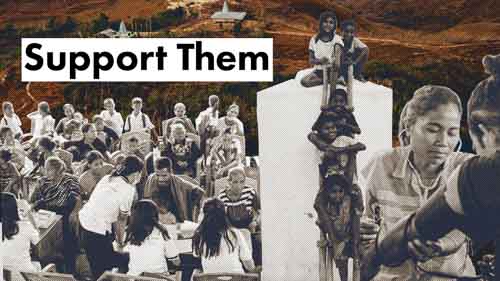
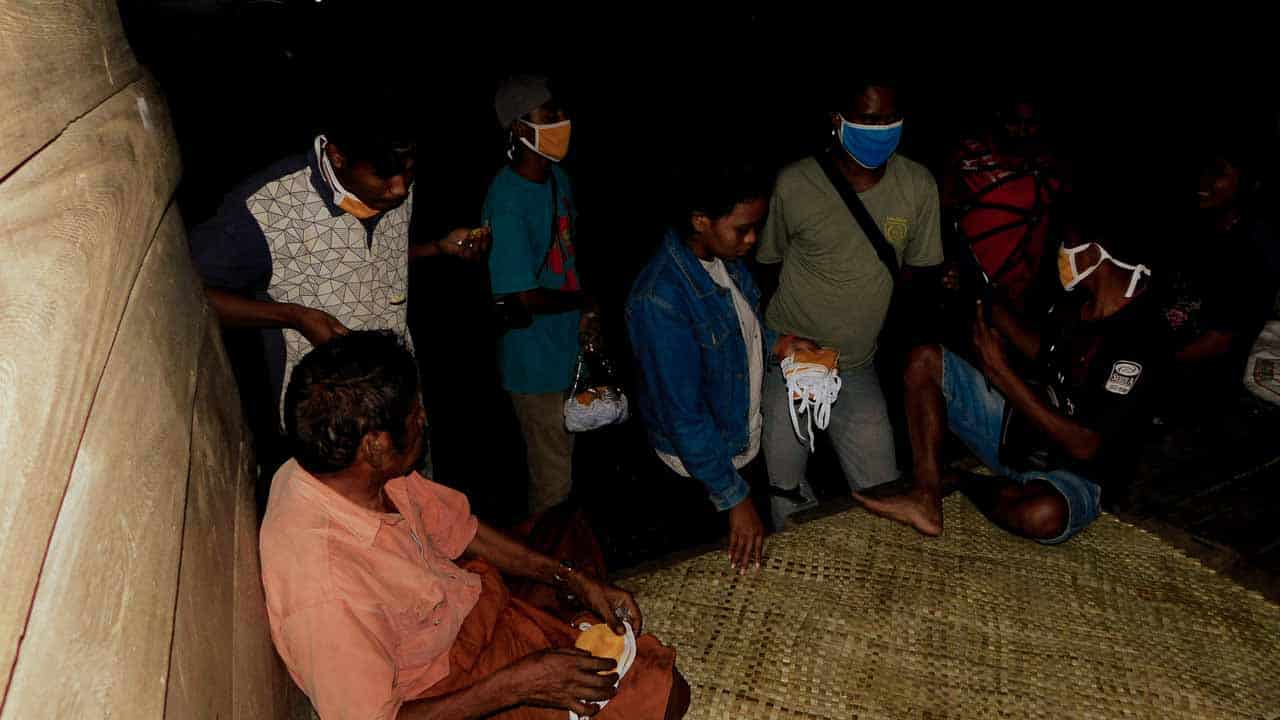
In these conditions, community-based healthcare becomes one of the most effective tools for controlling tuberculosis. Through its Primary Medical Care program, the Fair Future Foundation works directly in villages across rural East Indonesia, in partnership with local health agents and organisations such as the Kawan Baik Indonesia Foundation. Rather than waiting for patients to reach distant clinics, community health agents (ref. our Kawan Sehat Health Agents) move from house to house, identify symptoms early, and guide patients toward diagnostic testing.
This proximity changes everything. When health workers are present within communities, chronic coughs are no longer ignored for months. Patients are encouraged to seek testing earlier. Families learn to recognise warning signs. Treatment adherence improves because patients are supported throughout the long months of antibiotic therapy required to cure tuberculosis. The clinical importance of early detection, treatment continuity, and public health follow-up is also emphasised by the Centres for Disease Control and Prevention tuberculosis guidance.
Tuberculosis control cannot rely solely on hospitals located far from the villages where the disease spreads most actively. It requires strong community health networks capable of identifying cases early, educating families, and maintaining continuous follow-up throughout treatment.
Tuberculosis is a curable disease. Yet its persistence reveals a deeper truth. Infectious diseases do not survive by biology alone. They survive where poverty is tolerated, where prevention is weak, and where healthcare systems fail to reach the most vulnerable.
Reducing tuberculosis in Indonesia will require more than treatment protocols. It demands stronger prevention strategies, sustained public health education, improved living conditions, and health systems capable of reaching every village. Without early detection and accessible care, tuberculosis will continue to spread silently in the communities furthest from healthcare.
Thank you for reading. Today, the 16th of March 2026 | Alex Wettstein
In Short – Tuberculosis spreads where care is absent
In many rural communities, tuberculosis remains undiagnosed for months because healthcare simply does not reach the villages where people live. Community health workers are often the first to detect symptoms. Their presence inside households transforms tuberculosis control by identifying cases earlier and guiding patients toward treatment before transmission expands.
Inside Rural Indonesia: Where Poverty, Housing and Tuberculosis Intersect
List of Related Organisations with Hyperlinks
- World Health Organisation: WHO coordinates global tuberculosis surveillance, prevention strategies, and treatment guidelines used by national health systems worldwide.
- The Global Fund to Fight AIDS, Tuberculosis and Malaria: The Global Fund finances national tuberculosis control programmes, strengthening diagnosis, treatment access, and prevention in high-burden countries.
- Centres for Disease Control and Prevention: CDC provides detailed clinical guidance on tuberculosis transmission, diagnosis, treatment protocols, and public health control strategies.
- Stop TB Partnership: Stop TB Partnership coordinates international efforts to eliminate tuberculosis through research, prevention programmes, and community health initiatives.
- Médecins Sans Frontières: MSF treats tuberculosis patients in fragile health systems and conducts research on multidrug-resistant TB in vulnerable populations.
- PATH Global Health: PATH develops diagnostic technologies and prevention strategies that improve detection and treatment of tuberculosis in resource-limited settings.
- UNICEF: UNICEF works to improve childhood tuberculosis detection and access to treatment in vulnerable communities worldwide.