


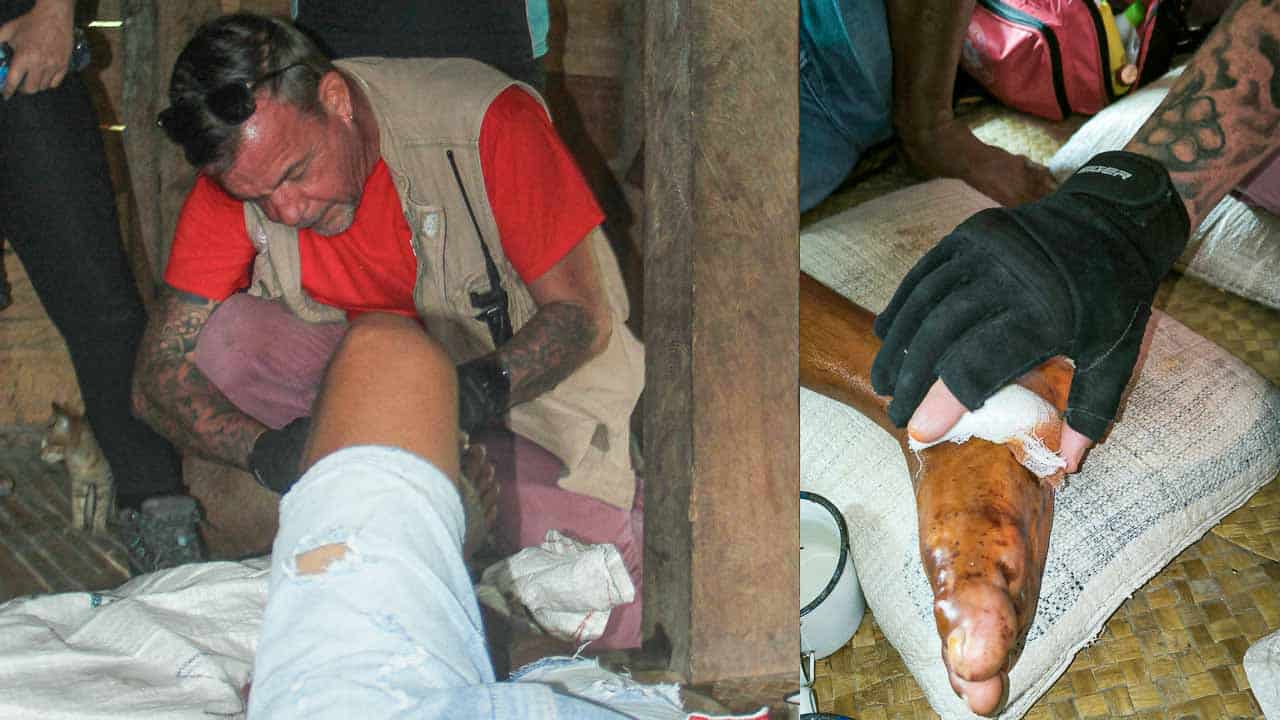
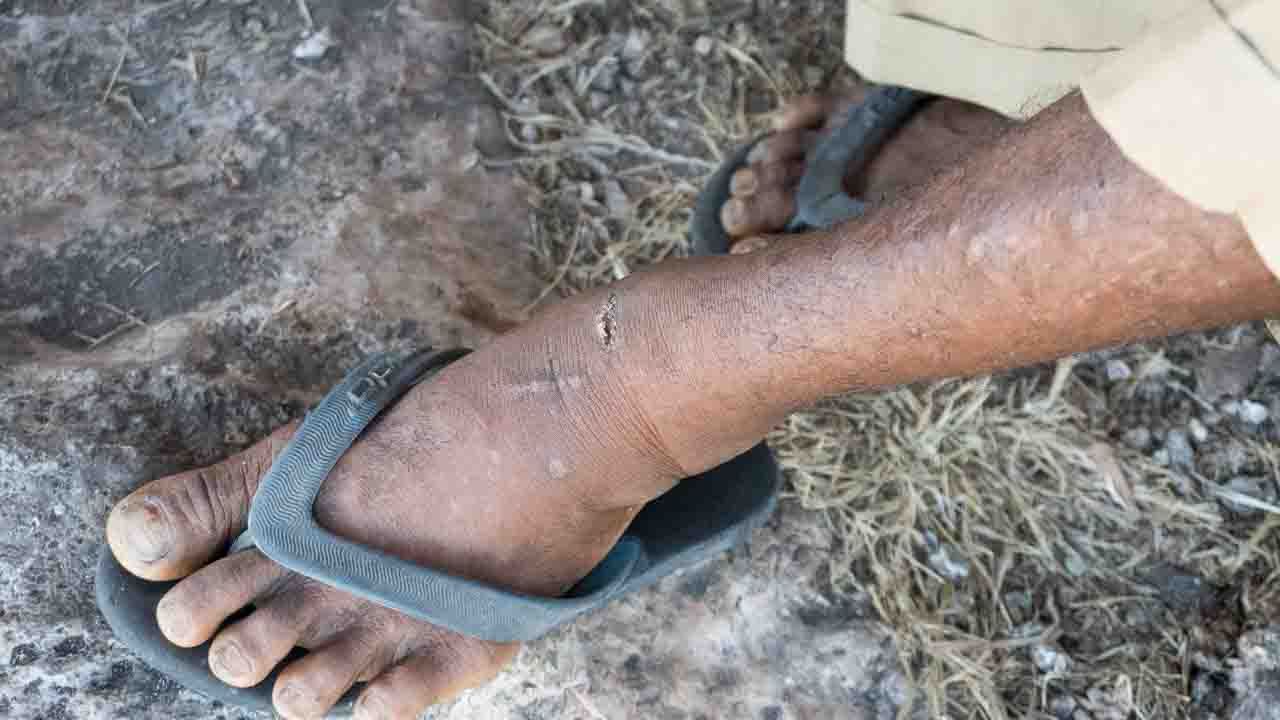
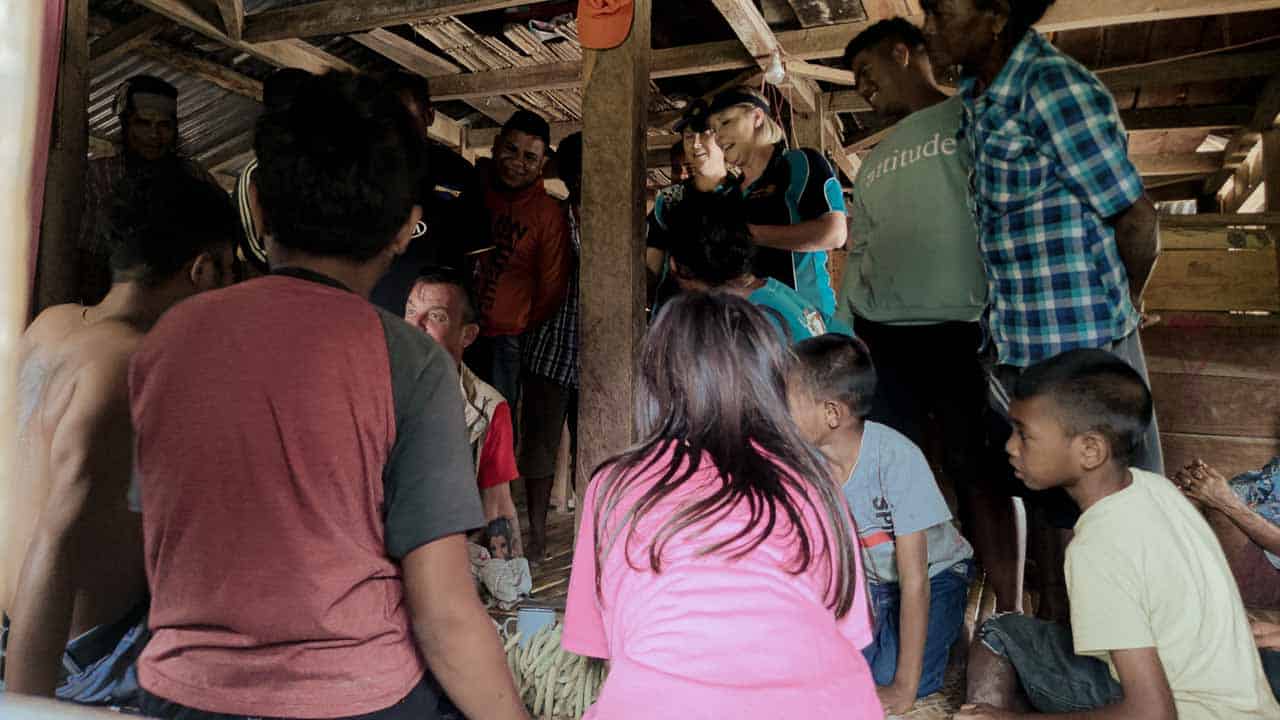
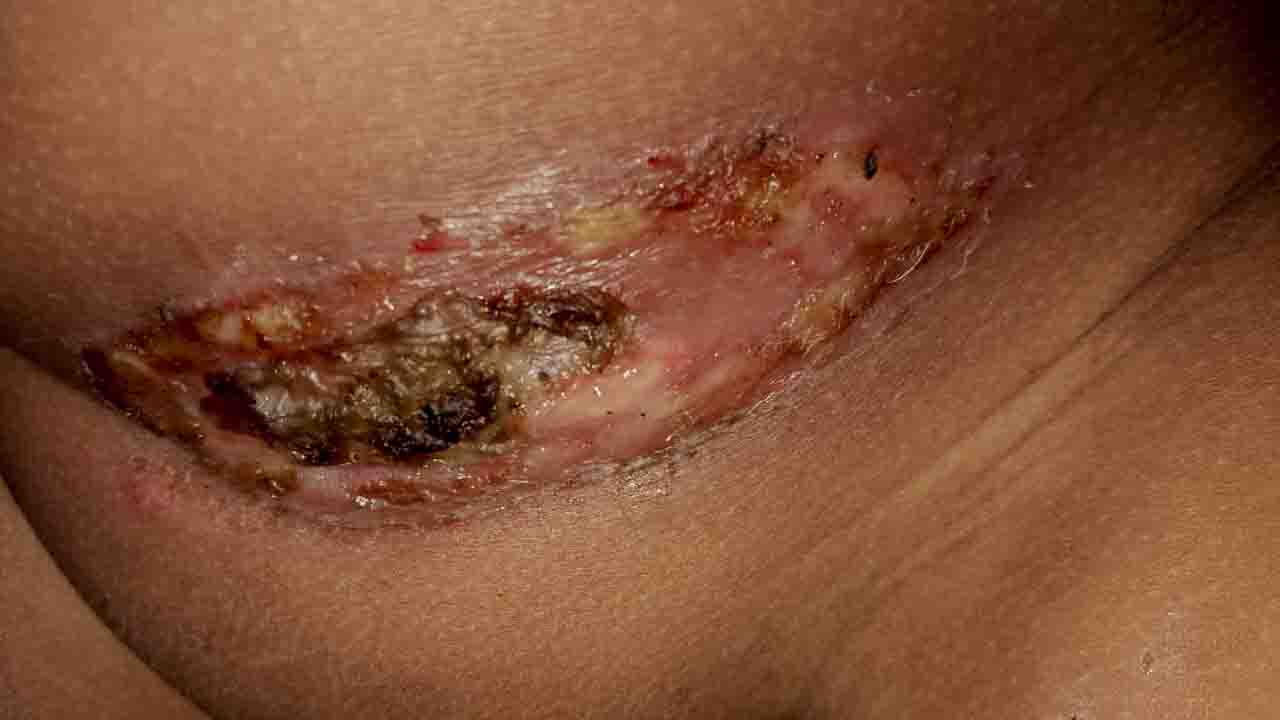
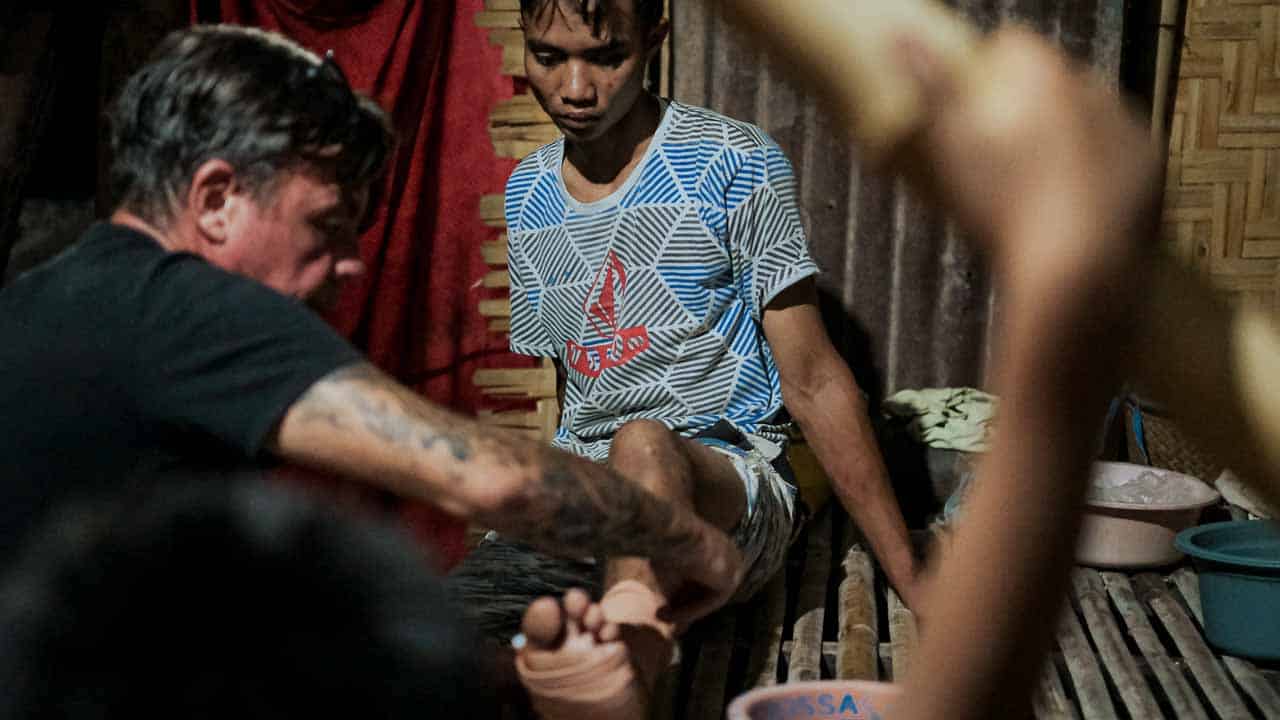
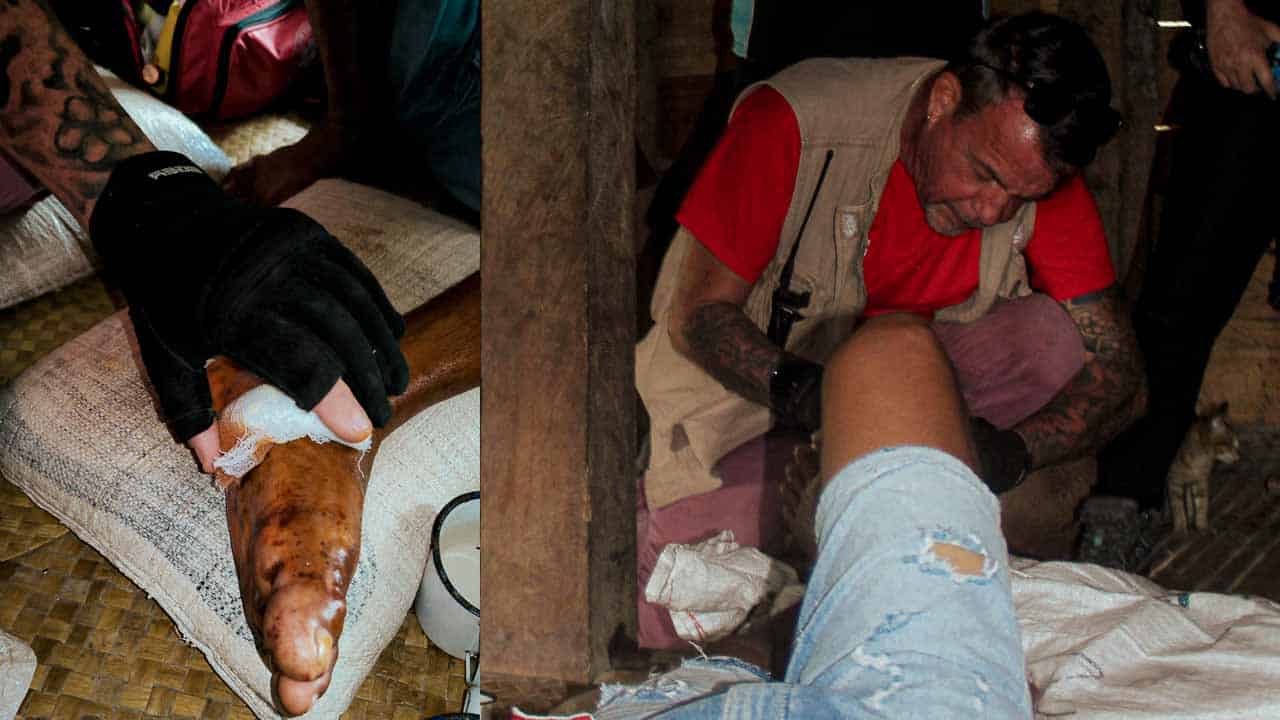
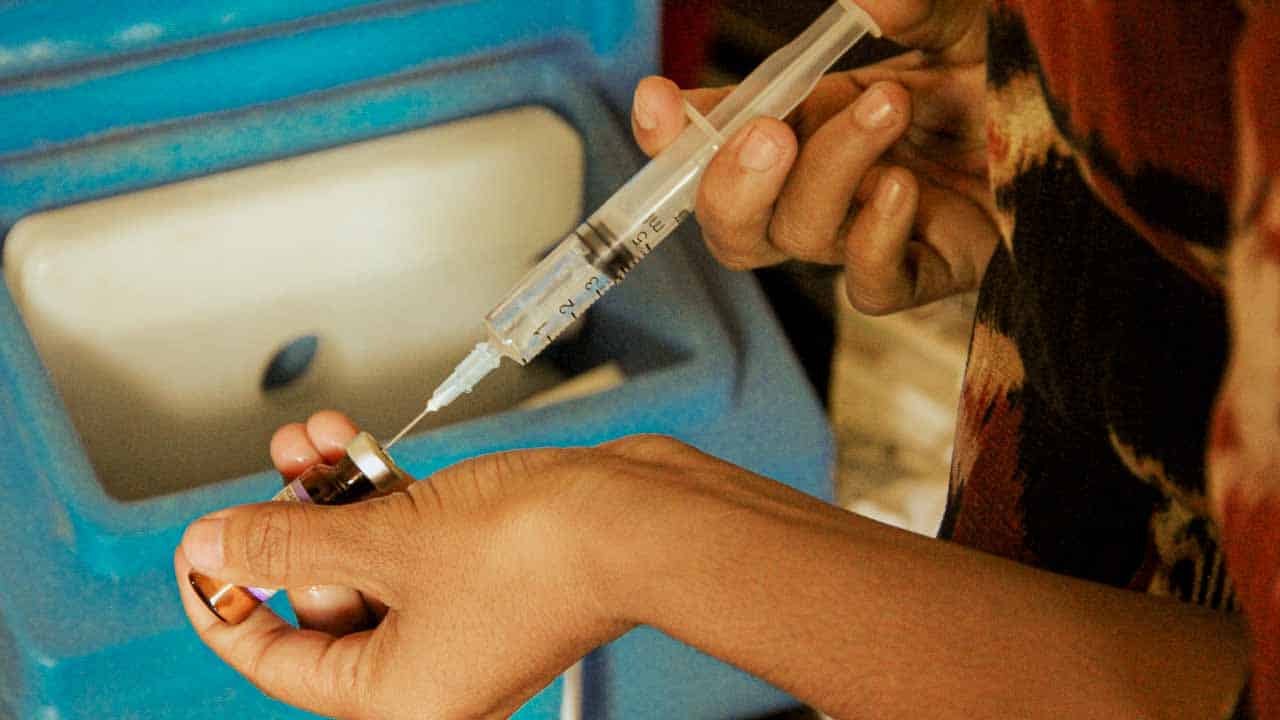
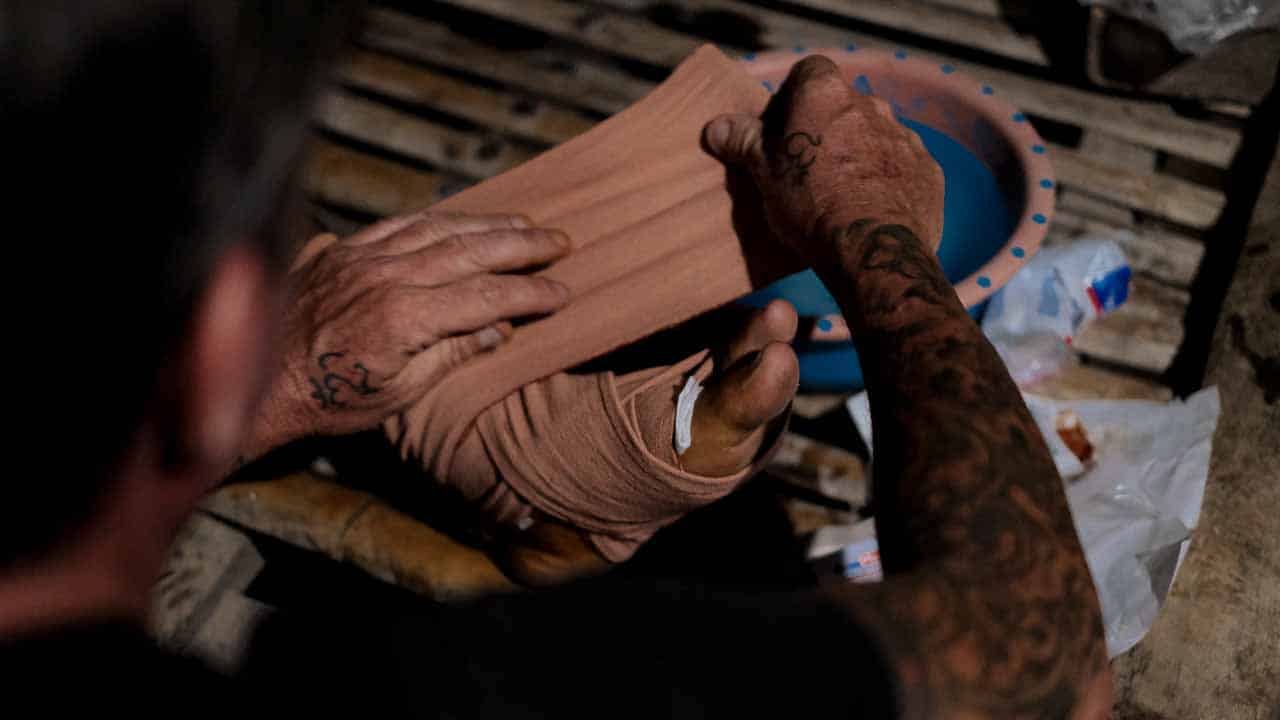
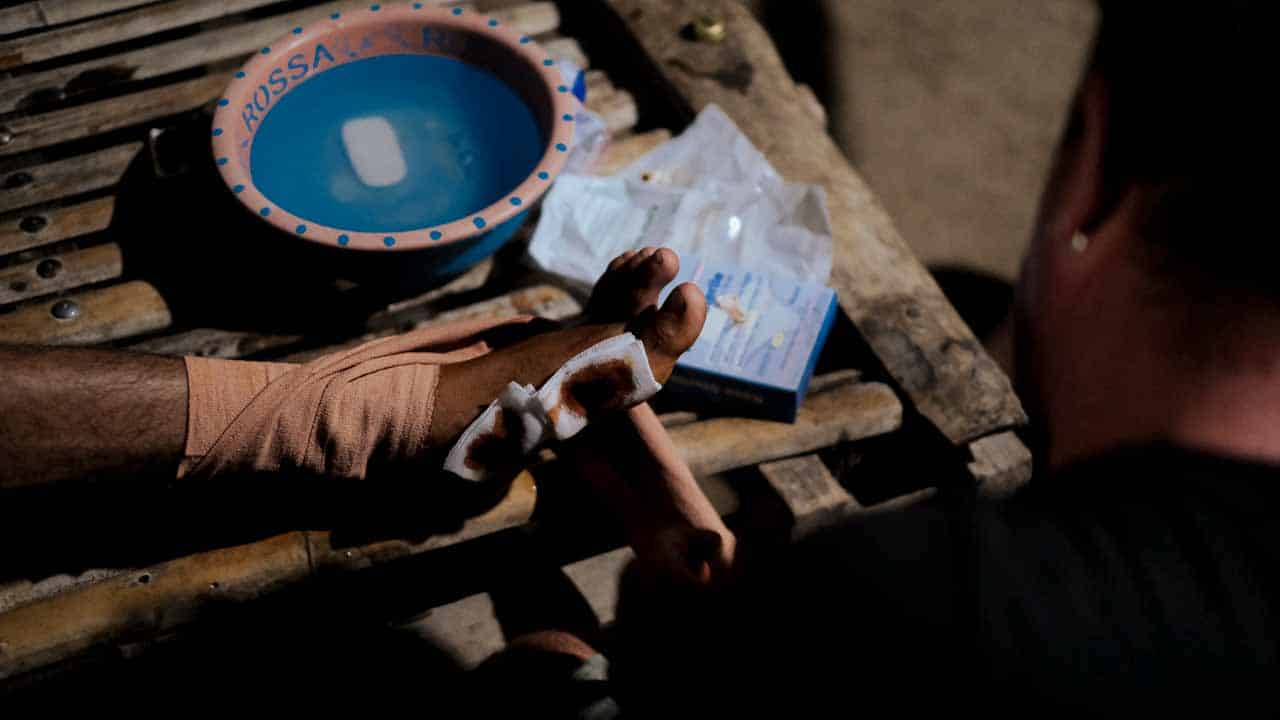
A young man receives emergency care one week after a snakebite, without prior access to medical treatment. Delays like this often lead to severe complications and suffering.
Snakebites in Rural Indonesia: A Neglected Medical Emergency
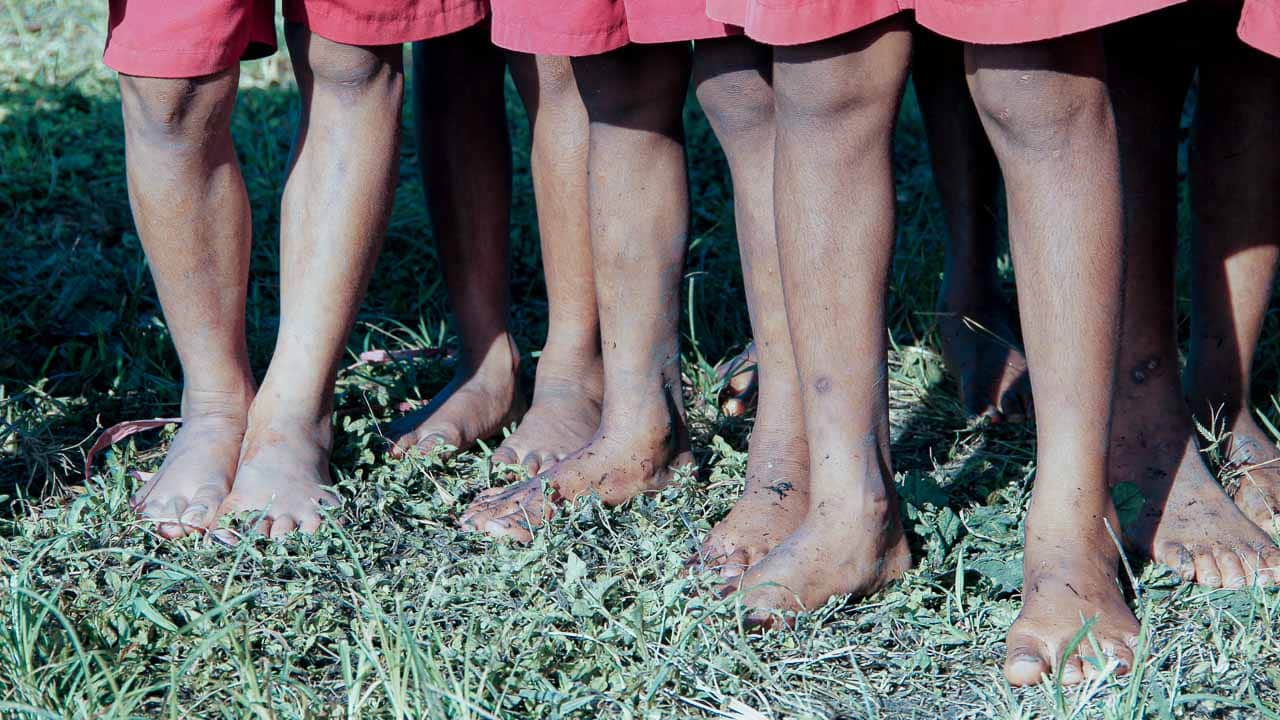
Snakebites are often seen as rare, unpredictable accidents. In rural Indonesia, they are not. They are a daily, expected risk for farmers working barefoot in fields, for children walking at dusk, and for families living close to nature without protective infrastructure. Each bite is a medical emergency where survival depends more on timely action than on luck. It is about recognising severity, reaching care quickly, and receiving antivenom promptly. Snakebite envenoming remains a major but neglected health burden in underserved rural settings. WHO fact sheet.
Clinically, snake envenomation is a fast-changing, life-threatening condition. Neurotoxic species can cause progressive paralysis, respiratory failure, and death within hours. Hemotoxic envenomation leads to coagulopathy, uncontrolled bleeding, and organ damage. Local tissue destruction may result in permanent disability or amputation. These mechanisms are well documented in medical literature and remain a major cause of avoidable death and disability when treatment is delayed. Clinical review on snake envenomations. These are not just theoretical risks; they are real in remote villages where delays often span hours or days. The longer the delay, the higher the risk of death and the greater the chance of long-term disability. This reality reflects what we describe in The Hidden Cost of Delay in Rural Medicine and Preventable Deaths Are Geographic.
In such settings, the key factors influencing outcomes are straightforward: early recognition, rapid transport, and access to antivenom. Yet each of these steps is fragile. Distance to the nearest facility, lack of transportation, financial constraints, and reliance on traditional practices often delay access to proper care. Actions like cutting the wound, trying to suck out venom, applying herbs, or using tight tourniquets not only fail to help but can worsen tissue damage and complicate treatment. International guidance is clear: harmful first-aid practices should be avoided, and the patient should be transported without delay to an appropriate health facility. WHO treatment guidance and CDC first-aid advice. What should be treatable becomes fatal because the system fails before the patient gets care. This is part of a broader pattern described in When Health Systems Stop Before the Village, Health Without Infrastructure Is Fiction, and The Last Mile of Global Health.
First response must therefore be simple, clear, and widely known. Keep the patient calm. Panic speeds venom spread. Immobilise the affected limb to reduce systemic absorption. Do not cut, suck, or apply any substances. Do not use tight tourniquets. These cause ischaemia and worsen injury. The priority is rapid, safe transport to the nearest healthcare facility capable of managing envenomation. Correct early actions save lives; incorrect ones cost them. Through its Primary Medical Care programme, Fair Future Foundation trains local health workers to recognise danger signs, guide immediate response, and speed up referral pathways. They bring knowledge where there is none, and structure where systems are lacking, reinforcing the role of community health agents as a health system and the principle that logistics is medicine.
Systemic gaps are clear. Antivenom is often unavailable at peripheral health centres. Emergency referral systems are weak or absent. Public education on snakebite management is limited. Snakebite remains poorly integrated into primary healthcare despite its predictable occurrence in rural populations. Prevention is equally practical. Wearing footwear, using light at night, staying aware in fields, and simple community education reduce exposure. These measures are low-cost, realistic, and effective when consistently applied. They are part of the same public health logic we discuss in Health Must Be Built Before Patients Arrive and Health Data Where No Data Exists.
Snakebite is a neglected emergency, but it is not an unsolvable one. Death and disability from envenomation are largely preventable. With early recognition, correct first actions, accessible antivenom, and stronger rural health systems, outcomes can improve. The problem is not the snake; it is the distance between the bite and the care.
Thank you for reading. Today, the 20th of March 2026 | Alex Wettstein
In Short – When snake bites become fatal
Snake bites are treatable medical emergencies. Yet in rural areas, delays in care, lack of antivenom, and poor awareness turn them into fatal conditions. Hours lost mean venom spreads, organs fail, and survival drops. Early response, trained communities, and accessible care are essential to prevent avoidable deaths.
Snake Bites in Rural Indonesia – From Risk to Survival
List of Related Organisations with Hyperlinks
- World Health Organisation: WHO defines snakebite as a neglected tropical disease affecting vulnerable rural populations lacking access to timely care.
- Médecins Sans Frontières: MSF provides emergency treatment and antivenom in regions where snakebite mortality remains high due to limited healthcare access.
- Liverpool School of Tropical Medicine: Leads research and training in tropical medicine, including snakebite management and venom-related diseases in rural settings.
- Wellcome Trust: Supports research and innovation to reduce snakebite mortality through better diagnostics, treatment, and community interventions.
- Health Action International (HAI): Advocates for equitable access to essential medicines, including antivenom, in low-resource and underserved communities.
- PATH: Develops solutions to improve access to essential treatments, including antivenom, in low-resource settings.
- UNICEF: Supports child health programmes addressing environmental risks, including snakebite exposure, in vulnerable regions.