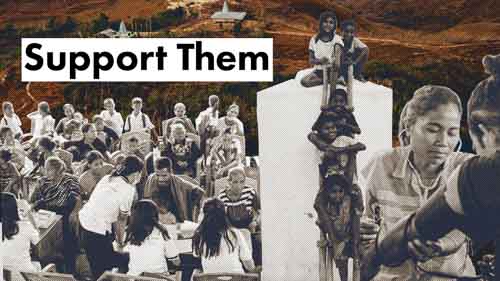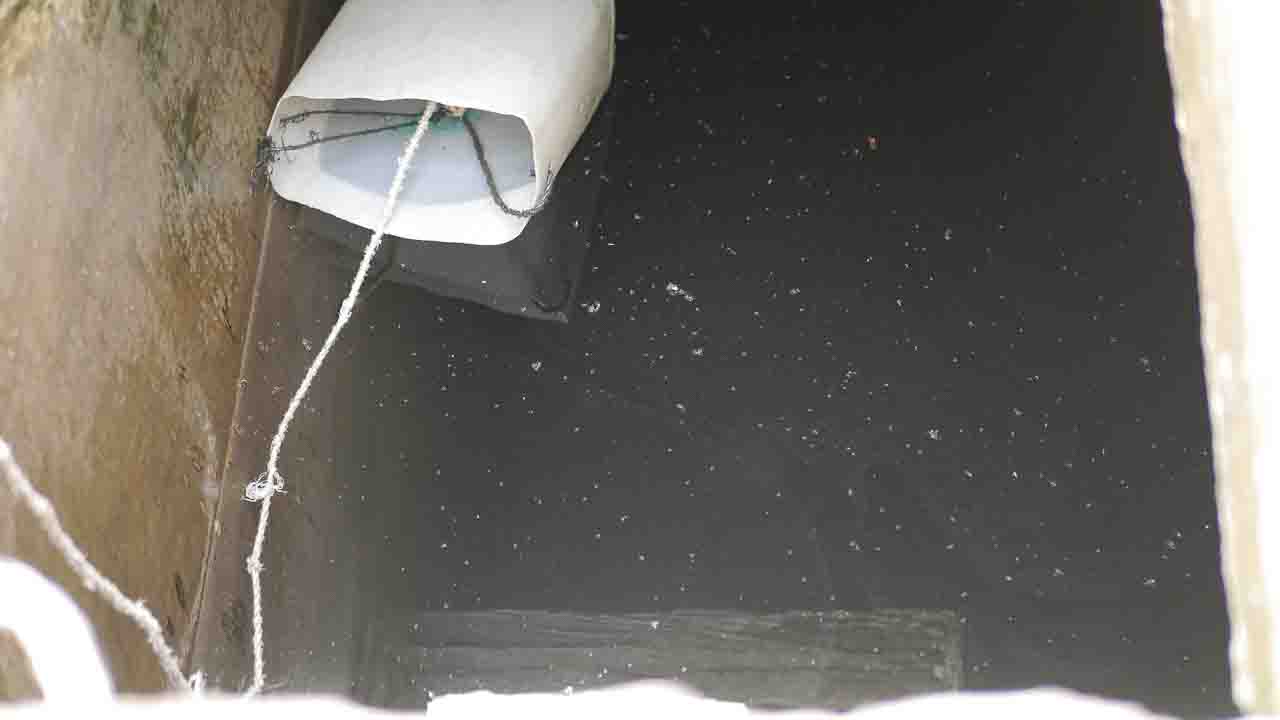



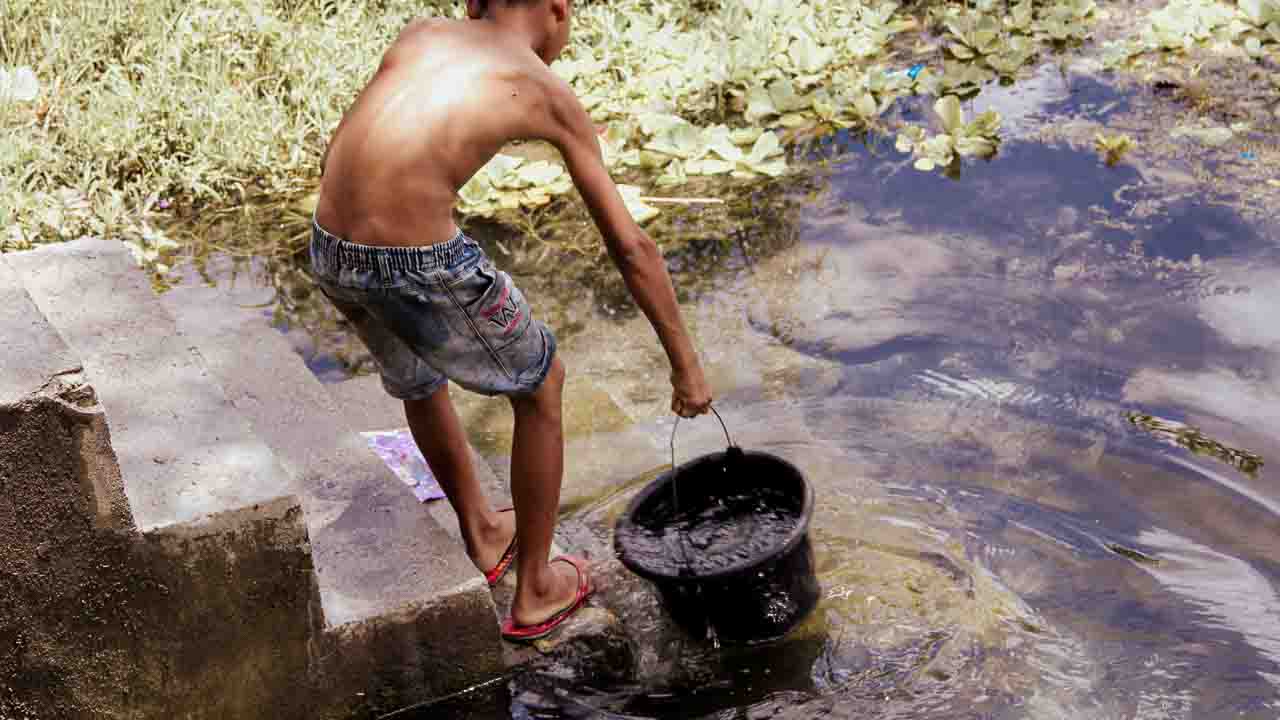
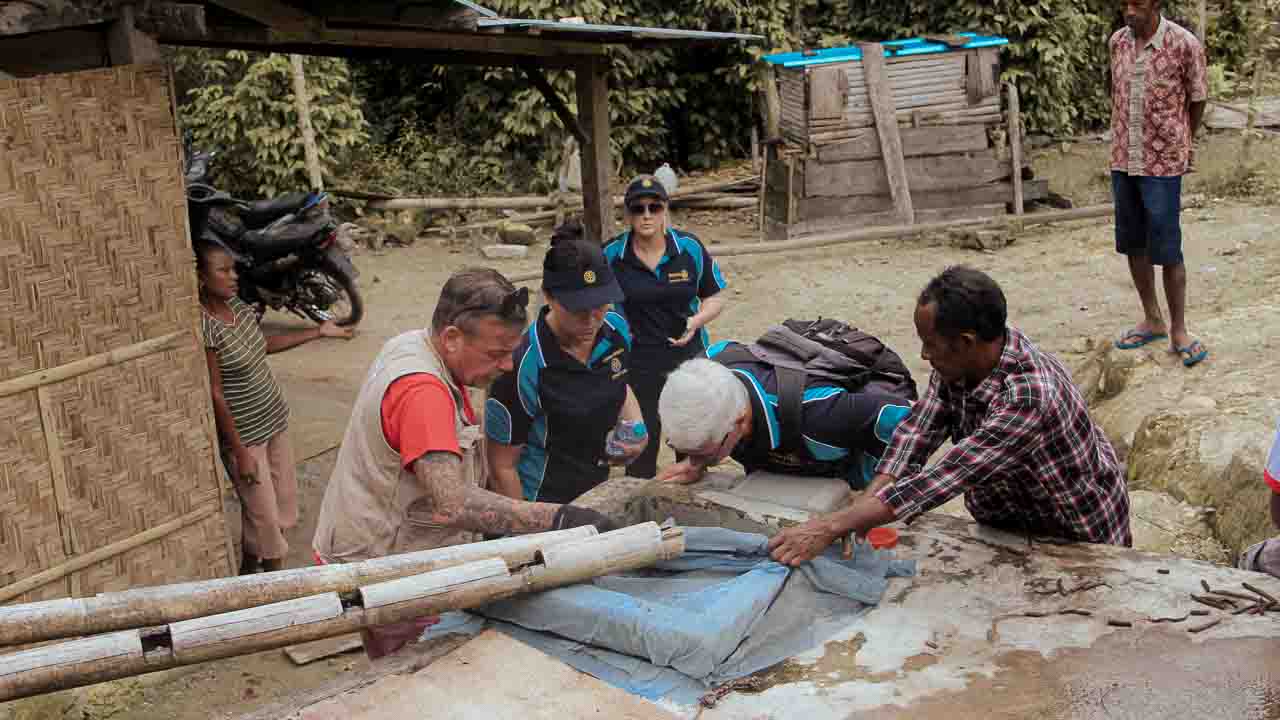
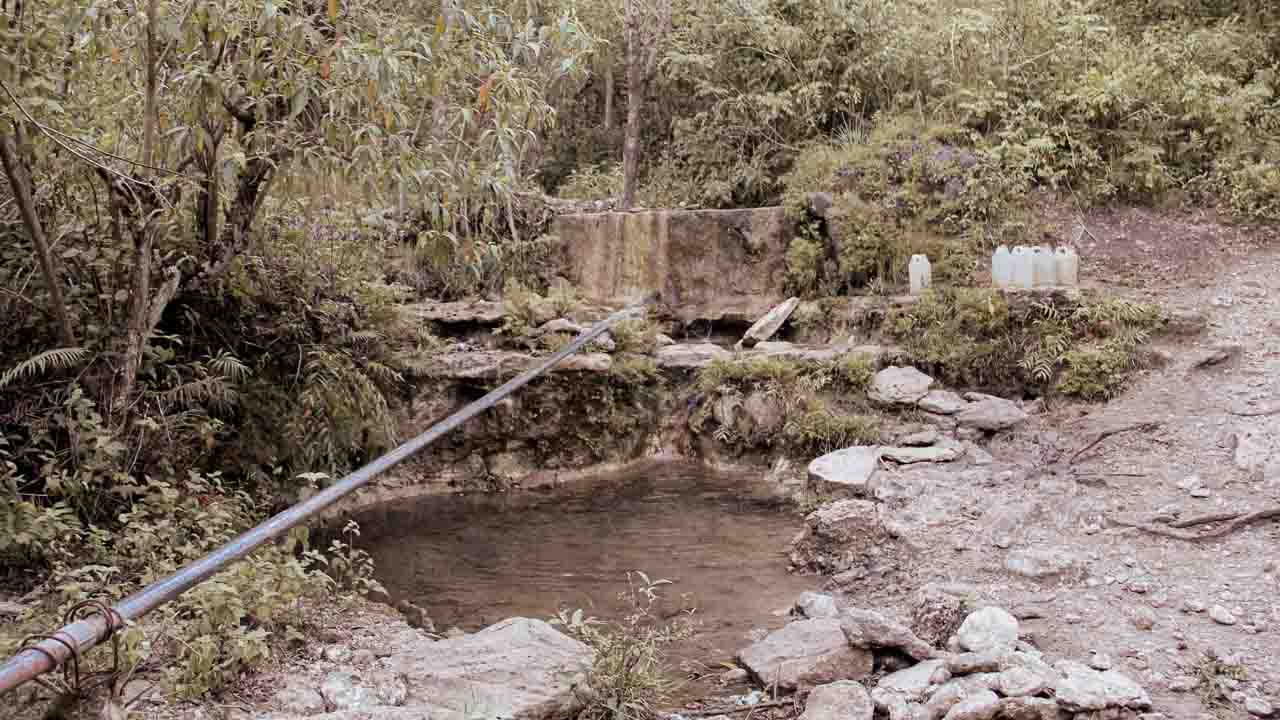
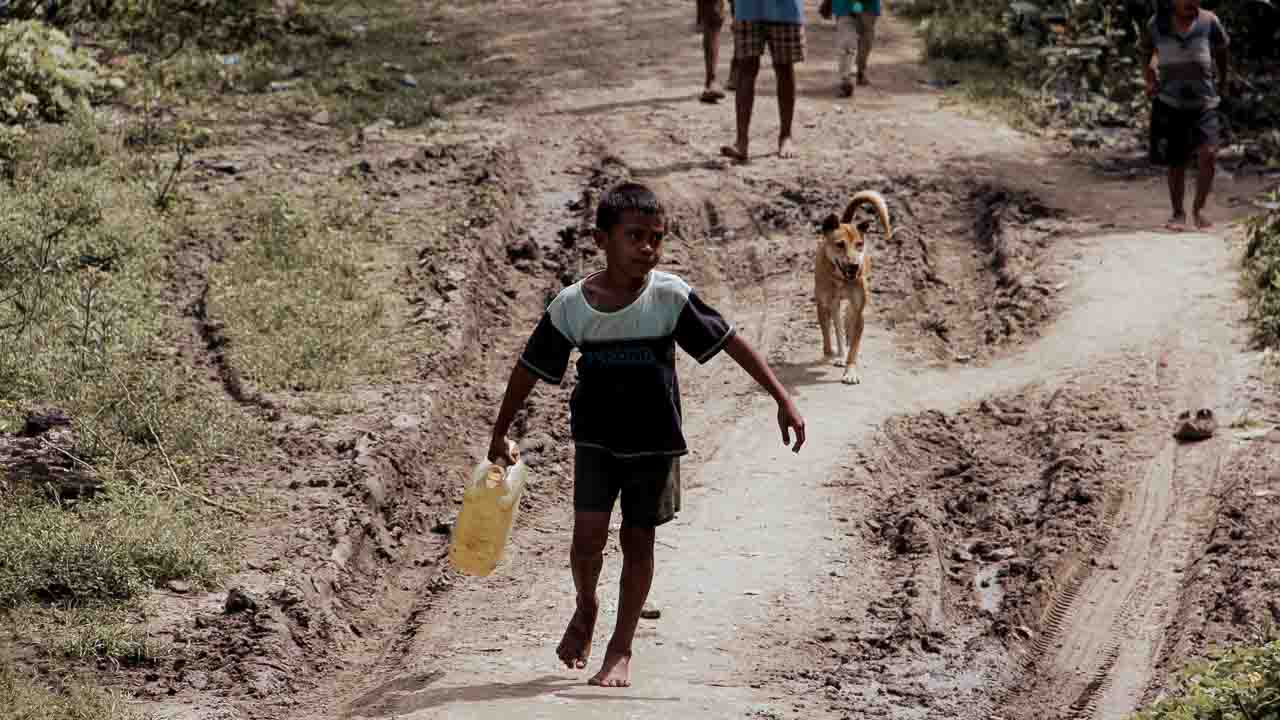
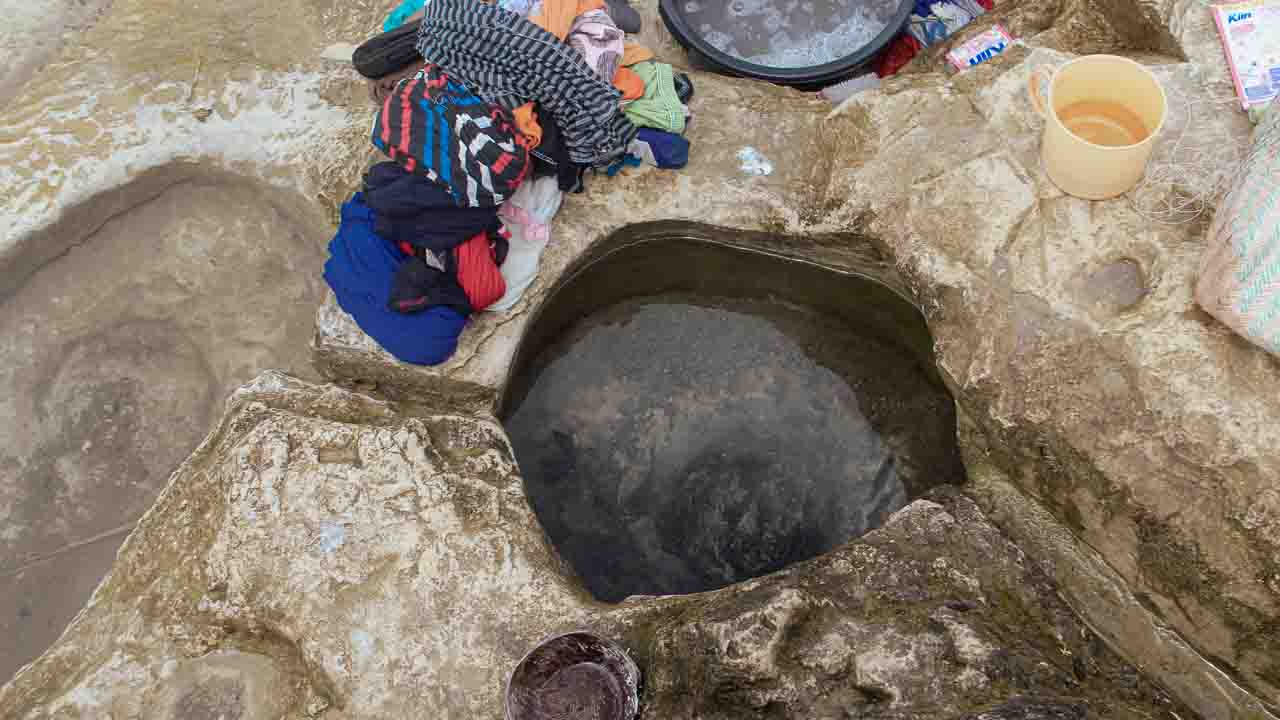
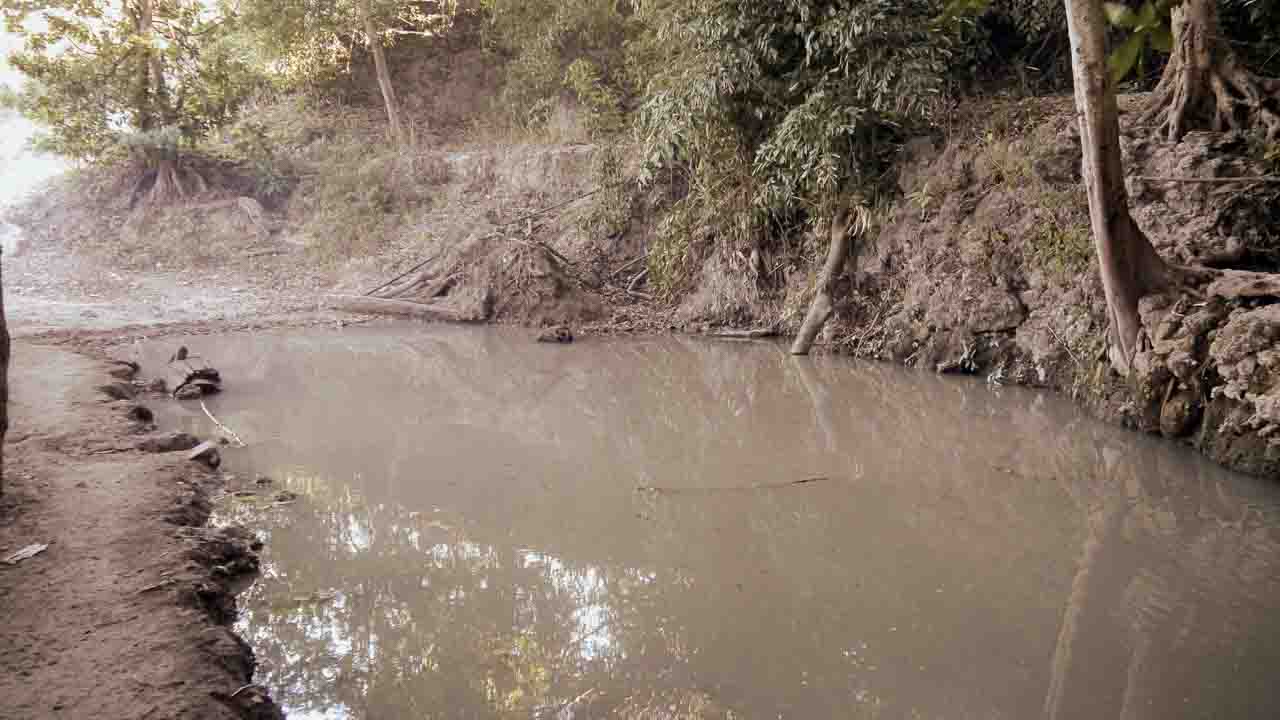
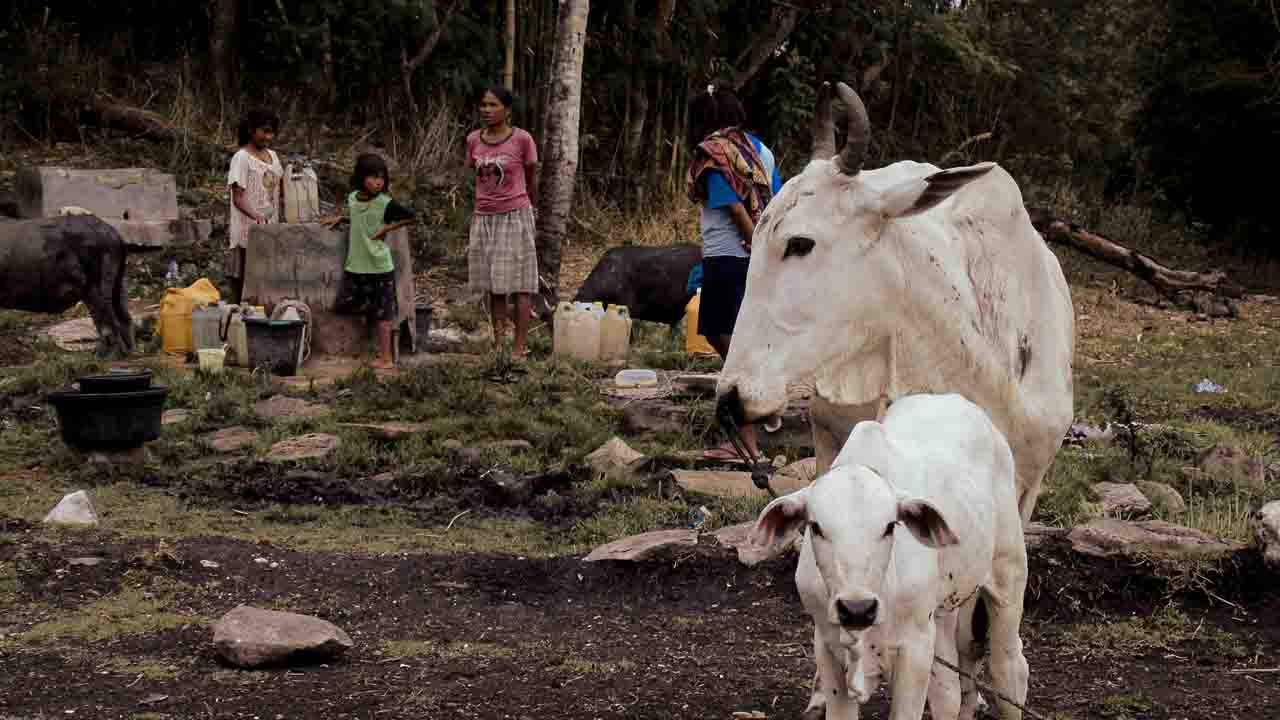
Children and families collect water from rivers, wells, and small streams in rural East Sumba, Indonesia. Without reliable access to clean water, many households depend on unsafe sources for drinking, cooking, and daily life.
Unsafe Water and Childhood Diarrhoeal Diseases in Rural Indonesia
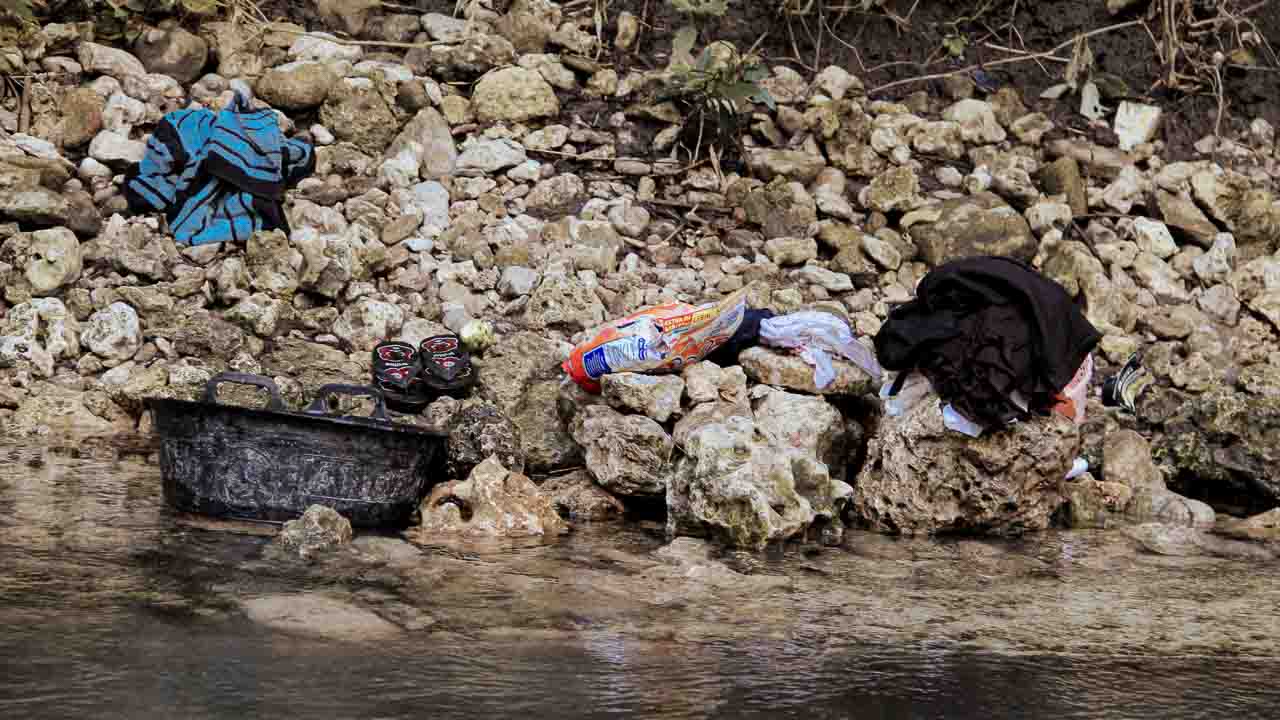
In many rural regions of Indonesia, water is not a matter of comfort or convenience. It directly influences health, survival, and childhood development. Across villages in eastern Indonesia, thousands of families still depend on unsafe water sources for drinking, cooking, and washing. Rivers, shallow wells, and makeshift storage containers are often the only available sources of water. The impact on children can be immediate and sometimes severe.
Diarrhoeal diseases continue to be among the leading causes of illness in children in these areas. They are often dismissed as minor or temporary conditions. Clinically, however, they are anything but minor. Repeated diarrhoeal episodes can quickly cause dehydration, electrolyte imbalance, and notable weakness. In infants and young children, dehydration can rapidly become life-threatening. Recurrent diarrhoea also damages the intestinal lining, impairing nutrient absorption and contributing directly to chronic malnutrition and stunted growth.
In East Sumba and other rural parts of eastern Indonesia, the situation is worsened by the lack of safe water infrastructure. Data previously provided by local authorities indicate that nearly 65 per cent of rural families still lack reliable access to clean water. This means many households depend daily on water that may already be contaminated before it reaches their homes.
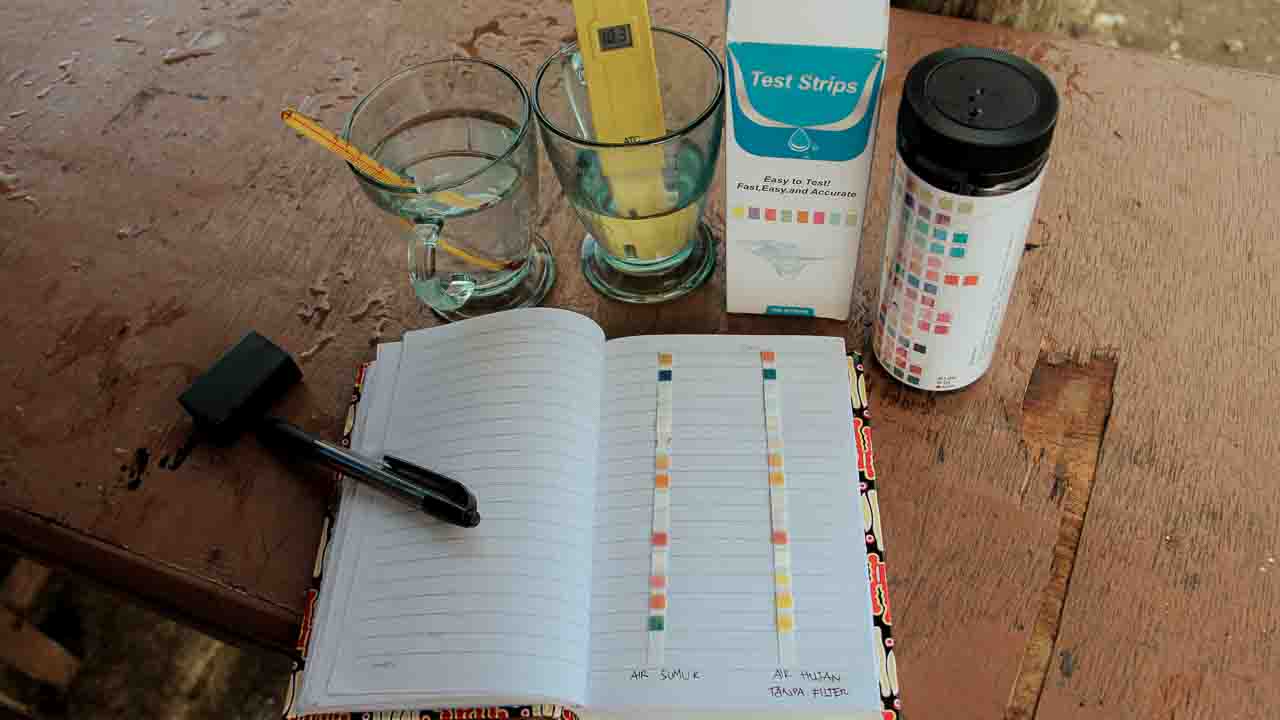
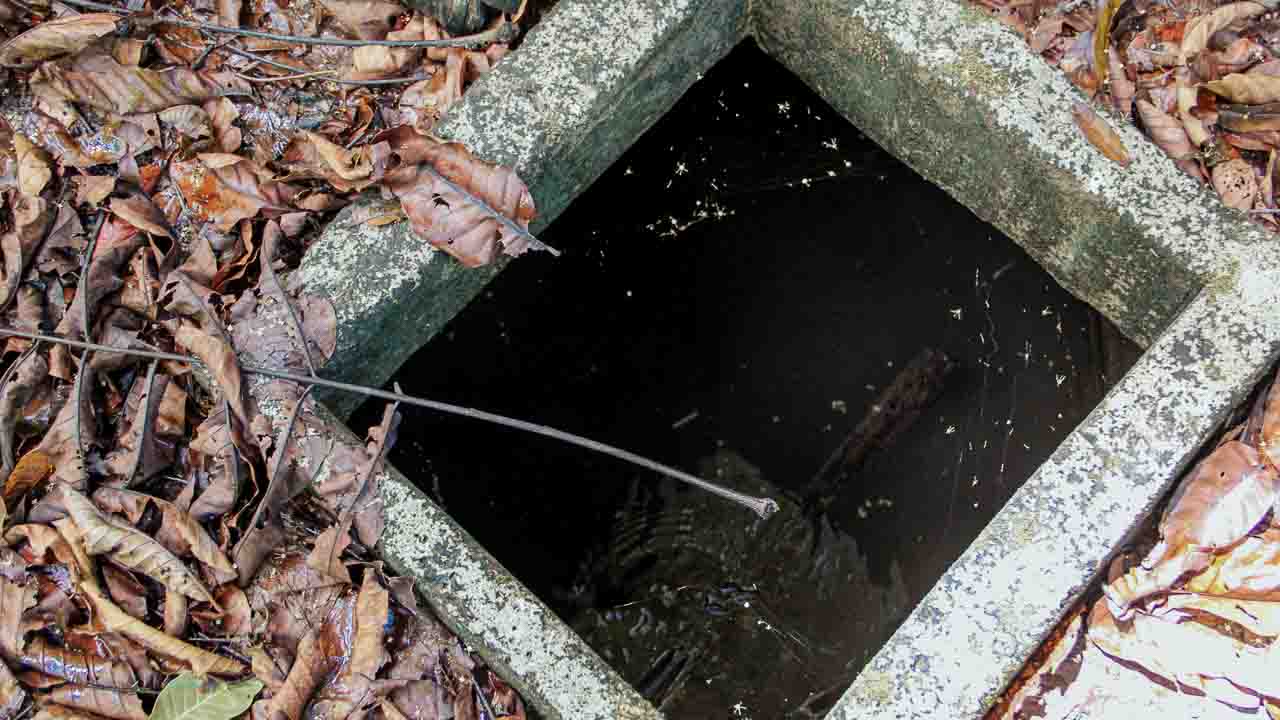
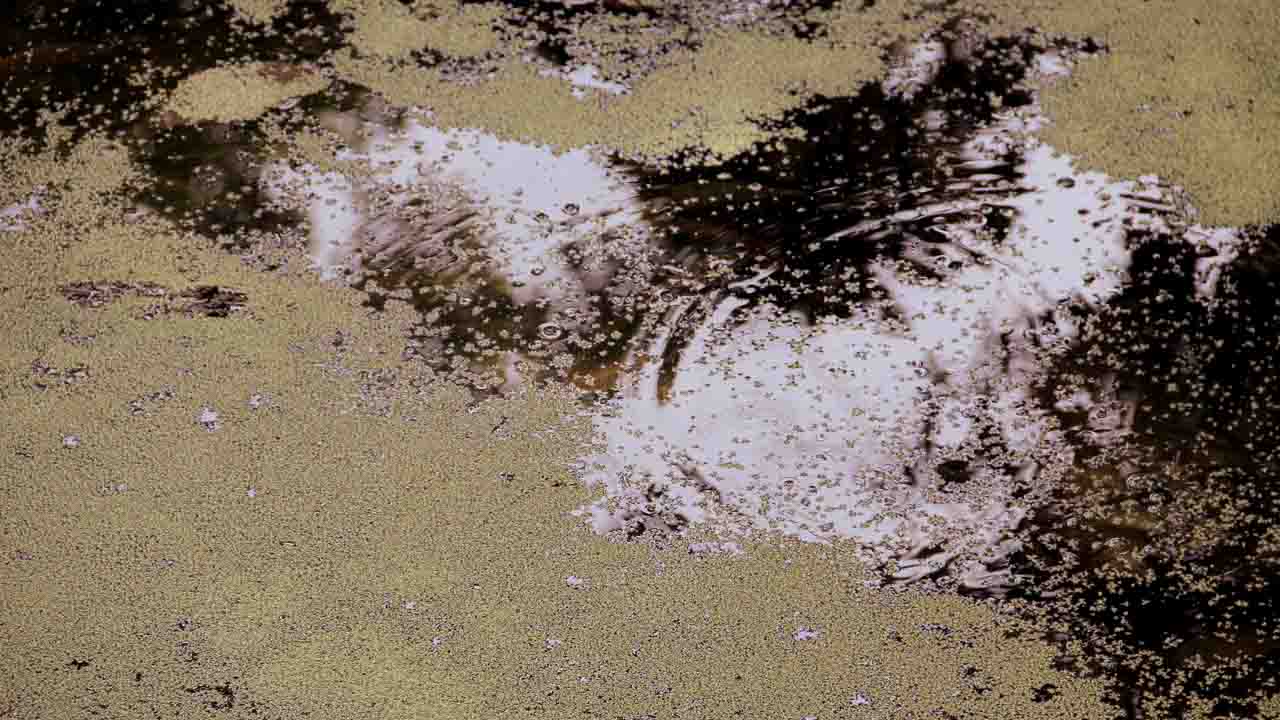
Contamination occurs through various pathways. Poor sanitation allows human and animal waste to enter rivers and shallow wells. Plastic waste and unmanaged garbage build up in waterways, gradually degrading water quality and releasing pollutants. Without proper waste management, plastic and organic waste are often burned, buried, or openly discarded. Rainwater then carries these contaminants into the same water sources used for cooking and drinking.
These environmental conditions create ideal routes for the spread of infectious diseases. Pathogens such as rotavirus, Escherichia coli, Shigella, and Vibrio cholerae easily spread through contaminated water. For children with limited immunity and already fragile nutritional status, these infections can have serious repercussions.
Yet, the persistence of these risks is not only due to geography or poverty. It also reflects systemic gaps. In many rural districts, effective waste management systems are missing. Sanitation infrastructure remains inadequate. Public health education on water hygiene and safe storage is minimal or absent. Preventive programmes that could reduce exposure to contaminated water are rarely scaled up. Practically, many communities face these risks alone.
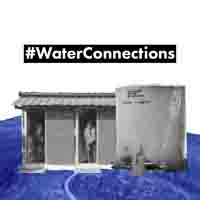
Across several villages in East Sumba, the Fair Future Foundation has attempted to address this challenge through its Water Connections programme. The approach is straightforward but clinically significant. Water reservoirs are built to provide reliable access to clean water. Sanitation facilities and handwashing stations are installed in communities and schools. These infrastructures decrease daily reliance on contaminated water sources.
Equally vital is community education. Local health agents (our Kawan Sehat Health Agents) work directly with families to explain what clean water is, how to store water safely, and why using contaminated water for cooking or food preparation can cause illness. Families learn how basic hygiene practices, especially handwashing, can break the chain of transmission of diarrhoeal pathogens.
These actions are not merely abstract development initiatives. They represent direct public health interventions. A functioning reservoir reduces exposure to contaminated water. A simple handwashing station interrupts disease transmission. Education empowers families to safeguard themselves and their children, even when medical facilities are hours away.
For children growing up in these villages, access to clean water often determines whether illness becomes a routine part of childhood or a preventable exception. Reducing diarrhoeal disease demands more than clinical treatment; it requires water infrastructure, sanitation systems, environmental responsibility, and ongoing public health education.
Clean water, safe sanitation, hygiene education, and responsible governance are not luxuries. They are essential for protecting children, preventing disease, and maintaining the health of rural communities across Indonesia.
Thank you for reading. Today, the 13th of March 2026 | Alex Wettstein
In Short – Water and Disease
Unsafe water is responsible for a large proportion of infectious diseases affecting children in rural environments. When water infrastructure is missing, infections spread silently through everyday activities such as drinking, cooking, and washing. Clean water remains one of the most effective medical interventions available.
Unsafe Water and Children in Rural Indonesia
List of Related Organisations with Hyperlinks
- World Health Organisation: WHO provides global data on diarrhoeal diseases and the role of unsafe water, sanitation and hygiene in child mortality worldwide.
- UNICEF Water, Sanitation, and Hygiene: UNICEF’s WASH programmes support access to safe water and sanitation for vulnerable children, addressing the risk of waterborne diseases.
- Centres for Disease Control and Prevention: CDC research explains how contaminated water spreads diarrhoeal diseases and the preventive role of sanitation and hygiene.
- Global Water Partnership: The Global Water Partnership works on sustainable water management to protect communities from water scarcity and contamination.
- WaterAid: WaterAid focuses on providing clean water and sanitation infrastructure to communities where waterborne diseases remain prevalent.
- PATH Global Health: PATH develops public health solutions addressing infectious diseases linked to water, sanitation and environmental health.
- The World Bank – Water Global Practice: The World Bank supports water infrastructure and sanitation development programmes to improve health outcomes in low-income regions.