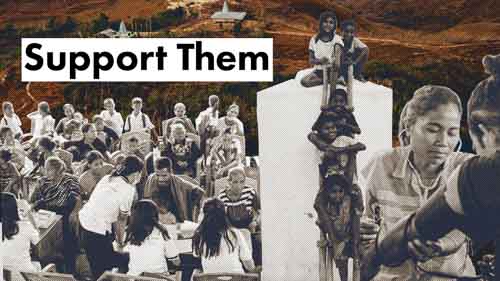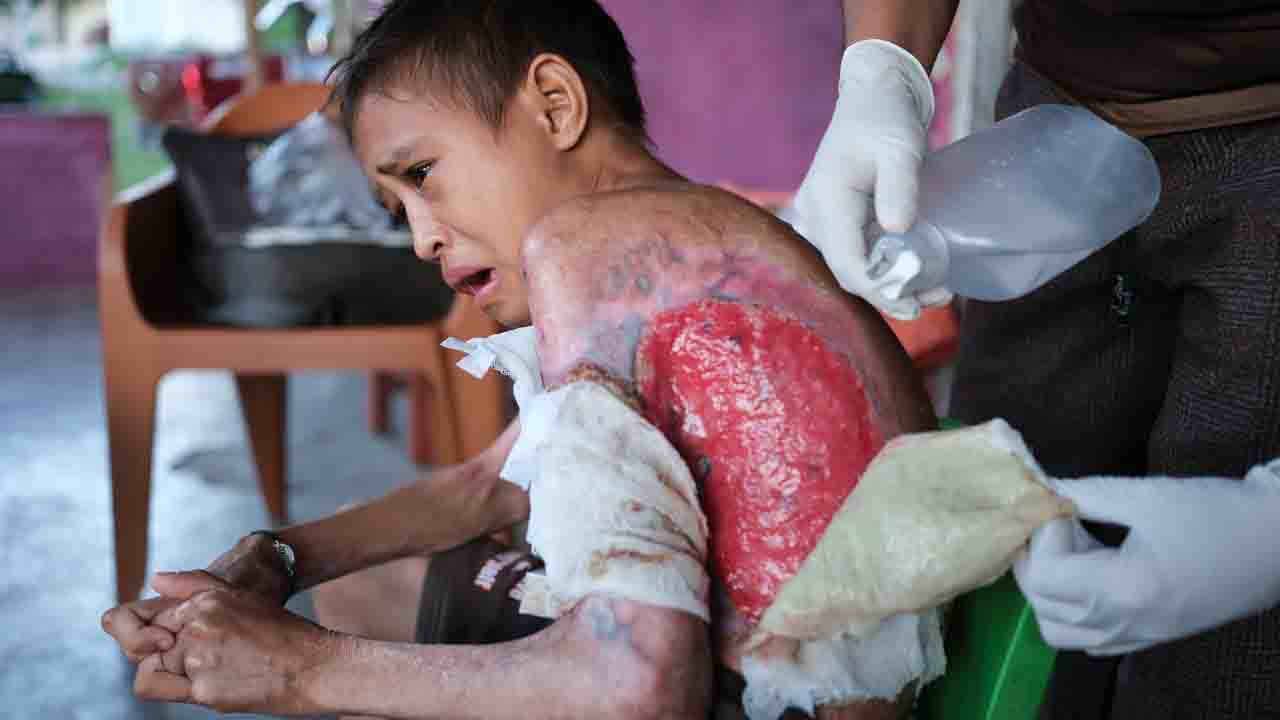


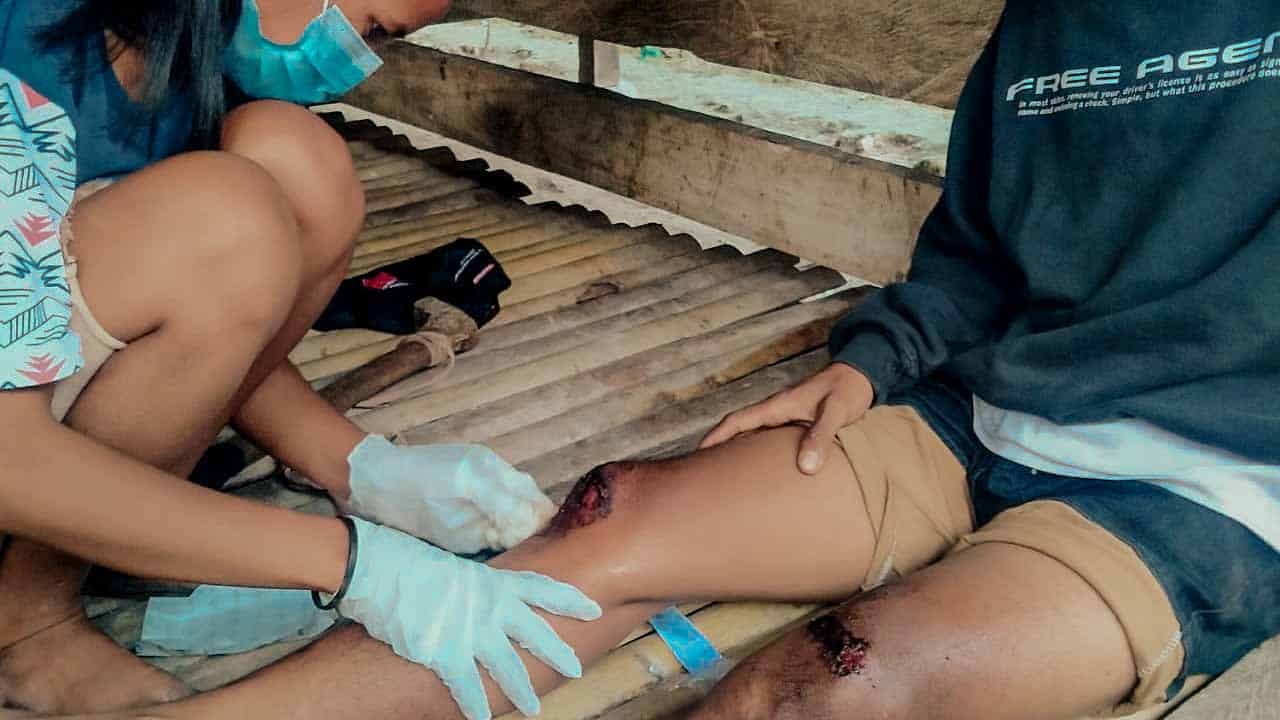
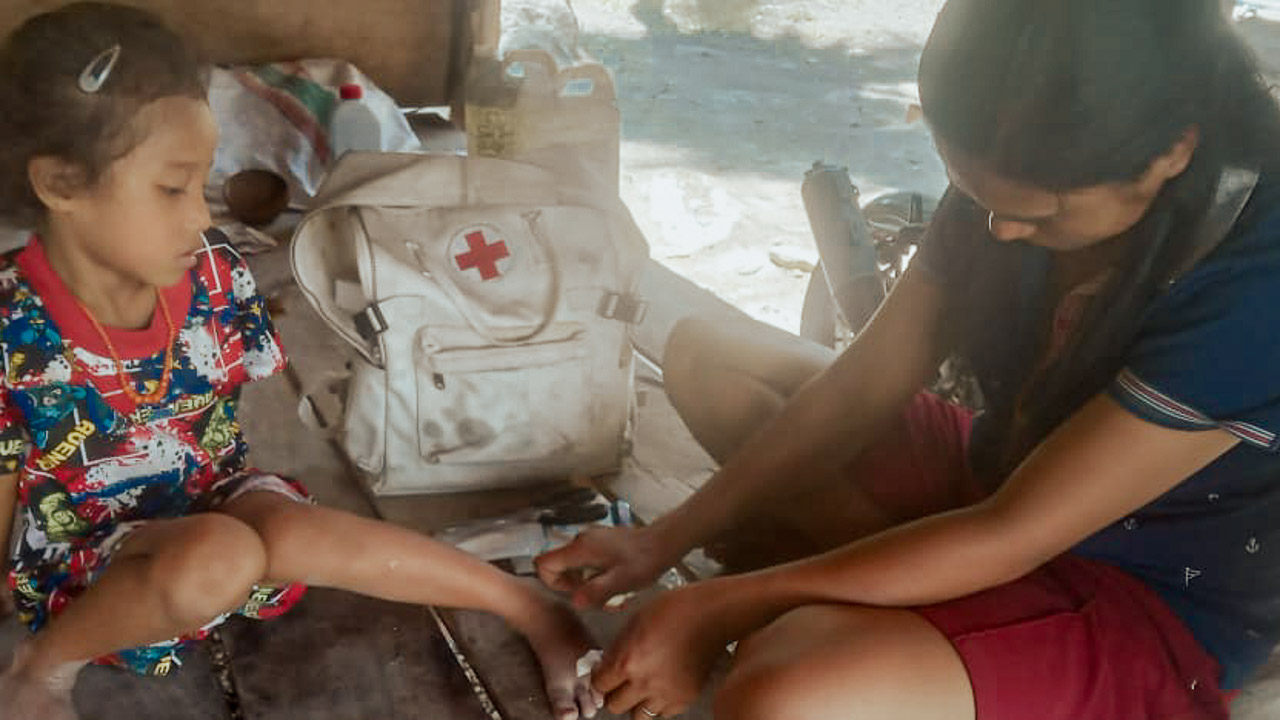
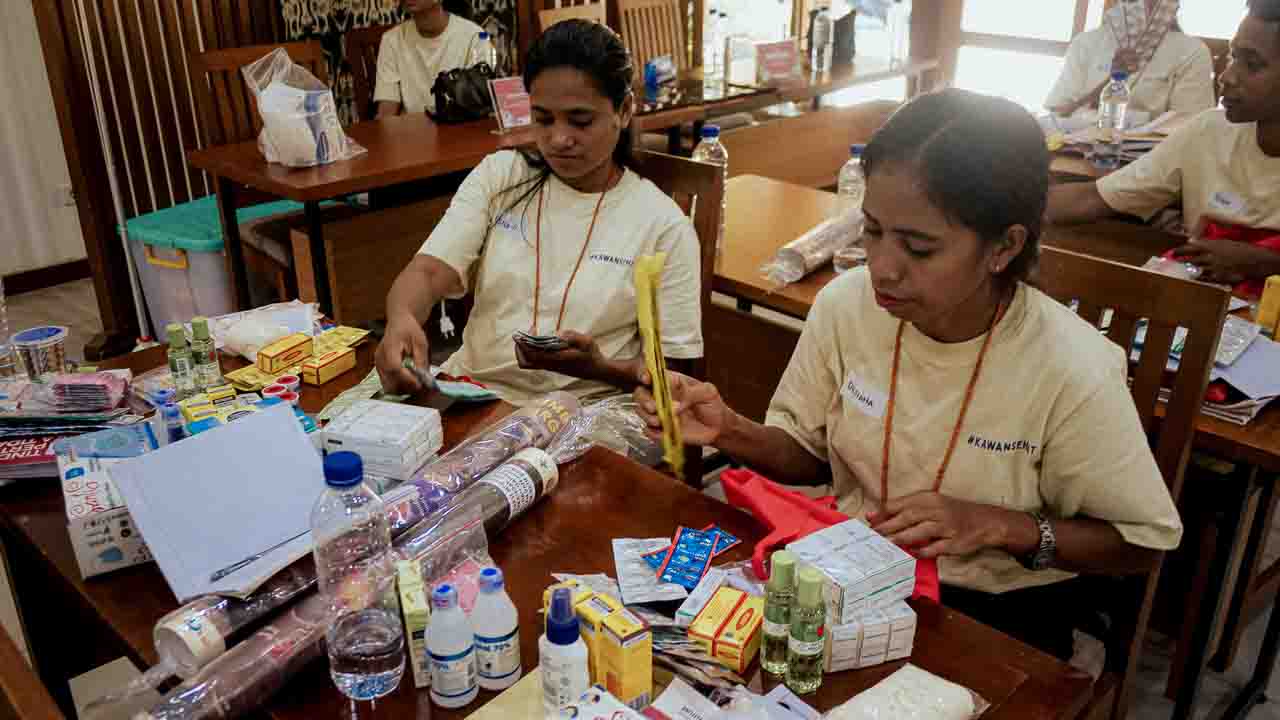
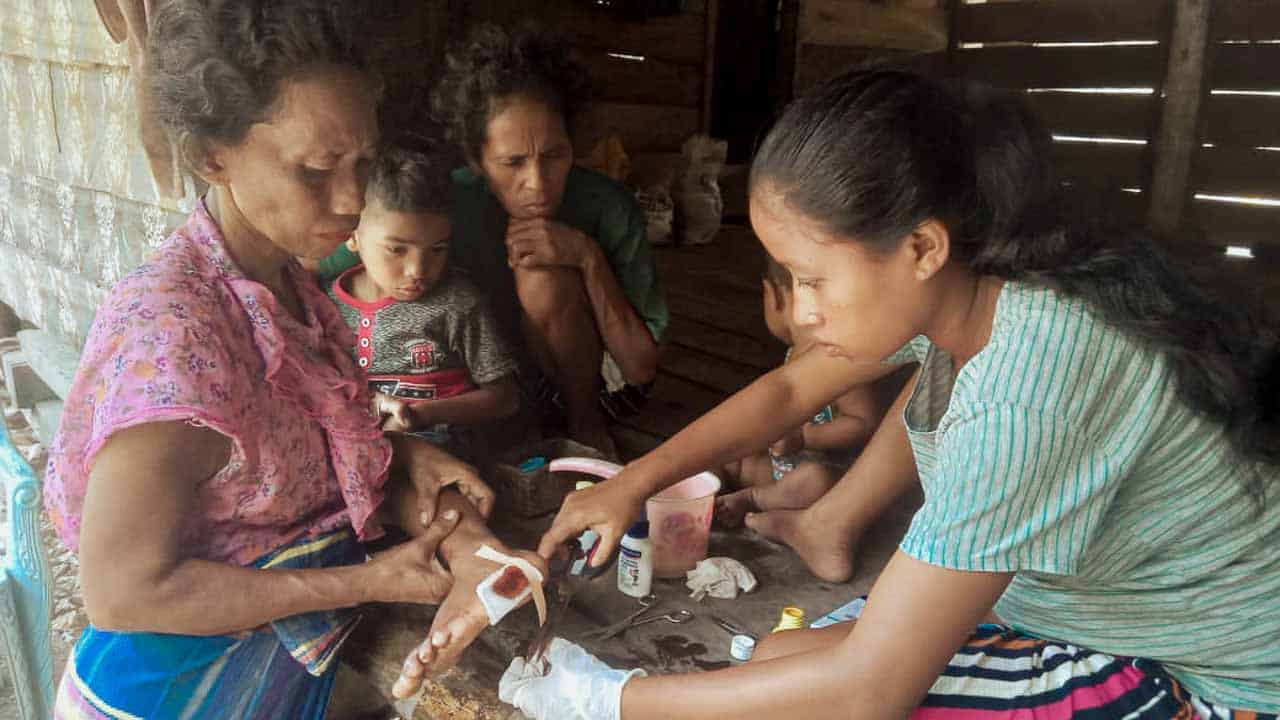
Agentes Kawan Sehat providing essential healthcare in rural Sumba as part of Fair Future’s Primary Medical Care Program.
What We Accept: Why Preventable Suffering Has Become Normal
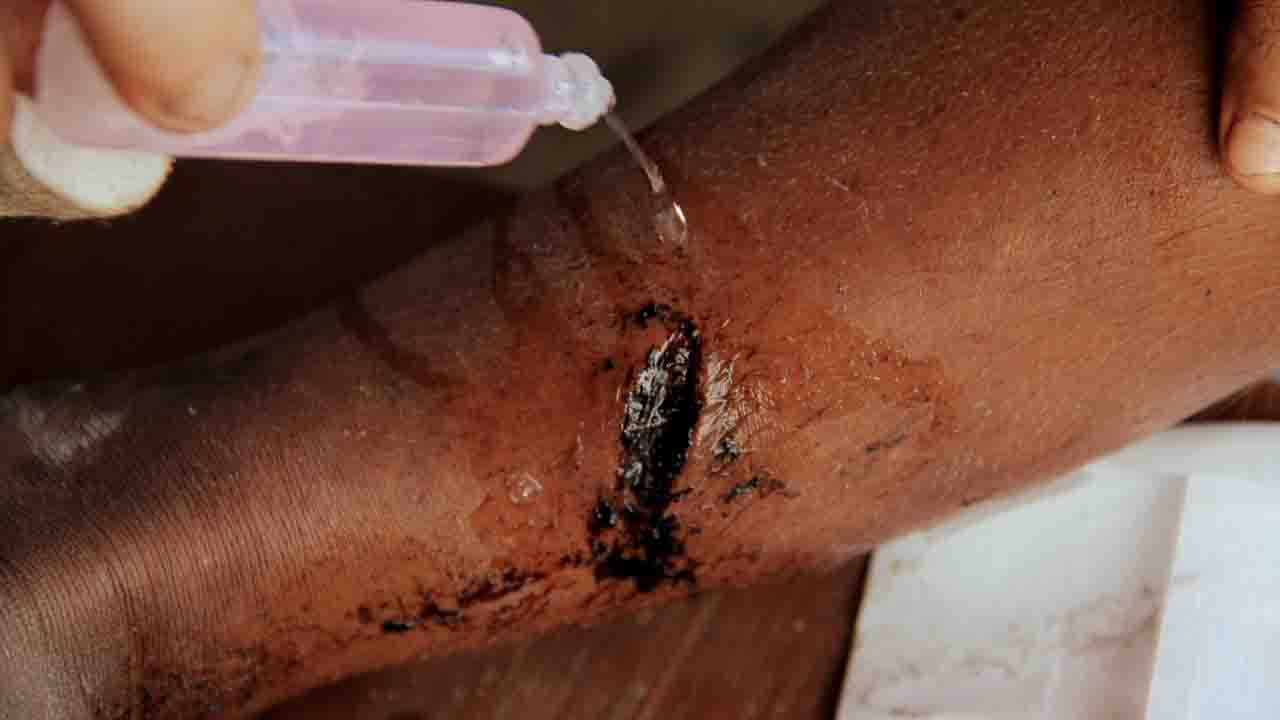
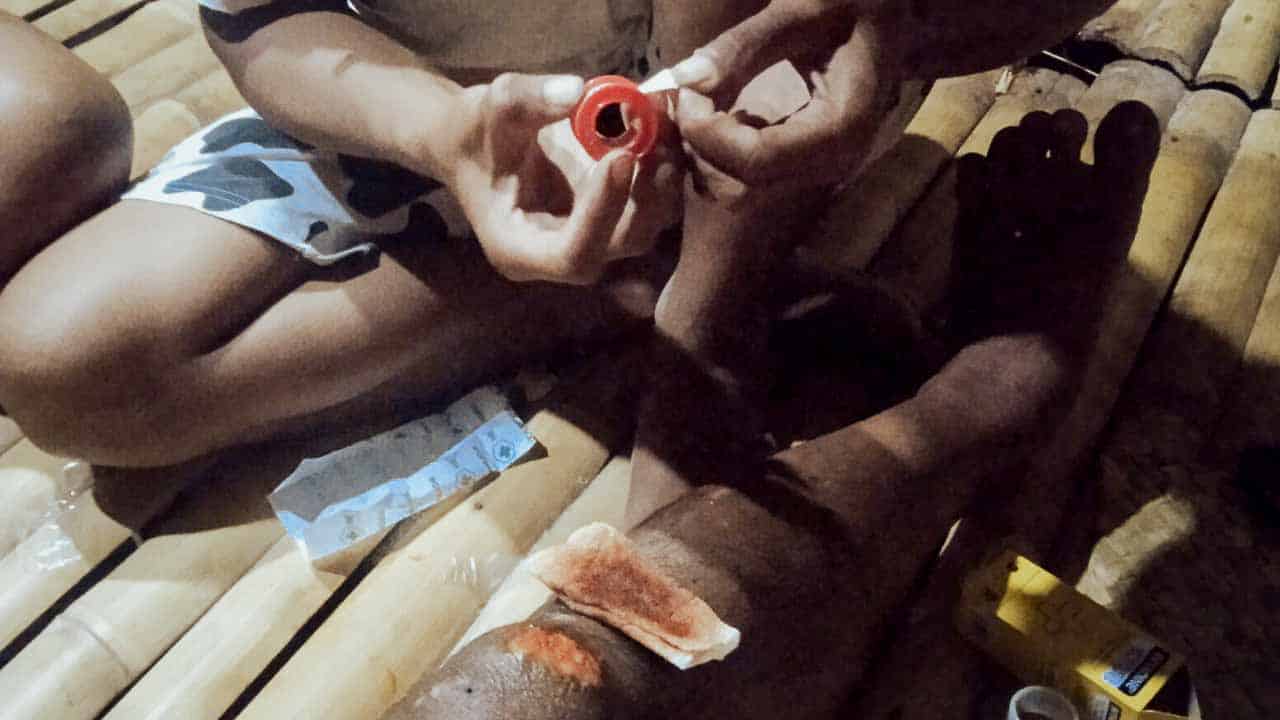
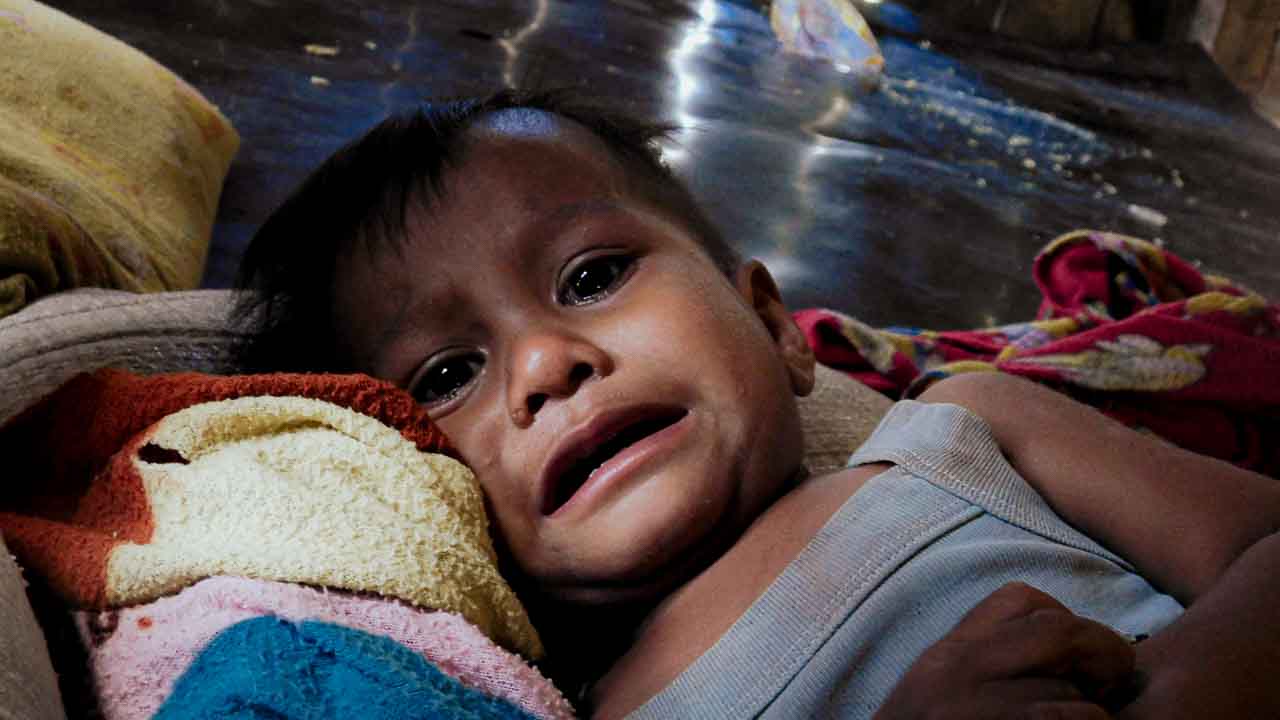
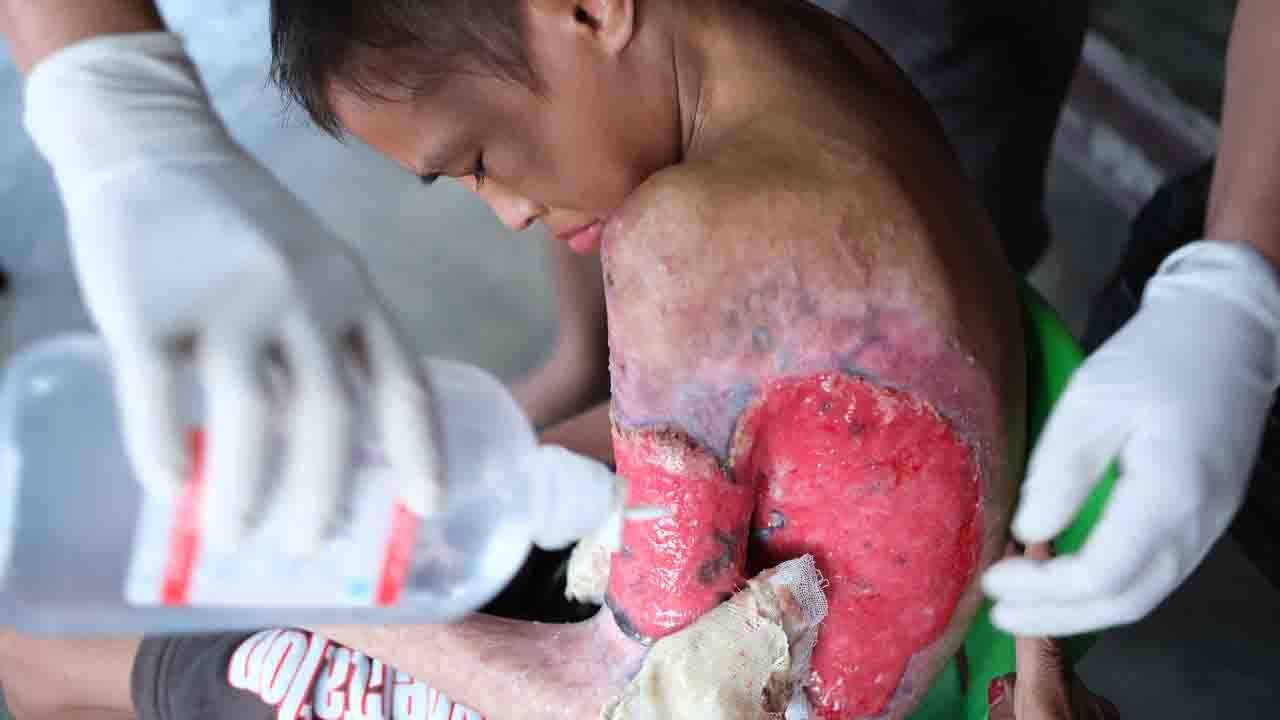
In ultra-rural areas like East Sumba, suffering has become so ordinary it is no longer called an emergency. A child keeps an infected wound at home. A burn that needed care is left for months. Fever, chronic pain, malnutrition, diarrhoea and disability become routine. This is not fate. It is what happens when health systems stop before the village, when roads, medicines, prevention and information do not reach the people who need them most. The WHO describes rural health inequities; we see patients and wounds.
Clinically, delayed care changes disease. A wound can become cellulitis, then sepsis. A fever that needed a test may become severe malaria, dengue shock, pneumonia or meningitis. Untreated pain becomes immobility. Poor nutrition lowers immunity, as shown in our work on malnutrition and infection. Contaminated water increases diarrhoea, parasites and skin disease, which is why safe drinking water is prevention. Early diagnosis, wound cleaning, oral rehydration, malaria testing, pain control, maternal monitoring and referral are not advanced medicine. They are primary health care.
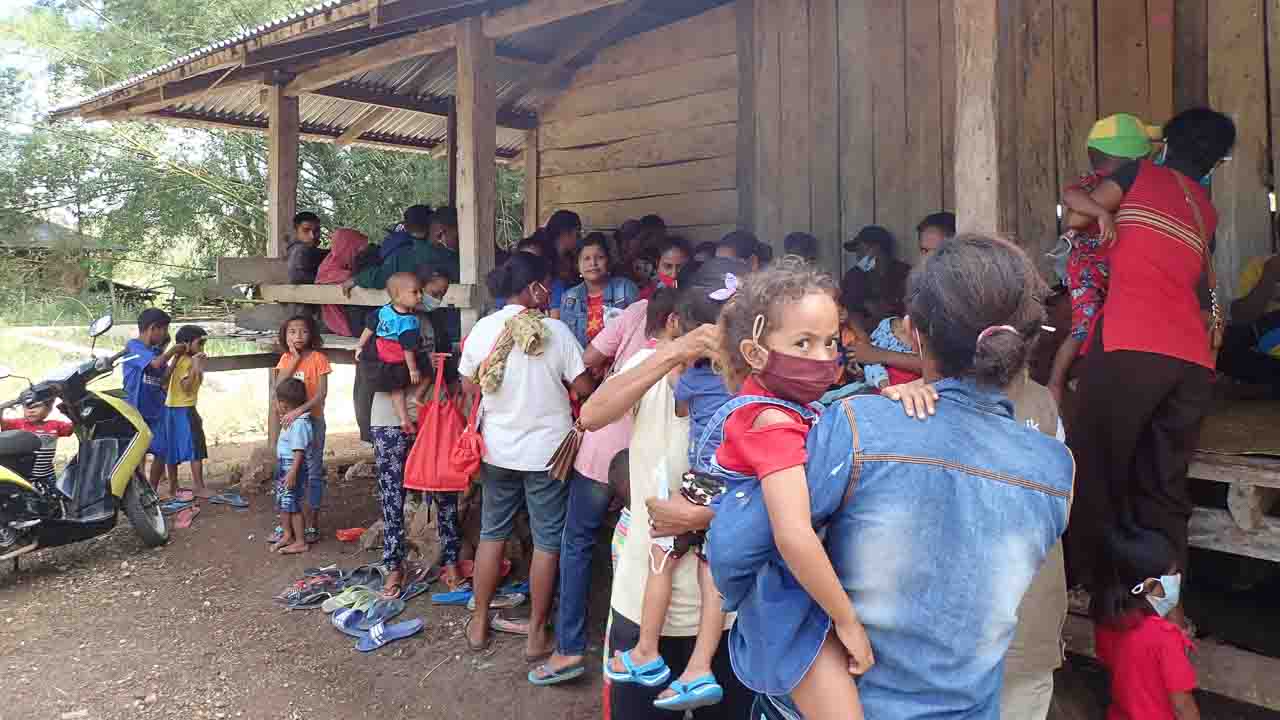
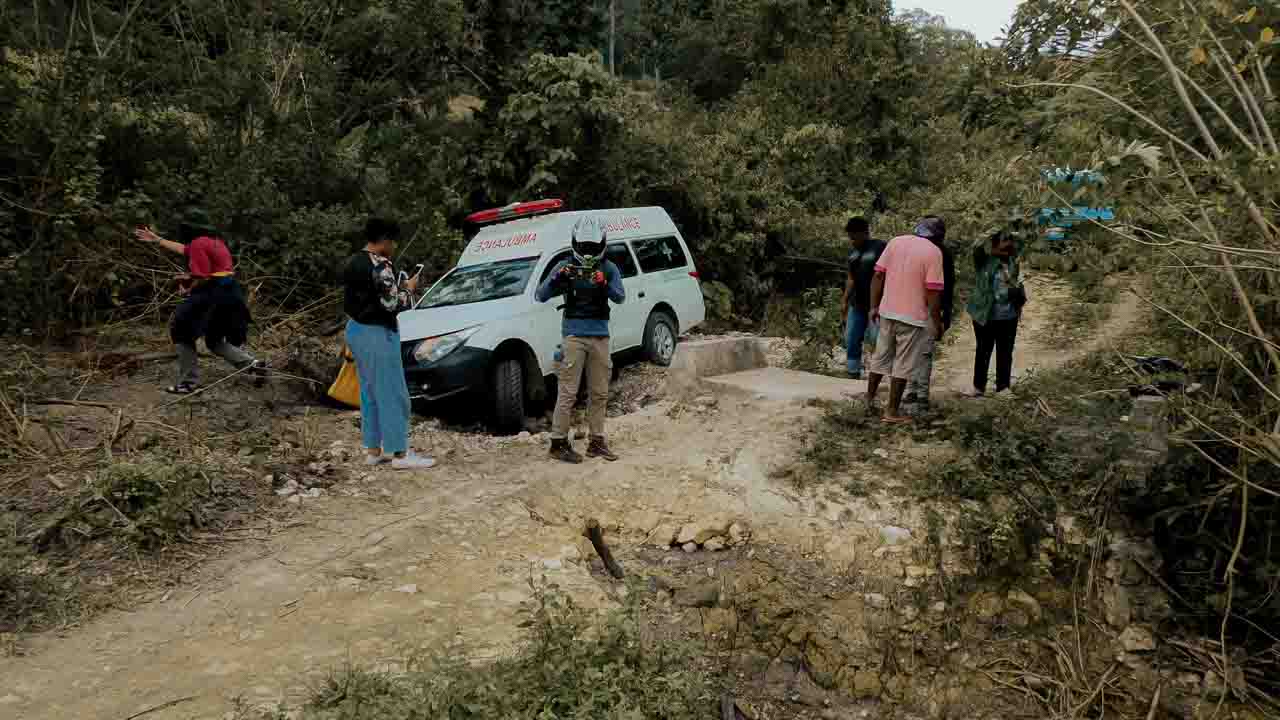
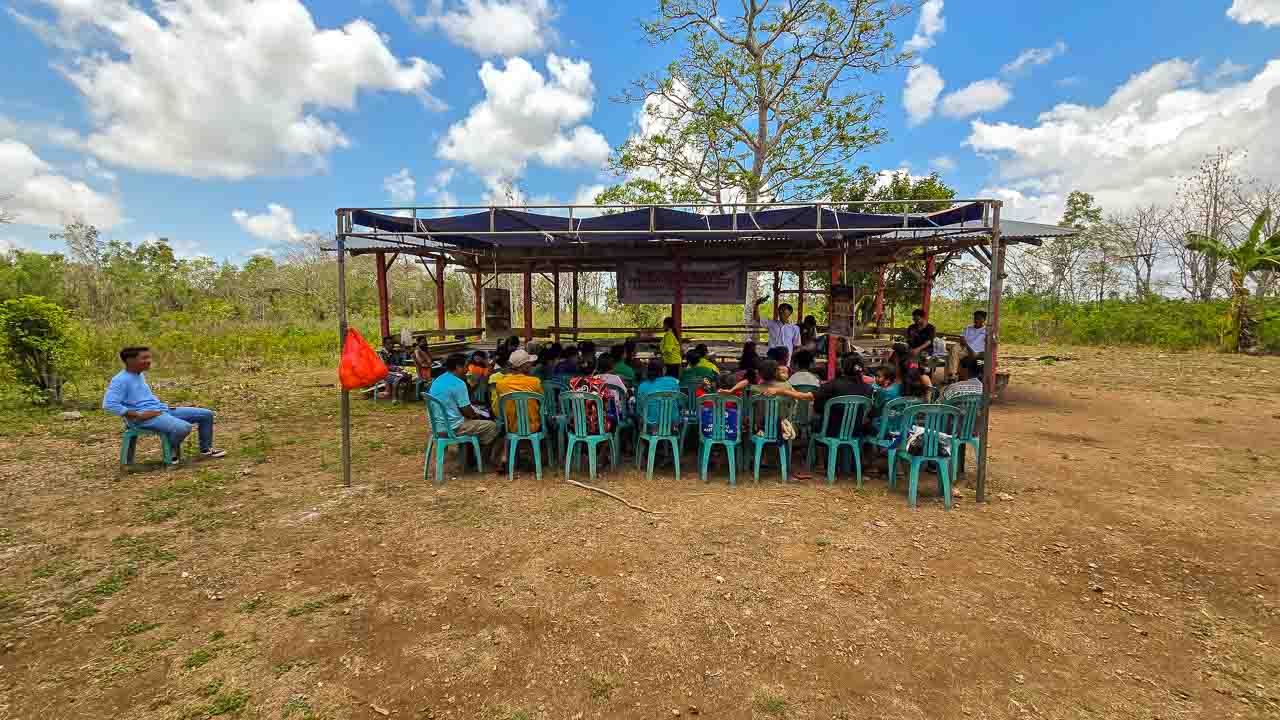
This normalisation has causes, and responsibility must be named. Health facilities are too far away. Roads are absent or dangerous. Transport is expensive or impossible. Medicines are missing. Trained staff are too few. Health education remains weak or absent. Families are not always taught how infection spreads, why clean water matters, or when a child, a pregnant woman or a patient with fever must be referred urgently. Local authorities know these realities, but action is too often late or disconnected from village life. Prevention cannot remain a slogan in an office. It must reach kitchens, schools, wells and homes. When education fails, people do not freely choose risk. They are left inside it.
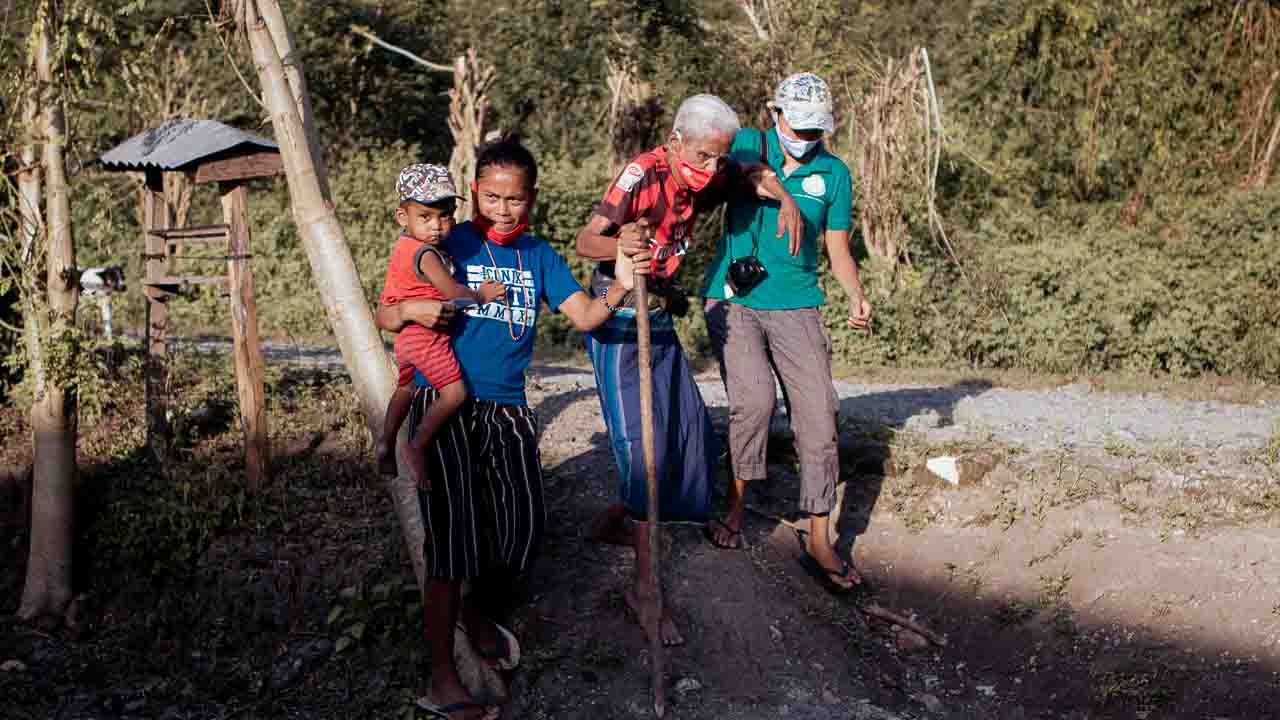
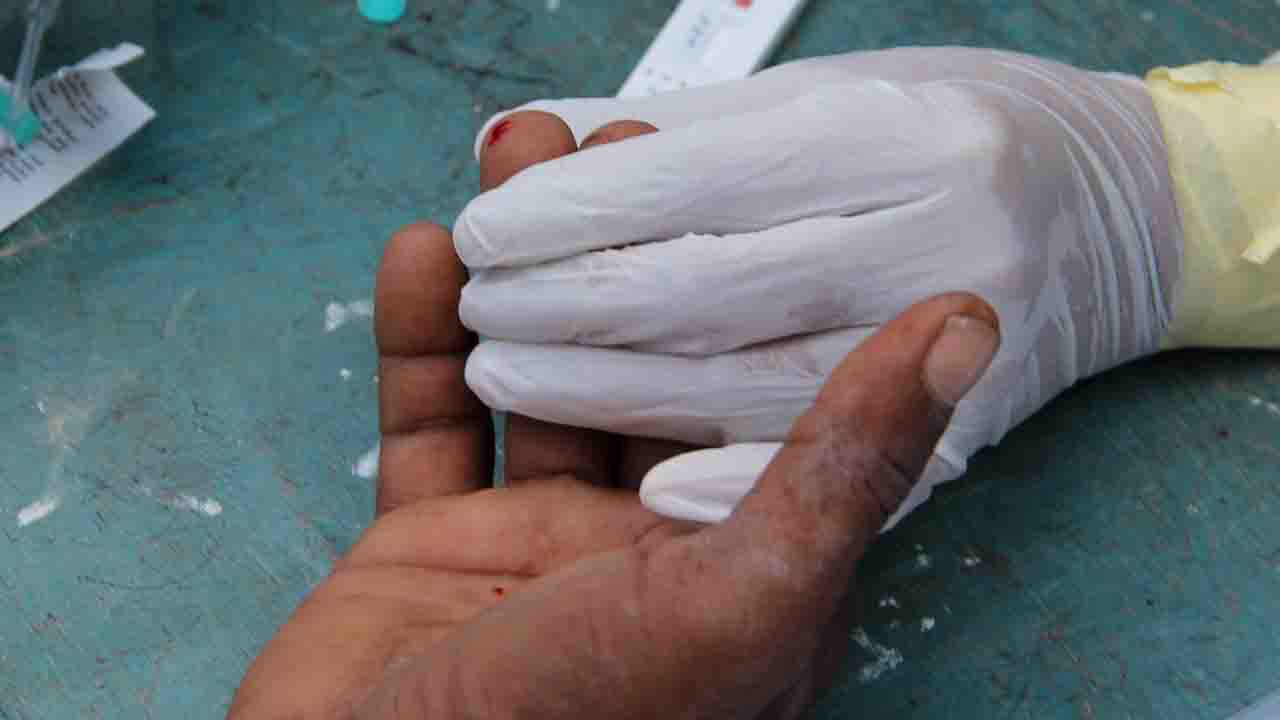
This is where Fair Future Foundation works every day. Our response is medical first, but never medical alone. Through Primary Medical Care, Kawan Sehat health agents bring care and early warning where no doctor is present. Through Kawan Against Malaria, we test, prevent and collect field data, because malaria is preventable only when action reaches the house and the patient. Through Water Connections, we build reservoirs and filtration systems for unsafe water. Through the Truck of Life and our logistics work, we bring medicines, microscopes, solar lights, medical equipment, posters and trained hands into forgotten places.
The question is simple: what are we willing to accept? Elsewhere, a child left for months with an untreated burn, a woman giving birth without support, or a patient dying from a preventable infection would be called unacceptable. Here, too often, it is absorbed into silence. This must change. Preventable suffering is not a remote-village destiny and not the price of poverty. It is the result of weak access, prevention, education and responsibility. Access to care, clean water, health knowledge and early treatment are the minimum. Until they reach the last village, we have no right to call this normal.
Today, the 4th of May 2026 | Alex Wettstein
In Short – When Silence Becomes a Diagnosis
In the villages where we work, illness is often treated too late because families have learned to wait. Not because they do not care, but because care is too far away. This article names that silence. It reminds us that early treatment, clean water and health education are not privileges. They are the beginning of dignity.
Preventable Suffering, Real Care in the Last Villages
List of Related Organisations with Hyperlinks
- WHO’s primary health care supports the need for early, local and continuous care close to where people live.
- WHO sepsis guidance explains why untreated infection must be recognized early before organ failure begins.
- WHO drinking water links safe water with infection prevention, hygiene and lower disease burden.
- WHO rural health inequities describes the health risks faced by remote communities with weaker services.
- WHO malaria provides global guidance on prevention, testing and treatment of a preventable disease.
- UNICEF nutrition shows how malnutrition increases vulnerability to infection and poor health outcomes.
- CDC dengue provides clinical information on warning signs and prevention of mosquito-borne disease.
- IFRC community health highlights the role of local prevention, education and community-based response.