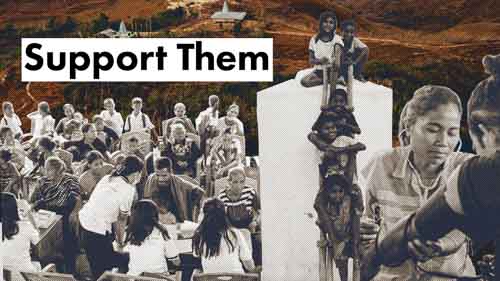



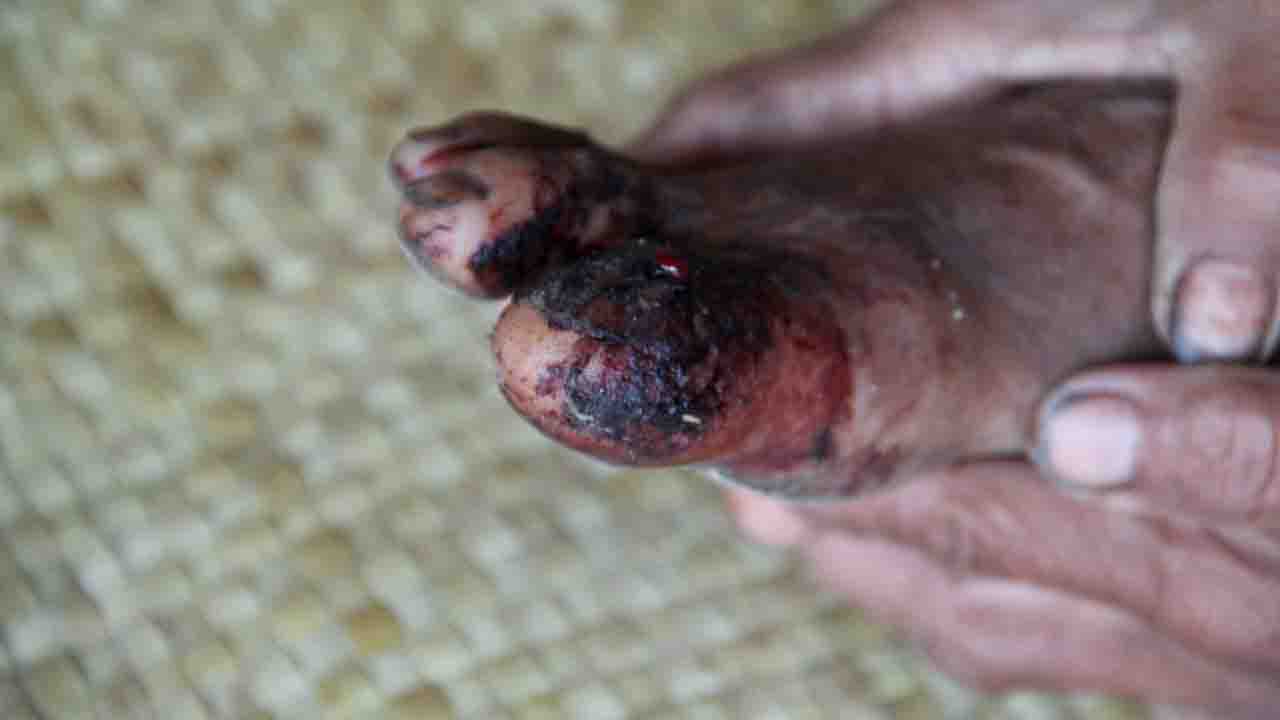
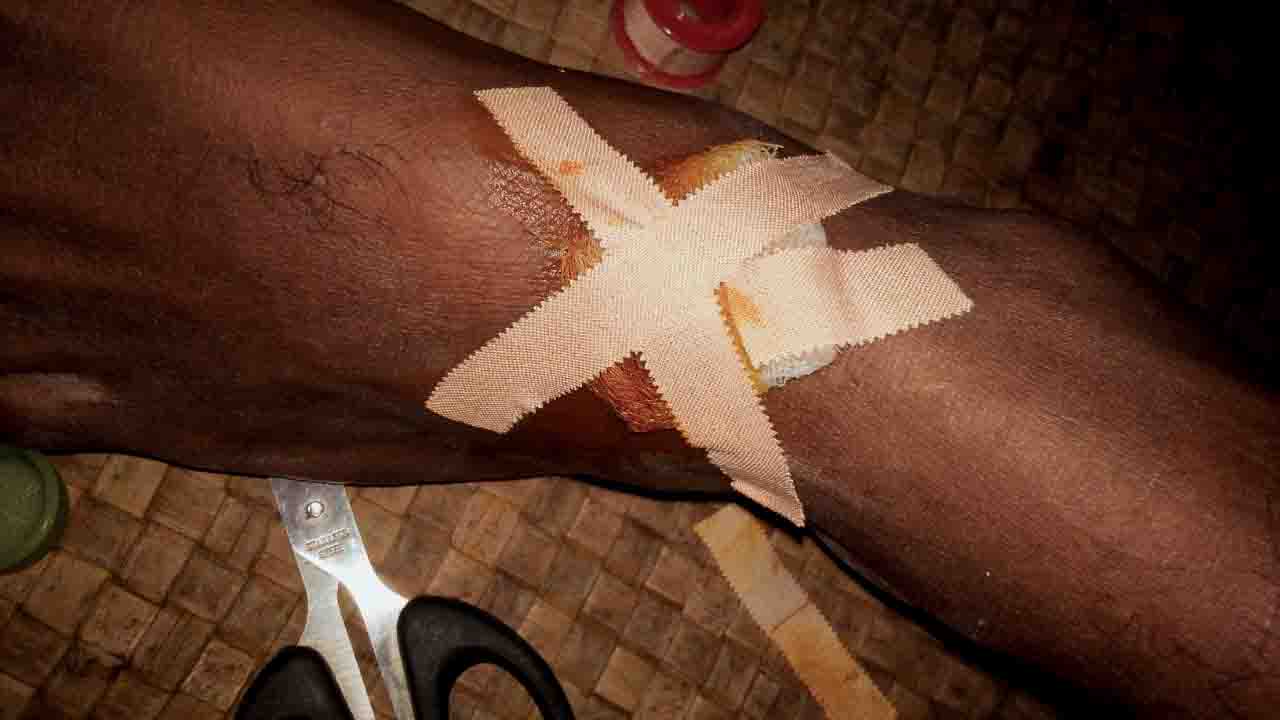
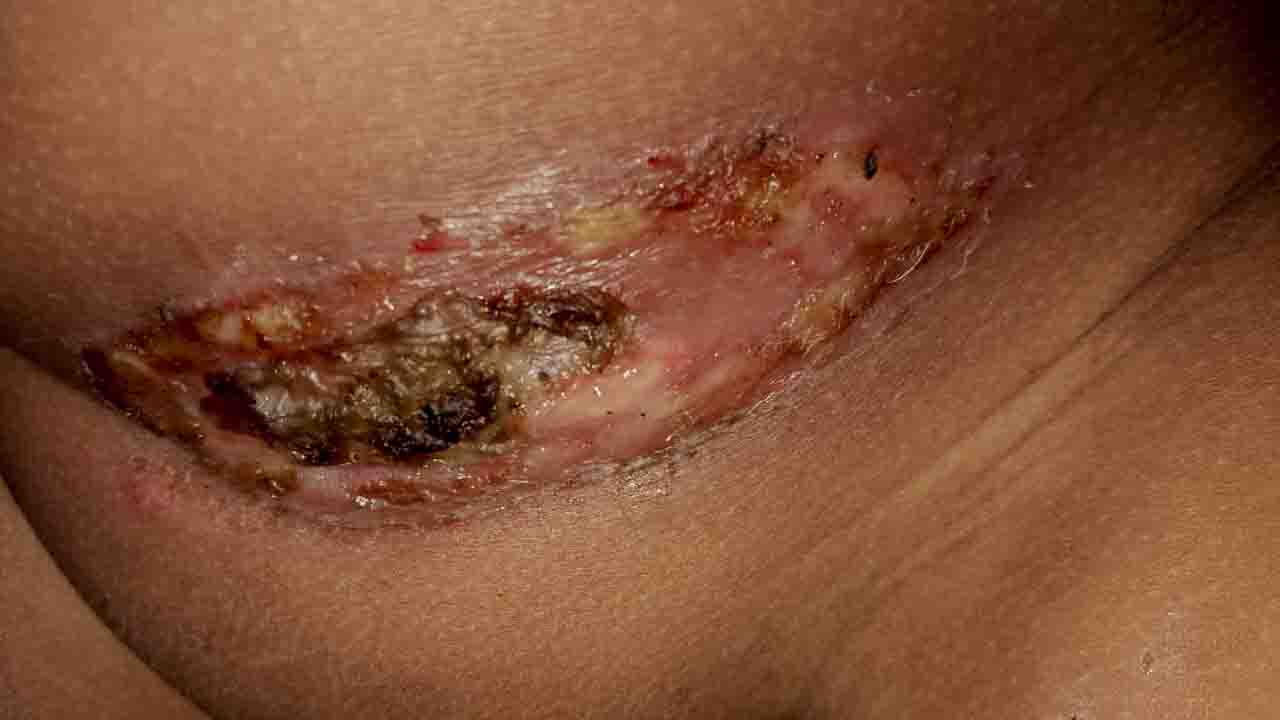
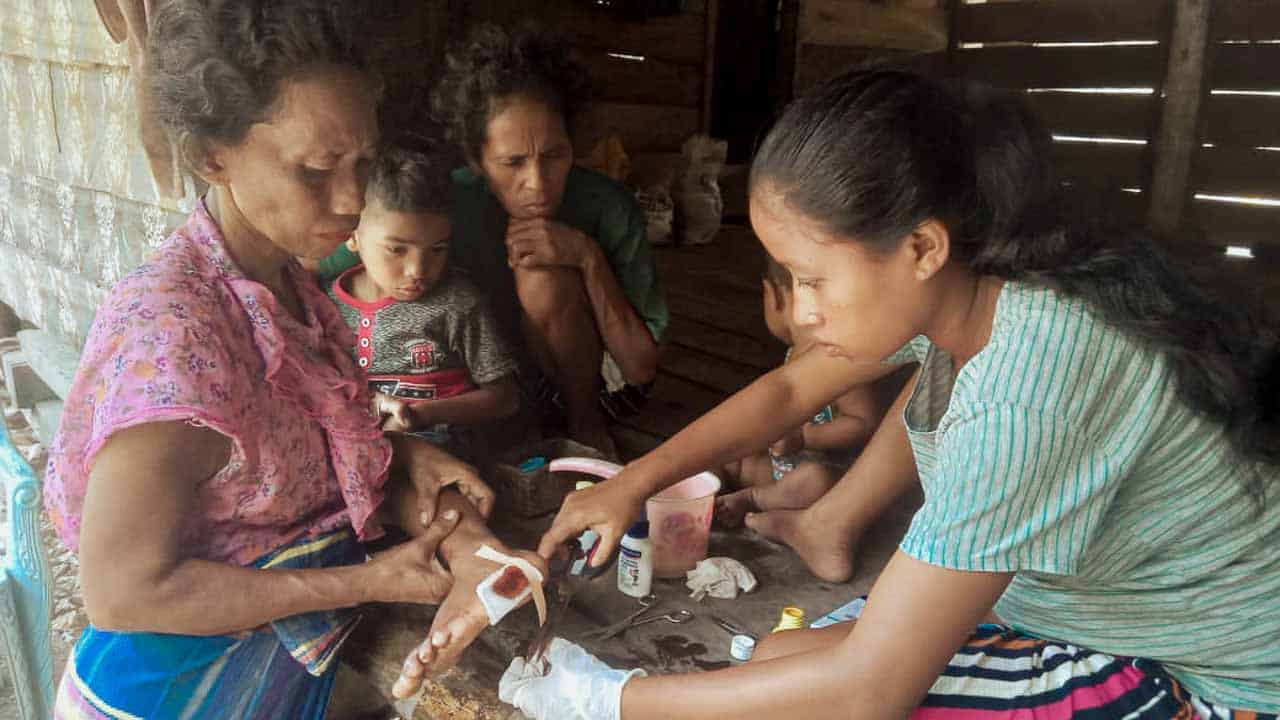
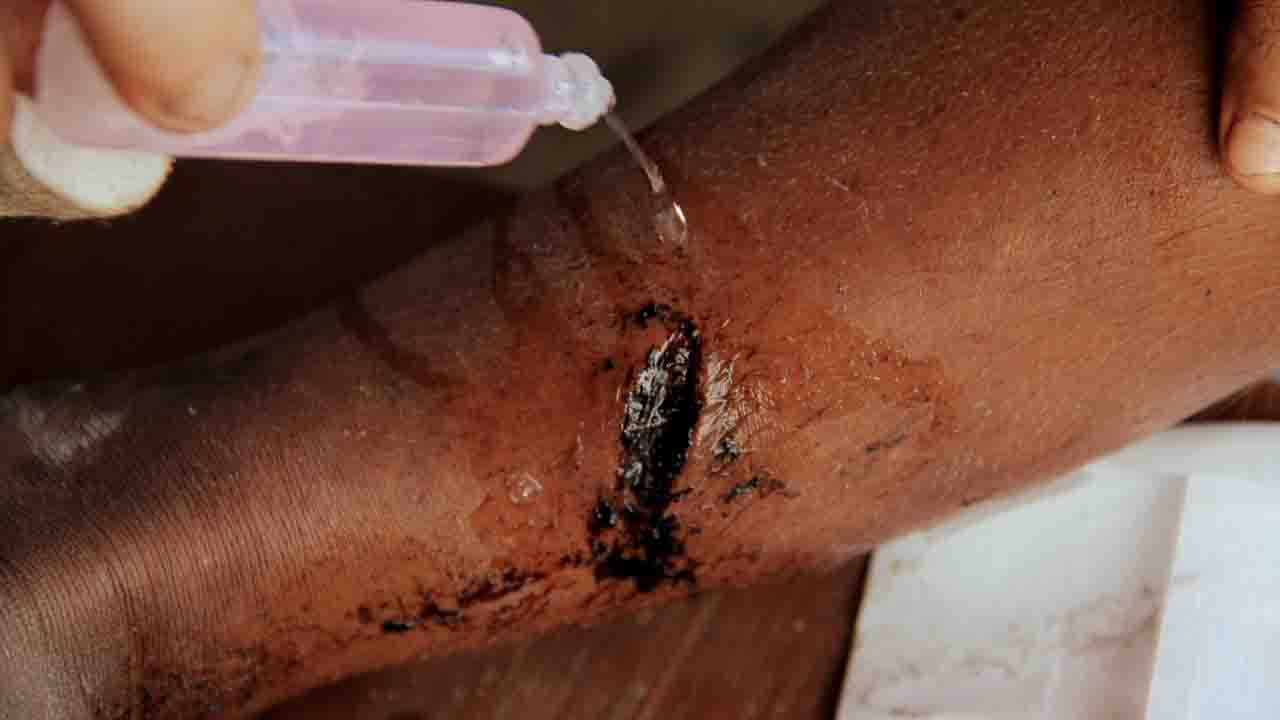
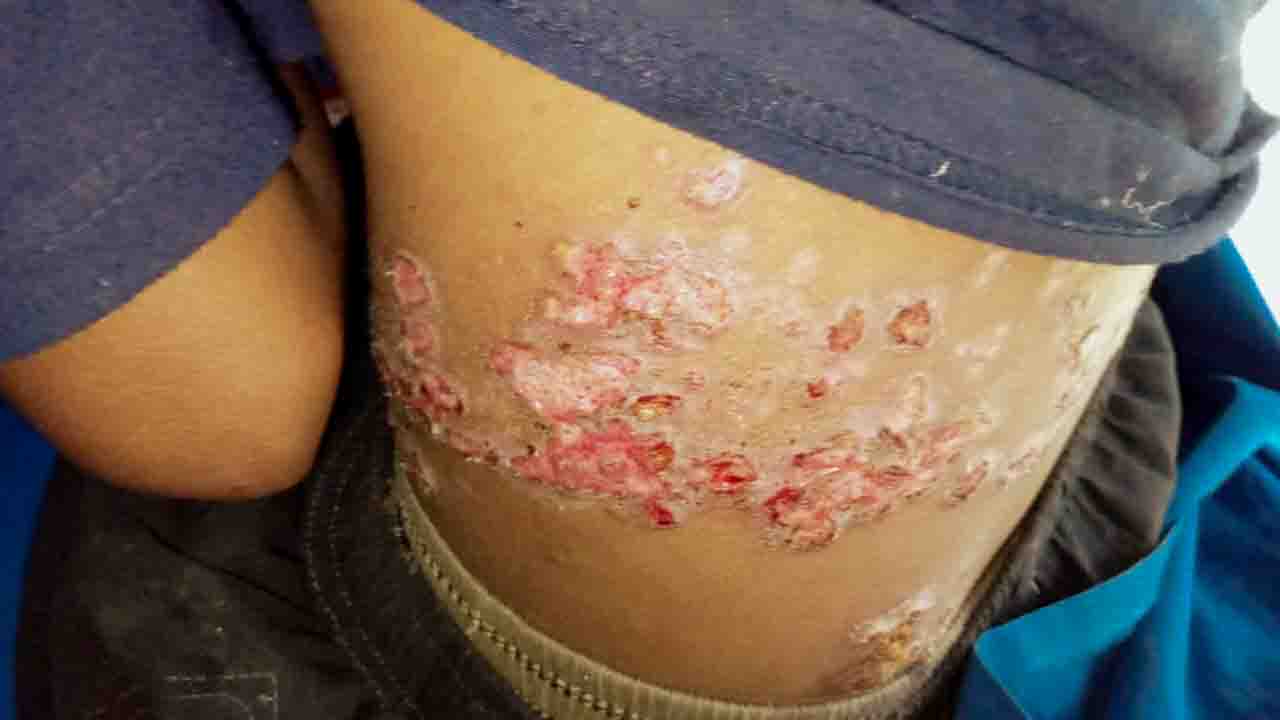
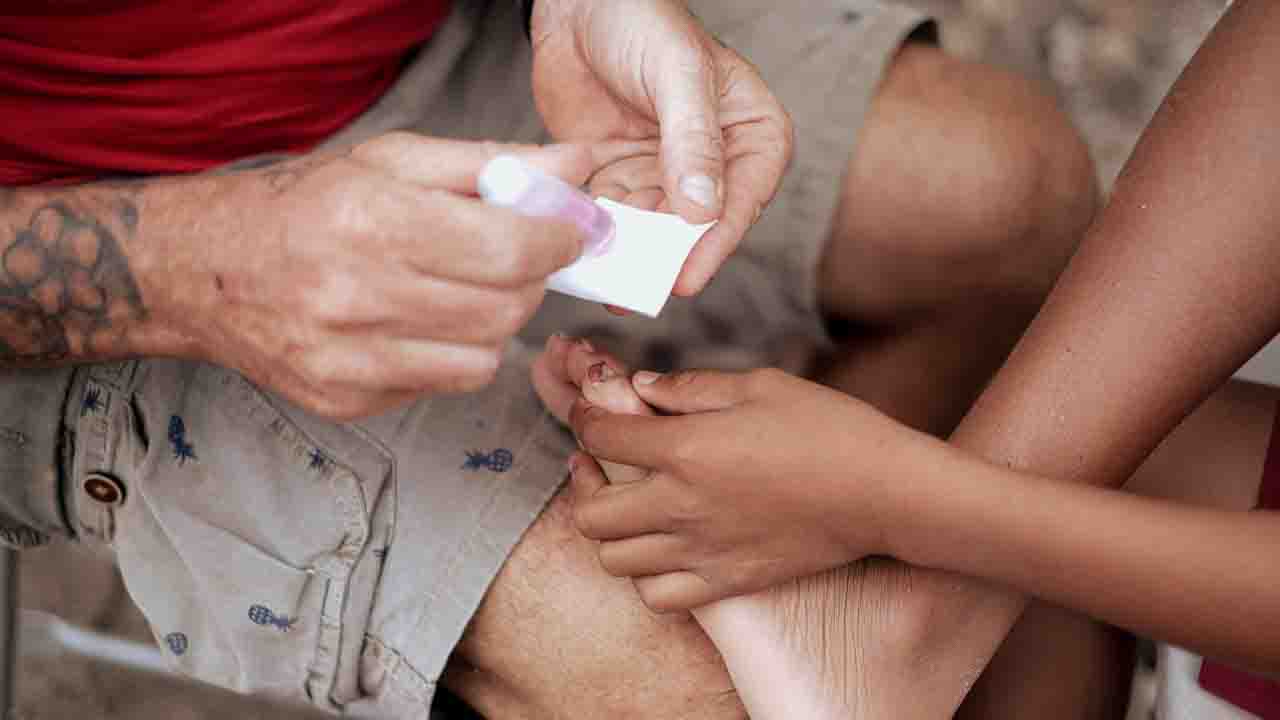
A wound treated late in a remote setting can become the starting point of severe infection, sepsis, and preventable death.
Sepsis in Rural Indonesia: Understanding How Preventable Infections Become Fatal
Sepsis is more than just an infection. It is a life-threatening condition that occurs when the body’s response to infection becomes dysregulated and starts to damage its own organs. In global public health, it is recognised as a major emergency requiring earlier detection, faster treatment, and stronger prevention measures. Yet in remote rural Indonesia, sepsis is seldom named, rarely confirmed, and often goes unrecorded as such. Nonetheless, it still claims lives. WHO defines sepsis as a life-threatening condition linked to organ dysfunction, shock, and death when it is not recognised and treated early.
In places such as East Sumba, the scenario is painfully familiar. A wound is left untreated. A child with pneumonia breathes faster during the night. Diarrhoea causes dehydration. A postpartum infection is overlooked. A newborn stops feeding. Malaria or dengue progresses without proper monitoring. What begins as a common and often treatable illness can, after days of delay, develop into a severe infection, organ failure, shock, confusion, hypoxia, and death. This clinical reality is precisely what is described in Fair Future Foundation’s current field preparation document for its East Sumba Sepsis Prevention and Early Detection Project. It also echoes what we have already described in our article on unsafe water and childhood diarrhoeal disease and in our work on dengue in rural Indonesia.
This is why the new study is significant and how it differs from the article we published on sepsis prevention in rural Indonesia. The new work focuses on the pathway: how families experience infection from the first symptoms to the moment when the illness becomes frightening, severe, or fatal. The questionnaire is designed for real villages, real households, and real memories. It does not ask people to define “septicemia.” Instead, it asks what they saw: high fever, confusion, inability to stand, breathing difficulties, convulsions, little urine, infected wounds, failed referrals, and delayed care. This reflects the way sepsis is approached in public health: not only as a hospital diagnosis, but as a time-critical complication of infection that requires prevention, early recognition, and rapid care.
Using household surveys, symptom-based interviews, and community-level data, the study aims to identify early warning signs, delays in seeking help, barriers to referral, environmental and social risk factors, and the role of community health agents in early detection. It is centred on how illness develops in daily life: distance, lack of transport, weather-blocking roads, lack of money, delayed family decisions, absence of triage, and limited access to antibiotics, oxygen, IV fluids, laboratory support, or even basic assessment. These are the same structural realities we have described in Health Systems Stop Before the Village, The Hidden Cost of Delay in Rural Medicine, and Health Without Infrastructure Is Fiction. WHO’s current work on clinical care for sepsis underlines the same urgency, especially in low-resource settings where treatment delays are often fatal.
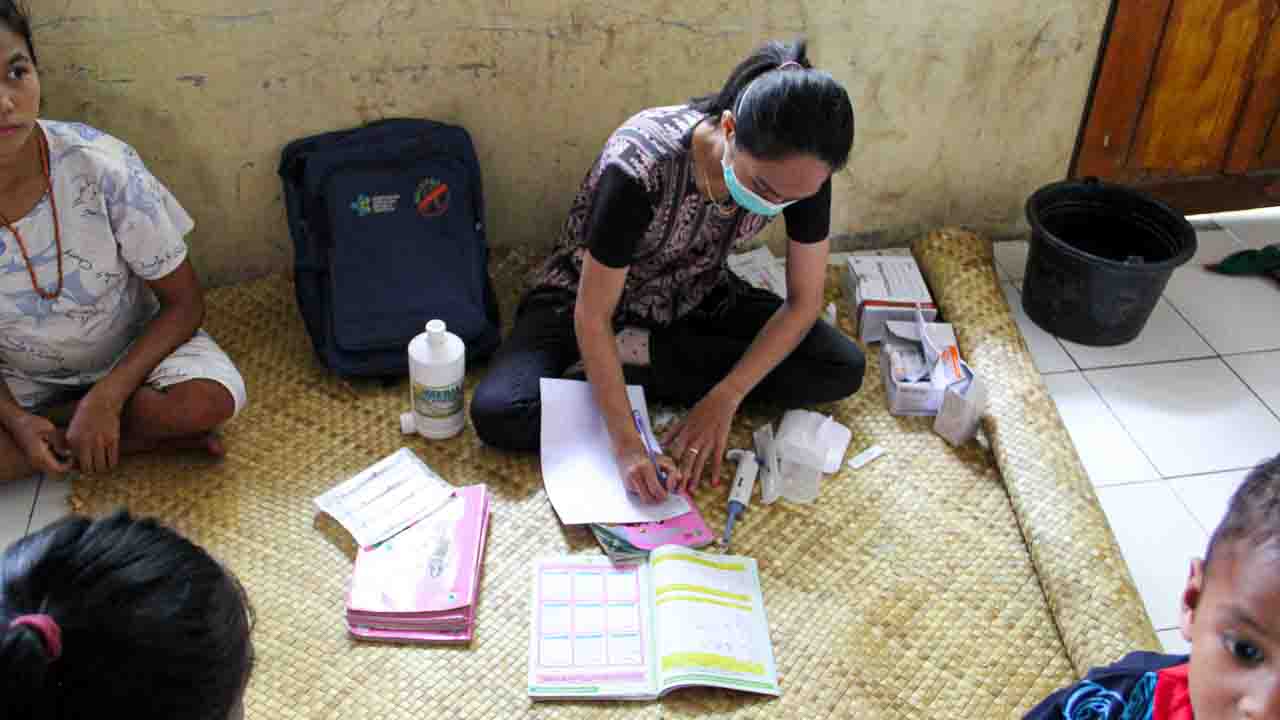
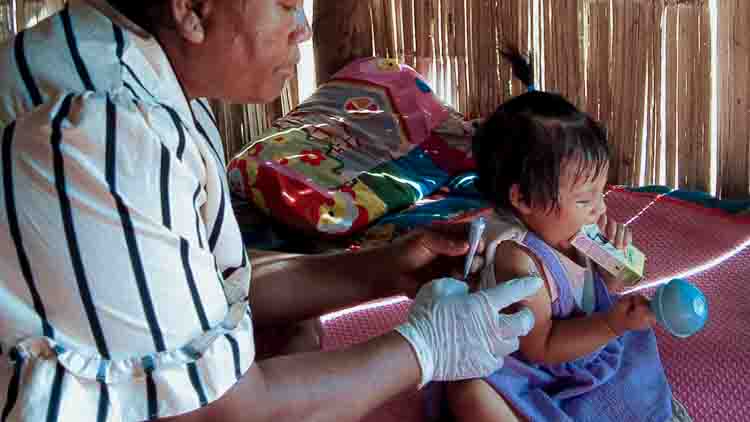
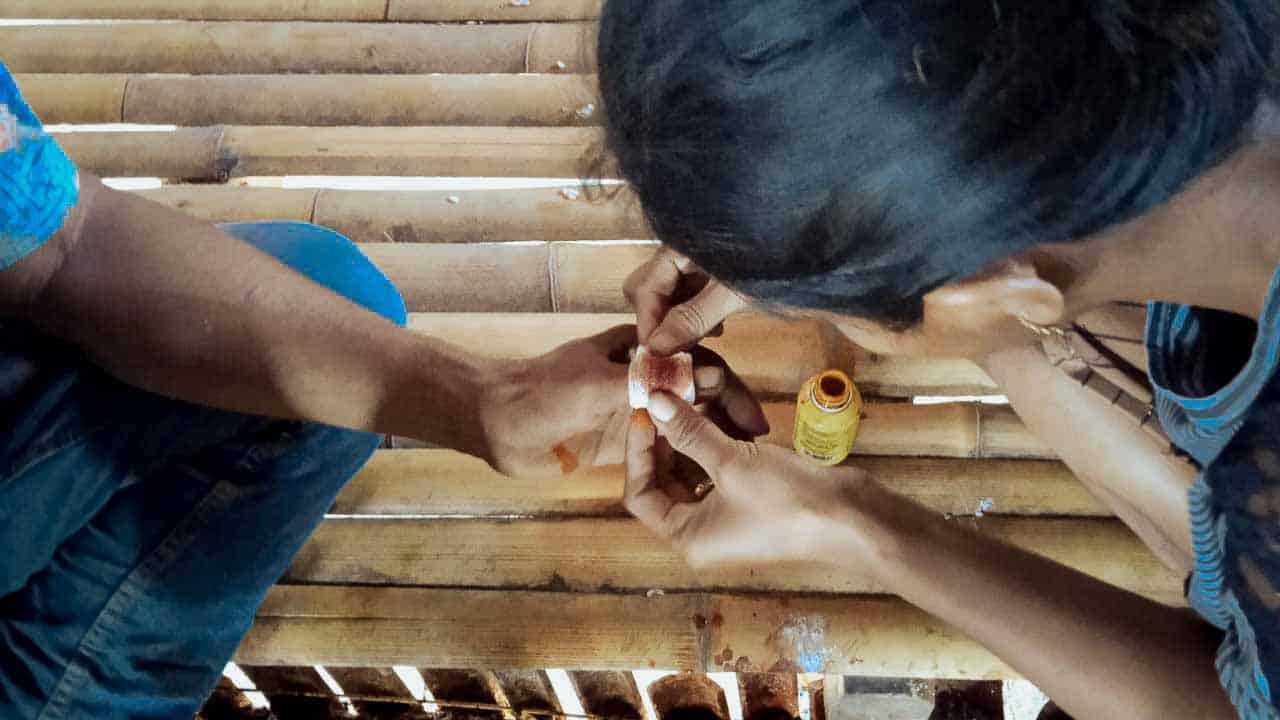
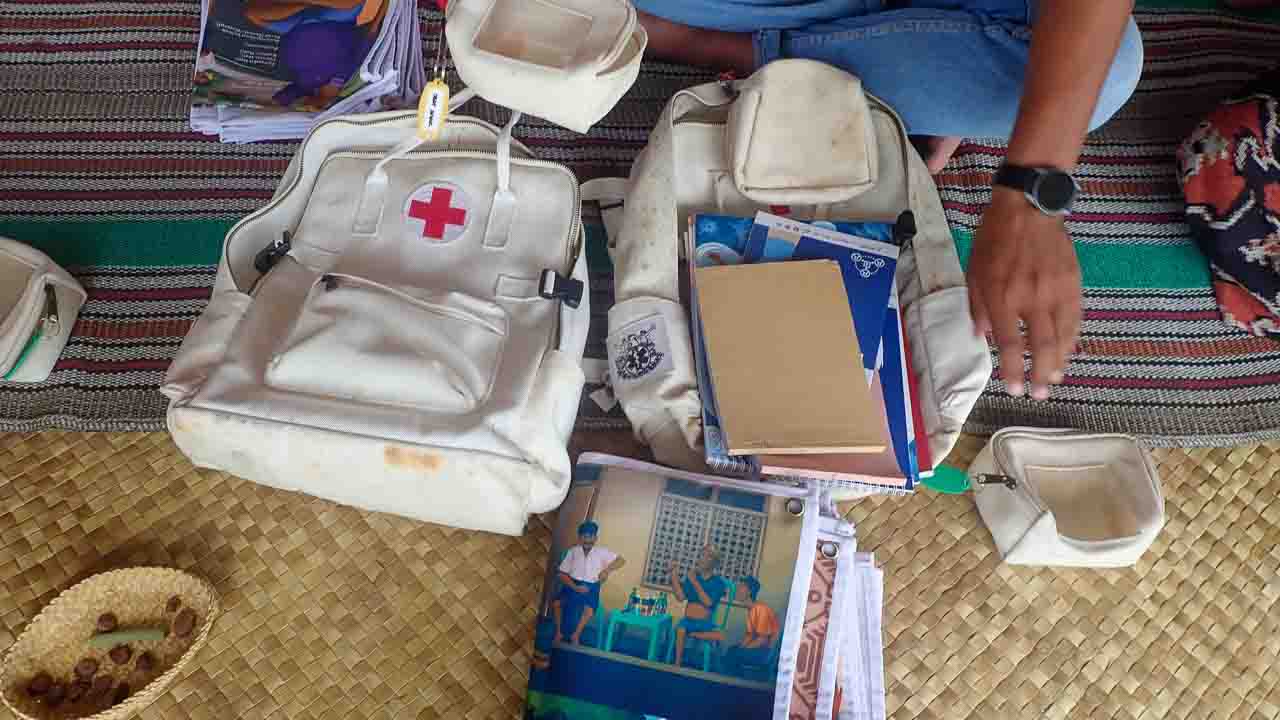
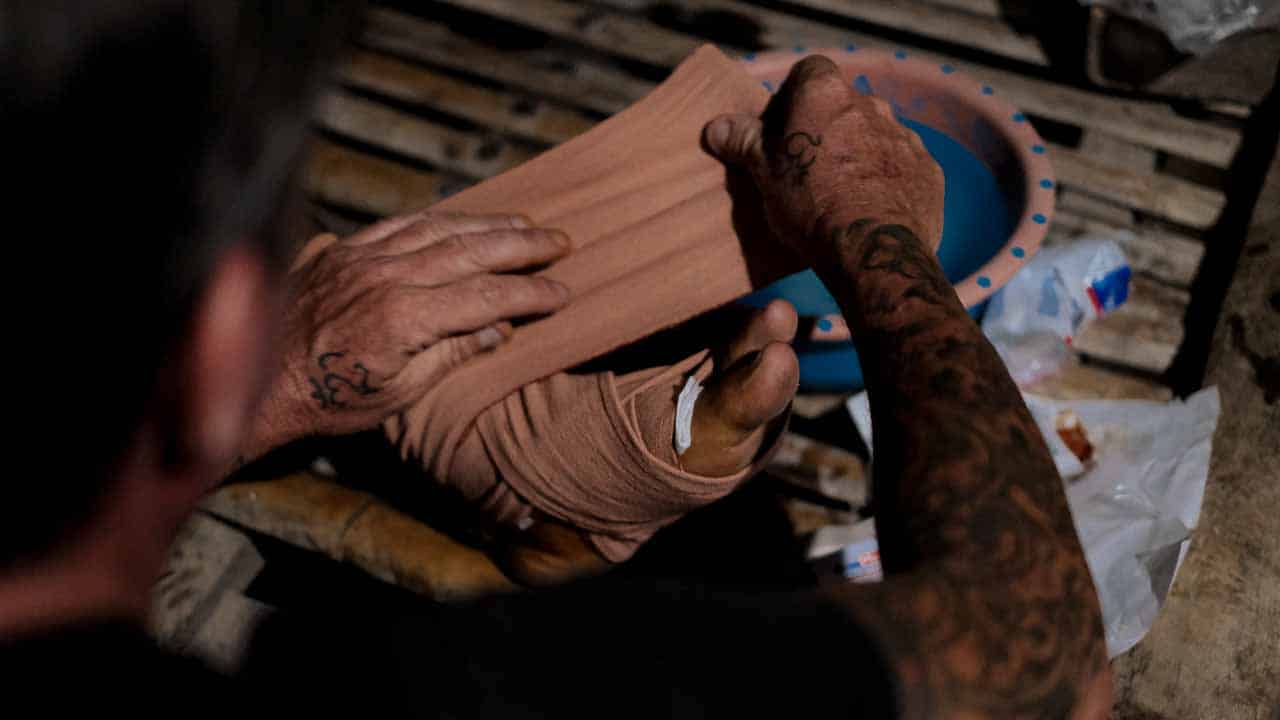
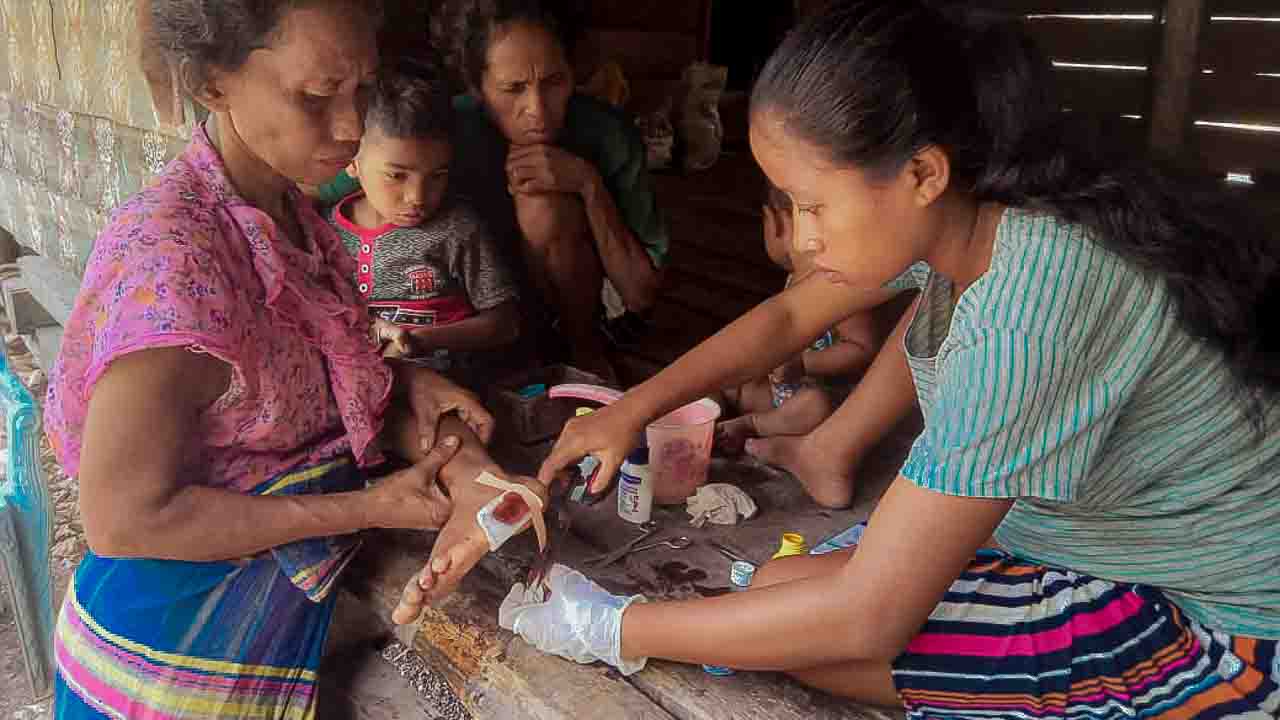
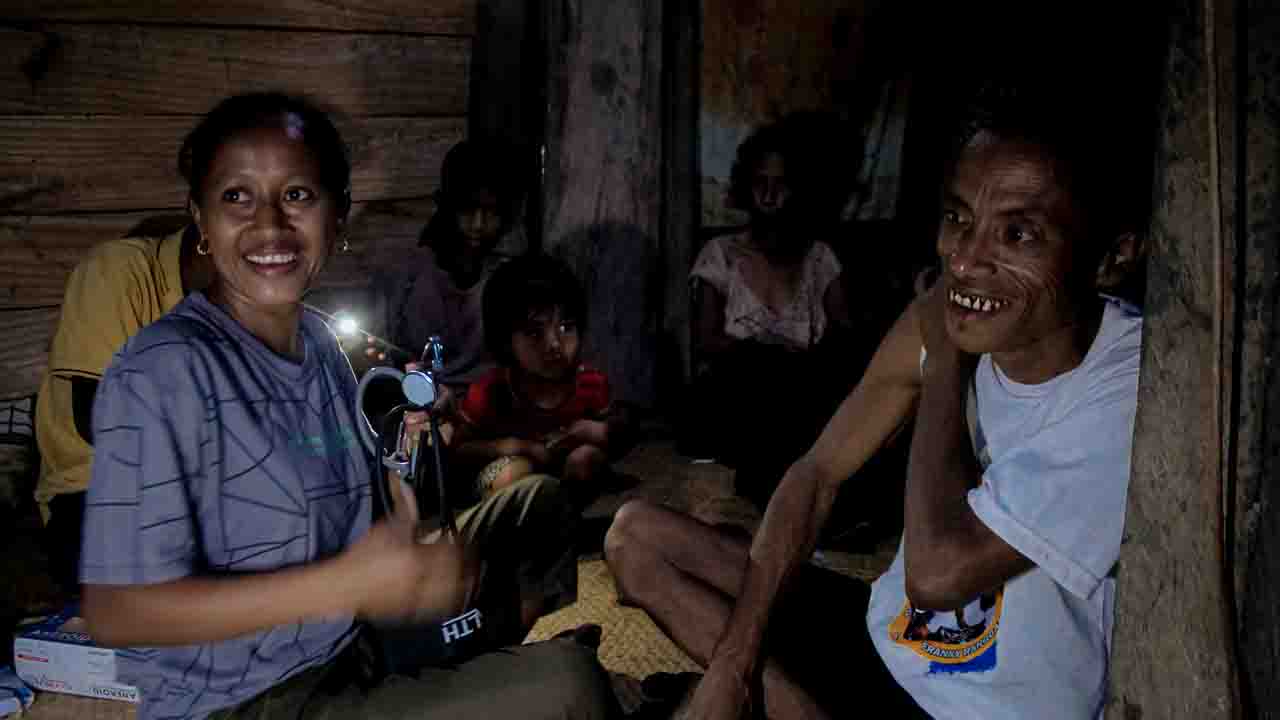
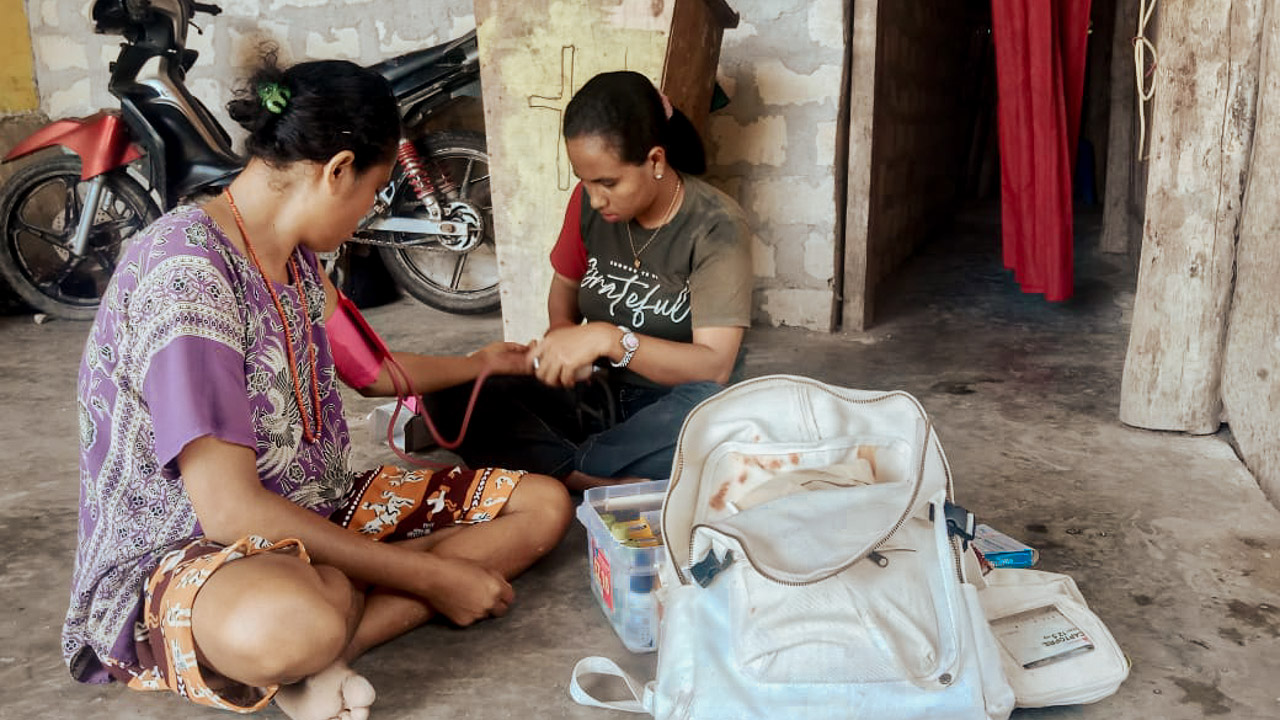
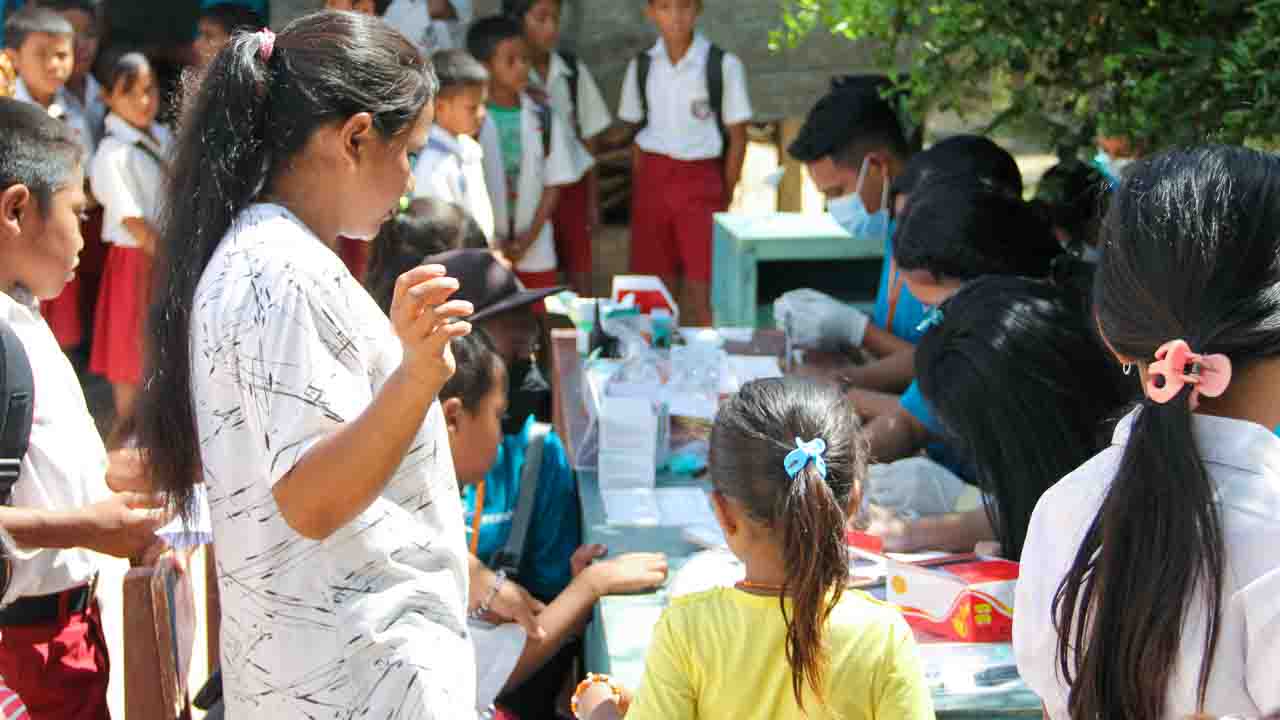
In this context, the Primary Medical Care programme and the Kawan Sehat health agents are not peripheral. They are often the first clinical eyes to recognise danger early. They clean wounds before they become invasive infections, identify fever patterns, spot maternal and newborn warning signs, advise urgent referrals, and support families to act before collapse occurs. That matters enormously in places where formal care is many hours away. For mothers and babies, this is especially critical: WHO highlights maternal and neonatal sepsis as highly preventable yet still deadly, while WHO guidance on newborn infections stresses that survival depends on early recognition, timely care-seeking, and appropriate antibiotics. This is also why community-based action, described in Community Health Brokers as the Health System, remains so important.
The public health message is simple but challenging. Most deaths from sepsis in rural environments could be prevented. They are avoidable. Earlier detection, strengthened community-based care, improved health education, prompt referral, and health facilities capable of receiving and stabilising patients are not luxuries. In East Sumba, they are the difference between an infection healing and a life being lost. And if we want to reduce these deaths, we must first understand the real pathways that lead to them, household by household, village by village, before severe infection becomes the final event.
Thank you for reading this article. Today, the 30th of March 2026 | Alex Wettstein
In Short – What this study may finally reveal
In many villages, sepsis is never written on paper, yet families describe the same pathway again and again. This study may become one of the first tools to map how severe infection truly unfolds in ultra-rural East Sumba, from first symptom to probable preventable death.
The First Pathways to Sepsis
List of Related Organisations with Hyperlinks
- World Health Organisation: Global guidance on sepsis, early recognition, and essential emergency care, directly relevant to severe infections in low-resource rural settings.
- WHO Clinical Management of Sepsis: WHO’s work on timely diagnosis, triage, fluids, oxygen, and treatment, all vital for survival when severe infections escalate.
- WHO Maternal and Neonatal Sepsis: Key public health information on maternal and newborn sepsis, highly relevant where childbirth-related infections remain underdetected.
- UNICEF Indonesia: UNICEF supports child survival, WASH, and maternal-neonatal health, all closely linked to infection risk and delayed care pathways.
- CDC Sepsis: Clinical and public health information on warning signs and urgent action, useful for explaining why delays become deadly.
- Global Sepsis Alliance: International advocacy and education platform focused on recognition, prevention, and reduced mortality from sepsis worldwide.
- PATH: PATH works on diagnostics, oxygen, and strengthening frontline health systems, all relevant to survival in remote cases of severe infection.
- The Global Fund: Supports health systems, malaria response, and the delivery of essential care in fragile contexts where severe infections and delayed treatments overlap.