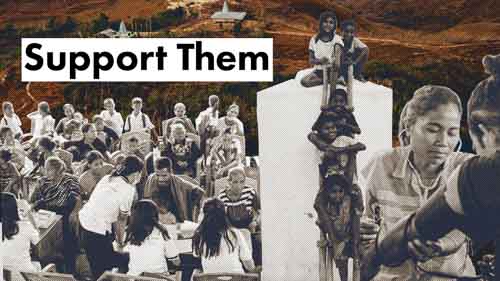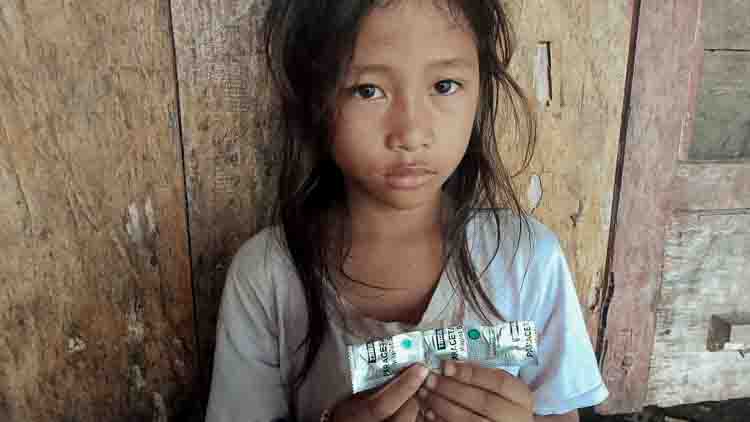



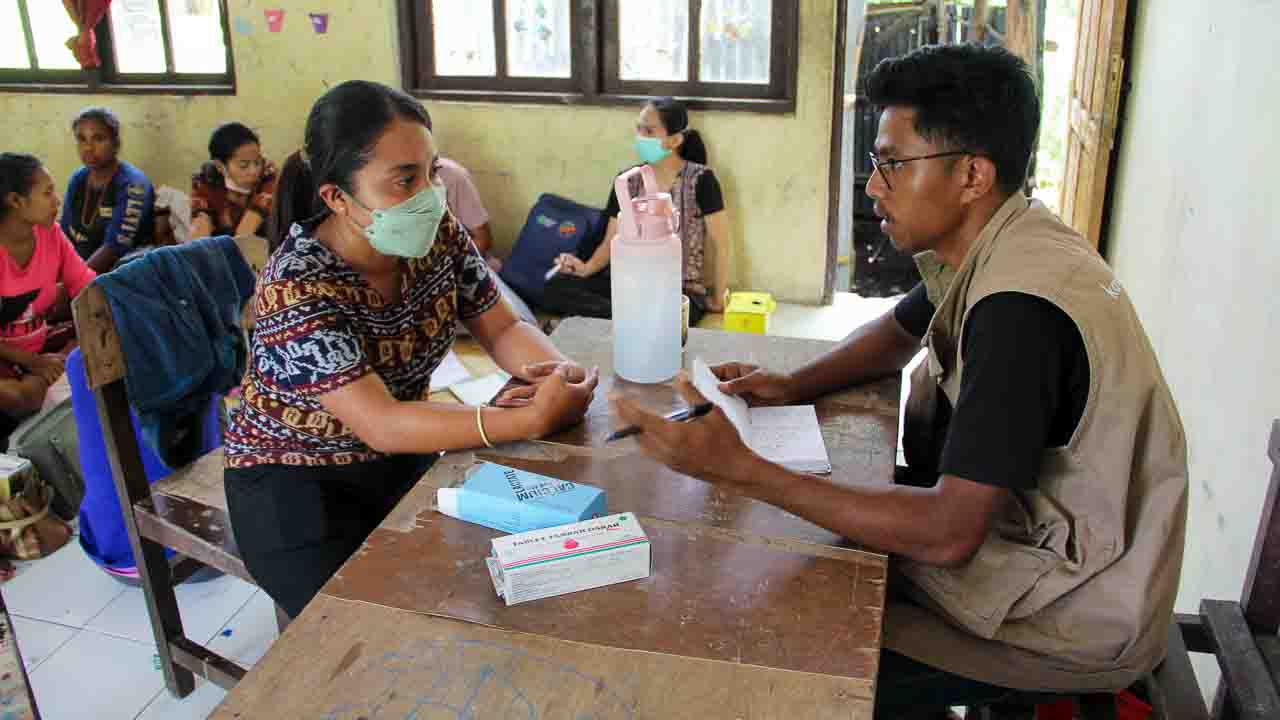
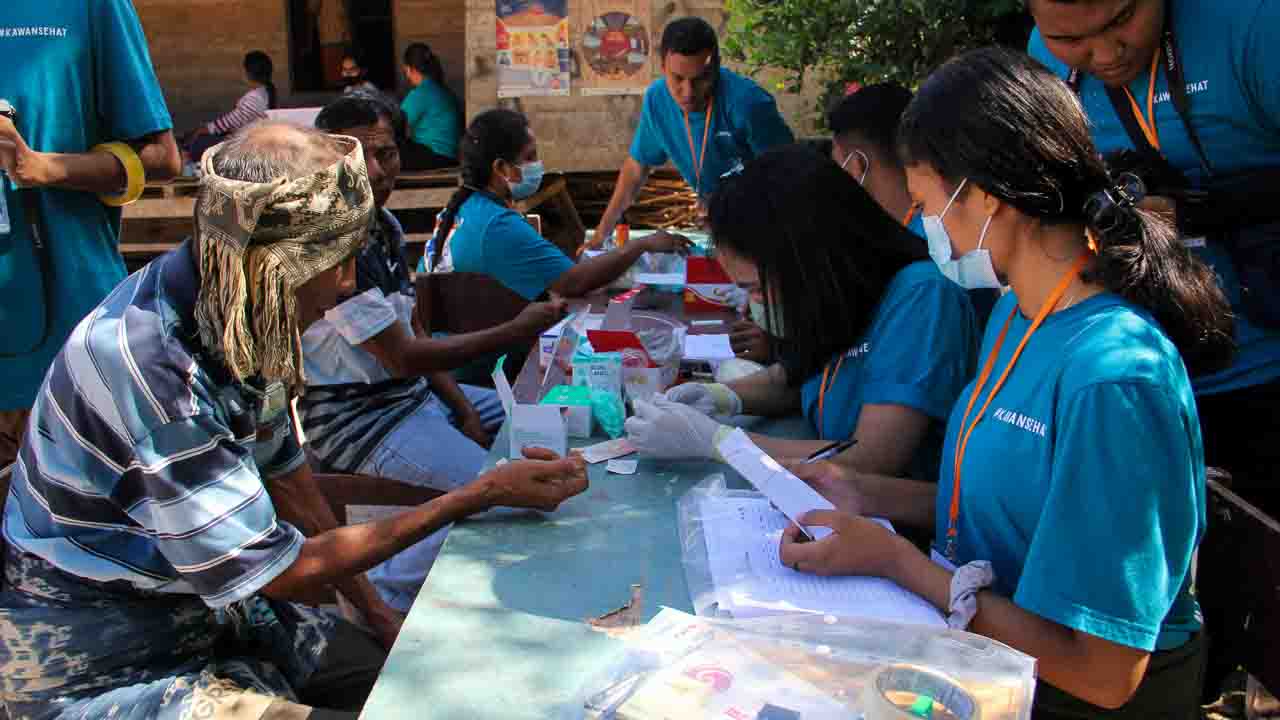
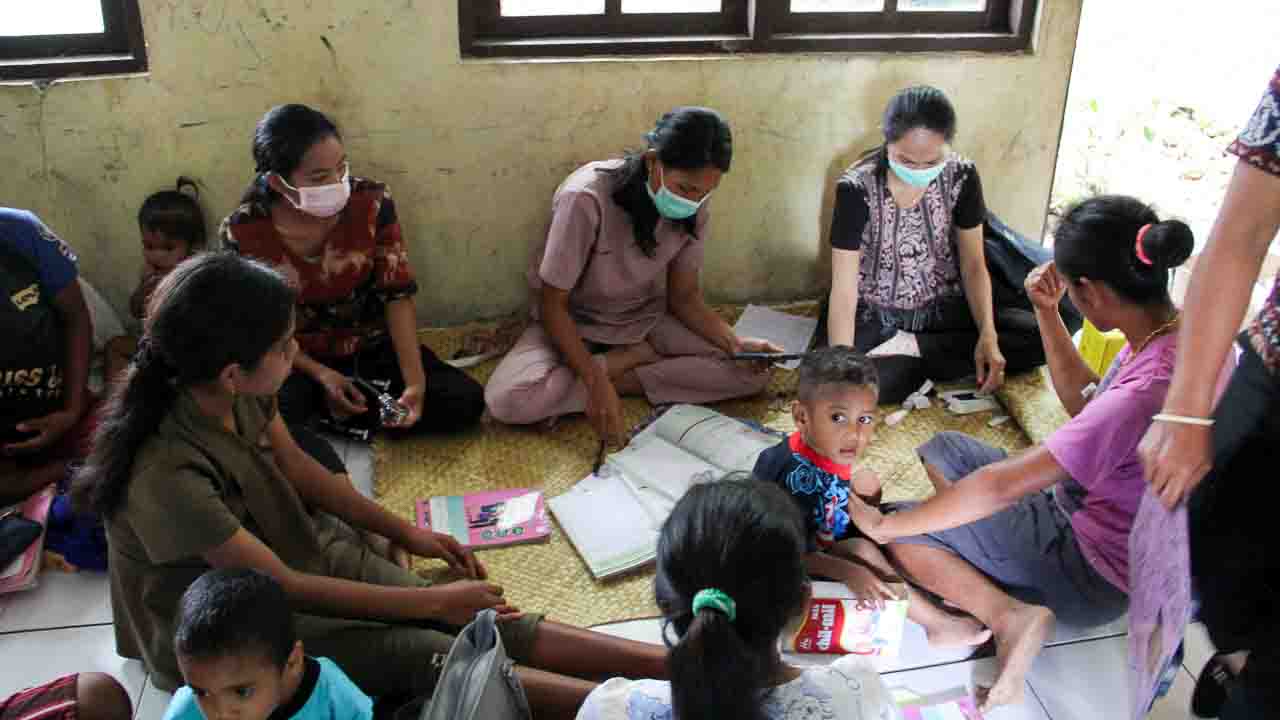
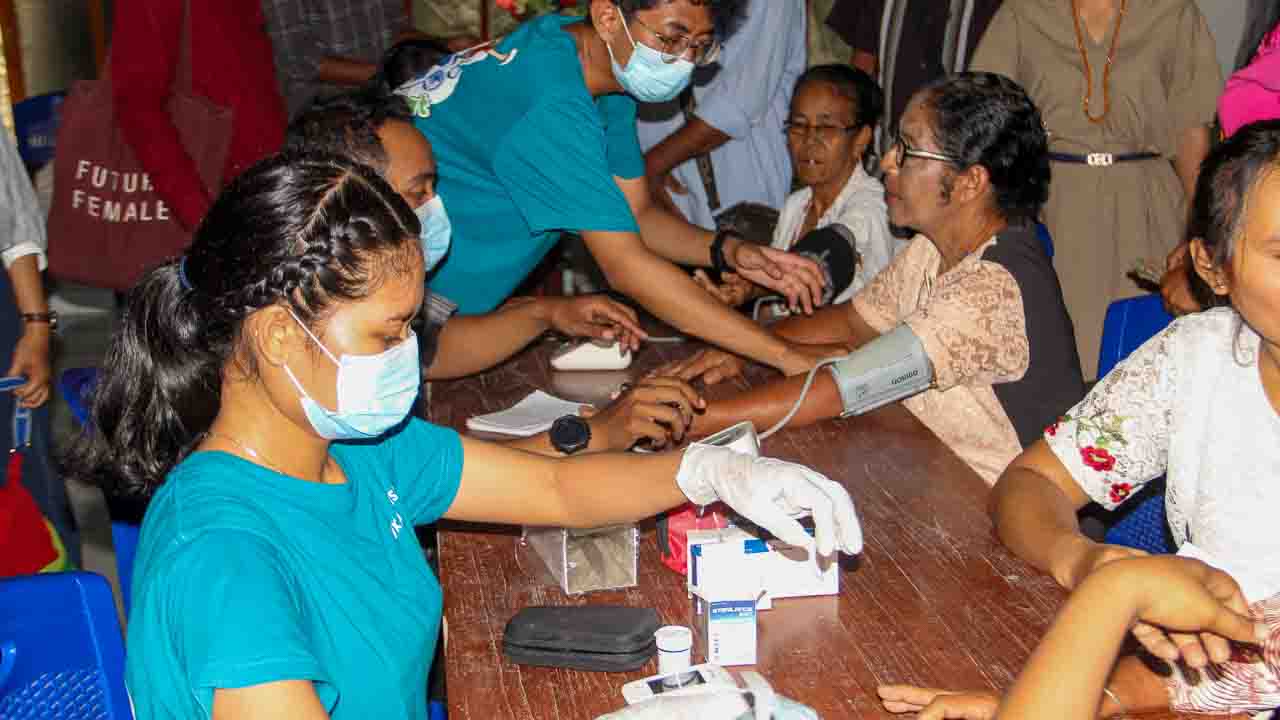
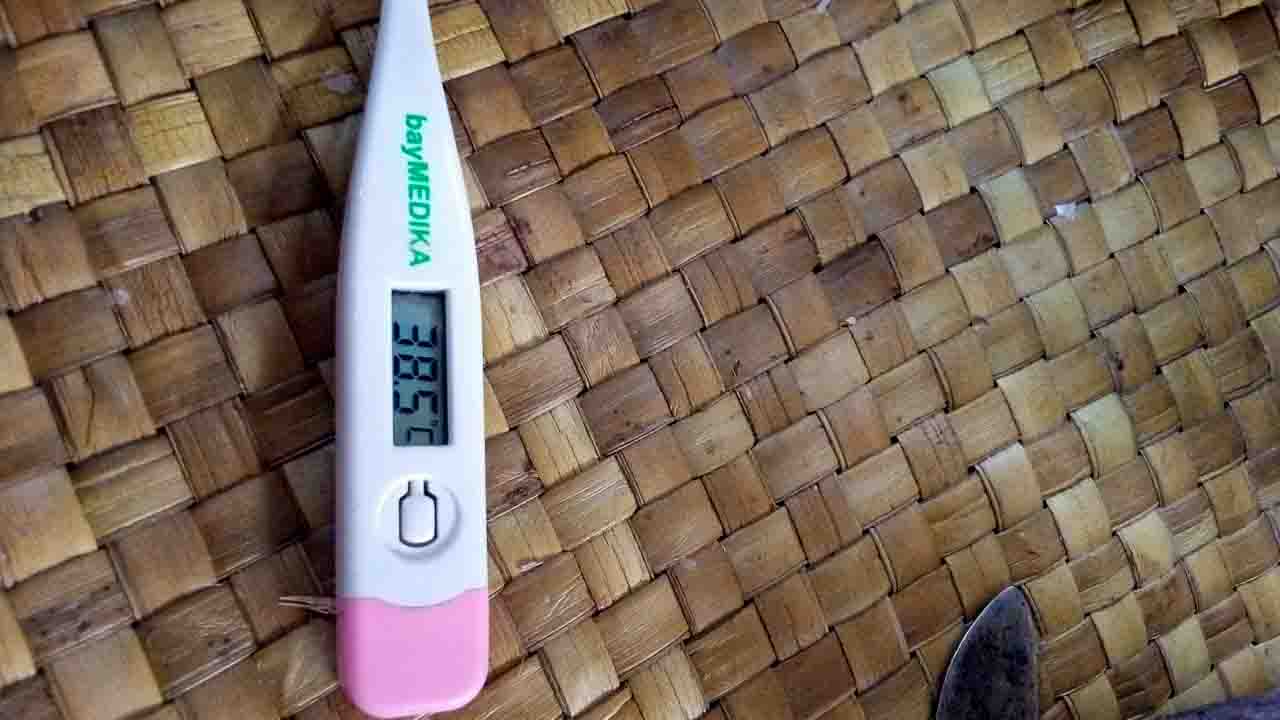
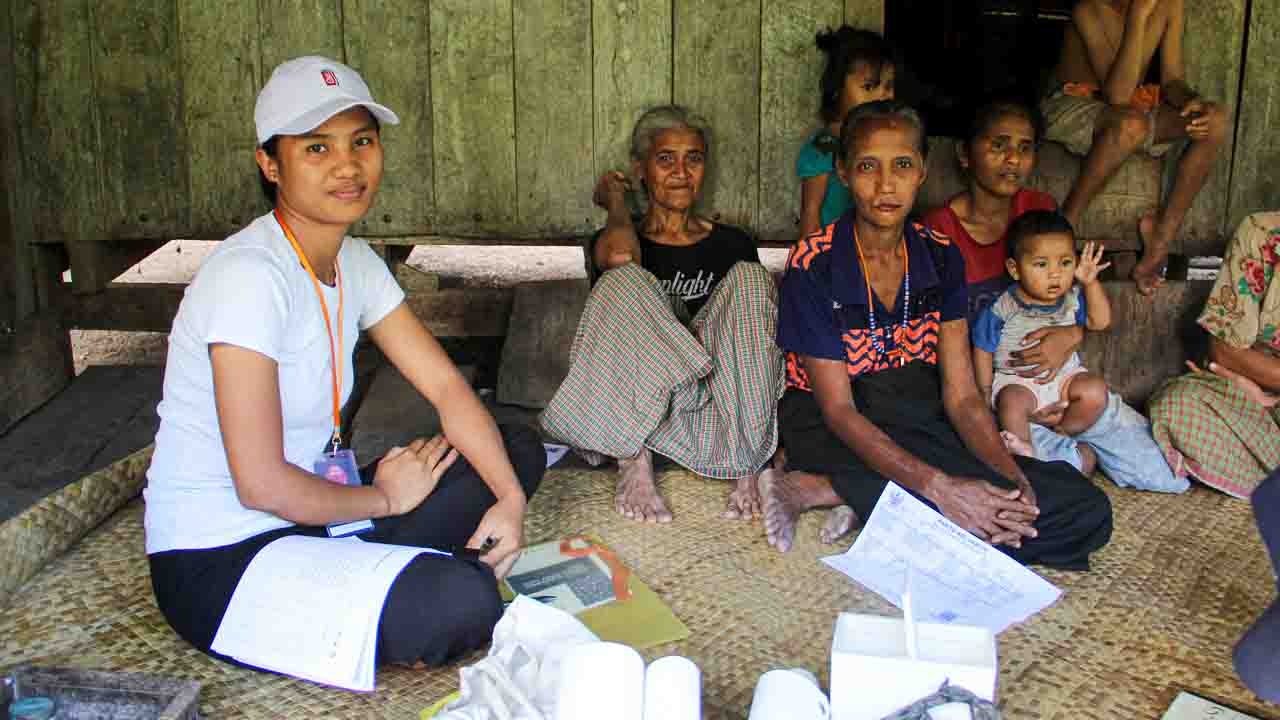
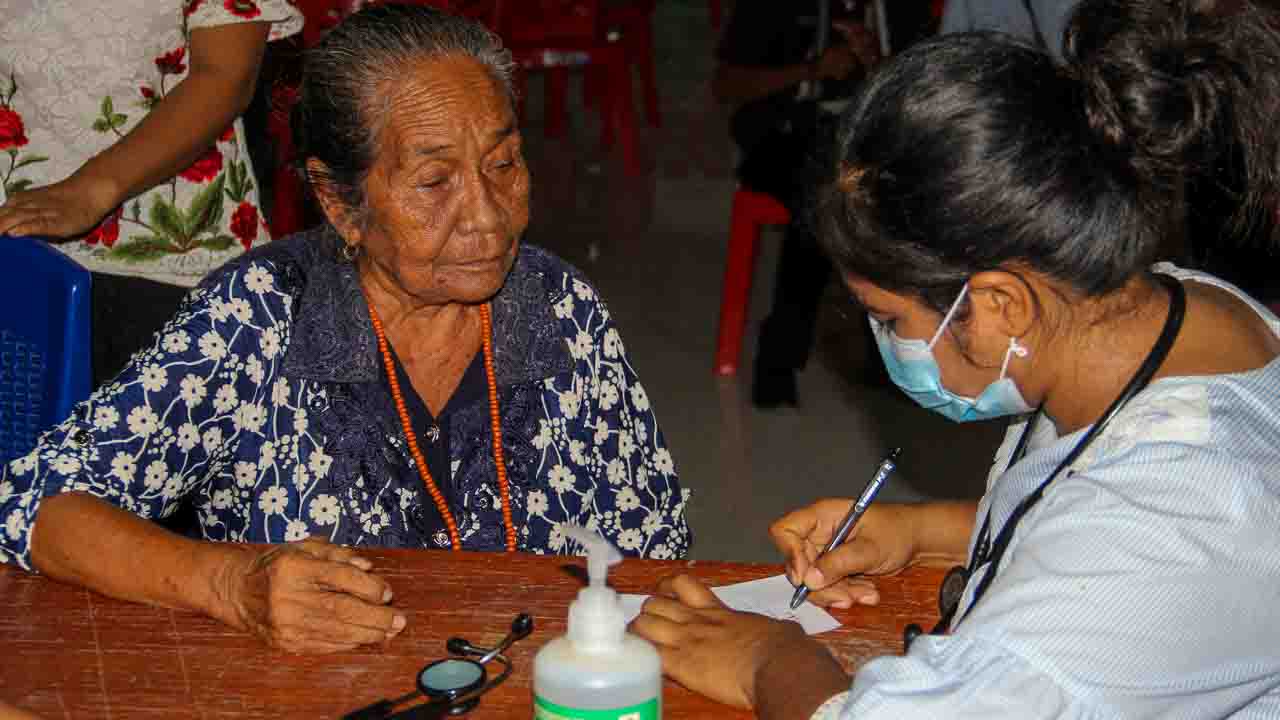
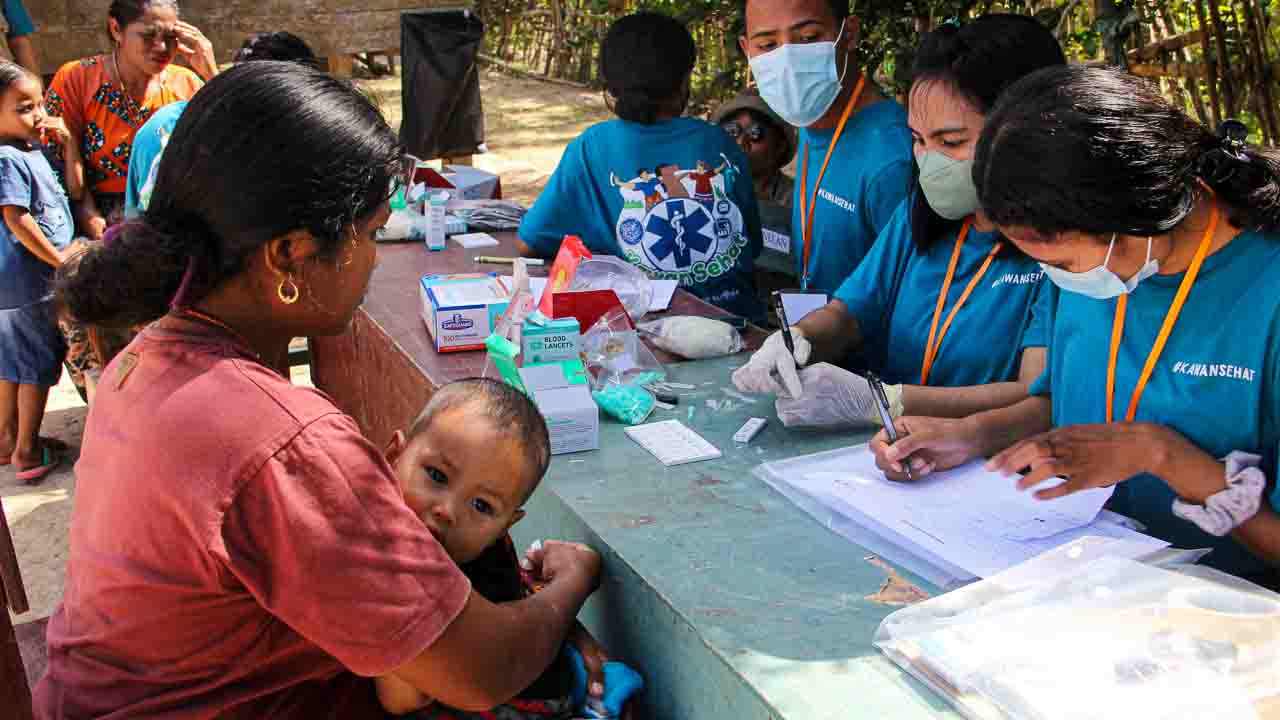
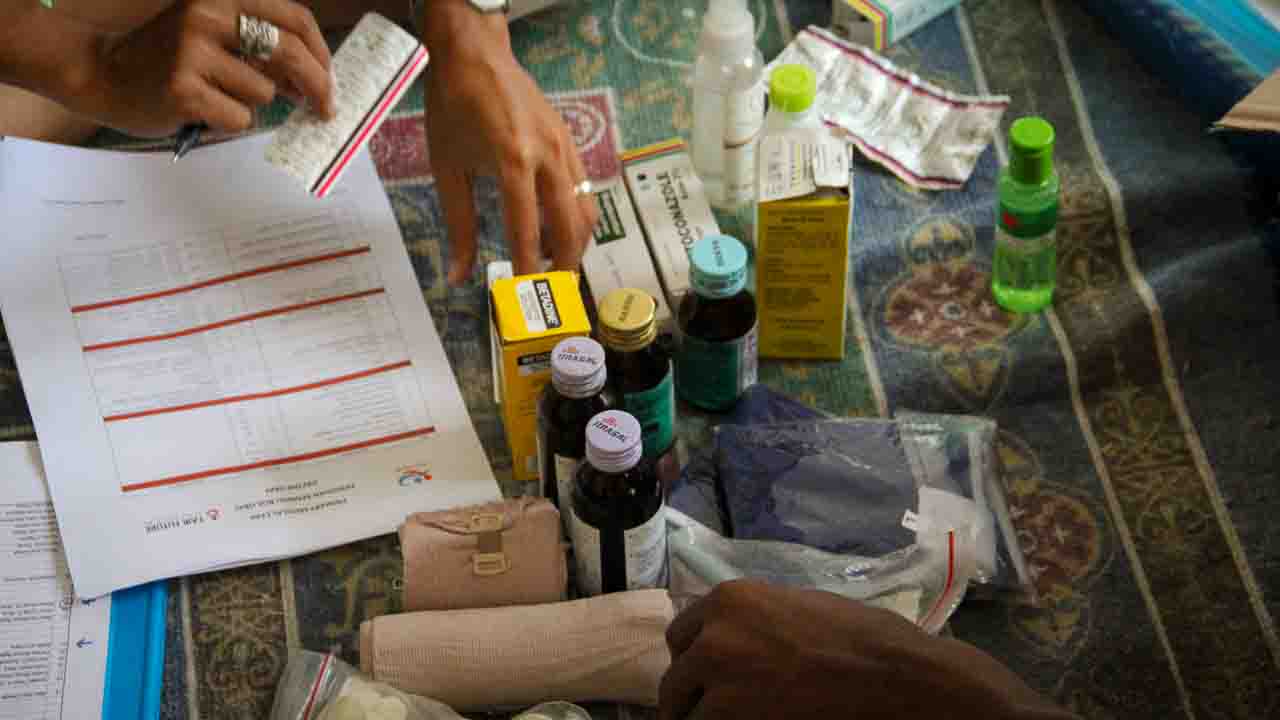
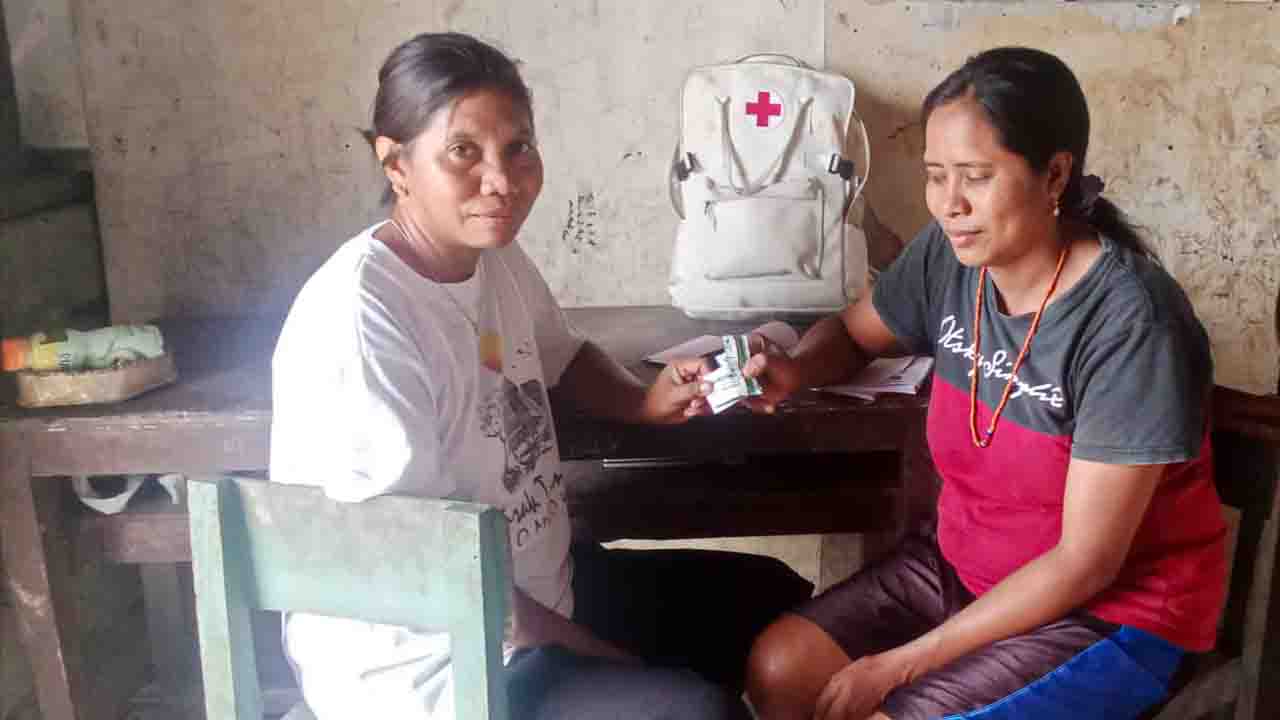
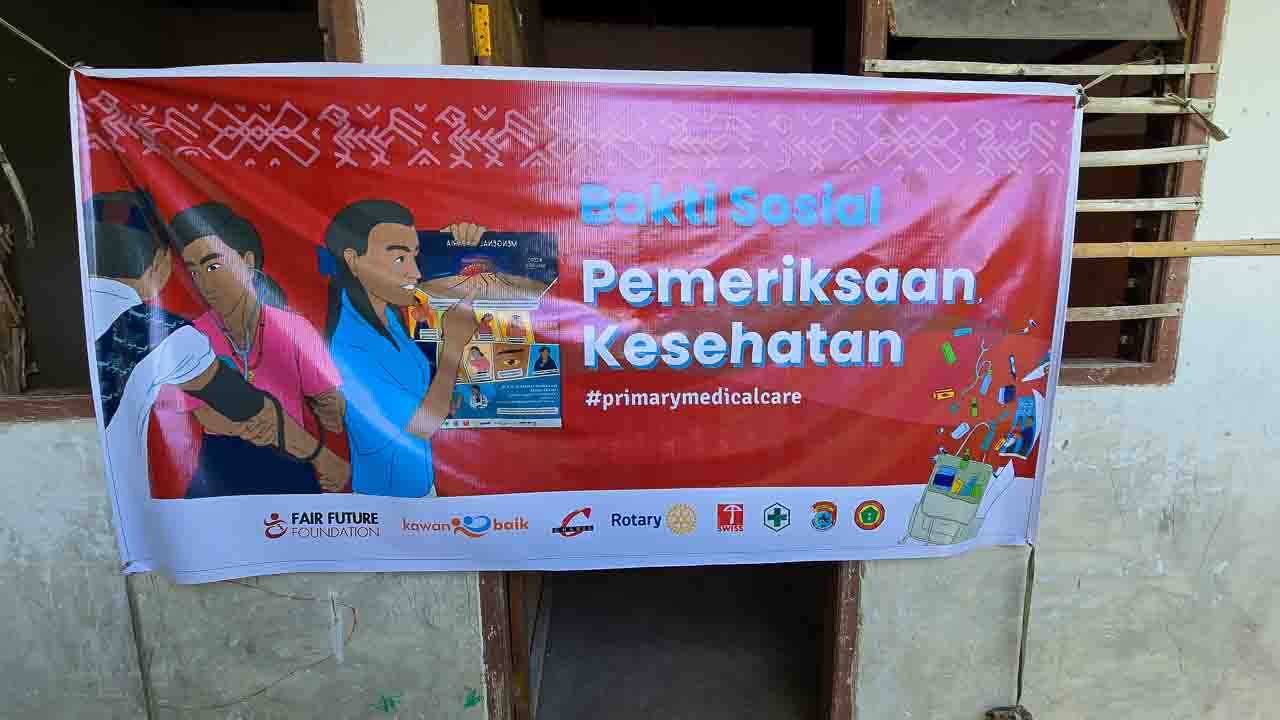
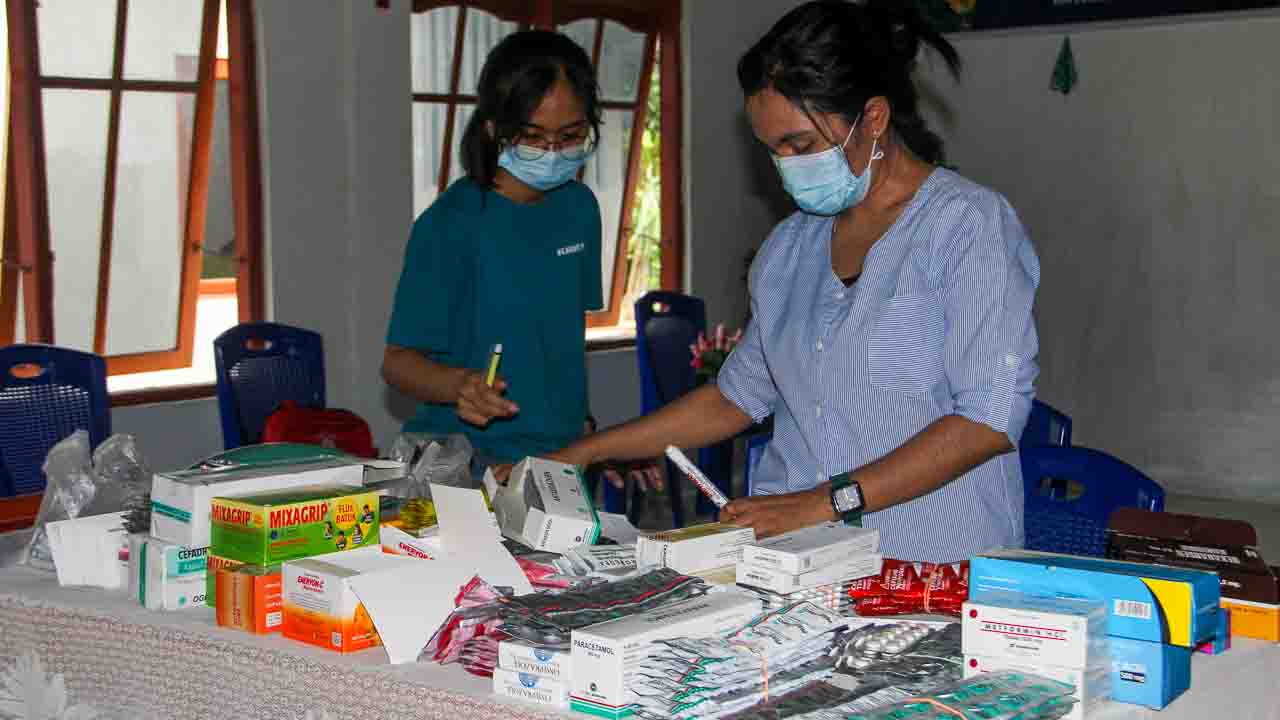
Consultations, triage, medicine distribution, and community-based care in ultra-rural Eastern Indonesia, where access to healthcare remains fragile and unequal.
Global Health Funding: Why Money Doesn’t Reach the Last Mile.
Each year, tens of billions of dollars circulate through global health financing, while governments also allocate substantial domestic health budgets. Yet in many ultra-rural settings, the clinical reality remains brutally unchanged: a child with dehydration still arrives far too late, a woman with postpartum infection is not referred in time, a febrile patient with malaria or sepsis is treated without oxygen, diagnostics, or sometimes even basic medicines. This is the central paradox of global health funding. Resources exist in budgets, strategies, and institutional reports. But at the last mile, where survival is decided, care is still absent, delayed, or incomplete. WHO on primary health care and WHO evidence on PHC are clear: the most equitable and effective health systems are built close to where people live. Yet this is precisely where investment remains weakest.
In rural Indonesia, especially in the most remote and neglected eastern regions, this gap is not theoretical. It is visible in patient pathways every day. Distance replaces triage. Travel replaces treatment. Referral often begins after hours on broken roads, without reliable transport, without money for fuel, and without any guarantee that the receiving facility can provide laboratory support, oxygen, blood, or timely inpatient care. Even where national coverage exists on paper, geography, workforce shortages, fragmented systems, and delayed decisions continue to block access. An Indonesian rural workforce study and a study on access and referral in remote settings confirm what field teams already know: remote populations remain structurally underserved. This is also the reality described in Health Systems Stop Before the Village, The Hidden Cost of Delay in Rural Medicine, and Preventable Deaths Are Geographic.
Part of the problem is structural. Funding remains concentrated at central and urban levels, where programmes are easier to control, count, and display. Too much support is channelled into vertical initiatives designed around diseases or indicators, while real patients present with mixed realities: malnutrition plus infection, pregnancy plus anaemia, trauma plus delay, fever plus unsafe water. Weak investment in primary care and community systems means that the first point of clinical contact often comes too late. The indicators used to judge success are also part of the failure. They record training sessions, commodities shipped, workshops completed, vehicles deployed, or meetings held. Still, they often fail to capture whether a child in a remote village was assessed early, stabilised properly, and referred before shock, hypoxia, or severe infection developed. This same gap between reported performance and lived reality is explored in Last-Mile Global Health and Health Data Where No Data Exists.
There is, however, a deeper and more uncomfortable truth: money is not only delayed but also often diverted, diluted, and consumed long before it reaches the patient. WHO on corruption risks in health financing and WHO on corruption and UHC make clear that corruption and poor governance directly undermine health outcomes. In the field, this does not only mean theft in the narrow sense. It also means inflated administrative layers, unnecessary authorisations, excessive transport reimbursements, costly per diem cultures, overpaid supervision visits, state service charges that are wildly disproportionate to the work delivered, and local decision-makers who extract value from every stage of implementation. In parts of rural Indonesia, where oversight is weak and field presence is minimal, health budgets can be quietly absorbed by allowances, vehicles, fuel claims, accommodation, ceremonial visits, and institutional friction. The result is clinically devastating: fewer medicines in stock, fewer trained people in villages, fewer diagnostics, weaker follow-up, and more deaths from conditions that are both preventable and treatable. WHO on leakage and inefficiency showed long ago that fraud, corruption, and waste drain enormous sums from health systems. At the end of the chain, those losses are measured in delayed antibiotics, absent oxygen, and referrals that never happen.
At Fair Future Foundation, we have seen that another model is possible. Decentralised care, community health agents, household-level follow-up, early detection, simple protocols, practical prevention, and continuity of presence do not require a sophisticated narrative. They require proximity, accountability, and time spent in the places where patients actually live. When health workers are trained and supported inside villages, when essential tools and medicines are physically available, when warning signs are recognised early, and when referral begins before collapse, outcomes improve. This is the logic behind Community Health Brokers as a Health System, Logistics Is Medicine, and Health Built Before Patients Arrive.
Effective global health is not only a matter of funding. It is a matter of where funds go, who controls them, how much is lost before implementation, and whether care reaches the patient in time. Reaching the last mile requires more than ambition and more than budgets. It requires strong primary care, community-based systems, direct local engagement, tighter control of leakage and corruption, and strategies built around the realities of remote populations. That is where survival begins.
Thank you for reading this article. Today, the 31st of March 2026 | Alex Wettstein
In Short – When health budgets stop in the system
In many ultra-rural districts of Eastern Indonesia, the problem is not only the lack of money. It is the way money is absorbed long before reaching the village. Corruption, inflated field costs, and administrative waste directly reduce medicines, referrals, and survival.
Primary Medical Care at the Last Mile
List of Related Organisations with Hyperlinks
- World Health Organisation: WHO defines primary health care as the most equitable route to better outcomes, particularly relevant where rural access remains critically weak.
- World Health Organisation UHC: WHO explains how universal health coverage fails without access, workforce, medicines, and functioning referral systems in remote areas.
- World Bank Health Financing: The World Bank documents how inefficient public spending weakens service delivery and reduces impact for poor and remote populations.
- Transparency International: Transparency International analyses how corruption undermines public services, including health systems and access for vulnerable communities.
- UNICEF Indonesia: UNICEF Indonesia highlights inequities affecting children and families in remote provinces where services remain difficult to access.
- The Global Fund: It supports disease control, but its work also underscores the importance of strong local delivery systems and accountable implementation.
- PATH: PATH develops practical health solutions that matter most where primary care systems are weak and rural delivery remains fragmented.
- World Health Organisation Health Financing: WHO explores how inefficiency, waste, and weak governance reduce the share of health spending that reaches patients.