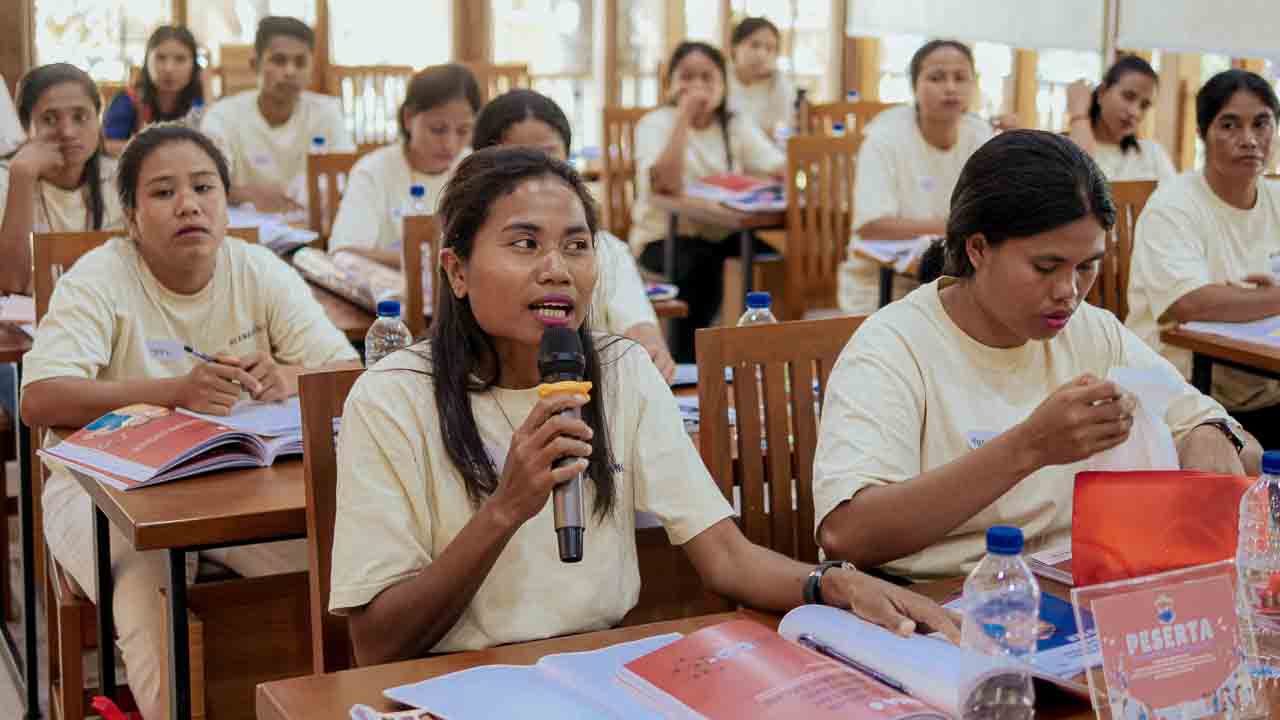



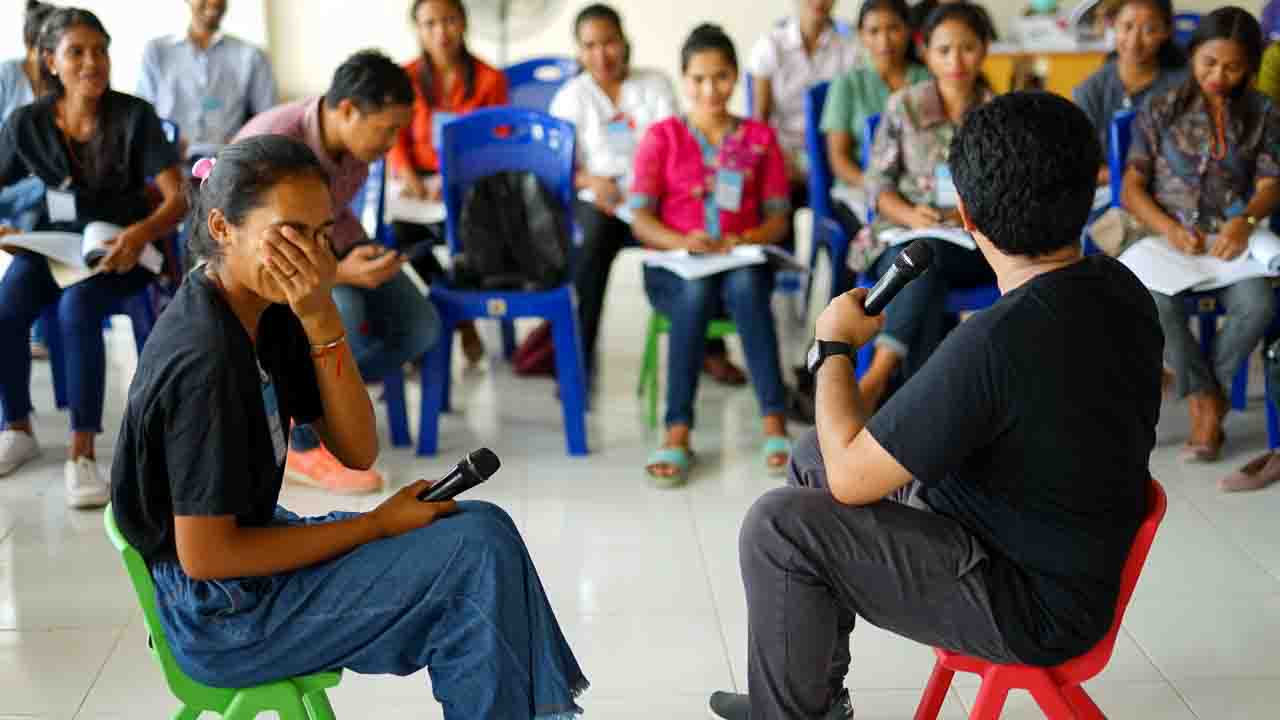
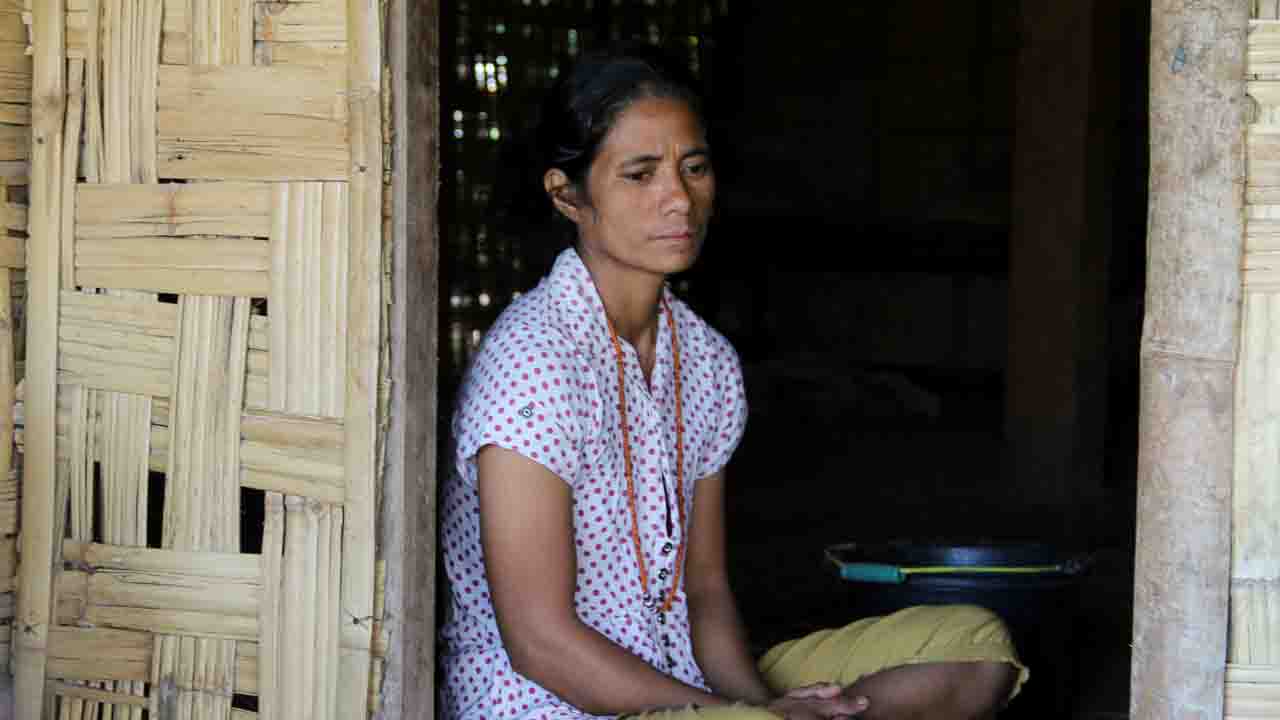
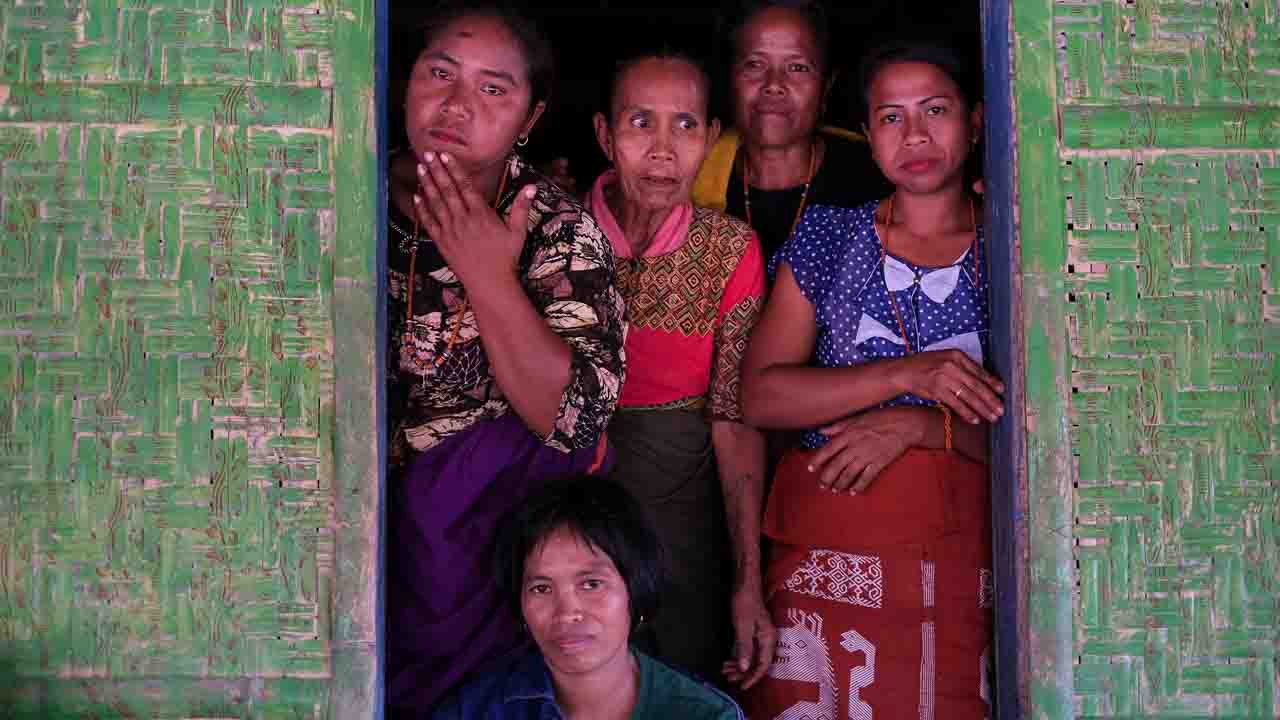
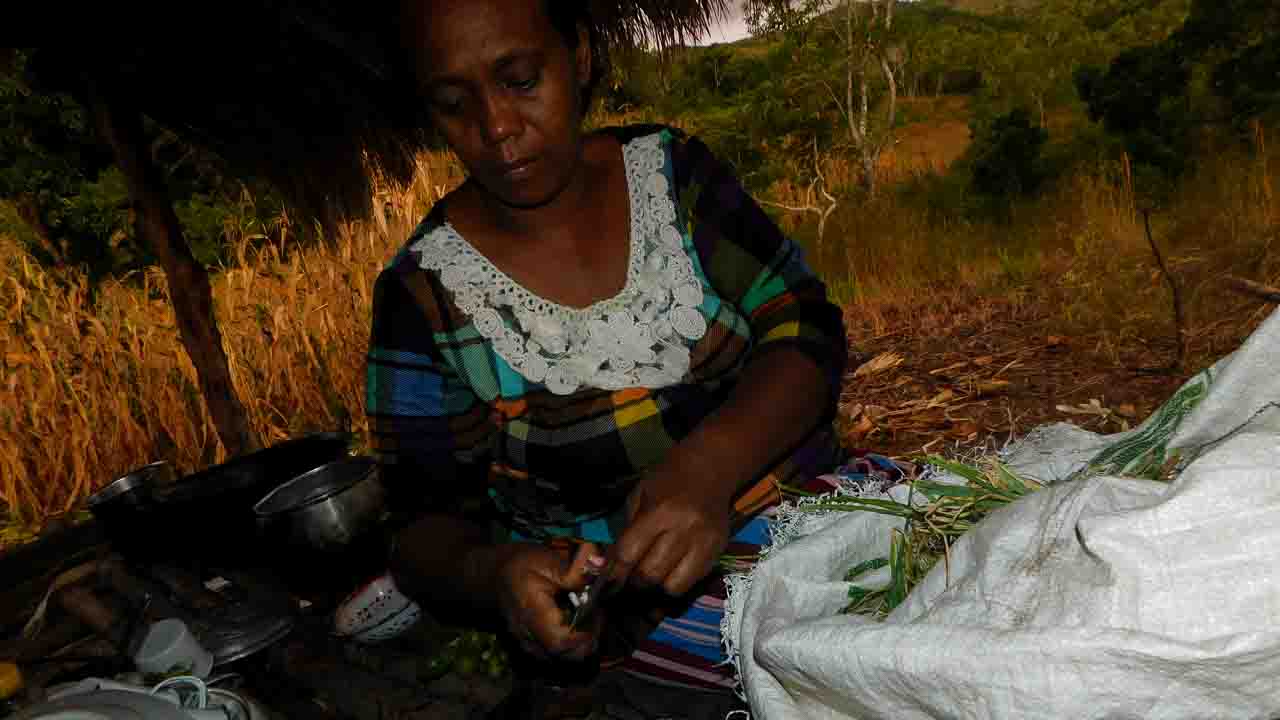
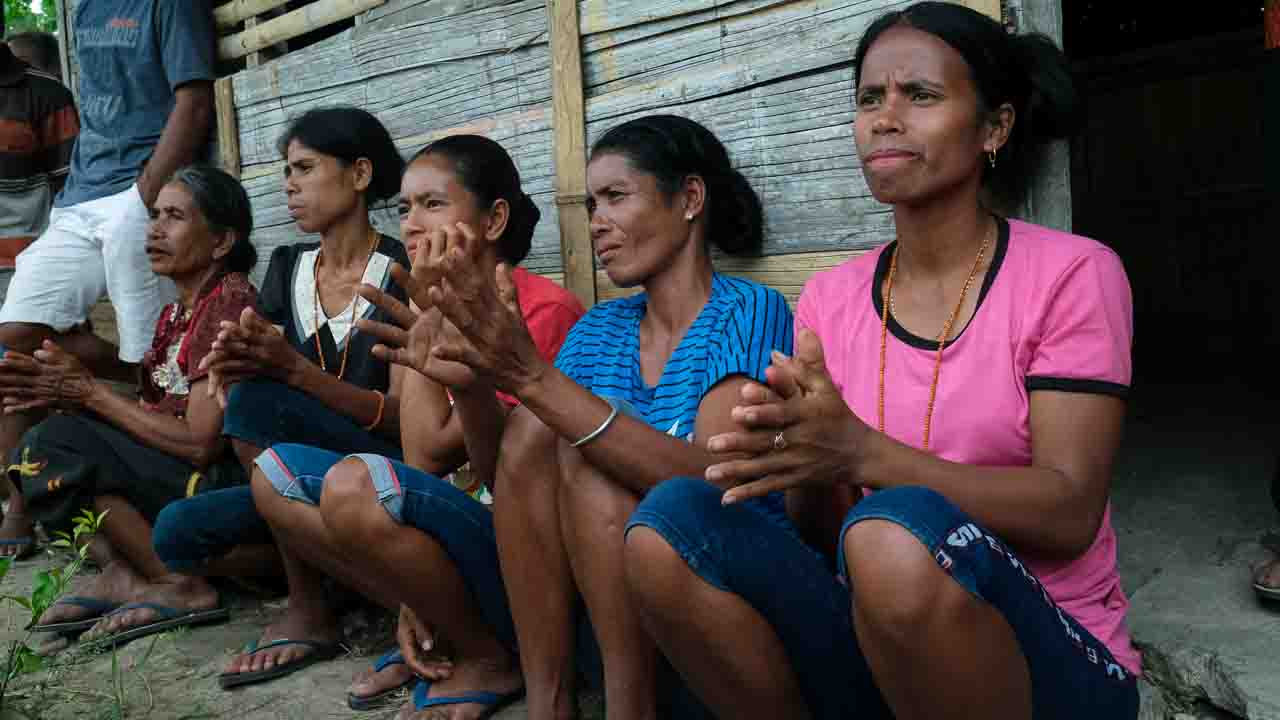
Daily life, silence, and community-based care in rural Indonesia, where sexually transmitted infections remain underdiagnosed and largely untreated.
Sexually Transmitted Infections in Rural Indonesia: The Silent Epidemic
In many ultra-rural regions of Indonesia, sexually transmitted infections remain largely unseen, not because they are rare, but because they are rarely diagnosed. Far from laboratories, clinics, and structured prevention systems, infections such as syphilis, gonorrhoea, and chlamydia circulate quietly within communities. The absence of data is not reassuring. It reflects the absence of access, a reality we have also described in Health Systems Stop Before the Village and Health Data Where No Data Exists.
Clinically, these infections follow well-established trajectories. Untreated syphilis progresses through stages and may eventually cause severe neurological and cardiovascular damage. Untreated gonorrhoea and chlamydia can lead to pelvic inflammatory disease, chronic pelvic pain, ectopic pregnancy, and irreversible infertility. In men, complications may include persistent urethral infection and painful inflammatory sequelae. During pregnancy, these pathogens carry major consequences: miscarriage, stillbirth, neonatal infection, and mother-to-child transmission of syphilis, including congenital syphilis. These are not exceptional outcomes. They are the predictable result of delayed diagnosis, absent screening, and late treatment.
In the villages where we work, the problem is not only medical. It is structural, educational, and social. Testing is almost non-existent. Confidential care is rare or absent. Symptoms are misunderstood or normalised. A persistent discharge, pelvic pain, genital ulcer, or unexplained pregnancy complication may be tolerated for months or years. Silence dominates. Cultural taboos prevent open discussion of sexuality, especially among adolescents and young women, a reality that also intersects with the issues raised in Child Marriage and Adolescent Pregnancy in Indonesia. Health education on sexual and reproductive health is minimal or absent. Public health campaigns rarely reach these areas, and when they do, they are rarely sustained.
This silence allows infections to spread untreated. It also delays care-seeking until complications become severe. By then, treatment is more complex, outcomes are worse, and transmission has often already occurred. Even where treatment exists, it may be compromised by weak supply chains, poor continuity of care, or the broader problem of antimicrobial resistance in gonorrhoea, which is now a growing global and regional public health threat.
The gap is not only geographic. It is systemic. Limited diagnostic capacity, the absence of screening programmes, inconsistent antibiotic availability, and insufficient engagement by local health authorities all contribute to the persistence of these infections. Prevention strategies remain weak or absent in many rural districts. In the Western Pacific region, the need to prevent mother-to-child transmission of syphilis remains a major public health priority, yet in many isolated areas, the most basic antenatal testing still does not reliably happen. Without structured intervention, the burden of disease remains hidden but constant.
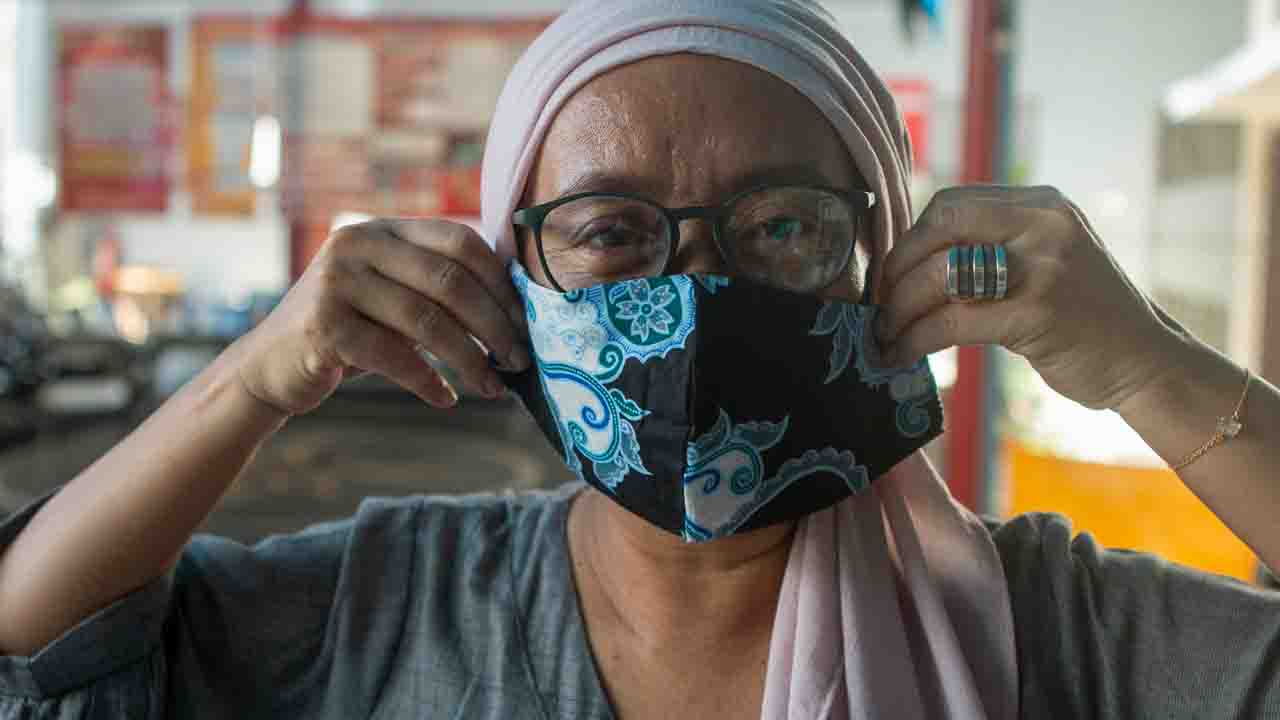
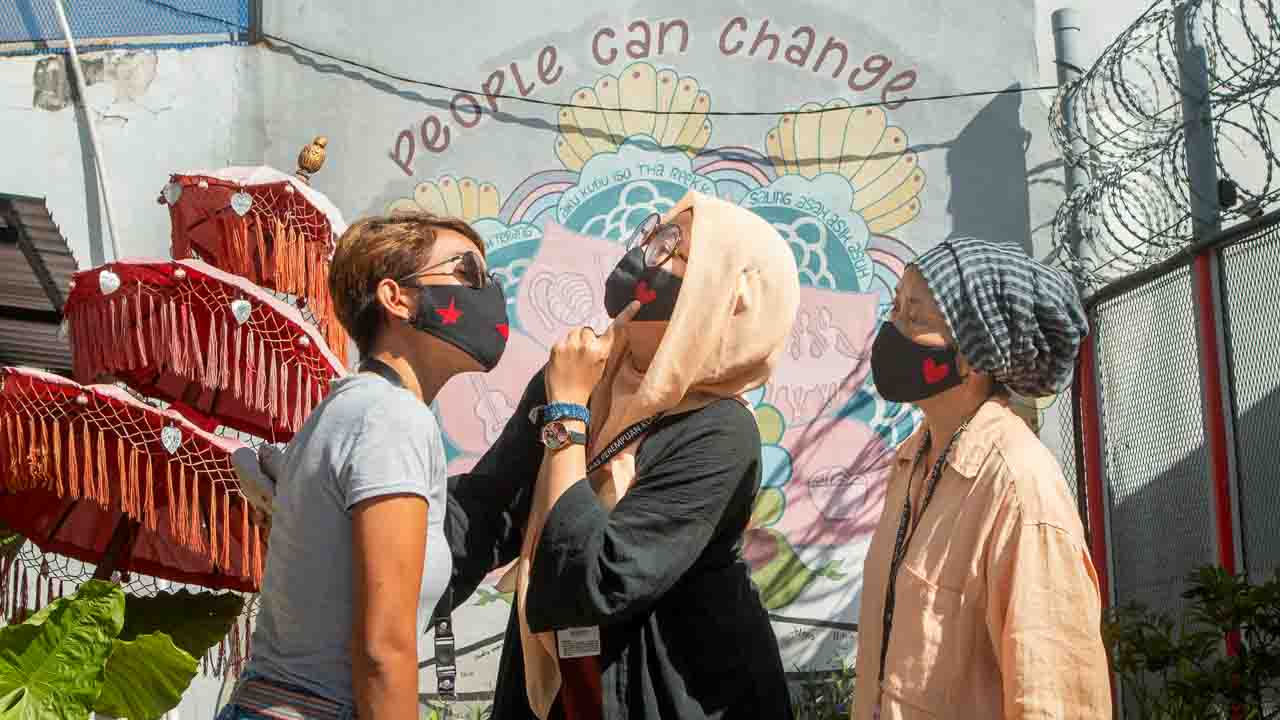
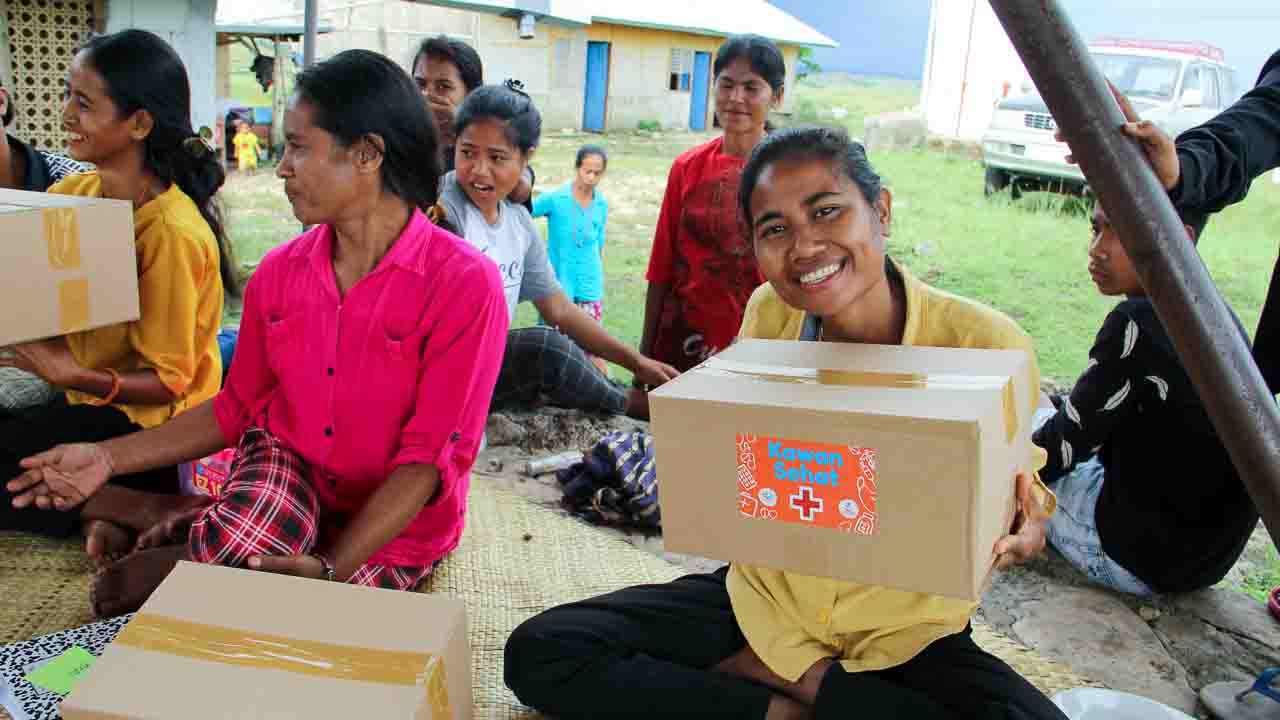
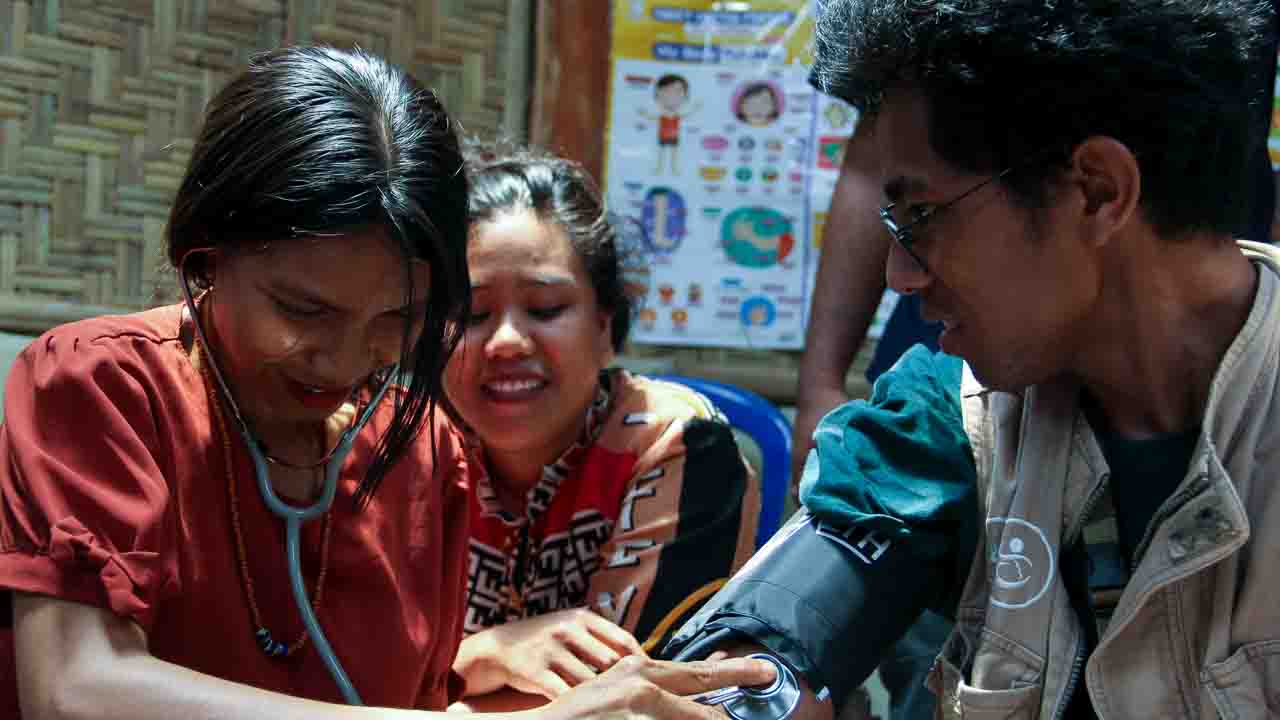
Within this context, community-based approaches become essential. Through the Primary Medical Care programme, Fair Future Foundation works alongside Kawan Sehat health agents, women trained to provide frontline care in their own communities. They identify early signs of infection, provide basic education on transmission and prevention, and, when possible, guide patients toward appropriate care. They speak about subjects often considered untouchable, with clarity and respect. They enter homes, schools, and villages where no formal system effectively reaches. In many ways, they embody what we have described before as community health brokers where the health system is absent.
This work is simple, but it changes outcomes. Early recognition reduces complications. Education reduces transmission. Trust allows people to seek care earlier. In settings where laboratories are distant and healthcare systems fragmented, these human connections become a form of medicine.
Sexually transmitted infections are not only individual diseases. They are markers of deeper gaps: in education, in access, in prevention, and in public health commitment. Addressing them requires more than treatment. It requires sustained investment in community-based care, accessible diagnostics, and honest, continuous education. Without this, the epidemic will remain silent, but it will not disappear.
Thank you for reading this article. Today, the 25th of March 2026 | Alex Wettstein
In Short – Silent infections, visible consequences
In rural Indonesia, sexually transmitted infections remain undiagnosed for months or years. The absence of testing, education, and confidential care transforms treatable diseases into chronic conditions. Infertility, maternal complications, and neonatal infections are not accidents. They are the direct result of delayed access to care.
Hidden Realities of STI Burden in Rural Indonesia





List of Related Organisations with Hyperlinks
- World Health Organisation: WHO provides global data and guidance on STI prevention, diagnosis, and treatment, essential for understanding disease burden in low-resource settings.
- Centres for Disease Control and Prevention: CDC offers detailed clinical guidance on STI progression, complications, and management, relevant to delayed diagnosis in rural contexts.
- UNICEF: UNICEF works on maternal and child health, including prevention of congenital infections linked to untreated STIs.
- The Global Fund: The Global Fund supports infectious disease programmes, including STI-related prevention strategies in underserved regions.
- PATH: PATH develops innovative health solutions, including diagnostics and community-based care approaches applicable to rural STI control.
- UNFPA: UNFPA focuses on sexual and reproductive health, addressing education gaps and access issues central to STI prevention.