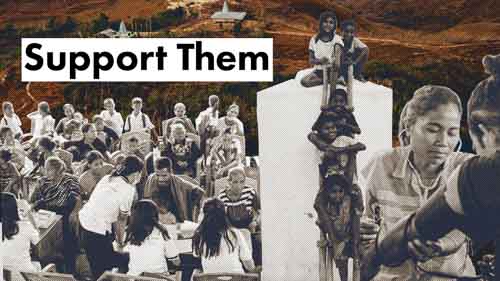



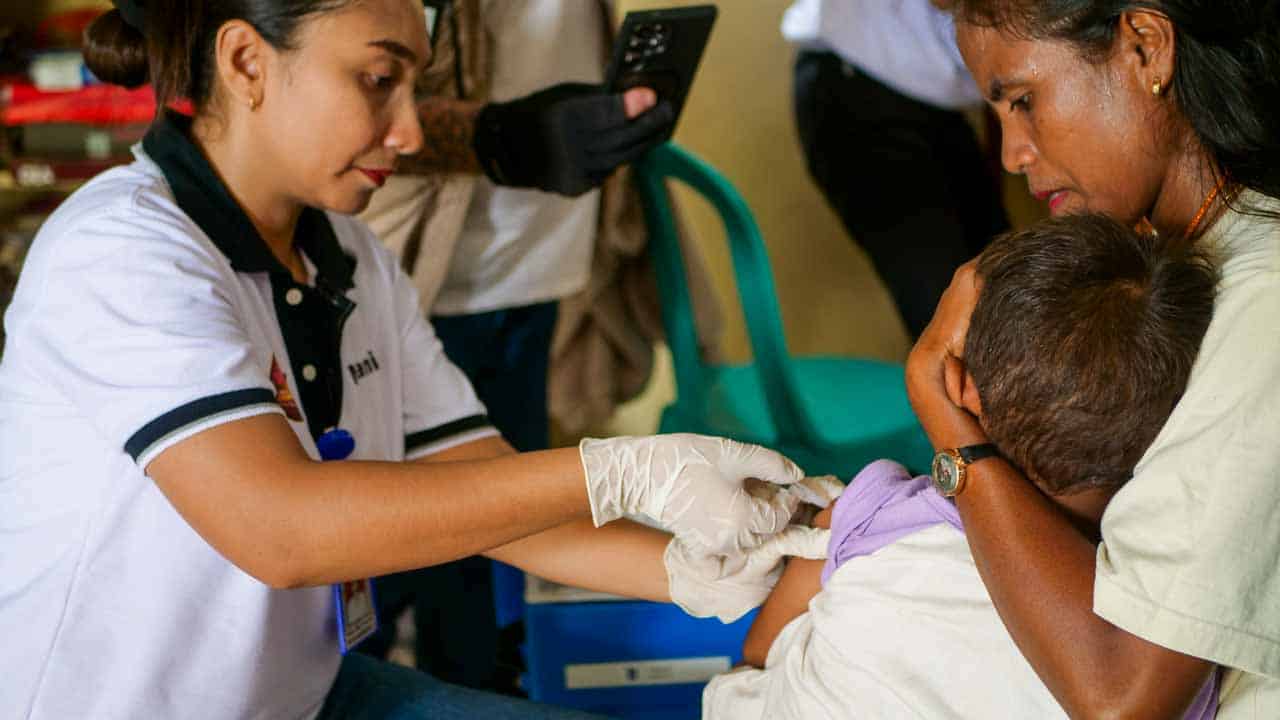
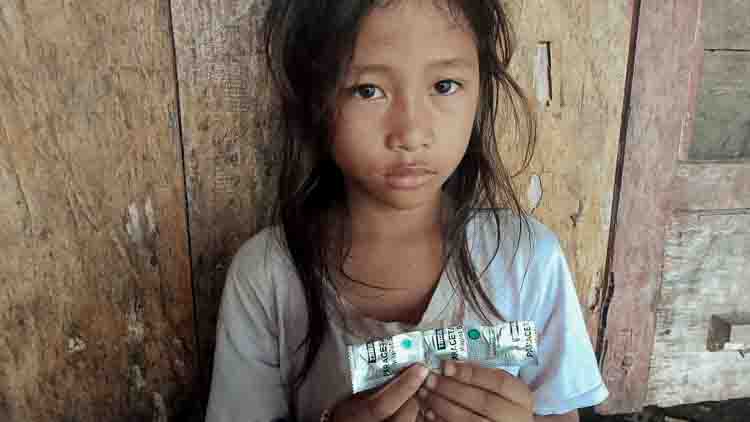
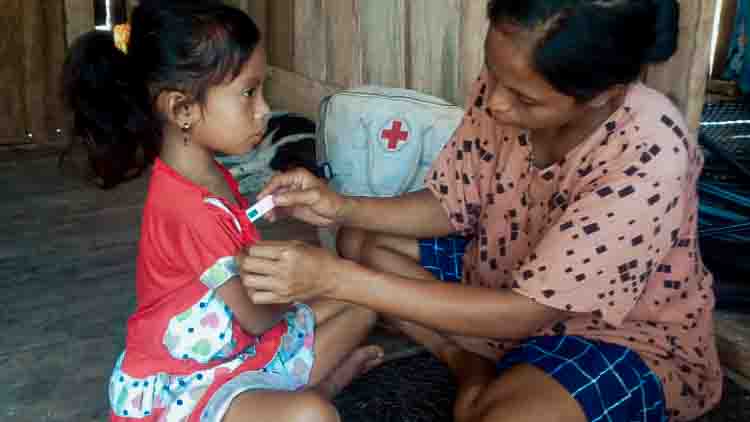
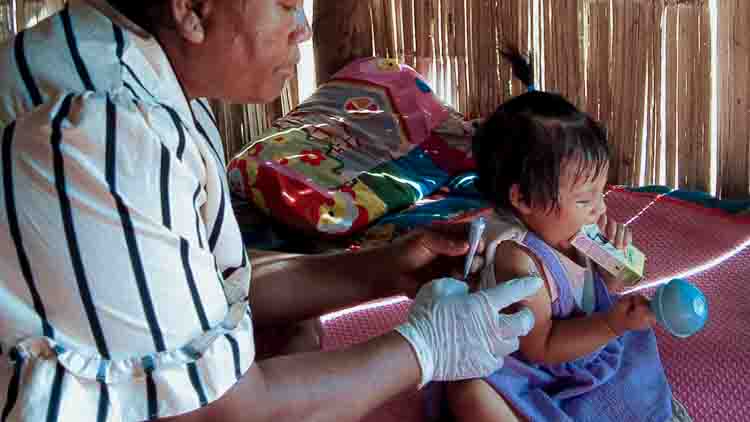
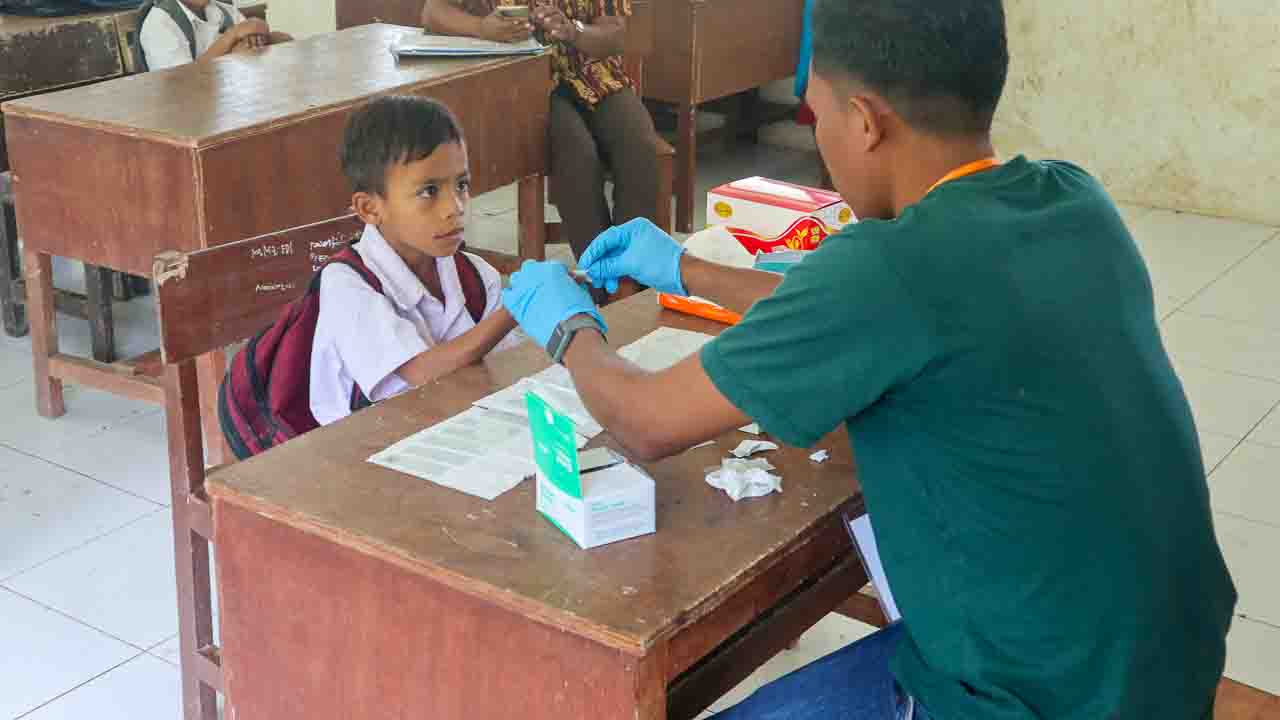
A child receives a vaccine during a rural health intervention. In remote regions, prevention depends on access, trust, logistics, and healthcare teams’ ability to reach every family.
Children Growing Up Without Vaccines: The Return of Preventable Diseases
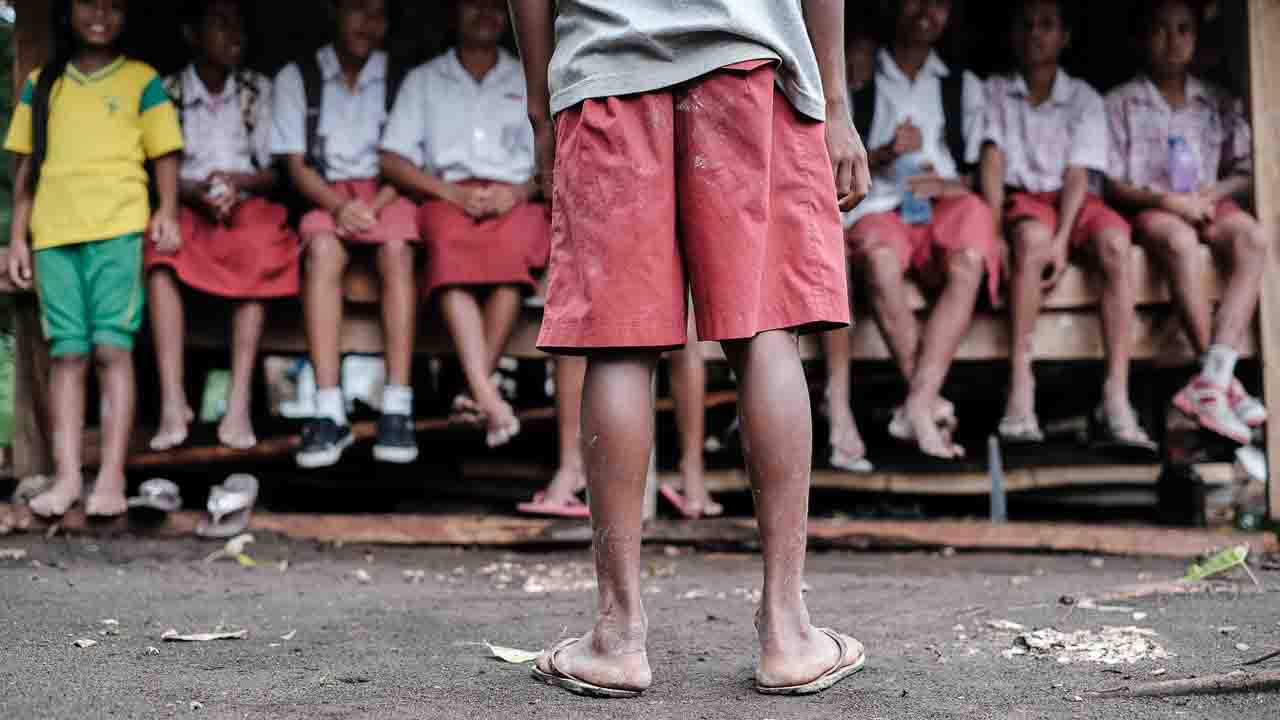
In 2026, children are still growing up in isolated villages where vaccination is not a certainty but a chance. A campaign may arrive late, once, or not at all. Families may hear about it after the team has already left. In remote regions, health systems often stop before the last road, river, or house without electricity. These children remain exposed not because vaccines do not exist, but because prevention does not reach them. According to the WHO on immunisation coverage, millions of children still miss routine vaccination. What should be considered a public health failure has slowly become the norm.
The medical consequences are clear. Incomplete vaccination allows measles to cause pneumonia, severe diarrhoea, malnutrition, blindness, brain inflammation and death. Rubella in pregnancy may look mild in one child, but it can cause congenital heart disease, deafness, cataracts and disability in an unborn baby. Neonatal tetanus still kills newborns when mothers are not protected and birth occurs in unsafe conditions. Pertussis can suffocate infants through repeated coughing crises. Malnutrition, unsafe water, poor sanitation and late care make every infection more dangerous.
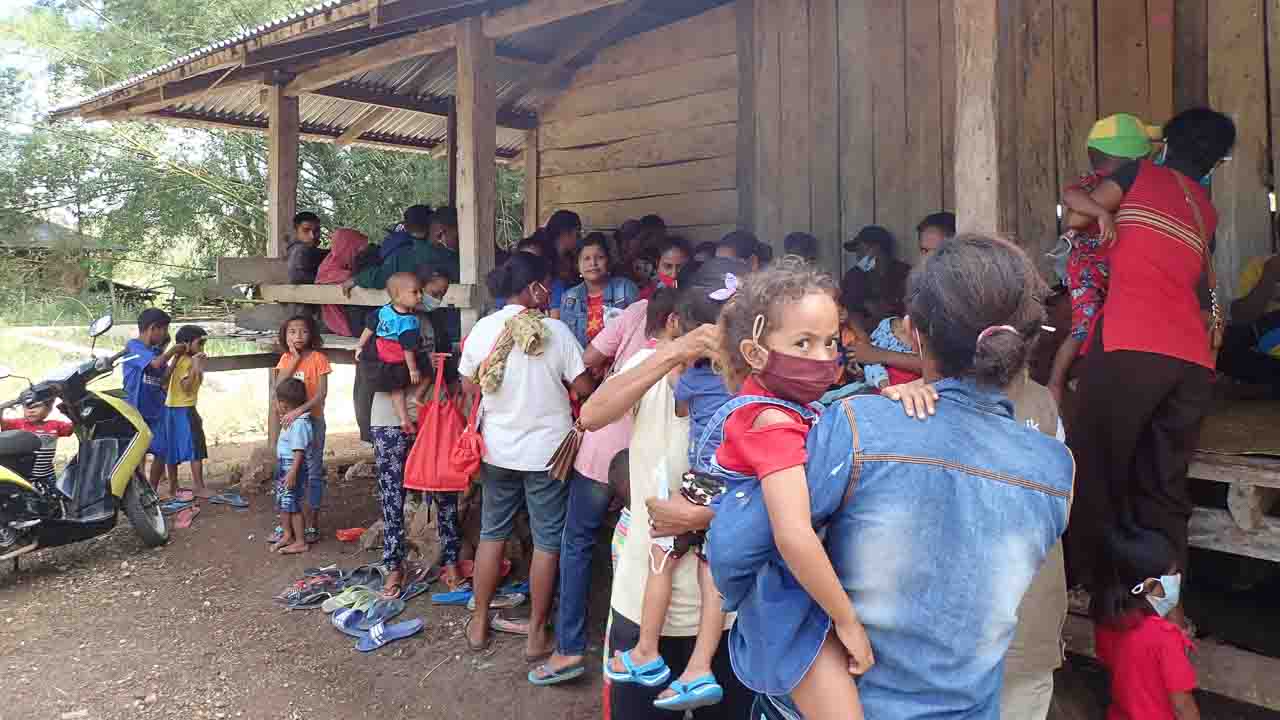
Children are not equally protected by health systems. Geography still decides survival. A child near a hospital does not have the same chance as a child in a mountain village without transport, clean water or regular medical visits. This inequality is built into weak infrastructure, fragile outreach, staff shortages, broken cold chains, missing medicines and campaigns that come once, then disappear. Families are often blamed for not seeking care, but nobody asks how they should travel, with what money, on which road, carrying which sick child. In ultra-rural areas, prevention is absent because these populations remain neglected. We have written before about how health systems stop before the village, and this is one of the clearest examples.
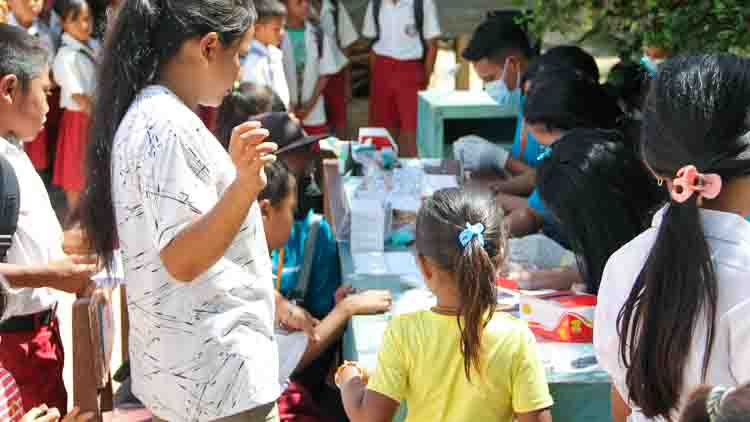
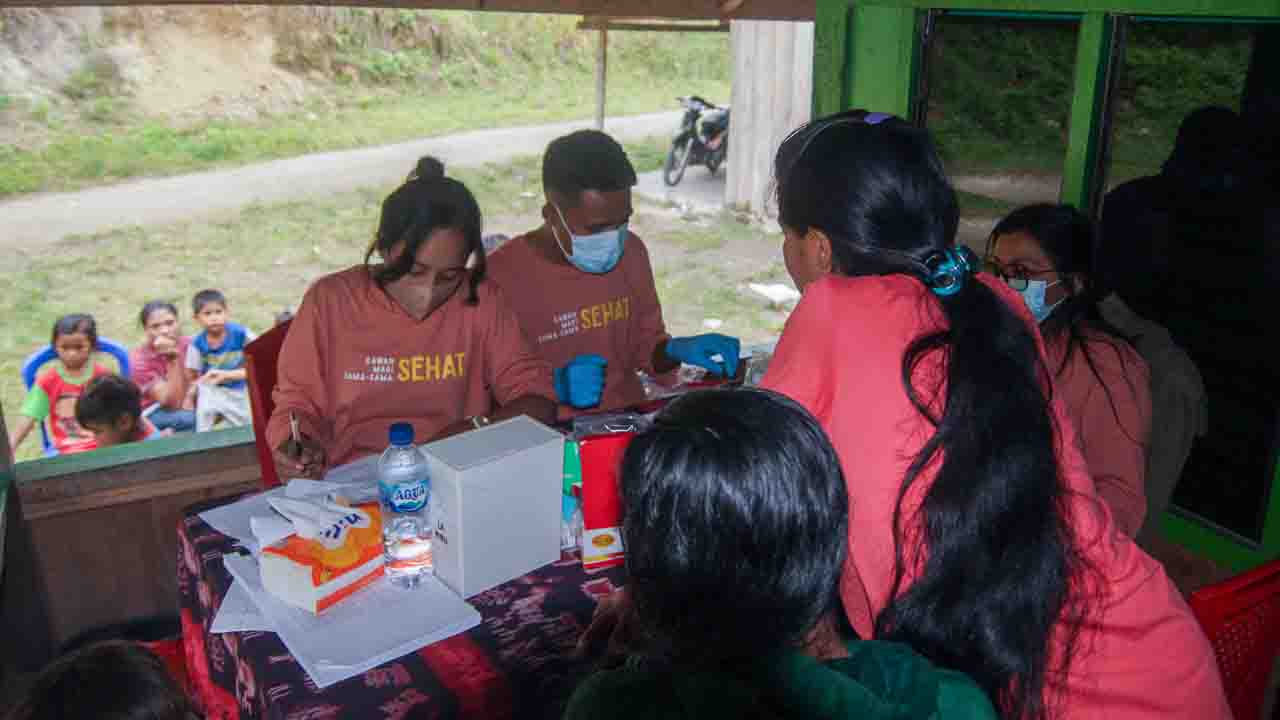
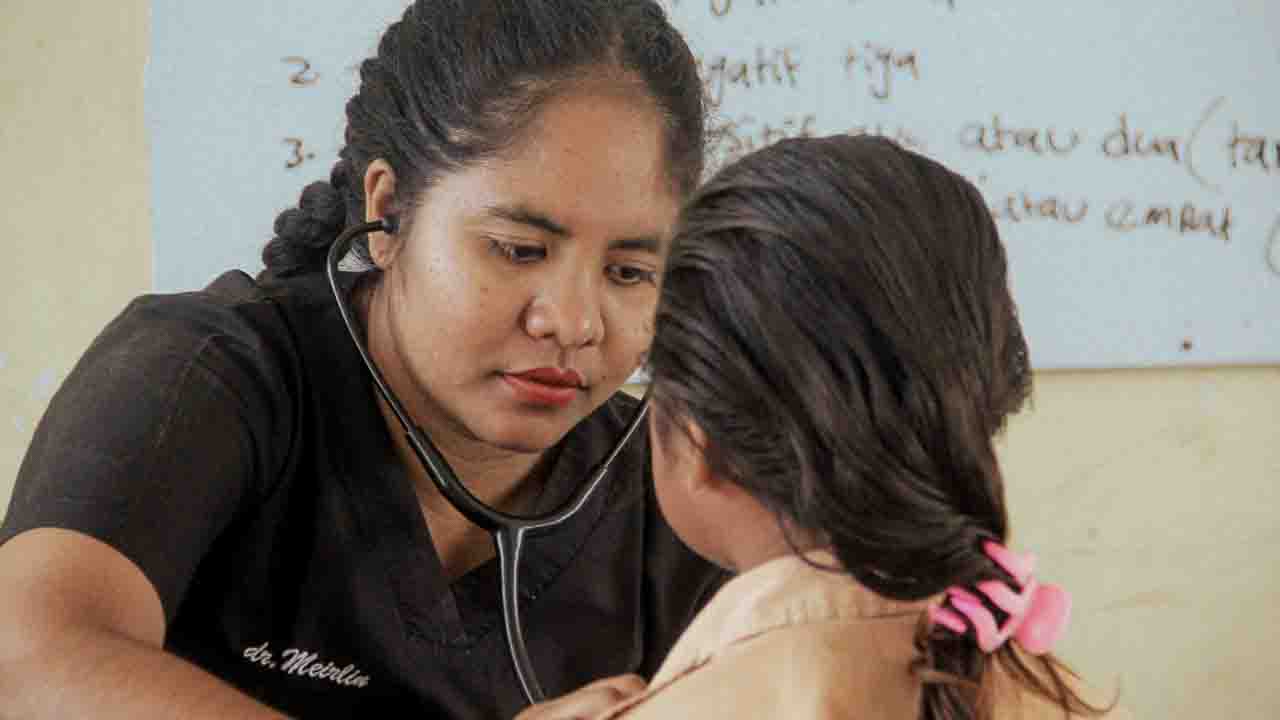
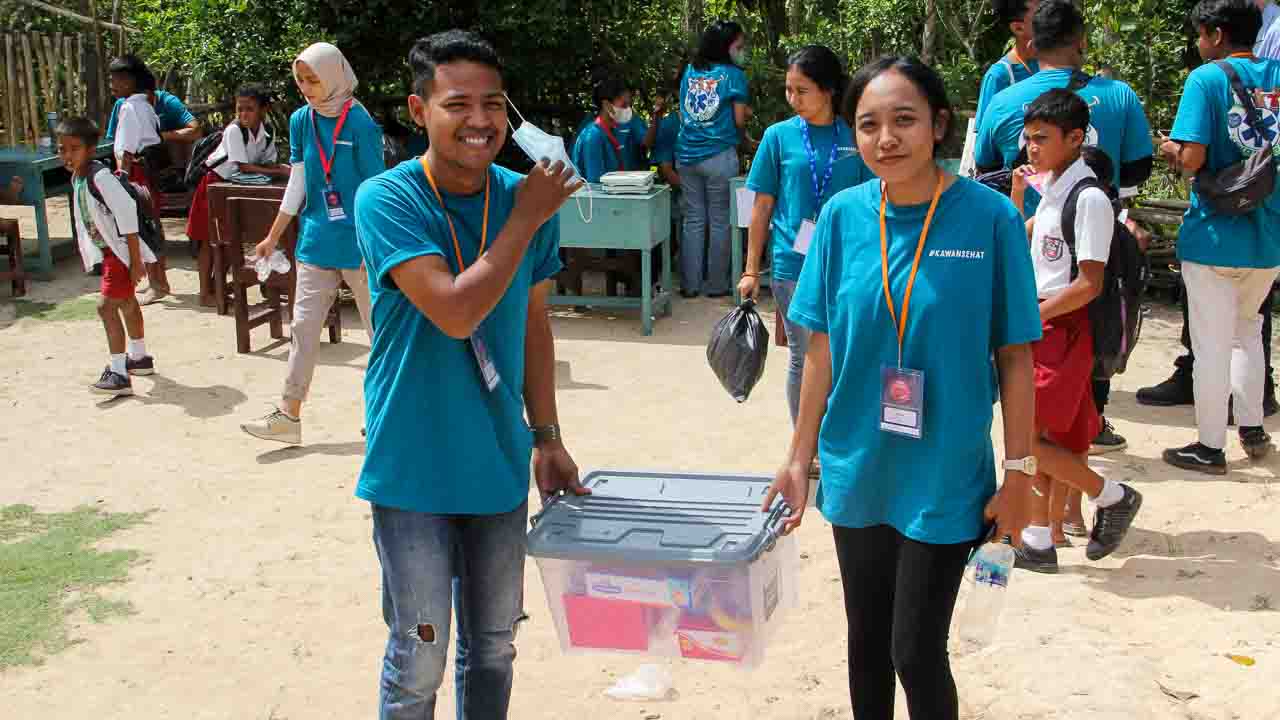
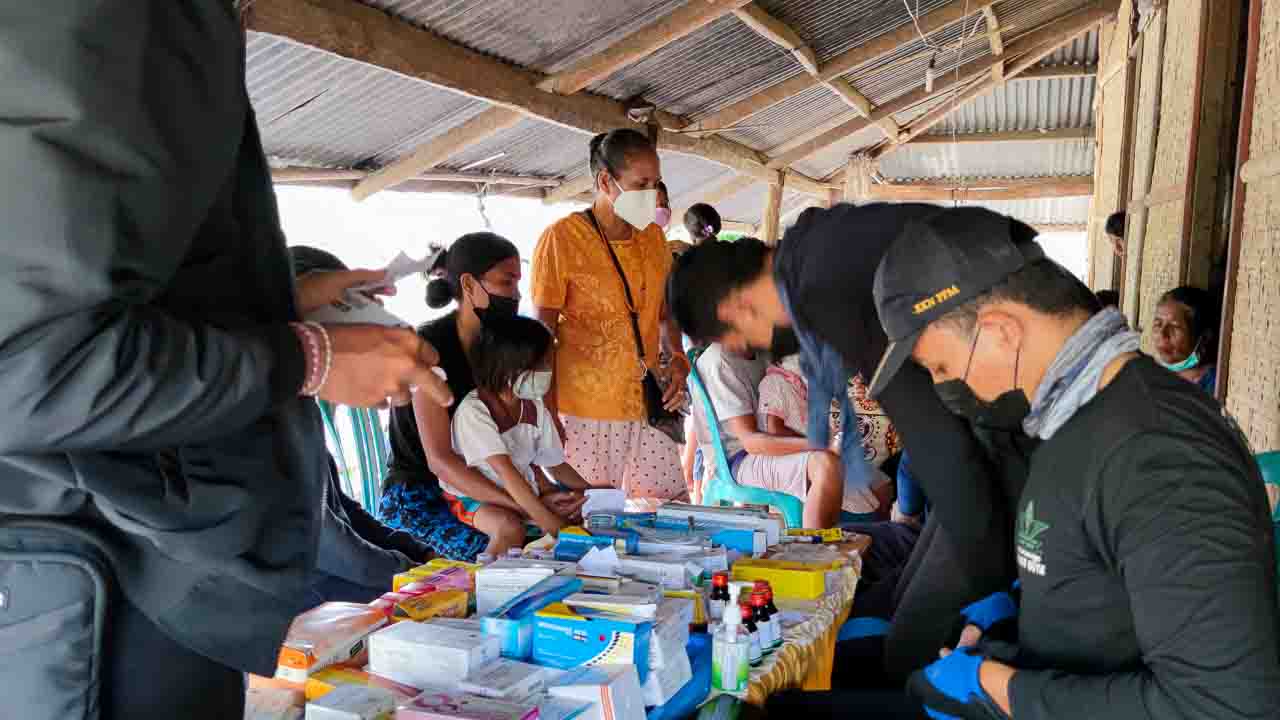
In East Indonesia, this is part of the daily work of Fair Future Foundation, the Primary Medical Care programme and the Kawan Sehat health agents. We work inside villages and homes where healthcare rarely comes. We meet families without medical records, without clear vaccination histories, sometimes without knowing what protection their children have received. We help identify unvaccinated children. We speak with mothers about fever, cough, rash, pregnancy, newborn care and danger signs. We explain that measles is not just a rash, tetanus is not a curse, and respiratory infections can kill quickly. This is also why disease prevention in rural health must be continuous, close, and human.
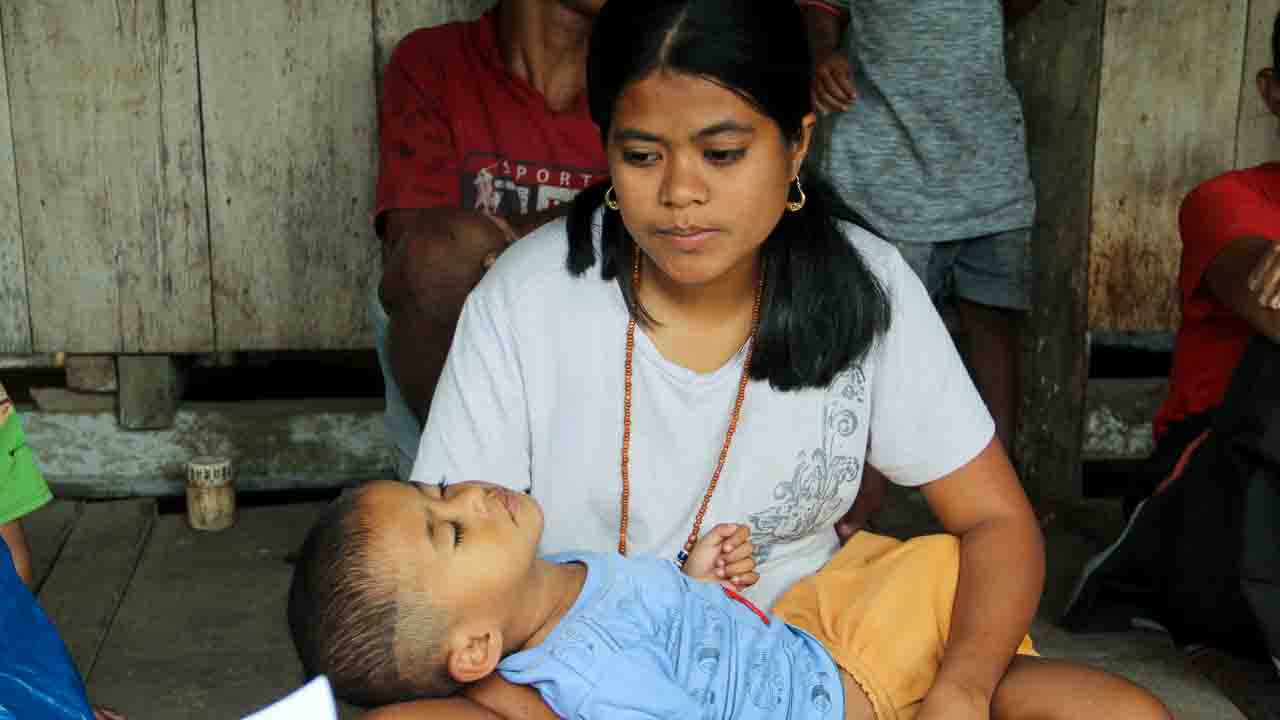
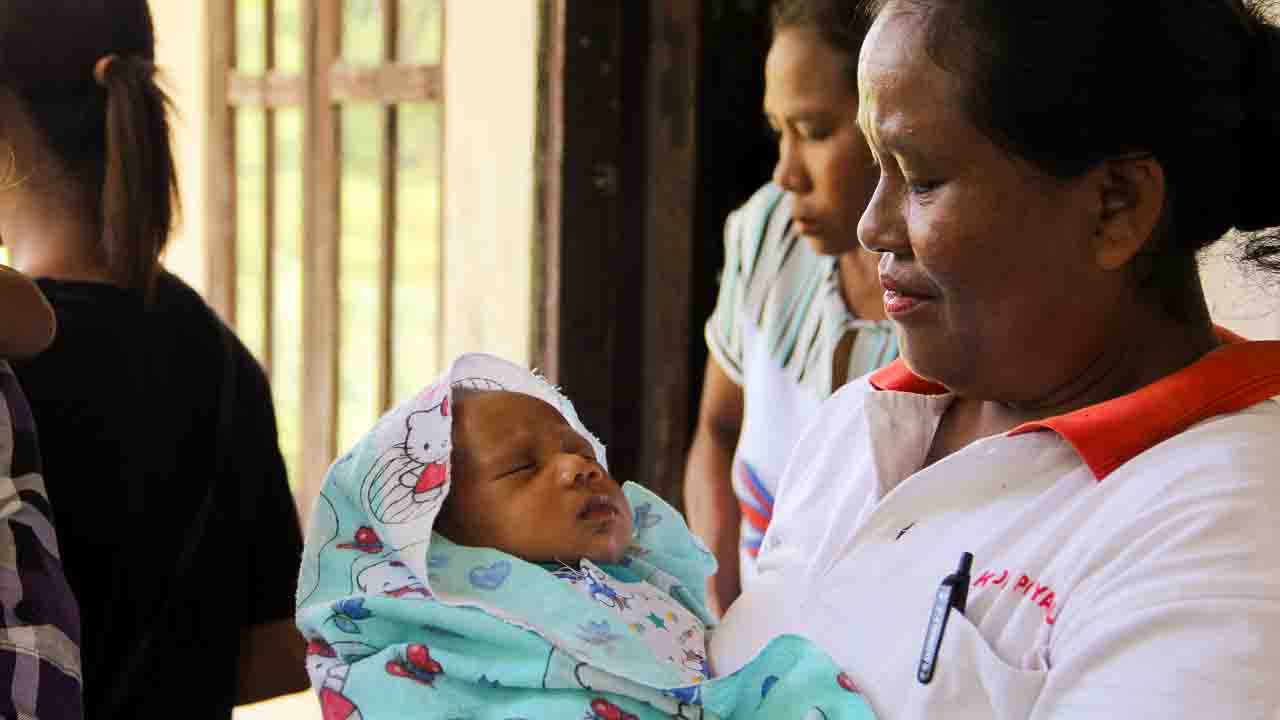
When prevention disappears, the consequences are not numbers on a report. They are children with high fever lying on bamboo floors. They are newborns, too weak or too stiff to feed. They are mothers who did not know that one vaccine during pregnancy could protect their baby. They are families waiting too long because the road is impossible, the money is missing, or the clinic is too far away. Some children survive but remain weakened by repeated infections and unsafe water. Some develop disabilities that could have been avoided. Some die before their disease is even named. No child should die from a disease that medicine already knows how to prevent.
The return of preventable diseases is not a medical mystery. It is the result of inequality, weak health systems and the abandonment of remote populations. Vaccines save lives only when they leave the warehouse, survive the journey, reach the village, and are supported by education. The UNICEF work on zero-dose children shows clearly that children missed by vaccination are often missed by other essential services too. Prevention is logistics, staff, trust, roads, cold chains, maternal care and political will. As we often say in the field, logistics is medicine. A system that protects only the children who are easy to reach is not protecting children equally. Prevention works only when it reaches everyone.
Today, the 20th of May 2026 | Alex Wettstein
In Short – When Vaccines Do Not Reach Every Child
In remote villages, children still miss routine vaccination and remain exposed to measles, rubella, neonatal tetanus and pertussis. These diseases return when cold chains fail, outreach is irregular and families are left without clear information. Prevention is not only a medical act. It is access, trust, education, logistics and political will.
Rural Vaccination and Child Health in East Indonesia
List of Related Organisations with Hyperlinks
- WHO immunisation coverage: Vaccine coverage data show why routine immunisation must reach every child, including remote families missed by health systems.
- WHO measles guidance. Measles remains dangerous where vaccination is incomplete, causing pneumonia, brain inflammation, blindness and preventable deaths.
- WHO rubella guidance: Rubella prevention protects pregnant women and unborn children from congenital disease, disability and lifelong medical complications.
- UNICEF zero-dose children: UNICEF documents children missing all routine vaccines; often, the same families are excluded from basic health and social services.
- CDC vaccine-preventable diseases: Clear medical information on diseases vaccines prevent, useful for explaining risks to families and community health workers.
- Gavi missed communities. Gavi focuses on zero-dose children and missed communities, where distance, poverty and weak systems block vaccine access.
- PATH zero-dose outreach PATH supports practical approaches to reach unvaccinated children through data, local systems and last-mile health delivery.
- Rotary disease prevention Rotary supports disease prevention and community health work, including vaccination, clean water and local health initiatives.