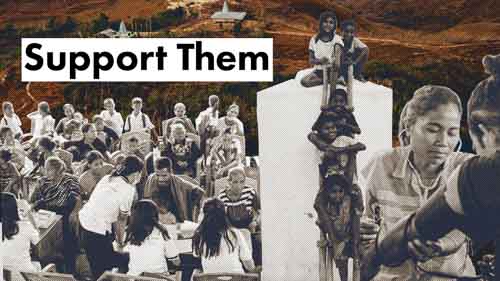



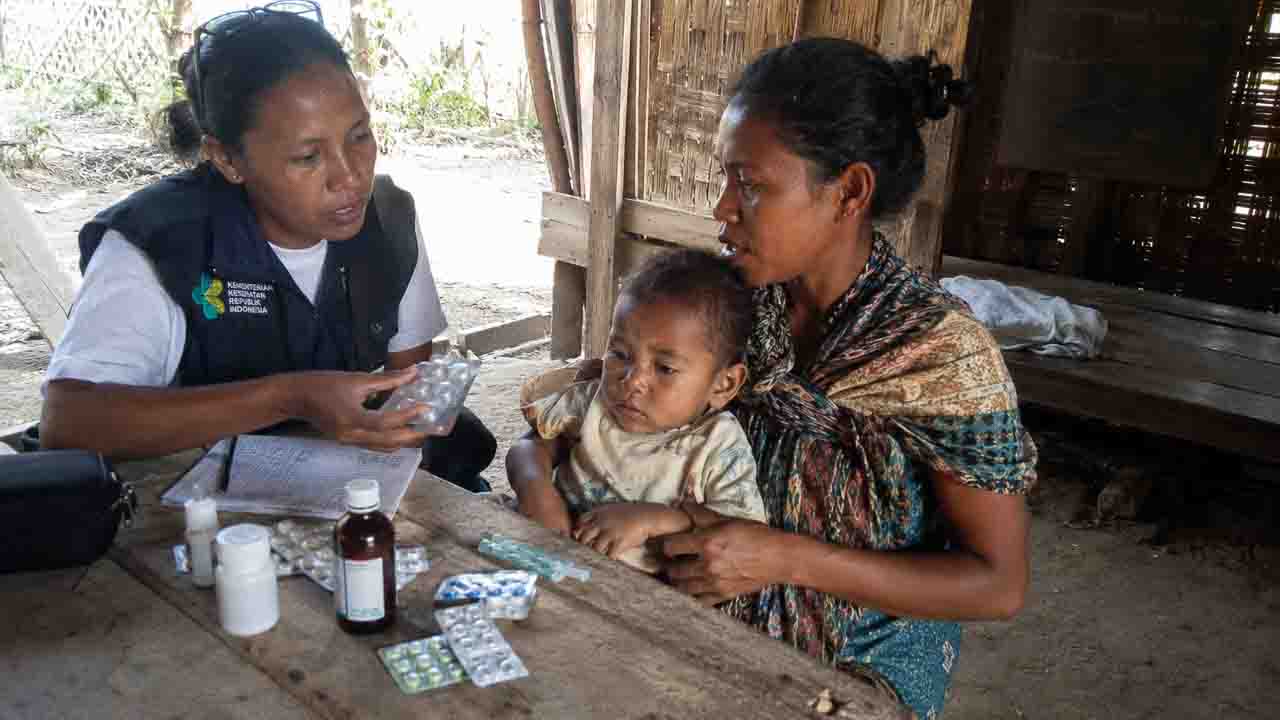
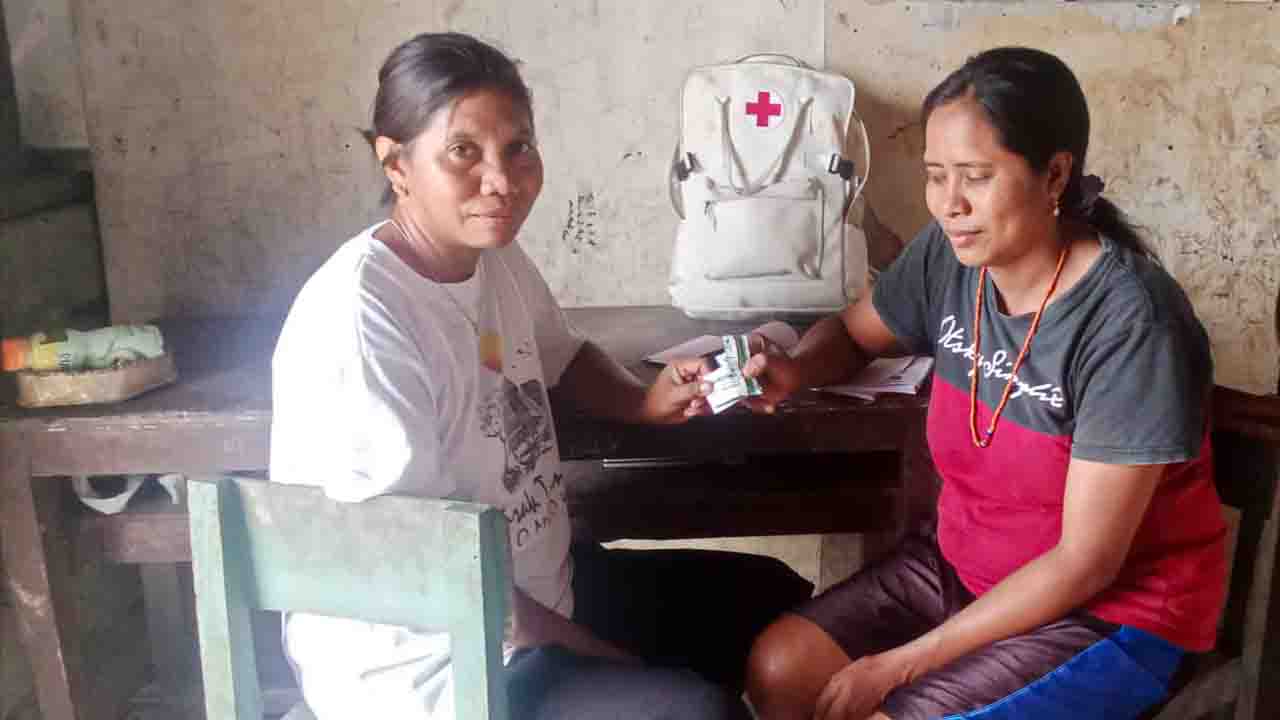
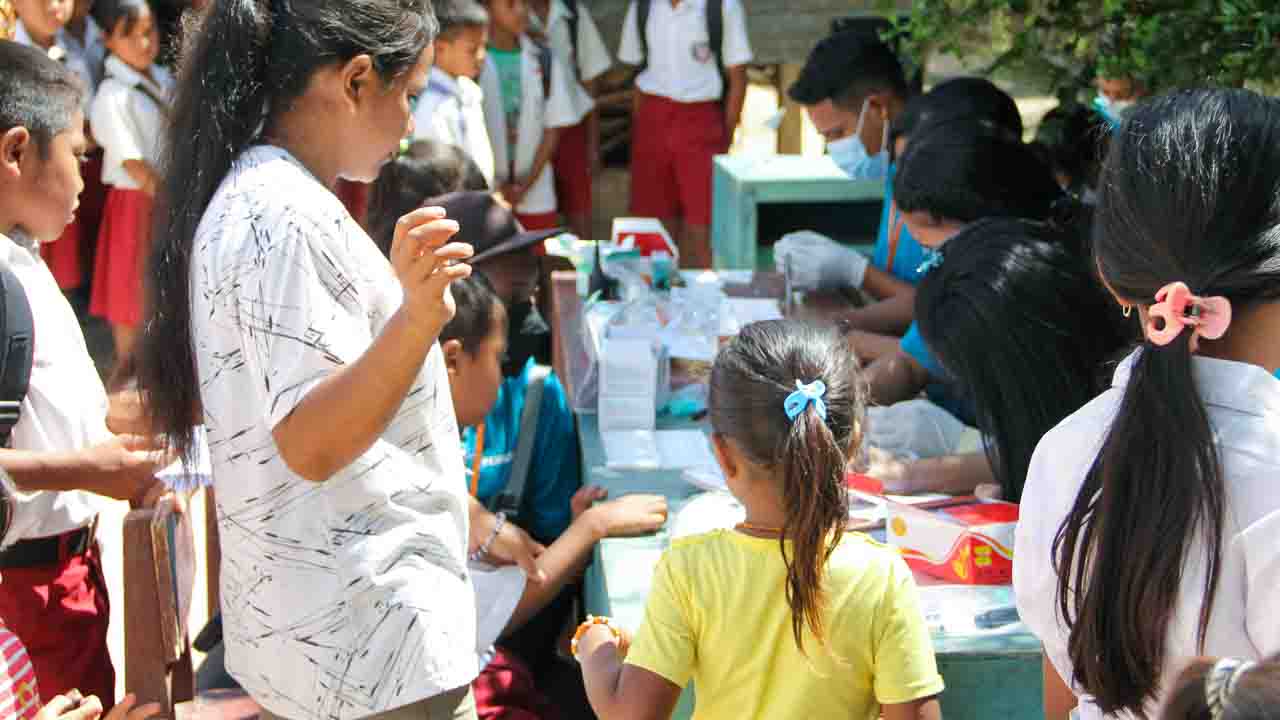
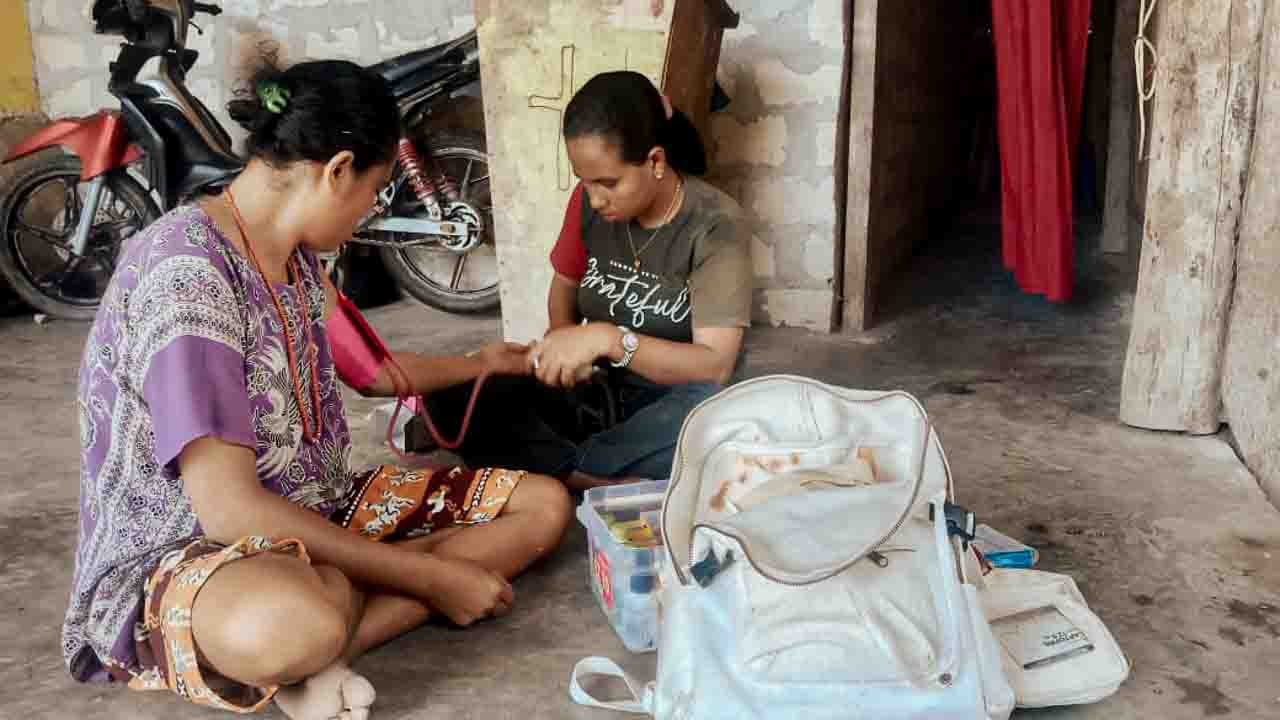
A rural health worker explains safe medicine use to a mother and child during a field visit in a remote Indonesian village.
Self-Medication and the Collapse of Safe Medicine in Rural Indonesia
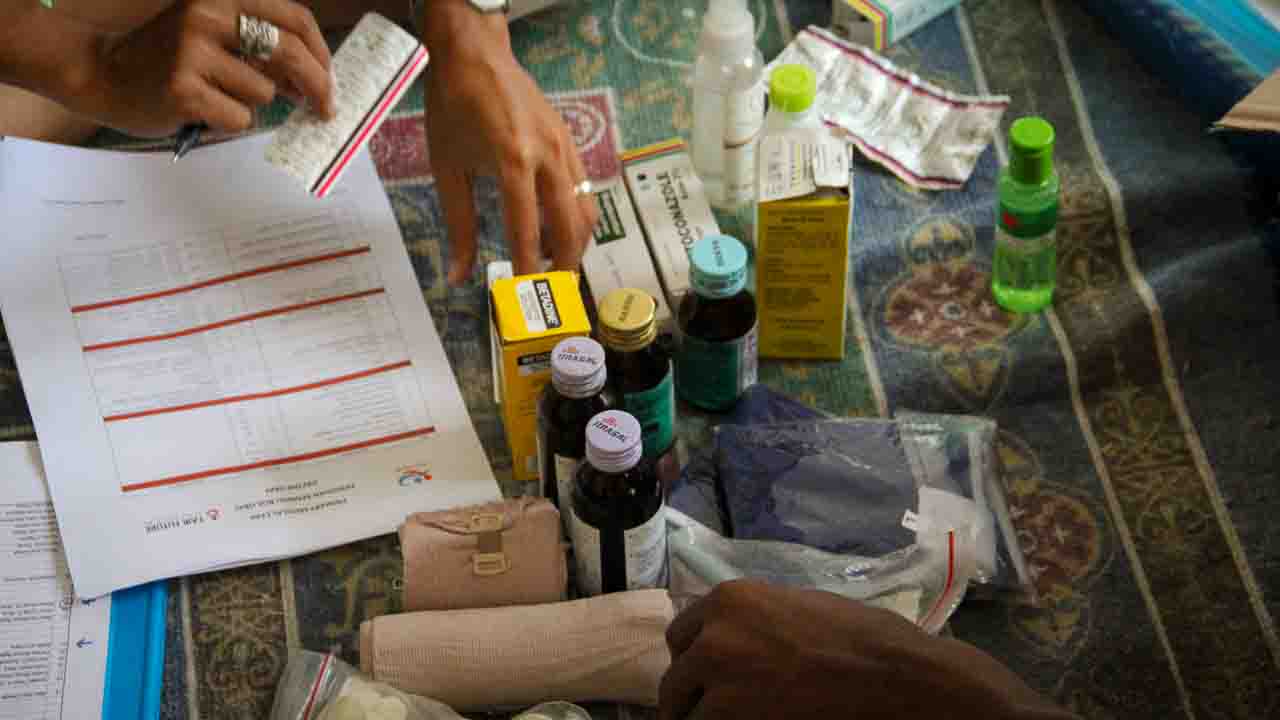
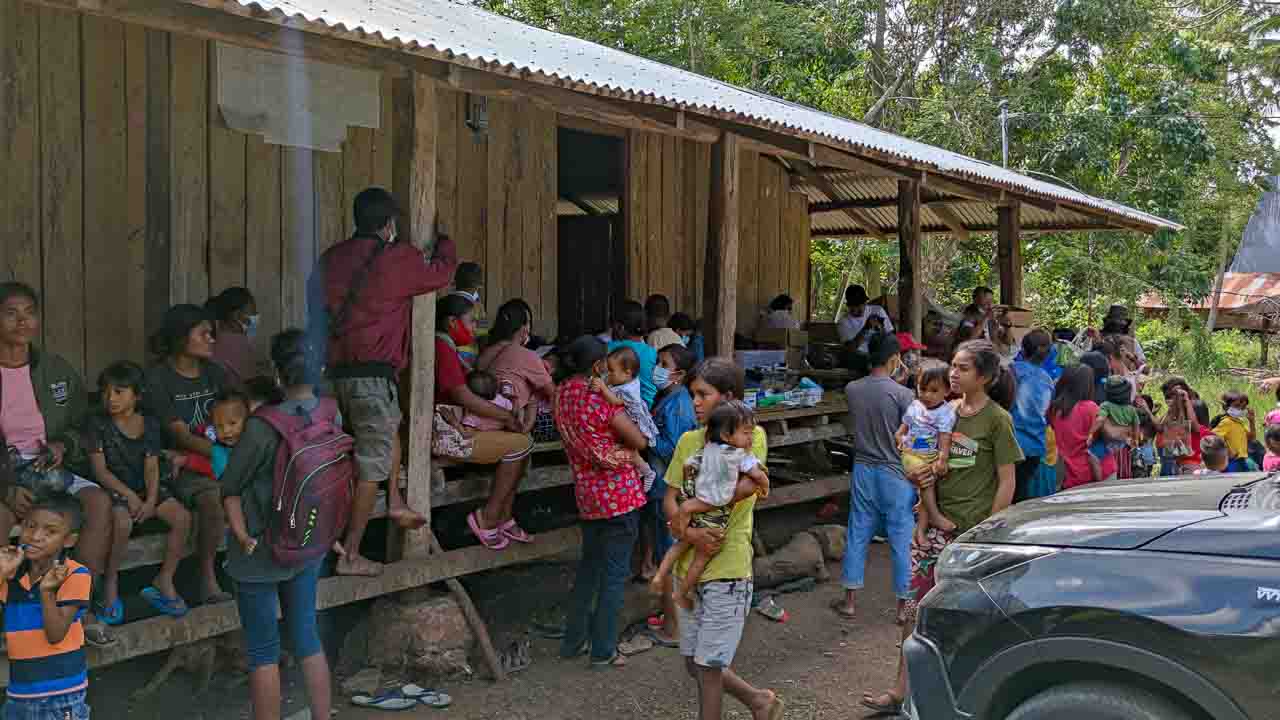
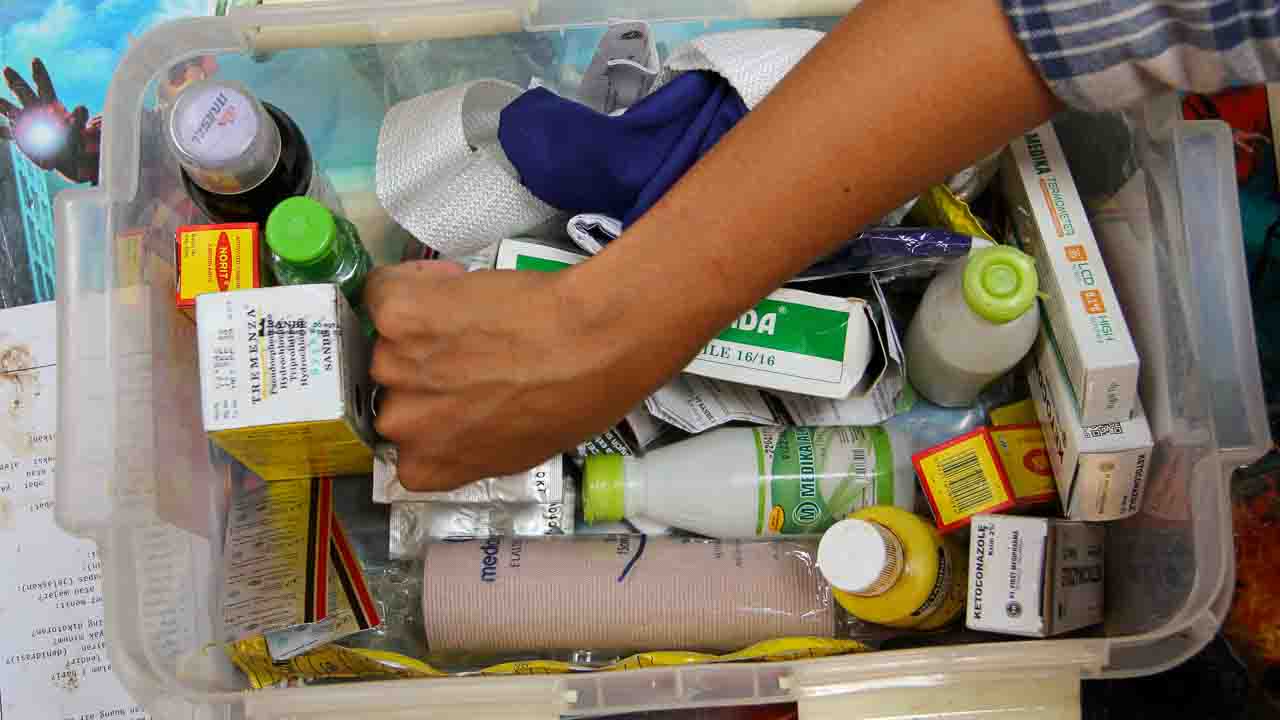
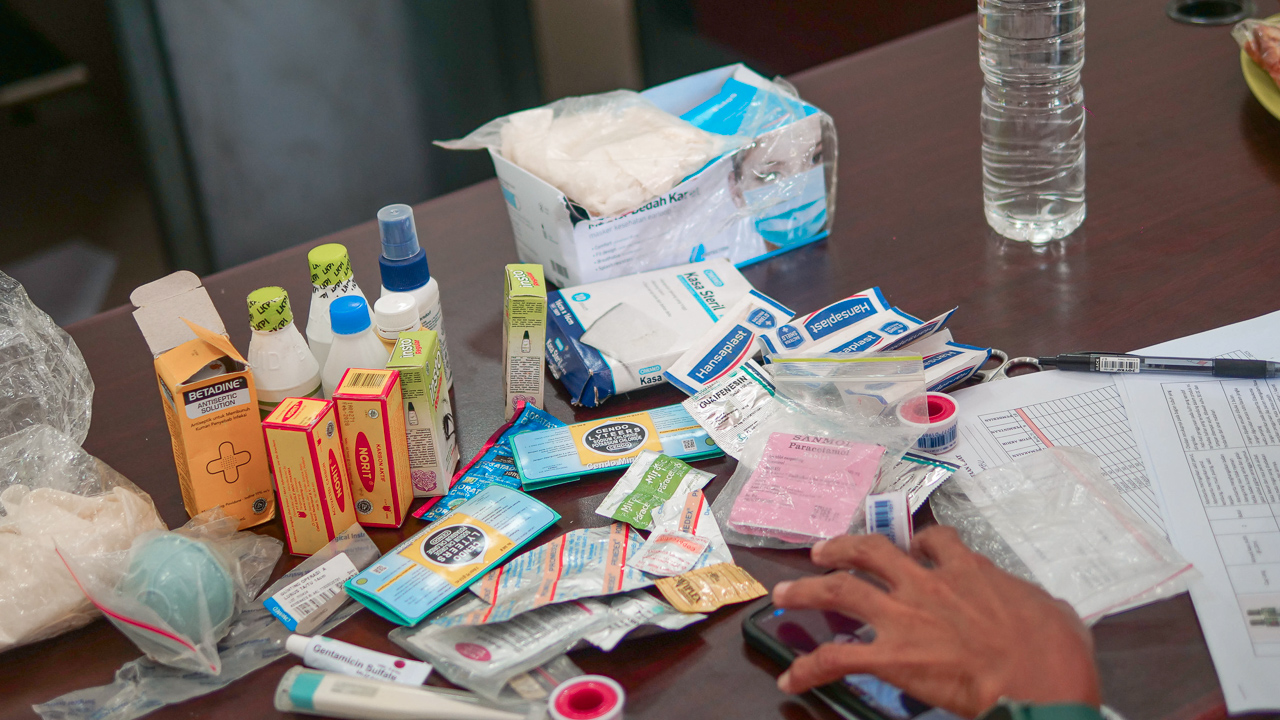
In many rural villages of Indonesia, medicine is everywhere, but medical care is almost absent. Tablets are sold in small shops, antibiotics can be bought without a prescription, injectable treatments are given without a clear diagnosis, and families often try to manage severe illness alone. This is not because people do not care about health. It is because the nearest doctor may be hours away, transport may be impossible, consultation may cost too much, and the health system often reaches them too late or not at all. In this vacuum, self-medication becomes normal. It becomes the first response to fever, wounds, cough, abdominal pain, infections, and sometimes life-threatening conditions. What looks like an individual choice is often the direct result of a system that has failed to provide accessible medical care.
The clinical consequences are serious. Antibiotics are started too late, stopped too early, taken in the wrong dose, or chosen for illnesses where they have no effect. A viral fever does not require antibiotics. A deep bacterial infection may receive the wrong one. A child with pneumonia may be given scattered tablets for two days, then nothing. A wound may be injected with an unknown drug while the infection continues to spread. These practices increase antimicrobial resistance, one of the most urgent public health threats of our time. The CDC guidance is clear: antibiotics do not work against viruses and should be used only when needed. When bacteria learn to survive common antibiotics, simple infections become harder to treat, hospital care becomes more complex, and people in remote areas pay the highest price. We already see infections worsening, sepsis developing, kidney and liver complications appearing after uncontrolled medication, and severe diseases being masked until referral becomes late, difficult, or impossible. In too many places, antibiotics are easier to access than qualified medical professionals.
This is not only a medical problem. It is a structural and political failure. When prescription medicines circulate freely without effective control, when pharmacies and medicine sellers expand faster than rural healthcare services, when public education is weak or absent, and when enforcement is limited, unsafe medication practices become part of daily life. People learn from neighbours, from shopkeepers, from previous prescriptions, from memory, from fear. They do what they can with what is available. But access without guidance is dangerous. A medicine can save a life, but the same medicine can harm when used blindly. A health system cannot simply allow drugs to circulate while leaving communities without trained people able to explain when, why, how, and for how long they should be used. This is exactly what happens when health systems stop before reaching the village.
The World Health Organisation has repeatedly stated that fighting antimicrobial resistance requires responsible antimicrobial use, stronger surveillance, infection prevention, and public education. Its global action plan is clear on this point: resistance is not solved by hospitals alone. It begins where medicines are used, misused, sold, shared, stopped, or taken without diagnosis. Médecins Sans Frontières has documented the same danger in low-resource settings, where resistant infections are harder to diagnose and harder to treat. In rural Indonesia, this means that the solution cannot be only regulatory. It must also be practical. It must reach the house, the small kiosk, the family treating a fever at night, and the mother deciding whether a child needs help now or tomorrow.
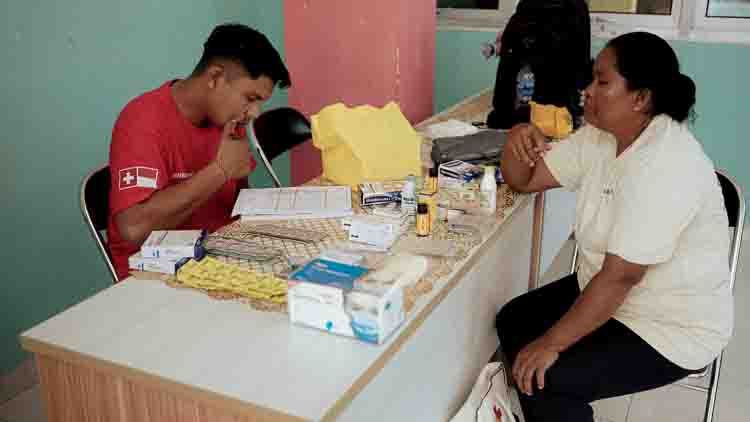
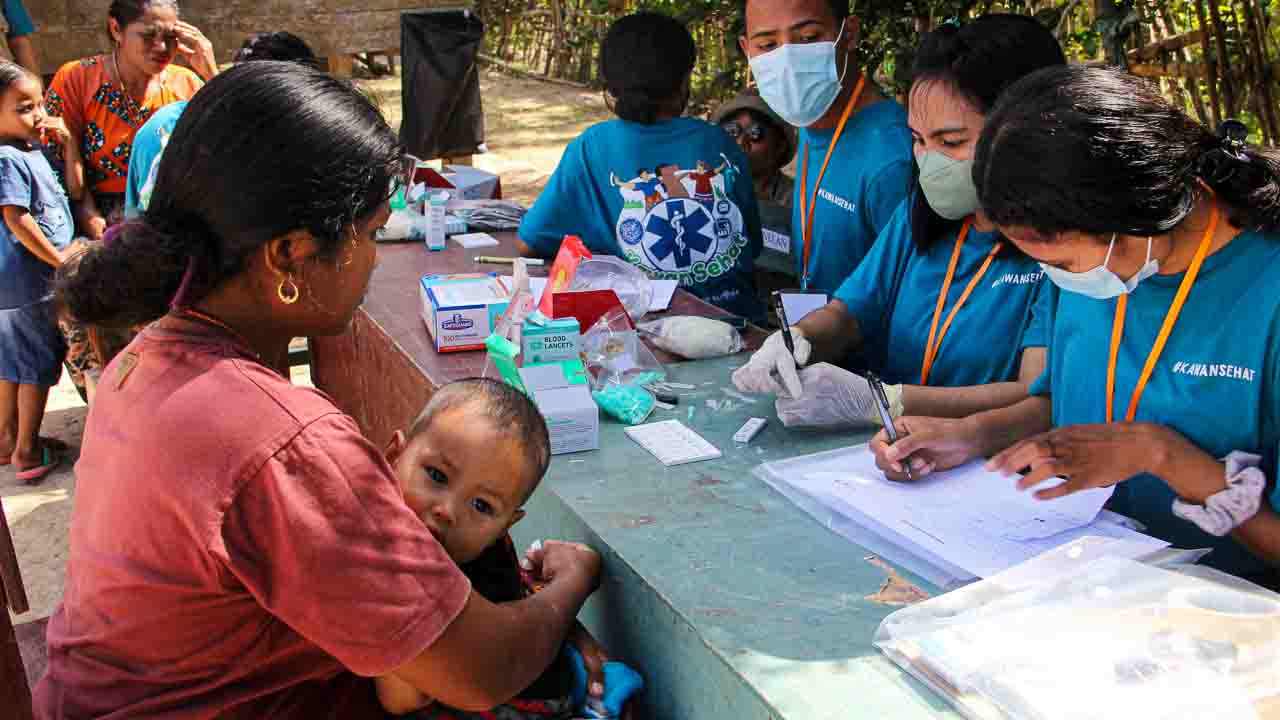
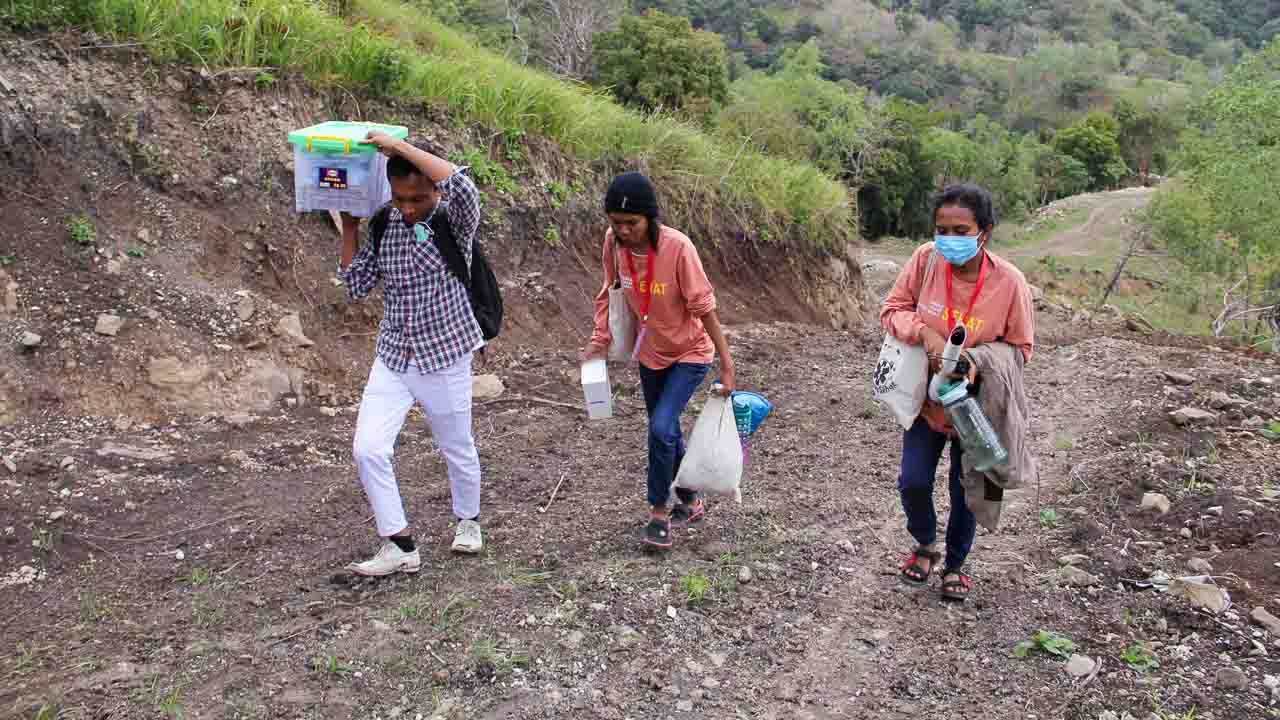
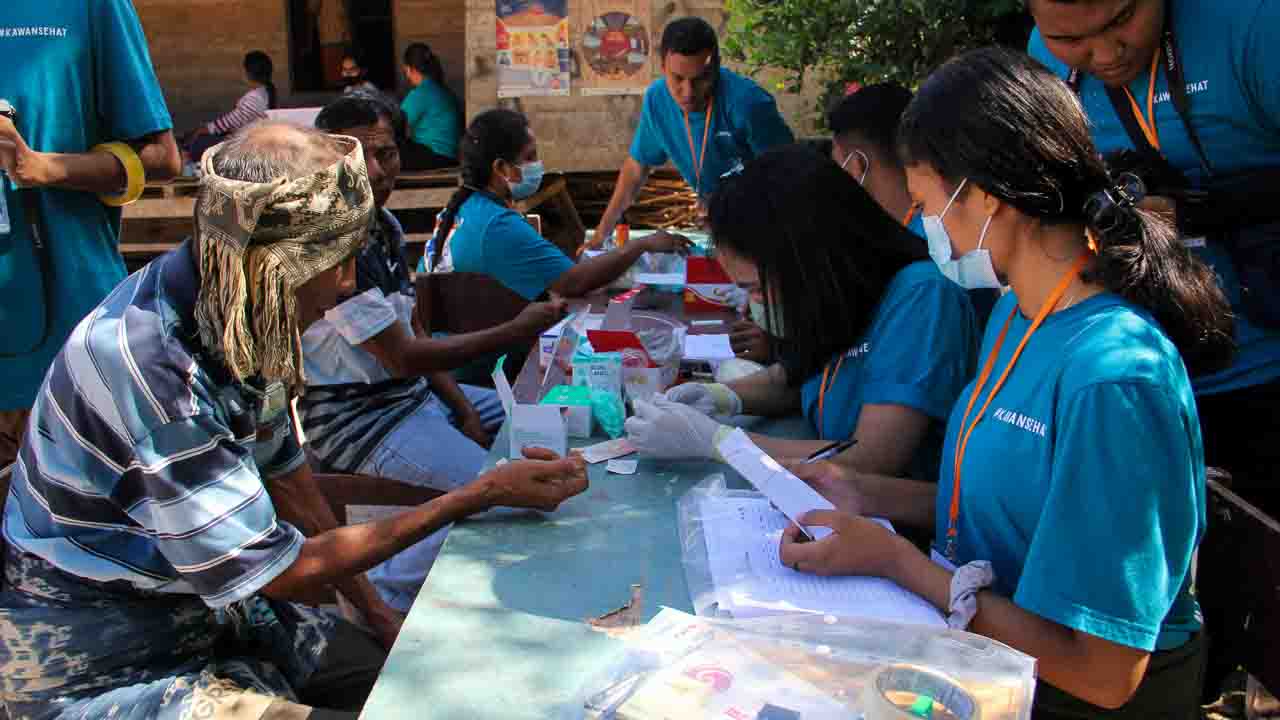
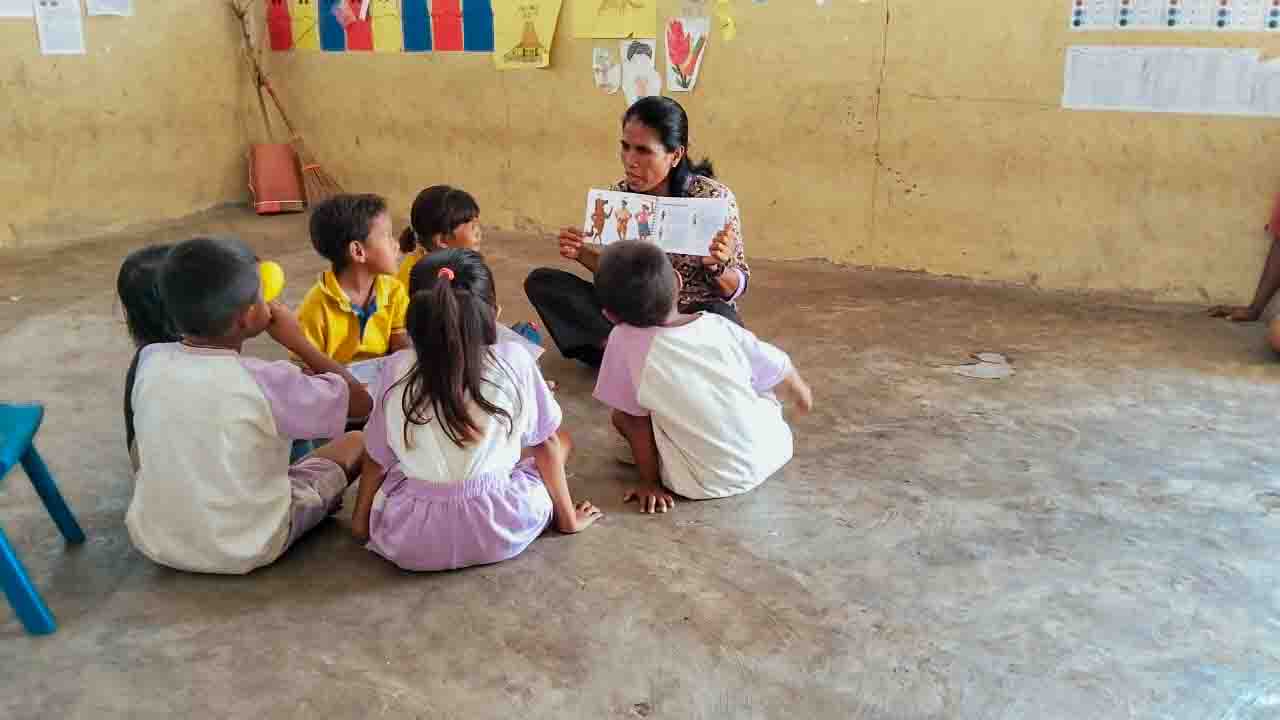
This is why community-based prevention is essential. Through Fair Future Foundation’s Primary Medical Care program, the Kawan Sehat health agents are not only providing basic care in villages where no doctor is present. They are also teaching families how to understand medicines, how to avoid unnecessary antibiotics, how to recognise danger signs, and why injections are not inherently stronger simply because they enter the body through a needle. They explain when a fever must be monitored, when a wound becomes dangerous, when breathing difficulty is an emergency, when diarrhoea can be fatal due to dehydration, and when a patient must be referred. This education is quiet, repetitive, and demanding. But it is one of the strongest tools we have for disease prevention and for protecting communities from unsafe treatment. It is also the role of community health brokers who connect families to a health system that is often too far away.
Behind the words “antimicrobial resistance” are real people. A child with a skin infection that becomes sepsis. A mother who waits because the first tablets seemed to reduce the fever. A farmer who continues working while hiding a deep infection with painkillers. A family that spends its little money on medicines that were never indicated. These are not abstract failures. They are human consequences. Unsafe self-medication is often a survival strategy born from necessity, but necessity does not make it safe. It shows how far healthcare still has to travel before it reaches those who need it most. This is also why our East Sumba Sepsis Study matters: we need to understand where infections begin, where delays occur, and why patients arrive too late. The same reality is described in our work on delays in rural medicine.
Access to medicines alone is not healthcare. Safe medicine requires knowledge, diagnosis, follow-up, regulation, and trust. The World Health Organisation also links unsafe care to avoidable harm, making patient safety a central part of public health. Preventing antimicrobial resistance and unsafe medication use requires stronger rural health systems, ongoing community education, better control of prescription-only medicines, and trained health professionals closer to where people live. In ultra-rural regions, Primary Medical Care is not a secondary service. It is the first line between a treatable infection and a preventable death. It also depends on medical logistics, because no treatment is safe if it cannot reach the patient in time. Medicine saves lives only when it is accessible, understood, and used safely.
Thank you very much for reading this article. Today, May 25, 2026 | Alex Wettstein
In Short – When Medicine Is Used Without Guidance
In many rural Indonesian villages, families buy antibiotics, injections and painkillers because formal healthcare is too distant or unavailable. This article explains how unsafe self-medication can delay diagnosis, worsen infections, increase antimicrobial resistance and turn treatable illness into preventable tragedy.
Primary Healthcare and Safe Medicine in Rural Indonesia
List of Related Organisations with Hyperlinks
- World Health Organisation: Explains antimicrobial resistance, antibiotic misuse and why drug-resistant infections threaten rural and fragile health systems.
- World Health Organisation Sepsis: Defines sepsis as a life-threatening response to infection and stresses early recognition, treatment and referral.
- CDC Antibiotic Use: Provides clear guidance on when antibiotics help, when they do not, and how unnecessary use increases resistance.
- UNICEF Indonesia Health: Works to improve access to quality health services for children, mothers and vulnerable families across Indonesia.
- Médecins Sans Frontières: Documents antibiotic resistance in low-resource settings and the danger of buying antibiotics without a prescription.
- FAO Antimicrobial Resistance: Addresses AMR through a One Health approach linking human health, animal health, food systems and environment.
- World Bank AMR: Shows how antimicrobial resistance weakens health systems, increases costs and affects low-resource countries most.
- WHO Global Action Plan: Sets international priorities for awareness, surveillance, prevention and responsible antimicrobial use worldwide.