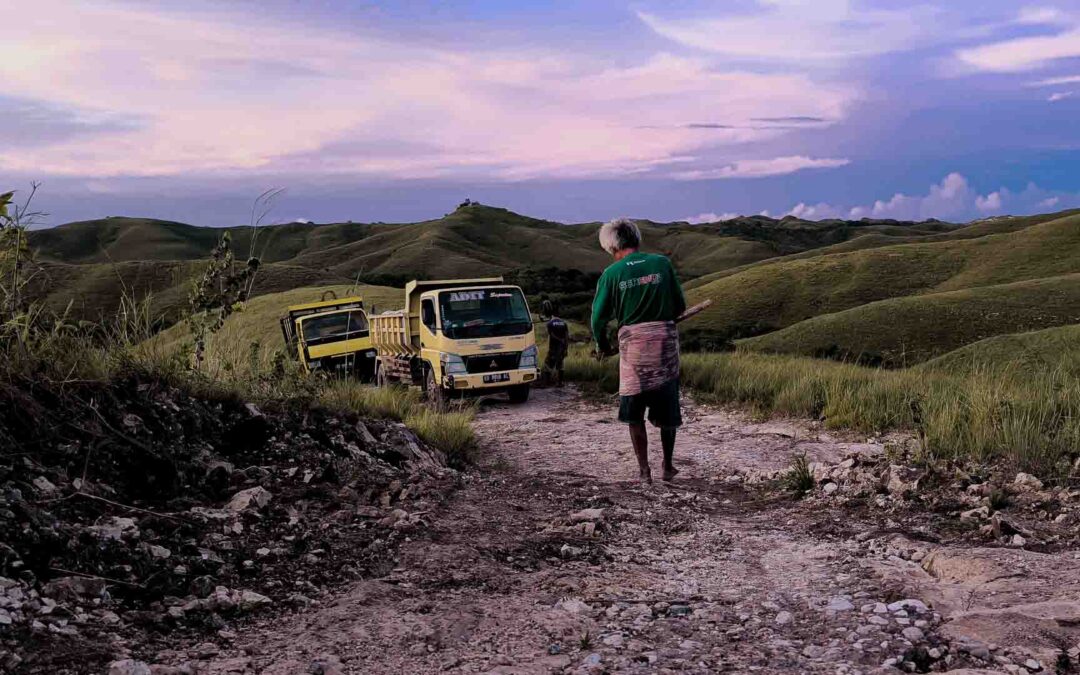
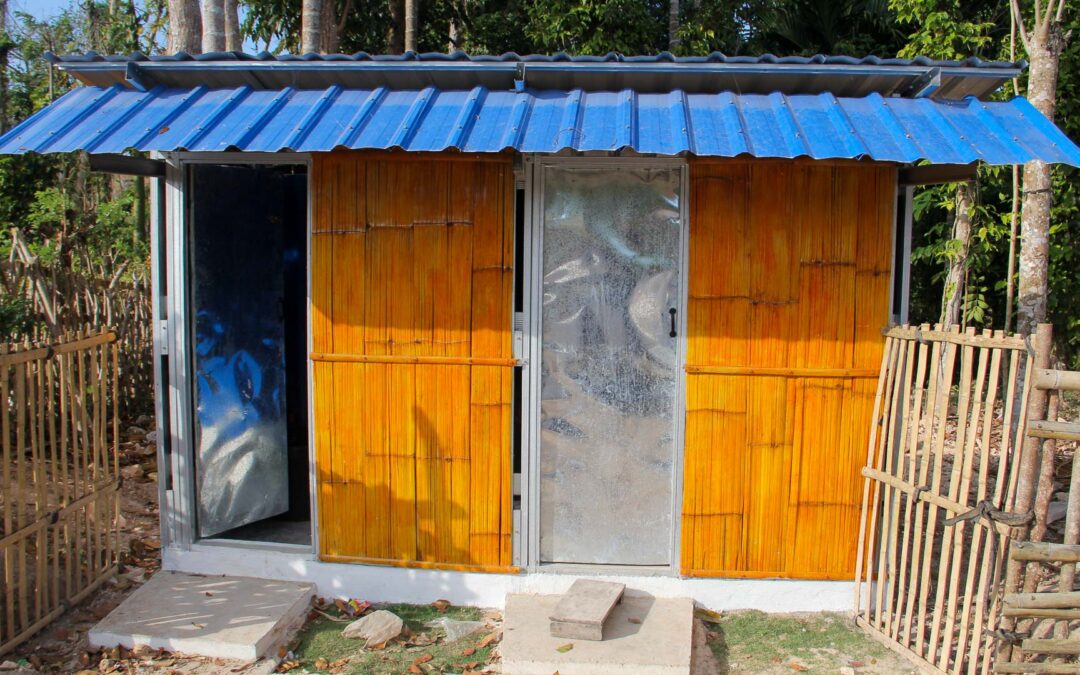
Families in East Sumba tell us how little water they have for drinking, cooking, washing and going to the toilet. For World Toilet Day, Alex Wettstein explores what makes a safe toilet at home usable, what families told the Sumba Sepsis Study, and why privacy matters for women and girls.
Water Connections

The Water Connections category documents long-term interventions designed to ensure safe and reliable water access in ultra-rural settings.
Articles describe the planning, construction, and maintenance of wells, gravity systems, reservoirs, and distribution points, combined with basic sanitation and hygiene measures. These actions follow WHO water and public health standards, recognizing clean water as a core determinant of health. By reducing exposure to waterborne diseases, supporting hygiene, and improving daily living conditions, water connections contribute directly to lower morbidity, child health protection, and community resilience.
Latest field updates
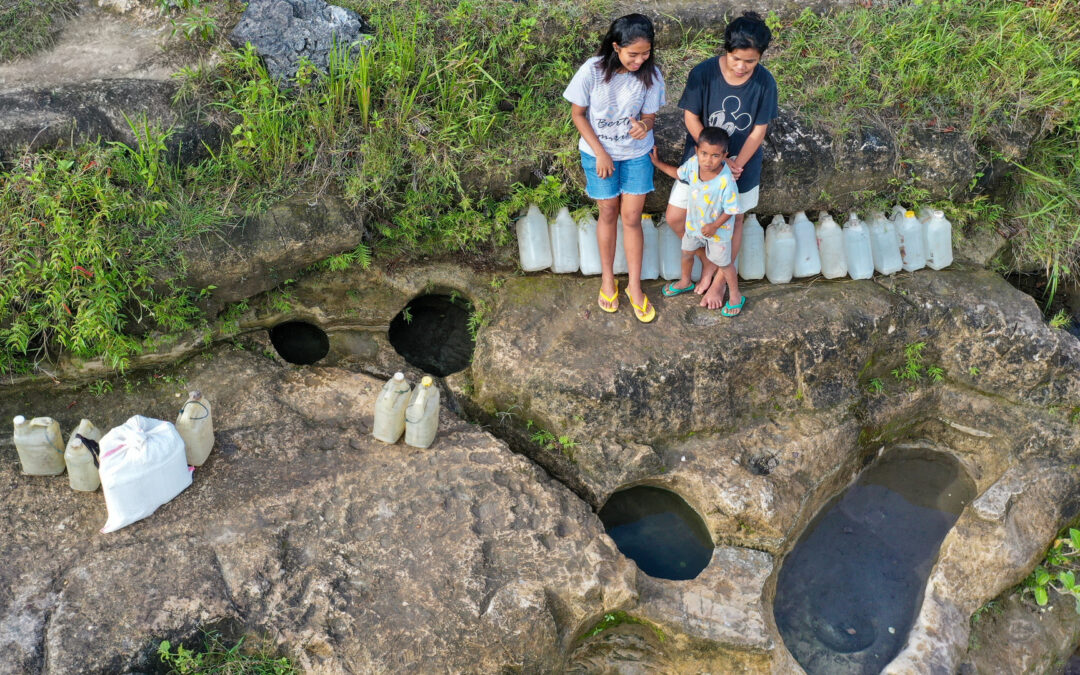
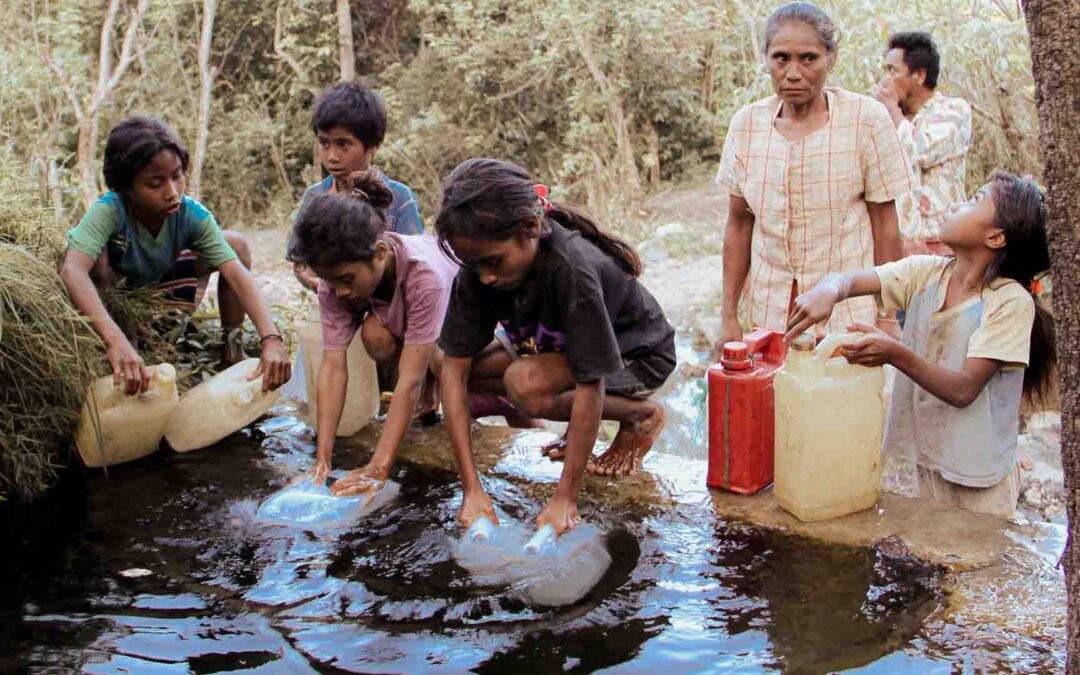
Kullup in East Sumba, When Access to Water Determines the Conditions of Care
Seasonal kullup sources in East Sumba provide small volumes of water after long, difficult journeys. This photograph connects restricted supply with hygiene, contamination risks and the daily decisions families face, alongside our Water Connections work and plans for water testing.
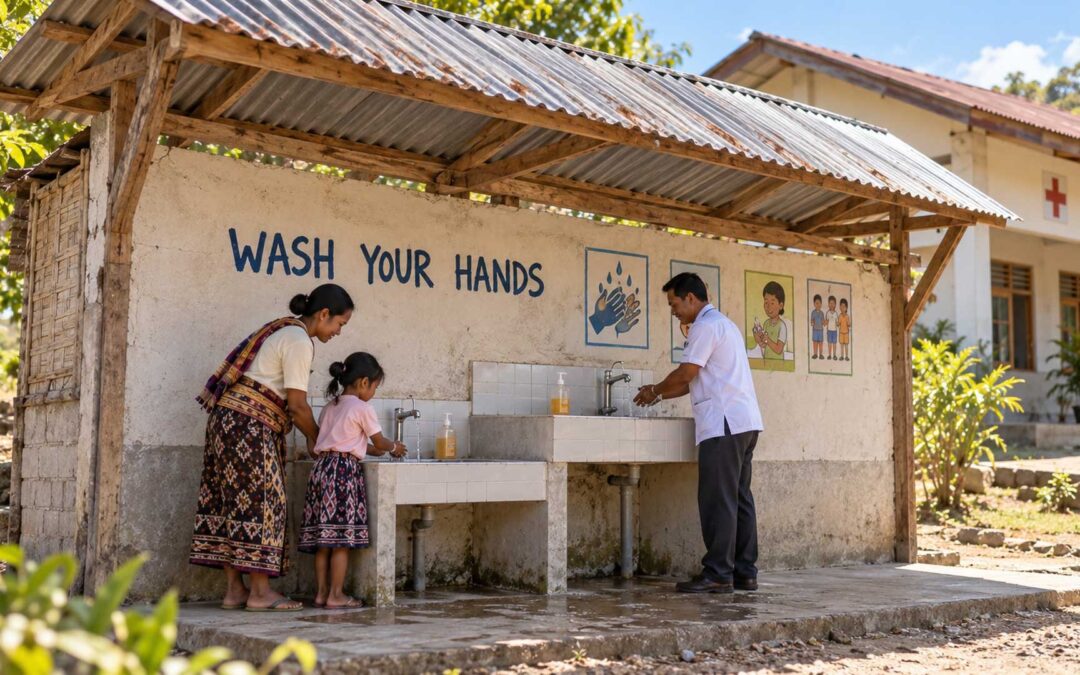
Handwashing at Rumah Kambera Starts with Careful Planning
Rotary Australia, the Rotary Club of Mandurah Districts and John Kevan support planned handwashing facilities at the new Rumah Kambera. Accessible basins and hygiene education will serve children and adults. Installation is planned for 2027, with locations, plumbing and costs still to define.
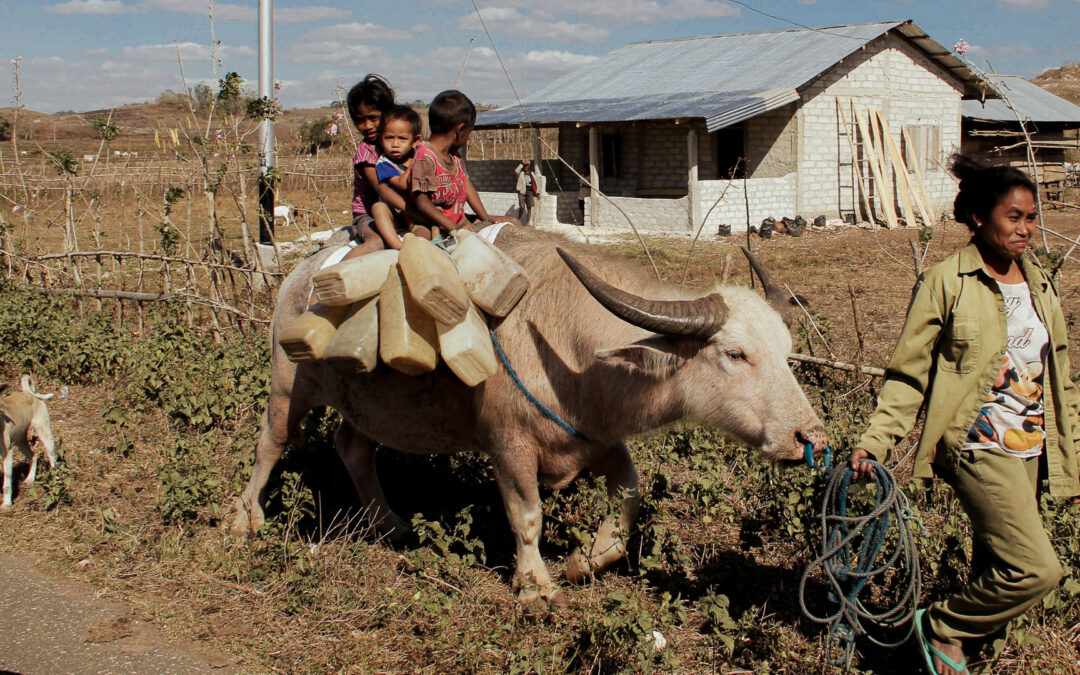
Three Children on a Kerbau and the Daily Journey for Water in East Sumba
Three children ride a kerbau as their mother leads it to collect water in East Sumba. Alex reflects on the limited quantities some families can obtain, bathing without running water, and the place of reliable water access in health, hygiene, menstrual dignity and everyday childhood.
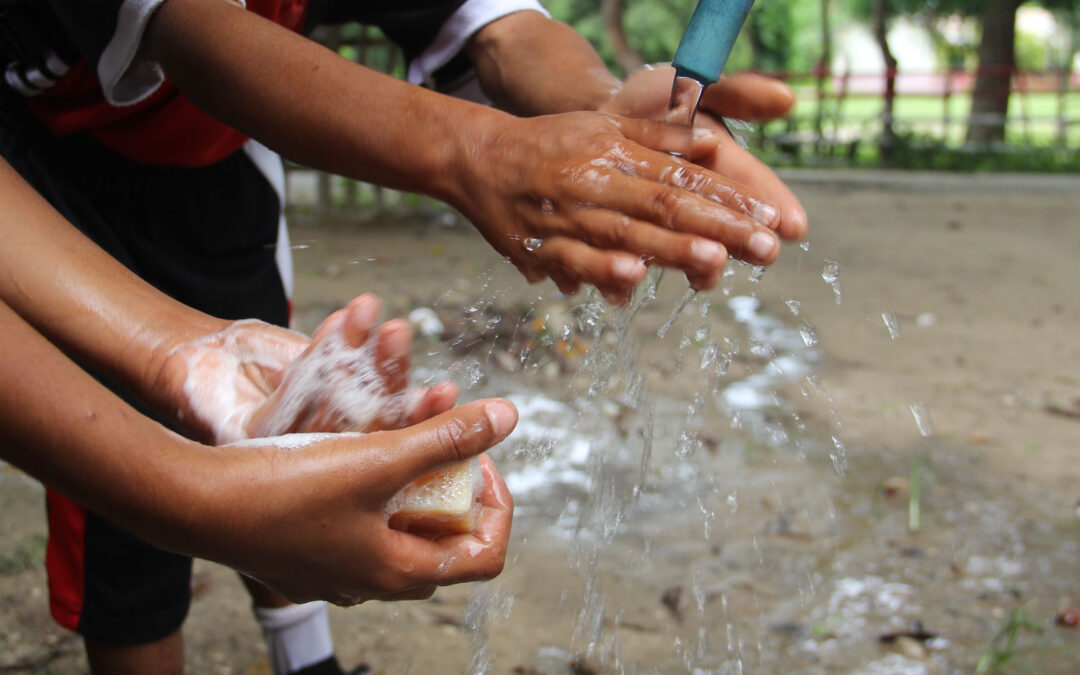
Global Handwashing Day 2026 and the Water, Soap and Practice That Protect Health
For Global Handwashing Day on 15 October, Fair Future Foundation and Kawan Baik Indonesia examine how water, soap and practical education support infection prevention in East Sumba. Working facilities and repeatable habits are essential alongside medical care, wherever people live.
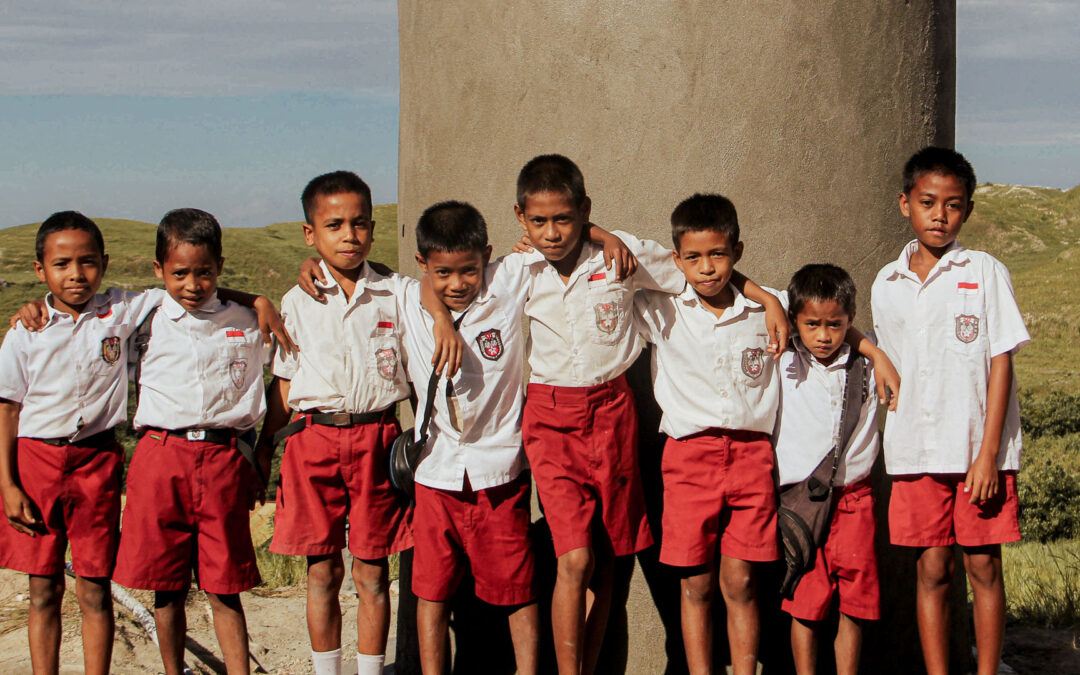
Eight Children, a New Reservoir and Water for Schoolchildren in East Sumba
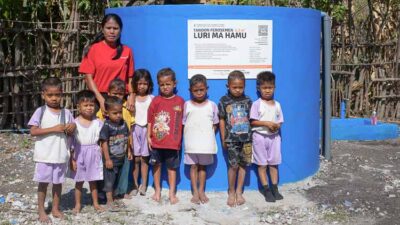
Eight children stand beside a newly finished reservoir in East Sumba. Their school previously had neither water nor toilets and still has no electricity. Water Connections links access to water with practical health and nutrition education. Dozens more reservoirs are still needed.
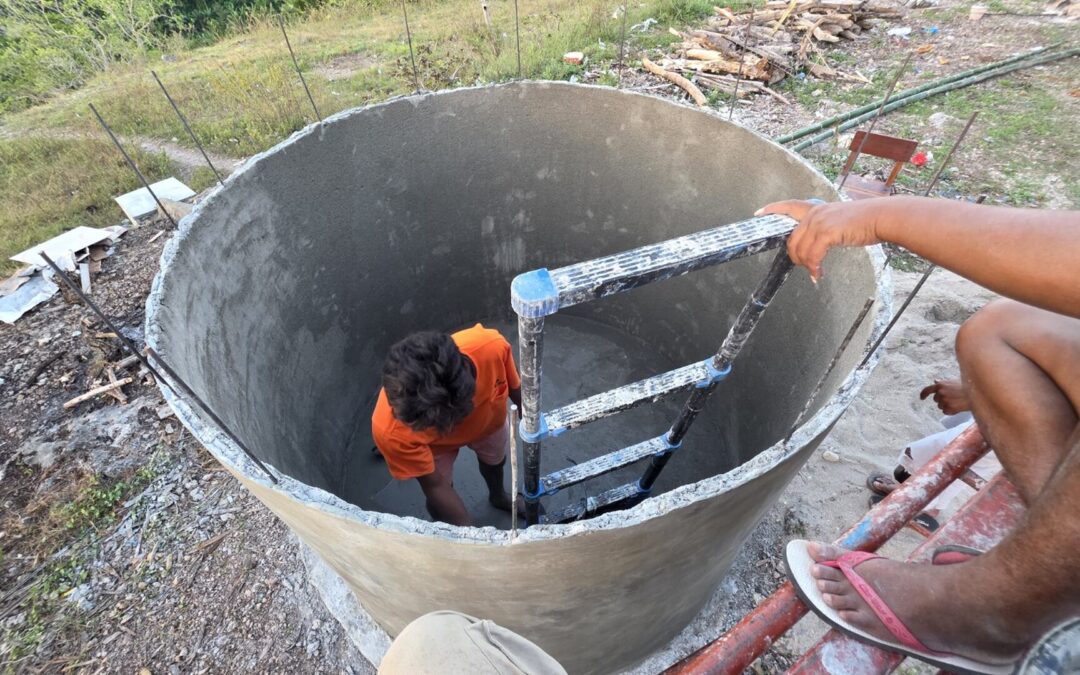
Inside a Ferrocement Reservoir Built for Safe Rainwater
Fair Future Foundation and Kawan Baik Indonesia team members apply waterproofing inside a 5,300-litre ferrocement reservoir in East Sumba. Local villagers work beside them and learn a practical technique that brings filtered rainwater closer to three rural households.
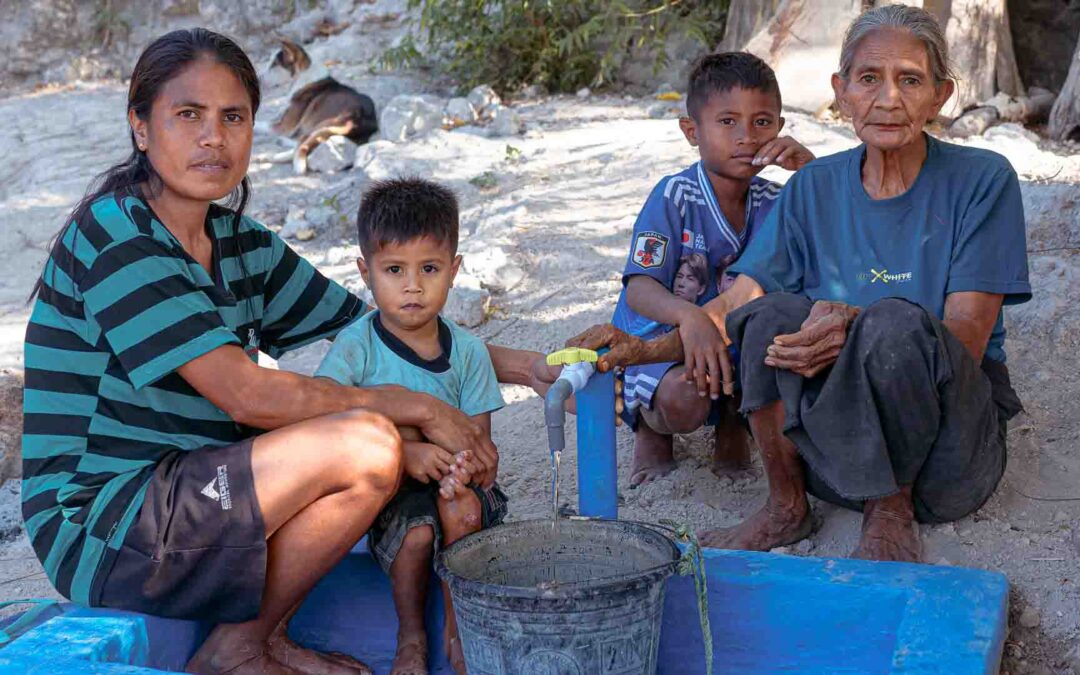
Clean water at home | Gravity-fed Water Connections
A new 5,300-litre reservoir and 200 metres of gravity-fed pipe now bring water directly to two families. For around fifteen people, a household tap changes hydration, food preparation, hygiene and exposure to waterborne disease, while reducing the daily burden of collecting water away from home.
Unsafe Water Childhood Diarrhea Indonesia | Health Crisis
Unsafe water remains a major driver of childhood diarrheal diseases in rural Indonesia. Contaminated rivers, poor sanitation, and plastic pollution expose children to infection, dehydration, and malnutrition. Improving access to clean water and hygiene education is essential to protect child health.
Water Connections Reservoir Funding | Clean Water Sumba
Clean water remains one of the most urgent public health challenges in East Sumba. Through the Water Connections program, Fair Future Foundation and Kawan Baik Indonesia aim to build 12 new rainwater reservoirs, bringing safe filtered water to rural families and improving health for hundreds of people.
Laindatang Water Reservoir Report | 114.5 m³
Laindatang Water Reservoir Report documents the construction of a 114 m³ reinforced concrete rainwater system in East Sumba. Built to secure dry season water for more than 200 people and a local school, the reservoir is now full and operational, confirming structural reliability and community management.
Health Without Infrastructure Fiction | Rural Care
Health Without Infrastructure Fiction describes a simple reality in ultra-rural East Indonesia. When roads, water, and electricity are absent, diagnosis is delayed and preventable disease becomes lethal. Infrastructure is not secondary to healthcare. It is healthcare.