

Through the Primary Medical Care program, Kawan Sehat health workers provide treatment for fevers, wounds, and malaria in villages lacking access to doctors. They carry essential medicines, adhere to established medical protocols, and refer emergency cases promptly to prevent delays in care.
Donate
Support Care
Programs
All projects
Quick News
Field updates
Stories
Field stories
Personal reflections and updates from Alex Wettstein, Founder of Fair Future
Reflections on life, the world, our mission to create change – A word from Alex
Alex Wettstein is a health professional with almost four decades of field experience, working at the intersection of emergency medicine and social medicine. He has spent most of his life in remote regions where no healthcare systems exist, providing care directly in communities facing illness, poverty, malnutrition, and the absence of basic services.
In 2008, Alex founded the Fair Future Foundation, a Swiss-registered humanitarian organisation dedicated to bringing medical care, clean water infrastructure, and social programs to some of the most isolated villages of East Indonesia. Working with local teams, he develops practical, community-based solutions that save lives: primary medical care, infectious disease prevention, access to clean water, education programs, and field logistics adapted to extreme terrain.
Alex is the biological son of Axel Kahn, the French physician, geneticist, and ethicist. Their relationship—especially in the final years of Axel’s life—profoundly shaped Alex’s understanding of medicine, ethics, and human dignity. Axel Kahn prefaced two of Alex’s books, reflecting the deep intellectual and human connection between father and son.
Today, Alex continues to live and work in East Sumba for most of the year, leading Fair Future’s medical and humanitarian programs alongside local communities. His practice is grounded in scientific integrity, concrete action, and a commitment to sharing the real stories of the people the foundation cares for.

This moment captures a powerful scene from a free medical outreach day in the ultra-rural East Sumba region. A young girl, surrounded by curious friends and family, listens to her heartbeat for the first time through a stethoscope held by Alex. In places where there are no clinics or doctors, such moments are more than symbolic; they are transformative. They awaken curiosity, trust, and a sense of connection to one’s own body and to care. It’s small, simple, and unforgettable.
18.12.2025 - East Sumba, December: care, data, water, light. Merry Christmas to all 🎅🎄🎁✨
👋 Hi, it’s Alex. How are you? How are you today?
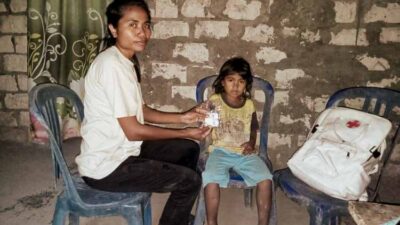 Here in East Sumba, December is anything but a picture-postcard scene. Dust still lingers, the roads are starting to get muddy again, and the sky is undecided between sun and rain. We’re sometimes like that, too. And yet we go anyway, because there are villages where no one comes and where a simple box of medicine can change everything.
These past few weeks have been incredibly intense and absolutely crazy.
We trained the Kawan Sehat health workers, really trained them, using real-life cases, challenging questions, and this constant reality: here, when an infection worsens or a child contracts pneumonia, there’s no ambulance. There’s an old motorcycle, a lamp, a phone, and procedures that must be followed correctly. So we reinforce those skills. Again and again.
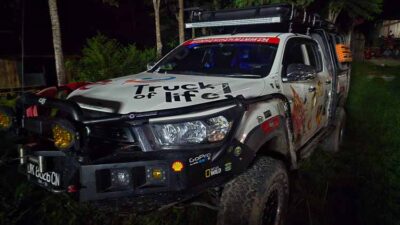 Meanwhile, the Truck of Life and all our teams have been tirelessly on the road, carrying medicines, equipment, and everything else needed where there are no pharmacies or supplies. We’ve also been working closely with local medical centres, particularly the Puskesmas of the Indonesian government. We don’t work alongside them; we work with them because sustainable medicine is rooted in reality.
A key moment was the evaluation of the Kawan Sehat app. What started as a somewhat crazy idea is now fully adopted by healthcare workers. Every patient is registered confidentially. Around 1,000 patients per month, and that number is growing. This means better monitoring, reliable data, and more consistent medical decisions. The health authorities told us quite frankly: “-This app is more intuitive and more efficient than the ones we currently use…” A door is opening for 2026. We’ll see where it leads.
On the ground, illnesses don’t take a vacation.
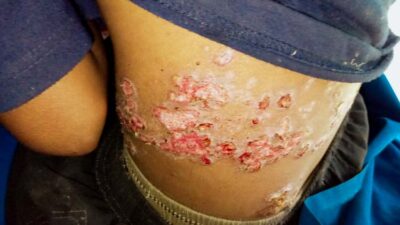 Many skin problems are often linked to water and poorly treated wounds. Many respiratory infections and digestive illnesses, as well as children who drink too little because water is scarce or unsafe. And then there are the serious issues, such as cases of leprosy, HIV, and hepatitis. How do we protect families? How do we protect the teams? How do we provide proper referrals without stigmatising? These are serious, medical, and essential discussions.
And, all too often, one phrase comes up: “-They arrived too late.” Without access to healthcare, a wound becomes infected, an infection becomes sepsis, and here, sepsis kills quickly. It’s hard to say, but it’s the reality. That’s precisely why the Primary Medical Care programme exists. Furthermore, everything indicates that we will be able to launch a large-scale sepsis study as early as 2026, which is a significant issue here.
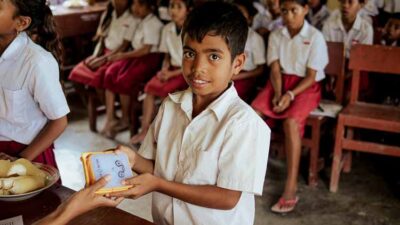 Amidst all this, there is also light. We continued distributing the SolarBuddy lamps. We still have a few hundred to distribute. Last week, to reach an extremely isolated school, we walked for twelve hours, round-trip, with our volunteers, the teaching materials, and the lamps: twenty-seven students, twenty-seven children without electricity. When the first lamp lit up, the fatigue receded for a moment.
We also evaluated the Water Connections projects in Hambarita and Laindatang. Today, I can say this simply because I conducted the evaluation myself: the Laindatang reservoir is full. 115,000 litres. Clean water. Here, it’s not a luxury, it’s preventative healthcare.
Finally, great news for us: after 12 months of searching, we have found land for our future medical and social centre in East Sumba. A real relief. This centre is essential to continue our work in a region with nearly a million inhabitants. The goal is clear: to present the project in early 2026 and begin construction in the first quarter. Without this foundation, our work would become too precarious.
📍Regarding this land, I encourage you to read the short presentation brochure in French here. {LINK}
But here’s the thing: we’re holding on thanks to you.
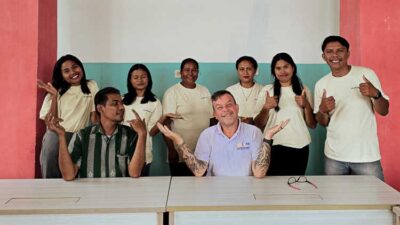 I want to thank you sincerely. Your support, your messages, your donations, your shares—all of this doesn’t just sit on a screen. It becomes a medical bag, a ride in an ambulance, training, a lamp, clean, safe water.
For Christmas, I’m not asking you to pity us. I’m asking you to keep believing in tangible results. If, among your holiday gifts, there’s a little space for Fair Future, I can promise you one thing: that gift won’t stay here. It will leave, roll, be carried by hand, and arrive where it is needed.
Wishing you and your loved ones a wonderful holiday season. Take care. And thank you so much for being there; we love you ـــــــــــــــﮩ٨ـ❤️ﮩ٨ـﮩ.
Alex, for Fair Future – Thursday, December 18, 2025
06.12.2025 - Caring for, illuminating, reaching those who live far from everything
👋 Hello friends, it’s Alex. I’m writing from Rumah Kambera, our base, which is lively with the rhythm of departures, returns, and stories from the field. I hope you’re all doing well.
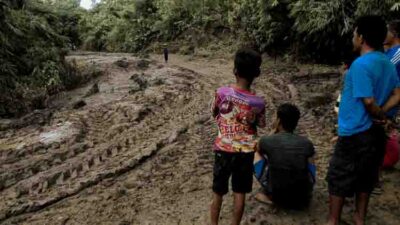 The dry season, which crunched under our feet, is giving way to the first rains. The air is changing, the tracks are crumbling, and already, entire regions of Southeast Asia are submerged. In East Sumba, I encourage you to look at this map we created—every downpour is both a promise and a risk. But our work continues, as always, wherever it needs to be done.
For several weeks now, we’ve been on the road again with the Truck of Life and the Truck n’Load to complete the distribution of 2,400 SolarBuddy lamps. We still have nearly a thousand lamps to give to children in villages without electricity. We hope to finish before the end of the month, but the rain is turning some tracks into rivers of mud. Sometimes, an entire village comes out to help us pull the truck free. However, every lamp we deliver illuminates more than just a house: it opens up a little part of the future.
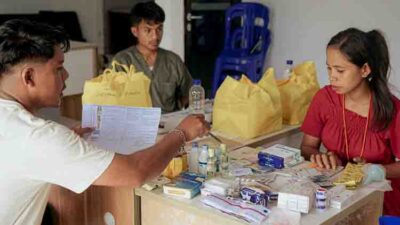 Meanwhile, we’re preparing for the next phase of the Primary Medical Care programme. Today, 20 community health workers from Kawan Sehat treat nearly 1,000 people each month. Next year, there will be thirty. We’re reviewing our supplies, purchasing medications, and organising new rounds. In these areas without doctors, roads, or health centres, these women are the medical presence for an entire region.
Note: Take another look at the quarterly impact report of the primary medical care program.
And it is vital because the health situation is deteriorating. Malaria is increasing, along with tuberculosis. Leprosy cases are now numerous, and several medical centres have asked us if Fair Future could assist with treatment. We are considering it seriously, as the responsibility is significant and it is also very costly; the logistics are crucial.
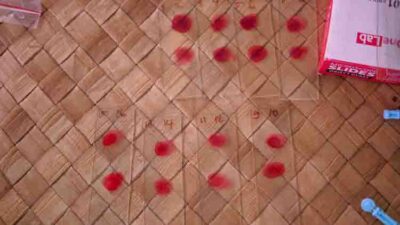 I must admit that, until now, the only cases of leprosy I had ever seen were in the film Ben-Hur. I never thought I would see it again. And yet, here it is—a reality. It’s absolutely crazy to witness this in 2025.
Regarding HIV, the epidemic is rapidly spreading across East Nusa Tenggara, including East Sumba. Hundreds, even thousands, of new cases occur each month. That’s why we’ve created a new prevention poster, which you can view via this link, friends.
Amid these challenges, there is also good news. In Laindatang, the 115,000-litre reservoir is full. The first rains have filled the basin to capacity. It contains filtered, drinkable water accessible to all families. After many months of work, this signifies one profound yet straightforward thing: the village will have water throughout the entire dry season. Water for drinking, washing, cooking, and daily life. It is tangible, essential, and perfectly embodies the purpose of our effort.
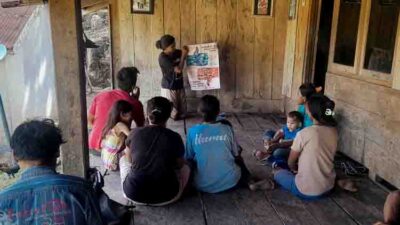 At Rumah Kambera, we are making steady progress. We have identified land where, by 2026, we will establish a genuine socio-medical and community centre, dedicated to training, treating, developing, and nurturing the projects of tomorrow.
This is not yet a relocation, but a crucial first step towards something more substantial, more dignified than our current situation. Our existing base is in disrepair; it no longer truly stands. The future centre will offer us a suitable working environment, enabling us to do more and, above all, to do it better, while remaining true to who we are and what we do here.
And then, a little bit of hope: we’re sharing the video below of the electrification of the Mbajik school—one more school emerging from darkness. There are still over a hundred to go. One at a time, we’re making progress.
As Christmas draws near, from this corner of East Sumba, where every rain reminds us of life’s fragility and the resilience of our communities, I wish you all the best. We will write to you again before the holidays.
Alex, for Fair Future – Friday, December 5, 2025
08.11.2025 - What light changes in a forgotten school
👋 Hi everyone, it’s me again, Alex, live from Rumah Kambera, our field base in Lambanapu. How are you?
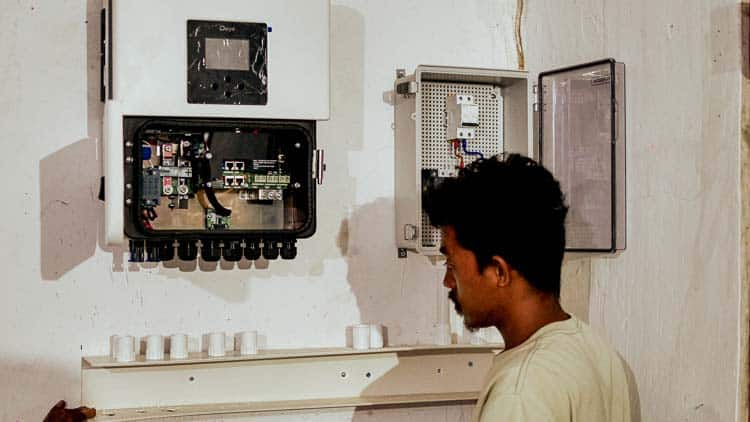 A few weeks ago, the SDN Mbajik Primary School in the remote village of Haray, in the Mahu sub-district of far eastern Sumba, opened its doors for the first time.
This is not just a metaphor. It’s genuine light — steady, clean, renewable. For the 80 children attending school here, the 12 people who live there — teachers and families – and the entire village, it marks a significant change.
It was impossible to mark papers, prepare a lesson, or simply live. Here, night falls quickly in the village of Haray, at 5:30 p.m. Within minutes, everything becomes dark. The children couldn’t study at home in the evening; they had to do their homework on the ground, in broad daylight, before the lights went out. The teachers, like the families living there, were plunged into total darkness by late afternoon.
There was no internet, no way to print documents, and no electricity. Clean water depended on a pump… but without power, it didn’t work. The BAKTI internet satellite, installed by the government, remained inactive: the generator had been out of service for months, and gasoline, scarce and prohibitively expensive, arrived after hours of travel.
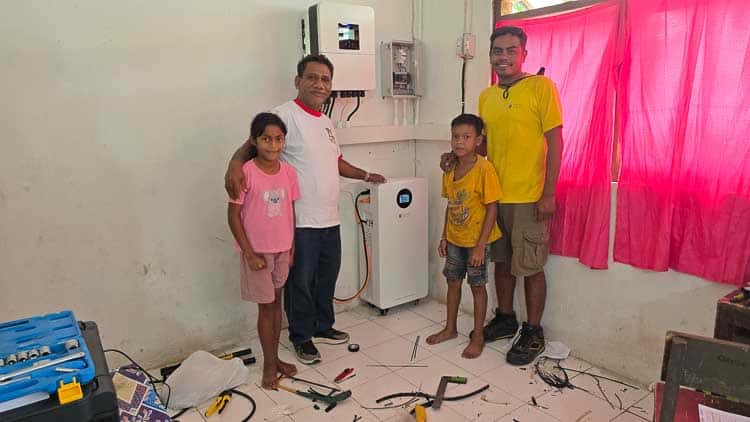 So, we took action. Fair Future, Kawan Baik Indonesia, Smart Energy Tech collaborated to equip the school with a complete solar power system. Thanks to our new Truck n’ Load, a team of eight people, including Tony, a technician from Smart Energy, transported over 1.5 tonnes of equipment: 16 solar panels, a 5 kW hybrid inverter, a 14 kWh lithium battery, all the wiring, all the tools, all the rails, and other electrical apparatus.
On-site, as usual, we lived with the local people in a wooden house without electricity or running water, following the village’s rhythm. This isn’t unusual; it’s been our approach for 16 years. For five days, we worked tirelessly with the villagers and local authorities. Comprehensive training was provided at the end of the project to ensure the system was understood, maintained, and managed locally.
Today, there is light. Children continue to learn in the evenings. Phones are charging. Water is flowing. The internet is working. Teachers can teach, plan, and share their knowledge.
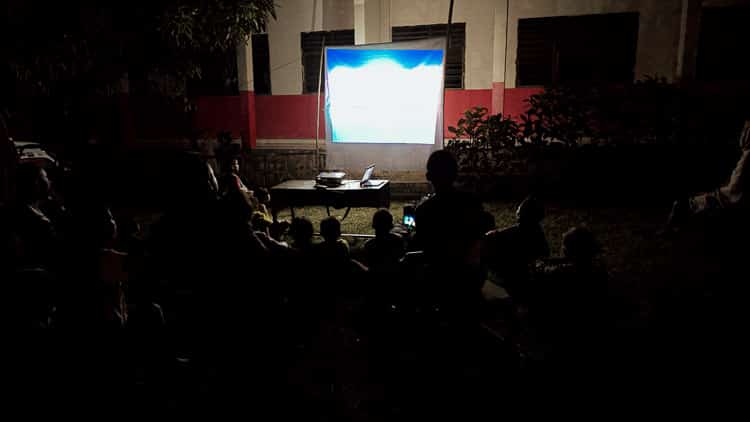 Then, there was that suspended moment. As night fell, a white sheet was stretched across the schoolyard, and a projector lit up. For the first time, about fifty children and adults watched a film. The sound, the images, the magic of a world brought into view by the light. We saw smiles, laughter, and moments of silence. That, too, is what access to energy is all about.
In this part of Sumba, over 120 schools and villages still lack electricity. However, a solar installation like the one in Haray is affordable. But it transforms everything: learning, health, safety, and the future.
This project involved an investment of nearly 250 million Indonesian rupiah, or just over 12,000 Swiss francs. It was made possible thanks to our partners and all of you. So, a huge thank you from the bottom of my heart.
I send you all my warmest regards.
Alex, for Fair Future – Saturday, the 8th of November 2025
- 👉 Click here to view the full photo gallery of this project.
- 👉 Click here to read the detailed article about this action on the ground.
05.11.2025 - Concrete Results Against Malaria and Infectious Diseases
👋 Hello everyone, this is Alex, from our base camp in Rumah Kambera, here in Lambanapu.
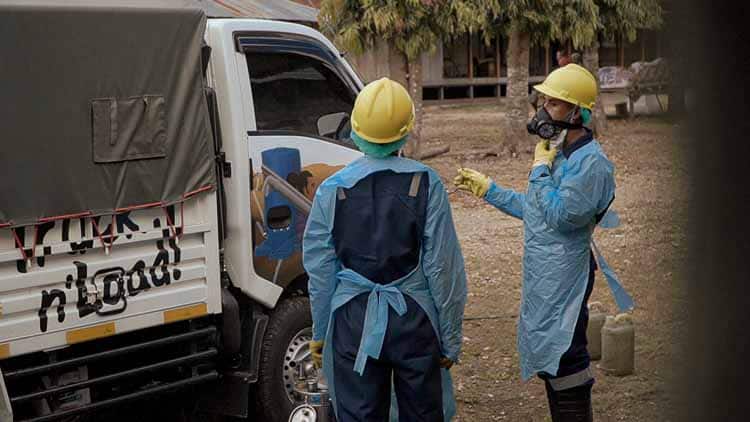 I’m writing to you from a dusty dirt track where the day begins early and ends late. We work in areas where distances are vast and access to healthcare is limited. In recent months, our teams haven’t just been fighting malaria.
We’ve continued our Primary Medical Care with Kawan Sehat agents, enhanced health education, sustained our water and energy projects, and implemented an intensive malaria prevention programme.
The guiding principle is simple: act fast, measure, correct, document.
For the East Sumba Malaria Prevention 2025 programme, we scheduled activities from 22nd to 27th August 2025, in collaboration with Dinas Kesehatan, Puskesmas, village chiefs, and schools. These included strengthening the IRSS teams on 9th September, indoor residual spraying on 10th and 11th September in Laitipi, and community education sessions along with the distribution of mosquito nets in four isolated villages from 23rd to 26th September.
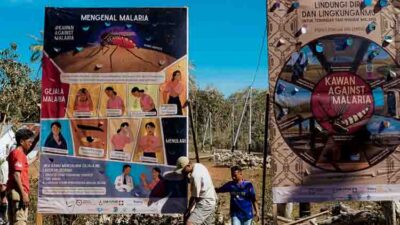
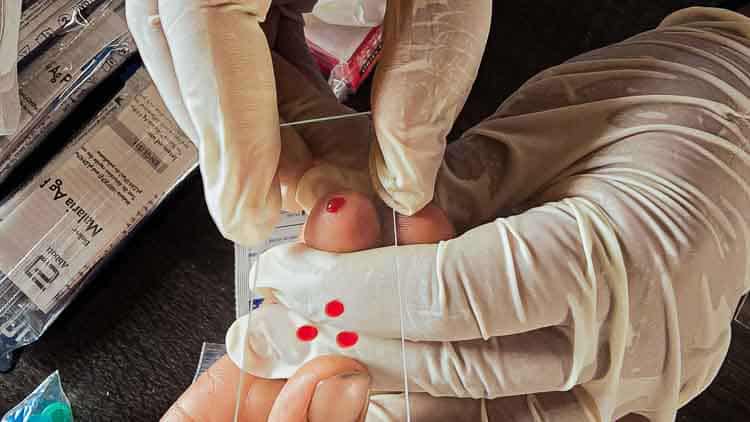 The results speak for themselves. 302 people participated in sessions covering symptoms, rapid testing, treatment adherence, and risk reduction at home. 146 sleeping groups received insecticide-treated mosquito nets, along with demonstrations on installation and repair. Seventeen homes were protected by the IRS, with 1,943 m² of walls measured room by room to calculate the exact dose of Ficam. A complete PPE (Preventive Protection Plan) was implemented, including re-entry time communication and a signed log. Public information was kept visible through 20 large billboards and 270 posters placed at strategic points of entry.
Diagnosis is another essential element. Twenty-eight laboratory analysts received hands-on training. This covered microscope maintenance, optical alignment, slide preparation, parasite density determination, and a proficiency test using panel slides. The expected outcome: fewer false negatives, quicker treatment, and more informed decisions at the first point of contact.
 In the field, we used hundreds of rapid tests to immediately direct cases to care.
This program is not a temporary measure; it is a working method. We verify everything. The walls are measured, the nozzles are calibrated, the mixtures are recorded by sprayer ID, and the households are informed and monitored.
Transparency is more than just a slogan: dates, methods, and costs are published for audit and reporting by others. As with all our projects, I stayed on-site from the initial planning stages to the final day, working alongside colleagues, volunteers, and local partners. This is our way of ensuring the quality and effectiveness of every franc invested.
Thank you to Rotary International, Malaria Partners International, Kawan Baik Indonesia, the East Sumba health authorities, the Puskesmas, the village chiefs, the Kawan Sehat teams, the schools, the volunteers, the donors, and all the families who participated.
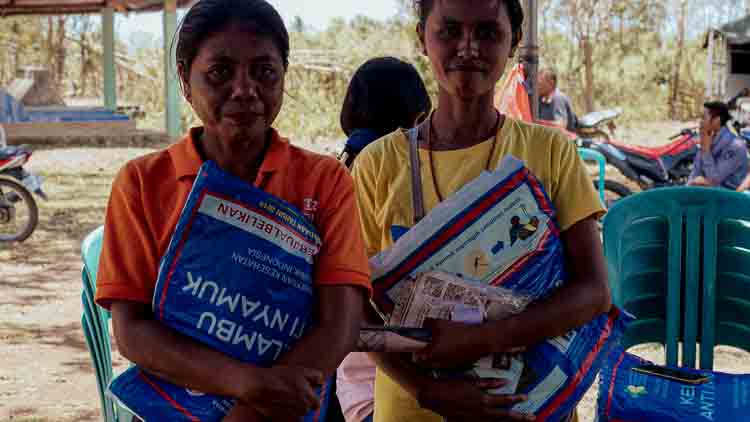 In East Sumba, combating infectious diseases, including malaria, is not merely a theoretical effort. It occurs in homes, schools, and health centres, using simple tools, rigorous practices, and a team that remains until the work is done. Your dedication has enabled us to undertake targeted, effective, and verifiable actions.
We remain in the field every day to improve diagnoses, protect families, and provide faster treatment. Thank you for your trust and your time.
The public documents are online: The final report and accounting appendices, for those who want to delve into the details and replicate what works.
- 📑 Final Report 2025 v1.0: dated results, indicators, and lessons learned from East Sumba.
- 📑 Accounting Documents (ZIP): detailed costs, receipts, and appendices.
I send you all my warmest regards.
Alex, for Fair Future – November 5, 2025
03.10.2025 - Listening to the sound of mosquitoes
👋 Hello everyone, this is Alex, writing from Rumah Kambera, here in Lambanapu.
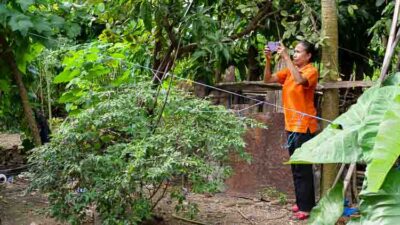 I chose “Listening to the Sound of Mosquitoes” as the title of this story because in Umalulu, between March and July, that sound dominated our days and nights. The faint buzzing, seemingly insignificant, yet carrying with it disease, fatigue, and sometimes even death. Behind that sound are the statistics: houses open to insects, torn mosquito nets, and families walking for miles to find treatment. For months, we listened to that sound and took the time to analyse it, methodically, like a doctor listening to a heartbeat.
For five months, we undertook meticulous and painstaking work. Seven volunteers – nurses, health professionals, social workers – went from house to house, sometimes in torrential rain, sometimes through scorching dust, and often until late at night.
They visited 269 households, interviewed 460 people, and observed 693 sleeping areas. Each piece of data recorded, each geolocated photo, each patient interview brought to light a reality that official statistics too often ignore.
The results are not flattering, but they are truthful.
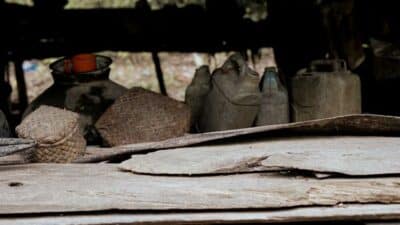 Less than 2% of families received insecticide spraying in their homes. One-third still sleep without an effective mosquito net, and over 92% of the nets used are already too old. More than half of the residents have no toilet and still defecate in the open air. Sixty-eight per cent cannot identify places where mosquitoes breed. And despite near-universal health insurance, most live more than five kilometres from a health centre.
These findings are challenging but essential. They clarify why malaria persists, why entire families are exhausted each season, and why poverty worsens when the disease strikes, depriving people of income for days on end.
But this meticulous, scientific, and human approach is making a real difference.
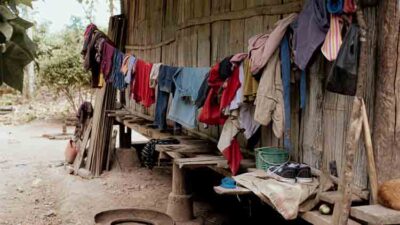 For the first time, we have a detailed picture, house by house, of the vulnerabilities and needs. We know where to distribute mosquito nets, where to train spraying teams, where to build latrines (which we call “sanitation facilities”), ferrocement water tanks for clean water storage, and how to strengthen village health workers.
We also know that solutions won’t come from above, but rather from this patient, grassroots approach, built with the communities, leveraging their own strengths. Our expertise, honed over 16 years of continuous field presence, forms the basis of these pragmatic and tailored approaches.
This is exactly what we are already doing with other prevention initiatives this year in East Sumba, such as the East Sumba Malaria Prevention Project. Each time, we take another step forward, transforming worrying observations into levers for action.
I invite you to read these documents, the result of this painstaking work:
- 📄 IMRaD-style scientific report – Fair Future (EN)
- 📚 Comprehensive and illustrated report with annexes – Fair Future (EN)
- 📑 IMRaD-style scientific report – ARAM (EN)
These reports illustrate our approach: rigorous, scientific, independent, but most importantly, deeply human. They are accessible to everyone because the fight against malaria isn’t won through rhetoric, but in the villages, in the field, alongside families.
Thank you all for continuing this journey with us.
With my warmest regards,
Alex, for Fair Future – The 3rd of October 2025
22.09.2025 - Listening to the Heartbeat of the World
👋 Hello everyone, this is Alex. I’m writing to you from the office, having just returned from Sumba two weeks ago… and already preparing everything to go back. In three days, I’ll be back on the road. We load trucks, make lists, pack, check, and repeat the process. In short, the usual routine before several months in the field. How are you all doing?
Although I am not feeling heavy-handed today, the weight of our mission still feels real. We respond to needs, oversee projects, and care deeply for the communities we serve, taking pride in knowing that our work makes a meaningful difference in people’s lives.
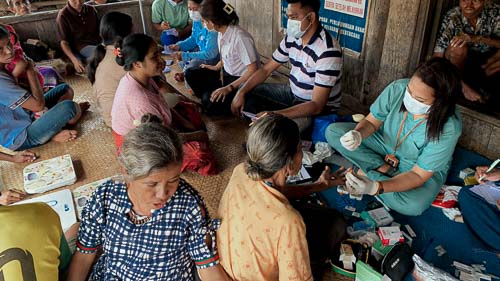 To manage very limited resources, we innovate by developing methods to treat illnesses without excessive use of medication. Antibiotics are precious and reserved for situations where there is no other alternative. We use every available resource, learning to disinfect serious wounds with simple soap, a compress, and meticulous care. The expert hand of a Kawan Sehat Health Agent, trained in just a week with us, often proves more valuable than the elusive doctor we may never encounter here.
Our Kawan Against Malaria program underscores our commitment to innovation. Without access to microscopes, rapid tests, or conventional antimalarial treatments, we save lives through proactive prevention, comprehensive education, and a constant presence. We understand the symptoms and essential interventions, and we resolutely fight various diseases, including malaria, dengue fever, tuberculosis, polio, and leprosy. These diseases, which are often treated elsewhere, still pose significant threats here. Yet, thanks to our efforts, it is possible to control them and save lives.
We’re also learning how to build vital infrastructure: a 115 m³ water tank and eight smaller tanks, built entirely by hand as part of our Water Connections program. Without electricity or motors, high atop a hill, the combined efforts of our team and the community come together, allowing families to avoid the sometimes six-hour walk to find clean water. Access to water, we’re learning, is the most basic medical aid.
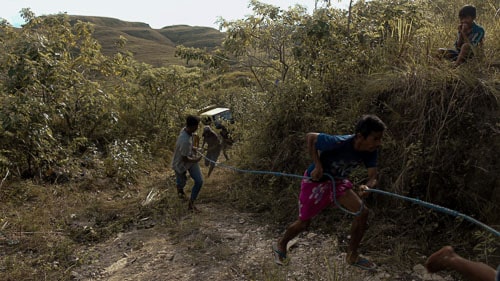 Transportation and logistics challenges? We face them with unwavering determination. We dig and open roads in the landscape with picks and machetes, because our logistics or medical trucks must reach their destinations. Filters, mosquito nets, lamps, bandages, and nutritional supplements are essential goods on which the villages depend.
This is the heart of our commitment.
Doing the most with what we have. Not with the bare minimum, but with the resources we actually possess. And always, we adapt. We adapt to the real needs of the people we support, with intelligence and humanity.
I believe that abundance is not measured solely in money or material goods, but in impact, in presence, in solidarity, in concrete solutions.
Our approach exemplifies the best of field medicine and logistical ingenuity. It demonstrates collective success and unwavering perseverance. Our interventions promote recovery, survival, and a sense of gratitude. Children thrive, mothers find comfort, and entire families express their gratitude. It is thanks to your continued support—your reading, sharing, contributions, and steadfast partnership—that we continue to make a tangible difference.
With 16 years of dedication to this cause, we draw inspiration from the world-renowned Swiss expertise in precision, quality, and innovation. Their influence strengthens our strategies and reinforces the impact of our efforts.
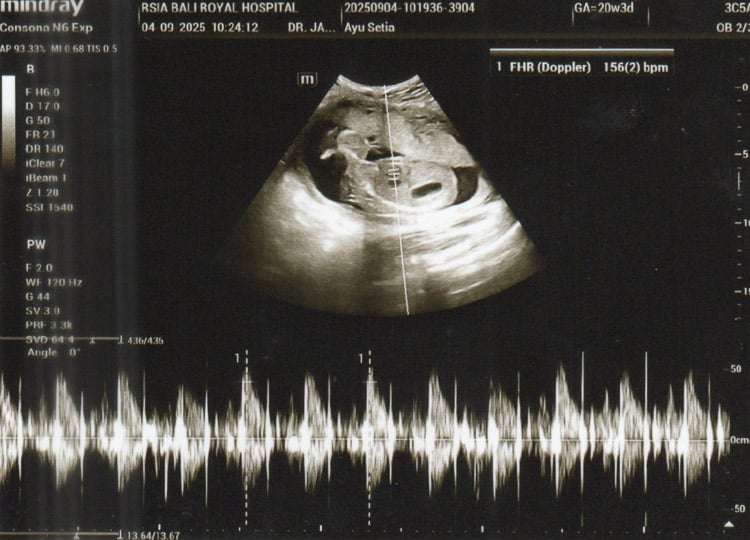 ✨ Breaking News: It’s growing!
This morning, we took a small detour. Not to dig a well or repair a pump, no. It was for another type of checkup: a simple routine exam to ensure everything is growing properly… inside Ayu’s belly. Her due date remains January 17, 2026, and this morning, we heard the heartbeat. Not mine (which was beating a bit fast too), but that of this little being on the way. It was strong, steady, magnificent. Everything is fine. She is in good shape.
Girl or boy? Mystery. We do not want to know. Here, we prefer to let life surprise us. We build reservoirs without water, clinics without roads, we provide care without medicine… so expecting a baby without knowing its name in advance is almost logical. We will keep you posted, of course.
Thank you for standing by our side as we transform lives together.
With all my heart and much more,
Alex, The 5th of September 2025
05.09.2025 - What you learn by being there
👋 Hello everyone, this is Alex. I’m writing to you from the office, having just returned from Sumba two weeks ago… and already preparing everything to go back. In three days, I’ll be back on the road. We load trucks, make lists, pack, check, and repeat the process. In short, the usual routine before several months in the field. How are you all doing?
Although I am not feeling heavy-handed today, the weight of our mission still feels real. We respond to needs, oversee projects, and care deeply for the communities we serve, taking pride in knowing that our work makes a meaningful difference in people’s lives.
To manage very limited resources, we innovate by developing methods to treat illnesses without excessive use of medication. Antibiotics are precious and reserved for situations where there is no other alternative. We use every available resource, learning to disinfect serious wounds with simple soap, a compress, and meticulous care. The expert hand of a Kawan Sehat Health Agent, trained in just a week with us, often proves more valuable than the elusive doctor we may never encounter here.
Our Kawan Against Malaria program underscores our commitment to innovation. Without access to microscopes, rapid tests, or conventional antimalarial treatments, we save lives through proactive prevention, comprehensive education, and a constant presence. We understand the symptoms and essential interventions, and we resolutely fight various diseases, including malaria, dengue fever, tuberculosis, polio, and leprosy. These diseases, which are often treated elsewhere, still pose significant threats here. Yet, thanks to our efforts, it is possible to control them and save lives.
We’re also learning how to build vital infrastructure: a 115 m³ water tank and eight smaller tanks, built entirely by hand as part of our Water Connections program. Without electricity or motors, high atop a hill, the combined efforts of our team and the community come together, allowing families to avoid the sometimes six-hour walk to find clean water. Access to water, we’re learning, is the most basic medical aid.
Transportation and logistics challenges? We face them with unwavering determination. We dig and open roads in the landscape with picks and machetes, because our logistics or medical trucks must reach their destinations. Filters, mosquito nets, lamps, bandages, and nutritional supplements are essential goods on which the villages depend.
This is the heart of our commitment.
Doing the most with what we have. Not with the bare minimum, but with the resources we actually possess. And always, we adapt. We adapt to the real needs of the people we support, with intelligence and humanity.
“I believe that abundance is not measured solely in money or material goods, but in impact, in presence, in solidarity, in concrete solutions.”
Our approach exemplifies the best of field medicine and logistical ingenuity. It demonstrates collective success and unwavering perseverance. Our interventions promote recovery, survival, and a sense of gratitude. Children thrive, mothers find comfort, and entire families express their gratitude. It is thanks to your continued support —your reading, sharing, contributions, and steadfast partnership— that we continue to make a tangible difference.
With 16 years of dedication to this cause, we draw inspiration from the world-renowned Swiss expertise in precision, quality, and innovation. Their influence strengthens our strategies and reinforces the impact of our efforts.
✨ Breaking News: It’s growing!
This morning, we took a small detour. Not to dig a well or repair a pump, no. It was for another type of checkup: a simple routine exam to ensure everything is growing properly… inside Ayu’s belly. Her due date remains January 17, 2026, and this morning, we heard the heartbeat. Not mine (which was beating a bit fast too), but that of this little being on the way. It was strong, steady, magnificent. Everything is fine. She is in good shape.
Girl or boy? Mystery. We do not want to know. Here, we prefer to let life surprise us. We build reservoirs without water, clinics without roads, we provide care without medicine… so expecting a baby without knowing its name in advance is almost logical. We will keep you posted, of course.
Thank you for standing by our side as we transform lives together.
With all my heart and much more,
Alex, The 5th of September 2025
21.08.2025 - What's changing, and what's staying the same
 👋 It’s me, Alex. It’s been a while since we last spoke—almost a month, I think (actually, it was July 28th). I miss you.
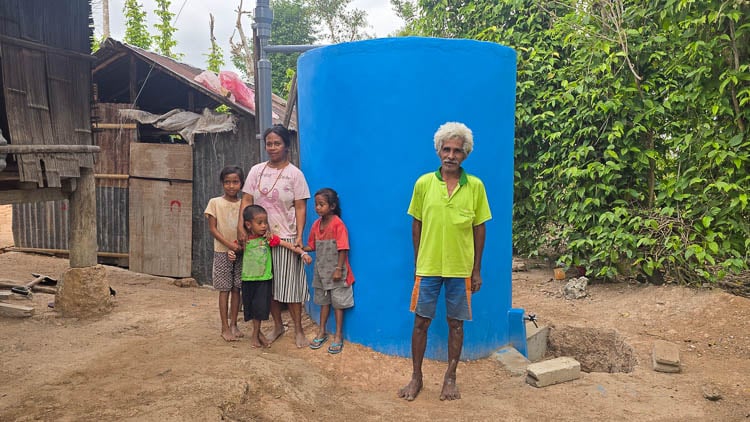
In East Sumba, the days pass amid heat, dust, and sometimes harshness, but small or large victories always mark them. Recently, our work has accelerated like never before: nine water tanks have been completed, including a substantial 115 m³ one, along with eight 5,300-litre tanks built together with the villagers. Thanks to this new infrastructure, families no longer need to walk for hours in the dark to collect a few litres of cloudy water. Now, it is the children who, laughing, fill a bucket, and a mother who can cook rice with clear water. By the way, I suggest you read a little more about these reservoirs here.
We also distributed thousands of solar lamps. Here, light goes beyond mere comfort: it’s a mother who sleeps peacefully because she’s no longer afraid of snakes, a child who revises their alphabet and does their homework without damaging their eyes, a path that doesn’t end in darkness, and fewer cases of poisoning from kerosene lamps—small things for us, but dazzling revolutions for them.
And then there’s the unchanging reality. The roads are worsening each day. Hospitals, meanwhile, are depleting their medicines, no longer able to treat the sick or injured. Those suffering turn to us, the only ones with vital reserves left. We entrust these reserves to the Kawan Sehat health agents, tireless women (and one man) who walk miles to treat infections or soothe a threatening fever. Their medical backpacks often serve as the only pharmacy for entire villages.
We have just completed a major medical study on malaria, conducted in Umalulu between March and July. The results are documented on paper, enhancing our understanding and guiding our actions. But understanding is only the first step. Furthermore, from now on, we will undertake three months of concrete on-the-ground efforts against malaria: prevention, distribution, treatment, IRS (indoor residual spraying), and, most importantly, ecommunity education. And always, without intermediaries—just us, Swiss and Indonesians, shoulder to shoulder in the mud and dust.
In September, within a few days, I will personally deliver advanced medical equipment to Waingapu Hospital, funded by donations totalling more than 15,000 Swiss francs. Imagine a hospital serving a population of 800,000 people (including us) that is deprived of running water, oxygen, ventilators, surgical scissors, surgical equipment, suction, IVs, and paediatric or neonatology equipment… A hospital at its wits’ end.
So, we provide what we can. It’s not enough, but it’s essential. I’ll tell you about what we do for them later in another, more comprehensive article.
Here, honestly, miracles appear as a thermometer, a bucket of clean water, a healthy meal, a solar lamp, or a little boy learning to write his name after his fever finally subsides, thanks to our efforts. But we’re very isolated, you know… Sigh!
Here’s what’s changing and what’s remaining the same. Lives are improving every day through simple actions, but poverty endures unyieldingly. So — as I tell you nearly every time — we keep going, tirelessly for over sixteen years, with the same belief: even the most minor victories deserve to be celebrated and shared.
🦟 Today is World Mosquito Day. In 1897, Dr Ronald Ross discovered that mosquitoes transmitted malaria. Since then, substantial progress has been made, but the fight continues. So, have a great day, everyone — Happy World Mosquito Day!
With all my heart and much more,
Alex, August 21st 2025
23.05.2025 - Why are we perpetually unwell? — A child's question that transforms everything.
👋 Hi there, it’s Alex. I’m reaching out from Hambarita, also known as Laindatang, where the hills are coloured red, the soil is parched, and every drop of water feels like a precious gift.
I have a question to share — a straightforward one that a child asked me. Yet, it’s one I will always remember. The day a child asked me why he and his family are always sick.
A little over three years ago in Laindatang, we had just arrived to discuss the villagers’ upcoming access to clean water—boreholes, tanks, toilets, and sanitation facilities. As the adults conversed in hushed tones, a boy, around eight years old, approached me. His face was weathered, his feet were bare, and his eyes were serious. He tugged at my sleeve, softly said “hey,” and then asked: “Why am I always unwell? Why is my family always unwell? And the water you bring… is that why?” I was left speechless. This question impacted me like no other sentence ever has. It was simple. But disarmingly true.
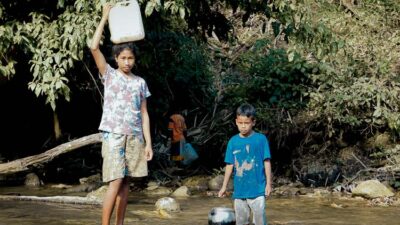
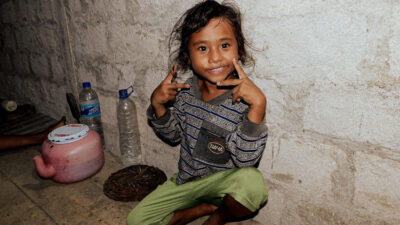 In rural Indonesia, children walk with water containers, enduring harsh living conditions due to a lack of access to clean water. In Laindatang, as in many other villages in East Sumba, the water we consume makes us ill, daily and with every glass. It leads to severe diarrhoea, dehydration, chronic intestinal infections, skin diseases, and typhoid fever. Most importantly, it exacerbates malnutrition cases. It undermines the health of children, mothers, and the elderly, facilitating the transmission of urinary tract infections and, in some cases, even hepatitis A or intestinal parasites that are hard to treat without healthcare access.
This question—“Why are we always sick?”—is prevalent everywhere. It typically goes unasked, except by children. Since that day, this phrase has remained with me, guiding me like a compass. It reaffirmed to me the reasons behind our efforts: why we drill, dig, build, test, train, and treat, and why, despite the obstacles, we persist and repeat this process over and over.
We initiated the Water Connections program to transform the water in these villages from a danger into a solution. We drill deep wells, install solar pumps, construct 5,000, 10,000, or 110,000-litre tanks, and repair out-of-order equipment. A single day’s worth of water is insufficient; a dependable, sustainable, and easily accessible source is essential.
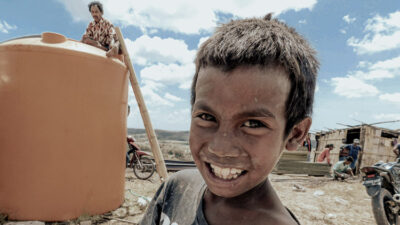 In rural Indonesia, children walk long distances carrying water containers, confronting difficult living conditions due to lack of clean water. To address this, we established the Primary Medical Care program alongside Kawan Sehat health workers, ensuring that every village has at least one trained and equipped individual ready to provide assistance. These health workers treat the consequences of contaminated water, educate about hygiene, distribute appropriate treatments, and prevent complications.
Yet, what I truly hold dear in my heart is that moment. That little boy is doing better today. And I am certain that at times, a child can pose the most significant question in the world. I frequently see that kid; he’s become a real friend, a true buddy.
Today, I believe our efforts in his village mean he no longer needs to ask that question. If he does ask it again, let us be prepared to provide a different response. “Because we took action. Because we persevered. For you. For your family. To ensure that water remains safe for everyone.”
🌻 Thank you for your presence, for engaging with these stories, for supporting us, and for recognising that behind each well, every medicine box, and every child’s smile lies a raw reality and a tremendous determination from all of us. Sending you hugs from wherever I am. See you soon. Alex Wettstein
With all my heart and much more, Alex, The 23rd of May 2025
13.05.2025 - The words they don't say, but we listen to them.
The words they don’t say, but we listen to them.
👋 It’s me, Alex. I write these lines quietly, with the voices we rarely hear in my head and the dust of villages where people listen more than they talk. I hope you are well, wherever you are.
The Words They Don’t Say is a story highlighting the struggles of many young people living in isolated communities, where silence often speaks volumes. By sharing this story, I aim to convey humility, respect, and admiration for these silent voices we work with daily.
The lack of infrastructure in these remote villages is evident. There are no roads, running water, toilets, or electricity.
Yet, dignity persists. Upon arrival, the landscape takes a back seat to the profound silence that envelops the community. This silence is steeped in tradition and caution, often carried by young girls who do not know how to express their inner struggles.
The realities faced by girls and women in these communities, who walk for hours to fetch water, bear the silent weight of numerous challenges. Holding a dirty white jerrycan, they carry an unspeakable pain: the lack of hygiene products, soap, and safe spaces to express their femininity and humanity. This is not merely a logistical challenge but a significant social and public health issue that affects their quality of life and dignity.
Our response begins with presence. We sit, we listen, and we learn.
 Members of Fair Future and Kawan Baik Indonesia facilitate this journey. Kawan Sehat’s health workers, consisting of local women, mothers, and sisters, employ gentle communication to share their personal stories, gradually breaking down the barriers of silence and igniting essential conversations. They address menstruation, pain, and experiences of unwanted relationships—topics often enveloped in mystery, yet which fundamentally define their lives.
This approach redefines healthcare. It transcends traditional medicine and diagnostic practices, focusing instead on trust, presence, and human connection. In collaboration with Kawan Baik, Fair Future strives to create spaces where women can feel visible, respected, and safe to communicate openly.
Our tenth public health campaign, targeting sexually transmitted infections, is planned for implementation in 2025 and exemplifies this philosophy. It is not a didactic session but rather a dialogue created with, for, and by those who truly understand the implications of silence. Every spoken word is a step toward better health, greater autonomy, and increased dignity.
This project is not a one-way lesson, but a mutual exchange of wisdom. We learn from them the importance of li
stening, suspending judgment, and remaining in loving silence. We discover that sometimes, unspoken words can catalyse profound change.
Fair Future and Kawan Baik Indonesia play a vital role in this journey, acting as vehicles of empowerment and agents of transformation.
Thank you for being so supportive. Every moment and every word shared can potentially improve the lives of many silently crying out for change. Alex Wettstein.
With all my heart and much more,
Alex, The 13th of May 2025
01.05.2025 - Drawing is already healing
👋 It’s me, Alex. I’m writing to you with a smile and a little dust on my shoes. How are you all doing?
I’m writing this new story with the photo you see above in mind. It was taken in Mbinudita at the large and beautiful school we built together in 2019 and 2020, during the COVID pandemic, in the middle of nowhere on the hills of East Sumba.
At that time, there was a school made of earth and bamboo that collapsed five days before Christmas, on December 19, 2019. At that moment, only about twenty children attended classes. Today, there are more than 120, and the state has even taken over the school.
However, beyond the building, it is the children’s lives that are changing. In Indonesia, especially in the ultra-rural areas of the far east, access to health starts with education.
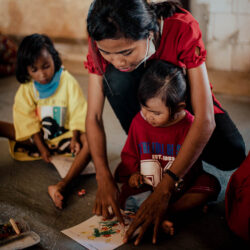 When a child draws, reads, plays, and interacts, they don’t just learn; they avoid walking several kilometres to fetch dirty water in a container that’s too heavy for them (often heavier than themselves). They steer clear of the road, snakes, the night, injuries, and fatigue.
They gradually build a different relationship with life and their future.
That’s why we do everything possible to stimulate their curiosity, provide them with materials, create engaging activities, and discuss health, nutrition, and hygiene. Our prevention campaigns are also directed at children, but especially at their parents, as they are the ones who pass on the knowledge.
But let’s be honest: the education system here is struggling.
Teachers, paid the equivalent of $10 a month and only every two or three months, have no motivation to travel 15 kilometres to teach. Children have no notebooks, no pencils, no shoes, and sometimes not even a chair to sit on.
So every moment we spend with them learning differently is a victory. Every drawing they make means less time risking their health, and more knowledge to build a more dignified future.
Because these are the children who will teach their children to drink clean water, not to throw garbage in the river, to protect themselves from malaria, dysentery, and polio.
Education is the first line of care here.
It serves as our guiding principle, our starting point, and our promise.
And that concentrated smile on the faces of these children as they draw… It is the most precious thing there is.
With all my heart and much more,
Alex, The 1st of May 2025
12.12.2024 - A Christmas of Reflection: Past, Present and Future at the Heart of the Engagement
I reflect on Fair Future’s resilience and my own.
How we have overcome challenges and implemented transformative solutions in 2024.
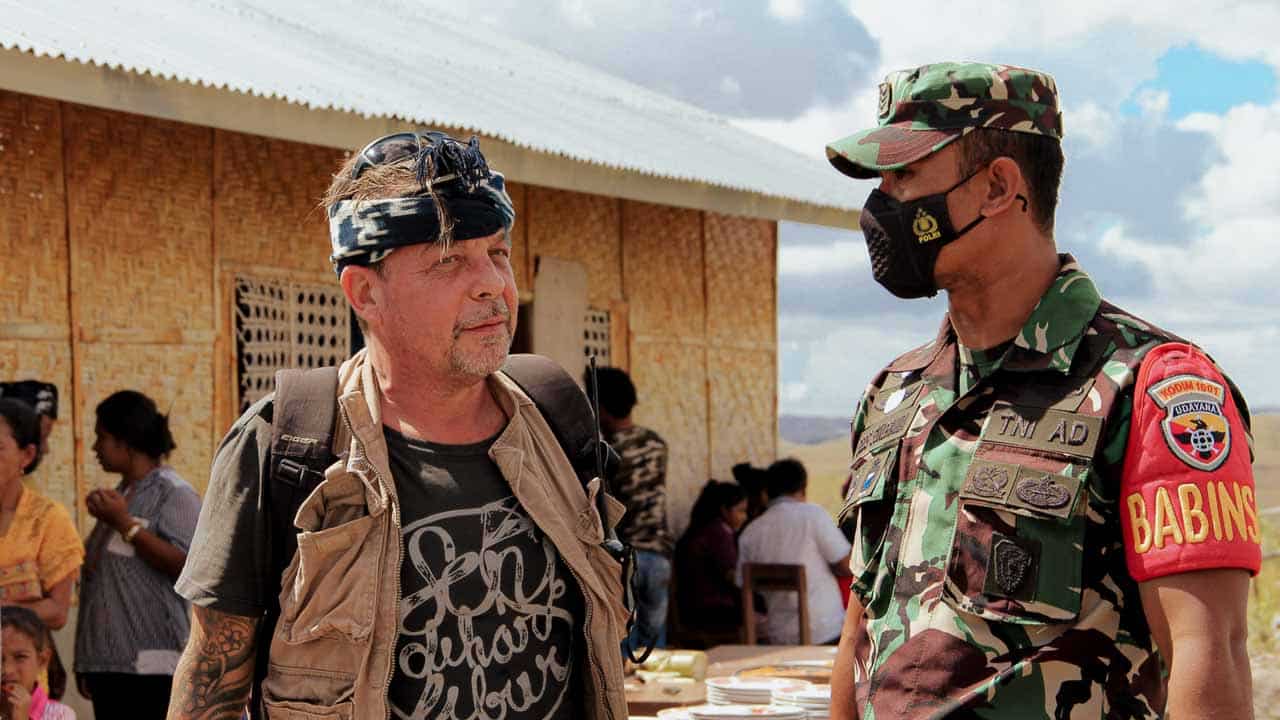
Alex Wettstein in action: planning, helping, healing, and building solutions for rural communities.
Hello to everyone, it’s Alex. How are you today?
How are you? How are you feeling? Do you realize that in just twelve days, it will be Christmas? As 2024 comes to an end, I feel the need to take a moment to share with you a personal reflection, some introspection, and, above all, deep feelings of gratitude.
A few times a year, most recently last August, I take the time to write “A Word from Alex“. These are, admittedly, (very) long open letters that are entirely spontaneous, directly from my thoughts and everything that makes me a thinking and creative human being. They are addressed to everyone: my family, my friends, my colleagues, those we help, and even people I don’t know.
These letters allow me not only to keep you informed about events but also to pause amidst the constant, exciting whirlwind that is my, our, daily life here in the far east Indonesia. These moments of writing—outside of the articles we publish on the Swiss Foundation’s website—are rare, yet they are essential for me to (re)connect with all of you and to strengthen what we have been building together since 2008 and even earlier.
This year has been particularly intense, mentally, physically, and emotionally. Each day brought its share of challenges, sometimes overwhelming ones. It was difficult then, and it remains so now. However, thanks to your unwavering support, the exceptional dedication of our teams on the ground, and the strength of our shared vision, we are holding strong. Together, we have faced these trials, and it is this unity, this solidarity, that constitutes our greatest strength. Thank you for making this possible. Thank you for being here, year after year.
2024: A Challenging Yet Successful Year
A young girl in an ultra-rural village discovers the sound of her heartbeat, a moment of amazement and learning.
Every day of this year has been a true challenge. There have been overwhelming responsibilities I often bear alone, colossal projects on the ground in which I am deeply involved, and unforeseen events that have required immediate responses, often on the spot. Administrative constraints, sometimes absurd, could have discouraged me, but I never gave up (or if I did, I quickly got back up). Not because it was easy, but because the beneficiaries of our work, those tens of thousands of people, remind us almost daily why and for whom we do all this.
And then there is a thought that rarely leaves my mind, one that drives me: that of my biological father, Axel Kahn, who passed away on July 5, 2024. A tireless and brilliant worker, an extraordinary man. During the three months before his death, he chose to publicly share every moment of the end of his life with rare lucidity and humanity. Through this act, he sought to shed light on a topic often considered taboo: death, and more specifically, the experience of one’s final moments—a subject of societal debate for a long time, which greatly fascinates me. Until the very end of his earthly life, he wanted to share his final moments.
Like him, I am driven by an unending quest for balance and social justice. Axel passionately supported scientific progress while keeping human dignity at the forefront of his concerns. This duality, this effort to harmonize sometimes contradictory values, is a constant source of inspiration for me. I often think of him and our last phone call, just a few days before his death, during which he congratulated me on our work.
It is in this spirit that my commitment to Fair Future makes perfect sense. Innovating, building, and addressing the essential needs of the most vulnerable while respecting their humanity, culture, and dignity: this is the guiding principle of our actions. Like Axel, I ask myself daily: How can we reconcile progress, balance, and humanism? How can we combine pragmatism and justice in our work? How can we be heard, and then, most difficult of all: understood? These reflections are not a burden but a compass that motivates both me and the foundation to go ever further.
Returning to 2024 after this familial digression… The projects carried out this year—be it deep drilling, healthcare, medical care, social aid, or various training initiatives in schools or the construction of sanitation facilities—have been, for the most part, successful. Faced with the challenges encountered, we have learned to adapt and persist in our efforts. It is our resilience and ability to move forward despite obstacles that make Fair Future strong. I am deeply convinced that our efforts are never in vain; that every action and every small step helps transform lives and build a better future. This conviction lies at the very heart of our mission’s meaning.
Yet, 2024 has pushed me to my limits. Between malaria, dengue, strange skin infections caused by equally strange insects, and emotional shocks linked to our environment here, I have honestly suffered from persistent fatigue. Fears and other worries, accompanied by physical pain induced by immense stress, have manifested in sleepless nights and sometimes painfully paralyzing anxiety attacks. I even had to visit the hospital urgently for tests, convinced that my heart was in danger. Fortunately, after a reassuring ECG and cardiac ultrasound, it turned out that my heart—resilient through challenges—was fine, or almost fine! These scares, however, underscored how serious stress can be—so, please take care of yourselves mentally and emotionally, friends.
What has sustained me, and continues to do so every day, is observing the gratitude of those we help in these arid regions where nothing grows. A simple glance, a few words, or a smile from them is a true therapy—this is my reward. Witnessing the transformations in their lives has kept me going, even during the most challenging moments of these past months.
16 Years of Dedication: A Challenging Yet Fulfilling Journey
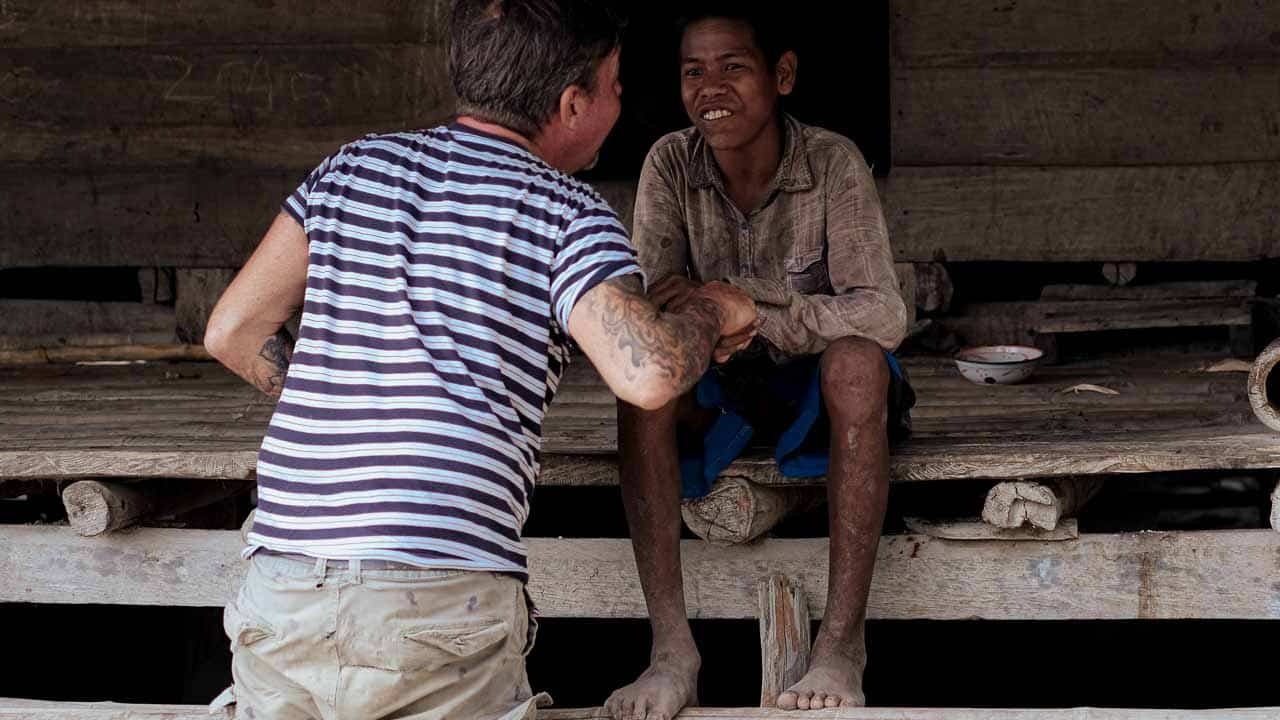
Dog bites can be managed effectively with proper wound care and medical advice to prevent infections and rabies.
Few people truly understand what it means to dedicate over sixteen years of their life to a cause, especially one focused on humanity, solely in service of others. It is not just a temporary commitment; it is almost an entire existence devoted to a project that transcends oneself. Honestly, this mission still completely overwhelms me today. Over these sixteen years, I have experienced brilliant moments filled with deep humanity, as well as challenges that were almost insurmountable, yet we overcame them.
When situations become too difficult, as they have in recent months, a question often crosses my mind: “If you had the chance to go back, Alex, would you do it again?” While my answer may vary depending on the moment and the exhaustion felt, 90% of the time, it is clear and unequivocal: “Of course, I would… with a few adjustments.”
Reflecting on the time spent and in this season of Christmas, it is hard for me to choose a specific anecdote as some often ask me to do. Difficult, I say, because each day here is a story in itself, full of challenges and small victories. What motivates me deeply is what remains to be done. My inspiration comes from my hopes—or rather the dream—that I wish to turn into solutions. Thus, I would no longer need to worry about finding the necessary resources: buying medicines, disinfectants, vital submersible or surface pumps, educational materials, construction tools, and so on. Finally securing these essential means would be a tremendous relief and a step toward a more secure future for all, including myself!
The challenges that await us tomorrow are immense, the projects we envision ambitious, and the number of lives we can transform, even just a little, is vast. Yet, despite all this, our presence endures thanks to you. Thank you for supporting this vision for sixteen years and for continuing to inspire us as we begin our 17th year in February 2025.
Yes, it can be complicated and sometimes even absurd… But it is also incredibly beautiful, infinitely precious, and it is what gives profound meaning to every effort we make.
I Look to 2025: Ambitious Projects for Tomorrow

Alex Wettstein in action: planning, helping, healing, and building solutions for rural communities.
Next year will once again be crucial for the Foundation. While I say this every year, it remains profoundly true. Despite our modest size and our uniqueness as one of the few Swiss medical NGOs operating abroad, we continue to undertake ambitious, innovative, and sustainable projects. I sincerely hope these initiatives will allow us to push the limits of our mission even further and bring lasting and meaningful change where it is most needed.
- Solar Buddy: As in 2024, when we distributed just over 200 lamps, in 2025, we will distribute no fewer than 2,224 solar lamps to villages without electricity. Powered daily by solar energy, these lamps will not only provide light but also offer valuable security, reduce the risks of nighttime accidents, and allow children to study in a peaceful environment in the evening. This initiative goes far beyond merely lighting homes—it truly transforms entire lives.
- Primary Medical Care: We will continue to develop this crucial program, which treats between 500 and 800 patients each month. A true cornerstone of our initiatives, it also highlights a worrying reality: the constant and urgent increase in medical needs. In the face of these growing challenges, the resources required keep increasing. Without medicine, adequate equipment, or materials for construction and drilling, human lives are at risk. Our ability to respond effectively to these needs is essential, and every contribution genuinely makes a difference.
- Water Connections: In Lapinu, our goal is to launch a new “Water Connections” project to serve an entire village deprived of drinking water, electricity, and sanitation facilities—a situation unfortunately still common here. At the same time, we plan to construct a 110 m³ reservoir in Laindatang to address the semi-failure of the drilling undertaken during the third phase of the Water Connections program. These initiatives are vital in this region, where access to clean water is a daily challenge with direct consequences on the health and living conditions of local communities.
- Truck of Life: In 2025, our “Truck of Life” will remain a key element of our field interventions. This medical vehicle, fully equipped to access the most isolated areas, will provide medical care, diagnostics, and medicines where no one else can go. It will also be capable of performing ultrasounds and storing vaccines and treatments thanks to its integrated refrigerator. By offering direct medical support to often neglected communities, it continues to be a lifeline for countless individuals.
- Water Analysis Laboratory: This is an essential project to combat water-related diseases that severely affect local communities. This small, partially mobile laboratory will allow us to monitor water quality, identify contaminants like E. coli, and provide rapid solutions. Designed simply, it can be used by non-specialists after basic training. A good portion of the necessary funding is already secured, and this project will represent a significant step forward in preventing diseases and improving public health in rural areas.
- …
Facing Ecological and Health Crises: Educate, Prevent, Act, and Never Despair!
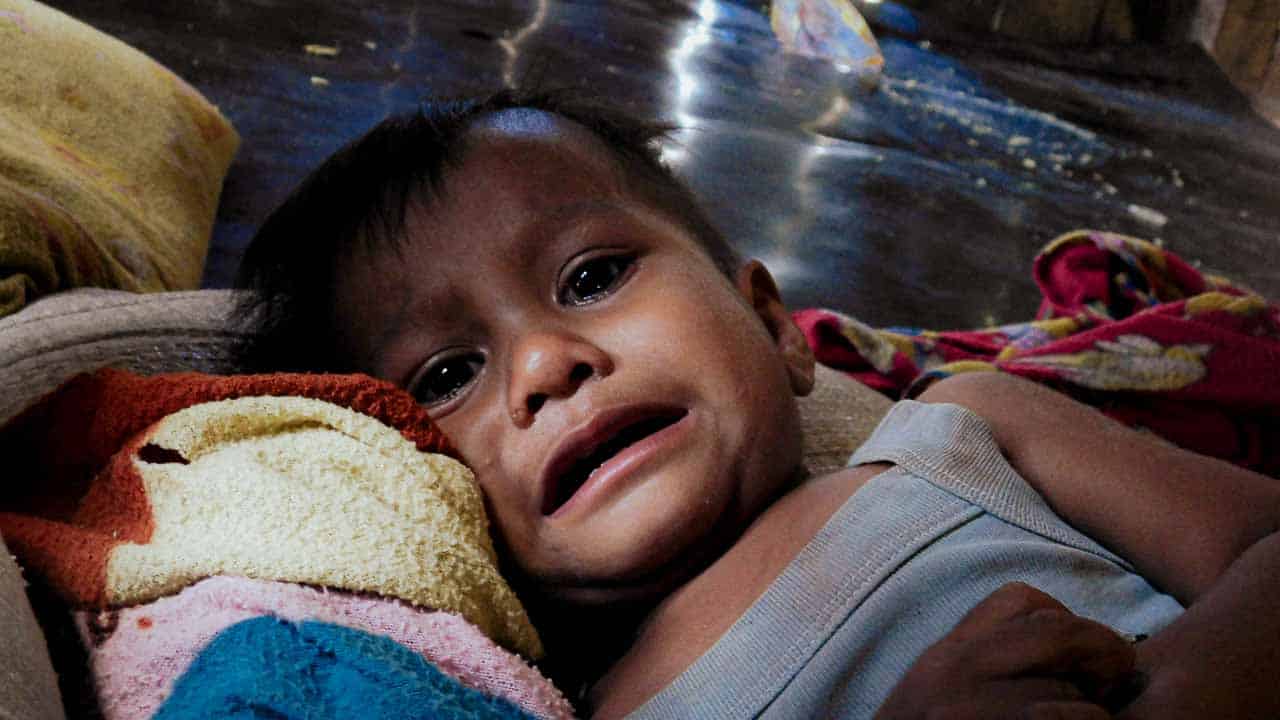
Addressing the growing challenge of tuberculosis in ultra-rural communities with prevention and care.
Every day, we sadly witness the devastating effects of climate change, ecological crises, and reckless overdevelopment that disregards the well-being of future generations. In the regions where we work, these upheavals only exacerbate already widespread poverty and revive serious illnesses once considered eradicated, such as polio and tuberculosis, to name just two. These diseases present real health and social challenges, illustrating the direct consequences of a degraded environment, limited access to healthcare, and an alarming lack of education about these crucial issues.
Climate cycles are becoming increasingly unpredictable, causing lands to dry up and reducing clean water reserves. This exposes populations to an even greater risk of malnutrition, epidemics, and preventable suffering. We see this every day among those silently enduring a world often indifferent to their basic needs. These challenges are not isolated; they are part of a global problem fueled by selfishness and the immediate pursuit of profit at the expense of solidarity and sustainability.
Despite the magnitude of these crises, we (I) refuse to sink into fatalism. With our limited resources and the support of those who believe in our mission, Fair Future and Kawan Baik continue to take concrete actions. Through our programs for access to clean water, healthy sanitation facilities, healthcare, waste management, healthy nutrition, anti-smoking campaigns, and prevention for a more harmonious life in a healthier environment, we offer innovative and sustainable solutions. However, collective awareness is crucial to make further progress. The current total lack of political action, both here and elsewhere, is a significant obstacle to the meaningful change these global issues require. Without widespread education and increased public awareness, the progress we strive for—starting with where we operate—will remain fragile and at risk.
Together, we must educate, prevent, and protect. We must stop talking about hope and instead focus on solutions. Climate change and environmental degradation are not inevitable, although… When I look at the nature around me, the sea, the rivers, it sends a chill down my spine. These are urgent calls to action. We are convinced that with a collective vision and shared commitment, it is still possible to turn these challenges into opportunities to build a fairer and more human future. Let’s put humanity and common solidarity back at the center of our daily debates. Quite the challenge!
A Message of Thanks and Sincere Wishes
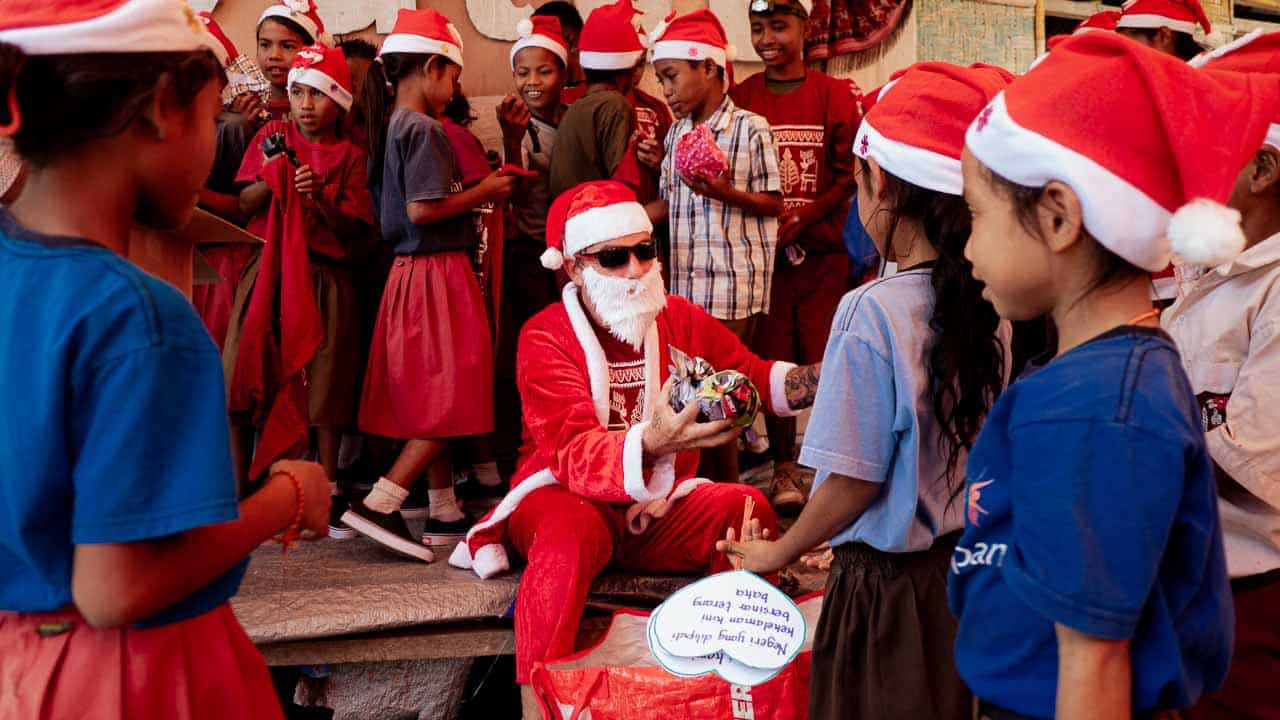
Spreading cheer and sharing love: A unique two-day Christmas celebration with the children and families of an East Sumba village, filled with gifts, food, and smiles.
As we approach the end of the year, a time that evokes both relaxation and reflection for me, Christmas is near. It is a special moment for me, not for what it has become—however commercial it may be—but for its values: time spent with family, generosity, and the bonds that unite us. It is also the perfect occasion to sincerely wish you a 2025 filled with health, love, happiness, and precious moments with your loved ones.
I particularly want to use this moment to express my gratitude. To my family in Switzerland, France, and Indonesia: my children, their mother, and my wife Ayu. You are my strength and my anchor. Even when I am far away or consumed by my mission, which has become an integral part of me, you constantly encourage me. I sincerely thank you for your unconditional love and infinite patience.
To the teams on the ground, who strive tirelessly under often challenging conditions: you are incredible. Every day, your dedication and resilience inspire me, I promise you. What we accomplish together is extraordinary, and I am proud to walk this path alongside you.
To our volunteers, the many people who, everywhere, dedicate their time, energy, and hearts: you have my utmost admiration. Your commitment makes possible what would otherwise not be. You are a collective force whose importance I evaluate every day.
Finally, to you who are reading these words and supporting us in so many ways: thank you. You are the very soul of this Foundation, this collective masterpiece that is the major mission of my life, after my children. Without your invaluable support, nothing here would be possible.
To all of you, I extend my wishes for a joyful Christmas and radiant end-of-year celebrations. May 2025 be filled with solutions, strength, and beautiful successes. I am convinced that together, we can build a better future.
With all my heart and much more,
Alex, December 12, 2024.
14.08.2024 - Getting back into a good habit with an open letter from Alex to all of you
Hello everyone, this is Alex. How are you?
Over the past 15 years, I have dedicated my life to helping others through Fair Future. During this long but rewarding period of my life, I have worked tirelessly to help those in greatest need by creating health centers, schools, pharmacies, primary care centers, sanitation facilities, and clean water sources where they were previously lacking. I feel grateful, but also very aware of the great responsibility that we all bear at Fair Future.
We have had (and continue to have) a positive impact on hundreds of thousands of lives, highlighting how essential our work is every day. As I write these words, my socio-medical teams and I are at work helping communities that are often neglected or forgotten by others, by the system, and by the authorities as well. Our primary goal is to provide social, educational, emotional, structural, and of course medical support to all those who would not have access without us.
Recently, my wife Ayu and I, in our work, had the honor of receiving the Paul Harris Fellow Award from Rotary International. This recognition is not only a lesson in humility, but it also encourages us to continue our important work of helping those in need.
Our Water Connections programs continue to change lives, particularly in the Laindatang region, where our ongoing drilling efforts have now reached their sixth month. This is undoubtedly my most challenging task to date, both physically and emotionally. The most complicated thing in my life… The responsibility of providing clean water to hundreds of families rests heavily on my shoulders, but I do not give up; I continue this fight here in Laindatang.
Our daily reality is the battle against infectious diseases linked to unsafe water, unhealthy food, and poor living habits. Although malaria weakens me, I refuse to let it defeat me. Every day, I fight relentlessly for myself and for others. Our Zero Malaria program saves lives, one house at a time, one person after another, through its innovative and proactive techniques, protecting entire families from this devastating disease.
The resurgence of polio—a disease we thought we had eradicated—deeply troubles me personally. Facing children as young as three years old who can no longer use their limbs and crawl—it truly affects me, believe me. In these remote areas, countless children are affected by the Poliovirus due to the lack of vaccination and healthcare access. Their dramatic situation constantly pushes me to reflect on what more we can do with our limited resources.
Since its launch two years ago, the Primary Medical Care program has treated an impressive number of patients. It is undoubtedly much more than a lifeline for countless people who have no medical resources where they live. This program allows us to provide first aid in cases of injuries or illnesses in regions without medical care. I am very proud of all our achievements so far. However, the needs remain significant, and there is still a lot of work to be done; we still have a long way to go, particularly in ensuring medication coverage for the next 12 months, clearly, we need a lot.
After three months of repairs and upgrades, our medical truck, known as the Truck of Life, is ready to (re)take the road with a fridge inside to store vaccines, medications, and other rapid tests, as well as a portable USG unit to check, among other things, the pregnancies of women, especially those affected by infectious diseases, including Malaria. We are also delighted to announce a new addition to the family of “two or four wheels”: A sturdy used vehicle—a small truck—which as soon as possible will be dedicated to construction projects and drilling. Witnessing these achievements fills me with feelings of satisfaction and optimism.
The collaboration with Rotary International is of paramount importance, particularly in the areas of clean water access and infectious disease control. Their support and their short, medium, and long-term vision are invaluable to all of us here and significantly contribute to the achievement of our goals. Moreover, they are now family members, friends, and true working partners too.
Our five-ton drill rig, received through a private donation three years ago, continues to operate reliably. With each meter of land drilled, it provides clean water and concrete actions to thousands of people, transforming lives and representing a step towards a future where clean water is a fundamental right for all. It is currently being used for the drilling in Laindatang, where we have been working for six months…
As part of all our programs, our Swiss organization is also working on initiatives focused on nutrition, hygiene, and protection against diseases caused by excessive consumption of tobacco, alcohol, or junk food. We are actively conducting several awareness campaigns that effectively mobilize thousands of people and lead to an overall improvement in living conditions in the regions we serve. See the posters here.
Despite all these successes, all these achievements that “I am told, really stand out… ”, I am often overwhelmed by apprehension and uncertainty. The demands are immense, making it difficult to accomplish everything. Nevertheless, I remain convinced of the importance of avoiding hasty expansion while adhering to our simplest and truest principles and goals: – Taking human actions in favor of humanity…
As Élisa pointed out during our General Assembly last week, we can be proud that 93% of the funds we receive are actually used for our field projects, as confirmed by the latest financial audit. This level of commitment is rare and perhaps unique in the world of NGOs.
In short, this means that if you make a donation of CHF 100,-, CHF 93,- will go directly to the purchase of medications, medical equipment, school supplies, or construction materials, for example; none will be used for salaries (because there are none), and only the bare minimum will be spent on the Foundation’s administrative expenses. This is what distinguishes Fair Future, along with the fact that it is “we, the Swiss” who are 24/7 on the ground, us and no one else. A true Swiss NGO!
Regarding administrative expenses, obtaining the Zewo certification would be a plus for us after more than 15 years. So, receiving it this year would be a wonderful anniversary gift for the Foundation, wouldn’t it? Zewo is a prestigious Swiss label that we now hope to obtain and on which our Foundation Board wants to start working quickly. If you want to help us, then get in touch. In any case, we will keep you informed of the progress of this process.
I am not sure how much longer we can maintain this somewhat crazy work pace, but I commit, in any case, to putting my energy, all my heart, all my love, and all my passion into it.
I wish you all a beautiful day – The 14.08.2024, Alex