
Our Mission, creating change
The Fair Future Foundation has been delivering healthcare, education, and essential necessities to isolated communities for over 15 years. Our goal is to empower underprivileged individuals by promoting self-reliance and sustainable development. We work with local partners to improve healthcare, education, and community resilience.
Empowering communities through health, education, and essential care
Building rural resilience with healthcare, clean water, energy, and skills
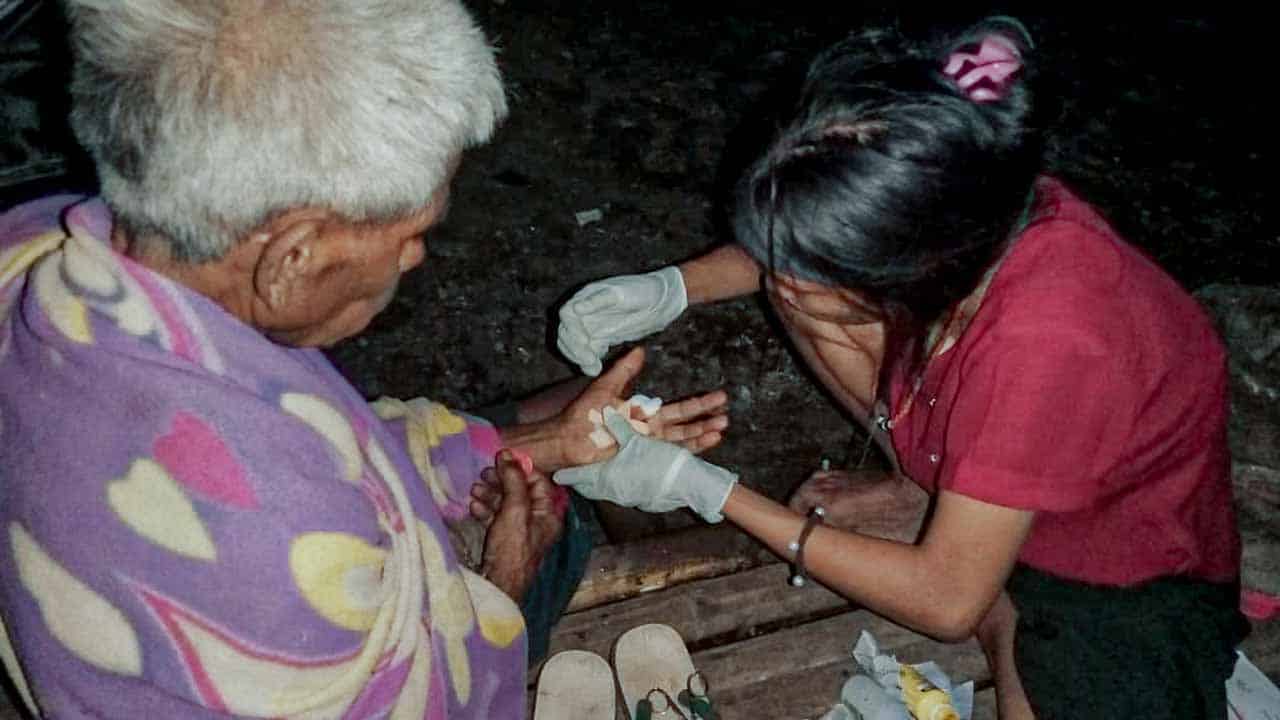
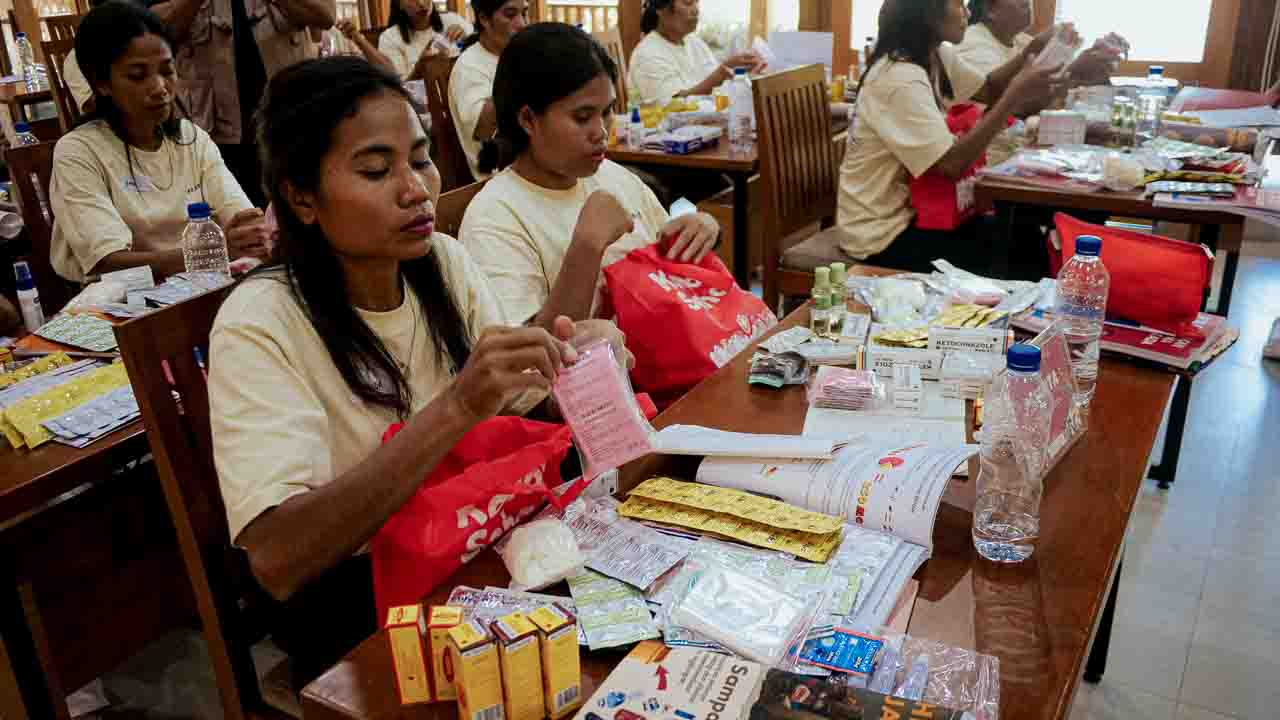
Agentes Kawan Sehat providing essential healthcare in rural Sumba as part of Fair Future’s 2024 Primary Medical Care Program.
Fair Future’s Mission: Health, Education, and Vital Resources
Fair Future Foundation exists to address the most basic and urgent needs of communities living in extreme rural isolation. In regions where healthcare systems do not reach, where clean water is absent, and where infrastructure is minimal or non-existent, our mission is simple and concrete: protect health first, so everything else can follow.
Our work begins with primary medical care. Without access to diagnosis, treatment, prevention, and follow-up, education cannot be sustained, livelihoods cannot develop, and communities remain trapped in preventable illness. We operate where distance, geography, and poverty make access to care uncertain or impossible, often becoming the only available medical presence for entire villages.
We work alongside communities, not above them, building long-term solutions that respond to real conditions on the ground rather than theoretical models. Our objective is not short-term assistance, but durable autonomy rooted in health, knowledge, and practical infrastructure.
Alex Wettstein – Fair Future Foundation – Updated in January 2026
Fair Future Foundation works with communities living in extreme rural isolation, where access to healthcare, clean water, electricity, and basic infrastructure is absent or severely limited. These conditions shape our identity.
We intervene only where gaps are total. In many of the regions where we work, there are no doctors, no clinics within reach, no reliable water sources, and no functional transport networks. Distance itself becomes a health risk.
Our approach is field-driven and medical at its core. We design every intervention based on what is realistically possible in remote environments, taking into account geography, climate, local capacities, and long-term feasibility.
We work alongside communities, not above them, building trust through continuity and presence. Independence is not declared; it is constructed over time through practical, shared solutions.
We believe that health is the foundation of everything else. Without access to primary medical care, education cannot be sustained, livelihoods cannot develop, and communities remain vulnerable to preventable illness.
We believe that many diseases in rural regions are not inevitable, but the direct result of isolation, unsafe water, delayed care, and lack of prevention. Addressing these factors early saves lives and resources.
We believe in pragmatic, evidence-based action. Resources are limited, so interventions must be efficient, durable, and adapted to real conditions rather than ideal models.
Above all, we believe that dignity begins with access to basic care and the ability to protect one’s own health.
Primary Medical Care is the backbone of all our programmes. Through trained local health agents, mobile consultations, and continuous medical supply chains, we provide diagnosis, treatment, follow-up, and prevention in areas where formal healthcare does not reach.
Clean Water Connections are inseparable from health outcomes. Safe water reduces infectious diseases, improves child health, and strengthens nutrition. Without it, medical care remains incomplete.
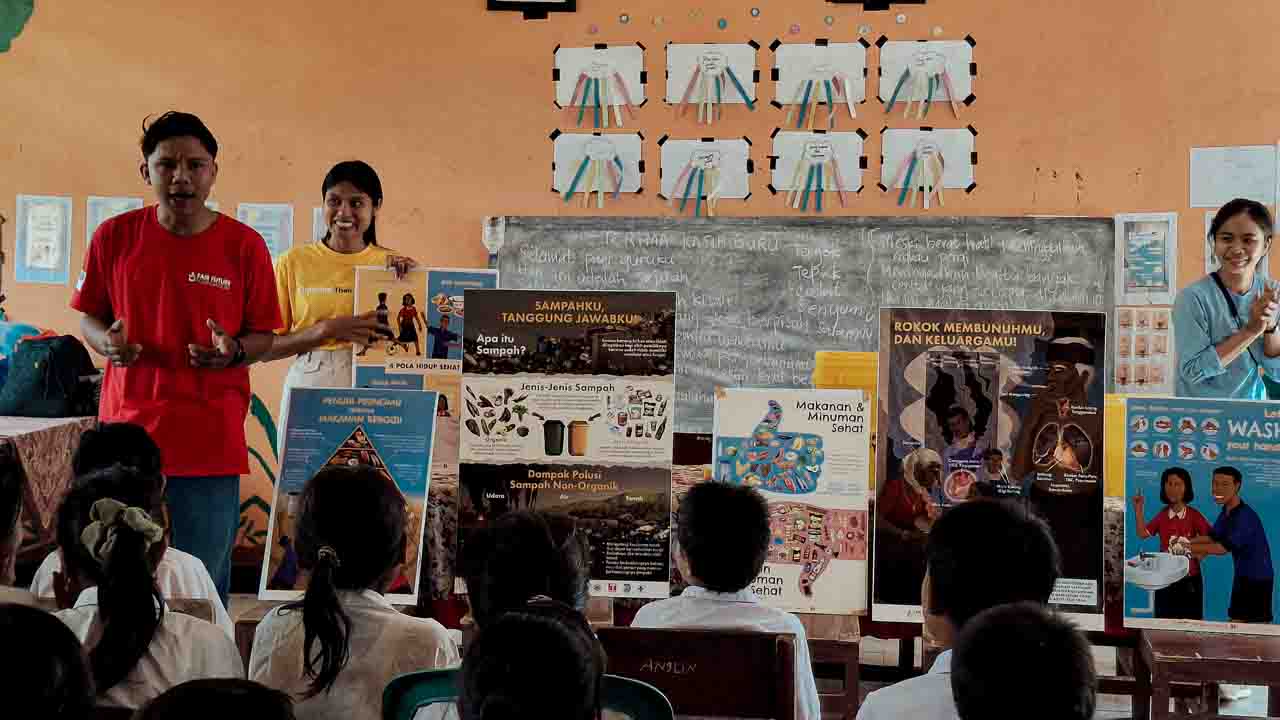
Education, prevention, and community training are developed alongside medical activities. Healthy children attend school. Informed families prevent disease. Knowledge becomes a protective tool.
Energy access, sanitation, logistics, and infrastructure are integrated only where they directly reinforce health and autonomy. Each programme supports the others, forming a coherent and functional system.
In the regions where we work, the consequences of inaction are immediate and measurable. A lack of care leads to preventable deaths. Unsafe water leads to chronic illness. Distance delays treatment until it is too late.
Climate instability, isolation, and fragile infrastructure amplify these risks. Roads collapse, wells dry up, and access to hospitals disappears. In these conditions, health becomes the first line of survival.
Our responsibility is to act where others cannot or do not. Not through emergency reactions alone, but through steady, long-term presence.
We work with humility, respect, and accountability. Solutions are built with communities, not imposed upon them. The objective is not control, but autonomy grounded in health, trust, and continuity.
For transparency and easy sharing, you can download our Mission document as a PDF.
Choose English or French. These files are designed for reading offline, printing, and forwarding to partners, schools, institutions, or anyone who wants a clear overview of what we do and why we do it.
No marketing. Just a precise document, aligned with our fieldwork and our medical priorities.
Links: English PDF | French PDF
Health, Water, and Care in the Field
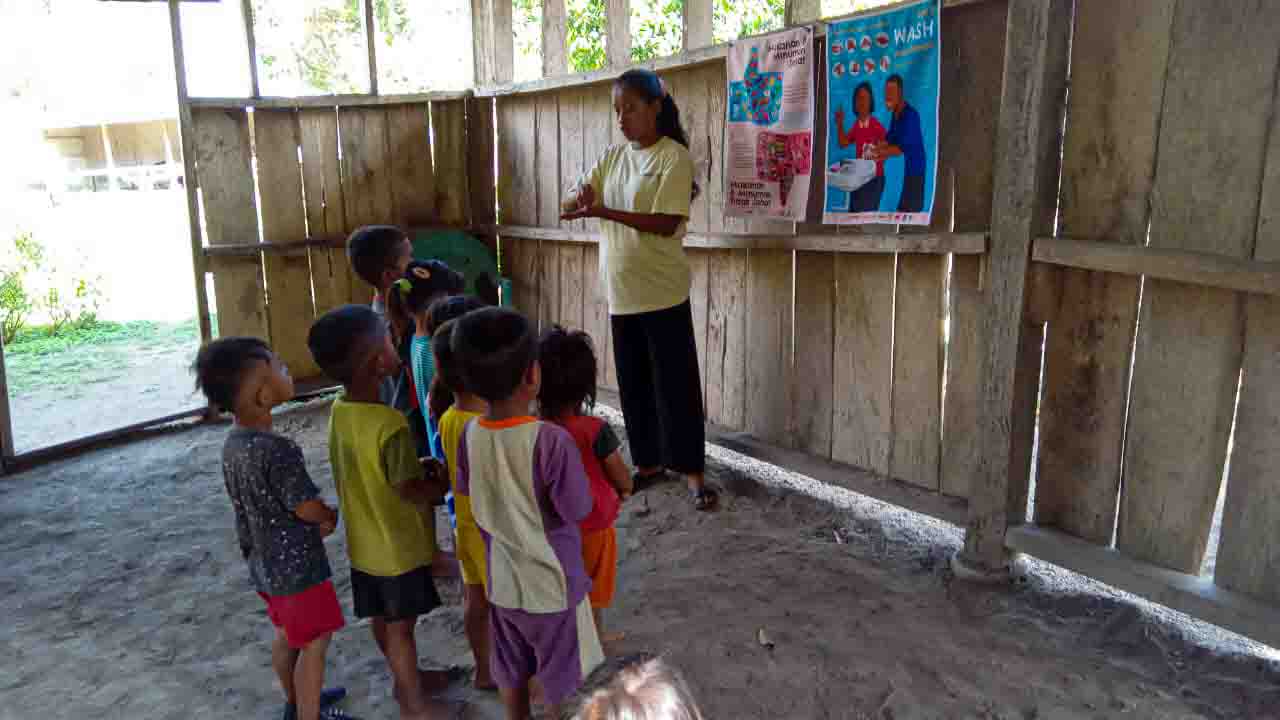
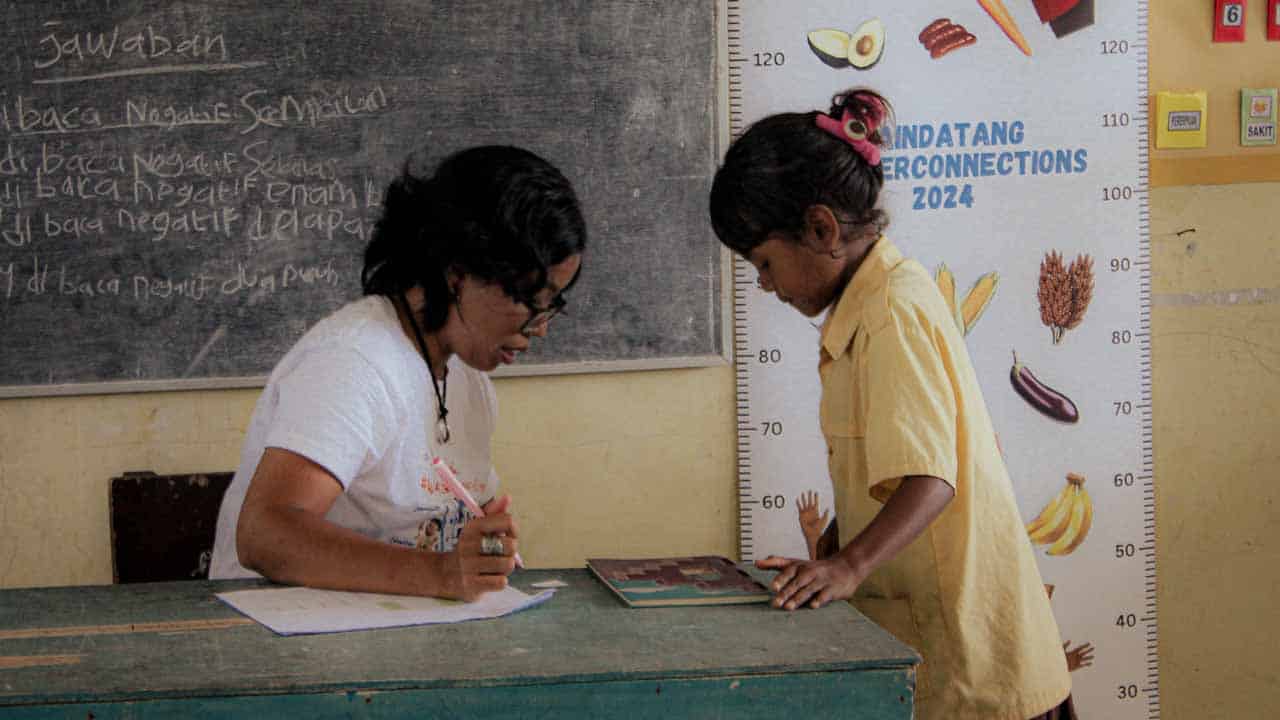
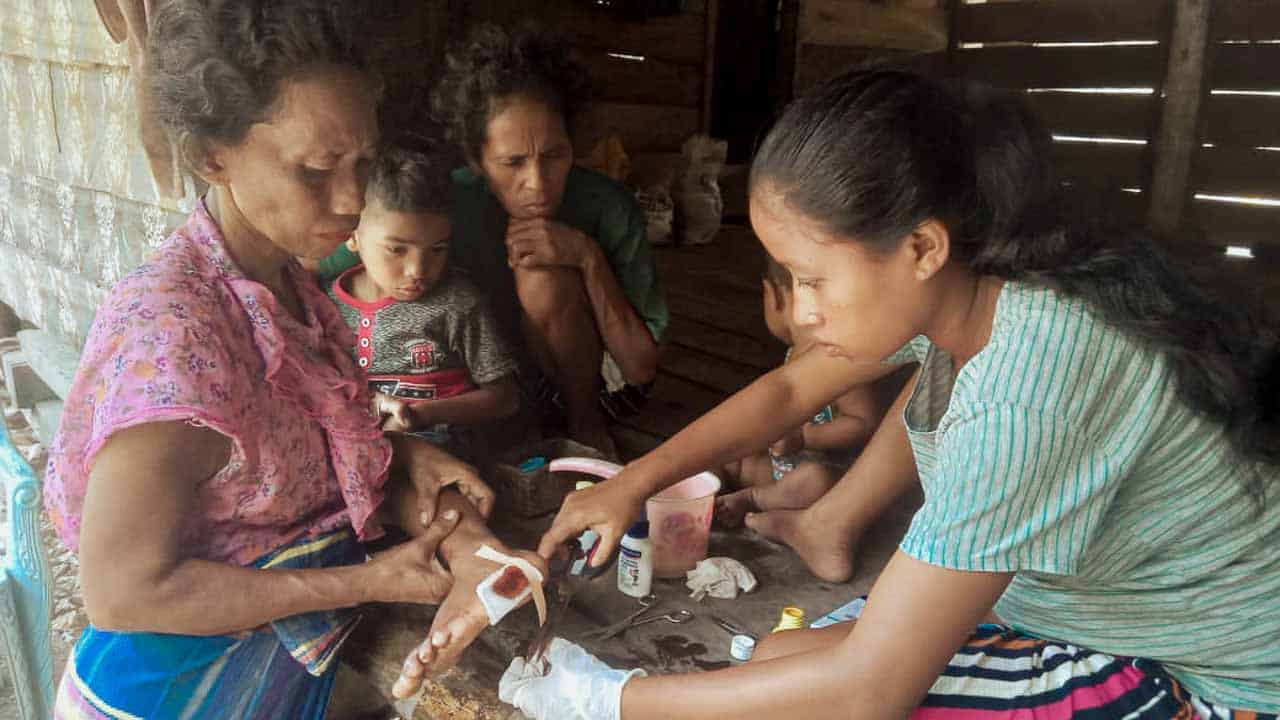
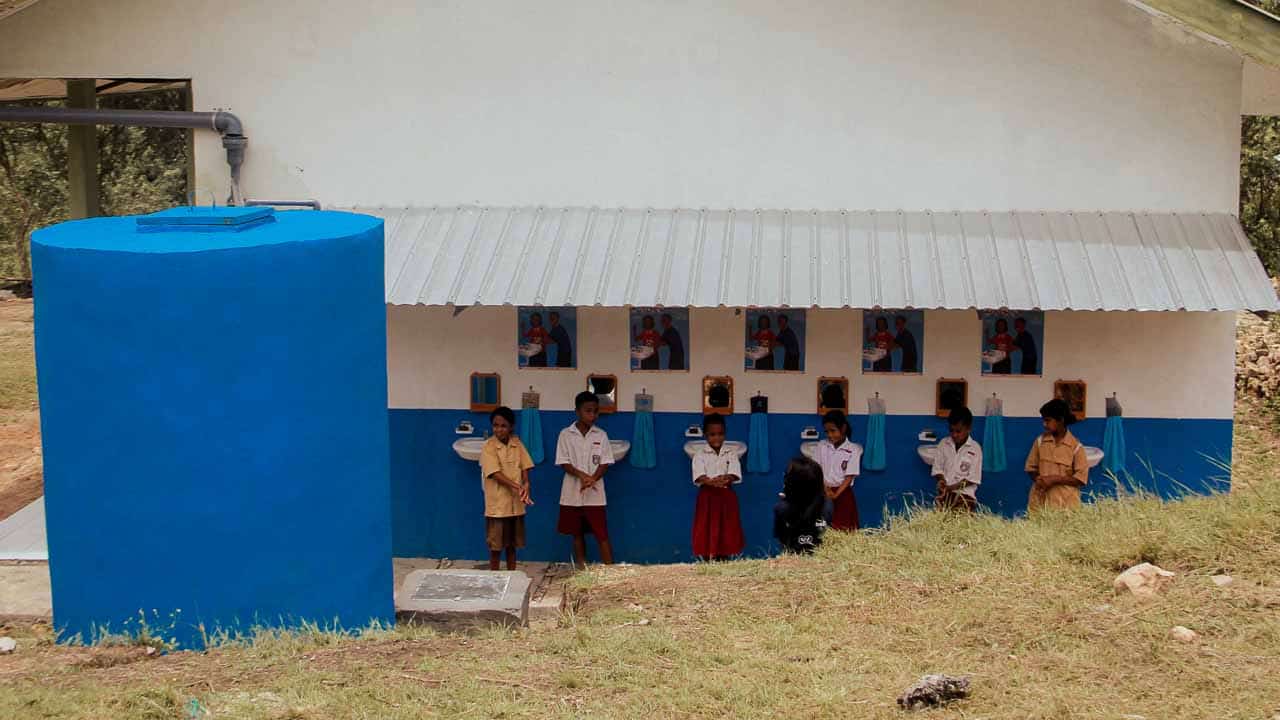
Health and climate, on the ground
In the regions where we work, climate change is not a future scenario. It is already shaping health outcomes every day.
When wells dry up, families walk farther for unsafe water. When rains arrive late or violently, crops fail, roads collapse, and access to care disappears. What appears as a climate anomaly on a global map becomes fever, infection, malnutrition, and delayed treatment in the field.
Communities with fragile or non-existent health systems are always the first affected. These are exactly the places where Fair Future works, where primary medical care, clean water, and prevention are no longer optional, but essential.
Primary Medical Care
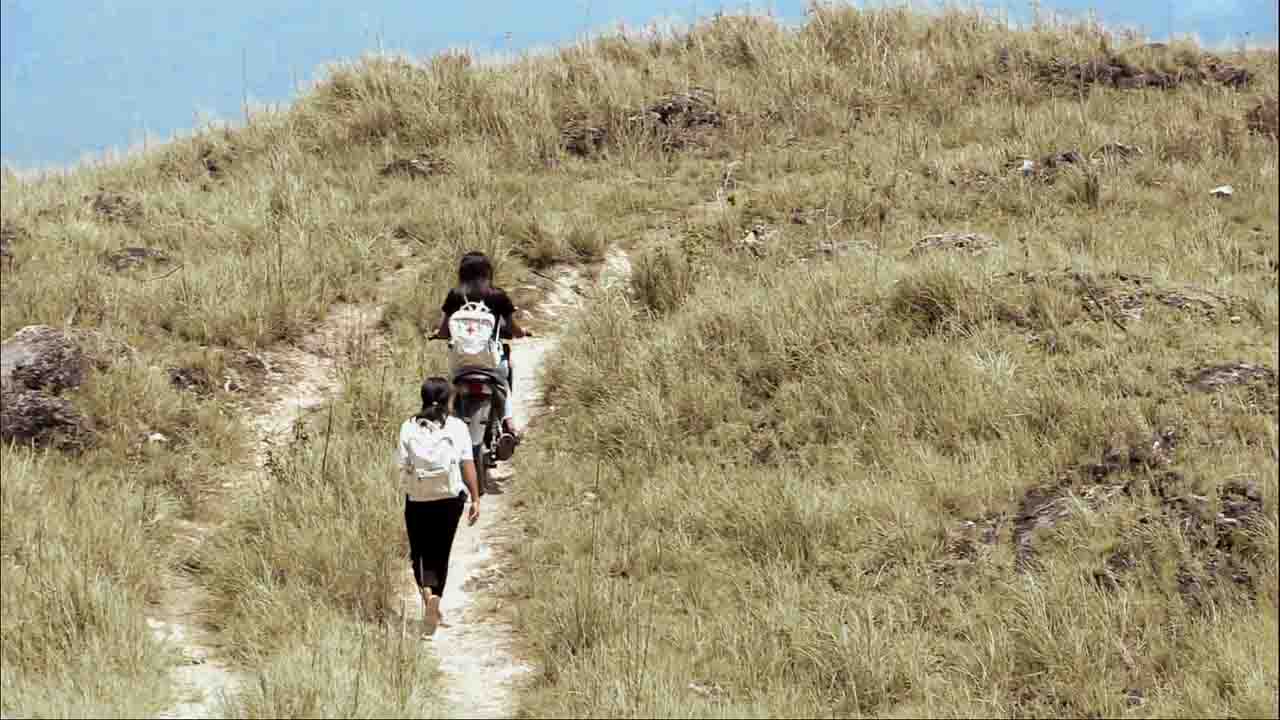
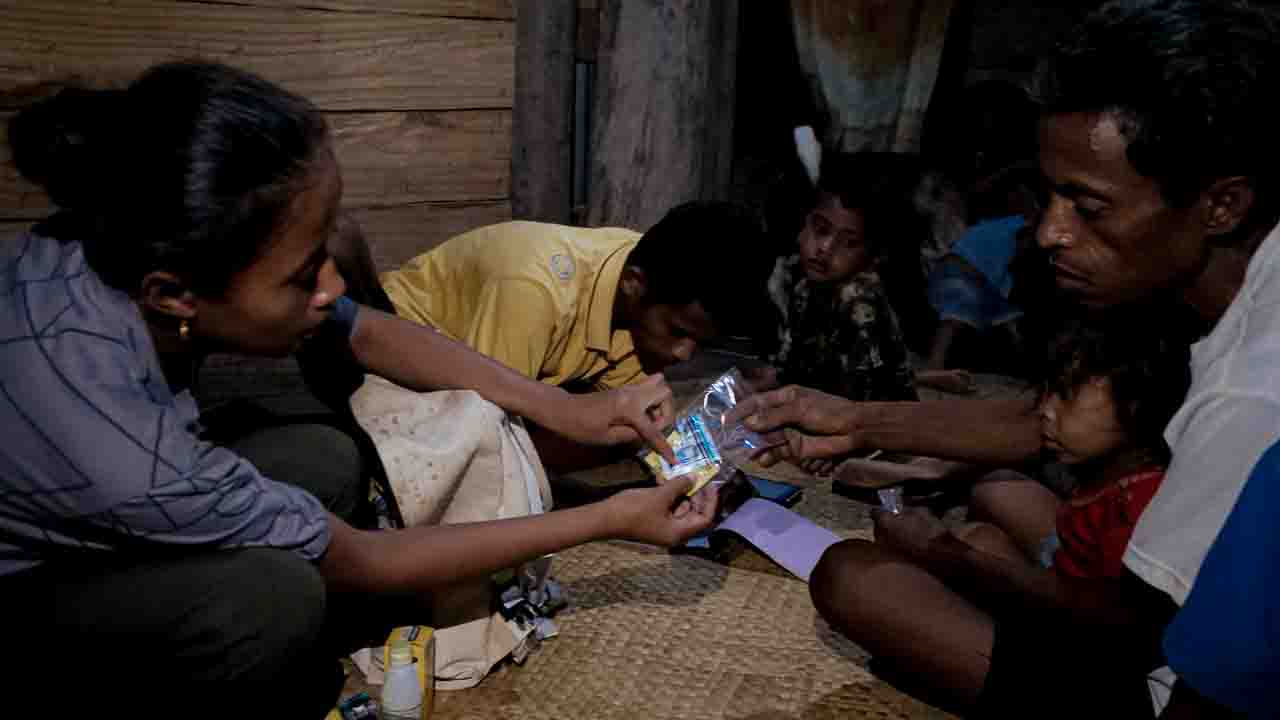
Kawan Sehat health agents walk hours to treat fever, malaria, injuries and dehydration in villages without clinics, where climate shocks hit first.
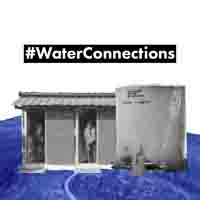
Water Connections
Ferro cement reservoirs and village water networks secure clean litres during longer droughts and after floods, cutting diarrhoea and kidney problems.
Kawan Against Malaria
Prevention, early diagnosis and treatment of malaria in areas where changing rains and temperatures create new mosquito patterns and higher risks.
One simple step. Practical impact.
Support here is not symbolic. It sustains real work on the ground: medical consultations, early diagnosis, treatment, prevention, and the systems that protect health over time.
Across all our programmes, this support keeps care continuous where conditions are hardest. It allows teams to stay present and act early, alongside communities facing distance, isolation, and limited infrastructure.
Just steady, field-driven work that protects health and saves lives.
Secure. Transparent. Field-based.
Help deliver medical care where no doctors work
Every contribution funds direct care in remote villages. Medicines, wound treatment, diagnostic tests, clean water systems, and solar-powered cold chains to protect vaccines and enable care at night.